Tag: coconut flakes

  • How to Toast Coconut Flakes for Maximum Flavor

    How to Toast Coconut Flakes for Maximum Flavor

    Coconut flakes add a tropical flair, delightful crunch, and rich nuttiness to both sweet and savory dishes.

    But if you’ve only used them straight from the bag, you’re missing out on a game-changing step: toasting (sometimes called roasting — though both terms describe the same dry-heat process).

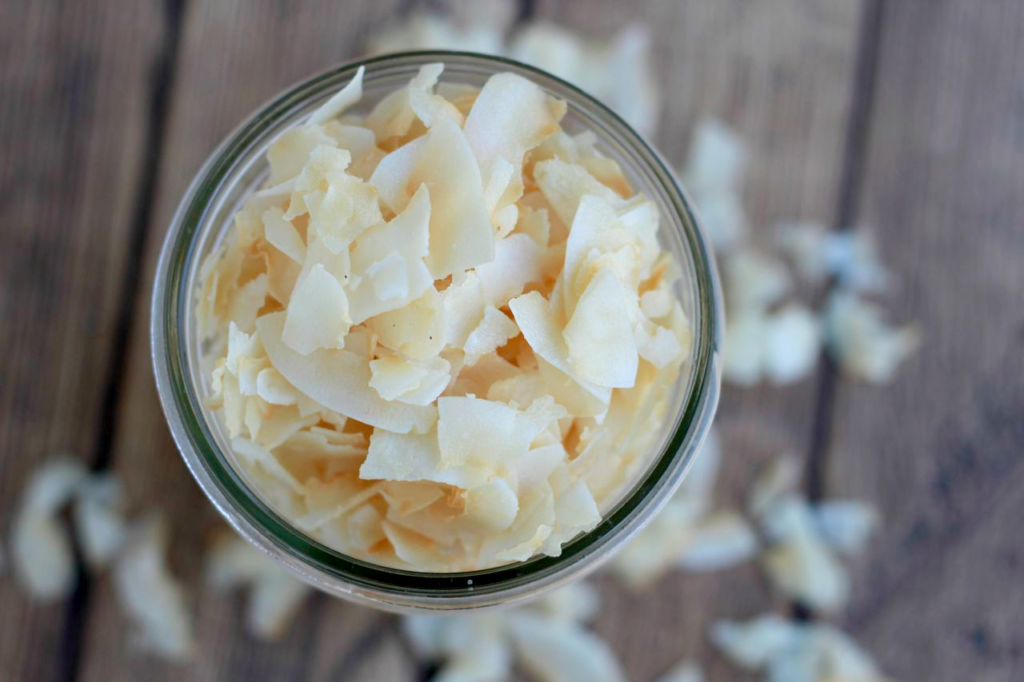
    Toasting coconut flakes intensifies their flavor, enhances their aroma, and adds a beautiful golden-brown hue that elevates any recipe—whether it’s sprinkled over smoothie bowls, baked into granola, or layered in a coconut cream pie.

    In this guide, we’ll cover everything you need to know about toasting coconut flakes for maximum flavor—from choosing the right type of coconut to various methods, storage tips, and creative ways to use your toasted coconut.


    Why Toast Coconut?

    Raw coconut flakes are mild and slightly chewy. Toasting them transforms their character entirely:

    • Deeper flavor: Toasting brings out the natural oils in the coconut, creating a nuttier, richer taste.
    • Enhanced texture: Toasted coconut is crisp and crunchy, adding a satisfying bite to recipes.
    • Aromatic appeal: As coconut toasts, it releases an irresistible aroma that adds depth to your dishes.
    • Visual enhancement: The golden-brown color adds contrast and appeal, especially as a topping.

    Types of Coconut Flakes

    According to the USDA FoodData Central, one ounce of unsweetened coconut flakes contains approximately 187 calories and 5g of dietary fiber — nutritional content that is preserved through toasting since no significant heat-sensitive nutrients are lost at 325°F.

    Before you toast, it’s important to choose the right kind of coconut. The type of flake you use will affect the toasting time and final result.

    1. Sweetened vs. Unsweetened:
      • Sweetened coconut (commonly found in baking aisles) contains added sugar and is more moist. It toasts faster and may brown unevenly.
      • Unsweetened coconut comes in various cuts (shredded, flakes, chips) and has no added sugar—ideal for those wanting to control sweetness.
    2. Shredded vs. Flakes vs. Chips:
      • Shredded coconut is finely grated and has a soft, fluffy texture.
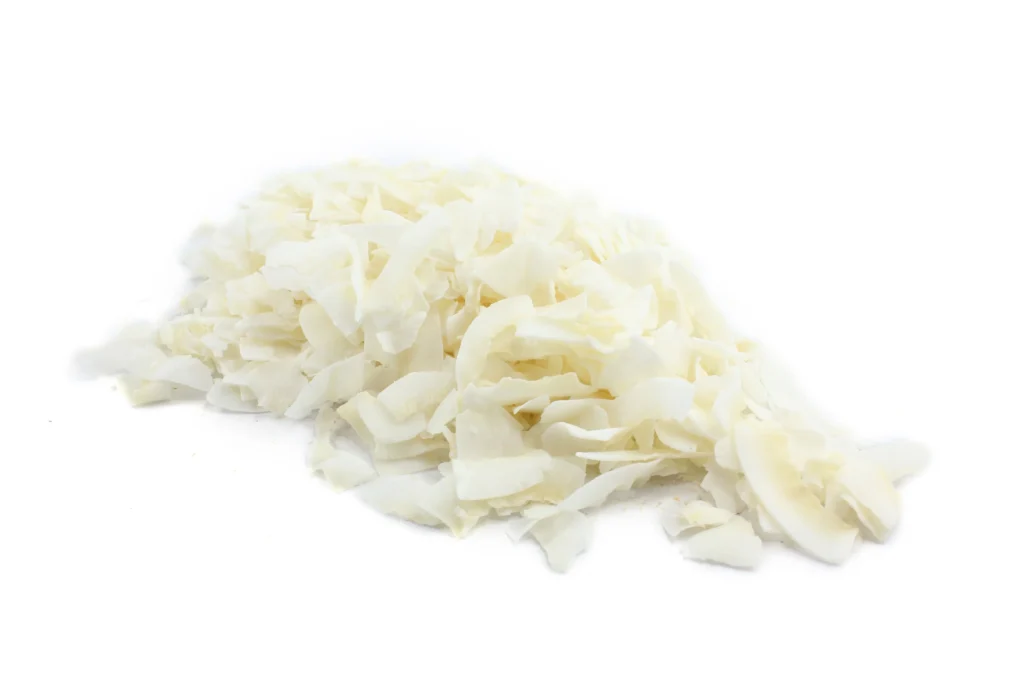
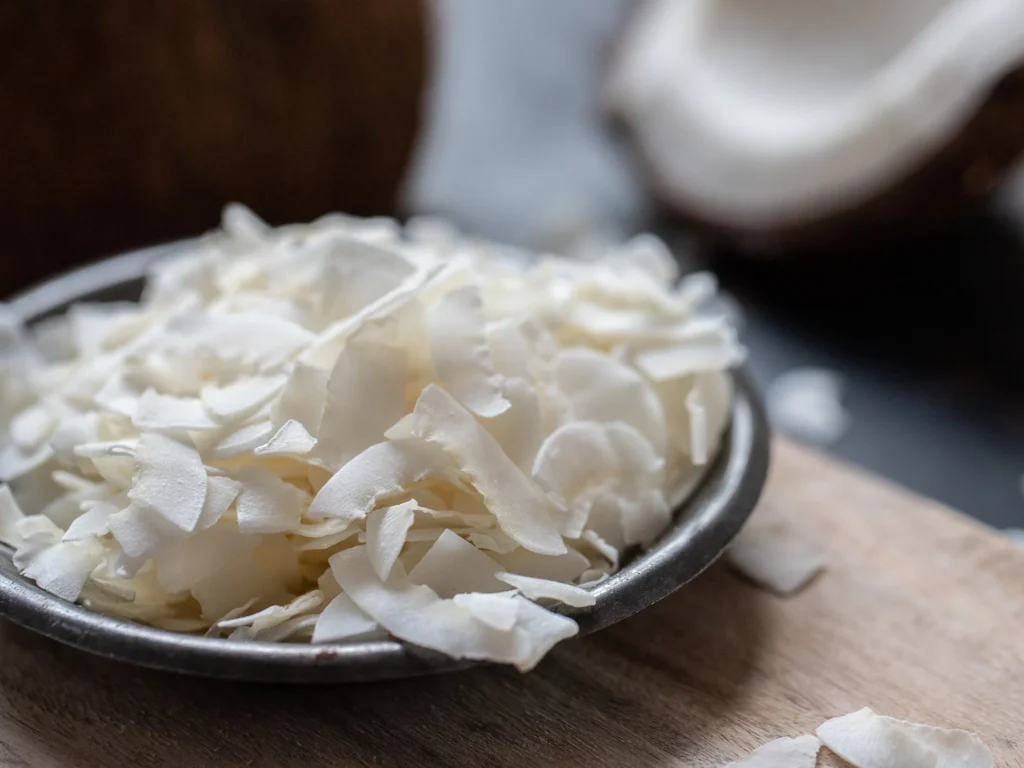
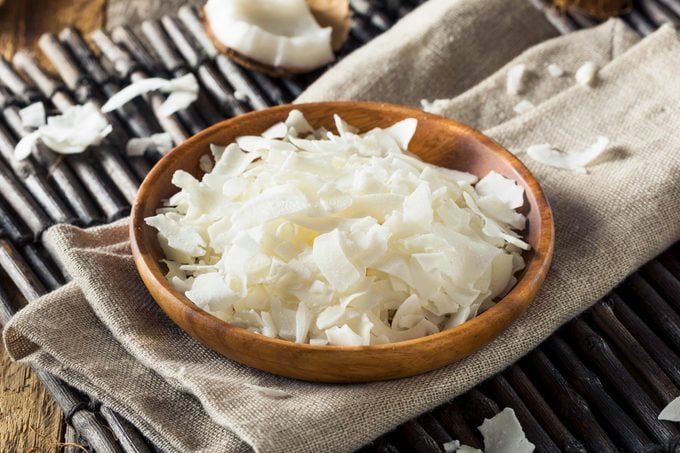
      • Flaked coconut is larger and flat, usually unsweetened.
      • Coconut chips are thick and wide—great for snacks and granola.

    All types can be toasted successfully, but you’ll need to adjust time and temperature accordingly.


    Methods for Toasting Coconut Flakes

    There are several ways to toast coconut flakes, each with its own advantages depending on your kitchen setup and the quantity you need.

    1. Oven Method (Best for Large Batches)

    This is the most even and hands-off method.

    Instructions:

    1. Preheat your oven to 325°F (165°C).
    2. Spread the coconut flakes in a single layer on a baking sheet lined with parchment paper.
    3. Bake for 5–10 minutes, stirring every 2–3 minutes to ensure even toasting.
    4. Watch closely—coconut can go from golden to burnt quickly.
    5. Remove from the oven when flakes are light golden brown and fragrant.

    Best for: Flakes and chips, larger quantities
    Pros: Even toasting, batch-friendly
    Cons: Requires constant attention toward the end


    2. Stovetop Method (Quick and Easy)

    Great for toasting small amounts fast.

    Instructions:

    1. Heat a dry skillet (preferably nonstick) over medium-low heat.
    2. Add a single layer of coconut flakes.
    3. Stir or shake the pan constantly for 3–6 minutes, until evenly golden.
    4. Remove immediately and transfer to a cool plate or bowl.

    Best for: Shredded coconut or flakes
    Pros: Fast, no preheating required
    Cons: Risk of uneven browning if unattended


    3. Microwave Method (Least Common but Effective)

    Ideal when you only need a tablespoon or two.

    Instructions:

    1. Spread coconut in a microwave-safe dish.
    2. Microwave on high in 30-second intervals.
    3. Stir between intervals to prevent hot spots.
    4. Continue until desired color is reached (usually 2–3 minutes).

    Best for: Small portions
    Pros: Fast and convenient
    Cons: Risk of scorching in spots, uneven browning


    Tips for Perfectly Toasted Coconut

    • Keep it thin: Always spread the flakes in a single layer to ensure even toasting.
    • Stay close: Coconut toasts quickly, especially near the end—don’t walk away.
    • Use parchment: In the oven, lining your tray with parchment prevents sticking and promotes even browning.
    • Cool quickly: Transfer toasted coconut immediately to a cool surface or bowl to stop the cooking process.
    • Store it right: Let cool completely, then store in an airtight container at room temperature for up to 1 week or freeze for longer storage.

    Creative Ways to Use Toasted Coconut

    Toasted coconut is incredibly versatile. Once you have a batch ready, try adding it to:

    Sweet Dishes

    • Smoothie bowls and oatmeal: Sprinkle on top for crunch and flavor.
    • Baked goods: Mix into muffin batter or scatter over cakes and cupcakes.
    • Ice cream and frozen yogurt: Use as a topping for added texture.
    • Homemade granola or trail mix: Combine with nuts, seeds, and dried fruit.

    Savory Dishes

    • Curries and stir-fries: Add as a garnish for flavor and texture.
    • Rice dishes: Stir into jasmine or basmati rice for coconut rice.
    • Salads: Use toasted coconut as a nut-free crunchy topping.
    • Soups: Add a sprinkle over Thai-style or pumpkin soups.

    Snacks and Spreads

    • Coconut butter: Blend toasted flakes in a high-speed blender for a nutty, spreadable butter.
    • Energy bites: Mix with dates, oats, and nut butter.
    • Snack on it: Eat it straight from the container as a crunchy treat.

    → For more recipe inspiration using toasted coconut flakes, see: Coconut Flakes Recipes: 10 Easy Ideas


    Common Mistakes to Avoid

    1. Using high heat: This leads to burnt edges before the center is toasted. Moderate heat is key.
    2. Skipping the stir: Without frequent stirring, coconut will toast unevenly.
    3. Toasting wet coconut: If using sweetened or previously frozen coconut, make sure it’s dry before toasting.
    4. Forgetting to cool: Coconut continues to cook after removal. Transfer quickly to prevent burning.

    How to Store Toasted Coconut Flakes

    Toasted coconut flakes store well if handled correctly. Here’s how long they last in each storage method:

    Storage MethodContainerDuration
    Room temperatureAirtight jar or containerUp to 1–2 weeks
    RefrigeratorSealed bag or containerUp to 1 month
    FreezerFreezer-safe bag, remove excess airUp to 3 months

    Always let toasted coconut cool completely before storing — sealing it while still warm traps steam, which causes softening and accelerates spoilage.

    To re-crisp after refrigerating or freezing, spread in a dry pan over low heat for 1–2 minutes or oven at 300°F for 3–4 minutes.


    Final Thoughts

    Toasting coconut flakes is a simple yet transformative technique that can elevate your cooking and baking.

    Whether you prefer the oven’s even browning, the stovetop’s speed, or the microwave’s convenience, toasted coconut offers a depth of flavor and texture that raw flakes simply can’t match.

    By following these methods and tips, you’ll unlock the full potential of coconut in your kitchen.

    So go ahead—toast up a batch and let your taste buds travel to the tropics with every bite.

    Frequently Asked Questions

    How long does it take to toast coconut flakes?

    3–6 minutes on the stovetop over medium-low heat, 5–8 minutes in the oven at 325°F (160°C) stirring once, or 1.5–3 minutes in the microwave in 30-second intervals. All methods require constant attention as coconut burns quickly.

    Can you toast sweetened coconut flakes?

    Yes, but reduce heat slightly and watch more carefully — the added sugar causes sweetened flakes to brown faster and burn more easily than unsweetened varieties.

    How do you store toasted coconut flakes?

    Store in an airtight container at room temperature for up to 2 weeks, refrigerated for up to 1 month, or frozen for up to 3 months. Cool completely before sealing.

    What is the difference between toasted and roasted coconut flakes?

    The terms are often used interchangeably. Technically, “toasting” refers to dry-heat cooking without oil (which is how coconut flakes are typically prepared), while “roasting” implies cooking at higher heat, sometimes with oil. In practice, most recipes use both terms to describe the same process.
  • Coconut Flakes Recipes: 12 Easy Ideas for Breakfast, Lunch, Dinner, and Snacks

    Coconut Flakes Recipes: 12 Easy Ideas for Breakfast, Lunch, Dinner, and Snacks

    Coconut flakes are one of the most versatile ingredients in any kitchen — they work equally well in sweet and savory dishes, from breakfast bowls to dinner stir-fries.

    Whether you’re using toasted coconut flakes as a crunchy topping or folding them into batter, the result is always a hit of natural coconut flavor and satisfying texture.

    In this guide, you’ll find 12 easy recipes using coconut flakes — organized by meal — plus a quick tutorial on how to toast them yourself at home for the best flavor.

    Why Coconut Flakes?

    Before diving into the recipes, here are a few reasons to include coconut flakes in your cooking:

    • Nutrient-rich: Provide healthy MCTs, dietary fiber, iron, manganese, and selenium per serving.
    • Naturally sweet: Add subtle sweetness without added sugar when using unsweetened varieties — ideal for health-conscious cooking.
    • Texture versatility: Create crunch when toasted, chewiness in baked goods, or creaminess when blended.
    • Shelf-stable: Store at room temperature for months — a reliable pantry staple year-round.
    • Sweetened vs unsweetened: Sweetened flakes work best for desserts and decorating; unsweetened flakes are better for health-focused baking, savory dishes, and keto applications.

    → For the full nutritional breakdown: health benefits of desiccated coconut and coconut flakes

    → Not sure which form to use? See: desiccated coconut vs coconut flakes — what is the difference?

    How to Toast Coconut Flakes

    Toasting transforms raw coconut flakes into something far more flavorful — nuttier, crunchier, and golden brown.

    The three most common methods are stovetop (3–5 minutes in a dry pan over medium-low heat), oven (5–8 minutes at 325°F/160°C on a lined baking sheet), and microwave (30-second intervals, stirring between each).

    Whichever method you use, watch closely — coconut flakes go from golden to burnt very quickly.

    → For the complete step-by-step guide with photos, storage tips, and troubleshooting: How to Toast Coconut Flakes for Maximum Flavor

    Coconut Flakes Breakfast Recipes

    1. Tropical Coconut Oatmeal

    Ingredients:

    • 1 cup rolled oats
    • 2 cups coconut milk or water
    • 2 tbsp coconut flakes
    • 1 banana, sliced
    • 1 tbsp honey or maple syrup
    • Pinch of cinnamon

    Instructions:

    1. Cook oats in coconut milk over medium heat for 5–7 minutes.
    2. Stir in banana, honey, and cinnamon.
    3. Top with coconut flakes (toasted if desired) before serving.

    Tip: Add mango, pineapple, or chia seeds for more tropical flavor and nutrition. Sweeten with 1 teaspoon of coconut sugar instead of honey for a lower-GI option with a natural caramel note.”

    → See: why coconut sugar is a better sweetener for oatmeal

    2. Coconut Pancakes

    Add ¼ cup of coconut flakes to your favorite pancake batter for a delightful twist. Serve with coconut yogurt and fresh berries for a hearty, wholesome breakfast.

    3. Toasted Coconut Granola

    Ingredients:

    • 2 cups rolled oats
    • 1 cup coconut flakes (unsweetened)
    • ½ cup almonds or pecans, roughly chopped
    • ¼ cup coconut oil, melted
    • 3 tablespoons coconut sugar
    • 2 tablespoons maple syrup
    • 1 teaspoon vanilla extract
    • ½ teaspoon cinnamon
    • Pinch of salt

    Instructions:

    • Preheat oven to 325°F (160°C).
    • Mix oats, coconut flakes, and nuts in a large bowl.
    • Combine melted coconut oil, coconut sugar, maple syrup, vanilla, cinnamon, and salt — pour over dry ingredients and stir well.
    • Spread evenly on a lined baking sheet.
    • Bake 20–25 minutes, stirring halfway, until golden.
    • Cool completely before breaking into clusters. Store in an airtight jar for up to 2 weeks.

    Tip: Coconut sugar adds a natural caramel depth that pairs perfectly with toasted coconut. Start with 3 tablespoons and adjust to taste.

    → See: organic coconut sugar for baking

    Coconut Flakes Lunch Recipes

    4. Coconut-Crusted Chicken Tenders

    Ingredients:

    • 2 chicken breasts, sliced into strips
    • 1 egg, beaten
    • ½ cup breadcrumbs
    • ½ cup unsweetened coconut flakes
    • Salt and pepper to taste

    Instructions:

    1. Mix breadcrumbs and coconut flakes in a bowl.
    2. Dip chicken in egg, then coat with coconut mixture.
    3. Bake at 400°F (200°C) for 20–25 minutes or until golden brown and crispy.

    Serving idea: Serve with sweet chili sauce or a zesty lime mayo dip.

    5. Coconut Rice Bowl

    Ingredients:

    • 1 cup jasmine or basmati rice
    • 1 cup coconut milk + 1 cup water
    • ¼ cup coconut flakes
    • Toppings: grilled shrimp, avocado, cucumber, cilantro, lime

    Instructions:

    1. Cook rice in coconut milk and water mixture.
    2. Toast coconut flakes in a dry pan until golden, then stir into the cooked rice.
    3. Assemble bowl with toppings of your choice.

    This recipe makes a perfect base for curries or plant-based bowls.

    Coconut Flakes Snack Recipes

    6. Toasted Coconut Trail Mix

    Ingredients:

    • 1 cup toasted coconut flakes
    • ½ cup almonds
    • ½ cup dried pineapple or mango
    • ¼ cup pumpkin seeds
    • ¼ cup dark chocolate chips (optional)

    Mix everything in a large bowl and store in an airtight container. It’s an energizing, on-the-go snack full of flavor and healthy fats.

    7. Coconut Energy Balls

    Ingredients:

    • 1 cup rolled oats
    • ½ cup nut butter
    • ¼ cup honey
    • ¼ cup coconut flakes
    • 2 tbsp chia seeds

    Instructions:

    1. Mix all ingredients together in a bowl.
    2. Form into small balls and roll in extra coconut flakes.
    3. Chill in the fridge for at least 30 minutes before eating.

    Great for lunchboxes or afternoon pick-me-ups.

    8. Caramelized Coconut Chips

    A naturally sweet, crunchy snack that works as a standalone treat or granola topping. Keto and paleo friendly when made without added sugar.

    Ingredients:

    • 2 cups large coconut flakes (unsweetened)
    • 2 tablespoons coconut oil, melted
    • 1 teaspoon coconut sugar (optional — omit for strict keto)
    • ½ teaspoon cinnamon
    • Pinch of sea salt

    Instructions:

    • Preheat oven to 325°F (160°C).
    • Toss coconut flakes with coconut oil, coconut sugar (if using), cinnamon, and salt.
    • Spread on a lined baking sheet in a single layer.
    • Bake 8–10 minutes, stirring once, until golden and caramelized at the edges.
    • Cool completely — they crisp up as they cool.

    Storage: Keep in an airtight container at room temperature for up to 1 week.

    Coconut Flakes Dinner Recipes

    9. Coconut-Crusted Tofu or Tempeh

    For a plant-based dinner:

    Ingredients:

    • 1 block firm tofu or tempeh, sliced
    • 2 tbsp soy sauce
    • 1 tbsp sesame oil
    • ½ cup coconut flakes
    • ½ cup panko breadcrumbs

    Instructions:

    1. Marinate tofu in soy sauce and sesame oil for 15–30 minutes.
    2. Coat with a mix of coconut flakes and breadcrumbs.
    3. Pan-fry or bake until golden and crispy.

    Serve with rice and steamed vegetables or wrap in lettuce leaves with dipping sauce.

    10. Coconut Curry with Vegetables

    Ingredients:

    • 1 tbsp oil
    • 1 onion, chopped
    • 2 garlic cloves, minced
    • 1 tbsp curry powder or paste
    • 1 can coconut milk
    • 2 cups mixed vegetables (e.g., carrots, bell peppers, peas)
    • ¼ cup coconut flakes
    • Salt to taste

    Instructions:

    1. Sauté onion and garlic in oil.
    2. Add curry powder and cook for 1 minute.
    3. Pour in coconut milk and add vegetables.
    4. Simmer for 15 minutes, then stir in coconut flakes before serving.

    Enjoy with basmati rice or naan bread. The coconut flakes enhance the coconut flavor and thicken the sauce slightly.

    Coconut Flakes Dessert Recipes

    11. Classic Coconut Macaroons

    One of the most classic uses for coconut flakes — crispy on the outside, chewy in the center, and naturally gluten-free.

    Ingredients:

    • 3 cups unsweetened desiccated coconut or fine coconut flakes
    • ⅔ cup sweetened condensed milk (or coconut condensed milk for dairy-free)
    • 1 teaspoon vanilla extract
    • 2 large egg whites
    • Pinch of salt
    • ½ cup dark chocolate (optional, for dipping)

    Instructions:

    • Preheat oven to 325°F (160°C). Line a baking sheet with parchment paper.
    • Mix coconut, condensed milk, vanilla, and salt in a bowl.
    • In a separate bowl, beat egg whites to stiff peaks, then fold into coconut mixture.
    • Drop heaped tablespoons onto the baking sheet, about 2 inches apart.
    • Bake 18–20 minutes until golden on top and edges.
    • Cool completely. Dip in melted dark chocolate if desired.

    Tip: For a less sweet version, use unsweetened condensed coconut milk and add 2 tablespoons coconut sugar to control sweetness level.

    → See: our unsweetened desiccated coconut for baking

    12. Coconut Chia Pudding

    Ingredients:

    • ¼ cup chia seeds
    • 1 cup coconut milk
    • 2 tbsp maple syrup or honey
    • ¼ cup coconut flakes

    Instructions:

    1. Mix chia seeds with coconut milk and sweetener.
    2. Stir in coconut flakes.
    3. Let sit in the fridge for at least 4 hours or overnight.

    Serve with sliced fruit, granola, or a drizzle of nut butter.

    How to Store Coconut Flakes

    • Unopened package: Store in a cool, dry place away from direct sunlight. Shelf life is typically 6–12 months from production date.
    • Opened, untoasted: Transfer to an airtight container. Refrigerate for up to 6 months or freeze for up to 12 months.
    • Toasted coconut flakes: Store in an airtight container at room temperature for up to 2 weeks, or freeze for up to 3 months.
    • Sweetened vs unsweetened shelf life: Sweetened coconut flakes may clump slightly over time due to added sugar — spread and re-dry in the oven at low heat if this happens.

    Final Thoughts

    Coconut flakes are one of the most underrated pantry ingredients — versatile enough for breakfast granola, a protein coating at dinner, and classic coconut macaroons for dessert.

    The secret to getting the most from them is toasting: a simple 5-minute step that transforms their flavor from mild to deeply nutty and aromatic.

    Whether you use them sweetened or unsweetened, raw or toasted, these 10 recipes give you a practical starting point for working coconut flakes into your everyday cooking.

    → For quality coconut ingredients: our organic coconut flakes and desiccated coconut products

  • Are Coconut Flakes Good for Weight Loss? (Benefits & Calories)

    Are Coconut Flakes Good for Weight Loss? (Benefits & Calories)

    In the age of superfoods and wellness trends, coconut has found itself both praised and questioned in the world of health and nutrition. From coconut oil to coconut water, nearly every part of the coconut is being incorporated into diets—often with bold claims about its ability to boost metabolism, improve digestion, and help shed excess weight. One product frequently featured in this conversation is unsweetened coconut flakes.

    But does incorporating unsweetened coconut flakes into your diet actually aid in weight loss? Or is this just another nutrition myth with little scientific backing? Let’s explore the nutritional profile, health benefits, potential drawbacks, and what science really says about unsweetened coconut flakes for weight loss.

    💡 Quick Answer: Are They Healthy & Good for Weight Loss?
    Yes, unsweetened coconut flakes are highly nutritious and can support weight loss when eaten in moderation.
    They are rich in dietary fiber (5g per serving) and metabolism-boosting MCTs. However, they are high in calories (approximately 185 calories per ounce) and saturated fats. They are excellent for Keto and low-carb diets but must be strictly portion-controlled to effectively aid in weight management.

    What Are Unsweetened Coconut Flakes?

    Unsweetened coconut flakes are made by shredding or flaking the white meat of mature coconuts and drying it without adding any sugar or preservatives. These flakes differ from sweetened varieties, which are often loaded with added sugars and used in baking or candy-making.

    The unsweetened version is favored by health-conscious eaters because it retains the natural fiber, healthy fats, and micronutrients found in coconut, while avoiding extra calories and sugar.


    Nutritional Profile of Unsweetened Coconut Flakes

    A typical 28-gram (1-ounce) serving of unsweetened coconut flakes contains:

    • Calories: 185
    • Fat: 18g (of which ~16g is saturated fat)
    • Carbohydrates: 6g
    • Fiber: 5g
    • Sugar: 2g (naturally occurring)
    • Protein: 2g

    They also contain trace amounts of iron, zinc, selenium, and manganese—important minerals for energy production, metabolism, and immune function.


    The Weight Loss Claim: What’s the Basis?

    Proponents of coconut flakes for weight loss usually cite the following reasons:

    1. High in Fiber

    Fiber is essential for weight management. It slows digestion, keeps you feeling fuller longer, and helps regulate blood sugar levels. With 5 grams of fiber per ounce, coconut flakes can contribute to satiety, potentially reducing overall calorie intake.

    2. Healthy Fats and Satiety

    Coconut flakes are rich in saturated fat, particularly medium-chain triglycerides (MCTs). MCTs are metabolized differently from long-chain fats—they’re absorbed quickly and converted into energy, rather than stored as fat. Some studies suggest MCTs may modestly boost metabolism and reduce appetite, making them a popular component in keto and low-carb diets.

    3. Low in Net Carbs

    For those following a ketogenic or low-carb diet, unsweetened coconut flakes are attractive because they contain minimal net carbohydrates (total carbs minus fiber), helping keep insulin levels stable and promoting fat-burning states like ketosis.

    This nutritional advantage has made unsweetened coconut flakes a highly sought-after bulk ingredient for commercial healthy snack manufacturers, specifically those formulating certified Keto-friendly granola bars and paleo trail mixes.


    What Does the Science Say?

    While there is some scientific support for coconut’s role in metabolism and satiety, the evidence is not definitive and should be interpreted with caution.

    MCTs and Metabolism

    Several small studies have shown that replacing some dietary fat with MCTs can lead to modest increases in energy expenditure and fat oxidation. However, most research uses concentrated MCT oil, not whole coconut or flakes. While coconut contains MCTs, it’s not a pure source, so the effects may not be as strong.

    Satiety and Appetite Control

    The combination of fat and fiber in coconut can promote fullness. Feeling satisfied after a meal or snack can lead to reduced calorie intake over time. However, coconut flakes are calorie-dense, and portion control is critical.

    Weight Loss Outcomes

    No major clinical studies show that simply adding unsweetened coconut flakes to your diet leads to significant weight loss. As with any food, total calorie balance still matters—consuming more calories than you burn, even from healthy fats, will result in weight gain.


    Potential Benefits Beyond Weight Loss

    Even if coconut flakes aren’t a magic bullet for weight loss, they still offer several nutritional benefits:

    • Digestive health: High fiber content supports gut regularity and may help with digestion.
    • Energy support: Fats, especially MCTs, provide a quick source of fuel, particularly for those on low-carb diets.
    • Blood sugar regulation: The low glycemic index of coconut helps prevent blood sugar spikes, which is crucial for appetite control and long-term metabolic health.

    Common Pitfalls: Why Coconut Flakes Can Backfire

    Despite their health benefits, coconut flakes are not without their risks when it comes to weight management.

    1. High Calorie Density

    Coconut flakes are very energy-dense. A small handful (just 1 ounce) contains nearly 200 calories. It’s easy to overeat without realizing it, especially if you snack on them straight from the bag.

    2. Saturated Fat Content

    While MCTs are a healthy fat, most of the fat in coconut is saturated. The role of saturated fat in heart health is still debated, and some experts recommend moderation, particularly for those with cardiovascular risk factors.

    3. Portion Confusion

    Because coconut flakes are seen as “healthy,” people may assume there’s no need to monitor portion sizes. However, weight loss is about energy balance, and consuming too many calories—regardless of the source—can hinder progress.


    How to Incorporate Coconut Flakes for Weight Management

    If you enjoy unsweetened coconut flakes and want to include them in a healthy eating plan, here’s how to do so wisely:

    Use as a Topping

    Sprinkle a small amount (1–2 tablespoons) over oatmeal, smoothie bowls, or yogurt. It adds texture and flavor without too many extra calories.

    Incorporate into Energy Balls or Baked Goods

    When combined with nuts, seeds, and a natural binder like dates or almond butter, coconut flakes can be part of a balanced, homemade snack.

    In the commercial food sector, sourcing bulk coconut flakes ensures healthy food brands can scale up their production of additive-free, low-sugar energy bites without compromising nutritional integrity.

    Make Coconut-Crusted Proteins

    Use flakes as a coating for chicken or fish for a tropical twist that’s higher in fiber than breadcrumbs.

    Practice Mindful Eating

    Measure your portions and savor each bite. Coconut is flavorful, so a little goes a long way.

    Bulk Coconut Flakes for Keto & Health Food Manufacturers
    Are you developing a new line of low-carb, keto, or paleo-friendly food products? Sourcing raw ingredients without hidden sugars or preservatives is critical for your nutritional labels.
    Global Coco Sugar supplies premium, 100% pure unsweetened coconut flakes in wholesale volumes for the global food and beverage industry.
    – Specs: Unsweetened, Unsulfured, and rigorously tested for purity.
    – Certifications: USDA & EU Organic, Halal, and Kosher.
    – Supply Chain: Reliable global shipping with flexible MOQ for commercial food processing.
    Partner With Us: Request Specifications and Bulk Pricing Today

    So, Myth or Reality?

    Verdict: PARTLY REALITY — with context.

    Unsweetened coconut flakes can be part of a healthy, weight-conscious diet, especially due to their fiber, healthy fats, and minimal sugar. However, they are not a miracle food and won’t directly cause weight loss unless used as part of a balanced, calorie-controlled eating plan.

    The myth lies in the idea that simply adding coconut flakes to your meals will automatically burn fat or melt pounds away. The reality is more nuanced: they can support weight loss when used in moderation, as a replacement for less healthy ingredients, or when paired with nutrient-dense, whole foods.


    Final Thoughts

    Like many so-called “superfoods,” unsweetened coconut flakes offer real nutritional value, but they are not a cure-all. Weight loss is complex and influenced by many factors, including lifestyle, exercise, genetics, and overall dietary patterns.

    That said, coconut flakes are a delicious, satisfying, and nutrient-rich ingredient worth including—mindfully—in a healthful, well-rounded approach to eating. Focus on quality, quantity, and balance, and let coconut flakes be one flavorful piece of the wellness puzzle.


  • Savory Recipes with Coconut Flakes: Beyond the Sweet Side

    Savory Recipes with Coconut Flakes: Beyond the Sweet Side

    When people think of coconut flakes, their minds often jump to cookies, cakes, and other desserts. While coconut is undeniably delicious in sweet dishes, it’s a mistake to overlook its savory potential. Coconut flakes bring a unique depth of flavor, adding nuttiness, crunch, and a subtle sweetness that enhances both traditional and modern savory dishes. From curries and soups to salads and snacks, coconut flakes can be an exciting way to elevate your cooking repertoire.

    This article explores how coconut flakes move “beyond the sweet side,” highlighting their versatility, health benefits, practical cooking tips, and inspiring savory recipes.


    Why Use Coconut Flakes in Savory Cooking?

    Coconut flakes aren’t just tasty—they’re also nutrient-rich and versatile. Here’s why they deserve a spot in your savory pantry:

    1. Texture Boost – Toasted flakes add crunch, while soaked flakes bring softness and body to sauces or fillings.
    2. Flavor Balance – Their natural sweetness balances bold spices like chili, turmeric, or curry blends.
    3. Nutritional Benefits – Packed with fiber, healthy fats (MCTs), and minerals like iron and manganese, they enrich your meals.
    4. Versatility – Coconut flakes can be used as a garnish, breading substitute, or base for broths and curries.

    Tips for Cooking Savory Dishes with Coconut Flakes

    • Toast Before Using – Light toasting brings out a nutty aroma that pairs well with savory meals.
    • Hydrate for Softness – Soak flakes in warm broth or coconut milk for creamy textures.
    • Blend for Coconut Milk – Simmer flakes in hot water and strain for homemade coconut milk.
    • Pair with Herbs and Spices – Complements cumin, coriander, lemongrass, ginger, and chili.
    • Use as Coating – Substitute for breadcrumbs in veggie patties, tofu, or tempeh.

    Savory Recipes with Coconut Flakes

    1. Coconut-Crusted Tofu Bites

    Ingredients:

    • 400 g firm tofu, pressed and cubed
    • 1 cup coconut flakes
    • ½ cup breadcrumbs (or panko)
    • 2 tbsp cornstarch
    • ½ cup plant-based milk
    • 1 tsp smoked paprika
    • Salt and pepper to taste
    • Oil for frying or baking

    Instructions:

    1. Mix coconut flakes and breadcrumbs in one bowl.
    2. In another, combine cornstarch, paprika, salt, and pepper. Add plant milk to make a light batter.
    3. Dip tofu cubes into the batter, then coat with coconut-breadcrumb mixture.
    4. Fry until golden or bake at 200°C (400°F) for 20 minutes.
    5. Serve with spicy chili sauce or peanut dip.

    2. Coconut Vegetable Curry

    Ingredients:

    • 2 tbsp oil
    • 1 onion, diced
    • 3 cloves garlic, minced
    • 1 tbsp ginger, grated
    • 2 tbsp curry paste
    • 2 cups mixed vegetables (carrot, beans, cauliflower)
    • 1 cup coconut flakes (soaked in warm water)
    • 2 cups coconut milk
    • Fresh cilantro, for garnish

    Instructions:

    1. Heat oil and sauté onion, garlic, and ginger until fragrant.
    2. Stir in curry paste and cook for 1–2 minutes.
    3. Add vegetables, soaked coconut flakes, and coconut milk.
    4. Simmer until vegetables are tender and curry thickens.
    5. Garnish with cilantro and serve with steamed rice.

    3. Coconut and Herb Rice Pilaf

    Ingredients:

    • 1 cup basmati rice
    • 1 ½ cups vegetable broth
    • ½ cup coconut flakes (lightly toasted)
    • 1 tbsp oil
    • ½ onion, chopped
    • 2 cloves garlic, minced
    • 2 tbsp fresh parsley or cilantro
    • Salt to taste

    Instructions:

    1. Heat oil and sauté onion and garlic.
    2. Add rice, stirring to coat with oil.
    3. Pour in broth, bring to boil, then reduce heat.
    4. Stir in toasted coconut flakes and cover until rice is cooked.
    5. Finish with fresh herbs before serving.

    4. Coconut Chutney (South Indian Style)

    Ingredients:

    • 1 cup coconut flakes (unsweetened)
    • 2 tbsp roasted chana dal (optional)
    • 1 green chili
    • 1 small piece of ginger
    • ½ cup water (as needed)
    • Salt to taste
    • 1 tsp mustard seeds
    • 1 tsp oil
    • Fresh curry leaves

    Instructions:

    1. Blend coconut flakes, chana dal, chili, ginger, and salt into a paste.
    2. Heat oil, add mustard seeds and curry leaves until they splutter.
    3. Pour seasoning over chutney.
    4. Serve with dosa, idli, or grilled vegetables.

    5. Spicy Coconut Soup

    Ingredients:

    • 1 tbsp oil
    • 1 onion, sliced
    • 2 cloves garlic, chopped
    • 1 tbsp lemongrass, minced
    • 1 red chili, sliced
    • 1 cup coconut flakes
    • 4 cups vegetable broth
    • 1 tbsp soy sauce
    • Juice of 1 lime
    • Fresh basil or cilantro

    Instructions:

    1. Heat oil and sauté onion, garlic, lemongrass, and chili.
    2. Add coconut flakes and toast lightly.
    3. Pour in vegetable broth and simmer for 15 minutes.
    4. Strain or blend for smoother texture.
    5. Add soy sauce and lime juice, garnish with herbs.

    6. Coconut-Crusted Eggplant Steaks

    Ingredients:

    • 2 medium eggplants, sliced into rounds
    • 1 cup coconut flakes
    • ½ cup flour
    • ½ cup plant milk
    • 1 tsp paprika
    • Salt and pepper

    Instructions:

    1. Dip eggplant slices in flour, then milk, then coconut flakes mixed with paprika.
    2. Bake at 200°C (400°F) for 25 minutes, flipping halfway.
    3. Serve with tahini or tomato-based sauce.

    More Creative Uses

    • Sprinkle on Salads – Add crunch to leafy greens or slaws.
    • Mix into Stir-Fries – Combine with peanuts or cashews for extra texture.
    • Top Noodle Dishes – Adds depth to Asian-inspired bowls.
    • In Stuffings – Mix with breadcrumbs, herbs, and spices for stuffed peppers or mushrooms.

    Final Thoughts

    Coconut flakes are far more than just a baking ingredient. They shine in savory recipes, transforming simple dishes into flavorful, nutrient-rich meals. Their ability to balance spices, add texture, and provide natural creaminess makes them a versatile staple in global cuisines. From crispy tofu bites to fragrant curries, coconut flakes bring warmth and complexity that take savory cooking to a new level.

    So, the next time you reach for coconut flakes, think beyond cookies and desserts—embrace their savory side and let them inspire new culinary creations.

  • Are Coconut Flakes Keto-Friendly? A Nutritional Overview

    Are Coconut Flakes Keto-Friendly? A Nutritional Overview

    The ketogenic (keto) diet has taken the health and wellness world by storm, with its emphasis on high-fat, moderate-protein, and low-carbohydrate intake. As more people adopt this lifestyle to promote fat loss, boost energy, and improve metabolic health, questions naturally arise about which foods support ketosis. One such food is coconut flakes—a delicious, crunchy snack that’s often found in trail mixes, baked goods, and health bars.

    But are coconut flakes truly keto-friendly? In this article, we’ll break down the nutritional profile of coconut flakes, discuss their compatibility with the keto diet, and provide practical tips on how to incorporate them into your low-carb lifestyle.


    What Are Coconut Flakes?

    Coconut flakes are made from the white flesh (meat) of mature coconuts. This flesh is dried and sliced into thin pieces or “flakes.” Coconut flakes may be found in several forms:

    • Unsweetened dried coconut flakes – Just pure coconut with no added sugars.
    • Sweetened coconut flakes – Often used in desserts, these are coated in sugar or syrup.
    • Toasted coconut flakes – Baked or pan-toasted for a golden color and richer flavor.

    The type of coconut flakes you choose significantly affects their nutritional value—especially when following a keto diet.


    Nutritional Profile of Coconut Flakes

    Let’s examine the typical macronutrient breakdown for unsweetened dried coconut flakes (per 1-ounce or 28-gram serving):

    • Calories: ~185 kcal
    • Total Fat: 18g
      • Saturated fat: ~16g
    • Carbohydrates: 6g
      • Fiber: 4g
      • Net Carbs: 2g
    • Protein: 2g

    Key Takeaways:

    • High in fat: Coconut flakes are rich in dietary fat, especially saturated fat, primarily in the form of medium-chain triglycerides (MCTs), which may support ketosis.
    • Low in net carbs: With only 2g of net carbs per serving (total carbs minus fiber), unsweetened coconut flakes are keto-friendly.
    • Moderate in calories: Calorie-dense, so portion control is important.

    Coconut and the Keto Diet: A Perfect Match?

    The ketogenic diet is designed to shift your body’s energy source from carbohydrates to fats—a metabolic state called ketosis. This means that foods rich in healthy fats and low in carbohydrates are ideal. Unsweetened coconut flakes check all the boxes:

    • High-fat content – Helps meet daily fat goals.
    • Low net carbs – Keeps carbohydrate intake minimal.
    • MCTs – Quickly metabolized and may increase ketone production.

    Additionally, coconut contains lauric acid, an MCT that has antimicrobial and metabolic benefits. Lauric acid is slower to metabolize than other MCTs, potentially providing a more sustained energy release.


    Sweetened vs. Unsweetened Coconut Flakes

    Here’s where many keto followers stumble. Not all coconut flakes are created equal.

    Unsweetened Coconut Flakes

    • Keto-friendly
    • No added sugars
    • 2g net carbs per serving

    Sweetened Coconut Flakes

    • Not keto-friendly
    • Often contain 10–15g or more of sugar per serving
    • Can spike blood sugar and knock you out of ketosis

    Always check the label. Many store-bought coconut flakes are sweetened, even when they look healthy. Look for options labeled as “unsweetened,” “no added sugar,” or “raw coconut flakes.”


    Health Benefits of Coconut Flakes on a Keto Diet

    Beyond fitting neatly into your macronutrient goals, coconut flakes offer several additional benefits that align well with keto:

    1. Supports Fat Metabolism

    MCTs in coconut flakes are rapidly digested and converted into ketones, which serve as an efficient fuel source during ketosis.

    2. Improves Satiety

    The high fat and fiber content help you feel fuller for longer, reducing cravings and preventing overeating—an important factor in sustainable weight loss.

    3. Promotes Digestive Health

    The dietary fiber in coconut flakes aids digestion and supports a healthy gut microbiome, which is particularly important on a diet that may otherwise be low in fiber.

    4. May Support Heart Health

    While coconut is high in saturated fat, emerging research suggests that MCTs may not negatively impact cardiovascular health. In fact, some studies link coconut consumption to increased HDL (“good”) cholesterol.


    How to Incorporate Coconut Flakes into Your Keto Diet

    Coconut flakes are versatile and can be added to many keto-friendly dishes:

    Snacking

    Eat them on their own as a quick, crunchy snack. For extra flavor, lightly toast them with a pinch of sea salt.

    Topping

    Sprinkle over:

    • Full-fat Greek yogurt
    • Chia pudding
    • Keto smoothie bowls
    • Low-carb granola

    Baking

    Use in:

    • Keto macaroons
    • Fat bombs
    • Coconut crusted chicken
    • Low-carb muffins or bread

    Blending

    Add to:

    • Keto shakes
    • Bulletproof coffee (blend in for added fat and texture)
    • Coconut-based energy bars

    Portion Control: Why It Matters

    While coconut flakes are keto-compliant, it’s still important to watch your serving size. They are calorie-dense, and eating large quantities can lead to:

    • Unintentional calorie surplus (which can stall weight loss)
    • Exceeding your daily carb limit (especially if paired with other carb sources)

    Stick to 1-ounce servings (about 1/3 cup) unless your macros allow for more.


    Best Types and Brands to Look For

    When shopping for keto-friendly coconut flakes, prioritize these qualities:

    • Unsweetened
    • Organic
    • Non-GMO
    • Raw or minimally processed

    Popular keto-approved brands (as of 2024) include:

    • Let’s Do Organic
    • Bob’s Red Mill Unsweetened Coconut Flakes
    • Anthony’s Organic Shredded Coconut
    • Terrasoul Superfoods

    These typically offer reliable labeling and quality control.


    Conclusion: Are Coconut Flakes Keto-Friendly?

    Yes, coconut flakes can absolutely be keto-friendly—provided they are unsweetened and consumed in moderation. Their high fat and low net carb content make them a perfect fit for most ketogenic eating plans. Additionally, they offer a range of nutritional and health benefits, from supporting ketone production to enhancing satiety and digestive health.

    However, not all coconut flakes are created equal. Sweetened varieties can derail your keto progress, so always check the ingredient list before buying. When used wisely, coconut flakes can be a flavorful, satisfying, and health-promoting addition to your low-carb lifestyle

  • Coconut Flakes: The Ultimate Snack for Energy and Nutrition

    Coconut Flakes: The Ultimate Snack for Energy and Nutrition

    In the ever-expanding world of healthy snacks, one tropical ingredient continues to rise above the rest for its unique flavor, versatility, and nutritional punch: coconut flakes. These crisp, naturally sweet shavings of dried coconut meat are more than just a topping for smoothie bowls—they’re a nutrient-rich, energy-boosting snack that fits seamlessly into a healthy lifestyle.

    Whether you’re an athlete looking for natural fuel, a busy professional in need of a mid-afternoon pick-me-up, or simply someone who loves tasty whole foods, coconut flakes deserve a starring role in your pantry.

    In this article, we’ll explore the nutritional benefits of coconut flakes, how they’re made, their role in energy and wellness, creative ways to enjoy them, and what to look for when choosing the best quality.


    What Are Coconut Flakes?

    Coconut flakes are thin, wide shavings of dried coconut meat, typically made from mature coconuts. Unlike shredded coconut, which is often finely grated and used in baking, flakes are larger and chewier, making them ideal as a snack on their own or a garnish for a variety of dishes.

    They come in different forms:

    • Raw (unsweetened, untoasted) – the most natural form
    • Toasted – lightly roasted for added crunch and flavor
    • Sweetened – coated with sugar or syrup (less healthy)
    • Flavored – spiced with cinnamon, cocoa, or vanilla

    For maximum nutritional benefit, look for unsweetened, organic coconut flakes with minimal processing.


    How Coconut Flakes Are Made

    The process of making coconut flakes is simple and natural:

    1. Harvesting: Mature coconuts are harvested when the flesh inside is thick and firm.
    2. Cracking and Paring: The outer husk and hard shell are removed. The brown skin (testa) may also be pared off.
    3. Shaving: The white flesh is shaved or sliced into wide flakes.
    4. Drying: The flakes are dehydrated using hot air or sun drying to reduce moisture and extend shelf life.

    Some versions are lightly toasted after drying for added flavor and crunch.


    Nutritional Powerhouse: What’s Inside?

    Coconut flakes are rich in healthy fats, particularly medium-chain triglycerides (MCTs), which are easily absorbed and used by the body for quick energy. Here’s what makes them an ideal snack:

    Per 28g (1 oz) serving of unsweetened coconut flakes:

    • Calories: ~185
    • Fat: 18 g (primarily saturated fat from MCTs)
    • Carbohydrates: 6–7 g
    • Fiber: 4–5 g
    • Protein: 2–3 g
    • Sugar: ~1 g (natural)

    Key nutrients:

    • Manganese – supports bone health and metabolism
    • Copper – essential for energy production
    • Iron – aids in oxygen transport
    • Selenium – antioxidant properties
    • Zinc & Potassium – vital for immune and muscle function

    The Energy Boosting Benefits of Coconut Flakes

    1. Fast, Clean Fuel

    Thanks to their MCT content, coconut flakes offer quick-burning energy without spiking blood sugar. MCTs are metabolized rapidly by the liver and used immediately for fuel, making coconut a great pre- or post-workout snack.

    2. Satiety and Blood Sugar Control

    The combination of healthy fats and fiber makes coconut flakes a snack that satisfies. You feel fuller for longer, with less likelihood of reaching for sugary, processed snacks.

    3. Supports Brain Function

    MCTs are also being studied for their potential benefits to brain health, particularly in providing alternative fuel for people with cognitive challenges or memory decline.

    4. Sustained Energy for Active Lifestyles

    Whether you’re hiking, traveling, or just powering through a long day, coconut flakes are a portable, mess-free, and energizing snack.


    Coconut Flakes vs. Other Snack Options

    SnackCaloriesFiberSugarFat (good)Shelf-Stable
    Coconut Flakes~1855g1g18gYes
    Granola Bar~2002g10–12g5–8gYes
    Trail Mix (with fruit)~2203g12g10gYes
    Banana~1053g14g0gNo

    Compared to traditional snacks, coconut flakes have less sugar, more healthy fats, and more satiating fiber, without any artificial additives.


    Creative Ways to Enjoy Coconut Flakes

    1. Straight from the Bag

    Perfectly crunchy and subtly sweet, unsweetened coconut flakes are a satisfying snack on their own.

    2. Toasted for Extra Flavor

    Toss raw flakes into a dry skillet for 2–3 minutes until golden. The nutty aroma intensifies, adding complexity to any dish.

    3. Toppings Galore

    Sprinkle on:

    • Smoothie bowls
    • Yogurt
    • Oatmeal
    • Salads
    • Roasted veggies (like carrots or sweet potatoes)

    4. In Homemade Trail Mix

    Mix with nuts, seeds, and a few dried fruits for a custom trail mix that’s rich in healthy fats and low in sugar.

    5. In Savory Dishes

    Try coconut flakes in:

    • Thai-inspired curries
    • Grain bowls with turmeric and roasted veggies
    • Coconut rice dishes

    6. Baking & Energy Bites

    Add to:

    • Muffins
    • Granola bars
    • Homemade protein bites with dates and nuts

    7. Dessert Garnishes

    Top puddings, chocolate bark, or fruit crisps with toasted flakes for a tropical crunch.


    Choosing the Best Coconut Flakes

    Not all coconut flakes are created equal. Here’s what to look for:

    • Organic: Avoid pesticide residues.
    • Unsweetened: Many commercial products contain added sugars.
    • No preservatives: Look for single-ingredient lists (e.g., “organic coconut”).
    • Minimal processing: Raw or gently dried coconut retains more nutrients.
    • Ethically sourced: Fair trade and sustainable farming support both people and planet.

    Avoid flakes that list ingredients like sulfur dioxide (a preservative) or refined sugar if you’re seeking the healthiest version.


    Shelf Life and Storage

    Coconut flakes are naturally shelf-stable when stored properly:

    • Keep in a cool, dry place away from sunlight.
    • Store in an airtight container once opened.
    • For long-term storage, refrigerate or freeze to preserve freshness.

    Properly stored flakes can last 6–12 months.


    Coconut Flakes and Dietary Lifestyles

    Coconut flakes are:

    • Keto-friendly
    • Paleo-approved
    • Vegan and vegetarian
    • Gluten-free
    • Dairy-free

    This makes them a versatile addition to nearly any eating style.


    Final Thoughts

    Coconut flakes offer the perfect balance between flavor, nutrition, and convenience. With their high MCT content, dietary fiber, and naturally sweet taste, they’re a satisfying snack that fuels your body and supports your wellness goals. Whether eaten straight from the bag, added to meals, or turned into creative snacks, coconut flakes are truly the ultimate snack for energy and nutrition.

    So next time you’re reaching for a snack, skip the sugary bar or greasy chips—grab a handful of coconut flakes instead and power your day, the tropical way.


Secret Link