Tag: coconut nectar syrup

  • Coconut Blossom Sugar vs. the Rest: Which Sweetener Is Best for Your Health?

    Coconut Blossom Sugar vs. the Rest: Which Sweetener Is Best for Your Health?

    In the quest to reduce refined sugar intake and choose healthier alternatives, a wide array of sweeteners has hit the shelves—stevia, honey, agave nectar, maple syrup, and one lesser-known contender: coconut blossom sugar. Marketed as a more natural and nutrient-rich option, coconut sugar has gained attention among health-conscious consumers. But how does it really compare to other sweeteners? Is it truly healthier, or just another sugar with a fancy name?

    This article breaks down the nutritional facts, benefits, and drawbacks of coconut blossom sugar and compares it to common alternatives to help you determine which sweetener best aligns with your health goals.


    What Is Coconut Blossom Sugar?

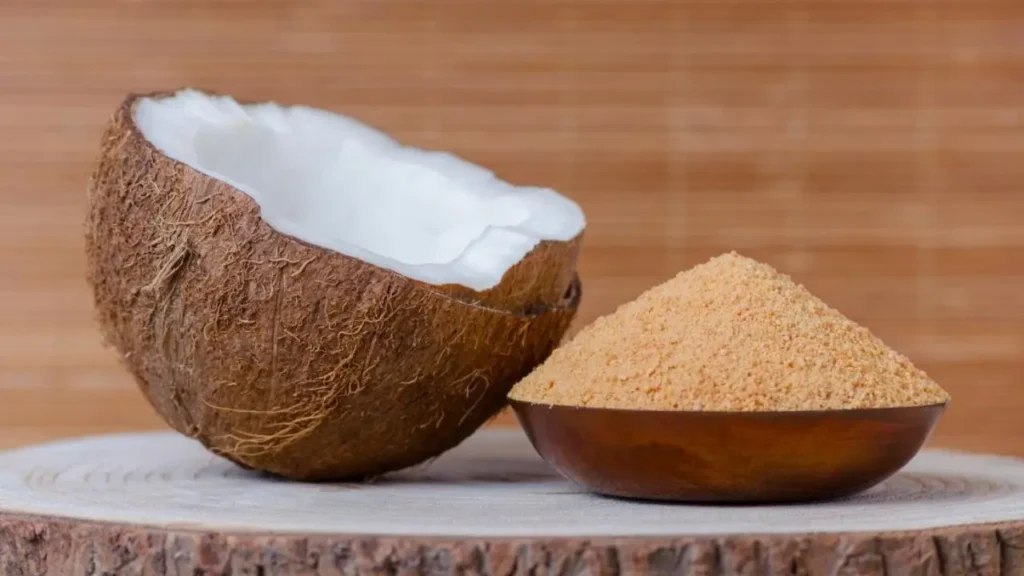
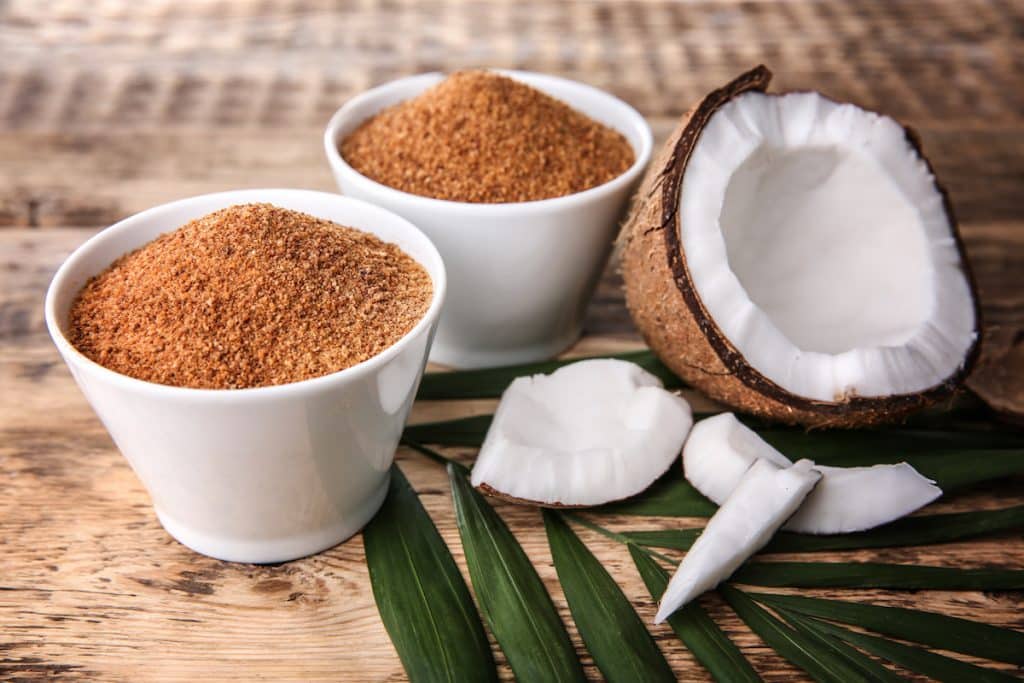
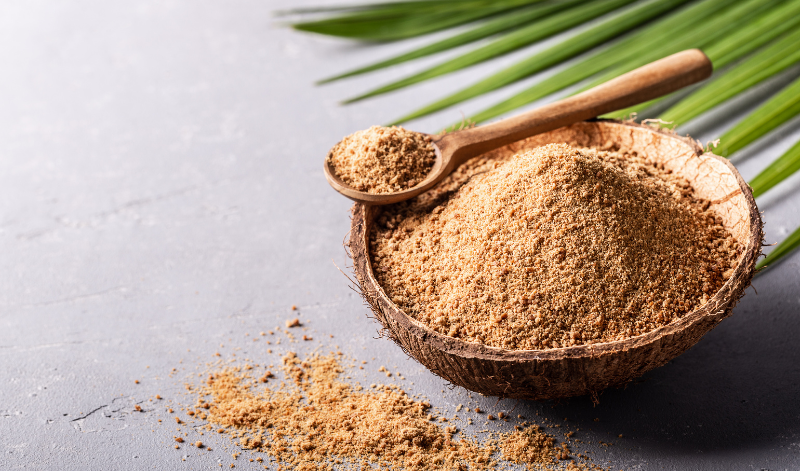
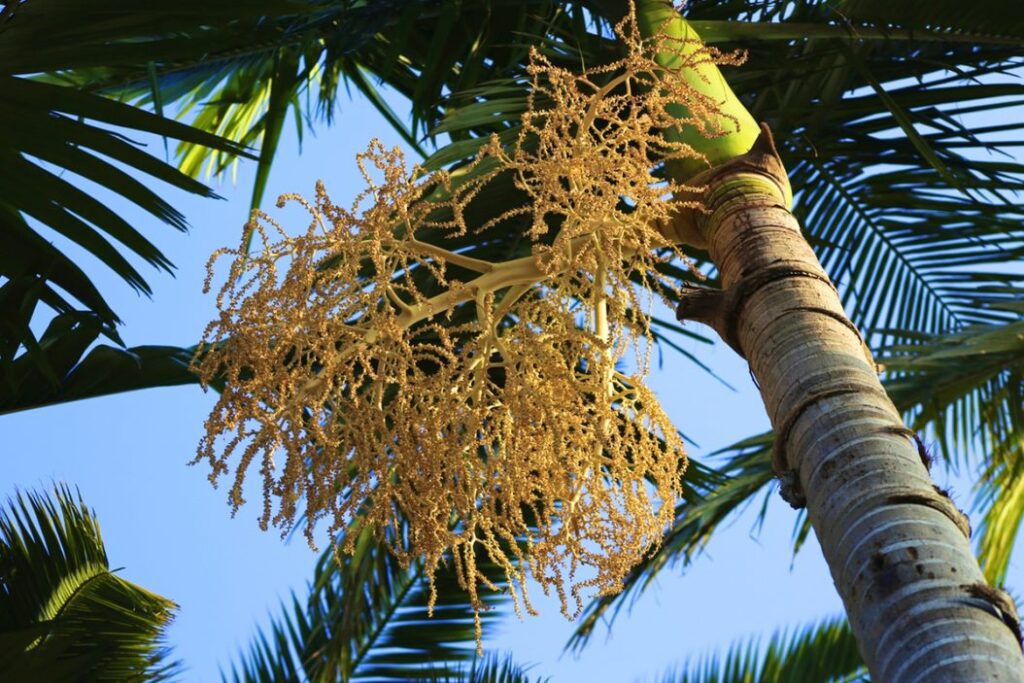
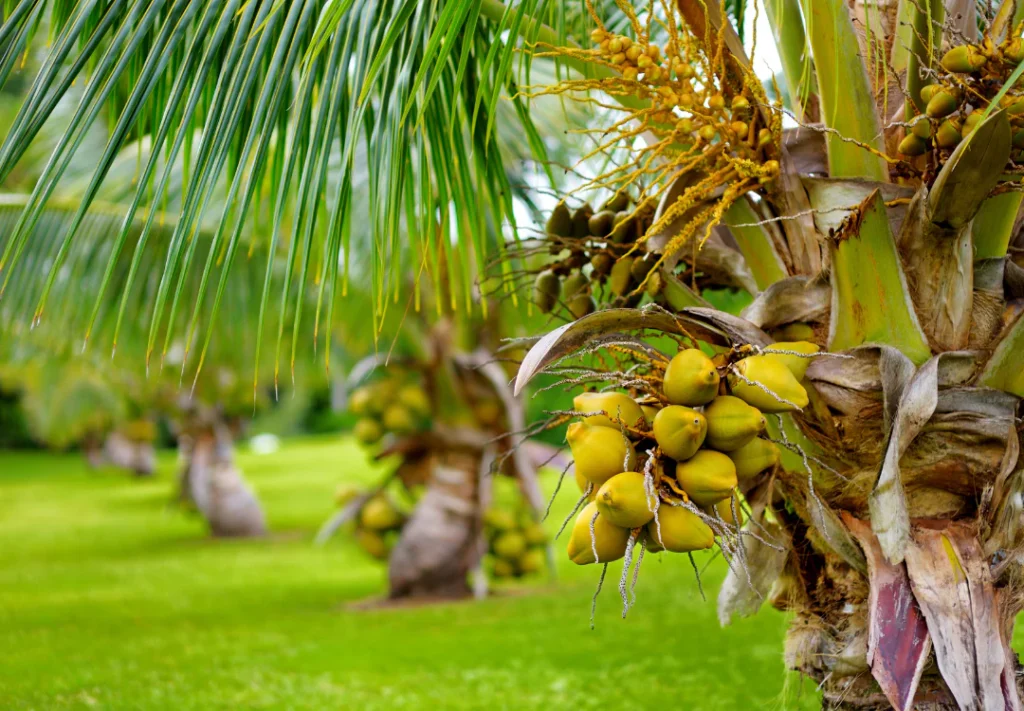
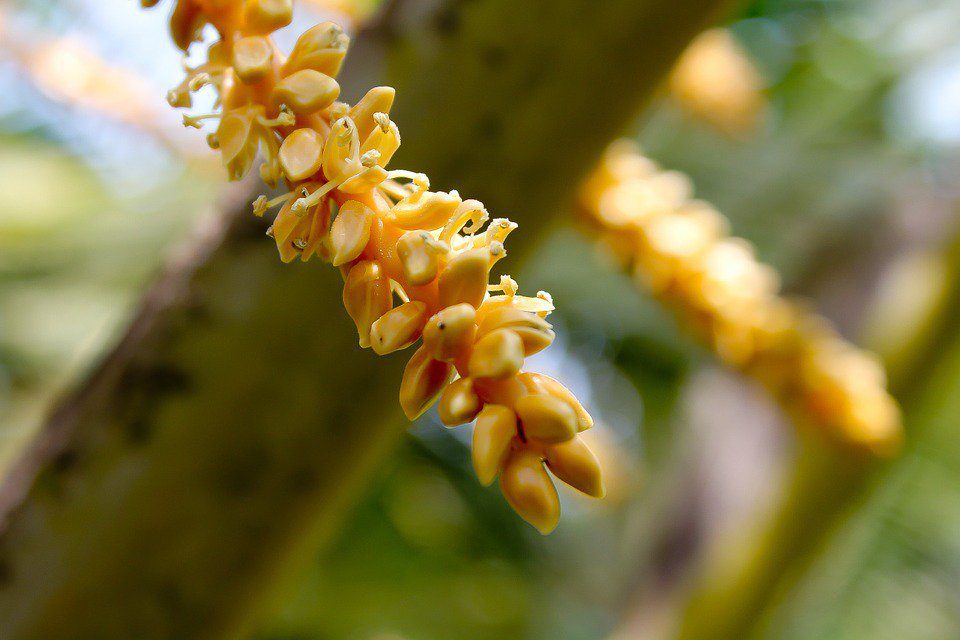
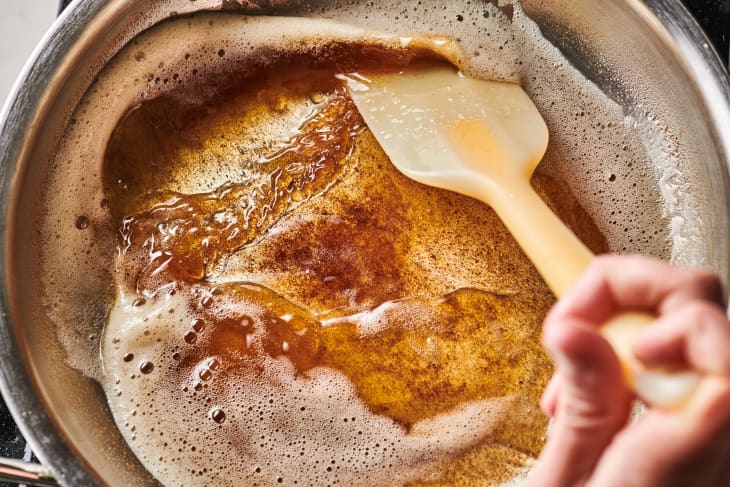
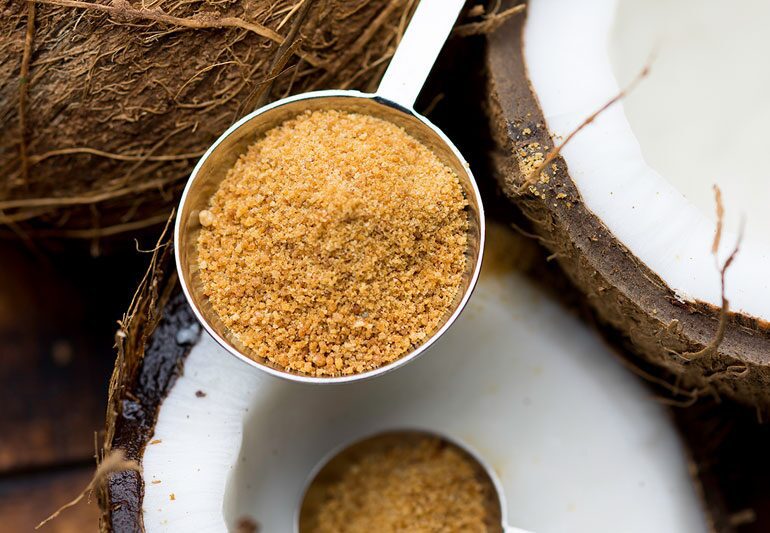
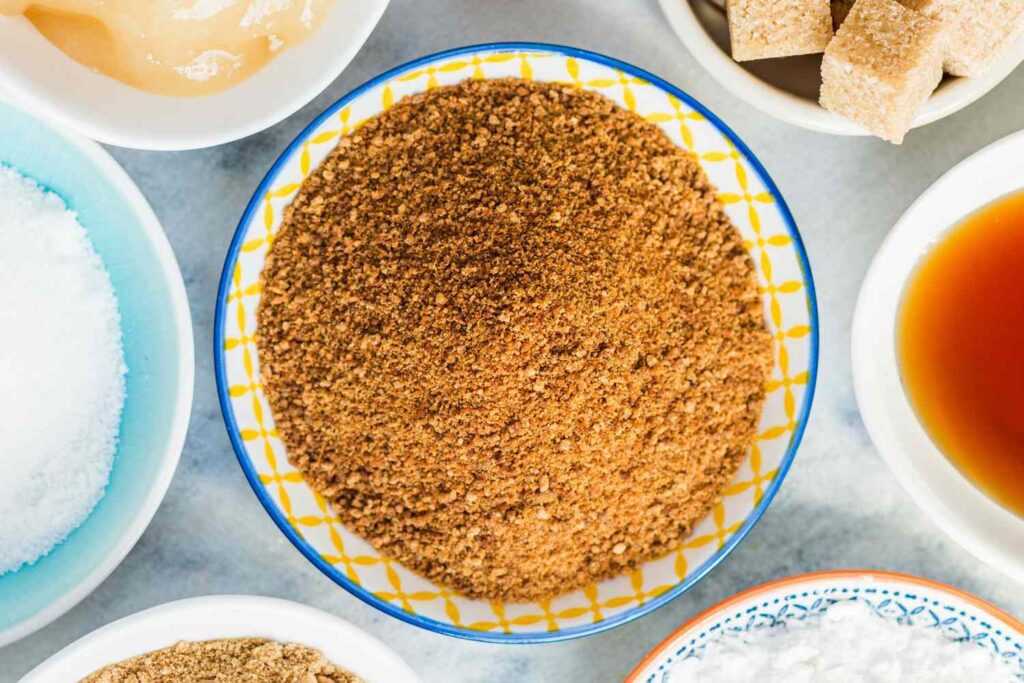
    Coconut blossom sugar, also called coconut palm sugar, is made from the sap of the flower buds of the coconut palm tree (Cocos nucifera). Unlike white sugar, which undergoes heavy processing, coconut sugar is minimally processed. The sap is boiled until it thickens into syrup and eventually crystallizes into granules.

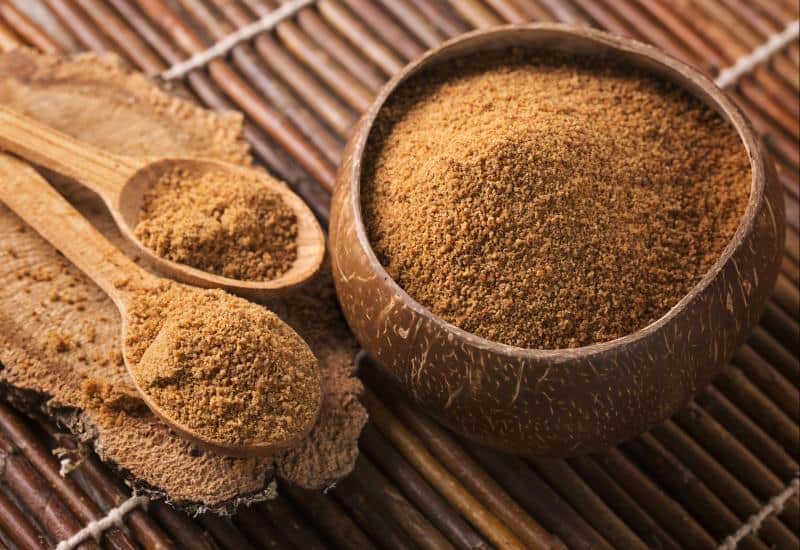
    It has a rich, caramel-like flavor and a color similar to brown sugar. It’s popular in Southeast Asian cooking and has gained traction in Western markets as a more “natural” sugar alternative.


    Nutritional Profile of Coconut Blossom Sugar

    Coconut sugar is often advertised as more nutritious than refined white sugar, but let’s examine the facts:

    Per 1 teaspoon (~4 grams):

    • Calories: ~15
    • Carbohydrates: 4g
    • Sugars: ~4g
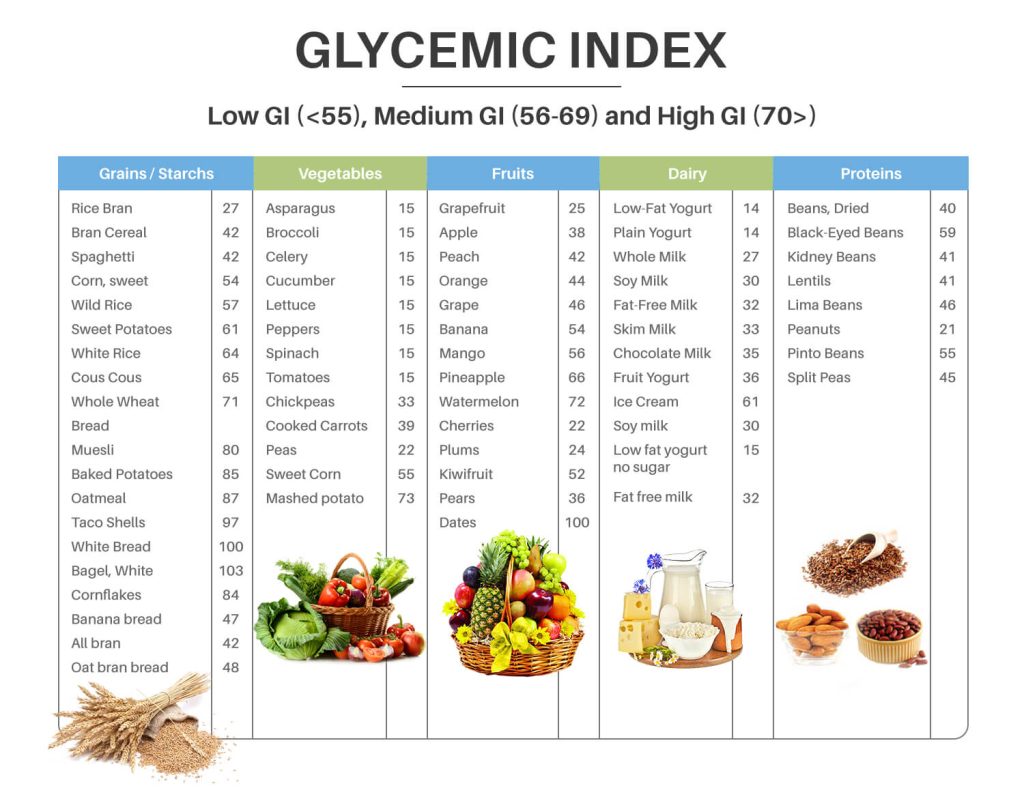
    • Glycemic Index (GI): ~35–54 (varies by source)
    • Trace amounts of:
      • Potassium
      • Magnesium
      • Zinc
      • Iron
      • Inulin (a type of prebiotic fiber)

    Compared to refined sugar, which offers zero nutrients beyond pure sucrose, coconut sugar does have some trace minerals and fiber. However, these micronutrients are present in such small quantities that you’d need to consume a lot of coconut sugar to make a nutritional impact—thereby negating the health benefit.

    Bottom line: Yes, it’s less processed and has trace nutrients, but it’s still sugar and should be used in moderation.


    Coconut Sugar vs. Other Popular Sweeteners

    Let’s compare coconut sugar to other common natural and artificial sweeteners across key health categories.


    1. Coconut Sugar vs. White Sugar

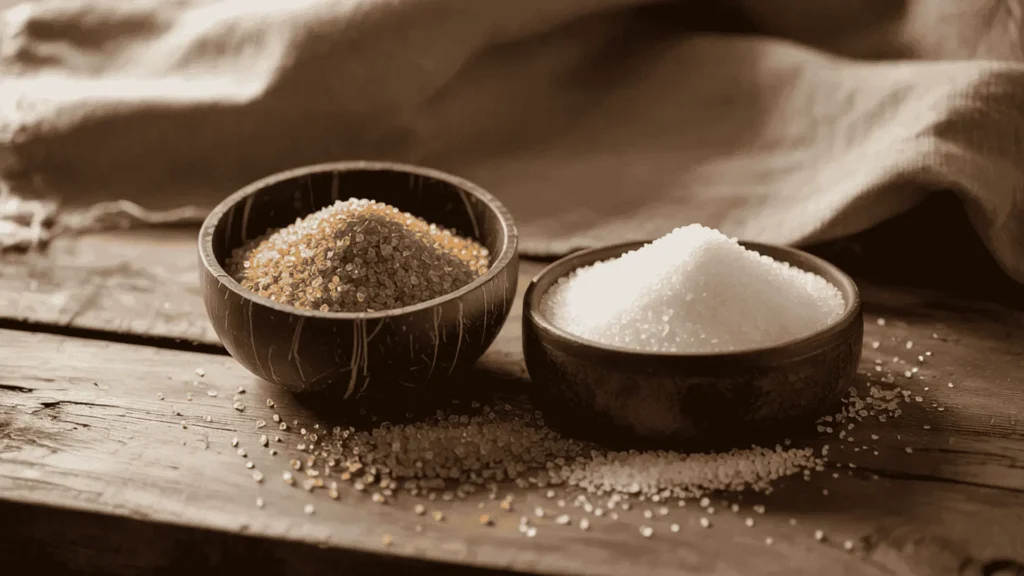
    • Processing: Coconut sugar is minimally processed; white sugar is highly refined.
    • Nutrients: Coconut sugar contains trace minerals; white sugar has none.
    • Glycemic Index: Coconut sugar (GI 35–54) is lower than white sugar (GI 65).

    Verdict: Coconut sugar is a marginally better alternative due to its lower GI and trace nutrients, but both spike blood sugar and should be limited.


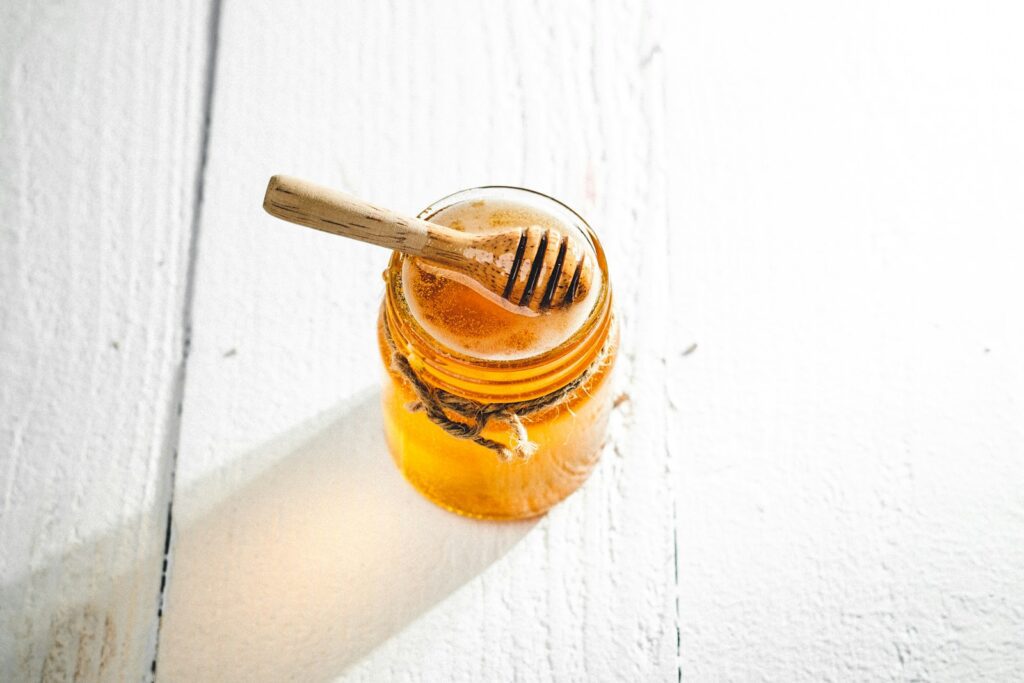
    2. Coconut Sugar vs. Honey

    • Calories: Honey has slightly more (21 cal per tsp vs. 15).
    • GI: Varies depending on the type of honey but generally ranges from 35 to 60.
    • Nutrients: Honey contains antioxidants, enzymes, and vitamins in small amounts.
    • Other benefits: Honey has antibacterial and anti-inflammatory properties.

    Verdict: Raw honey may have more health-promoting compounds than coconut sugar, but it also contains more sugar per serving. Use sparingly and choose raw, unfiltered varieties.


    3. Coconut Sugar vs. Maple Syrup

    • Calories: ~17 per teaspoon
    • GI: ~54
    • Nutrients: Maple syrup contains manganese, riboflavin, and zinc.
    • Flavor: Stronger than coconut sugar; may not work in all recipes.

    Verdict: Maple syrup has a slightly better nutritional profile and a unique flavor but still needs to be consumed in moderation due to its high sugar content.


    4. Coconut Sugar vs. Agave Nectar

    • GI: Agave has a very low GI (~15), but this is due to its high fructose content (up to 90%).
    • Health concerns: High fructose intake is linked to fatty liver disease, insulin resistance, and obesity.
    • Processing: Agave is often highly processed, despite its natural origins.

    Verdict: Coconut sugar may be a healthier option than agave nectar due to agave’s high fructose load, which can be harmful over time.


    5. Coconut Sugar vs. Stevia

    • Calories: Zero
    • GI: Zero
    • Nutritional value: None, but doesn’t spike blood sugar.
    • Concerns: Some people dislike the aftertaste or are allergic. Whole-leaf stevia is not FDA-approved; purified extracts are.

    Verdict: For those managing diabetes or weight, stevia is superior in terms of blood sugar control, though coconut sugar may be preferred for flavor.


    6. Coconut Sugar vs. Artificial Sweeteners (e.g., Aspartame, Sucralose)

    • Calories: Zero
    • GI: Zero
    • Concerns: Linked to gut microbiome changes and debated long-term safety.

    Verdict: Artificial sweeteners don’t spike blood sugar but may have long-term side effects. Coconut sugar is natural but not ideal for those needing strict blood sugar control.


    Glycemic Index and Blood Sugar Impact

    One of the most talked-about features of coconut sugar is its lower glycemic index compared to white sugar. This means it raises blood sugar more slowly. However, it’s still high in carbs and sugars, so diabetics and those with insulin resistance should remain cautious.

    In fact, the GI of coconut sugar varies widely depending on the source and method of production. Some studies peg it as low as 35, while others report it as high as 54—comparable to table sugar.

    Takeaway: It’s “better” than white sugar, but not “good” for blood sugar levels.


    Environmental Sustainability

    Interestingly, coconut sugar gets points for sustainability. The coconut palm can produce sap for up to 20 years without being cut down, and it requires less water and land than sugarcane. This makes coconut sugar one of the more environmentally friendly options in the sweetener market.


    So, Which Sweetener Is Best for Your Health?

    There is no one-size-fits-all answer, as it depends on your health goals, dietary restrictions, and taste preferences.

    SweetenerProsCons
    Coconut SugarLower GI, minimally processed, trace mineralsStill high in sugar, not suitable for diabetics
    HoneyAntioxidants, antibacterialHigh in sugar, calories
    Maple SyrupManganese, zincStrong flavor, high sugar
    SteviaZero-calorie, zero-GIAftertaste, some quality concerns
    Agave NectarLow GIVery high in fructose
    White SugarCheap, neutral tasteHigh GI, zero nutrients
    Artificial SweetenersNo calories or blood sugar effectPotential long-term health effects

    Final Thoughts

    Coconut blossom sugar is not a miracle health food, but it is a better choice than refined sugar if you’re looking for a more natural, slightly more nutritious alternative. Its lower glycemic index and minimal processing make it a smart swap in moderation. That said, it’s still sugar, and excessive consumption can lead to the same health problems associated with any high-sugar diet.

    If your goal is blood sugar control or weight loss, zero-calorie sweeteners like stevia may serve you better. If you’re aiming for a whole-food, minimally processed diet, raw honey or maple syrup might be more aligned with your values.

    The best sweetener for your health is the one you use sparingly and mindfully—no matter the source.

  • Innovations in Coconut Sugar Production Methods and Technology
    Innovations in Coconut Sugar Production Methods and Technology

    Coconut sugar, also known as coconut palm sugar, has gained significant attention in recent years as a natural sweetener alternative due to its low glycemic index and minimal processing. Derived from the sap of the flower bud stem of the coconut palm (Cocos nucifera), it offers a healthier and more sustainable option compared to conventional cane sugar. As global demand grows, producers and researchers are increasingly investing in innovations to improve the efficiency, sustainability, and quality of coconut sugar production. This article explores the traditional processes and the latest innovations in coconut sugar production methods and technology.


    Understanding Traditional Coconut Sugar Production

    Traditionally, coconut sugar is made by tapping the flower bud of the coconut tree to extract its sap, which is collected in containers over the course of several hours. The sap is then boiled and reduced to a thick syrup, and once it cools, it solidifies and is granulated into sugar.

    While effective, traditional methods face several challenges:

    • Manual labor and inefficiency
    • High fuel consumption for boiling
    • Inconsistent product quality
    • Limited scalability

    To address these issues, modern advancements are being implemented across the production chain—from sap collection to final product processing.


    1. Improved Sap Collection Techniques

    Vacuum-Assisted Sap Collection

    One of the biggest innovations in sap harvesting is the introduction of vacuum-assisted collection systems. Instead of relying on gravity and manual containers, this technology uses vacuum pumps to draw sap into sealed, sterile containers, which:

    • Reduces contamination risks
    • Increases sap yield
    • Preserves freshness for better sugar quality

    Sensor-Integrated Tapping Tools

    Advanced tapping tools with sensors and monitoring capabilities help farmers detect optimal tapping points and monitor sap flow in real-time. These tools reduce tree damage, increase sap output, and provide data to optimize harvesting schedules.


    2. Automation in Evaporation and Crystallization

    Energy-Efficient Evaporators

    Traditional open-pan boiling methods consume a significant amount of firewood or gas. Modern coconut sugar processing units are now using vacuum evaporators or solar-assisted evaporators, which offer:

    • Lower energy consumption
    • Reduced carbon emissions
    • Faster evaporation rates
    • More consistent syrup quality

    In some advanced units, multi-effect evaporators are used to recycle heat energy and minimize waste, improving overall efficiency.

    Controlled Crystallization Chambers

    Consistent crystallization is crucial for achieving uniform sugar granules. New temperature-controlled crystallization chambers allow producers to monitor and maintain the perfect cooling environment, leading to:

    • Uniform grain size
    • Higher-quality sugar
    • Better shelf stability

    Some producers are also experimenting with mechanical stirrers and centrifuges during crystallization to prevent clumping and reduce manual labor.


    3. Fermentation Prevention Technologies

    Sap spoilage due to uncontrolled fermentation remains a major issue in coconut sugar production. To combat this, innovative methods include:

    Chilling and Preservation Units

    Portable chiller tanks are now used in remote harvesting areas to keep sap cool during transportation to processing units. Cooling the sap slows down fermentation and maintains higher sugar content.

    Natural Preservative Integration

    Some producers are incorporating organic or food-grade natural preservatives (like lime or certain plant-based antimicrobials) during collection to reduce microbial activity without compromising the organic certification of the final product.


    4. Automation and Smart Monitoring

    IoT and AI in Coconut Sugar Processing

    The integration of IoT (Internet of Things) and AI-based systems in larger coconut sugar operations is revolutionizing quality control. Smart sensors monitor parameters like:

    • Sap pH levels
    • Temperature and humidity in the boiling process
    • Crystallization timing

    AI systems analyze this data in real time to adjust processes automatically, ensuring optimal sugar consistency and reducing waste.

    Blockchain for Traceability

    To enhance consumer trust and certification authenticity, some producers are using blockchain technology for supply chain transparency. This allows consumers to trace the sugar from tree to table, verifying its organic and fair-trade credentials.


    5. Eco-Friendly and Sustainable Technologies

    Solar-Powered Processing Units

    With the goal of minimizing carbon footprints, many producers in tropical regions are switching to solar-powered drying and boiling units. These setups use solar concentrators or photovoltaic panels to reduce reliance on fossil fuels.

    Zero-Waste Processing

    New circular systems are being developed to utilize by-products, such as:

    • Using leftover sap solids as bio-compost or animal feed
    • Converting coconut husks and shells into fuel or packaging material
    • Recycling boiling water and steam in energy systems

    These zero-waste models are particularly appealing for sustainable certification and appeal to eco-conscious consumers.


    6. Quality Control and Standardization

    Advanced Filtration Techniques

    High-end production facilities are employing microfiltration and UV treatment before boiling to eliminate impurities and extend shelf life without adding preservatives.

    Standardized Testing for Consistency

    Through innovations in lab testing, producers can now monitor:

    • Brix levels (sugar concentration)
    • Moisture content
    • Microbial load
    • Glycemic index range

    These innovations ensure product consistency, safety, and compliance with international standards.


    7. Packaging Innovations

    Innovative eco-friendly packaging solutions are being developed in tandem with production technology. Examples include:

    • Biodegradable pouches made from coconut by-products
    • Vacuum-sealed recyclable packs to improve shelf life
    • Smart packaging that displays freshness indicators or QR codes for traceability

    Such innovations help brands stand out in the competitive natural sweetener market.


    Challenges and Future Outlook

    Despite promising innovations, some challenges remain:

    • High upfront costs for small-scale farmers to adopt new technology
    • Training requirements for using new systems effectively
    • Market access and distribution infrastructure, especially in remote areas

    Nevertheless, with increasing demand for sustainable, natural products, support from governments, NGOs, and the private sector is growing. Future trends may include:

    • AI-driven predictive analytics for sap yield forecasting
    • Drone monitoring of coconut plantations
    • Expansion of automated micro-factories for smallholders

    Conclusion

    Coconut sugar production is undergoing a technological transformation that promises to make it more efficient, sustainable, and scalable than ever before. Innovations in sap collection, boiling, crystallization, fermentation control, and packaging are not only improving product quality but also reducing environmental impact. As technology continues to evolve and become more accessible, the coconut sugar industry is poised to become a model for sustainable agriculture and ethical food production.

    By investing in and supporting these innovations, both producers and consumers can contribute to a more responsible and resilient food system—sweetened naturally, and sustainably.

  • How to Extend the Shelf Life of Coconut Flower Nectar Through Proper Storage Methods

    How to Extend the Shelf Life of Coconut Flower Nectar Through Proper Storage Methods

    Coconut flower nectar, commonly known as “tuba” in Southeast Asia or “neera” in India, is a natural sweetener derived from the sap of the coconut tree’s flower buds. This liquid has been used for centuries, particularly in tropical countries, as a sweetener, beverage, and even in fermented forms like vinegar or alcohol. With its rich, sweet flavor and numerous health benefits, including being rich in electrolytes, vitamins, and minerals, it is no surprise that coconut flower nectar has gained popularity worldwide.

    However, coconut flower nectar, like many other natural products, is highly perishable. It can spoil quickly if not stored properly, limiting its use to short periods after extraction. Understanding how to extend the shelf life of coconut flower nectar through proper storage methods is crucial for preserving its taste, nutrients, and overall quality. In this article, we will explore various techniques and best practices to keep coconut flower nectar fresh and safe for consumption for as long as possible.

    Understanding the Shelf Life of Coconut Flower Nectar

    Before diving into storage methods, it’s important to understand the natural characteristics of coconut flower nectar that contribute to its short shelf life. Once the sap is harvested from the flower buds of the coconut tree, it is highly susceptible to microbial contamination, particularly yeast and bacteria. The presence of natural sugars in the nectar creates an ideal environment for microbial growth, which leads to fermentation, spoilage, and sourness. Without proper storage and preservation techniques, coconut flower nectar can begin to ferment within hours or days, depending on environmental conditions.

    Typically, fresh coconut flower nectar can last anywhere from 24 hours to a few days at room temperature. However, by employing the right storage methods, you can significantly extend its shelf life and retain its nutritional value, flavor, and freshness for much longer.

    1. Refrigeration: The Basic Preservation Method

    Refrigeration is the most straightforward and commonly used method to extend the shelf life of coconut flower nectar. By storing the nectar at temperatures below 4°C (40°F), microbial activity is slowed down, thus delaying fermentation. The cool environment prevents the sap from spoiling as quickly and helps maintain its sweetness and overall quality.

    How to Store:

    • Transfer the freshly collected coconut flower nectar into airtight containers, ensuring there is minimal air exposure.
    • Seal the containers tightly to prevent contamination and moisture loss.
    • Store the containers in the coldest part of the refrigerator, ideally in the back where the temperature is more stable.

    When stored properly in the refrigerator, coconut flower nectar can last between 5 to 7 days. However, it’s important to check the nectar regularly for any signs of fermentation, such as sourness or bubbling, especially if the nectar was not handled hygienically during extraction.

    2. Freezing: Long-Term Preservation

    For long-term storage, freezing coconut flower nectar is one of the most effective methods. Freezing preserves the nectar by halting microbial activity altogether, which prevents fermentation and spoilage. This method allows you to store coconut flower nectar for several months, making it an ideal option for those who want to enjoy the nectar throughout the year, even if they cannot consume it immediately.

    How to Freeze:

    • Pour the coconut flower nectar into ice cube trays or freezer-safe containers, leaving some space at the top to account for expansion as it freezes.
    • For easier portioning, you may also freeze the nectar in smaller quantities, such as in 1-cup or 2-cup portions.
    • Seal the container or tray tightly with plastic wrap or a lid to prevent freezer burn and contamination.
    • Label the containers with the date of freezing to keep track of the storage duration.

    Frozen coconut flower nectar can last for up to 6 months. When you’re ready to use it, simply remove the desired portion from the freezer and thaw it in the refrigerator. Avoid refreezing nectar that has been thawed, as this can affect the texture and quality of the product.

    3. Pasteurization: Reducing Microbial Activity

    One of the most effective methods to extend the shelf life of coconut flower nectar is pasteurization, which involves heating the nectar to a specific temperature to kill harmful microorganisms without significantly altering its flavor or nutritional content. Pasteurization can help delay fermentation by reducing the number of bacteria and yeast present in the nectar.

    How to Pasteurize:

    • Heat the coconut flower nectar in a clean, heavy-bottomed saucepan over medium heat. Bring it to a gentle boil and then reduce the heat to simmer for around 5–10 minutes.
    • Keep a close eye on the temperature, ensuring it reaches around 85–90°C (185–194°F), which is sufficient to pasteurize the nectar.
    • Once pasteurized, immediately pour the hot nectar into sterilized glass jars or bottles.
    • Seal the containers while the nectar is still hot to create a vacuum seal, which further protects the nectar from contamination.

    When pasteurized and stored in sterilized, sealed containers, coconut flower nectar can last for several weeks in the refrigerator, usually up to 2–4 weeks, depending on storage conditions. However, it is important to note that pasteurization may slightly alter the flavor and nutritional profile of the nectar, though the effect is usually minimal.

    4. Fermentation for Future Use

    If you’re looking to preserve coconut flower nectar for longer periods while adding a unique flavor profile, fermentation is a great option. Fermenting the nectar not only extends its shelf life but also results in a product with a tangy taste, such as coconut vinegar or coconut alcohol. While this is not the ideal preservation method if you wish to keep the nectar in its original sweet form, it is an excellent way to utilize excess nectar.

    How to Ferment:

    • If you want to turn the nectar into coconut vinegar, place it in a clean, non-metallic container (such as a glass jar) and allow it to naturally ferment for several days to weeks, depending on the ambient temperature.
    • The fermentation process can be accelerated by adding a mother of vinegar (a cellulose-based substance that facilitates fermentation).
    • If fermenting for alcohol (such as palm wine), introduce yeast to the nectar, and let it ferment for 1–3 days in a warm, dark place.

    The fermented product can be stored for extended periods but will have a sour taste. Freshly fermented coconut nectar or vinegar can last several months when stored in sealed, sterilized containers.

    5. Using Natural Preservatives

    In some cases, natural preservatives can be added to coconut flower nectar to help extend its shelf life. For example, citric acid, lemon juice, or vitamin C (ascorbic acid) are often used to prevent microbial growth and oxidation. These preservatives work by creating a more acidic environment, which slows down the activity of bacteria and yeast.

    How to Use:

    • Add a small amount of citric acid (about 1/4 teaspoon per liter) to fresh coconut flower nectar before storing it in the refrigerator.
    • Alternatively, you can mix in a few tablespoons of lemon juice or vitamin C powder, both of which are natural antimicrobial agents.

    These natural preservatives will help extend the nectar’s shelf life by a few extra days or weeks, depending on the storage conditions.

    Conclusion: Proper Storage for Maximum Freshness

    Coconut flower nectar is a delightful and nutritious natural sweetener, but due to its high sugar content and natural composition, it spoils quickly without proper care. By utilizing the methods discussed above—refrigeration, freezing, pasteurization, fermentation, and the use of natural preservatives—you can extend the shelf life of this precious nectar, ensuring that it remains fresh, safe, and full of flavor for a longer period.

    Whether you plan to use it immediately or store it for future use, employing the right storage techniques is key to preserving the integrity of coconut flower nectar. By combining these methods, you can enjoy the natural sweetness and health benefits of coconut nectar without worrying about spoilage.

  • Using Best Coconut Nectar in Recipes as a 1:1 Substitute for Agave or Honey

    Using Best Coconut Nectar in Recipes as a 1:1 Substitute for Agave or Honey

    white round ornament on brown wooden round container, In the realm of natural sweeteners, coconut nectar syrup is an increasingly popular choice, praised for its lower glycemic index and rich mineral profile, coconut nectar syrup, raw coconut nectar, coconut nectar drink, best coconut nectar

    As the demand for healthier, more natural sweeteners continues to grow, best coconut nectar has emerged as a popular alternative to traditional sweeteners like agave syrup and honey. Known for its rich flavor, nutritional profile, and lower glycemic index, coconut nectar is a versatile ingredient that can seamlessly replace agave or honey in a variety of recipes. This article will explore the benefits of using the best coconut nectar as a 1:1 substitute for agave or honey, highlighting its culinary applications, nutritional benefits, and tips for achieving the best results in your cooking and baking.

    What is Coconut Nectar?

    Coconut nectar is a natural sweetener harvested from the sap of the coconut tree’s flower buds. The sap is collected by tapping the buds, and then it is slowly heated to reduce the water content, leaving behind a thick syrup. This syrup is then processed minimally, preserving its nutrients, including a variety of minerals like potassium, magnesium, zinc, and iron. Unlike refined sugars or high-fructose corn syrups, coconut nectar retains much of its natural goodness, making it a healthier option for sweetening foods and drinks.

    The flavor of best coconut nectar is rich and mildly sweet with a slight caramel undertone, making it a perfect substitute for both agave and honey. It’s also known for its ability to maintain its sweetness even in high-heat applications, such as baking and cooking, without breaking down or losing flavor. Many people choose coconut nectar over other sweeteners for its complex flavor profile and the health benefits it offers.

    The Nutritional Benefits of Coconut Nectar

    white liquid in clear drinking glass, best coconut nectar, coconut nectar syrup, raw coconut nectar, coconut nectar drink

    Coconut nectar stands out not only for its taste but also for its impressive nutritional profile. Here are some key benefits of using the best coconut nectar:

    1. Lower Glycemic Index: Coconut nectar has a much lower glycemic index (GI) than agave syrup and honey. The GI of coconut nectar is around 35, which is considered low compared to agave (GI 15–30) and honey (GI 50–70). Foods with a low GI help prevent rapid spikes in blood sugar levels, making coconut nectar a better option for people with diabetes or those who are managing their blood sugar levels.
    2. Rich in Minerals: Unlike many refined sweeteners, coconut nectar contains essential minerals such as potassium, magnesium, zinc, and iron. These minerals play important roles in maintaining heart health, supporting the immune system, and promoting overall well-being.
    3. Contains Inulin: Coconut nectar is a source of inulin, a prebiotic fiber that supports gut health by promoting the growth of beneficial bacteria. Inulin can also aid in digestive health, help regulate blood sugar levels, and improve absorption of nutrients.
    4. Lower Fructose Content: One of the key advantages of best coconut nectar is its lower fructose content compared to agave syrup. High levels of fructose, often found in processed sweeteners like high-fructose corn syrup and agave, can lead to insulin resistance, fatty liver disease, and metabolic issues over time. Coconut nectar’s balance of glucose and fructose makes it a healthier alternative.

    Why Use Coconut Nectar as a 1:1 Substitute for Agave or Honey?

    When choosing a sweetener, both flavor and health considerations play a significant role in making the best choice for a recipe. Coconut nectar provides a perfect 1:1 substitute for both agave and honey in a wide range of dishes. Here are a few reasons why:

    1. Flavor Profile

    Coconut nectar has a deep, rich sweetness with subtle caramel-like undertones that resemble the complexity of honey, yet it lacks the floral notes that characterize honey’s taste. This makes best coconut nectar a great alternative when you’re looking for a more neutral sweetness, especially in dishes where the flavor needs to be balanced. In contrast, agave syrup tends to have a mild but somewhat neutral flavor, and honey’s floral notes can sometimes dominate. Coconut nectar brings a harmonious sweetness that works well in both savory and sweet dishes.

    2. Consistency and Versatility

    Like agave and honey, best coconut nectar has a liquid form, which means it can be used in a variety of recipes without altering the consistency of the dish. Whether you’re baking, cooking, or adding it to a beverage, coconut nectar behaves similarly to agave or honey. It has the same viscosity, which allows it to dissolve well in liquids and mix seamlessly into recipes that require liquid sweeteners.

    Because of its consistency, coconut nectar can be used interchangeably with agave and honey on a 1:1 basis. For example, if a recipe calls for one cup of agave syrup or honey, you can simply replace it with one cup of coconut nectar. This makes it an easy switch for those looking to improve the health profile of their dishes without compromising on taste or texture.

    3. Health Benefits Over Agave and Honey

    While both agave syrup and honey have their merits, best coconut nectar offers several advantages when compared to these common sweeteners. For one, agave syrup is typically high in fructose, which can lead to negative health effects like insulin resistance and increased fat storage. Although agave is often marketed as a healthier option, its high fructose content means it can contribute to metabolic issues when consumed in large quantities.

    Honey, while more natural than agave, still contains a mix of glucose and fructose. It’s also relatively high in calories, which can contribute to weight gain if consumed excessively. Additionally, honey is not suitable for vegans, which limits its appeal for those on plant-based diets.

    Coconut nectar, on the other hand, is more balanced in terms of its glucose and fructose content. It is also rich in nutrients and prebiotics, making it a superior choice for overall health. For individuals seeking a sweetener that provides more than just empty calories, coconut nectar offers a better alternative.

    How to Use the Best Coconut Nectar in Recipes as a 1:1 Substitute for Agave or Honey

    brown wooden rolling pin beside brown wooden rolling pin, best coconut nectar, coconut nectar syrup, raw coconut nectar, coconut nectar drink

    1. In Baking

    When baking, best coconut nectar can replace agave or honey at a 1:1 ratio without requiring significant adjustments to other ingredients. The sweet, caramel-like flavor of coconut nectar enhances baked goods, making it a perfect choice for cakes, cookies, muffins, and pies.

    • Substitution Ratio: Simply replace agave or honey with an equal amount of coconut nectar. For example, if your recipe calls for 1 cup of agave or honey, use 1 cup of coconut nectar instead.
    • Moisture Consideration: Since coconut nectar is a liquid, it may slightly increase the moisture content of your baked goods. You might need to reduce other liquids in the recipe (such as water or milk) by a tablespoon or two to compensate.
    • Lower Baking Temperature: Coconut nectar may cause your baked goods to brown a little faster than agave or honey. It’s a good idea to lower the baking temperature by 25°F (about 14°C) to prevent over-browning or burning.

    2. In Beverages

    Coconut nectar dissolves easily in hot or cold beverages, making it a great substitute for agave or honey in drinks like smoothies, iced teas, and coffee. You can use it in any drink that requires a sweetener without altering the drink’s texture.

    • Substitution Ratio: Best coconut nectar can be swapped for agave or honey in a 1:1 ratio. If the recipe calls for 1 tablespoon of honey or agave syrup, simply replace it with 1 tablespoon of coconut nectar.
    • Stir Well: Coconut nectar may take a little longer to dissolve than agave syrup in cold drinks, so make sure to stir well to achieve an even sweetness throughout the beverage.

    3. In Sauces and Dressings

    Whether you’re making a salad dressing, marinade, or sauce, coconut nectar can add a touch of sweetness that balances out tangy or spicy flavors. It pairs particularly well in Asian-inspired dishes, such as stir-fries, glazes, and teriyaki sauces.

    • Substitution Ratio: Use coconut nectar in place of agave or honey in a 1:1 ratio.
    • Taste Test: Because best coconut nectar has a slightly more complex flavor than agave or honey, you may want to taste your dish and adjust the amount used to match your desired level of sweetness.

    4. In Vegan or Dairy-Free Recipes

    Since honey is not vegan-friendly and agave can be processed with animal-derived ingredients, coconut nectar is an ideal choice for those following plant-based or vegan diets. It is completely plant-based and provides a rich, natural sweetness without any animal products.

    • Substitution Ratio: Replace honey or agave syrup with coconut nectar in a 1:1 ratio in any vegan or dairy-free recipe.

    Tips for Using the Best Coconut Nectar

    • Storage: Store coconut nectar in a cool, dry place to maintain its consistency and freshness. Make sure the bottle is tightly sealed to prevent any moisture loss.
    • Taste Testing: While best coconut nectar is a great all-purpose sweetener, different brands may vary slightly in flavor. It’s always a good idea to taste-test before using it in a recipe to ensure you’re getting the best flavor for your dish.
    • Experiment: Don’t be afraid to experiment with best coconut nectar in savory dishes as well. It can add a depth of flavor to roasted vegetables, glazes, and even curries.

    Conclusion

    Coconut nectar is an excellent, nutrient-dense alternative to agave and honey in a variety of recipes. With its low glycemic index, rich mineral content, and complex flavor, coconut nectar offers numerous health benefits while providing a natural sweetness. Whether you’re baking, cooking, or preparing beverages, using the best coconut nectar as a 1:1 substitute for agave or honey is an easy and delicious

  • How Is Coconut Nectar Made? Here are 6 Careful Steps

    How Is Coconut Nectar Made? Here are 6 Careful Steps

    coconut nectar syrup, glycemic index coconut nectar, how is coconut nectar made, coconut nectar from neera from coconut tree

    How is coconut nectar made? Coconut nectar, a natural sweetener derived from the neera from coconut tree / sap from coconut tree, has gained popularity in recent years as a healthier alternative to refined sugar. This article delves into the fascinating process of how coconut sap is tapped, collected, and transformed into the delectable coconut nectar we enjoy. From the lush coconut groves to the final bottling, each step is crucial in preserving the rich nutrients and unique flavor profile of this natural sweetener.

    Nature’s Sweet Factory : How Is Coconut Nectar Made?

    The story of coconut nectar begins with the coconut palm tree (Cocos nucifera), a versatile plant that has been cultivated for thousands of years across tropical regions. These majestic trees, which can grow up to 30 meters tall, are not just known for their fruit but also for the sweet sap they produce.

    The sap, often referred to as “toddy” in some regions, is the lifeblood of the coconut palm. It contains a wealth of nutrients, including amino acids, minerals, and vitamins. This nutrient-rich liquid is the raw material from which coconut nectar is made.

    The Art of Tapping Coconut Flower Sap

    coconut nectar what is it, raw coconut nectar benefits, coconut sugar farmers, coconut nectar farmers, coconut sugar healthy, how is coconut nectar made, how to produce coconut nectar

    Tapping coconut flower sap is a skilled process that requires precision and care to ensure the health of the tree and the quality of the sap. Here’s how it’s done:

    1. Selecting the Right Tree: Not all coconut palms are suitable for tapping. Skilled tappers choose mature trees, typically between 15 to 40 years old, that are healthy and producing fruit regularly.
    2. Preparing the Inflorescence: The process begins with the coconut’s flower cluster, known as the inflorescence. Before it can bloom, the tappers carefully bind and massage the inflorescence for several days. This encourages sap production and prevents the flowers from developing into coconuts.
    3. Making the Cut: Once the inflorescence is ready, the tapper makes a precise cut at its tip using a sharp, clean knife. This cut allows the sap to flow freely.
    4. Attaching the Collection Container: A clean container, traditionally made of bamboo but now often a plastic or steel container, is securely attached to the cut end of the inflorescence to collect the sap as it flows.

    The Collection Process Of Neera From Coconut Tree

    Collecting neera from coconut tree is a labor-intensive process that requires diligence and regular attention:

    1. Timing is Crucial: Neera from coconut tree collection typically occurs twice a day – once in the morning and once in the evening. This schedule ensures that the sap is collected at its freshest and prevents fermentation.
    2. Quantity of Coconut Flower Sap: A healthy coconut palm can produce about 1-2 liters of sap per day, though this can vary based on factors like tree health, climate, and season.
    3. Continuous Care: The tapper must regularly clean the cut on the inflorescence and adjust the collection container to maintain optimal sap flow. This process continues for several months until the inflorescence stops producing sap.
    4. Immediate Processing: Due to its high sugar content, coconut sap begins to ferment quickly. To prevent this, collectors immediately transfer the sap to processing facilities, often within an hour of collection.

    Processing Neera From Coconut Tree into Nectar

    how is coconut nectar made, how to heat the coconut nectar, coconut nectar for your healthy

    The transformation of raw coconut sap into coconut nectar involves several steps:

    1. Filtration: The collected sap is first filtered to remove any impurities or debris. This ensures a clean, high-quality product.
    2. Heat Treatment: The filtered sap is then gently heated in large, shallow pans. This serves two purposes:
    • It halts the fermentation process, preserving the sap’s natural sweetness.
    • It begins to evaporate the water content, concentrating the sap.
    1. Evaporation: The heating process continues, allowing water to evaporate slowly. This concentrates the sugars and nutrients in the sap, gradually thickening it into a syrup-like consistency.
    2. Monitoring: Throughout the heating process, workers carefully monitor the temperature and consistency of the nectar. The goal is to achieve the right balance of sweetness and thickness without caramelizing the sugars or destroying heat-sensitive nutrients.
    3. Cooling: Once the desired consistency is reached, the nectar is allowed to cool. This step is crucial as it allows the nectar to thicken further and develop its characteristic flavor profile.
    4. Packaging: The cooled nectar is then bottled or packaged in sterile containers, ready for distribution.

    The Unique Properties of Coconut Flower Sap

    homemade caramel sauce using unrefined coconut sugar, coconut nectar syrup, coconut nectar benefits, healthy sugar alternative, coconut nectar what is it, raw coconut nectar benefits, coconut sugar farmers, coconut nectar farmers

    The careful process of tapping, collecting, and processing coconut sap results in a product with several distinctive characteristics:

    • Low Glycemic Index: Coconut nectar has a lower glycemic index compared to regular sugar, making it a popular choice for those monitoring their blood sugar levels.
    • Rich in Nutrients: The gentle processing methods help retain many of the nutrients found in the original sap, including various vitamins, minerals, and amino acids.
    • Unique Flavor Profile: Coconut nectar has a complex, caramel-like flavor that is distinct from both refined sugar and other natural sweeteners.
    • Versatility: Its liquid form makes it easy to use in a variety of culinary applications, from baking to beverage sweetening.

    Sustainability and Economic Impact

    The production of coconut nectar is not just about creating a healthier sweetener; it also has significant environmental and economic implications:

    • Sustainable Production: When done correctly, tapping coconut sap does not harm the tree or prevent it from producing coconuts. This makes it a sustainable practice that can provide long-term income for farmers.
    • Economic Opportunities: The labor-intensive nature of coconut nectar production creates employment opportunities in rural areas where coconut palms are grown.
    • Value-Added Product: Coconut nectar commands a higher price than raw coconuts, allowing farmers to increase their income from existing coconut plantations.

    6 Tricky Steps To Make Coconut Nectar From Neera From Coconut Tree

    The journey from coconut sap to nectar is a testament to the ingenuity of traditional agricultural practices combined with modern processing techniques. This labor-intensive process, requiring skill, patience, and precision at every step, results in a natural sweetener that is not only delicious but also retains much of the nutritional value of the original coconut sap.

    As consumers become more health-conscious and environmentally aware, products like coconut nectar are likely to play an increasingly important role in our diets. Understanding the intricate process behind its production not only deepens our appreciation for this natural sweetener but also highlights the importance of sustainable agricultural practices in our modern world.

  • Fierce Battle: Coconut Nectar Vs 6 Other Popular Sweeteners

    Fierce Battle: Coconut Nectar Vs 6 Other Popular Sweeteners

    coconut nectar syrup, glycemic index coconut nectar

    With coconut nectar syrup gaining popularity as a liquid sweetener, you may wonder how its nutritional profile compares to common liquid sugar options like honey, maple syrup and agave. Understanding key differences in calories, glycemic index, micronutrients and more allows choosing the healthiest option for your needs.

    We’ll examine coconut nectar side-by-side with various liquid sweeteners across several nutritional factors. Keep reading to learn how coconut nectar measures up.

    Coconut Nectar Syrup Calorie Density Vs Other Sweetener

    person standing on white digital bathroom scale

    When it comes to calories in a serving, here is how these sweeteners stack up:

    • Coconut nectar – 20 calories per teaspoon
    • Honey – 21 calories per teaspoon
    • Maple syrup – 52 calories per tablespoon
    • Agave nectar – 20 calories per teaspoon
    • Brown rice syrup – 25 calories per teaspoon
    • Molasses – 15 calories per teaspoon

    Coconut nectar syrup provides sweetness similar to agave with relatively low calories due to high water content, making it a smart choice for low-calorie diets. Sticky, thick sweeteners like honey and especially maple syrup contain significantly more calories.

    Glycemic Index Of Coconut Nectar Syrup Vs Other Sweetener

    Glycemic Index Classification of Foods Chart

    For those concerned about blood sugar spikes, compare these sweeteners’ glycemic index:

    • Coconut nectar – Glycemic index of 35
    • Honey – Glycemic index of 58
    • Maple syrup – Glycemic index of 54
    • Agave nectar – Glycemic index of 10-19
    • Brown rice syrup – Glycemic index of 98
    • Molasses – Glycemic index of 55

    Coconut nectar has a relatively low glycemic index of 35, resulting in a gradual release of sugars. This makes it suitable for diabetics and low-glycemic diets. Only agave nectar ranks lower.

    Coconut Nectar Benefits And Micronutrient Profile Vs Other Sweeteners

    In terms of beneficial micronutrients provided, the sweeteners stack up as:

    • Coconut nectar – Rich in amino acids, B vitamins, vitamin C, minerals
    • Honey – Contains traces of B vitamins, amino acids, antioxidants
    • Maple syrup – Minimal nutrients beyond manganese and zinc
    • Agave nectar – Negligible micronutrient content
    • Brown rice syrup – No micronutrients to speak of
    • Molasses – Decent source of B vitamins, iron, copper, magnesium

    Coconut nectar contains high amounts of nutrients like amino acids, vitamin C, B vitamins, broad spectrum minerals, and antioxidants. This gives it a great nutritional edge over most other sweeteners, besides molasses.

    Coconut Nectar Ingredients Vs Other Sweetener

    caramel sauce with coconut sugar, coconut sweetener, caramelized coconut sugar, coconut nectar what is it, raw coconut nectar benefits, coconut sugar farmers, coconut nectar farmers

    The carbohydrate composition varies between sweeteners too:

    • Coconut nectar – Primarily sucrose, including inulin fiber
    • Honey – Mainly fructose and glucose
    • Maple syrup – Mostly sucrose
    • Agave nectar – 55-90% fructose
    • Brown rice syrup – Maltose, maltotriose, glucose
    • Molasses – Sucrose, glucose, fructose

    While coconut nectar gets its sweetness from sucrose, it also contains inulin fiber that aids digestion. Agave nectar is very high in fructose while brown rice syrup provides longer-chain carbohydrates.

    Antioxidant Content Comparison

    For those seeking antioxidant benefits, look at each sweetener’s content:

    • Coconut nectar – Rich in antioxidants like vitamin C and polyphenols
    • Honey – Contains some antioxidant flavonoids
    • Maple syrup – Minimal antioxidant activity
    • Agave nectar – No antioxidant benefits
    • Brown rice syrup – No antioxidants present
    • Molasses – High antioxidant capacity

    Coconut nectar contains significant antioxidant power thanks to an array of polyphenols and vitamin C that counter free radicals. Molasses also boasts antioxidants.

    Clearly when all nutritional aspects get considered fully, coconut nectar syrup overshadows rival liquid sweeteners as a wholesome, low glycemic choice brimming with vitamins, minerals and antioxidants.

    Don’t miss trying an alternative natural sweetener, coconut nectar, which has many benefits for the body. Feel free to contact us if you are need to try coconut nectar for your baking purpose, drink ingredients, or even for your business needs. We are very open to collaborate with you. If you need private label of coconut nectar, we can provide it also with lot of various specification and packaging upon your needs. Be one of the lucky few to own one of these quality products

  • Leaked : How Modern Coconut Nectar Syrup Are Made in 2024

    Leaked : How Modern Coconut Nectar Syrup Are Made in 2024

    With its subtly sweet, syrup-like texture, coconut nectar syrup has become a popular healthy sugar alternative. But have you ever wondered how this nutrient-rich sap gets harvested and produced into the coconut nectar used in recipes?

    Let’s explore the centuries-old origins and traditional production process that allows coconut nectar to go from coconut palm sap to a nutritious sweetener.

    Coconut Nectar Syrup Source

    unrefined coconut sugar, coconut blossom sugar, coconut derivative products supplier from Indonesia, coconut milk benefits, coconut nectar syrup, coconut nectar benefits, healthy sugar alternative

    Coconut nectar ultimately comes from coconut palm trees, which thrive in warm, tropical climates near the equator. The palms grow tall trunks up to 100 feet high topped with large leaves and clusters of coconuts.

    However, coconut nectar actually gets harvested from the palm’s unopened inflorescences. These flower bud clusters appear between the trunk and the base of the palm leaves, looking like bamboo stalks.

    Once slashed, these inflorescence stalks exude a sweet, clear sap much like how maple trees give off sap when tapped. It’s this coconut palm sap that gets collected and reduced into coconut nectar.

    Tapping and Collection Methods

    coconut nectar syrup, coconut nectar benefits, healthy sugar alternative, coconut farmers, coconut sugar farmer

    For generations, coconut sap harvesting across Indonesia, Philippines, India, and other regions has followed the same essential steps:

    1. Identify palms ready for tapping – Choose younger, strong palms and plan tapping when inflorescences are fully developed.
    2. Tap the inflorescence – Use a knife or cleaver to slash the stalks. Cutting diagonally or “V-shaped” optimizes sap drip.
    3. Attach collection container – Fasten a small container, often a halved bamboo tube, under the slashed stalk to collect dripping sap.
    4. Repeat process – Tapping depths affect yield and lifespan. Shallower cuts are made initially with progressively deeper cuts on subsequent days.
    5. Collect sap – Empty collected sap 2-3 times daily into larger containers to avoid fermentation.

    A healthier palm may exude up to 4 liters of sap daily for two weeks before drying up. As sap comes out, the cut stalks need regular shaving to expose fresh tissue. After 14 days or sap production declines, the tree rests before starting the cycle again.

    Converting Sap Into Coconut Nectar Through Processing

    homemade caramel sauce using unrefined coconut sugar, coconut nectar syrup, coconut nectar benefits, healthy sugar alternative

    Once enough fresh sap gets collected from coconut palm trees, traditional coconut nectar processing begins. The steps include:

    1. Filtering – Straining removes bark and coagulated proteins from the sap.
    2. Boiling – Sap gets rapidly boiled to evaporate excess water content, thicken texture and inhibit fermentation.
    3. Reducing – Through continuous boiling, the sap reduces to about one-twentieth the original volume to form a syrupy nectar.
    4. Cooling and Transfers – Nectar gets transferred to successively smaller containers as it cools and thickens.
    5. Pasteurizing – A final heating kills microbes for shelf stability without affecting enzymes and nutrients.
    6. Bottling – Pasteurized nectar gets bottled hot in sterilized glass jars or other containers.
    7. Storage – Tight sealing then refrigeration preserves freshness and integrity of the raw nectar.

    Modern facilities may use large-scale stainless steel evaporators for efficiency. However, many producers across Asia still follow traditional reduction methods in large earthenware pots. This minimally processed nectar retains all its active enzymes, vitamins, and minerals.

    Coconut Nectar Uses For Daily As Healthy Sugar Alternative

    carrot cake recipe using coconut sugar, coconut nectar syrup, coconut nectar benefits, healthy sugar alternative

    Coconut nectar owes its beneficial low glycemic impact, micronutrients, and subtly floral flavor to generations-old extraction methods from coconut palm sap. While production batches may vary, ideal nectar gets just gently reduced to flowable syrup without excessive boiling that would destroy nutrients.

    Coconut nectar is a natural sweetener that has a mild, caramel-like flavor and low glycemic impact. It can substitute sugar in most recipes. Use coconut nectar to sweeten drinks like smoothies, coffee, and tea. Drizzle it over yogurt, oatmeal, or fruit for added sweetness. Bake with coconut nectar for sweetness in muffins, cakes, cookies. It works well in sauces and marinades too. Coconut nectar has a relatively thin, pourable consistency making it easy to incorporate into diverse dishes.

    Its subtle coconut tones enhance recipes without overpowering other ingredients. Overall, coconut nectar brings natural sweetness with nutrients to drinks, sweets, and other foods.

    The next time you stir coconut nectar into tea or baked goods, appreciate the extensive journey your golden sweetener has undergone straight from coconut palm to table!

    Coconut Nectar Benefits For Daily Consume

    coconut sugar keto diet, coconut nectar syrup, coconut nectar benefits, healthy sugar alternative

    There are a lot coconut nectar benefits over regular sugar. It has a low glycemic index of 35, resulting in a slower release of glucose into the bloodstream. This helps regulate blood sugar levels and insulin response. It also avoids the energy crashes associated with high glycemic sweeteners.

    Coconut nectar contains nutrients like amino acids, vitamin C, potassium, magnesium, zinc, and iron not found in regular sugar. The inulin fiber and antioxidants in coconut nectar support digestive and immune health. Using coconut nectar fights candida and yeast overgrowth compared to refined sugars.

    The lower fructose content of coconut nectar makes it a healthier choice for people with fructose intolerance. It also does not feed cancer cell growth like certain sugars. The vitamin B nutrients and minerals in coconut nectar provide an energy boost as well.

    Overall, coconut nectar makes a nutritious sugar substitute aiding stable energy, digestion, immunity, and wellbeing without spiking blood sugar like regular sweeteners. That is why coconut nectar syrup becoming popular healthy sugar alternative

Secret Link