Tag: desiccated coconut

  • The Global Market for Desiccated Coconut: Trends and Forecasts

    The Global Market for Desiccated Coconut: Trends and Forecasts

    Desiccated coconut, made from the dried, shredded kernel of mature coconuts, has become a widely traded commodity used in the food, bakery, confectionery, and cosmetics industries. With its long shelf life, rich coconut flavor, and high nutritional value, desiccated coconut (DC) has become a staple ingredient across global markets. As consumer preferences shift toward natural, plant-based, and functional foods, demand for coconut-based products—including desiccated coconut—continues to rise.

    This article explores the current global market trends for desiccated coconut, key producers and consumers, trade dynamics, emerging innovations, and forecasts for the next decade.


    What is Desiccated Coconut?

    Desiccated coconut is a finely grated, dried, and unsweetened form of coconut meat. It typically contains around 3% moisture and is available in various grades, including fine, medium, and coarse. The product is used widely in:

    • Bakery goods (cakes, cookies, pastries)
    • Confectionery (chocolates, candy bars)
    • Breakfast cereals and granola
    • Savory dishes (curries, rice meals)
    • Cosmetic and personal care products

    Its versatility, natural sweetness, and fiber content make it appealing to both food manufacturers and health-conscious consumers.


    Key Producing Countries

    The production of desiccated coconut is concentrated in tropical countries where coconut palms thrive. The leading producers include:

    1. Philippines

    As the world’s top exporter of desiccated coconut, the Philippines has an established processing industry and exports to over 100 countries. Its strong supply chain, government support, and large-scale coconut farms give it a competitive edge.

    2. Indonesia

    Indonesia ranks second globally and has a growing desiccated coconut processing sector. The country benefits from abundant raw material availability and increasing investment in agro-processing.

    3. Sri Lanka

    Sri Lanka is known for its premium-quality desiccated coconut, especially the organic variety. It is a preferred supplier for Europe and the Middle East.

    4. India

    India has a robust domestic market and is gradually increasing its exports, especially to neighboring countries and the Middle East.

    Other notable producers include Thailand, Vietnam, Papua New Guinea, and parts of Africa and the Caribbean.


    Major Importing Markets

    Desiccated coconut is a key ingredient in many Western and Asian cuisines. Major importers include:

    • United States: Used in baking, snacking, and dairy alternatives.
    • European Union: Strong demand in Germany, the UK, France, and the Netherlands for both culinary and industrial uses.
    • Middle East: Consumed in sweets and desserts such as halwa and baklava.
    • China and Japan: Growing demand due to popularity of coconut-based snacks and beverages.
    • Australia and New Zealand: High per capita consumption in natural and organic food segments.

    Market Trends

    1. Rising Demand for Plant-Based and Clean Label Products

    Consumers are increasingly seeking plant-based, vegan, and minimally processed foods. Desiccated coconut fits well within this trend, as it is 100% natural, gluten-free, dairy-free, and suitable for clean-label formulations.

    2. Growth in Organic and Fair Trade Segments

    As awareness about ethical sourcing grows, there is increased demand for organic and fair-trade certified desiccated coconut. Producers in Sri Lanka, the Philippines, and India are expanding their organic farming initiatives to meet this demand, especially from Europe and North America.

    3. Expansion in Functional Food Markets

    Desiccated coconut is rich in dietary fiber and healthy fats (particularly medium-chain triglycerides or MCTs), making it a functional ingredient in:

    • Keto and paleo products
    • Energy bars and protein snacks
    • Gluten-free baked goods

    This functional appeal is driving demand in health and wellness markets.

    4. Growing Use in Beauty and Personal Care

    Beyond food, desiccated coconut is used in exfoliating scrubs, soaps, and bath products. The rising preference for natural cosmetic ingredients is creating niche markets for desiccated coconut in the personal care industry.

    5. Technological Improvements in Processing

    Innovations in drying technology and packaging have improved the shelf life and quality of desiccated coconut. Freeze-dried and spray-dried variants are also being explored to cater to specialty food sectors.


    Trade Dynamics and Pricing

    The global trade of desiccated coconut is subject to fluctuations based on weather conditions, harvest volumes, and currency rates. Key trade dynamics include:

    • Export Pricing: Prices vary based on origin, quality, and certification (e.g., organic). Sri Lankan products often command a premium.
    • Seasonality: Coconut yields vary seasonally, affecting availability and export volumes.
    • Logistics and Supply Chains: Pandemic-related disruptions have highlighted the need for more resilient supply chains. Some buyers are diversifying suppliers to reduce dependency on a single region.

    Despite occasional volatility, long-term prices have remained relatively stable due to strong global demand.


    Challenges in the Industry

    1. Climate Change

    Extreme weather events like typhoons, droughts, and floods can damage coconut trees and disrupt production cycles. Sustainable farming and replanting programs are crucial to maintaining supply.

    2. Aging Coconut Trees

    Many plantations in the Philippines and Sri Lanka consist of aging trees with declining yields. Investments in replanting and new varietals are needed to maintain productivity.

    3. Labor Shortages

    Desiccated coconut production is labor-intensive, particularly the dehusking and shredding stages. Mechanization is being adopted, but labor availability and costs remain key concerns.

    4. Quality Control

    Maintaining consistent product quality, especially for international standards, is essential. Exporters must comply with regulations such as HACCP, ISO certifications, and food safety protocols in importing countries.


    Market Forecasts (2025–2035)

    Based on industry reports and current growth patterns, the global desiccated coconut market is expected to expand significantly in the next decade.

    • CAGR: The market is projected to grow at a compound annual growth rate (CAGR) of 6–8% through 2030.
    • Value Projection: The global desiccated coconut market is estimated to reach USD 6–7 billion by 2030, up from approximately USD 4 billion in 2022.
    • Emerging Markets: Africa and Latin America are expected to see increased consumption due to urbanization and changing dietary patterns.
    • E-commerce: Online grocery platforms are making desiccated coconut more accessible to niche and health-conscious consumers.

    Strategic Opportunities

    Entrepreneurs, exporters, and investors can explore several strategic areas:

    • Private Label Branding: Offering customized, branded desiccated coconut products to health food stores and bakeries.
    • Value-Added Products: Developing coconut-based snacks, granola bars, and breakfast items.
    • Sustainability Certifications: Investing in organic, fair-trade, or regenerative agriculture certification to access premium markets.
    • Export Expansion: Small and mid-sized producers in Indonesia and India can diversify their buyer base to Africa and Eastern Europe.

    Conclusion

    Desiccated coconut is more than just a baking ingredient—it’s a growing global commodity with applications in food, health, and wellness industries. Driven by trends in clean eating, plant-based nutrition, and natural product preferences, the global market is poised for significant growth. As long as producers focus on quality, sustainability, and innovation, desiccated coconut will remain a profitable and in-demand product on the world stage.

    For businesses and investors alike, this is a ripe opportunity to tap into a thriving, tropical-derived industry with strong global appeal.
  • Coconut Nectar vs. Maple Syrup: A Nutritional Comparison

    Coconut Nectar vs. Maple Syrup: A Nutritional Comparison

    As more people seek natural alternatives to refined sugar, coconut nectar and maple syrup have emerged as two popular, plant-based sweeteners. Both are marketed as healthier options, packed with nutrients and lower on the glycemic index than white sugar. But how do they truly compare when it comes to nutrition, taste, health benefits, and everyday use?

    In this article, we’ll take a closer look at coconut nectar vs. maple syrup, exploring their sources, nutrient profiles, glycemic impact, culinary uses, and how each sweetener fits into a balanced diet.


    1. What is Coconut Nectar?

    Coconut nectar is a natural sweetener made from the sap of the coconut palm’s flower buds. The sap is collected, then gently heated to remove moisture, resulting in a thick, amber-colored syrup with a rich, slightly tangy sweetness.

    Importantly, coconut nectar is minimally processed and does not involve bleaching, chemical refining, or additives, making it a popular option for people following clean eating or plant-based diets.


    2. What is Maple Syrup?

    Maple syrup is produced from the sap of sugar maple trees, primarily found in North America. The sap is boiled down to concentrate its natural sugars and develop a deep, caramel-like flavor.

    Like coconut nectar, pure maple syrup is a natural product. However, it’s important to distinguish pure maple syrup from commercial pancake syrups, which often contain high-fructose corn syrup and artificial flavoring.


    3. Nutritional Profile: Side-by-Side Comparison

    Here’s a basic nutritional breakdown per 1 tablespoon (15 ml) of each sweetener:

    NutrientCoconut NectarMaple Syrup
    Calories~60~52
    Total Sugar~13g~12g
    Glycemic Index (GI)~35~54
    Carbohydrates~15g~13.5g
    CalciumSmall amounts~20 mg
    Potassium~130 mg~42 mg
    Iron~0.3 mg~0.2 mg
    ZincTrace~0.4 mg
    Magnesium~25 mg~4 mg

    Key Points:

    • Coconut nectar has a lower glycemic index (GI ~35), meaning it’s less likely to spike blood sugar levels compared to maple syrup.
    • Maple syrup has slightly fewer calories per tablespoon.
    • Coconut nectar is higher in potassium and magnesium, while maple syrup provides more zinc and calcium.

    4. Antioxidant and Mineral Content

    Both sweeteners contain small amounts of minerals and antioxidants, though neither should be considered a significant source of nutrients.

    • Maple syrup contains polyphenols, plant compounds with antioxidant properties. It also contains small amounts of manganese, riboflavin, and zinc, which are important for immune and metabolic function.
    • Coconut nectar, on the other hand, contains inulin, a type of prebiotic fiber that may benefit gut health and blood sugar control.

    While the nutritional differences exist, they are modest when considering the small serving sizes typically consumed.


    5. Glycemic Index: Blood Sugar Impact

    One of the major concerns with sweeteners is how they affect blood sugar. The glycemic index (GI) measures how quickly a food raises blood glucose levels.

    • Coconut nectar has a GI of 35, which is considered low. This is largely due to its inulin content, which slows sugar absorption.
    • Maple syrup’s GI is around 54, placing it in the moderate range.

    For individuals with diabetes or insulin resistance, coconut nectar may be the better choice due to its gentler impact on blood sugar.


    6. Taste and Culinary Uses

    Coconut Nectar:

    • Flavor: Mildly sweet, with a slightly caramel-like or tangy taste.
    • Texture: Thick, smooth syrup, slightly stickier than maple syrup.
    • Best Uses: Drizzled on oatmeal, used in baking, added to marinades, smoothies, or salad dressings.

    Maple Syrup:

    • Flavor: Deep, rich sweetness with distinct maple and toffee notes.
    • Texture: Smooth and pourable.
    • Best Uses: Classic pancake topping, used in desserts, glazes for meats or vegetables, or stirred into drinks like coffee or tea.

    Verdict: Both are versatile, but the distinct flavor of maple syrup is more recognizable and widely used in traditional North American cooking. Coconut nectar has a more neutral profile, making it adaptable in various global cuisines.


    7. Sustainability and Environmental Impact

    Coconut Nectar:

    • Coconut trees are high-yielding and sustainable, often growing in diverse, biodiverse tropical environments.
    • Harvesting the sap does not harm the tree, and the production is low-impact.

    Maple Syrup:

    • Maple syrup production is relatively sustainable, involving tapping trees without cutting them down.
    • However, it’s geographically limited to northern climates, making production more seasonal and energy-intensive due to boiling.

    Both options are eco-friendly, though coconut nectar may edge ahead in terms of year-round production and lower energy use.


    8. Price and Availability

    • Maple syrup is widely available in North America and Europe and is relatively affordable, especially in regions where it’s locally produced.
    • Coconut nectar tends to be more expensive and less accessible, especially in areas where coconut palms aren’t native.

    For budget-conscious shoppers, maple syrup may be the more economical option.


    9. Health Considerations

    Despite their natural origins, both sweeteners are still forms of sugar and should be consumed in moderation.

    • Coconut nectar may be better for diabetics due to its lower GI, though it still contains sugar and carbohydrates.
    • Maple syrup contains fewer calories per tablespoon, but slightly higher GI makes it less ideal for strict blood sugar control.
    • Neither sweetener is calorie-free, and overuse can contribute to weight gain, tooth decay, or blood sugar imbalances.

    10. Final Verdict: Which Is Better?

    Choose Coconut Nectar if You:

    • Need a low-GI sweetener for blood sugar control
    • Prefer a more neutral flavor in recipes
    • Want more potassium and magnesium in your diet
    • Follow a vegan, raw, or paleo lifestyle

    Choose Maple Syrup if You:

    • Prefer a strong, recognizable flavor
    • Need a slightly lower-calorie option
    • Want a sweetener with more zinc and calcium
    • Live in a region where it’s more accessible and affordable

    Conclusion: Both coconut nectar and maple syrup are healthier alternatives to refined sugar, offering trace nutrients and natural sweetness. The “better” choice ultimately depends on your dietary needs, flavor preferences, and budget. Used mindfully, either can fit into a balanced and health-conscious diet.

  • Perfect Pairings with Desiccated Coconut – Complementary Flavors That Bring Out The Best in Coconut

    Perfect Pairings with Desiccated Coconut – Complementary Flavors That Bring Out The Best in Coconut

    Desiccated coconut, with its naturally sweet, nutty, and slightly chewy profile, is a versatile ingredient found in cuisines around the world. From Southeast Asian curries to Western baked goods, its ability to blend with a wide array of flavors makes it a pantry staple for home cooks and professional chefs alike. While it can hold its own as a star ingredient, desiccated coconut truly shines when paired with complementary flavors that enhance its tropical character and depth.

    In this article, we explore the perfect pairings with desiccated coconut—those flavor companions that elevate its richness, balance its sweetness, and bring harmony to the dishes it’s used in.


    1. Chocolate – A Classic and Decadent Duo

    Few ingredients form a more iconic pairing than coconut and chocolate. The rich, bittersweet depth of chocolate balances the light sweetness and nuttiness of desiccated coconut. Whether it’s in coconut macaroons dipped in dark chocolate, chocolate coconut brownies, or truffles, this pairing offers a satisfying contrast in both flavor and texture.

    Why it works: Chocolate’s robust cocoa notes complement coconut’s mellow sweetness, while their textural contrast creates a luxurious mouthfeel.

    Recommended uses:

    • Chocolate coconut energy balls
    • German chocolate cake
    • Coconut-filled chocolate bars

    2. Citrus – Bright, Tangy, and Refreshing

    Citrus fruits like lime, lemon, and orange bring brightness and acidity to coconut-based dishes, cutting through its richness and enhancing its tropical appeal. This pairing is often seen in Southeast Asian cuisine, where coconut milk and lime juice often share the same dish.

    Why it works: The acidity of citrus helps balance coconut’s natural oils and sweetness, making the final flavor more dynamic and refreshing.

    Recommended uses:

    • Coconut-lime tarts
    • Lemon coconut loaf cake
    • Thai-inspired coconut-lime soup

    3. Spices – Adding Warmth and Complexity

    Desiccated coconut is a flavor sponge when paired with warm spices like cinnamon, cardamom, nutmeg, and ginger. These spices draw out the earthy undertones in coconut and create aromatic depth in both sweet and savory dishes.

    Why it works: The warmth of spices enhances coconut’s sweetness and rounds out its flavor profile with complexity and depth.

    Recommended uses:

    • Coconut and cardamom rice pudding
    • Spiced coconut granola
    • Ginger-coconut cookies

    4. Tropical Fruits – A Taste of the Islands

    Pairing desiccated coconut with tropical fruits like mango, pineapple, passionfruit, and banana creates a symphony of flavors that transport your taste buds to a tropical paradise. These fruits enhance coconut’s native flavor territory and add bursts of juicy sweetness and acidity.

    Why it works: Tropical fruits share a natural affinity with coconut, as they often grow in the same climates and are used together in regional dishes.

    Recommended uses:

    • Coconut-pineapple upside-down cake
    • Mango coconut chia pudding
    • Banana coconut smoothies

    5. Nuts – Crunchy Companions

    Nuts such as almonds, cashews, and macadamias pair beautifully with desiccated coconut, offering complementary textures and nutty flavors. The combination is rich, satisfying, and works well in both sweet and savory preparations.

    Why it works: Both coconut and nuts offer earthy, roasted flavors and can enhance each other’s crunch and richness.

    Recommended uses:

    • Coconut-almond granola bars
    • Cashew coconut curry
    • Macadamia-coconut cookies

    6. Caramel and Brown Sugar – Sweet, But Balanced

    Caramel’s buttery richness and brown sugar’s molasses notes pair harmoniously with the nutty sweetness of coconut. This trio creates an indulgent flavor experience that’s nostalgic and comforting.

    Why it works: Coconut’s texture adds interest to the smoothness of caramel, while brown sugar intensifies the overall depth of sweetness.

    Recommended uses:

    • Toasted coconut caramel sauce
    • Brown sugar coconut shortbread
    • Coconut caramel popcorn

    7. Dairy – Creamy and Complementary

    Milk, cream, and yogurt pair well with desiccated coconut to create creamy, luscious desserts and sauces. The pairing brings out coconut’s mild sweetness while enhancing the mouthfeel of the dish.

    Why it works: Dairy’s fat content carries coconut’s flavor further on the palate and softens its texture when hydrated or cooked.

    Recommended uses:

    • Coconut panna cotta
    • Coconut yogurt parfaits
    • Coconut cream pie

    8. Coffee and Espresso – Rich and Roasted Harmony

    Coconut and coffee make a bold, energizing duo. The roasted bitterness of coffee balances coconut’s sweetness, while coconut adds a tropical, creamy note to coffee drinks and desserts.

    Why it works: The contrast in flavors highlights each ingredient’s complexity, with coconut softening coffee’s bitterness and coffee grounding coconut’s brightness.

    Recommended uses:

    • Coconut mocha drinks
    • Espresso coconut ice cream
    • Coconut coffee brownies

    9. Herbs – Freshness and Fragrance

    Herbs like mint, basil, cilantro, and lemongrass may seem unlikely companions to coconut, but they offer a fragrant lift, especially in savory dishes or light desserts. These combinations are staples in Thai, Indian, and Caribbean cuisines.

    Why it works: Herbs introduce freshness and aromatic complexity, balancing coconut’s natural oiliness and adding brightness to the dish.

    Recommended uses:

    • Lemongrass coconut soup
    • Coconut-mint sorbet
    • Cilantro coconut chutney

    10. Vanilla – Subtle Sweetness and Depth

    Vanilla may be subtle, but when paired with coconut, it rounds out the flavor beautifully, adding a floral, creamy undertone that enhances coconut’s delicate nature.

    Why it works: Vanilla doesn’t overpower but amplifies coconut’s sweetness and aroma, making it a gentle yet powerful partner.

    Recommended uses:

    • Vanilla coconut custard
    • Coconut-vanilla muffins
    • Coconut rice with vanilla bean

    Tips for Cooking and Baking with Desiccated Coconut

    To get the most out of desiccated coconut and its pairings:

    • Toast it: Toasting enhances its nutty flavor and adds crunch.
    • Hydrate when needed: Soak in warm milk or water when a softer texture is desired.
    • Use unsweetened for balance: In savory dishes or where sweetness is already high, opt for unsweetened desiccated coconut to control the sugar level.
    • Combine with fats: Coconut’s flavor blooms in the presence of fats like butter, oil, or cream.

    Final Thoughts

    Desiccated coconut is far more than a decorative topping—it’s a transformative ingredient that adapts well to both sweet and savory preparations. When paired thoughtfully, it can become the highlight of your dish, bringing warmth, texture, and a tropical flair. Whether you’re crafting a vibrant curry, a delicate dessert, or a wholesome snack, the right flavor partners can elevate desiccated coconut from background note to flavor star.

    So next time you reach for a bag of desiccated coconut, consider what flavors you’ll pair it with—and let your palate take a journey to discover the perfect combination.

  • Desiccated Coconut Fungi/Mold Concerns – How to Spot and Prevent Spoilage or Contamination

    Desiccated Coconut Fungi/Mold Concerns – How to Spot and Prevent Spoilage or Contamination

    Desiccated coconut is a popular ingredient in baking, cooking, and confectionery. Its sweet, nutty flavor and chewy texture make it a versatile addition to many recipes. However, like any dried food product, desiccated coconut can be vulnerable to fungal contamination and mold growth, which not only affects its quality but can also pose serious health risks.

    In this article, we will explore the causes of fungal growth in desiccated coconut, how to spot signs of spoilage, and most importantly, how to prevent contamination to ensure the safety and quality of this beloved ingredient.


    What Is Desiccated Coconut?

    Desiccated coconut is fresh coconut meat that has been shredded or flaked and then dried to remove most of its moisture content. This drying process helps extend the shelf life by reducing water activity—a key factor in microbial growth. Despite this, if not properly processed or stored, desiccated coconut can still become contaminated with fungi and molds.


    Why Is Fungi and Mold Growth a Concern?

    Fungi and molds are types of microorganisms that thrive in environments with moisture, warmth, and organic material to feed on. While drying reduces the risk, some molds are particularly resilient and can survive in low-moisture foods, including desiccated coconut.

    Health Risks

    Certain molds produce mycotoxins—harmful chemical compounds that can cause a range of health problems, from allergic reactions and respiratory issues to serious toxicity and cancer risk with prolonged exposure. Aspergillus species, for example, can produce aflatoxins, among the most potent naturally occurring carcinogens.

    Quality and Flavor

    Mold contamination degrades the flavor, texture, and appearance of desiccated coconut. Spoiled coconut develops off-odors, discoloration, and a bitter or musty taste, making it unsuitable for consumption or cooking.


    How Does Fungal Contamination Occur in Desiccated Coconut?

    1. Moisture Content and Water Activity

    Properly dried desiccated coconut should have a moisture content below 3%, which inhibits mold growth. However, if drying is incomplete or moisture is reintroduced during storage or transport, the product becomes susceptible to fungal contamination.

    2. Improper Storage Conditions

    Exposure to humidity, fluctuating temperatures, and poor packaging can cause desiccated coconut to absorb moisture from the air, promoting mold growth. Storing the product in warm, humid environments is a common cause of spoilage.

    3. Cross-Contamination

    Molds can also be introduced during processing if equipment is not adequately cleaned or if there’s contact with contaminated raw materials.

    4. Extended Shelf Life Without Proper Preservation

    Even though desiccated coconut is dried, it is still an organic product that can degrade over time. If stored beyond its shelf life or without appropriate conditions, it may spoil.


    How to Spot Mold or Fungal Spoilage in Desiccated Coconut

    Knowing how to identify signs of spoilage is essential to avoid consuming contaminated products.

    1. Visual Signs

    • Discoloration: Healthy desiccated coconut should be creamy white. Mold contamination often shows as green, black, blue, or gray spots.
    • Clumping: Mold growth can cause flakes to stick together in clumps.
    • Powdery or Fuzzy Growth: The presence of powdery, fuzzy, or slimy patches is a clear indication of fungal growth.

    2. Odor Changes

    Fresh desiccated coconut has a mild, sweet aroma. Spoiled coconut may emit sour, musty, or “earthy” odors characteristic of mold.

    3. Taste and Texture

    If the product tastes bitter, sour, or off in any way, or if it feels unusually damp or sticky, it may be spoiled.


    Prevention of Fungal Spoilage and Contamination

    Proper handling, storage, and hygiene practices are the best ways to prevent fungal contamination of desiccated coconut.

    1. Ensure Proper Drying During Processing

    • Use industrial drying equipment or sun-dry the coconut thoroughly until moisture content is below 3%.
    • Test moisture content regularly to ensure drying effectiveness.
    • Avoid overheating, which can degrade flavor and nutritional quality.

    2. Maintain Cleanliness in Processing Facilities

    • Sanitize equipment and storage areas frequently to prevent cross-contamination.
    • Train staff in good hygiene and safe handling practices.
    • Use air filtration or dehumidifiers in production areas to control ambient humidity.

    3. Use Appropriate Packaging

    • Package desiccated coconut in moisture-resistant, airtight containers.
    • Vacuum-sealing or nitrogen flushing can extend shelf life by limiting oxygen exposure, which molds require for growth.
    • Avoid packaging materials that absorb moisture or allow water vapor transmission.

    4. Store in Cool, Dry Conditions

    • Ideal storage temperatures are between 10–15°C (50–59°F) with low relative humidity (under 60%).
    • Avoid exposure to direct sunlight, heat sources, or damp environments.
    • Use desiccants (like silica gel packets) in packaging to absorb excess moisture.

    5. Rotate Stock and Monitor Shelf Life

    • Use a first-in, first-out (FIFO) system to minimize the time desiccated coconut sits in storage.
    • Label products with production and expiration dates.
    • Inspect inventory regularly for signs of spoilage.

    6. Consumer Handling Tips

    • Once opened, transfer desiccated coconut to airtight containers.
    • Refrigerate or freeze for longer storage, especially in humid climates.
    • Avoid using damp or dirty utensils to scoop the product.

    What To Do If You Suspect Mold Contamination

    If you spot any signs of mold or spoilage in desiccated coconut, it is safest to discard the product immediately. Do not attempt to scrape off moldy sections, as molds can penetrate deeper than the visible surface, and mycotoxins can be present even without visible mold.

    Consumption of moldy food can cause allergic reactions, gastrointestinal upset, and in some cases, more severe health problems. When in doubt, err on the side of caution.


    Regulatory Standards and Testing

    Food safety authorities around the world have established limits for fungal contamination and mycotoxin levels in dried foods, including desiccated coconut. Manufacturers should adhere to these standards by:

    • Conducting routine microbial testing on raw materials and finished products.
    • Implementing Hazard Analysis and Critical Control Points (HACCP) in production.
    • Complying with local and international food safety regulations.

    Consumers can look for products certified by reputable food safety organizations to reduce the risk of contamination.


    Conclusion

    Desiccated coconut is a valuable and versatile ingredient, but like all dried food products, it is vulnerable to fungal contamination and mold spoilage if not properly handled. Understanding how to spot signs of spoilage, coupled with good processing, packaging, and storage practices, is key to maintaining product quality and safety.

    Producers must ensure thorough drying and clean environments, while consumers should store desiccated coconut in cool, dry places and use it within recommended timeframes. By following these guidelines, the risk of fungi and mold contamination can be minimized, keeping desiccated coconut safe and delicious for your favorite recipes.

  • Desiccated Coconut as Chicken Coating – Recipes for Oven “Fried” Chicken Tenders, Nuggets, etc

    Desiccated Coconut as Chicken Coating – Recipes for Oven “Fried” Chicken Tenders, Nuggets, etc

    When it comes to comfort food, few dishes are as universally loved as crispy chicken tenders or nuggets. Traditionally deep-fried, these golden bites are crunchy on the outside, juicy on the inside—but often come with extra calories and fat. Fortunately, there’s a healthier, flavor-packed alternative that’s taking root in both home kitchens and gourmet menus: desiccated coconut as a chicken coating, especially for oven-“fried” recipes.

    Using desiccated coconut not only cuts back on the oil but also infuses your dish with a mildly sweet, nutty flavor that pairs beautifully with savory spices. It adds a tropical twist, a satisfying crunch, and a nutritional edge to your favorite crispy chicken dishes—all without deep frying.

    In this article, we’ll explore why desiccated coconut works so well as a breading alternative, the benefits it offers, and share delicious recipes for oven-baked chicken tenders, nuggets, and coconut “popcorn” chicken.


    Why Use Desiccated Coconut as a Coating?

    Desiccated coconut is simply grated, dried coconut flesh. It comes in fine, medium, or coarse textures and is unsweetened, making it ideal for savory dishes. Here’s why it works wonderfully as a coating:

    • Texture: Its dry, flaky texture adheres well to chicken when combined with egg or batter and crisps up beautifully in the oven.
    • Flavor: Adds a subtle tropical sweetness that enhances spices like garlic, chili, curry, and paprika.
    • Nutrition: It contains healthy fats, fiber, and small amounts of iron and manganese.
    • Versatility: Works in gluten-free, low-carb, keto, and paleo recipes.
    • Convenience: Stores well and is shelf-stable for months.

    Whether you’re avoiding breadcrumbs, going gluten-free, or just looking for a new flavor twist, desiccated coconut is a smart, tasty choice.


    Tips for Success When Using Coconut as Coating

    Before diving into the recipes, here are a few tips to get the most out of your coconut chicken experience:

    • Use unsweetened coconut: Sweetened coconut will burn faster and can throw off the savory flavor balance.
    • Combine with other dry ingredients: Blending desiccated coconut with almond flour, breadcrumbs, or spices helps it stick better and distribute evenly.
    • Toast first (optional): For extra crunch and a deeper flavor, toast the coconut lightly in a dry pan before coating.
    • Watch oven temperature: Coconut can brown quickly, so bake at moderate heat (around 375–400°F / 190–200°C) and monitor the color closely.

    Recipe 1: Oven “Fried” Coconut Chicken Tenders

    Ingredients:

    • 500g (1 lb) chicken breast, cut into strips
    • 1 cup desiccated coconut (medium or fine)
    • ½ cup almond flour or panko breadcrumbs (optional for crispiness)
    • 2 eggs
    • 1 tbsp coconut milk (optional, for creaminess)
    • 1 tsp garlic powder
    • 1 tsp smoked paprika
    • ½ tsp salt
    • ¼ tsp black pepper
    • Olive or coconut oil spray

    Instructions:

    1. Preheat oven to 400°F (200°C). Line a baking tray with parchment paper or a wire rack.
    2. Set up breading stations:
      • Bowl 1: Lightly beaten eggs + coconut milk
      • Bowl 2: Mix desiccated coconut, almond flour (if using), garlic powder, paprika, salt, and pepper
    3. Dip each chicken strip in the egg mixture, then dredge in the coconut mixture, pressing lightly to coat well.
    4. Place on baking tray in a single layer. Spray the tops lightly with oil to encourage browning.
    5. Bake for 20–25 minutes, flipping halfway, until golden and internal temp reaches 165°F (74°C).
    6. Serve hot with a dipping sauce like spicy mango chutney, sweet chili sauce, or garlic aioli.

    Recipe 2: Coconut Chicken Nuggets (Kid-Friendly)

    Ingredients:

    • 2 boneless chicken thighs or breasts, cut into bite-sized chunks
    • 1 cup desiccated coconut (fine texture works best)
    • ½ cup oat flour or crushed rice cereal
    • 1 egg
    • 2 tbsp yogurt or buttermilk
    • ½ tsp turmeric
    • ½ tsp onion powder
    • Pinch of salt

    Instructions:

    1. Preheat oven to 375°F (190°C). Lightly grease a baking tray.
    2. Whisk egg and yogurt together in a bowl.
    3. Mix coconut, oat flour, turmeric, onion powder, and salt in another bowl.
    4. Dip nuggets in wet mix, then roll in dry coating.
    5. Place on tray, spray with oil, and bake for 18–22 minutes or until golden and cooked through.
    6. Serve with ketchup, ranch dressing, or a simple coconut yogurt dip.

    Tip: For extra crunch, broil for the last 2 minutes—but watch carefully to avoid burning!


    Recipe 3: Coconut Popcorn Chicken (Great for Parties)

    Ingredients:

    • 500g boneless chicken, cut into 1-inch cubes
    • ¾ cup desiccated coconut
    • ¼ cup cornmeal or polenta
    • 2 tbsp sesame seeds (optional)
    • 2 eggs
    • 1 tsp curry powder or Cajun seasoning
    • 1 tsp soy sauce (or tamari for gluten-free)
    • Salt and pepper to taste

    Instructions:

    1. Preheat oven to 400°F (200°C).
    2. Whisk eggs, soy sauce, and seasoning in a bowl.
    3. In another bowl, combine coconut, cornmeal, sesame seeds, and a pinch of salt.
    4. Dip chicken pieces in egg mix, then coat thoroughly with coconut mixture.
    5. Arrange on a greased tray or wire rack, spaced apart.
    6. Bake 20 minutes, shaking the tray halfway for even cooking.
    7. Serve with sweet chili-lime dip or sriracha mayo.

    Coconut Dipping Sauce Idea

    Coconut Lime Yogurt Dip

    • ½ cup plain yogurt or coconut yogurt
    • Juice of ½ lime
    • 1 tbsp chopped cilantro
    • Salt to taste
      Mix well and chill before serving. Great for all the above recipes!

    Health Benefits of Desiccated Coconut in Coatings

    Not only does desiccated coconut offer a flavor boost and crunchy texture, it also provides some nutritional perks:

    • Healthy fats: Contains medium-chain triglycerides (MCTs) that may support energy and metabolism.
    • Fiber: Adds digestive-friendly roughage.
    • No refined carbs: Unlike breadcrumbs, coconut has a low glycemic impact and suits keto or paleo diets.
    • Gluten-free: Naturally free of wheat and gluten, perfect for allergy-friendly cooking.

    Of course, moderation is key, as coconut is calorie-dense. But used wisely, it’s a smart and tasty choice.


    Make It Your Own: Flavor Variations

    Spice up your coconut coating with these fun variations:

    • Tropical twist: Add pineapple juice to the egg wash and a pinch of cinnamon to the coating.
    • Spicy Thai: Mix in crushed chili flakes, lemongrass powder, and lime zest.
    • Indian-style: Add garam masala and cumin to the coating mix.
    • Herbaceous: Stir in dried basil, oregano, and lemon pepper for a Mediterranean feel.

    Conclusion: Crispy Chicken Meets Coconut Magic

    Desiccated coconut offers a healthier, flavorful, and creative alternative to traditional coatings for chicken tenders, nuggets, and more. Perfectly suited to oven “frying,” it provides crunch, a nutritional boost, and that unmistakable hint of tropical indulgence—all without the mess or heaviness of deep frying.

    Whether you’re cooking for kids, prepping a party platter, or just reinventing your weeknight chicken routine, give coconut a starring role in your next crispy creation. It’s a simple swap with big results.

  • Desiccated Coconut Tea Cakes: History, Traditional Recipes, and Modern Twists

    Desiccated Coconut Tea Cakes: History, Traditional Recipes, and Modern Twists

    Desiccated coconut tea cakes are a delightful fusion of texture, flavor, and cultural tradition. Whether served alongside a steaming cup of tea or offered as part of a festive dessert tray, these light, fluffy, coconut-infused treats have won hearts around the world. Rooted in centuries of culinary history and enhanced through modern adaptations, desiccated coconut tea cakes represent a perfect balance of the old and the new.

    This article explores the origins of coconut tea cakes, provides traditional recipes, and showcases modern twists that bring innovation to this timeless delicacy.


    The Origins and History of Coconut Tea Cakes

    The concept of tea cakes dates back to 17th- and 18th-century Europe, particularly in England, where “tea cake” referred to a variety of small, lightly sweetened cakes served during afternoon tea. Traditionally made with simple ingredients such as flour, butter, sugar, and eggs, tea cakes were a symbol of hospitality and refinement.

    As global trade expanded, exotic ingredients like coconut began appearing in European and colonial kitchens. Coconut, native to tropical Asia and the Pacific, became increasingly popular in Victorian-era desserts. Desiccated coconut, made by grating and drying the flesh of mature coconuts, allowed cooks to store and use coconut long after harvest, revolutionizing coconut-based baking.

    By the 19th and 20th centuries, desiccated coconut tea cakes had become a beloved part of British, Caribbean, Indian, Southeast Asian, and American baking traditions, each region adding its own spin.


    Why Desiccated Coconut?

    Desiccated coconut is valued for its:

    • Long shelf life and convenience
    • Chewy texture and mild, nutty sweetness
    • Versatility in both sweet and savory recipes

    It gives tea cakes a tender crumb and moistness while adding a delicate coconut aroma that pairs well with vanilla, almond, citrus, and even spices.


    Traditional Desiccated Coconut Tea Cake Recipe

    Here is a classic version of desiccated coconut tea cake often found in British and Caribbean households:

    Ingredients:

    • 1 cup all-purpose flour
    • 1/2 cup desiccated coconut
    • 1 tsp baking powder
    • 1/2 cup unsalted butter (softened)
    • 2/3 cup sugar
    • 2 large eggs
    • 1/2 tsp vanilla extract
    • 1/2 cup milk

    Instructions:

    1. Preheat oven to 175°C (350°F) and line a muffin tin or loaf pan with parchment paper.
    2. In a bowl, whisk together flour, baking powder, and desiccated coconut.
    3. In a separate bowl, cream the butter and sugar until light and fluffy.
    4. Add the eggs one at a time, beating well after each addition.
    5. Stir in vanilla extract.
    6. Gradually mix in the dry ingredients, alternating with milk.
    7. Pour into the prepared pan and smooth the top.
    8. Bake for 25–30 minutes or until golden brown and a toothpick inserted comes out clean.
    9. Cool and serve with tea or coffee.

    This simple recipe creates a soft, aromatic cake with a satisfying coconut texture.


    Regional Variations and Cultural Significance

    Caribbean Coconut Drops

    In the Caribbean, desiccated coconut is often used in rustic tea cakes known as coconut drops. These are denser, more biscuit-like, and include:

    • Brown sugar
    • Ginger or nutmeg
    • Coconut milk

    They are shaped by spoon and dropped onto baking trays, hence the name.

    Indian Coconut Barfi-Style Cakes

    In parts of India, coconut-based sweets like barfi or coconut ladoo have influenced coconut tea cake recipes. These may include:

    • Cardamom
    • Ghee
    • Condensed milk

    Some Indian-style tea cakes are steamed rather than baked, offering a moist texture ideal for warm climates.

    Southeast Asian Influence

    In Malaysia and Indonesia, traditional cakes like Kuih Bakar or Seri Muka use coconut milk and desiccated coconut. While not tea cakes in the Western sense, these treats have a similar function and have inspired fusion recipes that mix sponge cake with coconut custard layers.


    Modern Twists on Coconut Tea Cakes

    Contemporary bakers have taken the basic desiccated coconut tea cake and turned it into a canvas for creativity. Here are some exciting modern variations:

    1. Gluten-Free Coconut Almond Tea Cakes

    Substitute regular flour with almond flour or a gluten-free blend. Desiccated coconut enhances the texture, while almond adds richness. Perfect for those avoiding gluten.

    Tip: Add a touch of orange zest for brightness.

    2. Chocolate Coconut Marble Cake

    Create a marble effect by swirling chocolate batter with plain coconut batter. The bitterness of cocoa contrasts beautifully with the coconut sweetness.

    Optional Add-ins: Chopped dark chocolate or mini chocolate chips.

    3. Vegan Coconut Chia Tea Cake

    Replace eggs with chia or flaxseed gel, use plant-based milk, and coconut oil instead of butter. The result is a moist, plant-powered snack with all the tropical flavor.

    Enhancement: Drizzle with coconut glaze or dust with powdered sugar.

    4. Coconut Matcha Tea Cake

    Blend matcha powder into the batter for a subtle earthy flavor and beautiful green hue. The coconut and matcha combo is popular in Japanese-influenced patisserie.

    Finishing touch: Top with toasted coconut flakes.

    5. Citrus-Coconut Loaf with Glaze

    Combine lemon or lime juice and zest with desiccated coconut for a refreshing twist. Finish with a tangy citrus glaze for extra zing.


    Tips for Baking with Desiccated Coconut

    • Rehydrate if needed: If the coconut seems too dry, soak in warm milk or water for 10 minutes before use.
    • Toast for flavor: Toasting desiccated coconut enhances its nutty aroma and deepens the flavor.
    • Store properly: Keep desiccated coconut in an airtight container in a cool, dry place to maintain freshness.
    • Pairing ideas: Coconut goes well with vanilla, rum, pineapple, mango, cardamom, chocolate, and almonds.

    Pairing Coconut Tea Cakes with Beverages

    These tea cakes are wonderfully versatile for tea-time menus. Pair with:

    • Black tea (Earl Grey or Darjeeling)
    • Herbal teas (lemongrass or chamomile)
    • Coffee (especially light to medium roast)
    • Coconut water or tropical juices for a refreshing afternoon treat

    For a formal afternoon tea, serve alongside:

    • Scones with jam
    • Finger sandwiches
    • Fresh fruit

    Coconut Tea Cakes in Contemporary Culture

    The resurgence of interest in natural, minimally processed ingredients has renewed appreciation for desiccated coconut. Its inclusion in tea cakes reflects a shift toward global flavors, traditional food wisdom, and nostalgic baking.

    Coconut tea cakes are also popular in:

    • Café menus focusing on clean, simple bakes
    • Vegan and allergy-friendly bakeries
    • Health-conscious home baking, thanks to coconut’s healthy fats and fiber

    Conclusion

    From colonial tea tables to modern cafés, desiccated coconut tea cakes have proven their staying power. Rich in history, adaptable in flavor, and satisfying in texture, they offer something for every palate. Whether you’re following a traditional recipe or experimenting with new ingredients, these cakes celebrate the timeless comfort of coconut with every bite.

    As baking continues to evolve with new dietary trends and international influences, the humble coconut tea cake remains a beloved and inspiring classic—ready to be rediscovered, reimagined, and shared.

  • Children and Desiccated Coconut – Kid-Friendly Recipes Like Energy Balls, No-Bake Cookies, etc.

    Children and Desiccated Coconut – Kid-Friendly Recipes Like Energy Balls, No-Bake Cookies, etc.

    When it comes to feeding children nutritious, fun, and tasty snacks, parents often face a tough balancing act. Kids crave sweetness and texture, while parents look for healthier alternatives free from refined sugars and artificial ingredients. That’s where desiccated coconut comes in — a versatile, naturally sweet ingredient that can enhance both flavor and nutrition in a wide range of kid-friendly recipes.

    Desiccated coconut is simply dried, grated coconut meat with most of the moisture removed. It’s widely available, shelf-stable, and loaded with dietary fiber, healthy fats, and essential minerals like manganese and copper. It’s also naturally gluten-free, making it a great choice for families managing food sensitivities.

    Below, we explore the benefits of desiccated coconut for children and share several easy, no-bake recipes such as energy balls, cookies, and bars that kids will love helping to make—and eat.


    Why Desiccated Coconut Is Great for Kids

    1. Nutritional Value

    Desiccated coconut is a rich source of medium-chain triglycerides (MCTs), particularly lauric acid, which can support immune function and provide a quick energy source. It also contains:

    • Dietary fiber – aids digestion and promotes fullness.
    • Iron – important for cognitive development and energy.
    • Magnesium and potassium – support muscle function and heart health.

    2. Texture and Flavor

    With its chewy texture and mild sweetness, desiccated coconut adds dimension to kid-friendly snacks. It pairs well with fruits, chocolate, oats, and nuts, making it an easy addition to sweet treats and healthy bites.

    3. Allergen-Friendly

    Desiccated coconut is nut-free (botanically it’s a fruit), gluten-free, and dairy-free, making it a safe choice for many children with allergies or intolerances.


    Tips for Using Desiccated Coconut in Kid-Friendly Recipes

    • Choose unsweetened desiccated coconut for a lower-sugar option.
    • Rehydrate if necessary by soaking in warm water or milk for softer textures.
    • Blend into batters, roll onto surfaces, or use as a coating for added fun and flavor.
    • Involve children in scooping, rolling, and decorating for a hands-on kitchen experience.

    Kid-Friendly Recipes Featuring Desiccated Coconut

    Let’s get to the fun part — the recipes! These are easy, no-bake, and made with wholesome ingredients. Most of them can be customized based on dietary preferences and what you have in the pantry.


    1. Coconut-Chocolate Energy Balls

    Ingredients:

    • 1 cup rolled oats
    • 1/2 cup desiccated coconut
    • 1/4 cup cocoa powder
    • 1/2 cup nut or seed butter (e.g., almond, peanut, or sunflower seed butter)
    • 1/3 cup honey or maple syrup
    • 1/2 tsp vanilla extract
    • Optional: mini chocolate chips or dried cranberries

    Instructions:

    1. Mix all ingredients in a large bowl until combined.
    2. Roll into 1-inch balls and place on a tray.
    3. Roll each ball in extra desiccated coconut for a fun finish.
    4. Refrigerate for 30 minutes to firm up.

    Why kids love it: They taste like chocolate truffles but are packed with fiber and healthy fats.


    2. No-Bake Coconut-Oat Cookies

    Ingredients:

    • 1/2 cup coconut oil or unsalted butter
    • 1/2 cup milk (dairy or plant-based)
    • 1/2 cup sugar or honey
    • 1/4 cup cocoa powder
    • 2 cups rolled oats
    • 3/4 cup desiccated coconut
    • 1 tsp vanilla extract

    Instructions:

    1. In a saucepan, melt the coconut oil, milk, sweetener, and cocoa powder over medium heat.
    2. Bring to a gentle boil for 1 minute.
    3. Remove from heat and stir in oats, coconut, and vanilla.
    4. Drop spoonfuls onto a lined baking sheet and flatten slightly.
    5. Chill until firm.

    Fun tip: Let kids decorate with chocolate chips or raisins on top.


    3. Tropical Coconut Fruit Bites

    Ingredients:

    • 1 cup dried pineapple or mango (chopped)
    • 1/2 cup dates or raisins
    • 1/2 cup desiccated coconut
    • 1/4 cup rolled oats
    • 1 tsp lemon or orange zest

    Instructions:

    1. Blend all ingredients in a food processor until a sticky mixture forms.
    2. Roll into balls and coat in more desiccated coconut.
    3. Store in an airtight container in the fridge.

    Nutrition bonus: High in natural sugars, fiber, and vitamins—great for after-school energy.


    4. Frozen Coconut-Banana Pops

    Ingredients:

    • 2 ripe bananas
    • 1/2 cup Greek yogurt or dairy-free yogurt
    • 1/4 cup desiccated coconut
    • Optional: honey for extra sweetness

    Instructions:

    1. Cut bananas into thick slices and dip into yogurt.
    2. Roll each piece in desiccated coconut.
    3. Place on a tray and freeze for at least 2 hours.

    Kid appeal: Like ice cream bites—creamy, sweet, and cold!


    5. Coconut Granola Bars (No-Bake)

    Ingredients:

    • 1 1/2 cups oats
    • 1/2 cup desiccated coconut
    • 1/4 cup sunflower seeds or pumpkin seeds
    • 1/4 cup honey or agave syrup
    • 1/4 cup nut/seed butter
    • 1/4 cup mini chocolate chips

    Instructions:

    1. In a saucepan, warm the honey and nut butter until smooth.
    2. Stir in dry ingredients and press into a lined pan.
    3. Chill for 1 hour and slice into bars.

    Make it a family project: Kids can press the mixture and sprinkle toppings like coconut or chia seeds.


    Creative Coconut Toppings and Mix-ins

    Desiccated coconut isn’t just for mixing in — it’s perfect as a topping or decoration. Let kids sprinkle it on:

    • Smoothie bowls
    • Pancakes
    • Yogurt parfaits
    • Muffins or cupcakes (as “snow”)

    You can even dye desiccated coconut with a bit of natural food coloring for themed treats (green for St. Patrick’s Day, red for Valentine’s, etc.).


    Cooking with Kids: Learning and Fun

    Cooking with desiccated coconut offers more than just tasty results—it’s also a valuable learning experience. Children can:

    • Practice measuring and pouring
    • Learn about different textures and flavors
    • Use fine motor skills by rolling balls or shaping bars
    • Develop teamwork and creativity in the kitchen

    Keep the atmosphere relaxed and mess-friendly. Let kids choose their favorite mix-ins or shapes, and don’t worry if the final product isn’t perfect. The process is just as important as the result.


    Allergy Substitutions and Notes

    • For nut-free recipes, use sunflower seed butter or tahini.
    • For vegan versions, substitute honey with maple syrup or agave.
    • Gluten-free? Make sure to use certified gluten-free oats.

    Conclusion

    Desiccated coconut is a pantry staple with amazing versatility, particularly for kid-friendly snacks. It’s nutritious, naturally sweet, and easy to incorporate into no-bake recipes like energy balls, cookies, and bars. Better yet, kids can participate in the cooking process, making snack time both educational and fun.

    Whether you’re preparing a healthy school lunchbox treat or looking for an afternoon activity with the kids, these simple recipes are sure to satisfy both little tummies and grown-up goals for healthy eating.

  • Can Dogs Eat Desiccated Coconut Flakes? Is it safe for Pets?

    Can Dogs Eat Desiccated Coconut Flakes? Is it safe for Pets?

    As dog owners, we’re constantly questioning whether certain human foods are safe for our furry companions. Among the many pantry staples that spark curiosity, desiccated coconut flakes stand out. Their sweet, nutty aroma and crunchy texture might make them appealing not just to us but also to our pets. But the key question remains: Can dogs eat desiccated coconut flakes? Are they safe?

    Let’s explore this topic in depth to provide a clear, informative answer for all concerned pet parents.


    What Are Desiccated Coconut Flakes?

    Desiccated coconut refers to coconut flesh that has been grated, shredded, and dried. It usually comes unsweetened and can be finely or coarsely ground. These flakes are used in baking, cooking, and as toppings for various dishes.

    Nutritionally, desiccated coconut is rich in:

    • Dietary fiber
    • Healthy fats (medium-chain triglycerides, or MCTs)
    • Minerals like iron, manganese, and copper

    But just because something is nutritious for humans doesn’t automatically make it good—or even safe—for dogs.


    Can Dogs Eat Desiccated Coconut Flakes?

    Short Answer: Yes, in moderation and with certain precautions.

    Desiccated coconut flakes are not toxic to dogs, and in small quantities, they can even offer some health benefits. However, there are important caveats that dog owners should consider before sharing this snack with their pet.


    Health Benefits of Desiccated Coconut for Dogs

    When offered appropriately, coconut flakes can support your dog’s health in the following ways:

    1. Supports Skin and Coat Health

    Coconut contains medium-chain fatty acids (MCFAs) like lauric acid, which have been shown to reduce inflammation, improve skin hydration, and give your dog’s coat a healthy shine. For dogs with dry, flaky skin or allergies, small amounts of coconut may help soothe symptoms.

    2. Improves Digestion

    The fiber in desiccated coconut may support healthy digestion, promote regular bowel movements, and help some dogs with occasional constipation. It can also act as a natural prebiotic, feeding beneficial gut bacteria.

    3. Boosts Immunity

    Lauric acid and other fatty acids found in coconut possess antibacterial, antiviral, and antifungal properties. These can potentially help boost your dog’s immune system, although more studies are needed in pets to confirm these effects.

    4. Energy Source

    Coconut’s MCTs are metabolized quickly by the liver and used as a rapid energy source. For active dogs or those needing a calorie boost, small amounts of coconut flakes can help.


    Potential Risks and Precautions

    While coconut is generally safe, there are risks associated with feeding dogs desiccated coconut flakes, especially if not handled responsibly.

    1. High Fat Content

    Coconut is naturally high in fat. While MCTs are considered “good fats,” too much fat in your dog’s diet can lead to:

    • Weight gain
    • Pancreatitis (a potentially serious inflammation of the pancreas)
    • Digestive upset

    Dogs with a history of pancreatitis or sensitive stomachs should avoid high-fat foods, including coconut.

    2. Digestive Issues

    Desiccated coconut flakes are very dry and fibrous. Large amounts can cause:

    • Diarrhea
    • Vomiting
    • Stomach bloating or discomfort

    Start with a very small quantity and monitor your dog’s response.

    3. Choking Hazard

    Coarsely shredded or dried coconut flakes could be a choking hazard for small dogs or puppies. Always supervise and offer small, chewable portions.

    4. Sweetened Coconut Is a No-No

    Many commercially available coconut flakes are sweetened with sugar or even artificial sweeteners like xylitol, which is highly toxic to dogs. Always read the label and only offer unsweetened, plain coconut flakes.


    How Much Is Safe?

    Serving Size Guidelines:

    • Small dogs (under 20 lbs): No more than ½ teaspoon occasionally.
    • Medium dogs (20–50 lbs): Up to 1 teaspoon once or twice per week.
    • Large dogs (50+ lbs): Up to 1 tablespoon, depending on tolerance.

    Always introduce new foods gradually and start with a small amount. Observe for any signs of allergy, digestive upset, or changes in behavior.


    Signs of Coconut Sensitivity in Dogs

    While rare, some dogs may not tolerate coconut well. Watch for these signs after feeding:

    • Vomiting or diarrhea
    • Excessive gas or bloating
    • Lethargy or loss of appetite
    • Itching, hives, or skin irritation

    If any of these symptoms occur, discontinue use and consult your veterinarian.


    Best Ways to Serve Desiccated Coconut to Dogs

    Here are some dog-safe, creative ideas for offering coconut flakes:

    1. As a Food Topper

    Sprinkle a tiny amount of unsweetened flakes over your dog’s kibble or wet food for added texture and flavor.

    2. Homemade Dog Treats

    Add coconut flakes to homemade dog biscuits or frozen treats using dog-safe ingredients like peanut butter, pumpkin, and oats.

    3. Training Snacks

    Mix a few flakes into your dog’s favorite training mix, but ensure they are in tiny, easily digestible amounts.

    4. DIY Coconut Oil and Flake Balls

    Combine a small amount of coconut oil with unsweetened flakes, roll into mini balls, and refrigerate. These can be a high-energy snack for active dogs (used sparingly).


    What About Coconut Oil or Coconut Milk?

    If you’re interested in coconut-based supplements, you might also wonder about coconut oil or coconut milk. Both can be safe in moderation but carry similar fat-related risks. Coconut oil may be better absorbed and used medicinally, but it’s very calorie-dense and should be used under veterinary guidance.

    Coconut milk is often too rich and may contain preservatives or sugars, so it’s generally not recommended unless specifically prepared for pets.


    Veterinary Opinions on Coconut for Dogs

    The American Kennel Club (AKC) and other reputable organizations state that coconut can be safe for dogs in small quantities, but the emphasis is always on moderation and observation. Coconut is not an essential part of a dog’s diet, but as an occasional treat, it can be part of a varied and enjoyable eating experience for your pet.

    Veterinarians may recommend coconut products (like oil or flakes) in small amounts for specific issues such as skin dryness, minor inflammation, or digestive irregularity—but not as a daily supplement without supervision.


    Conclusion: A Treat, Not a Staple

    So, can dogs eat desiccated coconut flakes? **Yes, they can—**but only when the flakes are plain, unsweetened, and offered in very small amounts. While coconut flakes can provide some nutritional and health benefits, they are not essential to your dog’s diet and can cause digestive issues if overfed.

    As always, it’s best to consult your veterinarian before introducing any new food into your dog’s routine—especially one that’s high in fat like coconut.

    In moderation, coconut flakes can be a tasty and healthy little indulgence for your canine companion. Just be sure to offer them safely, thoughtfully, and occasionally—your dog will thank you with a happy wag and a content belly.


  • Desiccated Coconut Dessert recipes – Top Baked Goods and No-Take Treats Using This Pantry Staple

    Desiccated Coconut Dessert recipes – Top Baked Goods and No-Take Treats Using This Pantry Staple

    Desiccated coconut is one of those underrated pantry staples that often gets overlooked, yet it has the power to transform everyday recipes into tropical delights. With its rich coconut flavor and chewy texture, this ingredient is versatile, affordable, and has a long shelf life—making it perfect for spontaneous dessert making. Whether you’re baking for a special occasion or just want a quick no-bake treat, desiccated coconut brings a sweet, nutty touch that elevates both flavor and texture.

    In this article, we’ll explore some of the best baked and no-bake desserts that showcase the magic of desiccated coconut. From traditional cookies and cakes to modern bliss balls and bars, you’ll find plenty of delicious ways to put that humble bag of coconut to good use.


    Why Desiccated Coconut?

    Desiccated coconut is simply coconut meat that has been grated and dried. It contains no added sugar (unlike sweetened shredded coconut), making it adaptable to various recipes. Its fine texture allows it to blend easily into doughs and batters, and it absorbs moisture beautifully—ideal for chewy cookies, moist cakes, and dense snack bites.

    Here’s why it stands out in desserts:

    • Flavor enhancer: Adds natural sweetness and depth.
    • Texture booster: Gives body to batters and crunch to toppings.
    • Binding agent: Perfect for no-bake treats as it helps hold ingredients together.
    • Nutritional value: Contains healthy fats and fiber.

    Top Baked Desserts with Desiccated Coconut

    1. Classic Coconut Macaroons

    These chewy, golden cookies are a favorite during holidays but delicious year-round. They require only a few ingredients—desiccated coconut, egg whites, sugar, and vanilla. The result? Lightly crisp on the outside, moist and chewy inside.

    Tip: Dip the bottoms in melted dark chocolate for an indulgent touch.

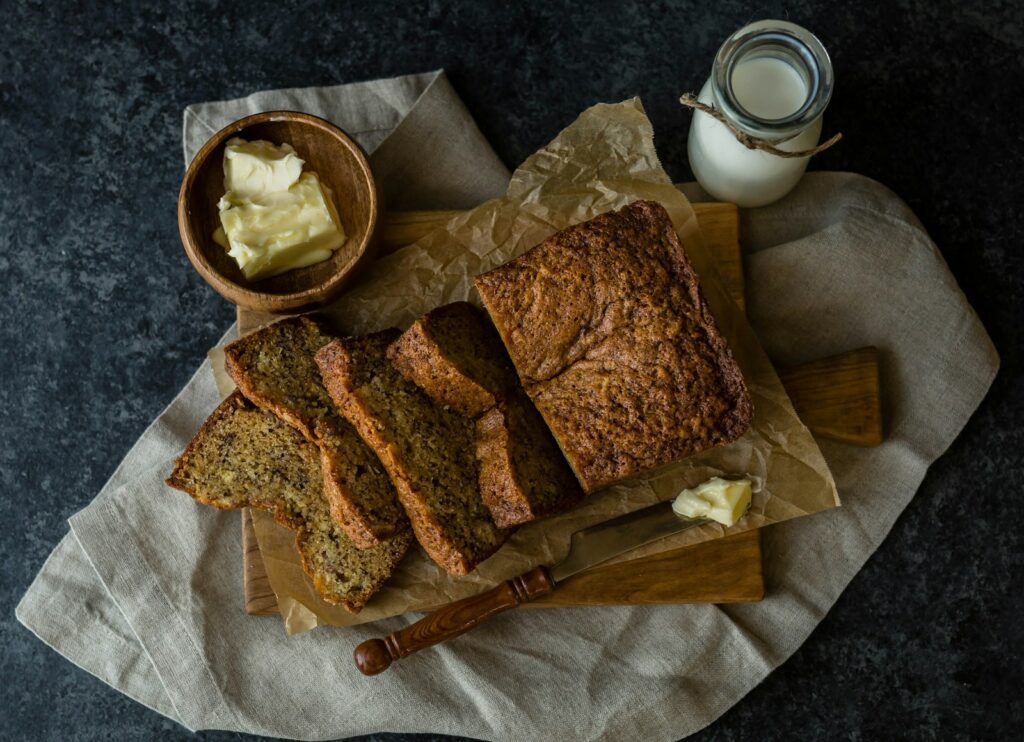
    2. Coconut Banana Bread

    Adding desiccated coconut to banana bread brings a tropical twist and enhances the texture. Fold about ½ cup into your usual banana bread batter. You can also sprinkle some on top before baking for added crunch.

    Variation: Try adding chopped nuts or pineapple chunks for more flavor layers.

    3. Coconut Chocolate Chip Cookies

    A tropical spin on a classic, these cookies combine buttery dough with chocolate chips and desiccated coconut. The coconut not only boosts flavor but also creates a slightly chewy texture.

    Optional add-in: A dash of cinnamon or a pinch of sea salt for balance.

    4. Coconut Lemon Bars

    Swap some of the flour in your lemon bar crust with desiccated coconut for a delicate, nutty flavor. The citrus and coconut pairing offers a bright, refreshing dessert perfect for spring and summer gatherings.

    5. Coconut Cake with Cream Cheese Frosting

    Incorporate desiccated coconut into a simple vanilla or sponge cake to create a tender, moist crumb. After baking, frost with cream cheese icing and sprinkle extra coconut on top. It’s a crowd-pleaser for birthdays and potlucks alike.


    No-Bake Treats Using Desiccated Coconut

    For days when you don’t want to turn on the oven, desiccated coconut shines in no-bake recipes. It pairs well with ingredients like dates, nuts, oats, and chocolate.

    1. Coconut Bliss Balls

    These nutrient-rich bites are perfect as a quick snack or dessert. Combine dates, nuts (like almonds or cashews), cocoa powder, and desiccated coconut in a food processor. Roll the mixture into small balls and coat them in more coconut.

    Flavor variations:

    • Add a drop of peppermint extract for a minty version.
    • Use dried mango or apricots for a tropical fruit twist.

    2. No-Bake Chocolate Coconut Bars

    These bars are like homemade candy—rich, sweet, and satisfying. The base usually consists of crushed biscuits or oats mixed with butter, condensed milk, and desiccated coconut. Press into a tray, then top with melted chocolate and refrigerate until firm.

    Pro tip: Use dark chocolate to balance the sweetness.

    3. Coconut Ice

    A nostalgic treat, especially popular in the UK and Australia, coconut ice is a layered, no-bake sweet made with icing sugar, condensed milk, and desiccated coconut. Often colored pink and white, it’s as visually appealing as it is tasty.

    Storage: Keeps well in airtight containers for weeks.

    4. Coconut Chia Pudding Parfaits

    Mix chia seeds with coconut milk and desiccated coconut, then refrigerate overnight. In the morning, layer the pudding with fresh fruits, nuts, or granola for a healthy yet dessert-like treat.

    Best pairings: Mango, pineapple, and passion fruit.

    5. Raw Coconut Cheesecake Bites

    Using a base of nuts, dates, and desiccated coconut, these mini cheesecakes are both satisfying and refined sugar-free. The creamy topping can be made with soaked cashews blended with coconut milk, lemon juice, and a natural sweetener like maple syrup.

    Tip: Use a muffin tin lined with cupcake wrappers for easy portioning.


    Tips for Baking and Cooking with Desiccated Coconut

    • Toasting enhances flavor: Toast desiccated coconut in a dry pan or oven until golden for deeper flavor.
    • Moisture matters: Since desiccated coconut is dry, be sure to balance moisture in your recipe. In no-bake treats, binding agents like honey or condensed milk help.
    • Store properly: Keep it in an airtight container in a cool, dry place. For longer shelf life, refrigerate or freeze.

    Quick Coconut Sprinkle Ideas

    Even without full recipes, you can use desiccated coconut to elevate simple treats:

    • Roll truffles or energy balls in it for a snowy finish.
    • Sprinkle on top of yogurt bowls or oatmeal.
    • Mix into granola or trail mix.
    • Add to pancakes or muffin batter.

    Final Thoughts

    Desiccated coconut is one of those ingredients that delivers big flavor with little effort. Whether you’re making chewy cookies, moist cakes, or healthy no-bake treats, it adds both taste and texture in a way few other ingredients can. It’s especially handy when you want a taste of the tropics or need to whip up something sweet from pantry essentials.

    Next time you reach into your cupboard, consider pulling out that bag of desiccated coconut and trying one of these delightful recipes. With its versatility and rich flavor, it just might become your new favorite baking companion.

  • Desiccated Coconut vs Coconut Flower – How They Differ, When to Use Each One, and if They Can be Substituted

    Desiccated Coconut vs Coconut Flower – How They Differ, When to Use Each One, and if They Can be Substituted

    Coconuts are incredibly versatile. From the meat to the water, oil, sugar, and even the flower, nearly every part of the coconut can be used in cooking, cosmetics, and traditional remedies. But when recipes or labels mention desiccated coconut and coconut flower, it’s easy to get confused. These two coconut-derived ingredients come from very different parts of the coconut plant and serve completely different purposes.

    In this article, we’ll explore what desiccated coconut and coconut flower are, how they differ in taste, texture, and nutritional value, when to use each one, and whether they can be substituted for one another.


    What Is Desiccated Coconut?

    Desiccated coconut refers to the dried, finely grated flesh (or “meat”) of the mature coconut. The coconut meat is grated, sometimes slightly toasted, and dried until it has very low moisture content—usually less than 3%.

    Desiccated coconut comes in several textures, such as:

    • Finely shredded
    • Medium or coarse grated
    • Flakes or chips

    It’s commonly used in baking, cooking, and confectionery to add flavor, texture, and richness. It has a slightly sweet, nutty flavor and chewy or crisp texture depending on how it’s processed and cooked.


    What Is Coconut Flower?

    Coconut flower actually refers to two things, depending on context:

    1. Coconut Flower Sap – The sweet sap extracted from the flower bud of the coconut palm.
    2. Dried Coconut Flower or Coconut Blossom Powder – The dried and ground form of the flower or its nectar, often used as a natural sweetener.

    In this article, when we refer to coconut flower, we’re mainly talking about its culinary form, typically known as:

    • Coconut blossom sugar
    • Coconut flower sugar
    • Coconut nectar powder

    It’s a natural sweetener with a caramel-like flavor, made from the sap of the coconut blossom, which is boiled and then dried into granules or powder. It’s low on the glycemic index and retains nutrients like iron, zinc, and potassium, making it a popular alternative to refined sugar.


    Key Differences Between Desiccated Coconut and Coconut Flower

    FeatureDesiccated CoconutCoconut Flower (Sugar)
    SourceCoconut meatSap from coconut flower
    FormGrated or shredded dry coconutGranulated or powdered sweetener
    FlavorMild, nutty, coconut flavorSweet, caramel-like flavor
    TextureChewy or crunchyFine, dry, like brown sugar
    UsesBaking, toppings, curries, dessertsSweetener for baking, drinks, sauces
    NutritionHigh in fiber and fatsContains minerals and antioxidants
    StorageAirtight container, cool dry placeSame – moisture-sensitive

    When to Use Desiccated Coconut

    ✅ Best Uses:

    • Baking: In cakes, cookies, macaroons, muffins, and breads.
    • Toppings: For oatmeal, smoothie bowls, and yogurt.
    • Savory Dishes: Curries, stews, or sambal recipes, especially in South Asian and Southeast Asian cuisine.
    • Homemade Snacks: Energy bites, granola bars, or coconut clusters.
    • Garnishing: Toasted and sprinkled over desserts or salads.

    Flavor & Texture Contribution:

    Desiccated coconut adds body, texture, and a light coconut flavor to both sweet and savory dishes. When toasted, it gives a nutty crunch. In moist batters, it absorbs liquid and adds chewiness.


    When to Use Coconut Flower (Sugar)

    ✅ Best Uses:

    • Sweetener Substitute: In place of white sugar, brown sugar, or honey in recipes.
    • Baking: Cakes, brownies, cookies, muffins.
    • Hot Beverages: Stir into coffee, tea, or hot chocolate.
    • Sauces and Marinades: Especially those needing a sweet, rich background.
    • Healthier Sweets: Paleo or low-GI desserts.

    Flavor & Texture Contribution:

    Coconut flower sugar adds a deep, molasses-like sweetness. It doesn’t taste like coconut; instead, it has a profile similar to brown sugar with earthy and caramel undertones.


    Nutritional Differences

    Desiccated Coconut:

    • High in dietary fiber
    • Contains healthy fats (especially medium-chain triglycerides – MCTs)
    • Provides iron, copper, and trace minerals
    • Relatively low in sugar
    • Calorie-dense

    Coconut Flower Sugar:

    • Lower glycemic index than refined sugar (around 35)
    • Contains trace minerals like zinc, potassium, and magnesium
    • Provides inulin, a prebiotic fiber
    • Still a sugar, so moderation is key

    Can Desiccated Coconut and Coconut Flower Sugar Be Substituted?

    In most cases, no, they cannot be substituted directly for one another because they serve very different purposes in a recipe.

    ❌ Desiccated Coconut ≠ Coconut Sugar

    • Desiccated coconut is used for texture, bulk, and flavor.
    • Coconut flower sugar is used to sweeten.

    Trying to swap one for the other will often result in a failed recipe. For example:

    • Replacing desiccated coconut in a macaroon with coconut flower sugar would destroy the structure.
    • Replacing sugar in a cake with desiccated coconut would not provide the needed sweetness or moisture balance.

    However… ✅ They Can Be Complementary:

    In tropical-inspired baking or energy snacks, you might find recipes that use both desiccated coconut and coconut flower sugar—one for texture, the other for sweetness.


    Choosing Between the Two: A Quick Guide

    SituationUse Desiccated CoconutUse Coconut Flower Sugar
    Making coconut macaroons✅ Yes❌ No
    Sweetening a cup of tea❌ No✅ Yes
    Baking paleo energy balls✅ Yes✅ Yes
    Creating a dry rub for meat✅ Optional✅ Optional (for caramelization)
    Making caramel sauce❌ No✅ Yes
    Adding crunch to granola✅ Yes❌ No

    Final Thoughts

    Desiccated coconut and coconut flower sugar are both derived from the coconut tree, but they are entirely different ingredients with unique characteristics, functions, and flavors.

    • Use desiccated coconut when you want texture, chew, and a subtle coconut flavor—ideal for baking, cooking, and toppings.
    • Use coconut flower sugar when you need a natural sweetener with caramel notes and lower glycemic impact.

    Though not interchangeable, they both offer healthy, flavorful options for natural cooking and baking. By understanding their differences and best uses, you’ll know exactly which one to reach for—and how to get the most out of each.

Secret Link