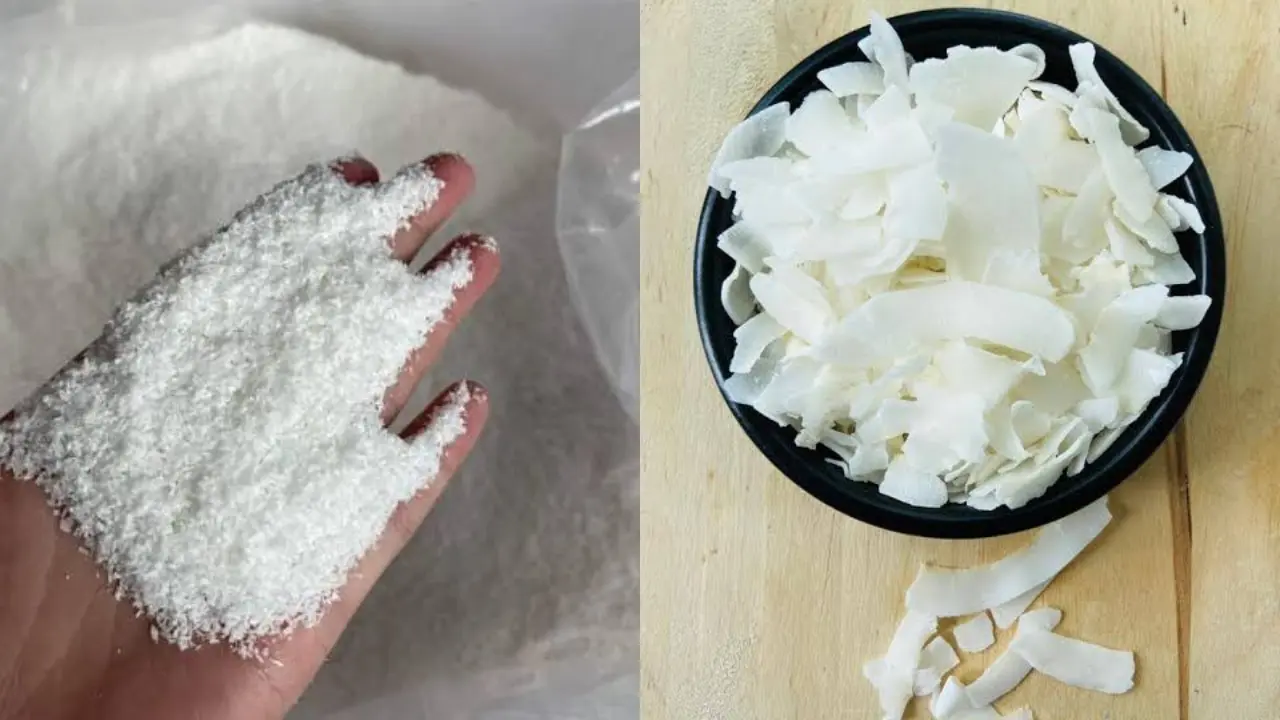
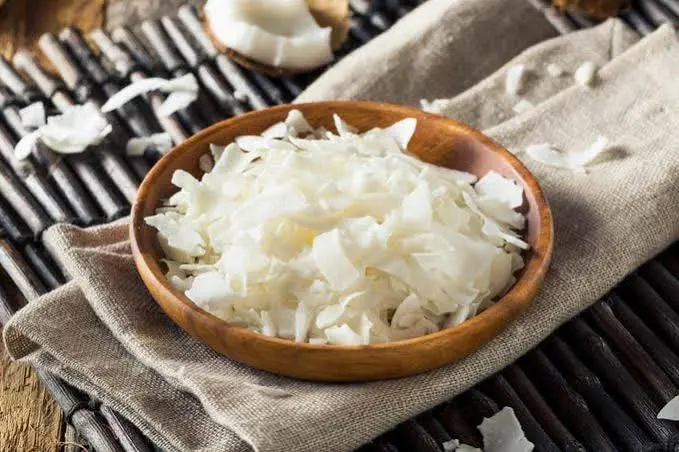
Tag: desiccated coconut

  • Bulk Desiccated Coconut from Indonesia: Grades, Price & Where to Buy (2026)

    Bulk Desiccated Coconut from Indonesia: Grades, Price & Where to Buy (2026)

    bulk desiccated coconut

    If you are looking to source bulk desiccated coconut, Indonesia is the world’s largest producer and one of its leading exporters — the dried, shredded, or grated coconut meat used extensively in food manufacturing, bakery, confectionery, and health food applications globally.

    Whether you are looking to buy desiccated coconut, shredded coconut, or grated coconut in bulk, sourcing directly from certified Indonesian suppliers offers significant advantages in price, grade availability, and certification coverage.

    This guide covers everything buyers need to know about sourcing bulk desiccated coconut from Indonesia — grades and specifications, organic options, MOQ tiers, and the step-by-step ordering process.

    You can view our full desiccated coconut product range before reading further.

    For context on the broader Indonesian coconut supplier landscape, our guide on finding a bulk coconut supplier in Indonesia covers evaluation principles that apply equally to desiccated coconut sourcing.

    Desiccated Coconut, Shredded Coconut, Grated Coconut: Are They the Same?

    buy desiccated coconut products

    This is the most common point of confusion for buyers new to this category. The short answer: in the context of bulk food ingredient sourcing, desiccated coconut, shredded coconut, and grated coconut all refer to the same basic product — dried coconut meat — with differences only in cut size and moisture content.

    TermDefinitionCommon Usage Context
    Desiccated coconutDried coconut meat with low moisture (max 3%). The most widely used industry term for all cut sizes.B2B trade, food manufacturing, export documentation — this is the term you will find on COA and customs documents
    Shredded coconutCoconut meat cut into thin, thread-like strips. Can be sweetened or unsweetened.US and Australian retail market terminology. In bulk B2B, ‘shredded’ = desiccated coconut medium or long thread cut.
    Grated coconutFinely grated coconut — similar to ‘fine’ or ‘medium’ desiccated coconut cut.Used interchangeably with desiccated coconut in many Asian and European markets. Same product, different name.
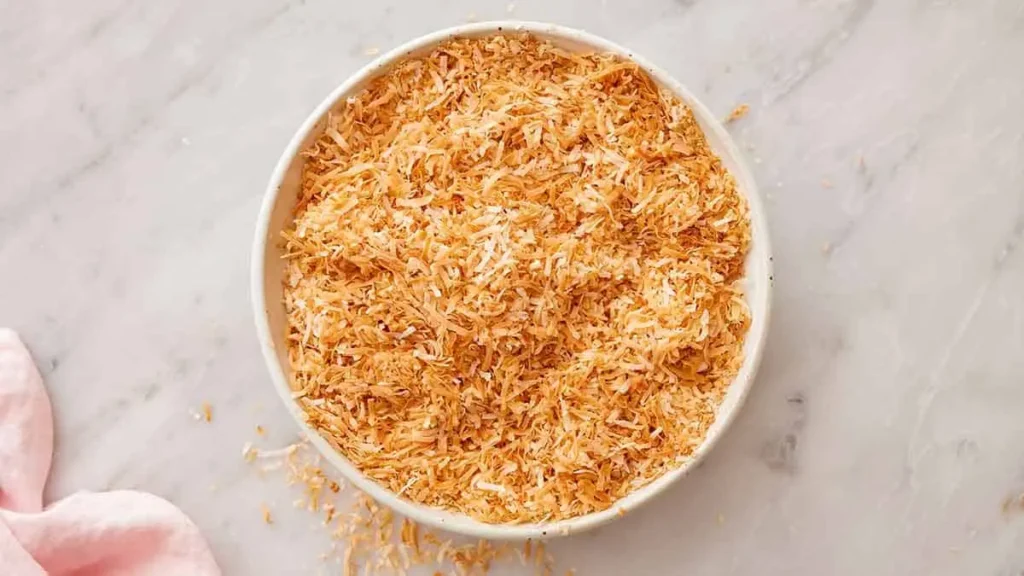
    Flaked coconutFlat, wide flakes — larger than shredded. Often toasted or used as a premium ingredient.Distinct cut from shredded — wider and flatter. Specify ‘flakes’ explicitly when ordering.
    Coconut flourVery finely ground desiccated coconut — almost powder consistency. High fiber content.Different product from desiccated coconut — used in gluten-free baking. Do not confuse with fine desiccated coconut.
    For your purchase order and export documentation: always use ‘desiccated coconut’
    Regardless of what term you use internally or on your retail label, specify ‘desiccated coconut’ with the specific grade (fine, medium, coarse, long thread, flakes) when placing a bulk order from an Indonesian supplier. This is the industry standard term used in Customs HS codes (HS 0801.11 for desiccated coconut), COA documents, phytosanitary certificates, and export paperwork.

    Desiccated Coconut Grades: Fine, Medium, Coarse, Long Thread & Flakes

    buy desiccated coconut online

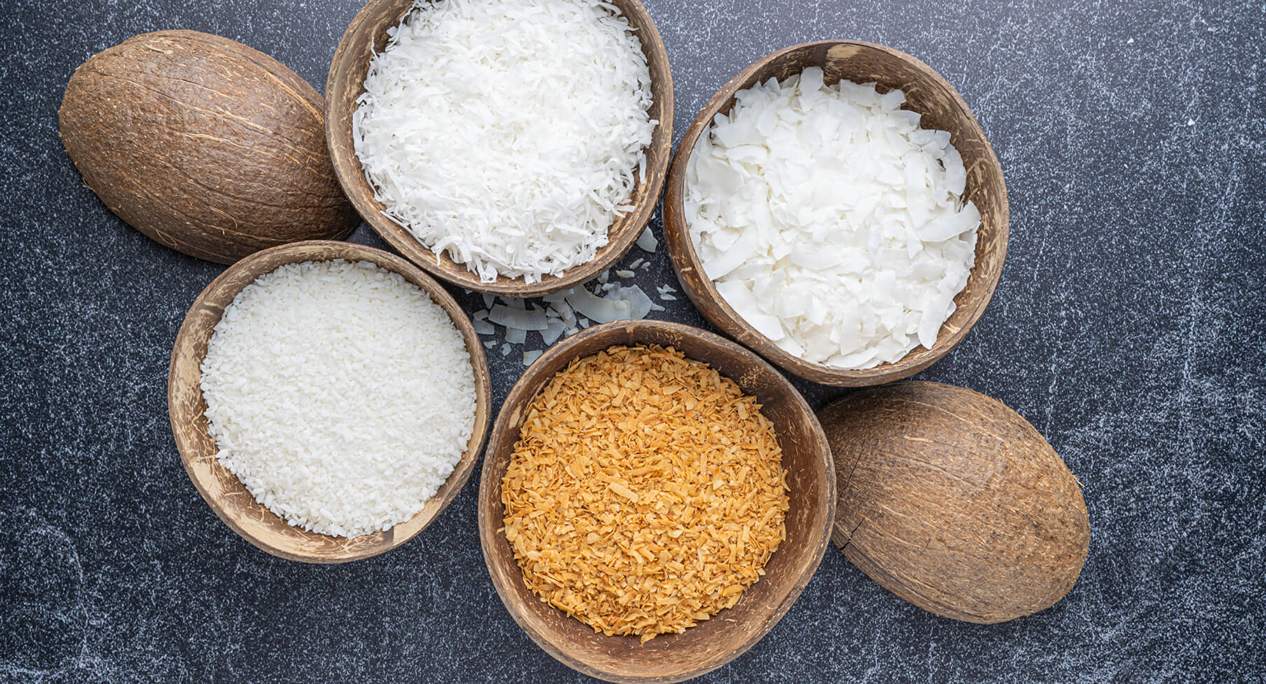
    The most important specification decision when sourcing desiccated coconut is the grade — which refers primarily to the cut size and shape of the dried coconut meat. Each grade has distinct applications and slightly different pricing:

    GradeParticle SizeMoistureBest ApplicationsPrice Position
    Extra Fine / Fine< 1mm — very small, almost powdery textureMax 3%Baked goods (cakes, cookies, breads), coatings, chocolate fillings, cereal barsBaseline — most commonly available
    Medium1–3mm — standard shredded textureMax 3%Granola, trail mix, muesli, confectionery, toppings, general baking+ 0–5% vs fine
    Coarse / Long Thread3–6mm — longer strips, more visible textureMax 3%Premium granola, artisan bakery, snack coatings, decorative toppings+ 5–10% vs fine
    Flakes / ChipsWide flat pieces, 5–15mm — distinct visual impactMax 3%Premium snack products, trail mix, decorative applications, toasted products+ 10–20% vs fine
    Toasted / RoastedAny cut size — heat-treated for golden color and aromaMax 2%Snack coatings, premium granola, ready-to-eat products+ 15–30% vs raw (same cut)
    Dessicated Coconut Powder (DCM)< 0.3mm — very fine, high fiber contentMax 3%Coconut milk manufacturing, coconut flour alternative, high-fiber formulationsSeparate product — price varies significantly
    Which grade should you order? A simple decision framework
    For BAKED GOODS (cakes, cookies, muffins): Fine or Medium — blends seamlessly into batter without visible pieces. For GRANOLA & SNACK BARS: Medium or Coarse/Long Thread — visible texture adds premium appearance. For DECORATIVE TOPPINGS: Flakes or Coarse — visual impact is the primary function. For CHOCOLATE & CONFECTIONERY: Fine or Medium — even distribution throughout product. If unsure, request 100g samples of each grade and evaluate in your specific formulation before committing to a bulk order.

    What Affects Bulk Desiccated Coconut Pricing?

    Bulk desiccated coconut pricing can vary depending on product type, cut size, moisture level, fat content, certification requirements, packaging format, order volume, destination country, Incoterms, and current supply conditions.

    Because these factors can change from one buyer requirement to another, Global Coco Sugar does not use fixed public pricing as a final reference for bulk desiccated coconut orders.

    For accurate pricing, buyers are encouraged to request a formal quotation based on their required product grade, volume, packaging preference, certification scope, and delivery terms.

    Product TypeCommon MOQ ReferenceWhat Buyers Should Confirm
    Conventional desiccated coconut – fine/medium1 MTCut size, moisture, fat content, packaging, and lead time
    Conventional desiccated coconut – coarse/long thread1 MTAvailability, product grade, and application suitability
    Conventional desiccated coconut – flakes500 kg or based on availabilityLead time, cut size consistency, and packaging
    Organic desiccated coconut – fine/medium1 MTOrganic scope, certification documents, and COA availability
    Organic desiccated coconut – coarse/long thread1 MTAvailability, certification scope, and sample approval
    Toasted desiccated coconut500 kg or based on availabilityToast level, color, aroma, and production lead time
    Sweetened desiccated coconut1 MTSugar type, sweetness level, ingredient declaration, and COA

    FOB price, freight cost, insurance, import duty, customs clearance, inland delivery, and documentation requirements can all affect the final landed cost.

    Buyers should confirm the latest quotation with the sales team before making procurement decisions.

    Need current pricing for bulk desiccated coconut from Indonesia?

    Contact our export team to request product specifications, MOQ details, packaging options, samples, and a quotation based on your order requirements.

    Technical Specifications: What to Request in Your COA

    A Certificate of Analysis (COA) from an ISO 17025-accredited laboratory should accompany every bulk desiccated coconut shipment. Here are the key parameters to verify:

    ParameterTypical SpecificationWhy It Matters
    Moisture contentMax 3.0%Higher moisture = shorter shelf life and increased microbial risk. Non-negotiable for long transit times.
    Fat content60–68% (on dry basis)Indicates quality of coconut meat used. Low fat may indicate immature or poor-quality coconut.
    Free Fatty Acid (FFA)Max 0.2% (as lauric acid)Indicator of oxidation and rancidity. Higher FFA = shorter effective shelf life.
    Peroxide valueMax 1.0 meq/kgMeasures oxidative degradation. Low peroxide = fresh product. Rises during storage.
    Total plate countMax 5,000 CFU/gMicrobial safety indicator. Ensure this is from an accredited third-party lab.
    Yeast & moldMax 50 CFU/gCritical for food safety compliance in EU and US markets.
    SalmonellaAbsent in 25gZero tolerance in all markets. Must be confirmed per lot.
    Sulphite contentNegative (max 10 ppm)Some conventional producers use sulphites as preservative — many EU buyers prohibit this. Always confirm.
    Shelf life12–18 months from productionConfirm minimum remaining shelf life at time of shipment.
    Sulphite-free specification: increasingly required by EU buyers
    A growing number of EU food manufacturers and retailers specify ‘sulphite-free’ desiccated coconut — typically as a requirement under clean label or allergen management policies (sulphites are declared allergens under EU Regulation 1169/2011 at concentrations above 10 ppm). Always confirm whether your supplier uses sulphites in their production process, and request sulphite test results in the COA if clean label or allergen compliance is relevant to your application.

    Organic Desiccated Coconut: Certifications and Premium

    Certified organic desiccated coconut follows the same certification framework as organic coconut sugar — USDA NOP for US market organic claims, EU Organic (EC 834/2007) for EU market claims, and JAS for Japan.

    Our article on exporting certified organic coconut products from Indonesia explains the Transaction Certificate (TC) requirement per shipment and how to verify organic certification independently.

    The organic premium for desiccated coconut — typically 25-40% above conventional pricing — reflects the cost of organic farm certification, dedicated production lines or thorough cleaning verification to prevent cross-contamination, and per-shipment TC documentation.

    For buyers making organic label claims on finished products, always confirm that the TC lot number matches the COA and packing list exactly before accepting any shipment.

    Organic CertificationRequired ForVerify At
    USDA Organic (NOP)US market ‘USDA Organic’ label claimsams.usda.gov/organic
    EU OrganicEU market EU Organic logo claimsOFIS database — ec.europa.eu
    JAS Organic (Japan)Japanese market organic claims — separate from USDA/EUMAFF Japan website
    BRCGS Grade AEU/US major retail vendor approval — food safety (not organic claim)brcdirectory.com

    Order Volume Options: From Trial Order to Full Container

    bulk desiccated coconut Global Coco Sugar
    Order VolumeBest ForPractical Notes
    Sample orderProduct evaluation and grade comparisonBuyers can request samples of fine, medium, coarse, flakes, toasted, or sweetened desiccated coconut before confirming commercial orders.
    LCL shipmentTrial orders or smaller initial purchasesUseful for buyers testing demand, but freight and handling requirements should be confirmed with the sales team.
    1 MT – 4 MT orderEarly commercial ordersPractical for new buyers that need commercial volume without starting from a full container. Packaging options should be confirmed based on product type.
    20ft FCLRegular bulk procurementSuitable for buyers with stable demand. Multiple grades may be arranged in one shipment depending on availability and order planning.
    40ft FCLHigher-volume procurementSuitable for established buyers with larger and more predictable demand. Production schedule, packaging, and lead time should be confirmed in advance.
    Annual contractLong-term supply planningUseful for buyers that need recurring shipments, forecast planning, consistent specifications, and stable supplier coordination.

    Order volume can affect quotation structure, packaging planning, production scheduling, freight efficiency, and shipment arrangement.

    For accurate pricing, buyers should request a formal quotation based on product type, grade, volume, packaging, destination country, Incoterms, and required documentation.

    One practical advantage of desiccated coconut is that buyers may be able to combine multiple grades, such as fine, medium, coarse, or flakes, within one shipment depending on availability and production planning.

    This can help buyers evaluate different grades without creating separate shipment arrangements for each product type.

    Packaging Options for Bulk Desiccated Coconut

    Packaging FormatNet WeightBest ForNotes
    50 kg polypropylene (PP) sack50 kgB2B manufacturing, large-volume re-packagingMost common export format. Food-grade PP inner liner. Most cost-effective per kg.
    25 kg carton box with PP inner bag25 kgFood manufacturers, smaller re-packersMore structured than sacks — easier to stack. Slightly higher per-kg cost.
    1 kg retail stand-up pouch1 kgPrivate label retail, health food brandsCustom label available. Significant per-kg premium. MOQ typically 500 units.
    200g / 400g retail bag0.2/0.4 kgPremium retail, D2C, giftingCustom label. High per-kg cost — retail margin supports it.
    Bulk bag (FIBC / jumbo bag)500–1,000 kgVery large volume buyers, industrial foodLowest per-kg cost. Requires forklift handling at both ends.

    Why Source Desiccated Coconut from Indonesia?

    desiccated coconut indonesia

    Indonesia’s position as a leading desiccated coconut supplier is backed by genuine structural advantages — not just competitive pricing.

    For buyers who want to verify certification status before contacting any supplier, our article on what certifications a coconut supplier should have explains how to independently verify BRCGS, organic, and Halal certifications in their respective public databases.

    Our own certifications and company profile are fully verifiable and publicly accessible.

    AdvantageDetail
    Production scaleIndonesia produces millions of MT of coconuts annually — consistent raw material availability year-round
    Certification depthIndonesian desiccated coconut producers have among the most developed certification infrastructure in the world — BRCGS, USDA Organic, EU Organic, Halal, Kosher
    Grade availabilityFine, medium, coarse, long thread, flakes, toasted — full range available from established exporters
    Competitive pricingTypically 10-20% more competitive than Sri Lankan and Philippine desiccated coconut for equivalent specification
    Port infrastructureMajor export ports: Tanjung Priok (Jakarta), Tanjung Perak (Surabaya) — well-connected to global shipping routes
    Transit times (approx)EU: 25–35 days. USA: 20–30 days. Australia: 10–16 days. Middle East: 12–20 days

    Desiccated Coconut Applications in Food Manufacturing

    Desiccated coconut is one of the most versatile functional ingredients in food manufacturing — contributing texture, flavor, fat, and visual appeal simultaneously.

    For a comprehensive breakdown of food manufacturing applications for coconut-derived ingredients, see our article on applications of coconut products in the food industry.

    ApplicationRecommended GradeFunction
    Bakery — cakes, muffins, cookiesFine or MediumMoisture retention, flavor, texture. Blends invisibly into batter.
    Granola & muesliMedium or Long ThreadVisual texture, flavor, fat content. Toasted grade popular for premium positioning.
    Confectionery — chocolate, truffleFineEven distribution throughout product. Adds coconut flavor and fat complexity.
    Snack bars & energy ballsMedium or CoarseBinder function + visible texture. Works well with dates, nuts, oats.
    Breakfast cerealsMedium or FlakesVisible texture in premium cereals. Toasted grade adds visual appeal.
    Coatings & toppingsFlakes or CoarseDecorative, premium appearance. Strong visual impact on finished product.
    Asian & Middle Eastern cuisine (food service)Fine or MediumIngredient in curries, rice dishes, desserts. Widely used in HoReCa.
    Coconut milk productionDCM (desiccated coconut meat powder)Primary raw material for coconut milk — different product from standard desiccated coconut.

    How to Buy Desiccated Coconut in Bulk from Indonesia: Step by Step
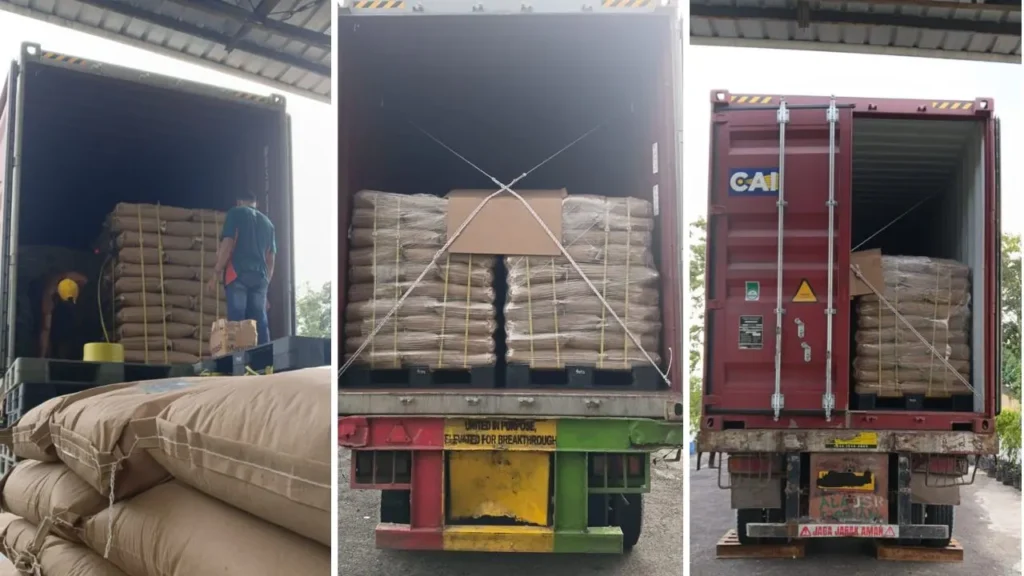
    desiccated coconut bulk indonesia global coco sugar

    The import process for desiccated coconut follows the same framework as other Indonesian coconut products, with HS Code 0801.11 typically applicable for desiccated coconut.

    Our comprehensive article on how to import coconut products from Indonesia covers the full documentation requirements, HS codes, and logistics process for each major destination market — EU, USA, Australia, Middle East, and Japan.

    1. Define your specifications: grade (fine, medium, coarse, flakes), organic or conventional, sweetened or unsweetened, and whether sulphite-free is required.
    2. Request samples: 100-500g of each grade you are evaluating, together with the COA for the sample lot. Evaluate in your specific formulation — fat content and moisture affect recipe balance.
    3. Verify supplier certifications independently: BRCGS on brcdirectory.com, organic on USDA or EU OFIS databases.
    4. Request COA data from at least three consecutive production lots — not just the sample lot — to verify batch consistency.
    5. Confirm sulphite status: ask explicitly whether sulphites are used in production and request sulphite test results in the COA if required.
    6. Place your first commercial order with full documentation requirements specified in writing: COA from ISO 17025 lab, phytosanitary certificate, certificate of origin, and organic TC if applicable.
    7. Work with your freight forwarder to coordinate container booking and customs clearance.

    How to Choose a Reliable Desiccated Coconut Supplier from Indonesia

    The evaluation framework for a desiccated coconut supplier is identical to that for any Indonesian coconut product supplier.

    Our article on how to choose a reliable coconut exporter from Indonesia provides the full framework including red flags, green flags, and 15 questions to ask before placing any commercial order.

    For desiccated coconut specifically, pay particular attention to:

    • Sulphite policy. Confirm whether the supplier uses sulphites in their desiccated coconut production. This is a dealbreaker for clean-label and allergen-compliance buyers.
    • COA consistency across lots. Fat content, FFA, and peroxide value are the most informative parameters for assessing raw material quality consistency. Request COA from three consecutive lots.
    • Moisture control. Desiccated coconut with moisture above 3% at point of shipment is a significant quality risk for long transit times. Confirm moisture is tested immediately before container loading.
    • Microbial testing from accredited lab. Salmonella and mold/yeast counts must be from an ISO 17025-accredited laboratory — not in-house testing. Ask for the lab name and accreditation number.
    Ready to source bulk desiccated coconut from Indonesia?
    Global Coco Sugar supplies BRCGS Food Safety Grade A certified desiccated coconut from Indonesia — fine, medium, coarse, long thread, and flakes — in conventional and organic grades. COA per batch from ISO 17025-accredited laboratory. Samples available with no minimum order.
    Request a Desiccated Coconut Price Quote or Sample >>>
    View Our Full Desiccated Coconut Product Range >>>

    Private Label Desiccated Coconut from Indonesia

    For brand owners wanting to sell desiccated coconut under their own brand in retail-ready packaging, our private label coconut products program covers desiccated coconut in all grades and packaging formats — from 1 kg kraft stand-up pouches to premium gift sets.

    Custom label and artwork support included. No minimum order quantity for sample development.

    Private label desiccated coconut commands a significant retail premium — a 200g pack of premium organic desiccated coconut flakes in branded packaging typically retails at 5-8x the per-kg wholesale price.

    The margin math is compelling for brands with established retail or D2C distribution channels.

    Conclusion: Match Your Grade to Your Application, Then Scale

    Sourcing bulk desiccated coconut from Indonesia is a well-established supply chain for food manufacturers and brand owners globally — and the right grade selection, paired with verified certification and consistent COA documentation, makes it one of the most reliable ingredient sourcing decisions available in the natural food sector.

    The practical approach: define your grade requirements based on your application, request samples of your target grades with COA, verify sulphite status and all certifications independently, and evaluate samples in your specific formulation before placing your first commercial order.

    Once quality and consistency are confirmed, scale to FCL volumes and negotiate annual contract pricing.

    Source certified desiccated coconut from Indonesia — all grades available
    Global Coco Sugar is a BRCGS Food Safety Grade A certified exporter of desiccated coconut from Indonesia. Fine, medium, coarse, long thread, and flakes — conventional and organic. Sulphite-free available. COA from ISO 17025-accredited laboratory per batch. Private label and custom packaging available. Minimum order 1 MT.
    Request a Price Quote or Samples >>>
    View Our Desiccated Coconut Range >>>
    Our Certifications & Company Profile >>>
  • Desiccated Coconut vs Coconut Flakes: 7 Key Differences

    Desiccated Coconut vs Coconut Flakes: 7 Key Differences

    Desiccated Coconut vs Coconut Flakes

    Desiccated coconut and coconut flakes both come from dried coconut meat, but they are not the same. The main differences are size, texture, moisture, sweetness, recipe use, and how they perform in food production.

    Coconut flakes are usually larger, wider, and better for toppings or visible texture. Desiccated coconut is smaller, drier, and better for mixing into doughs, batters, fillings, coatings, and commercial food products.

    This guide compares desiccated coconut vs coconut flakes so home cooks, bakers, food manufacturers, private label buyers, and procurement teams can choose the right coconut ingredient for their application.

    Quick Answer: Are Desiccated Coconut and Coconut Flakes the Same?

    No, desiccated coconut and coconut flakes are not the same. Coconut flakes are usually larger, wider, and slightly chewier, while desiccated coconut is smaller, drier, and more finely grated.

    Coconut flakes work well as toppings, garnishes, and visible texture in recipes. Desiccated coconut is usually better for baking, coatings, fillings, doughs, confectionery, and recipes that need coconut to blend more evenly into the mixture.

    For commercial sourcing, buyers should check cut size, moisture, fat content, sweetness, packaging, shelf life, and product specification before choosing one format.

    Desiccated Coconut vs Coconut Flakes: Quick Comparison

    FactorCoconut FlakesDesiccated Coconut
    SizeLarger, wider piecesFine, medium, or coarse grated coconut
    TextureChewy, flaky, and sometimes crisp when toastedDry, light, and finely shredded or grated
    MoistureUsually higher than desiccated coconutUsually lower and more shelf-stable
    Common useToppings, garnishes, granola, trail mix, decorationBaking, coatings, fillings, doughs, confectionery
    Flavor impactMore visible coconut bite and textureMore evenly distributed coconut flavor
    Sweetened optionsOften sold sweetened or unsweetenedCommonly unsweetened for industrial use
    B2B checksSize, moisture, sweetness, packagingGrade, moisture, fat content, microbiology, COA

    What Are Coconut Flakes?

    coconut flakes

    Coconut flakes are large, thin pieces of coconut meat made by shaving or slicing the white flesh of mature coconuts. They are then dried to reduce moisture.

    Depending on the product, coconut flakes may be sweetened or unsweetened, toasted or untoasted.

    Because coconut flakes are larger than desiccated coconut, they create more visible texture in finished products.

    They are commonly used for topping smoothie bowls, oatmeal, yogurt, cakes, cookies, granola, trail mix, salads, and desserts.

    For food brands, coconut flakes can be useful when the final product needs a clear coconut appearance, a chewy bite, or a decorative topping.

    What Is Desiccated Coconut?

    Desiccated Coconut
    desiccated coconut

    Desiccated coconut is dried coconut meat that has been grated, shredded, or milled into smaller particles. It is usually finer and drier than coconut flakes.

    Desiccated coconut can come in different cut sizes such as fine, medium, coarse, or specialty cuts, depending on the supplier and intended application.

    Because of its smaller size, desiccated coconut blends more easily into batters, doughs, coatings, fillings, and confectionery products.

    It is widely used by commercial bakeries, biscuit manufacturers, snack producers, chocolate and confectionery brands, and private label food manufacturers.

    If your team needs coconut that can blend into a formula rather than sit on top of it, desiccated coconut is usually the better choice.

    7 Key Differences Between Desiccated Coconut and Coconut Flakes

    1. Size and Cut

    Coconut flakes are larger and wider. They often look like thin chips or shaved coconut pieces. Desiccated coconut is smaller and more finely grated. This difference affects how each ingredient looks and performs in a recipe.

    If the product needs visible coconut pieces, coconut flakes are usually better. If the product needs even coconut distribution, desiccated coconut is usually more practical.

    2. Texture and Mouthfeel

    Coconut flakes provide more chew, bite, and visual texture. When toasted, they can become crisp and aromatic. Desiccated coconut has a finer, drier mouthfeel and blends into food more easily.

    This matters in baking and food manufacturing. A cookie, snack bar, filling, or coating can change noticeably if a formula uses flakes instead of desiccated coconut.

    3. Moisture and Shelf Life

    Desiccated coconut is usually drier than coconut flakes. Lower moisture can help improve shelf stability, but exact moisture level depends on the supplier specification, product type, packaging, and storage condition.

    Coconut flakes may retain more texture and bite, but they should still be stored properly in a cool, dry place. For bulk purchasing, buyers should request moisture information and storage recommendations from the supplier.

    4. Flavor Distribution

    Both products provide coconut flavor, but they distribute flavor differently. Coconut flakes create noticeable coconut bites in specific parts of the product. Desiccated coconut spreads coconut flavor more evenly throughout doughs, batters, fillings, coatings, and mixtures.

    For product development, the right choice depends on whether the brand wants visible coconut texture or more uniform coconut flavor.

    5. Best Recipe Uses

    Coconut flakes are best for toppings, garnishes, granola, trail mix, smoothie bowls, baked decoration, and recipes where visual coconut pieces are important.

    Desiccated coconut is best for cakes, cookies, biscuits, macaroons, energy balls, fillings, coatings, snack bars, confectionery, and bakery products where coconut needs to blend into the formula. For more application ideas, read our guide to cooking with desiccated coconut.

    6. Sweetened vs Unsweetened Options

    Coconut flakes are often available in both sweetened and unsweetened forms. Desiccated coconut is commonly sold unsweetened, especially for commercial baking, confectionery, and food manufacturing.

    This matters because sweetened coconut can change sugar level, browning, texture, moisture, and final taste. If you are comparing sweetened products, see our guide to sweetened desiccated coconut.

    7. Commercial Sourcing Requirements

    For B2B buyers, the product name alone is not enough. Two suppliers may use similar terms but provide different cut sizes, moisture levels, fat content, sweetness, packaging, shelf life, and quality standards.

    Before confirming a bulk order, buyers should review product specifications, samples, COA availability, microbiological standards, certification scope, export documents, MOQ, packaging format, and shelf life.

    Can You Substitute Coconut Flakes for Desiccated Coconut?

    Yes, you can sometimes substitute coconut flakes for desiccated coconut, but the texture will change. Coconut flakes are larger and more visible, so they may not blend smoothly into batters, doughs, coatings, or fillings.

    If a recipe needs desiccated coconut but you only have coconut flakes, pulse the flakes briefly in a food processor until they become smaller. If the flakes are sweetened, reduce other sweeteners in the recipe.

    If a recipe needs coconut flakes but you only have desiccated coconut, the result will be less chewy and less visually textured. Lightly toasting desiccated coconut can improve aroma and texture, but it will not fully replace the larger flake shape.

    For commercial production, substitutions should always be tested first because particle size, moisture, sweetness, and fat content can affect texture, shelf life, and product consistency.

    Sweetened vs Unsweetened Coconut: Why It Matters

    Sweetened and unsweetened coconut products can behave differently in recipes. Sweetened coconut may add sugar, moisture, chewiness, and stronger browning. Unsweetened coconut gives manufacturers more control over sweetness and formulation.

    For home baking, checking the label may be enough. For B2B sourcing, buyers should request a product specification that clearly states whether the coconut is sweetened or unsweetened, along with moisture, fat content, particle size, and packaging details.

    This is especially important for bakery, confectionery, snack, cereal, granola, and private label products where sugar level and texture consistency matter.

    What About Shredded Coconut, Flaked Coconut, and Desiccated Coconut?

    In some markets, terms like shredded coconut, flaked coconut, coconut flakes, and desiccated coconut can overlap. However, they usually refer to different cut sizes and textures.

    Shredded coconut is usually longer and thinner than desiccated coconut. Coconut flakes are wider and larger. Desiccated coconut is typically finer, drier, and more suitable for mixing into food products.

    Because naming can vary by supplier and country, B2B buyers should rely on product specifications, cut size, moisture, fat content, sweetness, and sample approval instead of product names alone.

    Nutrition Comparison: Keep It Product-Specific

    Both coconut flakes and desiccated coconut contain coconut fat and fiber, but nutrition values vary depending on cut size, moisture, sweetness, toasting, and brand formulation. Sweetened coconut products may also contain added sugar.

    For accurate nutrition values, consumers should check the product label. Food brands and B2B buyers should review supplier specifications or request nutrition data based on the exact product being sourced.

    For general food composition reference, buyers can also compare ingredient data through USDA FoodData Central.

    Avoid assuming that coconut flakes and desiccated coconut have identical nutrition values unless they come from the same supplier, same formulation, and same serving basis.

    What B2B Buyers Should Check Before Sourcing Coconut Flakes or Desiccated Coconut

    For bakeries, confectionery brands, snack manufacturers, private label buyers, and procurement teams, the choice between coconut flakes and desiccated coconut should be based on product application.

    Coconut flakes are better for visible texture and toppings, while desiccated coconut is usually better for mixing into doughs, batters, coatings, fillings, and industrial food production.

    Before sourcing in bulk, buyers should verify cut size, moisture, fat content, sweetness, color, aroma, microbiological standards, packaging, shelf life, certification scope, COA availability, MOQ, and export documentation.

    If your team is evaluating bulk desiccated coconut from Indonesia, review product specifications and request samples before confirming the right grade or cut size. Buyers can also explore broader coconut products from Indonesia for related coconut ingredients.

    Need desiccated coconut, coconut flakes, or coconut-based ingredients for bakery, confectionery, snack, or private label applications? Contact our export team to request specifications, samples, packaging details, or a quotation.

    Final Thoughts

    Desiccated coconut and coconut flakes come from the same fruit, but they are designed for different uses. Coconut flakes are larger and better for visible texture, toppings, and decoration. Desiccated coconut is smaller, drier, and better for baking, fillings, coatings, and commercial food production.

    For home recipes, the right choice depends on texture and final appearance. For B2B sourcing, the right choice depends on product specification, consistency, packaging, certification scope, COA availability, and sample approval.

    Understanding these differences helps buyers choose the coconut ingredient that fits the final product, whether for bakery, confectionery, snacks, toppings, private label, or other coconut-based food applications.

    FAQ About Desiccated Coconut vs Coconut Flakes

    Are desiccated coconut and coconut flakes the same?

    No. Desiccated coconut is usually smaller, drier, and more finely grated, while coconut flakes are larger and wider.

    What is the difference between desiccated coconut and coconut flakes?

    The main differences are size, texture, moisture, and use. Desiccated coconut blends into recipes, while coconut flakes work better as toppings or visible texture.

    Can I use coconut flakes instead of desiccated coconut?

    Yes, but the texture will change. For better results, pulse coconut flakes in a food processor before using them in place of desiccated coconut. If the flakes are sweetened, adjust the recipe sweetness.

    Can I use desiccated coconut instead of coconut flakes?

    Yes, but the result will be finer and less visually textured. Desiccated coconut can work in some recipes, but it will not create the same large coconut pieces as flakes.

    Is desiccated coconut sweetened or unsweetened?

    Desiccated coconut is commonly sold unsweetened, especially for baking and commercial food production. However, buyers should always check the product label or supplier specification.

    Are coconut flakes the same as shredded coconut?

    Not always. Coconut flakes are usually wider and larger, while shredded coconut is usually thinner and longer. Naming can vary by country, brand, and supplier.

    Which is better for baking, desiccated coconut or coconut flakes?

    Desiccated coconut is usually better for mixing into batters, doughs, fillings, and coatings. Coconut flakes are better when you want visible texture, topping, or decoration.

  • Homemade Coconut Milk Nutrition from Desiccated Coconut

    Homemade Coconut Milk Nutrition from Desiccated Coconut

    Homemade Coconut Milk

    Homemade coconut milk made from desiccated coconut can be a practical option when fresh coconut is not available.

    By blending unsweetened desiccated coconut with warm water and straining the mixture, you can create a creamy coconut milk for smoothies, curries, soups, desserts, sauces, and plant-based recipes.

    The nutrition of homemade coconut milk can vary depending on the coconut-to-water ratio, how finely the coconut is blended, and how much pulp is strained out.

    This guide explains homemade coconut milk nutrition, key minerals, practical uses, storage tips, and what food brands or B2B buyers should check when sourcing desiccated coconut.

    Quick Answer: Is Homemade Coconut Milk from Desiccated Coconut Nutritious?

    Homemade coconut milk made from desiccated coconut can provide coconut fat, flavor, and small amounts of minerals, depending on the amount of coconut used and how much pulp remains after straining. It is naturally dairy-free when made only from coconut and water.

    However, homemade coconut milk should not be treated as a major source of protein, calcium, or vitamins unless it is fortified or formulated with additional ingredients.

    Its nutrition can vary widely, so it is better to describe it as a versatile coconut-based ingredient rather than a complete milk replacement.

    What Is Desiccated Coconut?

    Desiccated coconut

    Desiccated coconut is coconut meat that has been shredded or grated and dried to reduce moisture. It is commonly sold in fine, medium, or coarse cuts and may be sweetened or unsweetened.

    For making homemade coconut milk, unsweetened desiccated coconut is usually the better option because it allows better control over flavor, sweetness, and recipe formulation.

    In commercial sourcing, buyers should check cut size, moisture, fat content, color, aroma, microbiology, packaging, and shelf life before using desiccated coconut in food products.

    How to Make Coconut Milk from Desiccated Coconut

    A simple homemade coconut milk method uses desiccated coconut and warm water.

    1. Add 1 cup of unsweetened desiccated coconut to a blender.
    2. Pour in 2 cups of warm water.
    3. Let it soak for 10-15 minutes.
    4. Blend until the mixture looks creamy.
    5. Strain with a nut milk bag, fine strainer, or cheesecloth.
    6. Store the coconut milk in a clean sealed container in the refrigerator.

    The thickness can be adjusted. Use less water for richer coconut milk and more water for a lighter texture.

    Because homemade coconut milk does not contain preservatives or commercial stabilizers, it should be refrigerated and used within a short period.

    Homemade Coconut Milk Nutrition: What Affects the Nutrient Profile?

    Homemade Coconut Milk Nutrition: What Affects the Nutrient Profile?

    The nutrition of homemade coconut milk is not fixed. It depends on several factors, including how much desiccated coconut is used, how much water is added, how long the coconut is soaked, how finely it is blended, and how much pulp is strained out.

    A thicker homemade coconut milk usually contains more coconut fat and calories because it uses more coconut solids. A lighter version made with more water will usually have a thinner texture and lower concentration of coconut solids.

    For accurate nutrition values, consumers and brands should calculate nutrition based on the actual recipe, ingredient quantity, and final yield. For commercial products, nutrition claims should be supported by product testing, supplier specifications, or recognized food composition data.

    For reference data, brands can use USDA FoodData Central as one source for food composition data.

    Key Nutrients in Coconut Milk Made from Desiccated Coconut

    1. Coconut Fat

    Coconut milk made from desiccated coconut contains coconut fat, especially when the recipe uses a higher coconut-to-water ratio. This fat contributes to the creamy texture and rich mouthfeel that makes coconut milk useful in curries, sauces, desserts, and beverages.

    However, coconut fat is high in saturated fat, so serving size still matters. The American Heart Association recommends limiting saturated fat as part of an overall heart-health-conscious eating pattern.

    2. Manganese and Other Minerals

    Desiccated coconut may contribute minerals such as manganese, magnesium, potassium, iron, and phosphorus, depending on the raw material and final preparation. The actual mineral level in homemade coconut milk will depend on how much coconut solid remains in the liquid after straining.

    3. Fiber from Coconut Solids

    If homemade coconut milk is lightly strained or blended very finely, it may contain small amounts of fiber from coconut solids. If it is strained heavily, the fiber content will be lower because much of the pulp is removed.

    4. Low Protein Compared with Dairy Milk

    Homemade coconut milk is generally not a high-protein drink. If someone uses it as a dairy milk replacement, they may need protein from other foods or formulation ingredients.

    Homemade Coconut Milk vs Store-Bought Coconut Milk

    Homemade Coconut Milk vs Store-Bought Coconut Milk

    Homemade coconut milk and store-bought coconut milk can both be useful, but they serve different needs. Homemade versions offer control over texture and ingredients, while commercial products may offer convenience, standardized nutrition, and longer shelf life.

    FactorHomemade from Desiccated CoconutStore-Bought Coconut Milk
    Main ingredientsDesiccated coconut and waterCoconut extract, water, and possible stabilizers
    Texture controlCan be adjusted by water ratioMore standardized
    Shelf lifeShort; refrigeratedLonger, depending on packaging
    AdditivesUsually none if homemadeMay contain gums, emulsifiers, or preservatives
    NutritionVaries by recipe and strainingUsually based on label values
    Best useFresh cooking, smoothies, curries, dessertsConvenience, retail use, foodservice, commercial applications
    B2B relevanceDepends on desiccated coconut qualityDepends on supplier specification and packaging

    For a deeper format comparison, read our guide to canned vs fresh vs carton coconut milk.

    How to Use Coconut Milk Made from Desiccated Coconut

    Smoothies and Drinks

    Use lighter homemade coconut milk for smoothies, iced drinks, coffee, or plant-based beverages. Adjust the water ratio if the drink needs a thinner texture.

    Curries, Soups, and Sauces

    Use a thicker version for curries, soups, sauces, or stews where creaminess and coconut flavor are important.

    Desserts and Bakery Applications

    Homemade coconut milk can be used in puddings, cakes, pancakes, custards, and fillings. Recipe testing is important because homemade coconut milk may vary in fat and liquid content.

    Plant-Based Product Development

    For food brands, coconut milk made from desiccated coconut can support dairy-free, vegan-friendly, and coconut-based product development when the ingredient declaration and formulation support the claim.

    Avoid Overclaiming Homemade Coconut Milk Benefits

    Coconut milk can be part of a balanced diet or food formulation, but strong health claims should be avoided unless supported by verified data and compliant labeling guidance.

    For label context, FDA resources explain how the Nutrition Facts label shows serving size, calories, saturated fat, and nutrient information for packaged foods in the United States.

    What B2B Buyers Should Check Before Sourcing Desiccated Coconut

    For food manufacturers, beverage brands, bakery producers, private label buyers, and procurement teams, desiccated coconut quality can affect the flavor, texture, color, and consistency of coconut milk made from it.

    Before sourcing desiccated coconut, buyers should verify cut size, moisture, fat content, color, aroma, microbiological standards, packaging, shelf life, certification scope, COA availability, MOQ, and export documentation.

    If your team is evaluating bulk desiccated coconut from Indonesia, review product specifications and confirm whether the desiccated coconut is intended for beverages, bakery, confectionery, fillings, toppings, or coconut milk preparation.

    For broader sourcing context, buyers can also explore coconut products from Indonesia or read our guide to top coconut derivative products.

    Need desiccated coconut or coconut-based ingredients for food, beverage, bakery, or private label applications? Contact our export team to request specifications, samples, packaging details, or a quotation.

    Conclusion

    Homemade coconut milk made from desiccated coconut can be a practical and flexible coconut-based ingredient. Its nutrition depends on the recipe, water ratio, blending method, and how much pulp remains after straining.

    Instead of treating homemade coconut milk as a complete nutrition replacement or a health solution, it is better to use it for its coconut flavor, creamy texture, dairy-free function, and recipe versatility.

    For B2B buyers, the quality of the desiccated coconut matters. Product specification, cut size, moisture, fat content, microbiological standards, packaging, shelf life, COA, and export documentation should be checked before using desiccated coconut for coconut milk, bakery, beverage, confectionery, or private label products.

    FAQ About Homemade Coconut Milk Nutrition

    Is homemade coconut milk nutritious?

    Homemade coconut milk can provide coconut fat, flavor, and small amounts of minerals, depending on how much desiccated coconut is used and how much pulp remains after straining. It should not be treated as a complete nutrition replacement for dairy milk unless the full diet or formulation is considered.

    How do you make coconut milk from desiccated coconut?

    Blend unsweetened desiccated coconut with warm water, let it soak briefly, then strain the mixture through a nut milk bag, fine strainer, or cheesecloth. Use less water for thicker coconut milk and more water for a lighter version.

    Can I use desiccated coconut instead of coconut milk?

    Yes, desiccated coconut can be used to make coconut milk by blending it with warm water and straining it. However, it is not a direct one-to-one replacement in dry form because coconut milk is a liquid ingredient.

    Does homemade coconut milk contain fiber?

    It may contain a small amount of fiber if some coconut solids remain after blending and straining. Heavily strained coconut milk will usually contain less fiber because most pulp is removed.

    Is coconut milk made from desiccated coconut dairy-free?

    Yes, coconut milk made only from desiccated coconut and water is dairy-free. However, packaged or flavored products should still be checked for added ingredients.

    Is homemade coconut milk high in protein?

    No. Homemade coconut milk is generally not high in protein. It is mainly valued for coconut flavor, fat, creaminess, and recipe function.

    How long does homemade coconut milk last?

    Homemade coconut milk has a short shelf life because it does not contain commercial preservatives or stabilizers. It should be refrigerated in a clean sealed container and used as soon as possible.

  • Top 10 Health Benefits of Desiccated Coconut (and the Nutrition Behind Them)

    Top 10 Health Benefits of Desiccated Coconut (and the Nutrition Behind Them)

    Top 10 Health Benefits of Desiccated Coconut
    desiccated coconut

    Desiccated coconut — also commonly called shredded coconut, dried coconut, or coconut flakes (depending on the cut size and moisture level) — is the dried white meat of the mature coconut, grated or shredded and dried to below 3–4% moisture.

    Despite the different names, the health benefits across these forms are essentially the same: it’s the same coconut meat, just cut or dried differently.

    Beyond its versatility in baking, cooking, and snacking, desiccated coconut is a genuinely nutrient-dense food — one of the few plant-based sources that provides meaningful amounts of dietary fiber, medium-chain fatty acids, and multiple essential minerals in a single ingredient.

    Here’s what the nutrition data shows, benefit by benefit.

    → See our detailed guide: desiccated coconut vs coconut flakes: what is the difference?

    Desiccated Coconut Nutrition Facts

    NutrientPer 1 oz / 28g servingPer 100g% Daily Value (per serving)
    Calories~187 kcal~660 kcal~9%
    Total Fat~18g~65g23%
    Saturated Fat~16g (MCTs)~57g80%
    Dietary Fiber~5g~16g18%
    Total Carbohydrates~7g~25g
    Net Carbs (for keto)~2g~9g
    Protein~2g~7g4%
    Manganese~0.6mg~2.1mg26% DV
    Copper~0.2mg~0.8mg22% DV
    Selenium~6.8mcg~24mcg12% DV
    Iron~0.9mg~3.3mg5% DV
    Potassium~150mg~543mg4% DV
    Magnesium~23mg~84mg6% DV

    Note: values are approximate and may vary between producers and processing methods. Values above are based on unsweetened, fine-grade desiccated coconut.

    The Top 10 Health Benefits of Desiccated Coconut

    Benefits of Desiccated coconut

    1. High in MCTs for Quick, Sustained Energy

    Approximately 90% of the fat in desiccated coconut is saturated fat, most of which consists of medium-chain triglycerides (MCTs) — primarily lauric acid (C12), caprylic acid (C8), and capric acid (C10).

    Unlike long-chain fatty acids, MCTs are transported directly to the liver via the portal vein and rapidly converted into ketone bodies or used for immediate energy — bypassing the slower digestion process that most dietary fats require.

    This makes desiccated coconut a practical energy source for athletes, people following ketogenic diets, or anyone looking for sustained mental and physical energy without blood sugar fluctuations.

    2. Excellent Dietary Fiber Source for Gut Health

    At approximately 5g of dietary fiber per ounce (28g), desiccated coconut is one of the highest-fiber natural foods available.

    That’s roughly 18% of the recommended daily fiber intake in a single serving — comparable to a serving of most legumes.

    Dietary fiber supports multiple dimensions of digestive health: it adds bulk to stool to prevent constipation, feeds beneficial gut bacteria (prebiotic effect), and slows the absorption of sugars and fats — helping to stabilize blood glucose and cholesterol levels after meals.

    how to use desiccated coconut in savory recipes 

    3. Lauric Acid for Immune System Support

    Lauric acid makes up approximately 44–52% of the total fat in coconut — making it one of the richest natural sources of this compound outside of human breast milk.

    The body converts lauric acid to monolaurin, which has demonstrated antimicrobial, antiviral, and antifungal activity in laboratory studies.

    Monolaurin has been studied for its ability to disrupt the lipid membranes of certain pathogens, including some bacteria (such as Staphylococcus aureus and Helicobacter pylori) and viruses.

    While most of this evidence remains from in vitro studies, it supports coconut’s traditional use as an immune-supporting food across Southeast Asia.

    → Related: virgin coconut oil and its antimicrobial properties

    4. Supports Heart Health Through Minerals and HDL Cholesterol

    Desiccated coconut contributes potassium (150mg per oz) and magnesium (23mg per oz) — two minerals essential for cardiovascular function.

    Potassium helps counteract the blood-pressure-raising effects of sodium by promoting vasodilation, while magnesium supports heart muscle relaxation and normal electrical conduction.

    Regarding cholesterol: research on MCT-rich foods and coconut specifically shows that coconut fats can raise both LDL and HDL cholesterol.

    The net cardiovascular effect is still debated among researchers, but several studies indicate that the LDL particles associated with coconut fat tend to be the larger, less atherogenic type.

    As with all high-fat foods, moderation and overall dietary context matter most.

    5. Provides Bone-Building Manganese

    One ounce of desiccated coconut provides approximately 26% of the daily recommended value for manganese — making it one of the most significant plant-based sources of this mineral.

    Manganese is essential for bone formation, collagen synthesis, and the activation of enzymes involved in bone metabolism.

    It works synergistically with calcium, zinc, and copper to maintain bone density and structural integrity.

    6. Copper for Energy Production and Connective Tissue

    Desiccated coconut provides approximately 22% DV of copper per serving — a mineral that many people do not consume in optimal amounts.

    Copper is required for the production of cytochrome c oxidase, an enzyme central to cellular energy production.

    It also plays an important role in the synthesis of collagen and elastin — connective tissue proteins that maintain skin elasticity, joint integrity, and blood vessel structure.

    7. Selenium as an Antioxidant Defence

    Desiccated coconut contains roughly 12% DV of selenium per serving.

    Selenium is an essential trace mineral that functions as a cofactor for glutathione peroxidase — one of the body’s primary antioxidant enzymes.

    This enzyme neutralizes hydrogen peroxide and lipid hydroperoxides, protecting cells from oxidative damage that contributes to aging and chronic disease.

    Selenium is also essential for thyroid hormone metabolism and normal immune function.

    8. Iron for Blood Health and Oxygen Transport

    At approximately 5% DV iron per ounce, desiccated coconut is not a primary iron source, but it contributes to overall iron intake as part of a varied diet.

    Iron is essential for hemoglobin synthesis — the protein in red blood cells that carries oxygen throughout the body.

    Insufficient iron intake leads to iron-deficiency anemia, characterized by fatigue, reduced cognitive function, and impaired exercise tolerance.

    Note: the iron in coconut (and other plant foods) is non-heme iron, which has lower bioavailability than heme iron from animal sources. Pairing desiccated coconut with vitamin C-rich foods can significantly improve absorption.

    9. Naturally Gluten-Free, Keto, and Paleo Compatible

    Desiccated coconut contains approximately 2g net carbs per ounce (total carbs minus fiber), making it compatible with ketogenic diet guidelines that restrict net carbs to 20–50g per day.

    It is also naturally gluten-free, making it appropriate for people with celiac disease or non-celiac gluten sensitivity.

    Additionally, desiccated coconut is Paleo, Whole30-compatible, and vegan — making it one of the most diet-inclusive natural ingredients available for people navigating multiple dietary restrictions simultaneously.

    → Related: is coconut sugar keto-friendly?

    10. Supports Weight Management Through Satiety

    The combination of high fat (18g per oz) and high fiber (5g per oz) in desiccated coconut creates a strong and lasting satiety effect.

    Fat and fiber are the two macronutrients most associated with delayed gastric emptying — the process by which food leaves the stomach.

    Slower gastric emptying means you feel full longer, reducing total calorie intake between meals.

    Additionally, MCTs have been shown in some studies to modestly increase metabolic rate and fat oxidation compared to long-chain fatty acids.

    However, desiccated coconut is calorie-dense (~187 kcal per oz), so the satiety benefit is most relevant when it replaces a less satiating food rather than being added on top of an existing diet.

    How Much Desiccated Coconut Should You Eat Per Day?

    How Much Desiccated Coconut Should You Eat Per Day?

    There is no official recommended daily intake specifically for desiccated coconut, but based on its nutritional profile and calorie density, a practical daily amount is:

    ContextSuggested Daily AmountRationale
    General health/snacking1–2 oz (28–56g)Provides meaningful fiber, minerals, and MCTs without excessive calorie load
    Baking and cookingAs recipe requires — usually 2–4 tbspSpread across multiple servings, impact per portion is modest
    Keto diet1 oz (28g) or moreVery low net carbs (2g/oz) makes it a freely usable keto ingredient
    Weight managementStart with 1 oz (28g)Monitor total daily calorie intake as it’s energy-dense

    How to Add Desiccated Coconut to Your Diet

    How to Add Desiccated Coconut to Your Diet
    • Smoothies and smoothie bowls: Blend 2 tablespoons directly into smoothies for added fiber and creaminess, or sprinkle on top of smoothie bowls for texture.
    • Baked goods: Add to cookie dough, muffin batter, granola bars, or cake batter for moisture, texture, and natural coconut flavor. Works as a partial flour substitute in grain-free baking.
    • Savory dishes: Stir into curries, soups, or stews as a thickener; use as a coating for chicken or fish before pan-frying; sprinkle over salads for crunch.
    • Energy snacks: Mix with nuts, seeds, dates, and nut butter to make no-bake energy balls — one of the most popular uses for desiccated coconut.
    • Yogurt and oatmeal toppings: Toast lightly in a dry pan and sprinkle over yogurt, oatmeal, or açaí bowls for a nutty, crunchy garnish.
    • As a breadcrumb substitute: Use in place of breadcrumbs for coating proteins in gluten-free and low-carb cooking — creates a crispier, more flavorful crust.

    → See: savory desiccated coconut recipes for everyday cooking

    The Bottom Line

    Desiccated coconut is more than a baking ingredient — it’s one of the most nutritionally complete plant-based foods available in a dry, shelf-stable form.

    From MCTs and dietary fiber to manganese, copper, and lauric acid, it delivers a wide spectrum of nutritional benefits in a single versatile ingredient.

    Whether you call it desiccated coconut, shredded coconut, or dried coconut, the benefits are the same — and the practical applications are almost unlimited.

    The key is choosing unsweetened, minimally processed product to maximize the nutritional value and avoid added sugars.

    → See: our certified organic desiccated coconut — fine and extra-fine grades, available in bulk

    Frequently Asked Questions

    Is desiccated coconut good for you?

    Yes — desiccated coconut is a nutrient-dense food that provides dietary fiber, MCTs, lauric acid, and essential minerals including manganese, copper, and selenium. It supports digestive health, energy production, bone health, and immune function. It is calorie-dense (~187 kcal per oz), so it is best consumed as part of a balanced diet rather than in very large amounts.

    What are the benefits of desiccated coconut?

    The main health benefits of desiccated coconut include: MCTs for quick energy, dietary fiber for gut health and satiety, lauric acid for antimicrobial immune support, minerals (manganese, copper, selenium, iron) for bone health and antioxidant defence, and compatibility with gluten-free, keto, and paleo diets.

    Is shredded coconut the same as desiccated coconut?

    They are made from the same ingredient — dried white coconut meat — but differ in cut size and moisture content. Desiccated coconut is finely grated and dried to below 3–4% moisture. Shredded coconut is cut into longer strips and typically has slightly higher moisture (4–10%). The health benefits are essentially the same.

    Is dried coconut good for you?

    Yes. Dried coconut (whether desiccated, shredded, or flaked) provides fiber, MCTs, and essential minerals. The main consideration is calorie density — dried coconut has had its water removed, concentrating both nutrients and calories compared to fresh coconut meat.

    How much desiccated coconut should I eat per day?

    For general health benefits, 1–2 oz (28–56g) per day is a reasonable amount that provides meaningful fiber and mineral contributions without excessive calories. For keto diets, more can be used freely given the very low net carb count (~2g per oz).

    Does desiccated coconut have a lot of sugar?

    Unsweetened desiccated coconut contains very little natural sugar — typically 2–3g total carbohydrates per tablespoon, with most of that being dietary fiber. Net carbs are approximately 2g per oz. Sweetened desiccated coconut, which has added sugar, will have significantly more.

    Is desiccated coconut keto-friendly?

    Yes — unsweetened desiccated coconut has approximately 2g net carbs per oz (28g), making it compatible with ketogenic diet guidelines. It is high in fat and fiber, both of which are favorable for keto diets. Always check labels to confirm the product is unsweetened.

    → See: our certified organic desiccated coconut — fine and extra-fine grades, available in bulk

  • How to Use Desiccated Coconut in Savory Cooking (With Recipes)

    How to Use Desiccated Coconut in Savory Cooking (With Recipes)

    When most people think of organic desiccated coconut, they picture sweet confections—cakes, cookies, and tropical desserts.

    But this humble ingredient, especially when organic, has far more to offer than just sugar-laced treats.

    Across the globe, chefs and home cooks alike are rediscovering the savory potential of desiccated coconut, incorporating it into soups, salads, main dishes, and condiments that surprise and delight the palate.

    In this article, we’ll explore the versatility of organic desiccated coconut, share innovative savory recipes, and offer tips on how to integrate this ingredient into your everyday cooking in unexpected and delicious ways.

    Why Choose Organic Desiccated Coconut?

    Before diving into the recipes, let’s take a moment to appreciate the organic difference. Organic desiccated coconut is made from fresh, mature coconuts that are grown without synthetic fertilizers or pesticides. The result is a purer, more flavorful product with a natural coconut aroma and texture.

    Compared to fresh coconut, desiccated coconut is shelf-stable, easy to store, and readily available. It contains no added sugar or preservatives, making it a nutrient-dense, high-fiber, and healthy fat-rich option for your savory dishes.

    How to Use Desiccated Coconut in Savory Dishes

    As a coating or crust

    Mix with breadcrumbs or almond flour to coat chicken, fish, tofu, or shrimp before pan-frying or baking. The fine texture adheres well and creates a crispy, golden exterior with natural coconut flavor.

    As a thickener for sauces and curries

    Stir 2–3 tablespoons directly into simmering curry, soup, or stew. The dry coconut absorbs liquid and slowly releases its natural oils, adding body and creaminess without coconut milk.

    As a topping or garnish

    Toast in a dry pan for 2–3 minutes until golden, then sprinkle over salads, noodle dishes, roasted vegetables, or rice bowls for texture and nutty flavor.

    As a spice blend base

    Combine with cumin, coriander, chili, and garlic powder to create a dry rub for meats. This is the technique behind classic South Indian preparations like serundeng (Indonesian spiced coconut) and thoran (Kerala stir-fry).

    How much to use

    As a general rule: 2–4 tbsp per 4 servings in soups and sauces, 3–5 tbsp as a coating for 4 portions of protein, 1–2 tbsp as a topping per serving.

    Unexpected Ways to Use Desiccated Coconut in Savory Recipes

    1. Coconut-Lentil Soup with Spices (inspired by South Indian Dal)

    Aromatic and hearty, this coconut-lentil soup brings together warming spices and the creaminess of desiccated coconut for a comforting dish.

    Ingredients:

    • 1 cup red lentils
    • 1 onion, diced
    • 2 cloves garlic, minced
    • 1 tsp turmeric
    • 1 tsp cumin
    • ½ cup organic desiccated coconut
    • 4 cups vegetable broth
    • Salt and pepper to taste
    • Fresh cilantro for garnish

    Instructions:

    1. Sauté onions and garlic in a pot until soft.
    2. Add turmeric and cumin, then stir in lentils and broth.
    3. Bring to a boil, then simmer for 20 minutes.
    4. Add desiccated coconut and simmer for another 10 minutes.
    5. Blend partially for a creamy texture, garnish with cilantro, and serve.

    Pro tip: Add a squeeze of lime juice to brighten the flavors.

    2. Coconut Crusted Tofu or Chicken

    This dish uses desiccated coconut as a crispy, flavorful coating, offering a tropical twist on a dinner classic.

    Ingredients:

    • 1 block firm tofu (or 2 chicken breasts), sliced
    • ½ cup desiccated coconut
    • ¼ cup breadcrumbs or almond meal
    • 1 tsp garlic powder
    • Salt and pepper
    • 1 egg (or plant-based substitute)
    • Olive oil for frying

    Instructions:

    1. Mix desiccated coconut, breadcrumbs, garlic powder, salt, and pepper in a bowl.
    2. Dip tofu/chicken slices in egg, then coat with the coconut mixture.
    3. Pan-fry until golden brown and crispy, about 4–5 minutes per side.
    4. Serve with a spicy dipping sauce or coconut yogurt.

    3. Southeast Asian Coconut Salad (Thai Yam Mamuang style)

    Inspired by Thai and Indonesian flavors, this salad is refreshing, zesty, and packed with texture.

    Ingredients:

    • 1 cup shredded cabbage
    • 1 grated carrot
    • ¼ cup desiccated coconut, toasted
    • 1 red chili, finely sliced
    • 2 tbsp chopped mint and cilantro
    • 1 tbsp fish sauce or soy sauce
    • 1 tbsp lime juice
    • 1 tsp palm sugar or honey
    • 1 tbsp roasted peanuts (optional)

    Instructions:

    1. Toast desiccated coconut in a dry pan until lightly golden.
    2. Combine all salad ingredients in a bowl.
    3. Mix fish sauce, lime juice, and sugar into a dressing.
    4. Toss and serve chilled or at room temperature.

    4. Coconut Rice Pilaf with Spices

    Desiccated coconut gives a nutty richness to this fragrant rice dish, perfect as a side or base for a curry.

    Ingredients:

    • 1 cup basmati rice
    • 2 tbsp desiccated coconut
    • 1 tsp mustard seeds
    • ½ tsp turmeric
    • 1 small onion, sliced
    • 1 tbsp oil or ghee
    • Salt to taste

    Instructions:

    1. Rinse and cook rice as usual.
    2. In a separate pan, heat oil, add mustard seeds until they pop, then sauté onions and turmeric.
    3. Stir in desiccated coconut and toast until slightly brown.
    4. Mix into the cooked rice and fluff with a fork.

    5. Coconut Chutney – A Savory Dip (South Indian Thenga Chutney)

    Traditionally served with South Indian dishes like dosa and idli, coconut chutney is a vibrant, savory condiment that can elevate any meal.

    Ingredients:

    • ½ cup desiccated coconut
    • 2 tbsp roasted chana dal or peanuts
    • 1 green chili
    • 1 small piece ginger
    • Salt to taste
    • Water (to blend)
    • Mustard seeds and curry leaves (for tempering)

    Instructions:

    1. Blend coconut, dal/peanuts, chili, ginger, and salt with a bit of water to make a thick paste.
    2. Heat oil in a small pan, add mustard seeds and curry leaves.
    3. Pour tempering over the chutney and serve.

    Try it with grilled meats, as a spread on wraps, or as a dip for roasted vegetables.

    6. Coconut-Stuffed Bell Peppers

    Bell peppers take on an exotic character when stuffed with a spiced coconut mixture.

    Ingredients:

    • 4 medium bell peppers
    • 1 cup cooked quinoa or rice
    • ½ cup sautéed onions and garlic
    • ¼ cup desiccated coconut
    • 1 tsp curry powder
    • Salt and pepper
    • Olive oil

    Instructions:

    1. Mix quinoa/rice with coconut, onions, spices, and seasonings.
    2. Cut tops off bell peppers and remove seeds.
    3. Fill with mixture, drizzle with oil, and bake at 375°F (190°C) for 25–30 minutes.

    7. Serundeng (Indonesian Spiced Coconut Floss)

    This traditional Indonesian coconut condiment adds a savory, aromatic crunch to rice dishes, grilled meats, and vegetables.

    Ingredients:

    • 200g desiccated coconut
    • 3 shallots
    • 2 cloves garlic
    • 1 tsp coriander
    • ½ tsp turmeric
    • 1 tbsp coconut sugar or palm sugar
    • 1 lemongrass stalk, sliced
    • 2 kaffir lime leaves
    • Salt to taste

    Instructions:

    1. Blend shallots, garlic, coriander, turmeric, coconut sugar, lemongrass, kaffir lime leaves, and salt into a paste.
    2. Sauté the spice paste over medium heat until fragrant.
    3. Add the desiccated coconut and cook over low heat for 20–25 minutes, stirring continuously.
    4. Continue cooking until the coconut becomes dry and golden brown.
    5. Let cool slightly, then serve as a condiment with rice or as a topping for meat and vegetable dishes.

    Tips for Cooking with Desiccated Coconut in Savory Dishes

    • Toast it lightly: Dry-toasting in a pan brings out deeper, nutty flavors.
    • Rehydrate as needed: For softer textures in soups or sauces, soak in warm water or broth for a few minutes before use.
    • Balance flavors: Coconut pairs well with sour (lime), salty (soy or fish sauce), spicy (chilies), and umami (miso or mushrooms).
    • Use as a thickener: Ground coconut can thicken curries and stews without the need for cream.

    Global Inspiration

    Different cuisines have been using coconut in savory dishes for centuries:

    • India: Coconut is used in curries, chutneys, and rice dishes.
    • Sri Lanka: Pol sambol, a coconut chili relish, is a staple.
    • Indonesia & Malaysia: Sambal kelapa (spiced coconut) is served with rice and vegetables.
    • Caribbean: Coconut milk and dried coconut appear in rice & peas, soups, and stews.

    By drawing from these traditions and adding modern twists, you can bring new life to your weekly meal plan using a simple pantry ingredient.

    Conclusion

    Organic desiccated coconut is a culinary chameleon—mild yet rich, versatile yet unique. Moving beyond its sweet associations, this ingredient deserves a place in every savory kitchen. Whether you’re whipping up a warming soup, crisping up tofu, or refreshing your salad routine, desiccated coconut brings a touch of depth and authenticity to global cooking styles.

    As more people embrace plant-based, natural, and sustainable eating, this underappreciated ingredient is ripe for discovery in new and exciting ways.

    All recipes above work best with high-quality, organic desiccated coconut that is consistently dry, fine-textured, and free from additives. At Global Coco Sugar, we produce and export certified organic desiccated coconut from Indonesia — available in fine, medium, and coarse grades for both retail and bulk food manufacturing.
    Contact Our Export Team >>>
    Explore our desiccated coconut products >>>
    Our Certifications & Company Profile >>>
  • Desiccated Coconut Grades Explained: Fine, Medium, Coarse, Long Thread & Flakes — Complete Buyer’s Guide

    Desiccated Coconut Grades Explained: Fine, Medium, Coarse, Long Thread & Flakes — Complete Buyer’s Guide

    Desiccated Coconut Grades Explained
    Quick Answer: Which grade should you use?
    Fine: cakes, cookies, coatings, chocolate fillings — disperses invisibly. Medium: granola, snack bars, curries, general baking — visible but not dominant. Coarse / Long Thread: premium granola, artisan bakery, decorative toppings — strong visual presence. Flakes / Chips: toasted toppings, trail mix, gifting — maximum visual impact. DCM Powder: coconut milk production, high-fiber baking — completely different product. Detailed specifications, COA parameters, and per-application guidance follow below.

    If you need desiccated coconut grades explained, you are in the right place. Choosing the wrong grade is one of the most common and costly mistakes in food product development.

    The grade affects not just appearance, but texture throughout the product, moisture distribution during baking, mouthfeel in the finished product, and how prominently the coconut flavor registers.

    A cookie made with fine grade will taste and feel completely different from the same cookie made with medium grade — even with identical quantities and all other ingredients unchanged.

    This guide provides a complete technical breakdown of all six desiccated coconut grades available from Indonesian suppliers — including particle size specifications, key COA parameters, applications, and a decision matrix for choosing the right grade for your specific food product.

    Browse our desiccated coconut product range from Indonesia for current specifications and availability.

    For background on how desiccated coconut grading standards developed from Victorian-era Ceylon to the modern APCC Codex standard, see our article on the history of desiccated coconut.

    How Desiccated Coconut Grading Works: Particle Size and Moisture

    Desiccated Coconut Grades Explained

    Desiccated coconut grading is primarily determined by two variables: cut size (particle dimensions after shredding or cutting) and moisture content. Both are specified in the Certificate of Analysis (COA) and should be verified per production lot from any supplier.

    The Codex Alimentarius Standard for Desiccated Coconut (CODEX STAN 177-1991) and the Asian and Pacific Coconut Community (APCC) Quality Standards provide the reference framework for global desiccated coconut grading.

    In practice, commercial specifications may vary slightly between suppliers and markets — always request the supplier’s specification sheet alongside the general grade description.

    The Two Primary COA Parameters That Define Grade Quality

    • Moisture content: Maximum 3% for all standard grades. Higher moisture reduces shelf life, increases microbial risk, and indicates potential quality issues. Always verify moisture is tested immediately before container loading, not weeks earlier.
    • Fat content: Approximately 60-68% on dry basis for standard high-fat desiccated coconut. Fat content is an indicator of coconut meat quality — low fat may indicate immature coconuts, bleached product, or adulteration. Low-fat grades (for specific applications) are processed separately.
    High fat vs low fat desiccated coconut — the other important grade dimension
    Beyond cut size, desiccated coconut is also graded by fat content: high fat (>60% fat on dry basis — most common), medium fat (40-60%), and low fat (<40%). Low fat desiccated coconut is produced by mechanical pressing to remove coconut oil, then drying. It is used in specific applications where reduced fat content is required — some breakfast cereals, certain health food formulations. Most baking and confectionery applications require high fat desiccated coconut for proper flavor and texture. Always specify which fat tier you require in your purchase order.

    All 6 Desiccated Coconut Grades: Complete Technical Specifications

    desiccated coconut products

    The table below provides a comprehensive comparison of all commercially available desiccated coconut grades from Indonesian suppliers:

    GradeParticle SizeVisual DescriptionMoisture (max)Fat ContentBest ForPrice Position
    Extra Fine / Fine< 1.0 mmPowder-like, very small particles — barely visible individually3%60-68%Cakes, cookies, coatings, chocolate, cereal bars, biscuitsBaseline
    Medium1.0 – 3.0 mmStandard shredded texture — clearly visible individual pieces3%60-68%Granola, snack bars, muesli, curries, general baking, toppings+2-5% vs fine
    Coarse3.0 – 6.0 mmLonger shreds — prominent texture, strong visual presence3%60-68%Premium granola, artisan bakery, snack coatings, visible toppings+5-10% vs fine
    Long Thread6.0 – 15 mmLong, thin strips — most visually striking of shredded grades3%60-68%Premium products, artisan confectionery, decorative applications+8-15% vs fine
    Flakes / Chips5-15 mm wide, flatWide flat pieces — distinct from shredded grades3%60-68%Trail mix, topping, toasting, gifting, premium visual applications+10-20% vs fine
    DCM Powder< 0.3 mmVery fine powder — appears similar to coconut flour3%60-68%Coconut milk production, high-fiber baking, ingredient blendingDifferent pricing — contact for quote
    Important: DCM Powder is not the same as coconut flour
    Desiccated Coconut Meat (DCM) Powder is finely ground desiccated coconut — it retains most of the original fat content (60-68%). Coconut flour is produced by first pressing out the coconut oil, then grinding the defatted solids — resulting in a high-fiber, low-fat product. They look similar but have completely different fat content, fiber content, and functional properties. They cannot be substituted for each other in food formulation without significant recipe adjustment.

    Each Grade Explained in Detail

    Fine Desiccated Coconut: The Most Versatile Grade

    Fine desiccated coconut has particle sizes below 1.0 mm — almost powder-like in texture, though not as fine as DCM powder.

    Individual pieces are visible up close but the grade disperses invisibly into batters and doughs during mixing.

    This invisible dispersion is precisely why fine grade is the default choice for most baking applications: it delivers coconut flavor and fat throughout the product without creating identifiable coconut texture that might be unwanted.

    • Best applications: Butter cakes, sponge cakes, muffins, cookies and biscuits, chocolate confectionery fillings, energy bar binding, breading and coating mixes, cereal bar production.
    • Why fine works here: Invisible dispersal in batter means no texture surprises in the finished product. High surface area relative to volume means faster flavor release per bite. Even fat distribution throughout the product improves moisture retention and shelf life.
    • What to avoid: Do not use fine grade when you want visible coconut in your finished product. Do not use fine grade as a decorative topping — it lacks the visual impact of coarser grades.
    • COA to request: Moisture (max 3%), fat content (min 60%), FFA (max 0.2%), total plate count (max 5,000 CFU/g), Salmonella (absent in 25g), sulphite content (negative or max 10 ppm for EU clean label).

    Medium Desiccated Coconut: The Industry Standard Grade

    Medium grade — with particle sizes between 1.0 and 3.0 mm — is the most commonly traded desiccated coconut in the global food industry.

    It creates clearly visible coconut texture in finished products without dominating.

    The medium grade has the broadest range of applications of any grade, which is why it is the default specification when a recipe simply says ‘desiccated coconut’ without specifying further.

    • Best applications: Granola and muesli, snack and protein bars, coconut macaroons, no-bake energy balls, curries and Asian sauces (after rehydrating), general baking where visible texture is acceptable.
    • Why medium works here: Visible texture adds premium appearance without overwhelming other ingredients. Texture contrast in granola and snack bars is a key consumer appeal factor. In curries, medium grade rehydrates evenly and distributes well through sauce.
    • What to avoid: Medium grade is too coarse for applications where invisible coconut is required (light-colored cakes, chocolate bars with smooth texture). It is less visually striking than coarse or flakes for premium decorative applications.
    • COA to request: Same parameters as fine grade. Additionally verify mesh size compliance — medium grade should pass through a 3mm sieve and be retained on a 1mm sieve for consistent specification.

    Coarse Desiccated Coconut: For Premium Texture and Visual Impact

    Coarse grade (3.0-6.0 mm) sits between the everyday medium grade and the more specialized long thread grade.

    It delivers a strong, prominent coconut texture that is clearly felt in every bite — making it a premium-positioning ingredient in granola, artisan baked goods, and any product where ‘generous coconut’ is a key selling point.

    • Best applications: Premium granola (the ‘chunky’ segments that consumers appreciate), artisan bakery products, snack coatings, coconut-forward cookies and bars, visible toppings on cakes and desserts.
    • Why coarse works here: The larger particle size creates satisfying texture ‘hits’ that short-texture fine or medium grade cannot replicate. In premium positioning, visible large coconut pieces signal generosity and quality to consumers.
    • What to avoid: Coarse grade can cause structural issues in thin or delicate baked goods — the large particles can create weak points in cookies or crackers. Not suitable for smooth-textured confectionery.

    Long Thread Desiccated Coconut: The Premium Visual Grade

    Long thread grade (6.0-15 mm) consists of long, thin strips that create the most visually striking appearance of all shredded desiccated coconut grades.

    It is used almost exclusively for premium and artisan applications where the visual impact of the coconut is a key part of product appeal.

    • Best applications: Premium confectionery (decorative coconut coating on truffles, bon bons, chocolate bark), artisan cake decoration, high-end granola products where long coconut threads are a visible selling point, premium gifting products.
    • Why long thread works here: The elongated form creates a uniquely premium visual impression that no other grade replicates. Consumers perceive long thread coconut as a sign of quality and minimal processing — it looks less processed than fine or medium grades.
    • Availability note: Long thread grade has more variable availability than fine or medium from Indonesian suppliers. Confirm availability and lead time when specifying.

    Coconut Flakes and Chips: Maximum Visual Impact

    Coconut flakes and chips are distinct from all shredded grades — they are cut or broken into flat, wide pieces rather than shredded.

    The flat form creates a completely different visual impression and texture profile.

    Flakes are the most visually distinctive of all desiccated coconut forms — their wide, irregular flat pieces are instantly recognizable and command premium pricing.

    • Best applications: Toasting and using as premium toppings (the most common application), trail mix and nut mixes, granola toppings, cake and dessert decoration, snack products where visual coconut presence is the primary appeal, corporate gifting and premium retail.
    • Why flakes work here: The large flat surface area creates maximum visual impact per gram of coconut. Toasted flakes develop a spectacular golden color and deep flavor that no shredded grade can match. The flat form also provides a different textural experience — a delicate snap rather than a chewy texture.
    • Toasting note: Flakes are the most popular grade for toasting — their large surface area makes them toast evenly to a beautiful golden color in 3-5 minutes in a 160°C oven or 2-3 minutes in a dry pan. Watch carefully — flakes burn faster than shredded grades.

    For detailed toasting and rehydrating techniques that apply across all grades, see our practical guide on what desiccated coconut is used for and how to cook with it.

    Quality Standards and Certification: What to Verify Before Ordering

    the best coconut sugar certification you should consider

    Regardless of which grade you specify, the same quality verification process applies.

    Our guide on what certifications a coconut supplier should have covers the full verification protocol for each certification.

    For buyers supplying EU or US major retail, our article on BRCGS certified coconut suppliers from Indonesia explains why BRCGS Grade A certification is the minimum standard for vendor approval at Tesco, Aldi, Lidl, and most major Western retailers.

    Quality ParameterSpecification (all grades)Why It MattersVerify At
    Moisture contentMax 3.0%Higher moisture = shorter shelf life + microbial riskCOA from ISO 17025 lab
    Fat contentMin 60% (high fat grade)Indicator of coconut meat quality and freshnessCOA from ISO 17025 lab
    Free Fatty Acid (FFA)Max 0.2% as lauric acidIndicator of oxidation and rancidity onsetCOA from ISO 17025 lab
    Peroxide valueMax 1.0 meq/kgMeasures oxidative degradation — rises with storageCOA from ISO 17025 lab
    Total plate countMax 5,000 CFU/gMicrobial safety — must be third-party lab, not in-houseAccredited lab COA
    SalmonellaAbsent in 25gZero tolerance in all global marketsAccredited lab COA per lot
    Yeast and moldMax 50 CFU/gCritical for EU and US food safety complianceAccredited lab COA
    Sulphite contentNegative (max 10 ppm)Allergen declaration required in EU if >10 ppm — clean labelAccredited lab COA
    Particle sizeGrade-specific (see table)Grade consistency — ensure specification is met per lotSupplier spec sheet + COA
    BRCGS certificationGrade A minimum for EU/US retailVendor approval prerequisite for major retailersbrcdirectory.com

    For buyers requiring organic desiccated coconut, all grades listed above are available in USDA Organic and EU Organic certified versions from Indonesian suppliers.

    The grade specification and COA parameters are identical — the difference is the farming and processing certification chain.

    Our article on exporting organic coconut products from Indonesia explains the Transaction Certificate (TC) requirement per organic shipment.

    Decision Matrix: Which Grade to Choose for Your Application

    For a comprehensive breakdown of all food industry applications for coconut-derived ingredients, our article on applications of coconut products in the food industry provides additional context.

    The matrix below gives direct grade recommendations for the 15 most common applications:

    ApplicationRecommended GradeFat LevelReason
    Butter cake / Victoria spongeFineHigh fatInvisible dispersal; moisture retention; no texture disruption
    Chocolate chip cookiesFine or MediumHigh fatFine for invisible; medium for subtle texture contrast
    Coconut macaroonsFine or MediumHigh fatDense, chewy texture requires good binding — fine or medium both work
    Standard granolaMediumHigh fatVisible but not dominant; toasts evenly; good flavor distribution
    Premium ‘chunky’ granolaCoarse or Long ThreadHigh fatLarge coconut pieces signal premium quality to consumers
    Snack and protein barsMediumHigh fatTexture and flavor without structural weakness
    Chocolate confectionery fillingFineHigh fatSmooth texture; even fat distribution throughout ganache or truffle
    Decorative topping on cakes/dessertsFlakes or CoarseHigh fatMaximum visual impact; toasted version preferred
    Coconut coating on truffles / bonbonsMedium or Long ThreadHigh fatVisible coconut exterior; long thread most premium visual
    Trail mixFlakesHigh fatVisual impact; texture contrast; easy to identify in mix
    Curries and Asian saucesMedium (rehydrated)High fatRehydrates evenly; distributes well through sauce
    Coconut chutney / sambolFine or Medium (rehydrated)High fatProcesses smoothly; even texture throughout chutney
    Protein coating for chicken/fishCoarse or FlakesHigh fatLarge pieces create crispy, textural crust
    Coconut milk production (industrial)DCM PowderHigh fatMaximum extraction efficiency; complete fat integration
    Gluten-free baking (coconut flour sub)Fine (partial substitute only)High fatDifferent fiber/fat ratio than flour — test carefully

    How to Order the Right Grade: Specification Tips for Buyers

    how to order Desiccated Coconut
    desiccated coconut

    For pricing, MOQ, container specifications, and the full commercial ordering process for desiccated coconut from Indonesia, our complete guide on bulk desiccated coconut from Indonesia: grades, price & where to buy provides all the information you need.

    For documentation requirements, HS codes, and logistics for EU, US, and other destination markets, see our guide on how to import coconut products from Indonesia.

    When placing a purchase order for desiccated coconut, always specify the following — do not rely on just the grade name:

    • Grade name AND particle size range: e.g., ‘Medium grade, particle size 1.0-3.0mm’ — grade names can vary between suppliers; the size range is unambiguous.
    • Fat content tier: ‘High fat (min 60% fat on dry basis)’ or ‘Low fat (max 40%)’ — default is high fat but always confirm.
    • Sulphite-free: Specify ‘sulphite-free, SO2 negative’ if required for EU clean label or allergen management.
    • Organic certification: Specify ‘USDA NOP certified’ or ‘EU Organic certified’ with requirement for Transaction Certificate per lot.
    • COA requirements: Specify ‘COA from ISO 17025-accredited laboratory’ — do not accept in-house testing COA as sole quality documentation.
    Request samples of multiple grades before your first commercial order
    Choosing between grades is difficult from a specification sheet alone — the visual and textural differences are much clearer when you can hold and compare actual samples. Most serious Indonesian desiccated coconut exporters will provide 100-200g samples of each grade at no cost (or at cost) for evaluation before commercial orders. Always evaluate samples in your specific product formulation, not in isolation — a grade that looks ideal in the hand may behave unexpectedly in your specific recipe.
    Request samples of all desiccated coconut grades from Global Coco Sugar
    Global Coco Sugar supplies BRCGS Food Safety Grade A certified desiccated coconut from Indonesia in all grades — fine, medium, coarse, long thread, and flakes — in conventional and organic versions. We provide COA from ISO 17025-accredited laboratories per production lot. Sample packs of multiple grades available for food manufacturer evaluation.
    Request Grade Samples or a Bulk Quote >>>
    View Our Desiccated Coconut Specifications >>>

    Conclusion: Match Grade to Application, Then Verify the Specification

    Desiccated coconut grade selection is not a trivial decision — the wrong grade can compromise product texture, visual quality, and shelf life in ways that are difficult and expensive to correct after commercial production begins.

    The decision framework is straightforward: fine for invisible coconut, medium for visible but balanced, coarse or long thread for premium texture statements, flakes for maximum visual impact, DCM powder for ingredient blending.

    Once you have selected the right grade, the specification verification process is equally important: COA from ISO 17025-accredited laboratory, BRCGS certification from the supplier, and — for EU or US organic positioning — Organic Transaction Certificate per shipment.

    Grade selection and certification verification together determine whether your desiccated coconut sourcing decision will be commercially successful.

    Source certified desiccated coconut in all grades from Indonesia
    Global Coco Sugar supplies BRCGS Grade A certified desiccated coconut from Central Java, Indonesia — all grades available, conventional and organic, with full COA documentation from ISO 17025-accredited laboratories. Minimum order 1 MT per grade. Sample packs available.
    Contact Our Export Team >>>
    View All Desiccated Coconut Grades & Prices >>>
    Our Certifications & Company Profile >>>
  • What Is Desiccated Coconut Used For? 12 Cooking Uses, How to Toast & Rehydrate — Complete Guide

    What Is Desiccated Coconut Used For? 12 Cooking Uses, How to Toast & Rehydrate — Complete Guide

    Desiccated coconut is one of the most versatile coconut-derived ingredients in a kitchen — it appears in dishes from Australian Lamingtons to Indian curries, Sri Lankan coconut sambol to American coconut cream pie.

    Yet many home cooks and food manufacturers have only scratched the surface of what this ingredient can do.

    This complete guide covers everything you need to know: what desiccated coconut is and how it differs from related coconut products, all 12 major cooking uses across sweet and savory applications, step-by-step instructions for toasting and rehydrating, a grade selection guide, and storage tips.

    You can browse our desiccated coconut products from Indonesia for current specifications and availability.

    For context on the fascinating history of this ingredient — from its origins in Victorian-era Ceylon to today’s global food industry — see our article on the history of desiccated coconut.

    What Is Desiccated Coconut? Definition, Grades and How It Differs from Similar Products

    what is desiccated coconut

    Desiccated coconut is the dried, shredded or grated white meat of mature coconuts (Cocos nucifera), with most moisture removed — typically to below 3% moisture content.

    The drying process preserves the coconut meat’s flavor, natural fat content (approximately 60-68% on dry basis), and nutritional profile while extending shelf life to 12-18 months.

    ProductDescriptionMoistureBest Used For
    Desiccated coconut — fineVery small particles, almost powder-like< 3%Baking (cakes, cookies), coatings, chocolate fillings
    Desiccated coconut — mediumStandard shredded texture — most common< 3%Granola, snack bars, general baking, curries
    Desiccated coconut — coarse / long threadLonger strips, more visible texture< 3%Premium granola, decorative toppings, artisan baking
    Coconut flakesWide flat pieces — larger and more visual< 3%Decorative toppings, trail mix, toasting
    Fresh grated coconutFreshly grated coconut meat — high moisture~50%Immediate use in Asian cuisines, coconut chutney
    Shredded coconut (sweetened)Desiccated coconut with added sugar and moisture10-15%American-style baking, coconut macaroons
    Coconut flourDefatted, finely ground coconut — high fiber< 12%Gluten-free baking alternative — different product
    Desiccated coconut vs shredded coconut vs grated coconut — are they the same?
    In bulk food trade and on product labels, ‘desiccated coconut’, ‘shredded coconut’ (unsweetened), and ‘grated coconut’ (dried) all refer to the same product — dried coconut meat. The difference is regional terminology: ‘desiccated coconut’ is standard in the UK, Australia, and international trade; ‘shredded coconut’ (unsweetened) is common in the US; ‘grated coconut’ is used in South and Southeast Asian contexts. For cooking purposes, they are interchangeable as long as they are unsweetened and similarly sized.

    How to Rehydrate Desiccated Coconut: Step-by-Step Guide

    How to Rehydrate Desiccated Coconut,
    desiccated coconut

    Rehydrating desiccated coconut restores some of its moisture, creating a texture closer to fresh grated coconut.

    This is useful for recipes where texture matters — curries, chutneys, coconut fillings, or any application where you want a softer, more yielding coconut texture rather than the firm, dry chew of desiccated coconut.

    Can you rehydrate desiccated coconut?

    Yes — desiccated coconut can be fully rehydrated. It will not return to fresh coconut consistency (some texture change is permanent with drying), but rehydrated desiccated coconut is a very good substitute for fresh grated coconut in most cooked applications.

    Method 1: Cold Water Soak (Best for Most Applications)

    1. Place the desiccated coconut in a bowl.
    2. Add just enough cold or room-temperature water to cover — use approximately 1 cup of water per 1 cup of desiccated coconut as a starting ratio.
    3. Let soak for 15-30 minutes, stirring occasionally.
    4. Drain excess water through a fine-mesh strainer, pressing gently to remove excess moisture.
    5. Use immediately. Do not store rehydrated coconut for more than 24 hours.

    Method 2: Hot Water Soak (Faster — Good for Cooking Applications)

    • Bring water to a boil, then let it cool slightly to approximately 80°C (not boiling).
    • Pour hot water over desiccated coconut — approximately 1:1 ratio.
    • Cover and let sit for 5-10 minutes.
    • Drain and press as above.
    • Best for curries, chutneys, and rice dishes where you will be cooking the coconut further.

    Method 3: Coconut Milk Soak (Most Flavorful — For Premium Applications)

    1. Substitute water with coconut milk or coconut cream.
    2. Soak for 30-60 minutes at room temperature.
    3. Do not drain — the remaining liquid can be incorporated into the recipe.
    4. Best for desserts, confectionery fillings, and applications where maximum coconut flavor is desired.
    ApplicationBest Rehydration MethodWater-to-Coconut RatioSoak Time
    Curries and Asian dishesHot water soak1:1 (water to coconut)5-10 minutes
    Coconut chutney or sambolCold water soak1:120-30 minutes
    Cake fillings and dessertsCoconut milk soak1:1 (coconut milk)30-60 minutes
    No-bake energy ballsCold water soak¾:1 (less water)15 minutes
    Fresh coconut substituteCold water soak1:130 minutes
    Tip: ratio matters more than time
    Using too much water makes rehydrated coconut soggy and dilutes flavor. Start with a 1:1 ratio and adjust. The coconut should absorb most of the water — if significant water remains after 30 minutes, you used too much. The goal is moist and tender, not waterlogged.

    How to Toast Desiccated Coconut: Stovetop and Oven Methods

    how to toast desiccated coconut

    Toasting desiccated coconut transforms it — the heat drives out residual moisture, triggers the Maillard reaction in the coconut’s natural sugars, and produces a deeply nutty, caramelized flavor and golden color that raw desiccated coconut cannot match.

    Toasted desiccated coconut is worth the extra 5 minutes in almost any application.

    Stovetop Method (Faster — Better for Small Quantities)

    1. Place a dry skillet (no oil) over medium heat.
    2. Add desiccated coconut in a thin, even layer — do not crowd the pan.
    3. Stir or shake continuously — desiccated coconut burns quickly once it starts browning.
    4. Toast for 3-5 minutes until golden brown and aromatic.
    5. Immediately transfer to a cool plate — it continues cooking in the hot pan if left.

    Oven Method (Better for Large Quantities)

    • Preheat oven to 160°C (325°F).
    • Spread desiccated coconut in a thin, even layer on a parchment-lined baking sheet.
    • Bake for 5-8 minutes, stirring every 2 minutes.
    • Watch carefully — the edges brown faster than the center.
    • Remove when mostly golden — it will continue to toast slightly from residual heat.
    Warning SignWhat To Do
    Coconut smells burnt before it looks goldenYour heat is too high — reduce by 20% and start over with fresh coconut
    Uneven browning (edges dark, center pale)Stir more frequently; use a wider, shallower pan; reduce quantity per batch
    Coconut clumping togetherBreak apart before toasting; ensure pan is completely dry — moisture causes clumping
    Coconut not browning after 8 minutesIncrease heat slightly; ensure pan is properly preheated before adding coconut

    12 Uses for Desiccated Coconut in Cooking: Sweet and Savory

    This is the most comprehensive section — covering all major applications from baking to curries to beverages, organized by category for easy reference.

    Sweet Applications

    • Baked goods (cakes, cookies, muffins): Desiccated coconut adds moisture retention, texture, and natural coconut flavor to batters and doughs. Fine or medium grade blends invisibly into the batter; coarse or flakes create visible texture. Use 50-100g per standard cake recipe. Our coconut sugar cookie recipe pairs coconut sugar with desiccated coconut for maximum coconut flavor.
    • Granola and muesli: Medium or long thread grade mixed with oats, nuts, and dried fruit. Toasted desiccated coconut is particularly valuable here — the caramelized flavor elevates the entire blend. Use 20-30% coconut by weight of the dry mix.
    • Coconut macaroons: The primary ingredient — desiccated coconut is mixed with egg whites and sugar, then baked. Fine or medium grade creates the classic dense, chewy texture.
    • Chocolate confectionery (truffles, bonbons, bounty-style bars): Fine desiccated coconut mixed with condensed milk or coconut cream creates the filling. The coconut acts as both flavor and structure.
    • No-bake energy balls and protein balls: Desiccated coconut serves as a binder and flavor carrier when combined with dates, nut butter, or oats. Lightly rehydrated coconut creates a softer texture; dry coconut creates a firmer ball.
    • Dessert toppings and coatings: Toasted desiccated coconut or coconut flakes make an excellent topping for cakes, ice cream, panna cotta, and parfaits. The toasted version adds both visual appeal and textural contrast.

    Savory Applications

    • Curries (Thai, Indian, Sri Lankan, Indonesian): Desiccated coconut — typically rehydrated — is a foundational ingredient in curry pastes and sauces across South and Southeast Asian cuisines. It adds body, natural sweetness, and coconut flavor without the liquid of coconut milk. Toast first for deeper flavor, then rehydrate for texture.
    • Coconut chutney and sambol: South Indian coconut chutney and Sri Lankan pol sambol both use grated/desiccated coconut as their base. Rehydrate the desiccated coconut fully before processing with spices, chillies, and aromatics.
    • Crusting and coating for proteins: Coarse desiccated coconut or coconut flakes make an excellent coating for chicken, fish, or shrimp — mixed with breadcrumbs or used alone. The natural fat content helps achieve a golden crust in the oven or pan.
    • Rice dishes (coconut rice, nasi lemak): Toasted desiccated coconut mixed into cooked rice adds textural interest and flavor. In Indonesian and Malaysian cooking, coconut is integral to several rice preparations.
    • Salad toppings and grain bowl additions: Toasted coconut flakes or coarse desiccated coconut add crunch and flavor to salads, Buddha bowls, and grain dishes — a natural complement to tropical fruit, avocado, and lime-based dressings.
    • Soups and stews: Finely desiccated coconut can be ground or blended into soups for body and coconut flavor — a lighter alternative to coconut cream for calorie-conscious applications.
    Application CategoryBest GradeRaw or Toasted?Rehydrate First?
    Cakes and muffinsFine or MediumRawNo
    Cookies and biscuitsFine or MediumEitherNo
    Granola and snack barsMedium or CoarseToastedNo
    MacaroonsFine or MediumRawNo
    Confectionery fillingFineRawSometimes (for softer texture)
    Decorative toppingsFlakes or CoarseToastedNo
    Curries and Asian saucesMediumToasted firstYes — after toasting
    Coconut chutney/sambolMedium or FineRawYes — fully
    Protein coatingsCoarse or FlakesRawNo
    Coconut riceFine or MediumToastedNo
    Salad toppingsFlakes or CoarseToastedNo
    Soups for bodyFineRawYes — partially

    Substitutions and Conversions

    When a recipe calls for fresh grated coconut or shredded coconut but you only have desiccated coconut — or vice versa — here are the practical conversion guidelines:

    Recipe Calls ForUse Desiccated Coconut AtAdjustment Needed
    1 cup fresh grated coconut1 cup desiccated coconut (rehydrated)Rehydrate with ~½ cup water before using
    1 cup sweetened shredded coconut1 cup desiccated coconut (unsweetened) + 1-2 tbsp sugarAdjust sweetness; texture will be slightly drier
    1 cup coconut flakes1 cup coarse desiccated coconutMinimal adjustment needed — slightly finer texture
    2 tbsp fresh coconut (garnish)2 tbsp toasted desiccated coconutBetter visual result; toasted version preferred for garnish
    Coconut flour (in baking)NOT interchangeableCoconut flour and desiccated coconut have very different fiber, fat, and absorbency profiles

    Storage Tips: How to Keep Desiccated Coconut Fresh

    • Unopened package: Store in a cool, dry place away from direct sunlight. Shelf life: 12-18 months from production date. Check the ‘best before’ date on the package.
    • Opened package: Transfer to an airtight container immediately. Store in a cool, dry cupboard (not near the stove) or in the refrigerator. Use within 6 months of opening.
    • Freezer storage: Desiccated coconut freezes exceptionally well — freeze in airtight zip-lock bags for up to 12 months. No need to thaw before use in baking; it can be added directly to batters from frozen.
    • Toasted desiccated coconut: Store in an airtight container at room temperature for up to 2 weeks. The flavor will gradually diminish — toast fresh for best results.
    • Rehydrated desiccated coconut: Use immediately or within 24 hours. Store covered in the refrigerator. Do not freeze rehydrated coconut — ice crystals damage the texture.
    • Signs of spoilage: Discard if you notice a rancid smell (similar to old cooking oil), visible mold, or clumping due to moisture absorption. Properly stored desiccated coconut should smell fresh, nutty, and mildly sweet.

    For Food Manufacturers: Desiccated Coconut as a Food Ingredient

    desiccated coconut for food manufacturers

    For food manufacturers and product developers, desiccated coconut is one of the most versatile natural ingredients available — contributing texture, flavor, fat, and visual appeal simultaneously with clean-label credentials.

    Our article on applications of coconut products in the food industry covers the full range of industrial applications.

    For pricing, grade specifications, MOQ, and sourcing information for bulk desiccated coconut from Indonesia, our complete buyer’s guide on bulk desiccated coconut from Indonesia: grades, price & where to buy provides everything you need.

    At commercial scale, the two most important sourcing criteria for desiccated coconut are food safety certification and organic availability.

    Indonesia’s certified suppliers — including those holding BRCGS Food Safety Grade A certification — represent the highest standard for food manufacturing supply chains.

    For brands requiring organic desiccated coconut with EU Organic or USDA Organic certification, our guide on exporting organic coconut products from Indonesia covers the full documentation chain.

    Source certified desiccated coconut directly from Indonesia
    Global Coco Sugar supplies BRCGS Food Safety Grade A certified desiccated coconut from Indonesia — fine, medium, coarse, long thread, and flakes — in conventional and organic grades. For food manufacturers, importers, and brand owners sourcing at commercial scale.
    Contact Our Export Team >>>
    View Our Desiccated Coconut Range & Prices >>>
  • Desiccated Coconut : Choosing the Right Grade Fine vs. Medium 2025

    Desiccated Coconut : Choosing the Right Grade Fine vs. Medium 2025

    Desiccated Coconut, delicious, health benefits of, baking with desiccated coconut

    Coconut has long been one of the most loved tropical ingredients in the world. It’s rich in flavor, beautifully aromatic, and adds a natural touch of sweetness to both desserts and savory dishes. One of the most convenient ways to enjoy coconut’s versatility is through Desiccated Coconut, a form of dried and grated coconut meat that blends easily into countless recipes.

    But not all desiccated coconut is the same. The two most popular grades — fine and medium — differ in texture, appearance, and best usage. Choosing the right one can make a big difference in the final result of your cooking or baking. This guide will help you understand the distinctions, when to use each, and the health benefits of this delicious ingredient.


    What Is Desiccated Coconut?

    Desiccated coconut is simply dried coconut meat, prepared from fresh, mature coconuts. After removing the shell and brown skin, the white flesh is washed, grated, blanched, and dried to a low moisture level. This drying process helps preserve the coconut’s natural oil, nutrients, and flavor, giving it a long shelf life.

    It comes in different grades depending on particle size — with fine and medium being the most common. Each serves a unique purpose depending on your recipe’s texture and visual goals.


    Fine Desiccated Coconut

    Fine-grade coconut has a soft, powdery texture. The tiny particles blend seamlessly with batters, fillings, and doughs, making it ideal for recipes that require a smooth, consistent finish.

    You’ll often find fine coconut in baking recipes, where it adds gentle moisture and a light tropical note without altering texture. It’s perfect for:

    • Sponge cakes, muffins, and cookies
    • Pastries and confectionery fillings
    • Ice creams and creamy desserts

    Fine desiccated coconut is also great for extracting coconut milk or cream because its smaller flakes release oil and flavor efficiently. If you prefer a smooth consistency and subtle taste, this grade is the right choice.


    Medium Desiccated Coconut

    Medium-grade coconut features larger, more visible flakes that retain their natural chewiness. This type adds texture, crunch, and a more pronounced coconut flavor. It’s perfect for anyone who enjoys a little bite and wants the flakes to stand out visually.

    Medium coconut works beautifully as:

    • A topping for cakes, doughnuts, and cupcakes
    • An ingredient in granola, snack bars, and cereals
    • A flavorful addition to savory dishes such as curries and coated fried shrimp

    When toasted lightly, medium flakes become golden brown and emit an irresistible nutty aroma. If you want your dish to look more artisanal and taste more textured, this is the better grade to use.


    Fine vs. Medium: Which One Should You Choose?

    Your choice depends on what you’re making and the result you want to achieve.

    If your recipe requires a smooth, even mixture — like soft cakes or creamy desserts — go with fine-grade coconut. It blends easily without leaving visible flakes.

    If you want crunch, texture, and visual appeal, medium-grade coconut is the better option. Its flakes add an attractive finish and make every bite more exciting.

    In short, fine coconut is for refinement, while medium coconut is for texture. Both are delicious and versatile, enhancing everything from desserts to savory dishes.


    The Health Benefits of Desiccated Coconut

    Beyond its culinary uses, dried coconut also offers many health benefits. It’s not only tasty but also packed with nutrients that support your overall wellness.

    1. Rich in Healthy Fats

    Dried coconut is full of medium-chain triglycerides (MCTs), a type of fat that the body quickly converts into energy. These fats can help boost metabolism and improve endurance, making them a great natural energy source.

    2. Excellent Source of Fiber

    High in dietary fiber, grated coconut supports healthy digestion and helps you feel full longer. It’s an excellent choice for anyone looking to maintain digestive balance or manage appetite naturally.

    3. Packed with Minerals

    Coconut contains important minerals such as iron, manganese, and copper, all of which play key roles in bone health and energy production.

    4. Gluten-Free and Plant-Based

    This tropical ingredient is naturally gluten-free, non-GMO, and vegan-friendly, making it suitable for almost any diet or lifestyle.

    5. Boosts Immunity

    Thanks to its healthy fats and nutrients, coconut helps strengthen the immune system and provides long-lasting energy throughout the day.

    Including this ingredient in your meals not only makes them more delicious but also contributes to a balanced and nourishing diet.


    Baking with Desiccated Coconut

    Few ingredients elevate desserts quite like baking with desiccated coconut. It brings warmth, flavor, and aroma to baked goods, making every bite feel tropical and satisfying.

    Here are some tips for baking success:

    1. Adjust the moisture: Coconut absorbs liquid easily, so if your batter seems dry, add a little more milk or oil.
    2. Toast for flavor: Lightly toasting coconut enhances its aroma and gives a beautiful golden color.
    3. Use fine coconut inside the batter: It helps maintain structure and consistency.
    4. Use medium flakes for decoration: They add crunch and visual appeal on top of cakes or cookies.
    5. Pair with complementary flavors: Coconut pairs wonderfully with chocolate, caramel, mango, or lime.

    From macaroons to muffins, adding a handful of this ingredient ensures your treats are flavorful, aromatic, and perfectly textured.


    Storage Tips

    To keep your coconut flakes fresh:

    • Store in a cool, dry place, away from direct sunlight.
    • Use airtight containers to prevent moisture absorption.
    • Refrigerate or freeze for long-term storage while preserving aroma and texture.

    Proper storage helps maintain the freshness and delicious flavor for months.

  • Creative Ways to Use Desiccated Coconut in Everyday Cooking

    Creative Ways to Use Desiccated Coconut in Everyday Cooking

    Coconut has long been celebrated as one of the most versatile ingredients in global cuisine. From tropical desserts to savory stews, every part of the coconut can be used in cooking. Among its many forms, desiccated coconut—which is simply finely grated, dried coconut meat—stands out as a pantry staple that combines long shelf life with flavor and texture. Often overlooked in favor of fresh or canned coconut products, desiccated coconut can be a game-changer in everyday cooking, bringing nutty sweetness, chewy texture, and a dose of nutrition to countless dishes.

    This article explores creative and practical ways to use desiccated coconut in everyday cooking, spanning breakfast, savory dishes, baked goods, snacks, and beverages.


    Why Desiccated Coconut?

    Before diving into its culinary uses, it’s worth noting why desiccated coconut deserves more attention:

    1. Long Shelf Life: Unlike fresh coconut, which spoils quickly, desiccated coconut can be stored for months in an airtight container.
    2. Convenience: Ready to use without cracking, grating, or squeezing a fresh coconut.
    3. Nutritional Value: Rich in healthy fats, fiber, iron, and manganese, desiccated coconut adds both texture and nutrients to meals.
    4. Versatility: Works in both sweet and savory applications across diverse cuisines.

    Because of these qualities, desiccated coconut is not just a baking ingredient but a versatile addition to daily cooking.


    Breakfast Boosters

    Breakfast is often called the most important meal of the day, and desiccated coconut can elevate it with ease.

    • Smoothie Bowls and Oatmeal: A sprinkle of desiccated coconut adds crunch and tropical flavor. Pair it with mango, pineapple, or banana for a refreshing breakfast.
    • Granola: Mix desiccated coconut into homemade granola for extra aroma and chewy texture. It toasts beautifully, enhancing the nutty flavor.
    • Pancakes and Waffles: Incorporate desiccated coconut into batter or use it as a topping with honey or maple syrup. Coconut pancakes with lime zest create a tropical morning treat.
    • Energy Bars: Combine desiccated coconut with oats, nut butter, and dried fruits to make no-bake breakfast bars.

    These simple uses make breakfast both nutritious and flavorful, while avoiding the monotony of plain cereals or bread.


    Savory Dishes

    Desiccated coconut is often associated with sweets, but it plays an equally important role in savory dishes.

    • Curries and Stews: In Indian and Southeast Asian cooking, desiccated coconut is used to thicken sauces and add depth. When lightly roasted and ground with spices, it imparts a rich, nutty flavor.
    • Coating for Proteins: Use desiccated coconut mixed with breadcrumbs to coat chicken, fish, or tofu before frying or baking. The result is a crispy, golden crust with a tropical twist.
    • Rice Dishes: Stir a handful into steamed rice along with curry leaves and spices for a fragrant coconut rice, common in South Indian cuisine.
    • Vegetable Stir-Fries: Add to sautéed greens, beans, or carrots for an earthy crunch. Many Sri Lankan recipes use coconut as a key flavor enhancer in vegetable dishes.

    By incorporating desiccated coconut into savory meals, you can create a bridge between familiar comfort foods and exotic flavors.


    Baking Beyond Basics

    One of the most common uses of desiccated coconut is in baking, but it can be applied far beyond standard coconut macaroons.

    • Cakes and Muffins: Fold desiccated coconut into the batter for added texture. A coconut and carrot cake is a healthier spin on the classic carrot cake.
    • Cookies: From coconut chocolate chip to chewy coconut oatmeal cookies, this ingredient enhances both flavor and texture.
    • Pie Crusts: Blend with crushed biscuits and butter for a tropical pie crust base. Perfect for key lime pie or coconut cream pie.
    • Bread: Enrich bread dough with desiccated coconut for a slightly sweet, nutty loaf. It pairs well with curries and soups.

    Its natural sweetness and chewiness make it an excellent addition to almost any baked good.


    Snacks and Nibbles

    Desiccated coconut shines in quick snacks that can be prepared at home with minimal effort.

    • Energy Balls: Blend desiccated coconut with dates, almonds, and cocoa powder to create bite-sized, nutrient-dense snacks.
    • Trail Mix: Toss with nuts, dried fruit, and seeds for a portable and energizing snack.
    • Coconut Chips: Toast desiccated coconut with a touch of salt and chili powder for a crunchy, savory snack.
    • Stuffed Dates: Roll dates stuffed with nut butter in desiccated coconut for a sweet, bite-sized treat.

    These easy snacks are healthier alternatives to processed packaged foods while satisfying sweet and savory cravings.


    Beverages and Smoothies

    Desiccated coconut can also be used to enrich beverages, whether hot, cold, or blended.

    • Smoothies: Add directly to fruit smoothies for texture and flavor. It pairs well with tropical fruits and almond milk.
    • Coconut Milk Substitute: Blend desiccated coconut with warm water and strain to make quick coconut milk for curries, soups, or hot chocolate.
    • Coconut Lattes: Stir into coffee with a touch of cinnamon for a nutty coconut latte.
    • Cocktails: Use as a garnish for piña coladas, mojitos, or rum-based cocktails for an authentic tropical presentation.

    For anyone seeking plant-based options, homemade coconut milk from desiccated coconut is an affordable and sustainable alternative to store-bought cartons.


    Healthy Twists

    Aside from taste, desiccated coconut offers health benefits that align with modern dietary preferences.

    • Keto and Low-Carb Diets: Its high fat and fiber content make it suitable for keto-friendly recipes like fat bombs and coconut bread.
    • Vegan Desserts: Works as a binding agent in no-bake vegan desserts.
    • Gluten-Free Recipes: Naturally gluten-free, it can replace flour in some baking applications.

    This adaptability ensures it fits into various dietary lifestyles while maintaining delicious flavor.


    Cultural Inspirations

    Looking around the world, desiccated coconut plays a role in many beloved dishes:

    • Indian Cuisine: Coconut ladoos (sweet balls made with condensed milk and desiccated coconut).
    • Middle Eastern Cuisine: Coconut basbousa, a semolina cake soaked in syrup.
    • Caribbean Cuisine: Coconut drops—chewy candies made with sugar and ginger.
    • Southeast Asian Cuisine: Coconut pancakes and desserts like kueh, a bite-sized snack made with rice flour and coconut.

    These cultural uses show the ingredient’s timeless appeal and its ability to cross culinary boundaries.


    Tips for Cooking with Desiccated Coconut

    To maximize flavor and texture, here are some tips:

    1. Toast Before Use: Toasting enhances its nuttiness and prevents sogginess in baked goods.
    2. Hydrate When Needed: Soak in warm milk or water if a softer texture is desired, such as for cakes or puddings.
    3. Use Moderately: Its flavor is strong—balance it with other ingredients to avoid overpowering dishes.
    4. Store Properly: Keep in an airtight container in a cool, dry place to avoid rancidity.

    These small techniques help transform desiccated coconut from a simple pantry item into a star ingredient.


    Conclusion

    Desiccated coconut is more than just a baking ingredient—it’s a versatile, nutrient-rich, and flavorful addition to everyday cooking. From breakfast bowls to savory curries, quick snacks to gourmet desserts, it brings texture, taste, and cultural depth to the table. Its long shelf life and ease of use make it a practical staple for home cooks and professional chefs alike.

    By experimenting with desiccated coconut in both traditional and modern recipes, you can unlock a world of creative culinary possibilities. Whether you’re looking to add a tropical flair to your morning oatmeal, craft a crispy coconut-coated chicken, or stir up a batch of chewy cookies, desiccated coconut proves itself time and again as an ingredient worth celebrating in daily cooking.


  • How to Make Desiccated Coconut at Home: Step-by-Step Guide

    How to Make Desiccated Coconut at Home: Step-by-Step Guide

    Desiccated coconut—finely grated, dried, and unsweetened coconut flesh—is a versatile ingredient used in baking, confectionery, and savory dishes around the world. It adds a rich coconut flavor, pleasant texture, and nutritional benefits to everything from cakes and cookies to curries and granola.

    While it’s easy to find in stores, making desiccated coconut at home has several advantages: you can ensure it’s fresh, free from additives, and tailored to the texture you prefer. This guide walks you through the process step-by-step, including tips for the best results and creative ways to use your homemade batch.


    1. Why Make Desiccated Coconut at Home?

    Before jumping into the steps, here’s why making your own can be worth it:

    • Freshness: Store-bought versions may sit on shelves for months; homemade is more fragrant and flavorful.
    • No additives: You can avoid preservatives, sweeteners, or anti-caking agents.
    • Customization: Choose fine, medium, or coarse textures based on your recipes.
    • Sustainability: Reduce packaging waste by making it in bulk at home.

    2. Ingredients and Tools You’ll Need

    Ingredients

    • 1 or more mature coconuts (the brown, hard-shell variety)

    Tools

    • Hammer or mallet (to crack the shell)
    • Butter knife or sturdy spoon (to pry out the flesh)
    • Vegetable peeler (to remove the brown skin, optional)
    • Grater or food processor (for shredding)
    • Oven, dehydrator, or large pan (for drying)
    • Airtight container (for storage)

    3. Step-by-Step Process

    Step 1: Select and Prepare the Coconut

    Choose mature coconuts—they have firm, white meat ideal for desiccation. Shake the coconut; you should hear water sloshing inside, a sign of freshness.

    1. Locate the three “eyes” on the coconut and pierce one with a screwdriver or skewer.
    2. Drain the coconut water into a cup (you can drink it or use it in smoothies).

    Step 2: Crack Open the Shell

    1. Hold the coconut over a bowl and tap it firmly along its circumference with a hammer or mallet.
    2. Rotate as you tap until it splits in half.
    3. Use a butter knife or spoon to pry the white meat from the hard shell.

    Step 3: Peel the Brown Skin (Optional)

    Some recipes call for removing the thin brown layer on the coconut meat to get pure white desiccated coconut. Use a vegetable peeler for this step. However, leaving the skin on adds extra fiber and a slightly nutty flavor.


    Step 4: Grate the Coconut Meat

    • For fine desiccated coconut, use the smallest holes of a box grater or a food processor with a shredding blade.
    • For medium or coarse, use larger holes or a pulse setting in your processor.

    Step 5: Dry the Coconut

    Drying removes moisture to extend shelf life and create that crumbly texture. You can use three main methods:

    Oven Drying

    1. Preheat your oven to 60–80°C (140–175°F).
    2. Spread the grated coconut evenly on a baking sheet lined with parchment paper.
    3. Bake for 45–60 minutes, stirring every 10–15 minutes to ensure even drying.
    4. Remove when the coconut feels dry but not browned.

    Dehydrator

    1. Spread the grated coconut in a thin layer on dehydrator trays.
    2. Set to 55–60°C (130–140°F) and dry for 4–6 hours.

    Pan Drying (Quick Method)

    1. Place grated coconut in a large, dry frying pan over low heat.
    2. Stir constantly for 10–15 minutes until dry and crisp. Be careful not to toast it unless you want toasted coconut.

    Step 6: Cool and Store

    Allow the dried coconut to cool completely before transferring it to an airtight container. Store in a cool, dry place for up to 3 months, or in the freezer for up to 6 months.


    4. Tips for Perfect Desiccated Coconut

    • Don’t rush drying: High heat can brown the coconut and change the flavor.
    • Uniform shredding: Consistent size ensures even drying.
    • Check for moisture: Any dampness can cause mold during storage.
    • Batch size: Work in small batches to maintain quality.

    5. Uses for Homemade Desiccated Coconut

    Once you have your batch ready, the possibilities are endless:

    • Baking: Add to cakes, muffins, cookies, and bread for texture and flavor.
    • Confectionery: Roll chocolate truffles or energy balls in it.
    • Savory dishes: Mix into curries, stir-fries, or rice for a tropical twist.
    • Smoothies: Blend into drinks for creaminess.
    • Breakfast bowls: Sprinkle over oatmeal, granola, or yogurt.

    6. Nutritional Benefits

    Desiccated coconut is more than just a tasty ingredient—it’s nutrient-rich:

    • Healthy fats: Supports energy and satiety.
    • Fiber: Aids digestion.
    • Minerals: Contains manganese, copper, and selenium.

    While it’s calorie-dense, moderate consumption can be part of a balanced diet.


    7. Variations and Flavored Versions

    If you want to get creative, try:

    • Toasted desiccated coconut: Roast lightly in a pan or oven for a nutty flavor.
    • Sweetened version: Toss with a little sugar or honey before drying (for desserts).
    • Spiced coconut: Add cinnamon, vanilla, or cardamom for unique recipes.

    8. Troubleshooting Common Issues

    • Too brown: Oven temperature was too high or dried too long.
    • Clumpy texture: Not fully cooled before storage or residual moisture left.
    • Bland flavor: Coconut was old or not fresh before processing.

    9. Conclusion

    Making desiccated coconut at home is simple, rewarding, and ensures you get the freshest, most flavorful product possible. With just a coconut, some basic kitchen tools, and a little patience, you can prepare a versatile pantry ingredient that enhances both sweet and savory dishes. Once you taste your own homemade version, you may never go back to store-bought again.


Secret Link