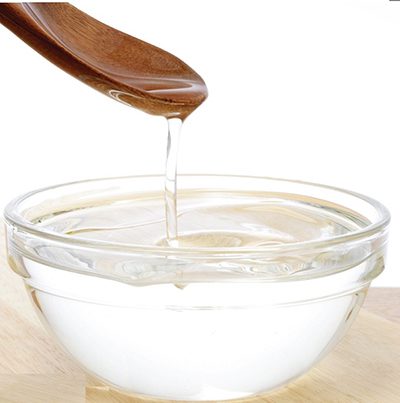
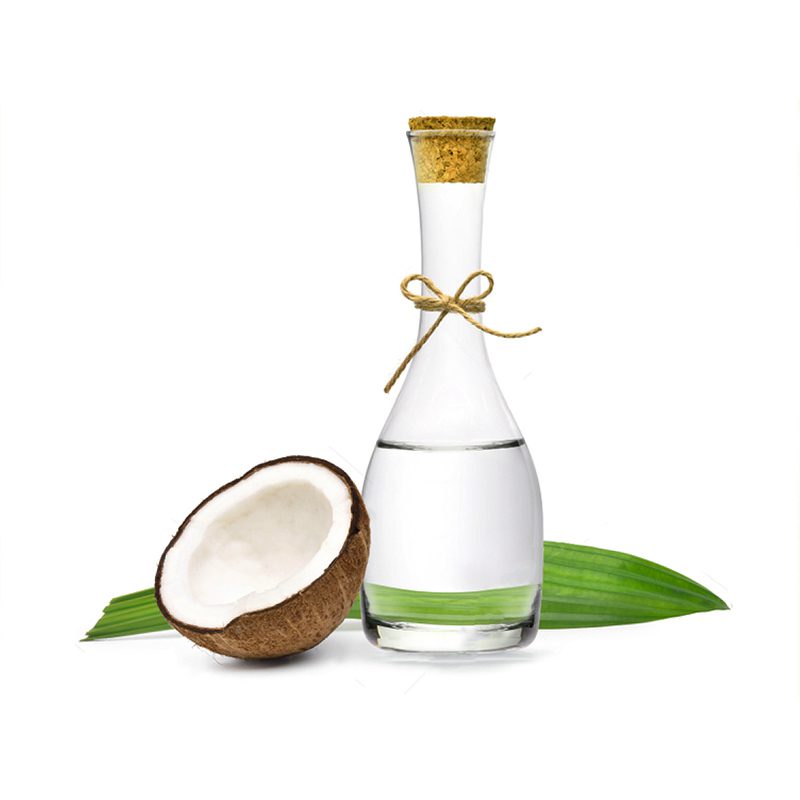
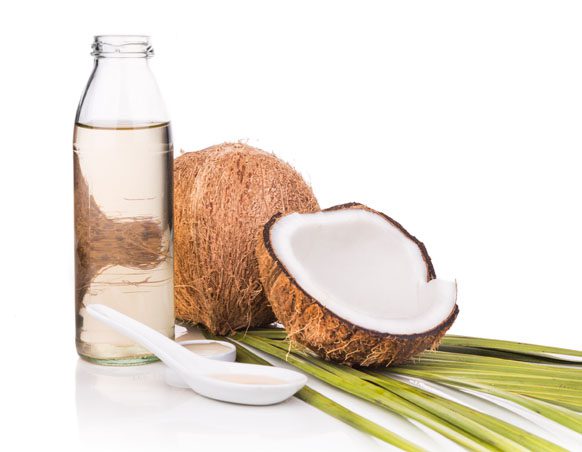
Walk down a grocery aisle and you’ll likely spot an array of coconut oil options from extra virgin to refined. But what exactly does “refined” coconut oil mean and how does it compare to other types of coconut oil, there will be question come from your mind “Is refined coconut oil healthy and safety? and how to use it properly?
Refined coconut oil undergoes processing to alter or purify the final oil. After extraction from the coconut meat, refined varieties get bleached and deodorized using high heat and harsh chemicals.
This intensive refining process removes all coconut scent and taste from the finished oil, resulting in a neutral product. It also eliminates any particulates for clarity. The oil gets extensively filtered again at the end. This yields a purified, odorless and shelf-stable coconut oil that maintains a long shelf life.
In contrast, virgin and unrefined coconut oils only undergo light processing like washing, wet-milling, and centrifugal separation before packaging. This retains much of the coconut flavor, aroma, and micronutrients yet has a shorter shelf stability.
Assessing the Nutrition of Refined Coconut Oil
Many coconut oil nutrients remain intact even after refinement, though some loss occurs. Refined coconut oil keeps:
High levels of saturated fats (82-86%) with 62% as lauric acid
Vitamin E and vitamin K (but lower than virgin oil)
Minerals like iron, phosphorus, and zinc
Medium chain triglycerides (MCTs)
However, refined coconut oil lacks beneficial polyphenols and phytosterols lost during high heat bleaching. The extensive filtration also removes proteins. The processing alters the fatty acid chemistry slightly as well.
Still, refined coconut oil largely keeps the high saturated fat content linked to elevating “good” HDL cholesterol when eaten in moderation. The medium chain triglycerides also get converted to quick energy.
Is Refined Coconut Oil Healthy and Safe?
While refined coconut oil makes positive nutritional contributions, its processed nature raises some health concerns:
Potential solvent residues – Chemical extraction risks trace solvents lingering. Look for steam-refined.
Loss of nutrients – Polyphenols and vitamins are lowered through refinement.
Higher heat level – High temperatures damage some fatty acids and antioxidants.
Bleaching/deodorizing – Chemicals alter the oil’s natural state, though many get removed later.
Trans fat risk – Partial hydrogenation during processing can produce trans fats.
However, reputable brands monitor oil purity and avoid over-processing. Refined coconut oil avoids trans fats and functions well for high-heat cooking or shelf stability. But virgin or unrefined varieties offer more overall nutrients and health perks.
Choosing a High Quality Refined Coconut Oil
Seeking a quality refined product? Here are tips for selecting a healthy, safe refined coconut oil:
Choose organic, non-GMO oil
Seek steam-refined without chemicals if possible
Ensure no hydrogenation or trans fats
Look for certifications like USDA Organic, Fair Trade
Check for purity standards like GMP or ISO 22000
See if testing confirms no solvent residues
How to Use Refined Coconut Oil For Cooking
Thanks to a high smoke point of 400°F and neutral flavor, refined coconut oil For Cooking becomes the optimal choice for:
High-heat frying – Excellent for deep frying and stir frying without burning. Withstands over 350°F / 176°C heat.
Baking – Refined oil allows coconut flavor in recipes without overtly tasting like coconut.
Smoothies – The mild taste won’t overpower other smoothie ingredients.
Popcorn topping – A healthy swap for butter that won’t add coconut taste.
Marinades and dressings – The light flavor mixes without competing against other recipe components.
Apply Refined Coconut Oil For Skin and Hair
In body care, refined coconut oil makes an ultra-moisturizing option free of scent or particles. The best way using refined coconut oil for Skin and Hair Care:
Facial moisturizer – Using refined coconut oil for skin softens and smooths delicate facial skin thanks to capric and caprylic fatty acids.
Makeup remover – The thick oil easily dissolves even waterproof makeup without an oily residue.
After-sun moisturizer – Refined oil is gentle enough for sunburned skin with hydrating vitamin E.
Shaving cream – Creates a smooth surface for razors to prevent nicks and cuts.
Cuticle softener – Penetrates and softens dry, cracked cuticles overnight with regular application.
Lip balm – Soothes, hydrates and protects chapped lips without a greasy feel.
Bath oil – Just a spoonful transforms bathwater into a skin-nourishing soak.
Hair serum – Controls frizz, adds shine, and seals split ends on damp hair when applied sparingly.
In Conclusion, Is Refined Coconut Oil Healthy?
While refined coconut oil does undergo significant processing, reputable brands monitor procedures to ensure quality, safety, and purity. When chosen wisely, refined coconut oil can be an economical, versatile health-supporting oil for cooking at high heats or smoothing skin. Yet to gain the most nutrients, antioxidants and rich coconut flavor, virgin and unrefined coconut oils remain the gold standard. Simply tailor your coconut oil choice to the specific use. Then enjoy coconut oil’s benefits for wellness as well as beauty.
Beyond cooking, organic virgin coconut oil makes a simple yet decadent addition to any personal care routine. This versatile oil nourishes skin, hair, nails and more with its moisturizing fatty acids and proteins. From luscious hair treatments to smoothing shaves, let virgin coconut oil enhance your self-care rituals.
Explore all the ways this multiple-use marvel transforms beauty and grooming regimes through the many perks of coconut oil.
Use Of Virgin Coconut Oil For Luxurious Facial Moisturizer
Dry winter complexions instantly drink up hydrating organic virgin coconut oil. The quick-absorbing oil is gentle enough for even sensitive skin types. Vitamin E and lauric acid prevent aging by boosting collagen production and eliminating free radicals. Simply smooth a tiny amount over clean skin and enjoy a natural glow.
Gently melt away stubborn mascara, eyeshadows and liner with virgin coconut oil’s softening powers. Its thick, balmy texture clings to makeup for easy wiping action sans any stinging or redness. The antibacterial properties also discourage eye infections.
Virgin Coconut Oil For Face Luxe Shaving Cream
Ditch the foams and gels for pure coconut oil’s close, comfortable leg and underarm shave. Apply a thin layer before shaving to buffer razors’ harshness. Coconut oil’s mobility coupled with moisturizing nutrients like vitamin K and iron minimizes nicks, cuts and irritation for flawless, smooth skin.
Organic Virgin Coconut Oil For Cuticle and Nail Conditioner
Bid dry, ragged cuticles and brittle nails goodbye with ultra-nourishing coconut oil. Giving yourself a weekly conditioning cuticle treatment maintains nail health and neat appearance. Soak nails in warm virgin coconut, massaging oil into each cuticle, then allow to penetrate before rinsing.
Use Of Virgin Coconut Oil For Foot Treatment
Soften rough, cracked heels and feet overnight with virgin coconut oil. Slather oil generously over feet, put on cozy socks, and wake up to baby-smooth skin. The medium-chain fatty acids and antioxidants heal dryness while banishing fungus and bacteria.
Use Of Virgin Coconut Oil For Natural Deodorant
Organic virgin coconut oil makes an effective natural alternative to commercial deodorants sans the toxic chemicals. Simply rubbing a tiny dab under each arm helps neutralize odor thanks to lauric acid’s antimicrobial power. Pair with essential oils like lemon, rosemary or tea tree to enhance freshness.
Organic Virgin Coconut Oil For Luxurious Body Moisturizer
Pamper parched skin head to toe with an indulgent full-body moisturizing treatment. Apply warm virgin coconut oil directly after bathing and massage into still-damp skin for maximum absorption. Skin drinks up soothing vitamin E, proteins, iron and fatty acids for lasting softness without greasiness.
Intensive Hair Treatment
Deeply nourish lackluster locks with a weekly conditioning coconut oil hair mask. Work warm oil through dry strands before bed, pile hair into a shower cap then shampoo out in the morning. Hair emerges bouncier, shinier and softer thanks to penetrating fatty acids that reduce protein loss.
Leave-In Conditioner
Prevent split ends and tame flyaways with coconut oil’s light yet hydrating powers. Rubbing just a drop or two into towel-dried hair helps strengthen and protect strands while restoring luminosity. Vitamins C, E and provitamin A improve luster and manageability without weighing hair down.
Cuticle Softener
Prepare nails for flawless at-home manicures by soaking fingertips in warm virgin coconut oil first. This softens cuticles for painless pushing while hydrating brittle nails. Apply another layer after cleaning up nails to condition overnight.
Natural Lip Balm
Chase chapped lips away with coconut oil’s skin conditioning abilities. Scoop a small amount into a tiny container for purse-ready rich moisture and subtle tropical essence. Lips heal rapidly thanks to antibacterial compounds that prevent infection alongside essential nutrients.
Virgin Coconut Oil For Face Makeup Remover
Gently dissolve stubborn makeup without irritating delicate skin using virgin coconut oil.its thick texture clings to cosmetics and breaks down pigments with ease. The medium-chain fatty acids also offer a dose of antioxidants to actually improve skin rather than strip it. No chemicals needed!
After Sun Relief
Soothe angry sunburns by slathering on virgin coconut oil’s cooling comfort. The lauric acid and vitamin E form a protective barrier on skin to hydrate while fighting bacteria. This minimizes peeling plus the inflammation and tenderness of UV over-exposure.
Ingrown Hair and Razor Burn Relief
Heal bumps and irritation from shaving and waxing with antifungal coconut oil. Dab directly onto ingrown hairs to diminish redness and swelling. The antibacterial and anti-inflammatory parts provide relief without clogging pores.
Overall, versatile virgin coconut oil makes an exceptional addition to natural self-care routines. A little goes a long way whether you are cooking, pampering skin and hair, or making cosmetics. Allow nourishing coconut oil to elevate your bath and body rituals to new luxurious heights!
Coconut oil has become an increasingly popular hair care ingredient in recent years. In particular, virgin coconut oil is valued for its versatility, safety, and nourishing properties when used on hair. Keep reading to learn all about the benefits of using virgin coconut oil for your hair and how to effectively incorporate it into your hair care routine.
What is Organic Virgin Coconut Oil?
Virgin coconut oil is an unrefined, cold-pressed oil derived from fresh mature coconuts. “Virgin” means it is extracted from coconuts without high heat or chemical processing. This preserves the oil’s beneficial lauric acid, vitamins E and K, iron, and other nutrients. Virgin coconut oil maintains its light coconut scent and flavor. In contrast, refined coconut oils are bleached and deodorized using chemicals and high heat. This process removes nutrients and the coconut scent.
Benefits Of Use Virgin Coconut Oil For Hair
Moisturizes Dry, Damaged Hair
The fatty acids in coconut oil, including lauric acid, deeply penetrate and nourish hair. By reducing protein loss, coconut oil strengthens and protects weak, brittle strands from breakage. Its moisturizing properties make virgin coconut oil an ideal treatment for dry, damaged hair. It improves shine and manageability by smoothing the hair cuticle.
Promotes Healthy Scalp
Organic Virgin coconut oil contains antifungal and antibacterial properties from lauric acid and caprylic acid. This makes coconut oil effective in treating dandruff caused by fungus or dry scalp. Gently massaging coconut oil into the scalp can relieve itching and flaking. It also helps remove scalp buildup from hair products or dry skin. A healthy scalp means healthy hair growth.
Prevents Hair Damage
The vitamins, minerals, and fatty acids in virgin coconut oil nourish hair from root to tip. This strengthens strands and prevents split ends and breakage. Using coconut oil as a pre-wash conditioning treatment provides a protective layer. This reduces protein loss and damage from daily grooming, heat tools, sun exposure, chlorine, and other environmental stressors.
Fights Frizz and Adds Shine
Virgin coconut oil is an excellent frizz fighter. As a lightweight oil, coconut oil smoothes strands without leaving excess greasiness or oil buildup. It tames flyaways and frizzy hair by sealing the cuticle for sleek, glossy hair. The lauric acid penetrates each strand while locking in moisture. Regular application results in noticeably softer, shinier, more manageable hair.
Promotes Hair Growth
The nutrients in virgin coconut oil nourish hair follicles, which stimulates growth. Stronger hair strands experience less breakage. This allows hair to grow longer and thicker between cuts. The antimicrobial properties also maintain a healthy scalp environment ideal for growing healthy hair. Using coconut oil may prevent hair loss from breakage or scalp issues.
How to Use Virgin Coconut Oil for Hair
There are countless ways to use of virgin coconut oil into your hair care routine. Try these simple methods for nourished, healthy hair:
Overnight Treatment
Rub a small amount of melted coconut oil between your hands. Apply thoroughly from roots to ends. Cover hair in a shower cap overnight. Wash out in the morning with gentle shampoo.
Pre-Wash Conditioner
Apply melted coconut oil generously to your hair before showering. Let it soak in for at least 20 minutes then shampoo as usual. This gives the oil time to penetrate strands before rinsing clean.
Post-Shower Serum
While hair is still damp, smooth a tiny bit of coconut oil through ends only. This seals in moisture and prevents split ends and flyaways as hair dries.
Hot Oil Treatment
Heat virgin coconut oil until warm and pourable. Section and apply thoroughly from scalp to ends. Pile into a shower cap and leave on for 30-60 minutes. The heat opens cuticles so oil can penetrate deeper before rinsing out.
Leave-In Conditioner
Eliminate frizz by smoothing a tiny amount of coconut oil through towel-dried hair, especially the ends. Let air dry naturally. Use sparingly to avoid greasiness.
Split End Serum
Target just the ends with coconut oil to nourish dry tips. Frequent application helps prevent split ends and breakage.
Scalp Massage
Dab a generous amount of coconut oil across your scalp and massage in small circular motions with fingers for 2-5 minutes. Leave in at least 30 minutes before washing hair.
Protective Styling
Apply coconut oil lightly before braiding, putting in extensions, or heat styling. This gives an added layer of protection against damage.
Deep Conditioning Treatment
For deeper conditioning, warm extra virgin coconut oil to liquefy. Apply liberally from roots to tips. Let sit 30 minutes to an hour before washing out with shampoo. This intensely moisturizes hair.
Choosing the Best Organic Virgin Coconut Oil for Hair
When purchasing coconut oil for hair, look for pure virgin or extra virgin coconut oil. Cold-pressed is ideal as well. This light, non-greasy oil absorbs easily without clogging pores. The scent varies from light and sweet to stronger toasted coconut depending on processing method.
How Often to Use Virgin Coconut Oil on Hair
When starting with coconut oil hair treatments, begin with once or twice a week. Gradually work up to more frequent use if desired. Listen to your hair’s needs. Curly or dry hair typically appreciates more moisturizing. For fine hair, stick to the ends only to avoid excess greasiness at the roots. People with oily scalps or hair may prefer just an occasional deeper conditioning treatment.
The Best Time to Apply Organic Coconut Oil to Hair
Organic Virgin Coconut oil solidifies below about 76°F. To make application easier, melt the coconut oil first by rubbing a small amount between your palms or placing the container in a bowl of hot water before use. Applying before bed allows more time for deeper penetration before washing out. However you choose to use it, coconut oil is generally messier than other fluids. Wearing a shower cap keeps oil from staining pillowcases or clothes.
Organic Virgin Coconut Oil For Hair Is It Really Good?
Use of virgin coconut oil is an easy yet effective way to nourish hair. The vitamins, essential fatty acids, and nutrients in unrefined coconut oil strengthen strands, tame frizz, add shine, prevent split ends, stimulate growth, and treat scalp issues like dandruff. It also protects against damage from styling, environmental exposure, and aging. Just a small amount massaged into damp hair leaves locks noticeably softer, smoother, and healthier overtime. Incorporating coconut oil into your regular hair care provides natural moisture for gorgeous hair.
If you are looking for trusted virgin coconut oil manufacturing, you are on the right place, Global Coco Sugar is your trusted partner of organic virgin coconut oil manufacturing and any other derivative coconut products that already approved by international standard.
Introduction Of Using Derivative Product Of Coconut In Diet
In the world of nutrition, coconut derivative products have emerged as nutritional powerhouses, offering a unique blend of flavor, versatility, and health benefits. From coconut oil to coconut flour, coconut sugar, coconut milk and coconut water, these derivatives have found their way into kitchens, transforming the way we approach diet and well-being. Maybe you there will be a question from you “Can I Using Derivative coconut In Diet?” This comprehensive guide explores the myriad coconut derivative products available and unveils how integrating them into your diet can contribute to a nutrient-rich and deliciously satisfying culinary experience.
The Bounty of Organic Diets Using Coconut Derivative Products
Organic Virgin Coconut Oil as Versatile Culinary Marvel
Organic virgin coconut oil is a type of oil extracted from fresh coconut meat, and it is considered one of the healthier options among cooking oils. It contains a high percentage of saturated fats, primarily medium-chain triglycerides (MCTs), which have been associated with several potential health benefits. Here are some considerations for using virgin coconut oil in your diet:
MCTs and Energy: The MCTs in organic virgin coconut oil are quickly metabolized by the body and can be used as a rapid source of energy. This property makes them less likely to be stored as fat compared to long-chain fatty acids found in some other oils.
Cooking at High Temperatures: Organic virgin coconut oil has a high smoke point, making it suitable for cooking at high temperatures. It’s a good option for sautéing, stir-frying, and baking.
Flavor Enhancement: Organic virgin coconut oil adds a distinct flavor to dishes, imparting a mild coconut taste. This can be appealing in both savory and sweet recipes.
Antioxidant Properties: Organic virgin coconut oil contains antioxidants that may help neutralize free radicals in the body. These antioxidants can contribute to overall health and may have anti-inflammatory properties.
Heart Health: While organic virgin coconut oil is high in saturated fats, some studies suggest that the specific type of saturated fats in coconut oil may have a neutral or potentially positive effect on heart health. However, more research is needed to fully understand the impact on cardiovascular health.
Weight Management: Some studies have suggested that the MCTs in organic virgin coconut oil may promote feelings of fullness, potentially reducing overall calorie intake and aiding in weight management.
Skin and Hair Benefits: In addition to being used in cooking, organic virgin coconut oil is often used topically for its moisturizing properties. It can also be beneficial for hair health.
Individual Tolerance: Like any dietary fat, individual tolerance varies. Some people may find that they tolerate and enjoy the taste of coconut oil, while others may not prefer it.
Despite the potential benefits, it’s important to use virgin coconut oil in moderation, as it is calorie-dense. The American Heart Association recommends limiting saturated fat intake to help manage cardiovascular health. If you have specific health concerns or conditions, it’s advisable to consult with a healthcare professional or a registered dietitian for personalized advice based on your individual needs.
Remember that a balanced and varied diet, along with other healthy lifestyle choices, is crucial for overall well-being. It’s also important to consider the overall quality of your diet, incorporating a variety of nutrient-dense foods from different food groups.
Coconut Flour as Gluten-Free Goodness
Coconut flour offers several benefits that can make it a valuable addition to a diet, especially for those with specific dietary preferences or restrictions. Here are some of the benefits of using coconut flour in a diet:
Gluten-Free: Coconut flour is naturally gluten-free, making it a suitable option for individuals with gluten sensitivities or celiac disease.
High in Fiber: Coconut flour is rich in dietary fiber, which is beneficial for digestion. Adequate fiber intake can contribute to a feeling of fullness, potentially assisting with weight management by reducing overall calorie consumption.
Low in Carbohydrates: Compared to traditional wheat flour, coconut flour is lower in carbohydrates. This can be particularly appealing for individuals following low-carbohydrate or ketogenic diets.
Nutrient-Rich: Coconut flour contains essential nutrients such as protein, healthy fats, and minerals like manganese. While it shouldn’t be the sole source of these nutrients in a diet, it can contribute to overall nutrient intake.
Blood Sugar Regulation: The high fiber content in coconut flour may help regulate blood sugar levels by slowing the absorption of glucose. This can be beneficial for individuals with diabetes or those aiming to maintain stable blood sugar levels.
Supports Digestive Health: The fiber in coconut flour supports digestive health by promoting regular bowel movements and preventing constipation.
Satiety and Weight Management: The combination of fiber and healthy fats in coconut flour can help promote a sense of fullness, potentially reducing overall calorie intake and supporting weight management efforts.
Versatile in Cooking: Coconut flour is versatile and can be used in various recipes, from baked goods to savory dishes. Its slightly sweet and nutty flavor can add a unique taste to foods.
Despite these benefits, it’s essential to use coconut flour in moderation, as it is calorie-dense. Additionally, if you have allergies or sensitivities, it’s advisable to consult with a healthcare professional before making significant changes to your diet. Remember that a balanced and varied diet, along with regular physical activity, is key to overall health and well-being.
Coconut Water as Nature’s Hydration Elixir
Coconut water is a refreshing beverage that can be a healthy addition to your diet, providing various benefits. Here are some ways in which coconut water can be beneficial as part of a balanced diet:
Hydration: Coconut water is an excellent natural hydrator. It contains electrolytes such as potassium, sodium, and magnesium, making it a good choice for replenishing fluids after exercise or in hot weather. Proper hydration is essential for overall health and can support various bodily functions.
Low in Calories: Coconut water is relatively low in calories compared to many commercial sports drinks. It can be a good alternative for those looking to hydrate without consuming excessive calories or added sugars.
Rich in Electrolytes: Electrolytes are essential minerals that help maintain fluid balance, regulate muscle contractions, and support nerve function. Coconut water naturally contains electrolytes, making it a valuable choice for replenishing these minerals after physical activity.
Natural Source of Potassium: Coconut water is particularly high in potassium, an essential mineral that plays a crucial role in heart health, muscle function, and maintaining proper fluid balance in the body.
May Support Weight Loss: While coconut water itself doesn’t directly lead to weight loss, choosing it as a beverage option in place of sugary drinks or high-calorie beverages can contribute to a lower overall calorie intake, supporting weight management goals.
May Help Lower Blood Pressure: The potassium content in coconut water may contribute to lowering blood pressure, which is important for cardiovascular health.
Digestive Health: Coconut water contains fiber, which can aid in digestion and promote a healthy gut. It may also be beneficial for those with mild constipation.
Natural and Refreshing Flavor: Coconut water has a naturally sweet and refreshing taste, making it an enjoyable alternative to sugary beverages.
It’s important to note that while coconut water can be a healthy choice, it should be consumed in moderation as part of a well-rounded diet. Additionally, be cautious with flavored or sweetened varieties of coconut water, as they may contain added sugars that can contribute to excess calorie intake.
As with any dietary changes, it’s a good idea to consult with a healthcare professional, especially if you have any underlying health conditions or concerns.
Organic Diets Using Coconut Sugar as Low Glycemic Sweetener
Coconut sugar is a natural sweetener derived from the sap of coconut palm trees. It has gained popularity as an alternative to refined sugars due to its perceived health benefits. While coconut sugar does contain some nutrients not found in regular sugar, it’s important to use it in moderation and be aware of its overall impact on your diet. Here are some aspects to consider when using coconut sugar in your diet:
Nutrient Content: Coconut sugar contains small amounts of certain nutrients, including iron, zinc, calcium, and potassium, as well as antioxidants. However, the amounts are relatively low, and relying on coconut sugar as a significant source of these nutrients is not advisable.
Lower Glycemic Index: Coconut sugar has a lower glycemic index (GI) compared to regular table sugar. This means it may have a smaller impact on blood sugar levels. However, it’s essential to remember that the glycemic index is just one factor, and the overall impact on blood sugar also depends on factors like portion size and what other foods are consumed.
Moderation is Key: While coconut sugar is often considered a more natural and less processed sweetener, it still contributes calories and sugars to your diet. Like any sweetener, it should be used in moderation to avoid excessive calorie intake and potential negative health effects.
Caloric Content: Coconut sugar is calorically dense, similar to regular sugar. It’s important to be mindful of your overall calorie intake when incorporating it into your diet, especially if you are trying to manage your weight.
Flavor Profile: Coconut sugar has a caramel-like flavor that can add a unique taste to foods and beverages. It’s often used as a substitute for brown sugar in recipes.
Alternative for Refined Sugars: If you’re looking to reduce your intake of refined sugars, coconut sugar can be a better option due to its lower processing and slightly better nutrient profile. However, it’s still a sweetener and should be consumed mindfully.
Consideration for Diabetics: While coconut sugar has a lower glycemic index than regular sugar, individuals with diabetes should still monitor their blood sugar levels and consult with a healthcare professional before including it in their diet.
Whole Foods Are Priority: It’s important to prioritize whole, nutrient-dense foods in your diet over sweeteners, including coconut sugar. A balanced and varied diet that includes fruits, vegetables, whole grains, and lean proteins is key to overall health.
Ultimately, whether coconut sugar is a suitable addition to your diet depends on your health goals, dietary preferences, and individual needs. If you have specific health concerns or conditions, it’s advisable to consult with a healthcare professional or a registered dietitian for personalized guidance.
Coconut Milk Good For Diet, Guilt-free Vegan Alternative Milk
Coconut milk is a popular dairy-free alternative that can be incorporated into a diet for various reasons. It’s made from the grated flesh of mature coconuts and has a rich, creamy texture with a distinctive coconut flavor. Is coconut milk good for diet? Here are some considerations for using coconut milk in your organic diets:
Dairy-Free Alternative: Coconut milk is an excellent choice for individuals who are lactose intolerant or allergic to dairy. It’s a plant-based option that can be used in place of cow’s milk in many recipes.
Healthy Fats: Coconut milk is rich in healthy fats, including medium-chain triglycerides (MCTs). These fats can be metabolized more quickly than long-chain fats, providing a source of readily available energy.
Weight Management: While coconut milk is calorie-dense due to its fat content, the MCTs it contains may contribute to a feeling of fullness, potentially aiding in weight management by reducing overall calorie intake. With this benefits, it can be consider that coconut milk good for diet
Vitamins and Minerals: Coconut milk contains various vitamins and minerals, including vitamin C, E, B vitamins, iron, and magnesium. While the amounts may not be extremely high, they can contribute to overall nutrient intake.
Bone Health: Coconut milk is often fortified with calcium and vitamin D, which are essential for bone health. However, it’s important to check labels, as not all coconut milk products are fortified.
Anti-Inflammatory Properties: Some components in coconut milk, such as lauric acid, have been studied for their potential anti-inflammatory and immune-boosting properties.
Versatile in Cooking: Coconut milk can be used in both sweet and savory dishes. It’s commonly used in curries, soups, smoothies, desserts, and as a dairy substitute in various recipes.
Consideration for Calories: While the healthy fats in coconut milk can be beneficial, they also contribute to its calorie content. If you’re watching your calorie intake, it’s essential to use coconut milk in moderation.
Avoid Added Sugars: Some commercially available coconut milk products may contain added sugars. Be sure to check the ingredient list and choose unsweetened varieties if you want to minimize added sugars in your diet.
Individual Tolerance: Like any food, individual tolerance varies. Some people may have allergies or sensitivities to coconut, so it’s important to be aware of your own body’s response.
In summary, coconut milk can be a valuable addition to a diet, especially as a dairy alternative. It provides healthy fats, vitamins, and minerals. However, as with any food, it’s essential to consume it in moderation as part of a balanced and varied diet. Always check product labels for added sugars or other additives, and consider consulting with a healthcare professional or a registered dietitian for personalized advice based on your specific health goals and needs.
Integrating Derivative Coconut In Diet into Everyday Meals
Cooking and Baking with Organic Virgin Coconut Oil
Organic Virgin Coconut oil can be a versatile and flavorful addition to both cooking and baking. Here are some tips for using coconut oil in various culinary applications:
Cooking with Organic Virgin Coconut Oil
Sautéing and Stir-Frying: Coconut oil has a high smoke point, making it suitable for high-heat cooking methods like sautéing and stir-frying. Its mild coconut flavor can add a delicious touch to savory dishes.
Roasting Vegetables: Drizzle melted coconut oil over vegetables before roasting to enhance flavor and promote even browning.
Popcorn: Use melted coconut oil as a tasty and aromatic topping for popcorn. Drizzle it over the popped corn and season with salt or other desired spices.
Grilling: Brushing coconut oil on vegetables, meats, or seafood before grilling can impart a delightful flavor and prevent sticking.
Egg Replacement: Coconut oil can be used as a dairy-free alternative to butter or other oils in recipes. It works well in recipes that call for melting a fat, such as in pancakes or waffles.
Smoothies: Add a tablespoon of melted coconut oil to your smoothies for a creamy texture and a boost of healthy fats.
Baking with Extra Organic Virgin Coconut Oil
Substitute for Butter or Shortening: Coconut oil can often be used as a substitute for butter or shortening in baking recipes. Use a 1:1 ratio, but keep in mind that coconut oil is solid at room temperature, so you may need to melt it for certain recipes.
Cookies and Bars: Incorporate coconut oil into cookie and bar recipes for a rich, slightly nutty flavor. It can add moisture to baked goods.
Muffins and Quick Breads: Use melted coconut oil in muffin or quick bread recipes. Its subtle coconut flavor can complement various flavor profiles.
Granola and Granola Bars: Coconut oil can serve as a binder in granola or granola bar recipes. It helps ingredients stick together while providing a pleasant taste.
No-Bake Treats: Coconut oil’s ability to solidify at cooler temperatures makes it an excellent choice for no-bake recipes like energy bites or raw desserts.
Pie Crusts: Some pie crust recipes can be adapted to include coconut oil for a unique flavor. Ensure that the coconut oil is solid when incorporating it into the crust.
Frostings and Glazes: Coconut oil can be part of dairy-free frostings or glazes. Combine it with powdered sugar and other flavorings for a smooth finish.
Gluten-Free Cooking with Coconut Flour
Cooking and baking with coconut flour can be a bit different from using traditional wheat flour due to its unique properties. Coconut flour is gluten-free, high in fiber, and has a natural sweetness. Here are some tips for incorporating coconut flour into your cooking and baking:
Cooking with Coconut Flour For Your Organic Diets
Breading and Coating: Use coconut flour as a gluten-free alternative for breading meats or vegetables before baking or frying. It adds a light, crisp texture.
Thickening Agent: Coconut flour can be used as a thickening agent in soups, stews, and sauces. It absorbs liquid quickly, so be mindful of the quantities you use.
Pan-Frying: Dust fish or chicken with coconut flour before pan-frying for a gluten-free and slightly sweet crust.
Baking with Coconut Flour For Your Organic Diets
Combine with Other Flours: Coconut flour is highly absorbent, so it’s often used in combination with other flours (like almond flour or gluten-free all-purpose flour) to achieve the right texture in baked goods.
Adjust Liquid Content: Coconut flour requires more liquid than traditional wheat flour because it is so absorbent. When adapting recipes, increase the liquid content, such as eggs or milk, to achieve the desired consistency.
Use Eggs Liberally: Eggs act as a binder in recipes using coconut flour. Be prepared to use more eggs than in traditional recipes to help provide structure and moisture.
Add Moisture: Coconut flour can result in drier baked goods, so recipes may require additional sources of moisture, such as yogurt, applesauce, or extra liquid.
Sweetener Consideration: Coconut flour has a natural sweetness, so you may need less added sugar in your recipes. Experiment to find the right balance for your taste preferences.
Let Batter Rest: Allow coconut flour batter to rest for a few minutes before baking to let it absorb liquid fully. This can improve the texture of the final product.
Small Batches: Coconut flour recipes often work best in smaller batches. Don’t be afraid to halve or quarter recipes until you find the right ratios.
Baking and Cooking with Coconut Water
While coconut water is typically consumed as a beverage, it can also be used in cooking and baking to impart a subtle coconut flavor and add moisture to dishes. Here are some ways you can incorporate coconut water into your culinary creations:
Cooking with Coconut Water For Your Organic Diets
Cooking Grains: Replace some or all of the water used to cook rice, quinoa, or other grains with coconut water. This can infuse a delicate coconut flavor into the grains.
Poaching or Steaming: Use coconut water as a poaching or steaming liquid for seafood, such as fish or shrimp. It can add a touch of sweetness to the dish.
Soup Base: Substitute part of the broth or water in soup recipes with coconut water for a mild coconut undertone.
Braising: Use coconut water as a braising liquid for meats or vegetables. This can add flavor and keep the dish moist during the cooking process.
Baking with Coconut Water For Your Organic Diets
Baking Liquid: Replace some or all of the liquid in baking recipes (such as muffins, quick breads, or cakes) with coconut water. This can add a subtle coconut essence to the baked goods.
Smoothies and Shakes: Use coconut water as a base for smoothies and shakes to enhance the tropical flavor. It pairs well with fruits like pineapple, mango, and banana.
Icing and Glazes: Combine coconut water with powdered sugar to create a coconut-flavored icing or glaze for cakes, cookies, or pastries.
Desserts: Use coconut water in the preparation of desserts like gelatin or pudding for added flavor and a lighter consistency.
While coconut water may not be as commonly used in cooking and baking as coconut milk or oil, it can be a unique and refreshing addition to certain recipes. As with any ingredient, it’s always a good idea to taste as you go and adjust quantities based on your preferences.
Conclusion Using Derivative Coconut In Diet
This comprehensive guide celebrates the nutritional wonders of coconut derivative products, providing readers with insights into their health benefits and practical ways to incorporate them into a wholesome and satisfying diet. From the kitchen to the table, coconut derivatives offer a delightful fusion of flavor and nutrition, inviting individuals to embrace their culinary potential.
In recent years, there has been a growing awareness of the importance of a healthy diet and its impact on our overall well-being. One food item that has gained significant attention for its potential health benefits is organic virgin coconut oil. Derived from the meat of mature coconuts, this natural wonder has found its way into kitchens worldwide. In this article, we will explore the myriad benefits of incorporating organic virgin coconut oil into your diet, shedding light on its nutritional value, culinary versatility, and potential health advantages.
Understanding Organic Extra Virgin Coconut Oil
Before delving into its potential as a dietary staple, it is crucial to understand what organic virgin coconut oil is and how it differs from other types of coconut oil. Organic virgin coconut oil is extracted from the flesh of fresh, mature coconuts without the use of heat or chemicals, making it distinct from refined coconut oil, which often involves high-temperature processing and chemical refining.
This gentle extraction process helps retain the oil’s natural nutrients, flavor, and aroma. Organic virgin coconut oil is prized for its high concentration of medium-chain triglycerides (MCTs), primarily lauric acid, and its unique combination of fatty acids, making it a standout choice for culinary and health-conscious consumers.
Nutritional Profile of Organic Extra Virgin Coconut Oil
Organic virgin coconut oil boasts an impressive nutritional profile, which sets it apart from many other cooking oils. Here’s a closer look at its key components:
Medium-Chain Triglycerides (MCTs): MCTs are a type of saturated fat that is metabolized differently from long-chain fatty acids found in many other dietary fats. They are readily absorbed by the body and can be quickly converted into energy, making them an excellent choice for those seeking a quick energy boost.
Lauric Acid: This particular MCT found in coconut oil is renowned for its antimicrobial properties. Lauric acid may help the body combat harmful bacteria, viruses, and fungi, potentially bolstering the immune system.
Antioxidants: Organic virgin coconut oil contains antioxidants like polyphenols and vitamin E, which can help combat oxidative stress and inflammation in the body.
Essential Nutrients: It also provides small amounts of essential nutrients such as vitamin K and iron.
4 Best Virgin Coconut Oil Used For
One of the most significant advantages of organic virgin coconut oil is its versatility in the kitchen. It can be used in various culinary applications, ranging from cooking to baking and even as a flavorful addition to beverages. Here’s how you can incorporate it into your daily meals:
Cooking Oil: Organic virgin coconut oil has a high smoke point, making it suitable for various cooking methods, including sautéing, stir-frying, and deep-frying. Its unique flavor adds a delightful twist to savory dishes.
Baking: Substituting traditional fats like butter or shortening with coconut oil in baking can impart a subtly sweet, coconutty flavor to your baked goods. Plus, it’s a vegan-friendly alternative.
Salad Dressings: Use organic virgin coconut oil to create homemade salad dressings by mixing it with vinegar or citrus juice. Its pleasant aroma and taste can enhance the flavor of your salads.
Smoothies and Beverages: A spoonful of organic virgin coconut oil can add creaminess and a hint of coconut flavor to your morning smoothie or coffee.
Health Benefits Of Organic Virgin Coconut Oil
Beyond its culinary uses, organic virgin coconut oil has been associated with several potential health benefits:
Weight Management: MCTs in coconut oil may help boost metabolism and reduce appetite, which can aid in weight management efforts.
Heart Health: Despite being a saturated fat, some studies suggest that the unique fatty acid composition of coconut oil, particularly its high lauric acid content, may have a neutral or even positive effect on heart health.
Skin and Hair Care: Organic virgin coconut oil is a popular ingredient in cosmetics and skincare products due to its moisturizing and antibacterial properties. It can also be used as a natural hair conditioner.
Brain Health: Some preliminary research suggests that MCTs in coconut oil may provide cognitive benefits, potentially aiding individuals with neurodegenerative disorders.
Antimicrobial Properties: Lauric acid in coconut oil has demonstrated antimicrobial properties, which can help combat various infections.
Consideration To Daily Consume Virgin Coconut Oil
While organic virgin coconut oil has numerous potential benefits, it is essential to use it in moderation and consider individual dietary needs. Here are some cautions and considerations:
Caloric Content: Like all fats, coconut oil is calorie-dense, so portion control is crucial when incorporating it into your diet, especially if you are watching your calorie intake.
Allergies: Individuals with nut allergies should be cautious, as coconut is classified as a tree nut by the FDA. Allergic reactions to coconut are relatively rare but can occur.
Individual Response: While many people can benefit from organic virgin coconut oil, individual responses to dietary fats vary. Some individuals may not tolerate it well, so it’s essential to monitor your body’s reaction.
Quality Matters: Choose high-quality, organic virgin coconut oil to reap the full benefits. Avoid refined coconut oil, which lacks the same nutritional value.
Where to Find Best Virgin Coconut Oil Supplier
Organic virgin coconut oil is more than just a trendy kitchen staple; it’s a versatile and potentially healthful addition to your diet. Its unique combination of MCTs, lauric acid, and antioxidants sets it apart from other cooking oils. By incorporating it into your culinary repertoire in moderation, you can unlock its many potential benefits for your overall well-being. However, as with any dietary change, it’s essential to listen to your body and consult with a healthcare professional if you have specific health concerns or dietary restrictions. With the right approach, organic virgin coconut oil can be a valuable ally on your journey toward a healthier lifestyle.
If you looking for organic extra virgin coconut oil, Global Coco Sugar is one of the best organic virgin coconut oil supplier, we offer various type of virgin coconut oil. Our products already certified USDA Organic, EU Organic, and JAS. Also we always maintain our facility with HACCP standard, so that the product that we produced always in good condition. Besides that, we already certified in HALAL and KOSHER, so for those people that concern about HALAL or KOSHER products, we already certified it.