
Tag: virgin coconut oil

  • Using Virgin Coconut Oil for a Natural Detox

    Using Virgin Coconut Oil for a Natural Detox

    In the age of wellness and holistic living, detoxification has become a popular strategy for improving overall health. While many detox programs involve restrictive diets, expensive supplements, or fasting, natural options like virgin coconut oil (VCO) offer a gentler, more sustainable path. Derived from fresh coconut meat without high heat or chemicals, virgin coconut oil is rich in medium-chain fatty acids (MCFAs), antioxidants, and antimicrobial properties. These qualities make it a potent natural remedy for supporting the body’s detoxification process.

    In this article, we’ll explore how virgin coconut oil can aid in detoxification, its benefits, how to use it effectively, and precautions to keep in mind.


    Understanding Detoxification and the Body

    Before diving into the specific role of virgin coconut oil, it’s important to understand what detoxification actually means. Detoxification is the body’s natural process of eliminating toxins, primarily through the liver, kidneys, skin, and digestive system. Everyday exposure to pollutants, processed foods, alcohol, and stress can overwhelm these organs. Supporting the body’s detox functions can help restore energy levels, improve digestion, and enhance overall well-being.

    Virgin coconut oil doesn’t “detox” the body in the traditional sense of flushing out toxins like a diuretic or laxative might. Instead, it supports the organs and systems involved in detoxification, helping them function more efficiently.


    Why Virgin Coconut Oil?

    Virgin coconut oil is unique among oils because of its high content of medium-chain triglycerides (MCTs)—primarily lauric acid, capric acid, and caprylic acid. These MCTs are metabolized differently than long-chain fatty acids found in other oils. Instead of being stored as fat, MCTs are rapidly absorbed and converted into energy by the liver.

    This has several implications for detox:

    1. Supports Liver Function: Since MCTs are processed directly in the liver, they provide a quick, clean source of energy and help ease the liver’s burden of processing toxins from other sources.
    2. Antimicrobial Properties: Lauric acid converts to monolaurin in the body, which has powerful antimicrobial and antiviral effects. This can help reduce the load of harmful bacteria, fungi (like candida), and viruses in the gut.
    3. Improves Digestive Health: VCO promotes the growth of beneficial gut bacteria while reducing inflammation. A healthy gut is essential for efficient elimination and detoxification.
    4. Energy Boosting: Many people experience fatigue during detox programs. The MCTs in VCO help provide a stable energy source, reducing sluggishness and supporting physical and mental performance.

    Methods of Using Virgin Coconut Oil for Detox

    There are several ways to incorporate virgin coconut oil into your detox routine, depending on your goals and lifestyle:

    1. Oil Pulling

    Oil pulling is an ancient Ayurvedic practice where a tablespoon of oil is swished in the mouth for 10–20 minutes and then spit out. This practice helps remove toxins, bacteria, and debris from the mouth and gums, improving oral hygiene and overall health.

    How to do it:

    • First thing in the morning, take 1 tablespoon of virgin coconut oil.
    • Swish it around your mouth for 10–20 minutes.
    • Do not swallow it—spit it into the trash (not the sink, as it can clog pipes).
    • Rinse your mouth with warm water and brush your teeth as usual.

    Many people report clearer skin, fresher breath, and better energy levels after just a week of oil pulling.

    2. Coconut Oil Cleanse

    A coconut oil cleanse is a short-term detox where you consume only virgin coconut oil and water (sometimes lemon water or herbal teas) for 1–3 days. The idea is to give your digestive system a break while flooding the body with beneficial MCTs and antimicrobial compounds.

    Typical protocol:

    • Consume 1–2 tablespoons of virgin coconut oil every 2–3 hours.
    • Drink plenty of water, preferably with lemon or ginger.
    • Avoid solid food during the cleanse period.

    While this method isn’t suitable for everyone—especially those with blood sugar issues or certain medical conditions—it can help reset digestion and reduce sugar cravings.

    3. Daily Dietary Inclusion

    For a gentler, long-term approach, simply incorporate virgin coconut oil into your daily diet. You can:

    • Add a tablespoon to smoothies or coffee.
    • Use it for cooking or sautéing vegetables.
    • Mix it into oatmeal or drizzle it over roasted vegetables.
    • Eat it directly by the spoonful (start with 1 teaspoon and build up).

    This method allows you to enjoy the detox benefits of VCO over time without drastic changes to your routine.


    Additional Health Benefits of Virgin Coconut Oil

    Besides detoxification, regular use of virgin coconut oil offers a host of health benefits:

    • Weight Management: MCTs help increase metabolism and promote fat burning, especially belly fat.
    • Immune Support: The antimicrobial compounds help the body fight off pathogens.
    • Skin and Hair Health: Applied topically, VCO moisturizes skin, soothes irritation, and improves scalp health.
    • Brain Function: MCTs produce ketones, which provide a clean energy source for the brain, potentially supporting memory and cognitive performance.

    Precautions and Considerations

    While virgin coconut oil is natural and generally safe for most people, it’s important to keep a few things in mind:

    1. Start Slowly: If you’re new to coconut oil, begin with small amounts (½ to 1 teaspoon per day) to avoid digestive upset such as nausea or loose stools.
    2. Quality Matters: Always choose organic, cold-pressed, virgin coconut oil. Avoid refined or hydrogenated coconut oils, which lack beneficial compounds and may contain harmful trans fats.
    3. Consult a Healthcare Professional: If you have gallbladder disease, pancreatitis, or are taking medications, check with your doctor before starting a detox program or increasing fat intake.
    4. Watch Caloric Intake: While VCO offers health benefits, it’s still calorie-dense. Be mindful of portions to avoid unintended weight gain.

    Conclusion

    Virgin coconut oil is a versatile, natural option for those seeking to support their body’s detoxification process. From oil pulling and short-term cleanses to daily dietary integration, there are many ways to use VCO that align with different lifestyles and health goals. Its unique combination of MCTs, antioxidants, and antimicrobial properties make it more than just a cooking oil—it’s a holistic wellness tool.

    Whether you’re aiming to reset your digestion, boost your energy, or simply live a cleaner lifestyle, incorporating virgin coconut oil into your daily routine may be a simple yet powerful step toward better health.

  • The Role of Virgin Coconut Oil in Anti-Aging Skincare

    The Role of Virgin Coconut Oil in Anti-Aging Skincare

    In recent years, virgin coconut oil (VCO) has gained massive popularity as a natural solution for skincare. Among its many celebrated benefits, its role in anti-aging skincare has attracted particular attention from dermatologists, natural beauty advocates, and researchers alike. Rich in healthy fats, antioxidants, and skin-nourishing compounds, virgin coconut oil is more than a trendy health product—it’s a versatile, time-tested remedy that can play a meaningful role in maintaining youthful, healthy skin.

    But how exactly does virgin coconut oil help combat signs of aging? Is it really effective in reducing wrinkles, fine lines, and age-related dryness, or is it another skincare myth wrapped in a natural label?

    In this article, we’ll explore the science-backed benefits of virgin coconut oil for anti-aging skincare, how to use it, and what to keep in mind when adding it to your beauty routine.


    What Is Virgin Coconut Oil?

    Virgin coconut oil is extracted from the fresh meat of mature coconuts without the use of heat or chemicals. Unlike refined coconut oil, virgin coconut oil retains its natural aroma, flavor, and most importantly, its full spectrum of nutrients, including:

    • Medium-chain fatty acids (MCFAs) such as lauric acid
    • Antioxidants (including vitamin E and polyphenols)
    • Natural plant compounds with antimicrobial and anti-inflammatory properties

    These properties make VCO particularly attractive for skincare and, more specifically, for targeting the visible signs of skin aging.


    Aging Skin: What Happens Over Time?

    As we age, our skin undergoes several changes, both at the surface and cellular levels:

    • Loss of collagen and elastin leads to sagging and fine lines.
    • Slower skin cell turnover causes dullness and uneven texture.
    • Reduced oil production results in dryness and vulnerability.
    • Oxidative stress from free radicals accelerates skin aging, causing wrinkles, spots, and thinning.
    • Exposure to UV rays, pollution, and lifestyle factors (like stress and diet) further contribute to skin damage over time.

    An effective anti-aging skincare routine aims to counteract these effects through hydration, protection, repair, and nourishment—and this is where virgin coconut oil shines.


    How Virgin Coconut Oil Supports Anti-Aging

    1. Deep Moisturization and Hydration

    Dry skin can make wrinkles and fine lines appear more prominent. Virgin coconut oil is an excellent natural emollient, meaning it helps trap moisture in the skin and prevent water loss. Its rich fatty acid profile penetrates the skin barrier to nourish deeply, leaving skin soft, plump, and supple.

    💧 Why it matters: Well-hydrated skin looks smoother and more youthful, and is better able to repair itself.

    2. Rich Source of Antioxidants

    VCO contains powerful antioxidants, including vitamin E, ferulic acid, and polyphenols, which help neutralize free radicals—unstable molecules that damage skin cells and accelerate aging. Regular use of coconut oil can help reduce oxidative stress, which is a major contributor to fine lines, wrinkles, and uneven skin tone.

    🛡️ Why it matters: Antioxidants help defend your skin against environmental damage and support collagen integrity.

    3. Boosts Skin Barrier Function

    A healthy skin barrier is essential for retaining moisture and keeping out pollutants and irritants. Virgin coconut oil supports the lipid matrix of the skin, reinforcing the natural barrier and helping reduce trans-epidermal water loss (TEWL).

    🔒 Why it matters: A strong skin barrier means fewer irritations, less redness, and more resilient, youthful skin.

    4. Natural Anti-Inflammatory Properties

    Inflammation is a root cause of many skin concerns, including premature aging. Coconut oil contains lauric acid and capric acid, both of which have anti-inflammatory effects that can help calm redness, soothe irritation, and support healing in damaged or aging skin.

    🌿 Why it matters: Reducing inflammation helps slow down the skin’s aging process and promotes a more even, healthy complexion.

    5. Gentle Cleansing and Makeup Removal

    VCO can also be used as a natural oil cleanser, dissolving makeup, sunscreen, and impurities without stripping the skin. Unlike harsh cleansers that can compromise the skin barrier, coconut oil cleanses while also moisturizing and protecting the skin.

    🧼 Why it matters: Proper cleansing keeps pores clear and allows active anti-aging ingredients to absorb better.


    How to Use Virgin Coconut Oil for Anti-Aging

    🌙 As a Night Moisturizer

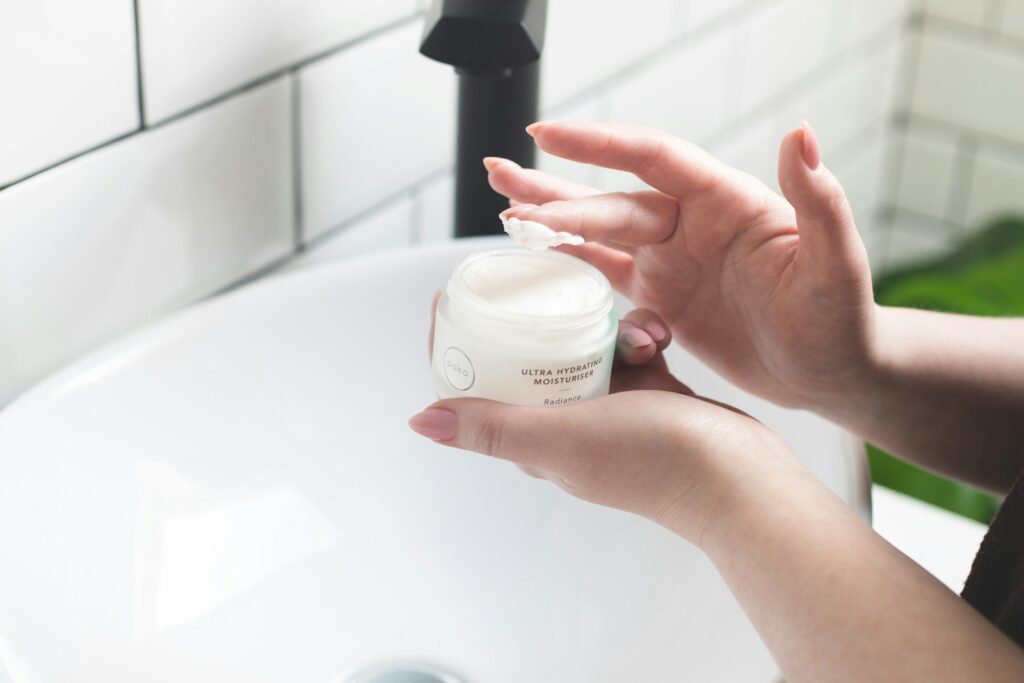
    After cleansing and applying toner or serum, warm a small amount of virgin coconut oil between your fingers and gently massage it into your face. Let it absorb overnight for intense hydration and skin renewal.

    💆 As a Facial Massage Oil

    Use VCO during facial massage to improve circulation, lymphatic drainage, and skin elasticity. Combine with essential oils like frankincense or rosehip for added anti-aging benefits.

    🧴 As a Base for DIY Masks

    Mix coconut oil with honey, avocado, or oats to create hydrating and antioxidant-rich face masks for weekly rejuvenation.

    🌞 As a Lip and Eye Treatment

    Apply a dab of coconut oil around the eyes or on the lips before bed to minimize fine lines and dryness in these delicate areas.

    ⚠️ Tip: Always patch test first to ensure your skin tolerates it, especially if you’re acne-prone (see next section).


    Coconut Oil and Skin Types: Is It Right for You?

    While VCO is well tolerated by many, it may not suit every skin type. Here’s a breakdown:

    • Dry or mature skin: Excellent choice due to its intense moisturizing properties.
    • Sensitive skin: Can be soothing and healing when used correctly.
    • ⚠️ Oily or acne-prone skin: Use with caution. Coconut oil is comedogenic (pore-clogging) for some people and may worsen breakouts.

    If you’re acne-prone, consider applying VCO to less sensitive areas of the body first (like the neck, chest, or hands) or opt for fractionated coconut oil, which has a lighter texture and lower comedogenic risk.


    Virgin Coconut Oil vs. Other Anti-Aging Ingredients

    While VCO is a powerful natural ingredient, it’s not a complete anti-aging solution on its own. It works best in combination with other proven skincare components like:

    • Vitamin C: Brightens skin and stimulates collagen
    • Retinol: Promotes cell turnover and reduces wrinkles
    • Hyaluronic acid: Provides deep hydration
    • Niacinamide: Strengthens the skin barrier and evens skin tone

    You can integrate coconut oil as a moisturizing and barrier-repairing layer after using these actives, helping to lock in benefits and prevent irritation.


    Sustainable and Ethical Considerations

    When choosing virgin coconut oil for skincare, look for:

    • Cold-pressed and unrefined: Retains more nutrients and purity.
    • Organic certification: Ensures it’s free of harmful pesticides.
    • Ethical sourcing: Supports farmers and sustainable harvesting practices, particularly from tropical regions like the Philippines, India, and Sri Lanka.

    Supporting brands that prioritize ethical and eco-friendly practices helps protect the environment and ensures long-term availability of this valuable natural resource.


    Conclusion: A Natural Ally in the Fight Against Aging

    Virgin coconut oil is a versatile, nutrient-rich addition to any anti-aging skincare regimen. From boosting hydration and protecting against environmental damage to soothing inflammation and supporting skin repair, its natural properties make it a powerful ally for aging gracefully.

    While not a miracle cure, VCO offers a gentle, holistic way to care for your skin—especially when paired with a balanced skincare routine, healthy lifestyle, and sun protection.

    In a world filled with complex beauty products and synthetic formulas, sometimes the most effective solutions are the simplest—and virgin coconut oil is a timeless example of just that.


  • Virgin Coconut Oil: A Natural Solution for Dry Skin and Eczema

    Virgin Coconut Oil: A Natural Solution for Dry Skin and Eczema

    In recent years, natural skincare remedies have gained popularity as consumers seek safer, more sustainable alternatives to chemical-laden products. Among these, virgin coconut oil (VCO) has emerged as a standout, particularly for its potential to soothe dry skin and alleviate the discomfort associated with eczema. Extracted from the fresh milk of mature coconuts without chemical processing, virgin coconut oil retains its natural antioxidants, fatty acids, and healing compounds, making it an ideal choice for those with sensitive or irritated skin.

    This article explores how virgin coconut oil works, its scientific backing, and how to use it effectively for managing dry skin and eczema.


    What Is Virgin Coconut Oil?

    Virgin coconut oil is derived from the meat of fresh coconuts using processes like cold pressing. Unlike refined coconut oil, VCO is not bleached, deodorized, or chemically treated. This allows it to retain valuable nutrients such as:

    • Medium-chain fatty acids (MCFAs) like lauric acid, caprylic acid, and capric acid
    • Vitamin E, a natural antioxidant
    • Polyphenols and phytosterols, which have anti-inflammatory effects
    • Natural antimicrobial agents

    These compounds collectively contribute to coconut oil’s moisturizing, antimicrobial, and anti-inflammatory properties.


    How Virgin Coconut Oil Helps Dry Skin

    Dry skin, also known as xerosis, is a common condition characterized by flaky, rough, or itchy skin. Environmental factors such as cold weather, hot showers, harsh soaps, and aging can strip the skin of its natural oils, disrupting the skin barrier.

    Virgin coconut oil helps alleviate dry skin through several mechanisms:

    1. Deep Moisturization

    The fatty acids in coconut oil—particularly lauric acid—help trap moisture by forming a protective barrier on the skin. This prevents transepidermal water loss, keeping the skin hydrated for longer periods.

    2. Skin Barrier Repair

    The skin’s barrier is vital in protecting against irritants, allergens, and microbes. Studies have shown that coconut oil can strengthen this barrier, improving its ability to retain moisture and resist damage.

    3. Softening and Smoothing

    Regular use of VCO improves skin texture by softening rough patches. It acts as an emollient, filling in micro-cracks in dry skin and making it appear smoother and more supple.


    Virgin Coconut Oil and Eczema: What the Research Says

    Eczema, or atopic dermatitis, is a chronic inflammatory skin condition marked by red, itchy, and inflamed patches. The exact cause is unknown, but it’s believed to involve a combination of genetic and environmental factors, immune dysfunction, and skin barrier disruption.

    Virgin coconut oil is not a cure, but it can significantly help in managing eczema symptoms.

    1. Anti-Inflammatory Properties

    Lauric acid and capric acid, the primary MCFAs in coconut oil, exhibit strong anti-inflammatory effects. They help reduce redness, swelling, and irritation, providing relief from eczema flare-ups.

    2. Antimicrobial Action

    People with eczema are more prone to skin infections, especially with Staphylococcus aureus. VCO has been shown to reduce the colonization of bacteria, fungi, and viruses on the skin, lowering the risk of infection. In particular, lauric acid disrupts the lipid membrane of harmful microbes.

    3. Reduction of Itching and Flare-Ups

    By keeping the skin hydrated and reducing inflammation, coconut oil can help minimize itching—a major trigger for scratching and worsening of eczema.


    Scientific Evidence Supporting Virgin Coconut Oil

    Several studies have highlighted the benefits of virgin coconut oil in dermatological care:

    • A 2013 clinical trial published in the International Journal of Dermatology found that virgin coconut oil was more effective than mineral oil in treating mild to moderate xerosis (dry skin).
    • A 2008 randomized controlled trial published in Dermatitis compared VCO with mineral oil in eczema patients. The study found that coconut oil improved skin hydration, increased lipid content, and had superior antibacterial properties.
    • According to the Journal of Traditional and Complementary Medicine (2015), VCO demonstrated excellent emollient and skin barrier repairing qualities, making it a beneficial treatment for atopic dermatitis.

    These studies support the claim that virgin coconut oil is not just a folk remedy, but a scientifically backed natural solution for various skin conditions.


    How to Use Virgin Coconut Oil for Skin Care

    Using virgin coconut oil is simple, but for best results, it should be applied properly and consistently.

    For Dry Skin:

    • Application: After bathing, gently pat your skin dry and apply a small amount of VCO while your skin is still slightly damp. This helps seal in moisture.
    • Frequency: Apply 1–2 times daily, or as needed.

    For Eczema:

    • Spot Treatment: Apply a thin layer of virgin coconut oil to affected areas after cleansing. Allow it to absorb fully.
    • Overnight Relief: For intense relief, apply a liberal amount to flare-ups and cover with a cotton cloth overnight.
    • Bath Additive: Add a tablespoon of VCO to a warm (not hot) bath to provide full-body hydration.

    Tips:

    • Always perform a patch test before using it extensively to rule out allergic reactions.
    • Choose certified organic, cold-pressed, and unrefined virgin coconut oil for maximum benefit.
    • Avoid using on open wounds or severely infected skin without medical guidance.

    Safety Considerations

    Although generally safe for most people, virgin coconut oil may not be suitable for everyone:

    • Allergies: While rare, coconut allergies do exist. Symptoms can include redness, itching, or rash.
    • Pore-Clogging: For those with oily or acne-prone skin, coconut oil may clog pores and exacerbate acne. Use sparingly or consider alternatives like jojoba or grapeseed oil.
    • Storage: Store in a cool, dry place. Coconut oil solidifies below 76°F (24°C) and liquefies at warmer temperatures. Both states are equally effective.

    Conclusion

    Virgin coconut oil offers a natural, affordable, and effective way to manage dry skin and eczema. Rich in fatty acids, antioxidants, and anti-inflammatory compounds, it helps moisturize, protect, and heal the skin without the harsh chemicals found in many commercial skincare products.

    Backed by both traditional use and modern scientific studies, virgin coconut oil stands out as a versatile skincare remedy. Whether used as a daily moisturizer or as part of an eczema management plan, this natural oil can bring relief, comfort, and improved skin health—especially when sourced and applied correctly.

    As with any treatment, individual results may vary, and severe or persistent cases of eczema should be evaluated by a dermatologist. But for many, adding virgin coconut oil to their skincare regimen could be a soothing, skin-loving step toward healthier skin.


  • The Environmental Benefits of Chosing Virgin Coconut Oil

    The Environmental Benefits of Chosing Virgin Coconut Oil

    In an age where conscious consumerism is on the rise, people are becoming increasingly aware of the environmental impact of their lifestyle choices. From sustainable fashion to zero-waste packaging, individuals and industries alike are taking steps to reduce their ecological footprint. Among the many shifts in consumer behavior, the growing preference for natural, minimally processed products stands out. One such product that offers significant environmental advantages is virgin coconut oil.

    More than just a health and beauty staple, virgin coconut oil is also an eco-friendly alternative to many conventional oils and synthetic products. Its production supports sustainable agriculture, reduces dependency on chemical-laden products, and encourages eco-conscious farming practices. Here’s an in-depth look at why choosing virgin coconut oil is not only good for your body but also for the planet.


    What is Virgin Coconut Oil?

    Virgin coconut oil is extracted from the fresh meat of mature coconuts using natural methods such as cold pressing or wet milling. It is unrefined, chemical-free, and retains its natural nutrients, aroma, and flavor.

    This distinguishes it from refined coconut oil, which undergoes high-heat processing and bleaching. Virgin coconut oil, by contrast, is minimally processed, making it a healthier and more sustainable option.


    1. Sustainable Crop: Coconut Trees Are Eco-Friendly

    One of the greatest environmental advantages of virgin coconut oil lies in the nature of the coconut tree itself. Coconut palms are:

    • Perennial plants: A single tree can live and produce coconuts for up to 60–80 years, reducing the need for frequent replanting.
    • Low maintenance: They require less water, fewer pesticides, and fewer fertilizers than many other oil-producing crops like soybeans or canola.
    • Carbon absorbers: Like all trees, coconut palms absorb carbon dioxide from the atmosphere. A healthy grove of coconut trees acts as a natural carbon sink, helping mitigate climate change.
    • Soil-friendly: Coconut palms grow in sandy or poor soil where other crops may struggle. They also help prevent soil erosion with their root systems.

    In short, the cultivation of coconuts is less harmful to the environment compared to intensive monoculture farming practices required by many other edible oil crops.


    2. Minimal Processing Means Lower Energy Use

    Virgin coconut oil production typically involves traditional or mechanical methods like cold-pressing or fermentation. These methods require little to no heat and significantly less energy compared to highly industrialized oil refining processes.

    • No bleaching or deodorizing: Unlike refined oils, virgin coconut oil is not subjected to chemical treatments or high-heat deodorization.
    • No solvents or additives: Many conventional oils require hexane (a petroleum-based solvent) during extraction. Virgin coconut oil avoids this entirely.
    • Lower carbon footprint: By avoiding energy-intensive refining, virgin coconut oil production contributes less to greenhouse gas emissions.

    In essence, the simpler the process, the lighter the environmental footprint—and virgin coconut oil is a prime example of this principle in action.


    3. Byproducts Are Biodegradable and Useful

    Another often-overlooked environmental benefit of virgin coconut oil production is the zero-waste nature of the coconut itself. Virtually every part of the coconut has a use:

    • Coconut shells: Used as biofuel, activated carbon, or in handicrafts.
    • Coconut husks: Converted into coir, a natural fiber used in mats, brushes, ropes, and biodegradable planting pots.
    • Coconut water: Can be consumed or used in fermentation-based oil extraction.
    • Coconut meal or cake: A nutritious byproduct used as animal feed or fertilizer.

    Unlike petroleum-based products or synthetic oils, which create non-biodegradable waste, coconut oil production supports a circular economy.


    4. Encourages Small-Scale and Ethical Farming

    Virgin coconut oil production often takes place in small, family-owned farms across tropical countries such as the Philippines, Indonesia, Sri Lanka, and India. These farms:

    • Promote local economies by providing income to rural communities.
    • Use traditional farming methods, often organic or semi-organic, without heavy reliance on pesticides or herbicides.
    • Tend to avoid harmful monoculture practices, maintaining a biodiverse agricultural system.

    Choosing virgin coconut oil from ethically sourced brands supports fair trade, community-based agriculture, and environmentally responsible farming practices.


    5. Reduces Dependence on Synthetic Products

    Virgin coconut oil serves as a natural alternative to a wide range of chemically produced products, including:

    • Skincare and haircare products: It moisturizes, conditions, and soothes naturally, reducing the need for synthetic moisturizers filled with parabens and silicones.
    • Cooking oils: A sustainable, shelf-stable replacement for vegetable or palm oils, which often contribute to deforestation.
    • Household products: Works as a base for homemade soaps, cleaners, and even natural lubricants or polishers.

    By substituting synthetic products with coconut oil, consumers can reduce the demand for petroleum-derived goods and harmful chemicals that pollute waterways and ecosystems.


    6. No Deforestation Tied to Coconut Farming

    Unlike palm oil production, which is infamous for large-scale deforestation and the destruction of habitats (especially in Southeast Asia), coconut cultivation does not typically involve clearing vast areas of tropical rainforest.

    • Coconut palms are mostly grown in existing agricultural lands or coastal areas.
    • The demand for virgin coconut oil is not linked to rainforest loss, unlike the palm oil industry.
    • Wildlife preservation: Growing coconuts is less disruptive to local ecosystems and biodiversity.

    Choosing virgin coconut oil helps avoid supporting industries tied to habitat destruction and wildlife endangerment.


    7. Eco-Friendly Packaging Options

    Many reputable brands that sell virgin coconut oil are also committed to eco-friendly packaging. You’ll find products offered in:

    • Glass jars (recyclable and reusable)
    • Minimalist packaging with biodegradable or recycled materials
    • Bulk options to reduce waste

    This aligns with zero-waste goals and further reduces the environmental footprint associated with packaging and transportation.


    Conclusion: A Small Choice with a Big Impact

    Choosing virgin coconut oil over refined oils or synthetic products is a simple yet powerful way to support environmental sustainability. From its low-impact cultivation and energy-efficient production to its versatility and waste-free potential, virgin coconut oil offers numerous ecological advantages.

    Every jar purchased contributes to a larger movement—one that values nature, ethical practices, and long-term sustainability. Whether you’re cooking, moisturizing, or crafting your own eco-friendly products at home, virgin coconut oil proves that going natural doesn’t just benefit your health—it helps protect the planet too.

    So the next time you’re scanning the shelves for a kitchen staple or personal care product, reach for virgin coconut oil—not just for your well-being, but for the Earth’s as well.

  • Cooking with Virgin Coconut Oil: Tips and Recipes for Every Meal

    Cooking with Virgin Coconut Oil: Tips and Recipes for Every Meal

    In recent years, virgin coconut oil has gained popularity as a healthful and versatile ingredient in kitchens around the world. Cold-pressed from fresh coconut meat, virgin coconut oil retains its natural aroma, flavor, and nutritional profile. With a high smoke point and a unique composition of medium-chain fatty acids (MCFAs), it’s not only a great cooking oil but also a functional food that may offer various health benefits.

    Whether you’re frying, baking, sautéing, or blending smoothies, virgin coconut oil can elevate your culinary creations. In this article, we’ll explore its benefits, cooking tips, and a selection of delicious recipes for every meal of the day.


    Why Choose Virgin Coconut Oil?

    1. Nutritional Benefits

    Virgin coconut oil is composed mainly of medium-chain triglycerides (MCTs) such as lauric acid, which is known for its antimicrobial and anti-inflammatory properties. Unlike long-chain fats, MCTs are metabolized quickly by the liver and can provide an immediate source of energy.

    2. Stability at High Temperatures

    With a smoke point of about 350°F (177°C), virgin coconut oil is suitable for most medium-heat cooking methods. Unlike some vegetable oils, it does not oxidize easily, making it a stable and safer choice for sautéing and baking.

    3. Flavor Enhancer

    Its naturally sweet, nutty flavor pairs beautifully with a range of cuisines—from tropical dishes to baked goods—adding depth and richness to food.


    Cooking Tips for Using Virgin Coconut Oil

    1. Use It in Place of Butter or Other Oils
      Virgin coconut oil can be substituted for butter or other cooking oils in a 1:1 ratio. It’s perfect for dairy-free or vegan diets.
    2. Keep Temperature in Mind
      For high-heat methods like deep frying, refined coconut oil may be better, but for roasting, pan-frying, and baking, virgin coconut oil works well.
    3. Solid or Liquid?
      Virgin coconut oil solidifies below 76°F (24°C) and melts quickly above that. For baking, gently melt it before measuring for accurate results.
    4. Store Properly
      Keep the oil in a cool, dry place in a sealed container. It has a long shelf life (up to two years) due to its natural antioxidants.

    Breakfast Recipes with Virgin Coconut Oil

    1. Coconut Banana Pancakes

    Ingredients:

    • 1 cup rolled oats
    • 2 ripe bananas
    • 2 eggs
    • 1 tsp baking powder
    • 2 tbsp virgin coconut oil (plus extra for cooking)
    • Pinch of salt

    Instructions:

    1. Blend all ingredients in a blender until smooth.
    2. Heat a non-stick skillet with a little coconut oil over medium heat.
    3. Pour in batter to form small pancakes. Cook 2–3 minutes on each side.
    4. Serve with fresh fruit and a drizzle of honey.

    Tip: Coconut oil gives these pancakes a subtle tropical twist and keeps them moist.

    2. Coconut Coffee or “Bulletproof” Coffee

    Replace your usual morning creamer with 1 tablespoon of virgin coconut oil blended into your coffee for a creamy, energy-boosting drink.


    Lunch Recipes with Virgin Coconut Oil

    3. Tropical Coconut Chicken Stir-Fry

    Ingredients:

    • 2 chicken breasts, thinly sliced
    • 2 tbsp virgin coconut oil
    • 1 red bell pepper, sliced
    • 1 cup snap peas
    • 1/2 onion, sliced
    • 2 tbsp coconut aminos or soy sauce
    • 1 tsp grated ginger
    • 1 clove garlic, minced

    Instructions:

    1. Heat coconut oil in a wok or large skillet over medium heat.
    2. Add chicken and cook until golden brown.
    3. Add vegetables, garlic, and ginger. Stir-fry for 3–4 minutes.
    4. Add coconut aminos and toss everything together.

    Tip: The coconut oil enhances the tropical flavor of the dish and gives a slight crispiness to the chicken.

    4. Coconut Quinoa Salad

    Ingredients:

    • 1 cup cooked quinoa
    • 1/2 cup grated carrot
    • 1/2 cup chopped cucumber
    • 1 tbsp virgin coconut oil
    • Juice of 1 lime
    • 1 tbsp chopped fresh cilantro
    • Salt and pepper to taste

    Instructions:

    1. Combine all ingredients in a bowl.
    2. Toss to mix and chill before serving.

    Tip: Use coconut oil as a healthy fat for cold salads—its flavor balances beautifully with lime and fresh herbs.


    Dinner Recipes with Virgin Coconut Oil

    5. Coconut Curry Lentils

    Ingredients:

    • 1 cup red lentils
    • 1 tbsp virgin coconut oil
    • 1 small onion, chopped
    • 1 garlic clove, minced
    • 1 tsp turmeric
    • 1 tsp cumin
    • 1/2 tsp chili flakes (optional)
    • 2 cups water or vegetable broth
    • 1/2 cup coconut milk
    • Salt to taste

    Instructions:

    1. Sauté onion and garlic in coconut oil until translucent.
    2. Add spices and stir for 1 minute.
    3. Add lentils and water; simmer for 15–20 minutes until tender.
    4. Stir in coconut milk and season to taste.

    Tip: This warming, plant-based meal is rich in fiber and perfect for busy weeknights.

    6. Roasted Veggies with Coconut Oil

    Ingredients:

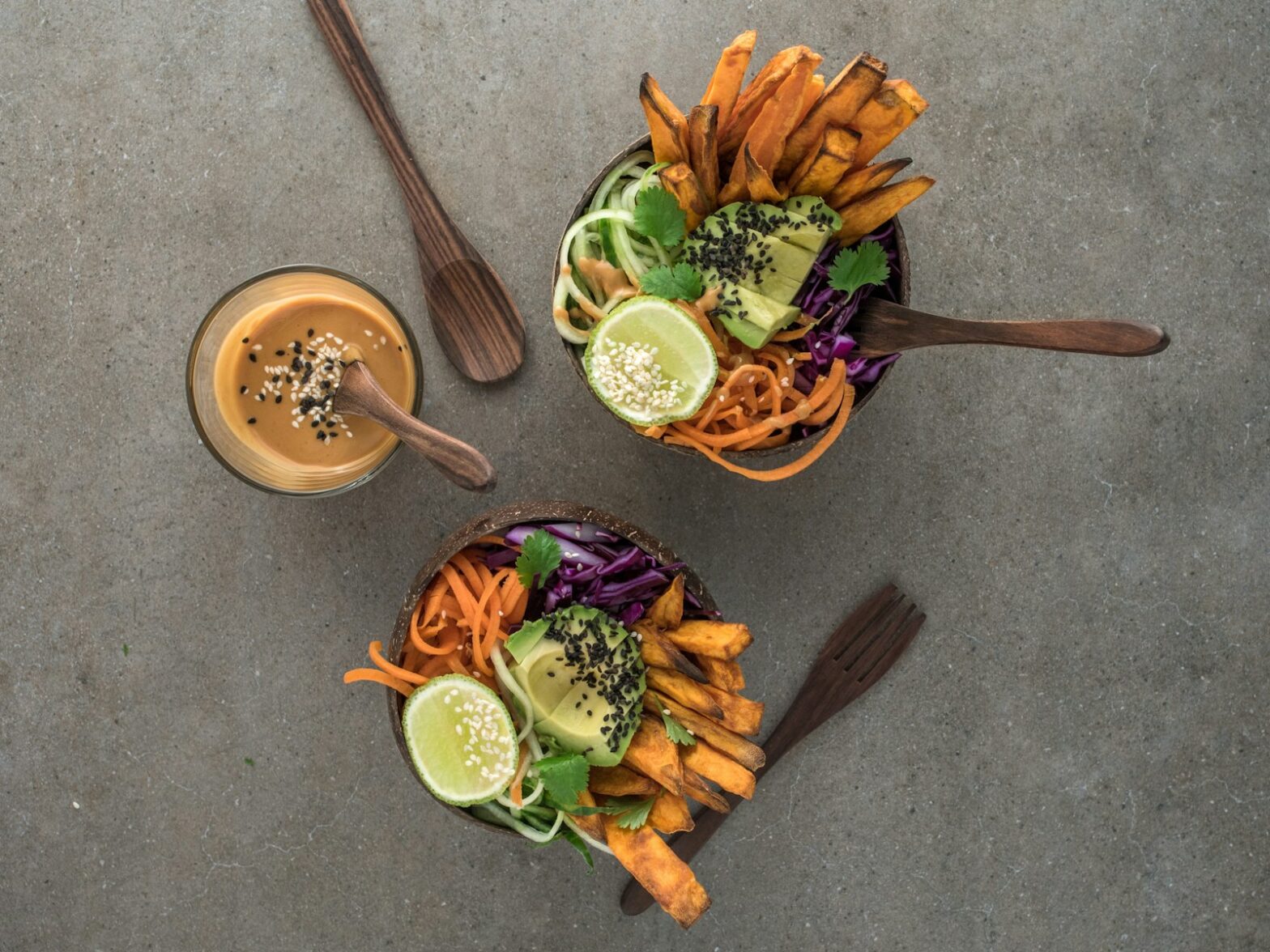
    • 2 cups assorted vegetables (sweet potatoes, carrots, broccoli, etc.)
    • 2 tbsp virgin coconut oil, melted
    • Salt, pepper, paprika

    Instructions:

    1. Toss vegetables in melted coconut oil and seasonings.
    2. Spread on a baking sheet and roast at 400°F (200°C) for 25–30 minutes.

    Tip: Coconut oil adds a subtle sweetness and helps veggies caramelize beautifully.


    Dessert Recipes with Virgin Coconut Oil

    7. No-Bake Coconut Chocolate Bites

    Ingredients:

    • 1 cup rolled oats
    • 1/2 cup shredded coconut
    • 1/3 cup virgin coconut oil
    • 1/4 cup honey or maple syrup
    • 2 tbsp cocoa powder
    • Pinch of salt

    Instructions:

    1. Mix all ingredients in a bowl until combined.
    2. Roll into small balls and refrigerate for at least 30 minutes.

    Tip: These are perfect for a quick, energy-packed treat.

    8. Coconut Oil Chocolate Bark

    Ingredients:

    • 1/2 cup virgin coconut oil
    • 1/2 cup cocoa powder
    • 1/4 cup maple syrup or honey
    • Toppings: nuts, dried fruit, sea salt

    Instructions:

    1. Melt coconut oil and mix with cocoa and sweetener.
    2. Pour onto parchment paper and sprinkle toppings.
    3. Freeze until solid, then break into pieces.

    Final Thoughts

    Cooking with virgin coconut oil is more than just a health trend—it’s a flavorful, functional addition to your kitchen that fits into a variety of diets and recipes. Whether you’re making breakfast, lunch, dinner, or dessert, coconut oil provides a rich flavor profile and nutritional boost.

    Its natural sweetness, anti-inflammatory properties, and versatility make it a pantry staple for those who enjoy cooking wholesome meals. Just remember to use it appropriately based on cooking temperature and recipe style.

  • Is Virgin Coconut Oil the Secret to Boosting Your Metabolism?

    Is Virgin Coconut Oil the Secret to Boosting Your Metabolism?

    Coconut oil has long been a staple in tropical regions, known for its versatility in cooking, skincare, and health benefits. But over the past few years, virgin coconut oil has skyrocketed in popularity, especially among health enthusiasts and those looking for natural ways to boost their metabolism. From being touted as a weight-loss miracle to a cure for various skin ailments, virgin coconut oil seems to be everywhere. But does it truly live up to its reputation, particularly when it comes to boosting metabolism? Let’s take a closer look.

    What is Virgin Coconut Oil?

    Virgin coconut oil (VCO) is extracted from the fresh meat of mature coconuts through a cold-press method, which preserves its natural nutrients, flavors, and aroma. Unlike refined coconut oil, which undergoes bleaching and deodorizing processes, virgin coconut oil retains its high content of medium-chain triglycerides (MCTs), lauric acid, and other beneficial compounds. It is these compounds that have led to its widespread use in both the wellness and beauty industries.

    But what exactly makes virgin coconut oil stand out, and why is it believed to have the potential to improve metabolism?

    Understanding Metabolism: A Brief Overview

    Before diving into how virgin coconut oil might impact metabolism, it’s important to understand what metabolism actually is. Metabolism refers to the chemical processes that occur within a living organism to maintain life. In simpler terms, it’s how your body turns food into energy. A faster metabolism means your body burns calories more quickly, which can contribute to weight loss or maintenance.

    Several factors influence metabolism, including genetics, age, muscle mass, physical activity, and even diet. While there are various foods and supplements that claim to rev up metabolism, few are backed by solid scientific evidence. This brings us to the question: can virgin coconut oil help?

    How Virgin Coconut Oil May Boost Your Metabolism

    The key to understanding virgin coconut oil’s potential impact on metabolism lies in its unique composition of fats, particularly medium-chain triglycerides (MCTs). These fats are metabolized differently than the long-chain fatty acids found in many other foods. Here’s how MCTs may help:

    1. MCTs are Quickly Absorbed and Used for Energy

    Unlike long-chain triglycerides (LCTs), which need to be broken down by bile before they can be absorbed and processed by the body, MCTs are absorbed directly into the bloodstream and sent to the liver. In the liver, MCTs are rapidly converted into ketones, which can be used as a quick source of energy. This process boosts thermogenesis, the production of heat in the body, which can potentially help increase calorie burning.

    2. Increased Fat Oxidation

    Studies have suggested that MCTs can help increase fat oxidation, or the process of burning fat for energy. One study published in the American Journal of Clinical Nutrition found that individuals who consumed MCTs burned more fat during exercise than those who consumed long-chain fats. This could suggest that incorporating MCT-rich virgin coconut oil into your diet might aid in fat loss and boost overall metabolic function.

    3. Thermogenic Effect of MCTs

    One of the most compelling reasons MCTs are believed to boost metabolism is their thermogenic effect. Thermogenesis refers to the body’s production of heat in response to food intake. MCTs have been shown to increase the thermogenic effect, which in turn boosts calorie expenditure. Essentially, by consuming virgin coconut oil, your body may burn more calories even when at rest, which could contribute to weight loss over time.

    4. Appetite Suppression and Reduced Caloric Intake

    There is also evidence suggesting that MCTs can help control appetite. Some studies have shown that MCT oil can make you feel fuller for longer, potentially leading to a reduction in overall caloric intake. If you consume fewer calories, this can directly influence weight loss, and by supporting a reduction in hunger, MCTs may make it easier for you to stick to a calorie deficit, which is necessary for fat loss.

    5. Improved Insulin Sensitivity

    Another way that virgin coconut oil may influence metabolism is by improving insulin sensitivity. Insulin is the hormone that regulates blood sugar levels and plays a significant role in how your body stores and burns fat. Some research has shown that coconut oil can help improve insulin sensitivity, potentially reducing the risk of type 2 diabetes and promoting more efficient metabolism. However, more research is needed to fully understand this effect.

    The Science Behind Virgin Coconut Oil and Metabolism

    While the claims surrounding virgin coconut oil’s ability to boost metabolism sound promising, it’s important to look at the scientific evidence. Several studies have looked at the role of MCTs in metabolism and weight management.

    For instance, one study published in The Journal of Clinical Nutrition showed that MCTs led to greater fat loss and higher energy expenditure compared to LCTs. Another study in Obesity Research found that MCT consumption led to a more significant reduction in body fat percentage compared to a diet with longer-chain fatty acids.

    However, it’s important to note that while the studies support the idea that MCTs can have a positive effect on metabolism, the results vary depending on the individual and the context. Virgin coconut oil contains around 60% MCTs, but it’s not as concentrated as MCT oil alone, which typically contains 100% MCTs. As a result, while virgin coconut oil can have some metabolic benefits, it may not be as potent as a pure MCT oil supplement.

    Incorporating Virgin Coconut Oil into Your Diet

    If you’re interested in incorporating virgin coconut oil into your daily routine to potentially boost your metabolism, there are several ways to do so. Here are a few ideas:

    • Cooking and Baking: Use virgin coconut oil as a healthy alternative to butter or vegetable oils when sautéing, baking, or frying. It’s great for medium-heat cooking due to its high smoke point.
    • In Your Coffee: Many people add a spoonful of virgin coconut oil to their morning coffee, a practice often referred to as “bulletproof coffee.” The MCTs in the oil can provide a quick energy boost.
    • Smoothies: Add a teaspoon or two to your morning smoothie for a creamy texture and added healthy fats.
    • As a Salad Dressing: Mix with vinegar, lemon juice, or herbs for a flavorful, healthy salad dressing.

    Conclusion: Is Virgin Coconut Oil the Secret to Boosting Your Metabolism?

    While there is some evidence supporting the idea that virgin coconut oil, particularly due to its MCT content, can help boost metabolism, it’s not a magic bullet for weight loss or improved metabolic health. Virgin coconut oil can be a useful addition to a balanced diet and healthy lifestyle, but it should not be relied on as the sole solution for metabolic issues.

    Incorporating virgin coconut oil into your diet, along with regular exercise and a nutrient-dense, whole foods-based diet, may contribute to a more efficient metabolism. However, it’s essential to approach it as part of a broader strategy to support your health, not as a standalone miracle solution.

    As with any health trend, it’s crucial to approach coconut oil consumption with balance and mindfulness, keeping in mind that moderation is key to reaping the benefits without overdoing it on calories. If you’re looking to boost your metabolism, virgin coconut oil could be a valuable tool in your wellness toolkit, but it should always be paired with other lifestyle practices that support overall health.

  • The Many Health Benefits of Virgin Coconut Oil

    The Many Health Benefits of Virgin Coconut Oil

    Virgin coconut oil has long been celebrated in traditional medicine and cuisine for its wide array of health benefits. Extracted from the fresh meat of mature coconuts without the use of chemicals or high heat, virgin coconut oil retains its natural properties, making it a versatile and powerful addition to your diet and skincare routine. Rich in medium-chain triglycerides (MCTs), antioxidants, and essential nutrients, virgin coconut oil offers numerous health benefits, from improving heart health to supporting cognitive function. In this article, we will explore the many ways virgin coconut oil can enhance your overall well-being and why it is deserving of a place in your pantry and medicine cabinet.

    What is Virgin Coconut Oil?

    Virgin coconut oil is derived from the fresh, raw meat of the coconut fruit, unlike refined coconut oil, which is produced from dried coconut meat (copra). The process of making virgin coconut oil involves minimal processing, meaning the oil retains most of the natural nutrients found in coconut flesh. It is typically extracted through a cold-pressing method, which preserves the oil’s natural flavor, aroma, and beneficial properties. The oil is then filtered to remove any remaining impurities, resulting in a pure, high-quality product.

    One of the key characteristics of virgin coconut oil is its high content of medium-chain triglycerides (MCTs), a type of fat that is metabolized differently than other fats. These MCTs are quickly converted into energy by the body, making virgin coconut oil an excellent source of fuel for both the body and brain.

    Health Benefits of Virgin Coconut Oil

    Now that we know what virgin coconut oil is, let’s take a closer look at the many health benefits it offers.

    1. Supports Heart Health

    Virgin coconut oil is known to have a positive effect on cardiovascular health. While it is a saturated fat, it contains a high proportion of MCTs, which are known to be heart-healthy. MCTs have been shown to increase high-density lipoprotein (HDL) cholesterol, commonly referred to as “good” cholesterol, while reducing low-density lipoprotein (LDL) cholesterol, or “bad” cholesterol. This balance is crucial for reducing the risk of heart disease and improving overall heart function.
    Additionally, the antioxidants present in virgin coconut oil, including vitamin E and polyphenols, help protect against oxidative stress and inflammation, which are key contributors to heart disease. By incorporating virgin coconut oil into your diet in moderation, you can support a healthy heart and reduce your risk of developing cardiovascular issues.

    2. Aids in Weight Management

    Virgin coconut oil has been shown to support weight management in a number of ways. The MCTs in coconut oil are quickly converted into energy, which means they are less likely to be stored as fat. Studies have found that MCTs can help boost metabolism, increase calorie burning, and reduce fat storage in the body. This makes virgin coconut oil an excellent choice for those looking to maintain a healthy weight or even lose weight.

    Furthermore, MCTs promote feelings of fullness and satiety, reducing the likelihood of overeating. By incorporating virgin coconut oil into meals or snacks, you may find that you are less likely to experience hunger cravings, making it easier to stick to a balanced diet.

    3. Supports Brain Function and Cognitive Health

    One of the most exciting benefits of virgin coconut oil is its potential to support brain health. MCTs in coconut oil provide a quick and efficient source of energy for the brain. This can be especially beneficial for individuals looking to improve cognitive function, enhance memory, or support brain health in general.

    In addition, research suggests that MCTs may be helpful for individuals with neurodegenerative conditions such as Alzheimer’s disease. The brain’s ability to use glucose for energy can become impaired in individuals with Alzheimer’s, but MCTs can be converted into ketones, an alternative fuel source for the brain. Some studies have shown that the presence of ketones can help improve cognitive function in individuals with Alzheimer’s and other forms of dementia.

    Virgin coconut oil’s ability to support cognitive health may also be beneficial for those looking to improve focus and mental clarity. Regular consumption of coconut oil may help reduce brain fog and enhance concentration.

    4. Improves Digestive Health

    Virgin coconut oil has been used for centuries to support digestive health. The MCTs in coconut oil have antibacterial, antiviral, and antifungal properties, which can help balance the gut microbiota and protect against harmful pathogens. By promoting a healthy gut, virgin coconut oil can help improve digestion and prevent digestive issues such as bloating, constipation, and irritable bowel syndrome (IBS).
    Moreover, coconut oil can help improve the absorption of fat-soluble vitamins and minerals, such as vitamins A, D, E, and K. This is particularly important for individuals with compromised digestive systems or those struggling with nutrient deficiencies. Regular consumption of virgin coconut oil may also help soothe the digestive tract, reducing inflammation and discomfort caused by conditions like gastritis or ulcers.

    5. Boosts the Immune System

    The immune-boosting properties of virgin coconut oil come from its high content of lauric acid, a medium-chain fatty acid that has strong antimicrobial and antiviral effects. When consumed, lauric acid is converted into monolaurin, which has been shown to fight off bacteria, viruses, and fungi. This makes virgin coconut oil a powerful natural remedy for supporting the immune system and preventing illness.

    Virgin coconut oil has been shown to help combat harmful pathogens such as Candida, bacteria that cause gut infections, and even the influenza virus. By incorporating coconut oil into your daily routine, you can help strengthen your body’s defenses and reduce the likelihood of getting sick.

    6. Promotes Healthy Skin and Hair

    In addition to its internal health benefits, virgin coconut oil is a highly effective natural remedy for promoting healthy skin and hair. Its moisturizing properties make it a great addition to your skincare routine. Coconut oil is rich in antioxidants, vitamins E and K, and fatty acids, which help nourish and hydrate the skin, making it soft, smooth, and radiant.

    Virgin coconut oil is also effective in treating dry skin, eczema, and other skin conditions. Its anti-inflammatory properties help soothe irritated skin and reduce redness and itching. For those with acne-prone skin, virgin coconut oil’s antimicrobial properties can help prevent bacterial overgrowth and reduce breakouts.

    When it comes to hair care, virgin coconut oil is a popular natural conditioner. It penetrates the hair shaft deeply, providing essential nutrients that promote hair health and shine. Regular use of coconut oil can help prevent hair damage, reduce split ends, and improve overall hair texture. It also helps prevent dandruff and dry scalp issues.

    7. May Help Regulate Blood Sugar Levels

    Virgin coconut oil may be beneficial for individuals with type 2 diabetes or those at risk of developing the condition. Some studies suggest that coconut oil may help regulate blood sugar levels by improving insulin sensitivity. The MCTs in coconut oil are thought to help the body use insulin more effectively, preventing spikes and crashes in blood sugar levels.

    Moreover, the healthy fats in virgin coconut oil provide a slow and steady source of energy, which can help stabilize blood sugar levels throughout the day. By incorporating coconut oil into meals, individuals with diabetes or those looking to manage their blood sugar may find it easier to maintain balanced levels and reduce the risk of complications associated with the condition.

    8. Enhances Oral Health

    Virgin coconut oil is also gaining popularity as a natural remedy for improving oral health, particularly through the practice of oil pulling. Oil pulling involves swishing a small amount of coconut oil in the mouth for several minutes, which can help remove harmful bacteria and plaque from the teeth and gums. The antimicrobial properties of coconut oil make it effective in fighting bacteria that cause bad breath, gum disease, and tooth decay.

    Regular oil pulling with virgin coconut oil may also help whiten teeth and promote healthier gums by reducing inflammation and promoting blood circulation in the mouth. It is a simple, natural way to improve your oral hygiene routine.

    How to Incorporate Virgin Coconut Oil Into Your Diet

    Virgin coconut oil can be easily incorporated into your daily diet in a variety of ways. Here are some ideas to help you get started:

    • Use it in Cooking and Baking: Virgin coconut oil is stable at high temperatures, making it an excellent choice for sautéing, frying, and baking. It imparts a subtle coconut flavor to dishes and can be used in both savory and sweet recipes.
    • Add it to Smoothies: Blend a spoonful of virgin coconut oil into your smoothies for a boost of healthy fats and extra creaminess.
    • Spread on Toast: Use virgin coconut oil as a spread on your morning toast or mix it with a little honey for a delicious treat.
    • Drizzle on Popcorn: For a healthier take on popcorn, drizzle some virgin coconut oil over your popcorn for flavor and nutrition.
    • Incorporate Into Coffee or Tea: Add a teaspoon of virgin coconut oil to your coffee or tea for a creamy texture and a boost of energy.

    Conclusion

    Virgin coconut oil is a powerhouse of health benefits, offering support for everything from heart health and weight management to cognitive function and skin care. Rich in MCTs, antioxidants, and essential nutrients, this versatile oil has earned its place as a staple in kitchens, medicine cabinets, and beauty routines around the world. Whether you’re using it in cooking, skincare, or as a natural remedy for common ailments, virgin coconut oil can help enhance your overall well-being. By incorporating this powerful oil into your daily life, you can take advantage of its many health benefits and enjoy a healthier, more balanced lifestyle.

  • Diabetic-Friendly Coconut Sugar and Virgin Coconut Oil Fudge: A Guilt-Free Delight

    Diabetic-Friendly Coconut Sugar and Virgin Coconut Oil Fudge: A Guilt-Free Delight

    100% Success Guaranteed Easy Fudge Recipe

    easy fudge recipe, fudge recipe for diabetics people

    Fudge is a beloved treat, but traditional recipes are packed with sugar, making them off-limits for those with diabetes. However, you can still enjoy this delightful treat by making a diabetic-friendly version with coconut sugar and virgin coconut oil. Coconut sugar has a lower glycemic index than regular sugar, meaning it has a milder impact on blood sugar levels. Paired with virgin coconut oil, which offers healthy fats, this fudge becomes a diabetic-friendly indulgence. In this detailed recipe, I’ll show you peanut butter fudge recipe without compromising on taste.

    Ingredients For Easy Fudge Recipe

    peanut butter fudge recipe, fudge for diabetics people

    Before we dive into the recipe, let’s gather the necessary ingredients for our diabetic-friendly fudge:

    • 1 cup virgin coconut oil
    • 1 cup unsweetened cocoa powder
    • 1/2 cup coconut sugar
    • 1/4 cup unsweetened almond butter
    • 1/4 cup unsweetened almond milk
    • 1 teaspoon pure vanilla extract
    • A pinch of salt
    • Chopped nuts (optional, for topping)

    Step 1: Understanding Coconut Sugar, Is Coconut Sugar Good For Diabetics?

    Is coconut sugar taste good or bad?, coconut flower sugar for thick hot chocolate, unrefined coconut sugar, coconut sugar good for diabetics

    Coconut sugar is derived from the sap of the coconut palm tree and has gained popularity as a healthier sugar alternative. It has a lower glycemic index than regular sugar, which means it causes a slower and more controlled increase in blood sugar levels. This makes coconut sugar good for diabetics people, as it can help prevent sharp spikes in blood sugar. But despite this, it’s a good idea not to use too much coconut sugar, because anything in excess is not a good thing, right?

    When using coconut sugar in recipes, it’s important to note that it has a similar sweetness level to regular sugar, so you can generally substitute it in a 1:1 ratio. Additionally, it adds a mild caramel-like flavor that can enhance the overall taste of your dishes.

    Step 2: Is Using Virgin Coconut Oil For Cooking And Baking Are Good?

    What is mct oil? what is differences with vco, organic extra virgin coconut oil supplier, virgin coconut oil for cooking

    Virgin coconut oil is a popular ingredient in diabetic-friendly recipes due to its beneficial properties. It’s rich in medium-chain triglycerides (MCTs), which are easily digestible and can provide a quick source of energy. Moreover, MCTs have a negligible impact on blood sugar levels.

    In our fudge recipe, virgin coconut oil serves as the primary fat source, replacing traditional butter or heavy cream. This swap not only lowers the saturated fat content but also infuses a delightful coconut flavor into the fudge. The best part is that you can enjoy the taste without the added risk of spiking your blood sugar.

    Step 3: Preparing the Fudge Base For Peanut Butter Fudge

    To begin making our diabetic-friendly fudge, you’ll first need to create the fudge base. In a medium-sized saucepan over low heat, melt 1 cup of virgin coconut oil. Be sure to use a gentle heat to prevent overheating and compromising the beneficial properties of the coconut oil.

    Once the coconut oil is fully melted, add 1/2 cup of coconut sugar to the saucepan. Stir gently but continuously to help the sugar dissolve into the oil. This process may take a few minutes, and you’ll notice that the coconut sugar will start to caramelize, giving the fudge a wonderful depth of flavor.

    Next, add 1 cup of unsweetened cocoa powder to the mixture. Continue to stir until the cocoa powder is well incorporated, creating a rich, chocolatey base for your fudge.

    Step 4: Adding Flavor and Creaminess For Peanut Butter Fudge Recipe

    To enhance the flavor and creaminess of your diabetic-friendly fudge, you’ll include a few key ingredients. Start by adding 1/4 cup of unsweetened almond butter to the saucepan. The almond butter will not only contribute to the fudge’s creamy texture but also infuse a nutty flavor.

    Incorporate 1/4 cup of unsweetened almond milk to ensure the fudge reaches the desired consistency. Almond milk is a suitable dairy-free option with fewer carbohydrates, making it a better choice for managing blood sugar levels.

    Finally, add 1 teaspoon of pure vanilla extract and a pinch of salt to balance the flavors. The vanilla extract will provide a delightful aroma, while the salt enhances the overall taste of your fudge.

    Step 5: Pour and Set Peanut Butter Fudge

    Once your fudge mixture is well blended, it’s time to pour it into a parchment paper-lined baking dish. The size of the dish can vary, but an 8×8-inch square dish is a common choice.

    Smooth the fudge mixture evenly in the dish using a spatula. If you prefer, you can also sprinkle chopped nuts on top for added texture and flavor. Nuts like almonds or walnuts can be an excellent choice for additional healthy fats and a satisfying crunch.

    Place the fudge-filled dish in the refrigerator and allow it to set for at least 2-3 hours. This cooling period will ensure that the fudge becomes firm and easy to cut into squares.

    Step 6: Enjoy Your Diabetic-Friendly Fudge

    Once your fudge has set, it’s time to savor this delicious diabetic-friendly treat. Remove the fudge from the refrigerator, lift it out of the dish using the parchment paper, and place it on a cutting board. Use a sharp knife to cut it into squares or desired shapes.

    This fudge is not only suitable for those with diabetes, but it’s a healthier option for anyone looking to enjoy a sweet treat without excessive sugar. It’s rich, creamy, and boasts a delightful chocolate-coconut flavor. Share it with friends and family, or savor it on your own as a guilt-free indulgence.

    In conclusion, creating diabetic-friendly fudge with coconut sugar and virgin coconut oil is a delicious way to satisfy your sweet cravings without compromising your health. Coconut sugar’s low glycemic index and the benefits of virgin coconut oil make this fudge an excellent choice for managing blood sugar levels. So, gather your ingredients, follow these steps, and indulge in a creamy, chocolaty, and diabetic-friendly fudge that’s sure to become a favorite in your household. Your taste buds and your health will thank you!
Secret Link