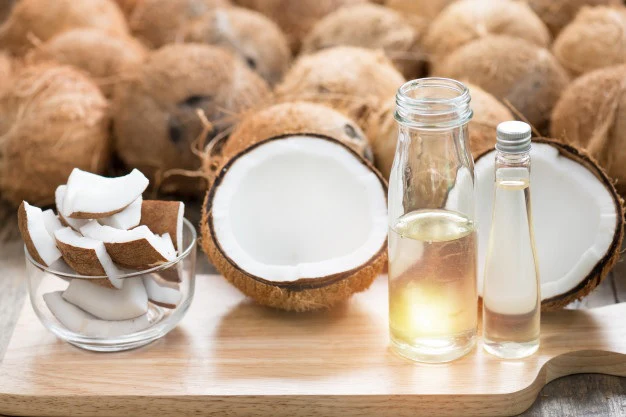
Tag: virgin coconut oil

  • Coconut Oil for Acid Reflux: Does It Help or Make It Worse?

    Coconut Oil for Acid Reflux: Does It Help or Make It Worse?

    If you search “coconut oil for acid reflux,” you’ll find plenty of articles promising it as a natural cure — and just as many warning it could make things worse.

    Both claims have some basis in fact, which is exactly why the honest answer is: it depends.

    Coconut oil contains lauric acid, a compound with antimicrobial properties that may support gut health.

    But coconut oil is also roughly 90% saturated fat — and high-fat foods are a well-documented trigger for acid reflux because they relax the lower esophageal sphincter (LES), the muscle that keeps stomach acid in place.

    This guide breaks down what the research actually shows, how to use coconut oil safely if you choose to try it, and what else can help if reflux is a recurring issue for you.


    What Is Virgin Coconut Oil?
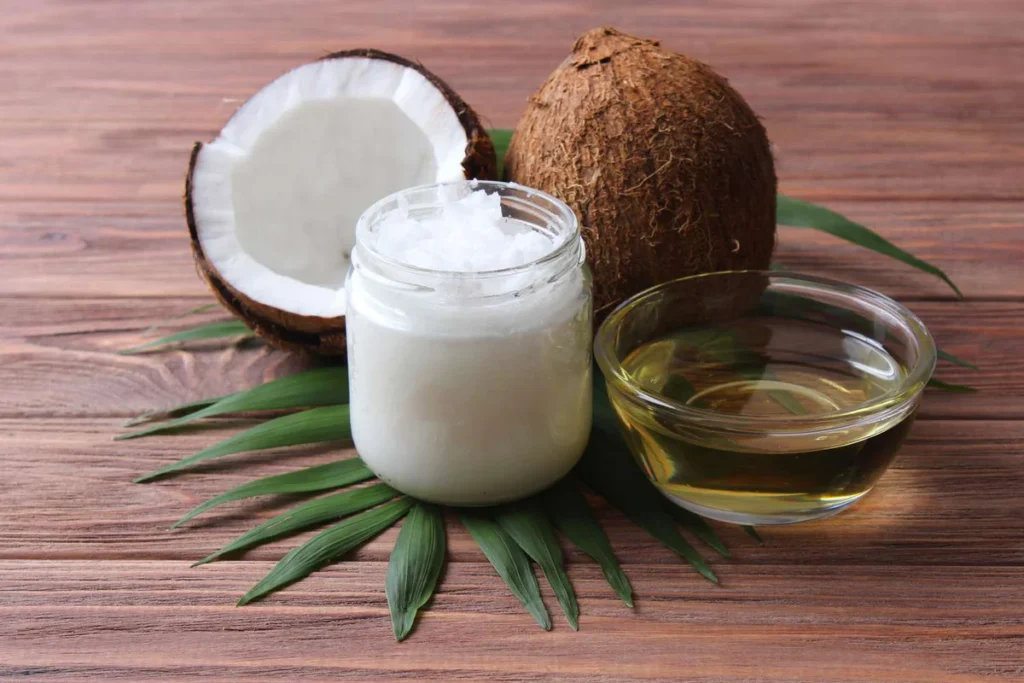
    Coconut Oil for Acid Reflux

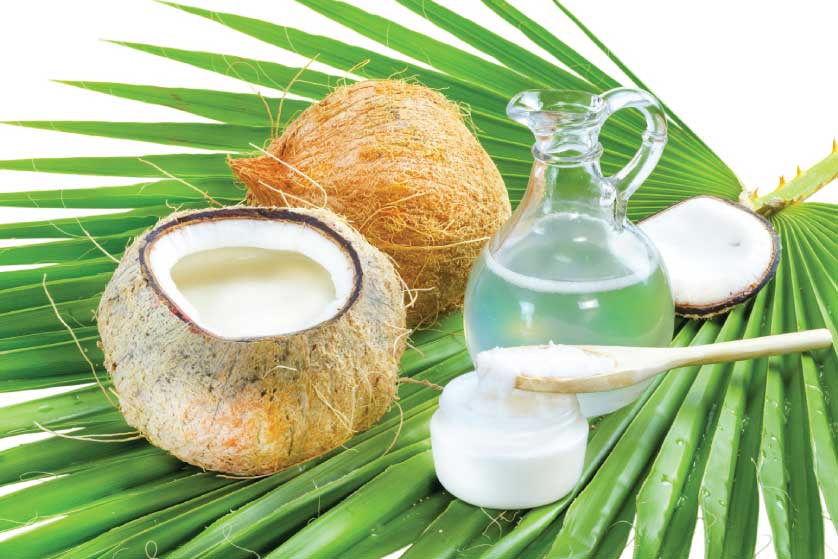
    Virgin coconut oil (VCO) is extracted from fresh coconut meat through cold-pressing, fermentation, or centrifugation — without the bleaching or deodorizing steps used for refined coconut oil.

    It retains its natural aroma and nutrients, including medium-chain fatty acids (MCFAs) like lauric acid, caprylic acid, and capric acid, along with antioxidants and vitamin E.

    For buyers seeking high-quality coconut derivatives, our virgin coconut oil products are sourced from trusted Indonesian producers and exported to global markets.


    What the Research Actually Says About Coconut Oil and Acid Reflux
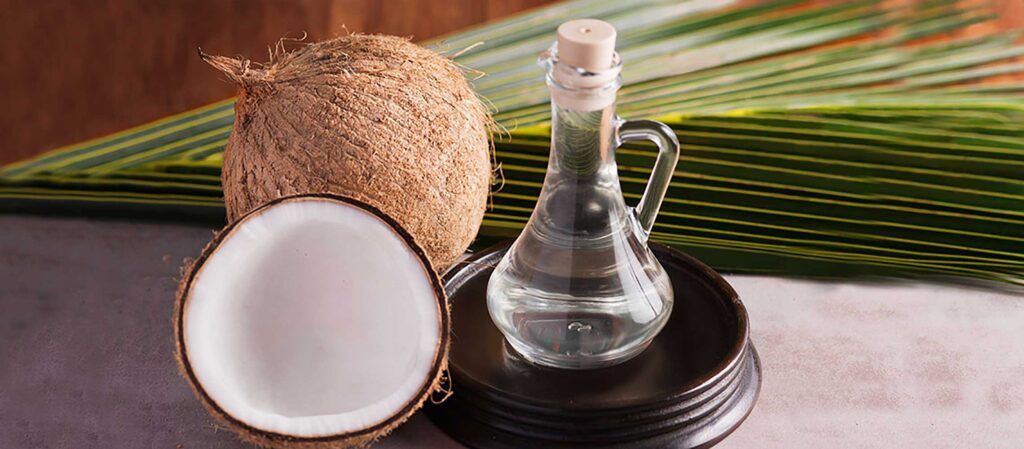
    Coconut Oil

    There are currently no large, well-designed clinical trials showing that coconut oil treats or reverses gastroesophageal reflux disease (GERD).

    Most of the support for coconut oil as a reflux remedy comes from anecdotal reports and indirect laboratory research — not human clinical studies on reflux specifically.

    What the lab research does show: lauric acid, a major component of coconut oil, has antimicrobial activity against certain bacteria, including some strains of Helicobacter pylori, in petri-dish (in vitro) studies. H. pylori is a bacteria linked to stomach ulcers and some digestive issues.

    However, showing antimicrobial activity in a lab dish is very different from showing a clinical benefit for acid reflux in the human body — and that gap has not been closed by solid human trials.

    In short: there is a plausible mechanism for some benefit, but not direct proof that coconut oil reduces acid reflux symptoms in people with GERD.


    Can Coconut Oil Make Acid Reflux Worse?

    Can Coconut Oil Make Acid Reflux Worse?

    The Lower Esophageal Sphincter (LES) and Dietary Fat

    The lower esophageal sphincter (LES) is a ring of muscle that acts as a valve between your esophagus and stomach.

    When it works properly, it stays closed except when food passes through — keeping stomach acid where it belongs.

    When the LES weakens or relaxes at the wrong time, acid can flow back up into the esophagus, causing the burning sensation known as heartburn.

    High-fat meals are one of the most well-documented triggers for LES relaxation.

    Eating fat causes the body to release a hormone called cholecystokinin (CCK), which causes the LES to relax.

    This effect can last 2 to 4 hours after a high-fat meal.

    Coconut oil is approximately 90% saturated fat — one of the most concentrated fat sources available.

    For someone with an already sensitive LES (which is the case in GERD), adding a high-fat ingredient like coconut oil could theoretically work against them, even while it provides other potential benefits.

    The Bottom Line: It May Depend on the Amount and Your Sensitivity

    For most people, a small amount of coconut oil — such as 1 teaspoon swapped in for butter or another cooking fat — is unlikely to trigger noticeable reflux.

    But larger amounts, especially the “1-2 tablespoons daily” sometimes recommended in wellness content, could increase fat intake enough to relax the LES and potentially worsen symptoms in someone prone to reflux.

    If you have diagnosed GERD and are considering coconut oil, start with the smallest possible amount (¼ to ½ teaspoon) and monitor how your body responds over several days before increasing.


    How Much Coconut Oil Is Safe If You Have Acid Reflux?

    AmountRisk Level for RefluxNotes
    ¼ – ½ teaspoon, used occasionallyLowReasonable starting point if trying coconut oil for the first time with reflux history
    1 teaspoon, swapped for another cooking fatLow to moderateTotal fat content of the meal matters more than coconut oil alone
    1 tablespoon, added to coffee or smoothieModerateMonitor for symptoms over 2–4 hours after consumption
    2+ tablespoons daily (common “wellness” advice)Higher for GERD sufferersMay increase LES relaxation; not advisable without medical guidance if you have diagnosed GERD

    Practical tips if you choose to try coconut oil:

    • Take it with food rather than alone on an empty stomach — this may reduce the likelihood of triggering reflux from a sudden fat load.
    • Avoid taking it right before lying down. Staying upright for at least 2–3 hours after consuming any fat-containing food reduces reflux risk.
    • Track your symptoms. If reflux worsens within a few hours of using coconut oil, that is a signal to reduce the amount or stop.
    • Avoid combining with other high-fat or trigger foods (fried foods, chocolate, caffeine, alcohol) in the same meal — this compounds the LES-relaxing effect.

    Other Digestive Benefits of Virgin Coconut Oil

    May Support Regular Bowel Movements

    Virgin coconut oil can act as a natural lubricant for the intestines, and its medium-chain fatty acids may help stimulate peristalsis — the contractions that move food through the digestive tract.

    Some people take 1 teaspoon of VCO with warm water in the morning as a mild remedy for occasional constipation.

    May Support Gut Microbial Balance

    Lauric acid and its byproduct monolaurin have demonstrated antimicrobial and antifungal activity in laboratory studies, including against Candida albicans and certain bacteria.

    This supports general gut health, though — as noted above — this does not translate directly into a proven reflux treatment.


    Acid Reflux vs. GERD: What’s the Difference?

    Acid Reflux vs. GERD: What's the Difference?

    Occasional acid reflux — the burning sensation in your chest after a heavy or spicy meal — happens to most people from time to time and is usually not a cause for concern.

    GERD (gastroesophageal reflux disease) is the chronic, more severe form: reflux that occurs at least twice a week, or causes ongoing irritation to the esophagus.

    Left untreated, chronic GERD can lead to esophagitis (inflammation of the esophagus) and, in some cases, Barrett’s esophagus — a condition that increases the risk of esophageal cancer.

    The distinction matters for how you approach remedies: occasional reflux may respond well to dietary adjustments and natural approaches.

    Diagnosed GERD should be managed under medical supervision, where natural approaches like coconut oil should be discussed with — not substituted for — your doctor’s guidance.


    Other Natural Ways to Manage Acid Reflux

    • Eat smaller, more frequent meals: Large meals increase stomach pressure and the likelihood of acid escaping upward.
    • Avoid lying down for 2–3 hours after eating: Gravity helps keep stomach contents down; lying down removes this advantage.
    • Limit common trigger foods: Citrus, tomatoes, chocolate, caffeine, alcohol, carbonated drinks, and fried or fatty foods are frequently reported triggers.
    • Maintain a healthy weight: Excess abdominal weight increases pressure on the stomach and LES.
    • Elevate the head of your bed: Raising the head 6–8 inches can reduce nighttime reflux by using gravity to your advantage.
    • Consider ginger or chamomile tea: Some people find these soothing for mild digestive discomfort, though evidence is also largely anecdotal.

    When to See a Doctor

    Natural remedies, including coconut oil, are not a substitute for medical care. Consult a doctor if you experience:

    • Heartburn or acid reflux more than twice a week
    • Difficulty or pain when swallowing
    • Unexplained weight loss
    • Persistent nausea or vomiting
    • Chest pain (especially if you’re unsure whether it’s heart-related — seek emergency care)
    • Symptoms that don’t improve with over-the-counter antacids or lifestyle changes

    These can be signs of GERD or other conditions that require proper diagnosis and treatment — which may include prescription medication (such as proton pump inhibitors) or, in some cases, further evaluation.

    The Bottom Line

    Coconut oil is not a proven treatment for acid reflux — but it’s also not necessarily off-limits.

    For most people without severe GERD, a small amount used occasionally is unlikely to cause problems and may offer modest digestive benefits through its medium-chain fatty acid content.

    If you have diagnosed GERD or frequent reflux, the safest approach is to start small (¼ teaspoon), monitor how your body responds, and avoid the large daily amounts sometimes recommended in wellness content.

    And if reflux is happening more than twice a week, that’s worth discussing with a doctor — no natural remedy, including coconut oil, should delay proper diagnosis of a condition like GERD.

    If you decide to incorporate coconut oil into your routine, quality matters. Choose a certified virgin coconut oil, cold-pressed and unrefined to ensure purity, nutritional value, and consistent quality.

    Frequently Asked Questions

    Does coconut oil help with acid reflux?

    There is no strong clinical evidence that coconut oil treats or reduces acid reflux. Some people report relief, possibly due to lauric acid’s antimicrobial properties, but coconut oil is also about 90% saturated fat — and high-fat foods are a known trigger for acid reflux because they relax the lower esophageal sphincter.

    Can coconut oil make acid reflux worse?

    It’s possible, especially in larger amounts. High-fat foods, including coconut oil, can relax the lower esophageal sphincter (LES) via the hormone cholecystokinin, which may allow stomach acid to flow back into the esophagus more easily. People with GERD should use coconut oil cautiously and in small amounts if at all.

    How much coconut oil should I take for acid reflux?

    If you choose to try coconut oil, start with ¼ to ½ teaspoon and monitor your symptoms. Avoid the commonly suggested “1-2 tablespoons daily” if you have diagnosed GERD, as larger amounts of fat may worsen reflux by relaxing the lower esophageal sphincter.

    Is virgin coconut oil good for IBS?

    Virgin coconut oil’s medium-chain fatty acids are easily digested and may support gut microbial balance due to lauric acid’s antimicrobial properties. Some people with IBS find it helpful for mild digestive discomfort, but individual responses vary significantly, and it should not replace medical treatment for IBS.

    Is coconut oil good for constipation?

    Virgin coconut oil may help with occasional mild constipation by acting as a natural lubricant and supporting bowel movement contractions (peristalsis). A common approach is 1 teaspoon taken with warm water in the morning. It is not a substitute for medical treatment for chronic constipation.

    What is the difference between acid reflux and GERD?

    Acid reflux is the occasional backflow of stomach acid into the esophagus, causing heartburn — most people experience this from time to time. GERD (gastroesophageal reflux disease) is the chronic form, occurring at least twice a week or causing ongoing esophageal irritation, and requires medical management.

    What foods relax the lower esophageal sphincter and trigger reflux?

    High-fat foods (including coconut oil in large amounts), chocolate, caffeine, alcohol, peppermint, and carbonated beverages are commonly reported to relax the lower esophageal sphincter (LES), increasing the risk of acid reflux.

  • Bulk Virgin Coconut Oil from Indonesia: Price, Suppliers & Sourcing Guide (2026)

    Bulk Virgin Coconut Oil from Indonesia: Price, Suppliers & Sourcing Guide (2026)

    bulk virgin coconut oil

    If you are looking to source bulk virgin coconut oil (VCO), Indonesia is among the world’s largest producers — and for buyers ranging from personal care brands to food manufacturers and nutraceutical companies, sourcing directly from certified Indonesian suppliers offers significant advantages in price, certification availability, and supply reliability.

    Whether you are looking to buy cold pressed coconut oil in bulk for the first time, comparing extra virgin coconut oil prices before placing a repeat order, or evaluating suppliers for a private label VCO product, this guide gives you the current pricing data, key product distinctions, and practical sourcing steps you need.

    You can view our full coconut product range including VCO before reading further. For broader context on the Indonesian coconut supplier landscape, our guide on finding a bulk coconut sugar supplier in Indonesia covers evaluation principles that apply equally to VCO sourcing.

    Quick Answer: Virgin Coconut Oil Price per kg in 2026

    For buyers who need a fast price reference:

    ProductPrice per kg (FOB Indonesia)Typical MOQBest For
    Conventional VCO — cold pressedUSD 1.40 – 1.90 / kg500 kgFood manufacturing, personal care, supplement
    Organic VCO — cold pressed (USDA/EU)USD 1.90 – 2.60 / kg500 kgOrganic food brands, premium personal care, EU/US retail
    Extra virgin coconut oil (food grade)USD 1.50 – 2.00 / kg500 kgPremium food, nutraceutical, gourmet retail
    Organic extra virgin coconut oilUSD 2.00 – 2.80 / kg500 kgCertified organic food brands, premium retail
    RBD coconut oil (refined, bleached)USD 0.90 – 1.30 / kg1 MTIndustrial food, commercial baking, non-premium applications
    Fractionated coconut oil (MCT oil)USD 2.00 – 3.50 / kg200 kgSupplement, keto/MCT products, personal care carrier oil
    Note: FOB price — your landed cost will be higher
    These are FOB (Free on Board) prices at Indonesian ports. Your actual cost per kg at your warehouse will include ocean freight, insurance, import duty, customs brokerage, and inland delivery. For coconut oil, HS Code 1513.11 (crude coconut oil) or 1513.19 (other, including VCO) applies — verify exact duty rates with your customs broker for your destination market.

    Cold Pressed vs Centrifugal VCO: What the Price Difference Means

    buy coconut oil online

    The most important technical distinction in VCO sourcing — and one that directly affects both price and product positioning — is the production method. Two primary methods are used commercially:

    FeatureCold Pressed VCOCentrifugal (Wet Milling) VCO
    Production methodFresh coconut meat is pressed at low temperature (no heat)Fresh coconut milk is centrifuged to separate oil from water
    TemperatureBelow 50°C — preserves heat-sensitive compoundsRoom temperature centrifuge — similar preservation
    Aroma & flavorStrong, fresh coconut aromaMild to moderate coconut aroma
    ColorClear to slightly yellowClear
    Lauric acid content~48–52% (high)~48–52% (similar)
    Price premiumBaseline premium over RBDSimilar to cold pressed — process cost comparable
    Typical applicationsPremium food, nutraceutical, personal carePersonal care, supplement, premium food
    ‘Extra virgin’ claimMost commonly associated with cold pressedCan also be claimed if unrefined — verify with supplier

    For most buyers, the choice between cold pressed and centrifugal VCO comes down to flavor profile preference and supplier availability — not a significant difference in nutritional composition.

    Both are unrefined, retain high lauric acid content, and are suitable for food and personal care applications.

    The key distinction from RBD (refined, bleached, deodorized) coconut oil is that both cold pressed and centrifugal VCO are unrefined — preserving the natural aroma and bioactive compounds.

    ‘Extra Virgin’ vs ‘Virgin’ Coconut Oil: Is There a Real Difference?

    coconut oil cold pressed price

    Unlike olive oil — where ‘extra virgin’ is a legally defined grade with specific acidity and sensory requirements — there is no internationally standardized definition distinguishing ‘extra virgin’ coconut oil from ‘virgin’ coconut oil.

    Both terms are used commercially to describe unrefined coconut oil produced from fresh coconut meat without chemical processing.

    What ‘extra virgin’ actually means in practice for VCO
    In the coconut oil industry, ‘extra virgin’ is typically used by suppliers to indicate: (1) cold pressed or centrifugal production from fresh coconut (not dried copra), (2) no heat, chemicals, or refining agents used, and (3) higher sensory quality — stronger aroma, cleaner flavor. However, because there is no universal standard, two suppliers can use ‘extra virgin’ and ‘virgin’ interchangeably for the same product. Always evaluate VCO on its specifications — Free Fatty Acid (FFA) content, moisture, peroxide value, and lauric acid — not just the label claim.

    For buyers making ‘extra virgin coconut oil’ label claims on their products, confirm with your supplier: (1) what production method they use, (2) what FFA specification they guarantee, and (3) whether their COA from an accredited laboratory confirms these parameters per batch. At Global Coco Sugar, our VCO is produced from fresh coconut meat using cold pressing — and every batch is accompanied by a COA from an ISO 17025-accredited laboratory.

    Why Source Virgin Coconut Oil from Indonesia?

    virgin coconut oil suppliers

    Indonesia is one of the world’s largest coconut producing countries, with extensive coconut cultivation concentrated in Sulawesi, North Maluku, and Java.

    The combination of tropical climate, established smallholder farming tradition, and increasingly sophisticated export infrastructure makes Indonesia a competitive and reliable source for certified VCO.

    Our certifications and company profile documents all current certifications held by Global Coco Sugar covering our VCO product line.

    AdvantageDetail
    Competitive pricingIndonesian VCO pricing is typically 10-20% more competitive than Philippine VCO for equivalent specification
    Organic certification availableUSDA Organic and EU Organic certified VCO available from select certified facilities
    BRCGS certified facilitiesA growing number of Indonesian VCO producers hold BRCGS Food Safety certification — essential for EU and US retail supply
    Halal certifiedHalal MUI certification available — important for Middle East and Muslim-segment retail
    Port infrastructureMajor export ports: Tanjung Priok (Jakarta), Tanjung Perak (Surabaya), Bitung (Sulawesi) — well-connected to major global shipping routes
    Transit timesEU: 25–35 days. USA West Coast: 20–28 days. Australia: 10–16 days. Middle East: 12–20 days

    What Certifications Should Your VCO Supplier Hold?

    buy extra virgin coconut oil

    The certification requirements for VCO are essentially the same as for coconut sugar — and buyers targeting EU or US retail channels should apply the same rigorous verification process.

    Our comprehensive guide on what certifications a coconut products supplier should have covers the full verification process for each certification, including the public databases where you can independently confirm any supplier’s status.

    CertificationRequired ForVerify At
    BRCGS Food Safety Grade AEU major retail (Tesco, Aldi, Whole Foods), US premium retail, food manufacturersbrcdirectory.com
    USDA OrganicUS organic label claims on finished products containing the VCOams.usda.gov/organic
    EU OrganicEU organic label claimsOFIS database — ec.europa.eu
    HACCPAll markets — absolute minimum for any serious food or personal care applicationSupplier document — request copy
    Halal MUIMiddle East markets, Muslim-segment retail globallyhalalmui.org
    KosherUS/EU Jewish community retail, some food manufacturersCertifying body registry
    ISO 22000Additional food safety credential valued by pharmaceutical-grade buyersCertification body registry
    GMP (Good Manufacturing Practice)Cosmetic and personal care grade VCO — required for many EU/US cosmetic buyersSupplier document

    VCO Price by Order Volume: From Sample to Full Container

    Order VolumePrice Position vs FCLNotes
    Sample (1 – 5 kg)Not applicable — sample pricingFor quality testing before commercial order. Available in retail-sized bottles or bulk sample drums.
    LCL (50 kg – 499 kg)+ 20–35% above FCL per-kg priceAvailable in 20L jerricans or 200L drums. Higher freight cost per kg.
    500 kg – 999 kg (LCL)+ 10–20% above FCL per-kg pricePractical MOQ for most first orders. 200L drums standard packaging.
    20ft FCL (~14–16 MT net)Standard reference priceMost competitive pricing tier. VCO typically packed in 200L drums or 20L jerricans.
    40ft FCL (~28–32 MT net)3–8% below 20ft FCLVolume discount. For established buyers with consistent demand.
    Annual contract (3+ FCL)8–15% below spot FCLBest pricing. Most suppliers welcome annual supply agreements for planning certainty.

    Note that VCO’s lower density compared to water means a 20ft FCL of VCO in 200L drums carries approximately 14-16 MT net — slightly less than coconut sugar in sacks due to drum tare weight and stacking configuration.

    Always confirm net weight per container with your supplier when calculating per-kg landed cost.

    VCO Packaging Options for Bulk Buyers

    VCO is available in several packaging formats depending on your application — food manufacturing, personal care, retail consumer, or re-packaging for private label:

    Packaging FormatCapacityBest ForKey Notes
    200L food-grade steel drum~185 kg netB2B manufacturing, large-volume re-packagingStandard export format. Food grade lined drum. Most cost-effective per kg.
    20L plastic jerricans (HDPE)~18.5 kg netSmall manufacturers, cosmetic brands, re-bottlingFood/cosmetic grade HDPE. Easier handling. Higher per-kg cost than drums.
    1L retail glass bottles~0.92 kg netPremium retail, private label consumer productCustom label available. High per-kg cost — retail margin supports it.
    500ml / 250ml retail bottles0.46 / 0.23 kgPremium gifting, health food retail, D2CCustom label available. MOQ typically 500–1,000 units per SKU.
    Bulk flexitank (ISO container)~20,000 LVery large volume industrial buyersLowest per-kg cost. Requires specialized handling at destination.

    Organic Virgin Coconut Oil: Price Premium and Certification Requirements

    The certification framework for organic VCO mirrors that of organic coconut sugar — and the same documentation requirements apply.

    Our article on exporting certified organic products from Indonesia provides detailed context on the Transaction Certificate (TC) requirement per shipment, which is mandatory for any organic VCO order where the buyer intends to make an organic label claim.

    The organic premium for VCO is typically 25-40% above conventional cold pressed VCO pricing.

    This reflects: annual organic certification audits at the coconut farm and processing facility level, the requirement for dedicated production lines or thorough cleaning verification to prevent contamination, and the additional documentation (Transaction Certificates) required per shipment.

    Important: organic VCO for personal care vs food applications
    If you are using organic VCO in a personal care or cosmetic product and wish to make an organic claim, the certification framework differs by market. In the EU, cosmetic organic claims are typically governed by private standards such as COSMOS Organic (BDIH, Ecocert, ICEA, Cosmebio, Soil Association) — not the EU food organic regulation. In the USA, the USDA NOP organic standard can apply to cosmetics containing agricultural ingredients, but is not mandatory. Always verify the applicable certification standard for your specific product category and target market before specifying organic VCO.

    Private Label Virgin Coconut Oil from Indonesia

    For brand owners who want to sell VCO under their own brand name — in your own packaging, with your own label — private label VCO from Indonesia is a well-established service.

    Our private label coconut products program covers VCO in all packaging formats — from 200L bulk drums for re-packers to fully branded 250ml retail glass bottles for D2C and retail brands — with no minimum order quantity for sample development.

    Private label VCO pricing adds a premium above bulk pricing to cover: custom packaging material (glass, HDPE, labels), filling and sealing line costs, and any additional labeling compliance for your destination market (EU cosmetic labeling, US FDA cosmetic labeling, etc.).

    The private label premium typically ranges from 15-50% above bulk pricing depending on packaging complexity and volume.

    How to Buy Bulk Virgin Coconut Oil from Indonesia: Step by Step

    The import process for VCO follows the same framework as other Indonesian coconut products.

    Our comprehensive article on how to import coconut products from Indonesia covers the full documentation requirements, HS codes, and logistics process for each major destination market — EU, USA, Australia, Middle East, and Japan.

    1. Define your specifications: production method (cold pressed or centrifugal), grade (conventional, organic, extra virgin), packaging format, and estimated annual volume.
    2. Request FFA specification and COA from recent batches — Free Fatty Acid content is the primary quality indicator for VCO. Premium grade: FFA below 0.1%. Standard grade: FFA below 0.5%.
    3. Verify supplier certifications independently: BRCGS on brcdirectory.com, Organic on USDA or EU OFIS databases.
    4. Request 1-5 kg samples in the packaging format closest to your intended use — evaluate aroma, color, clarity, and taste against your specification.
    5. Confirm Incoterms (FOB or CIF) and place your first commercial order with full documentation requirements specified in writing.
    6. Work with your freight forwarder to coordinate container booking. Standard export documentation: commercial invoice, packing list, COA, Certificate of Origin, and phytosanitary certificate.

    How to Choose a Reliable VCO Supplier from Indonesia

    Evaluating a VCO supplier requires the same rigorous approach as evaluating any food ingredient supplier from Indonesia.

    Our article on how to choose a reliable coconut products exporter from Indonesia provides a complete framework including red flags, green flags, and 15 questions to ask before placing any commercial order.

    For VCO specifically, pay particular attention to:

    • FFA specification guarantee. Ask for COA data from at least three consecutive production lots to verify consistency — not just the sample lot.
    • Production method documentation. If you are sourcing ‘cold pressed’ VCO, ask for documentation of the pressing process and temperature controls. Genuine cold pressed VCO should be processed below 50°C.
    • Whether the supplier owns their production facility. VCO quality consistency is highly dependent on production control. Trading companies that aggregate from various small producers cannot guarantee the same consistency as a manufacturer with their own facility.
    • GMP certification for personal care buyers. If you are using VCO in cosmetic or personal care products, confirm the supplier holds GMP certification in addition to food safety certification.
    Ready to source bulk virgin coconut oil from Indonesia?
    Global Coco Sugar supplies BRCGS Food Safety Grade A certified virgin coconut oil from Indonesia — cold pressed, available in conventional and organic grades. We provide COA per batch from ISO 17025-accredited laboratories, full export documentation support, and custom packaging for private label orders. Samples available with no minimum order.
    Request a VCO Price Quote or Free Sample >>>
    View Our Full Coconut Product Range >>>

    Conclusion: Start with Specifications, Then Scale

    Sourcing bulk virgin coconut oil from Indonesia is one of the most commercially viable decisions for brands in the food, supplement, and personal care sectors in 2026.

    Indonesia’s combination of competitive pricing, growing certified supply base, and established export infrastructure makes it the natural starting point for any serious VCO sourcing evaluation.

    The practical approach: define your FFA specification, production method preference, and annual volume estimate before contacting suppliers. Request 1-5 kg samples with COA documentation.

    Verify all certifications independently before placing any commercial order. Then scale from a first LCL or FCL order into an annual supply agreement once quality and reliability are confirmed.

    Get current VCO pricing from a certified Indonesian supplier
    Global Coco Sugar is a BRCGS Food Safety Grade A certified supplier of virgin coconut oil from Indonesia. We provide FOB pricing within 1 business day, COA from ISO 17025-accredited laboratories, full export documentation support, and custom packaging for private label orders.
    Request a Price Quote or Sample >>>
    View Our VCO and Coconut Product Range >>>
    Our Certifications & Company Profile >>>
  • Virgin Coconut Oil Dosage Guide: How Much VCO Per Day?

    Virgin Coconut Oil Dosage Guide: How Much VCO Per Day?

    Virgin coconut oil (VCO) has become increasingly popular in health and wellness circles, praised for its potential benefits in weight management, heart health, skincare, and more. But despite its natural origin and purported advantages, questions remain about how much virgin coconut oil one should actually consume for health benefits—without overdoing it.

    This article explores the recommended intake of virgin coconut oil, its health impacts, and how to safely incorporate it into a balanced diet.


    What Is Virgin Coconut Oil?

    Virgin coconut oil is extracted from fresh coconut meat (as opposed to dried copra) without the use of high heat or chemicals. This minimal processing preserves the oil’s natural antioxidants, phenolic compounds, and medium-chain fatty acids (MCFAs), particularly lauric acid, which is believed to contribute to many of its health benefits.

    Unlike refined coconut oil, virgin coconut oil retains a mild coconut aroma and flavor, along with a higher level of phytonutrients.


    Nutritional Profile of Virgin Coconut Oil

    A single tablespoon (about 13.5 grams) of virgin coconut oil provides:

    • Calories: ~120 kcal
    • Total fat: 14 grams
      • Saturated fat: ~12 grams
      • Monounsaturated fat: ~1 gram
      • Polyunsaturated fat: ~0.5 grams
    • No protein or carbohydrates

    Most of the fat content comes from medium-chain triglycerides (MCTs), including lauric acid, capric acid, and caprylic acid. These fats are metabolized differently from long-chain fats, leading to some of the health claims associated with coconut oil.


    Potential Health Benefits

    1. Metabolism and Weight Management

    Some studies suggest that the MCTs in virgin coconut oil may increase energy expenditure and fat oxidation. Because MCTs are quickly absorbed and converted into energy, they are less likely to be stored as fat.

    Today, the global wellness market is capitalizing on this trend, with functional food brands and pharmaceutical companies heavily utilizing bulk virgin coconut oil to manufacture keto supplements, MCT gel capsules, and nutritional bars.

    2. Antimicrobial Properties

    Lauric acid exhibits powerful antimicrobial activity. This premium property makes high-purity organic extra virgin coconut oil a highly sought-after raw ingredient for cosmetic formulators creating natural skincare, organic soaps, and premium oral care products like oil-pulling blends.

    3. Heart Health and Cholesterol

    Virgin coconut oil can increase levels of HDL (good cholesterol), which is generally beneficial for heart health. However, it can also raise LDL (bad cholesterol) in some individuals. This dual effect means that moderation is crucial, especially for people with cardiovascular risks.

    4. Brain Function

    Some early research suggests MCTs may provide an alternative energy source for the brain, which is being explored for managing Alzheimer’s disease. While promising, more clinical research is needed before recommending coconut oil for cognitive health.


    How Much Virgin Coconut Oil Should You Consume?

    The ideal amount of virgin coconut oil varies based on individual health status, lifestyle, and dietary goals. However, most nutrition experts and scientific sources suggest moderation is key, due to the oil’s high saturated fat content.

    Purpose / ApplicationRecommended Daily DosageHow to Take
    General Health & Wellness1 – 1.5 tablespoons (13g – 20g)Add to smoothies, coffee, or use in medium-heat cooking.
    Keto / Paleo Diet Protocol2 tablespoons (26g)Spread across meals as a clean source of MCTs and energy.
    Digestive System Adjustment1 teaspoon (5g)Start here for the first week to avoid gastrointestinal discomfort.
    Industrial Product FormulationVaries by specificationStandard for encapsulation (softgels) or cosmetic clean-label bases.

    General Guidelines:

    • 1 to 2 tablespoons per day is commonly considered a safe and effective amount for adults.
      • This equals about 13–26 grams of fat, mainly saturated fat.
    • Begin with 1 teaspoon per day and gradually increase to allow your digestive system to adjust.
    • Spread intake across meals, such as adding it to smoothies, coffee, or cooking.

    Adjusting for Dietary Context

    Your overall fat and calorie intake should guide your use of coconut oil. If you already consume significant amounts of saturated fat from other sources (like butter, cheese, or red meat), adding virgin coconut oil could push your intake beyond recommended limits.

    The American Heart Association recommends that saturated fat make up no more than 5–6% of daily calories, which is about 11–13 grams per day for a 2,000-calorie diet. One tablespoon of coconut oil already meets or exceeds this threshold.

    If you’re otherwise on a low-saturated-fat diet or following ketogenic or paleo protocols, incorporating 1–2 tablespoons of virgin coconut oil may be more acceptable.


    Ways to Incorporate Virgin Coconut Oil into Your Diet

    Virgin coconut oil can be used in a variety of ways:

    • Cooking: Ideal for medium-heat cooking, sautéing, and baking.
    • Smoothies: Add a teaspoon or tablespoon for creaminess and extra energy.
    • Coffee or Tea: Often used in bulletproof coffee for sustained energy.
    • Salad Dressings: Combine with vinegar or citrus for a tropical vinaigrette.
    • Spreads: Use as a substitute for butter on toast or baked goods.

    Note: Avoid using virgin coconut oil for high-heat frying, as it has a lower smoke point (around 350°F or 177°C) than many refined oils.


    Considerations and Precautions

    1. Saturated Fat and Heart Disease

    Although MCTs behave differently than long-chain saturated fats, virgin coconut oil is still a saturated fat source. High saturated fat intake has been linked to increased cholesterol and cardiovascular risk, particularly when replacing unsaturated fats.

    Use coconut oil in place of other saturated fats, not in addition to them.

    2. Caloric Density

    Coconut oil is high in calories. Excessive consumption may lead to weight gain if not accounted for in your overall caloric intake.

    3. Digestive Issues

    Some people experience gastrointestinal discomfort, such as bloating or loose stools, when starting coconut oil. This typically resolves with reduced dosage and gradual introduction.

    4. Allergies and Skin Reactions

    Though rare, coconut allergies exist. Discontinue use if you experience skin irritation or digestive issues that persist.


    Who Should Limit or Avoid It?

    • People with high LDL cholesterol: Consult a doctor before adding coconut oil regularly.
    • Individuals with liver conditions: MCTs are metabolized by the liver; caution is advised.
    • Those on a low-fat or heart-healthy diet: May need to avoid or strictly limit intake.
    Premium Bulk VCO Supply for Health & Beauty Industries
    Scaling your production of nutritional supplements, healthy food products, or organic cosmetics requires an uncompromised source of pure oil. Global Coco Sugar is a trusted Indonesian manufacturer supplying high-capacity, certified organic Virgin Coconut Oil (VCO) and Extra Virgin Coconut Oil (EVCO) for international markets.
    – Certifications: USDA Organic, EU Organic, Halal, Kosher compliant.
    – Processing: 100% Cold-pressed, chemical-free, and additive-free.
    – B2B Capabilities: Flexible wholesale quantities and global export logistics.
    📬 Get a Commercial Bulk Quote & Request Samples

    Conclusion

    Virgin coconut oil can be a beneficial addition to your diet when used wisely. Rich in MCTs and lauric acid, it offers some antimicrobial, metabolic, and possibly cognitive benefits. However, due to its high saturated fat content, moderation is essential.

    For most people, 1–2 tablespoons per day is considered a safe and effective amount when replacing other fats—not added on top of an already high-fat diet. The key is balance: use virgin coconut oil as part of a varied and nutrient-dense eating plan, not as a cure-all or magic bullet.

    As with any dietary change, consult a healthcare provider or dietitian to determine what amount is right for you, especially if you have underlying health conditions or specific nutritional goals.

  • RBD vs Virgin Coconut Oil: 2026 Comparison Guide

    RBD vs Virgin Coconut Oil: 2026 Comparison Guide

    In the ever-expanding world of natural health and clean beauty, coconut oil has carved out a permanent place in kitchens, skincare routines, and even medicine cabinets. But a common question persists: Is virgin coconut oil better than regular (refined) coconut oil? While both types originate from the same source—the humble coconut—their processing, purity, and uses vary significantly.

    This article explores the differences between virgin coconut oil and regular coconut oil, comparing their nutritional value, production methods, uses, health benefits, and potential drawbacks, so you can decide which one is better suited to your needs.

    🔍 Quick Answer: RBD vs Virgin Coconut Oil
    The primary difference between RBD (Refined, Bleached, and Deodorized) coconut oil and Virgin Coconut Oil (VCO) lies in the processing and final application. Virgin Coconut Oil is cold-pressed from fresh meat, unrefined, and retains a strong coconut aroma, making it ideal for cosmetics, direct consumption, and health supplements. RBD Coconut Oil is extracted from dried copra, fully refined to eliminate odor and taste, and boasts a much higher smoke point (400°F), making it the superior choice for high-heat commercial food manufacturing and fragrance-free cosmetic bases.

    What Is Virgin Coconut Oil?

    Virgin coconut oil (VCO) is derived from the fresh meat of mature coconuts, without the use of high temperatures or chemical refining. It’s extracted through processes such as cold-pressing, centrifugal separation, or wet milling.

    Because it undergoes minimal processing, virgin coconut oil retains:

    • A strong coconut aroma and flavor
    • High levels of antioxidants
    • Naturally occurring polyphenols and vitamins
    • No chemical additives or bleaching agents

    It’s often labeled as extra virgin, although unlike olive oil, there is no official classification between virgin and extra virgin in coconut oil standards.


    What Is RBD (Refined, Bleached, and Deodorized) Coconut Oil?

    Regular coconut oil, often referred to as refined coconut oil or RBD coconut oil (Refined, Bleached, and Deodorized), is made from copra—dried coconut meat. It goes through several stages of industrial processing including:

    • Refining to remove impurities
    • Bleaching using clays or other agents to purify the oil
    • Deodorizing to eliminate the strong coconut smell

    The result is a neutral-flavored, light-colored oil with a higher smoke point and longer shelf life. Some refined coconut oils may be partially hydrogenated, though many modern brands offer non-hydrogenated versions.

    Due to this intensive filtration, RBD coconut oil loses its distinct taste and aroma. In the global B2B market, this neutrality is a massive advantage. Industrial bakeries, snack manufacturers, and beauty brands prefer sourcing bulk RBD coconut oil because it acts as a highly stable cooking medium or cosmetic base without altering the intended flavor or scent of their final products.


    Key Differences at a Glance

    FeatureVirgin Coconut OilRBD Coconut Oil
    SourceFresh coconut meatDried coconut meat (copra)
    ProcessingCold-pressed, unrefinedRefined, bleached, deodorized
    Flavor & AromaStrong coconut taste and smellNeutral taste and odor
    ColorClear to slightly cloudyClear and light
    Nutrient RetentionHigher (antioxidants, phenolics)Lower due to processing
    Smoke Point350°F (177°C)~400°F (204°C)
    Shelf LifeShorterLonger
    CostMore expensiveHighly Cost-Effective for Large-Scale Production”.

    Nutritional Comparison

    Both virgin and refined coconut oils share similar macronutrient profiles:

    • About 120 calories per tablespoon
    • 14g total fat, of which ~90% is saturated fat
    • Rich in medium-chain triglycerides (MCTs), especially lauric acid

    However, virgin coconut oil retains naturally occurring antioxidants such as tocopherols and polyphenols, which may be stripped away during the refining process.

    Lauric Acid Content

    Both oils contain lauric acid (about 40-50%), a unique MCT known for its antimicrobial and immune-boosting properties. This compound remains largely intact in both forms of coconut oil.


    Health Benefits: Virgin vs. Regular

    1. Heart Health

    Coconut oil has been controversial due to its high saturated fat content. However, MCTs in coconut oil are metabolized differently from long-chain fats, potentially offering benefits like:

    • Increased HDL (good) cholesterol
    • Improved metabolic function

    Virgin coconut oil, being less processed, may offer more cardioprotective benefits due to its antioxidant content, though more human studies are needed to confirm this.

    2. Weight Management

    Some studies suggest that MCTs in coconut oil may slightly boost energy expenditure and fat burning. Virgin coconut oil, being richer in unrefined compounds, could offer marginally better metabolic effects, but refined coconut oil still provides the essential MCTs.

    3. Antimicrobial Properties

    Virgin coconut oil has shown greater antibacterial, antifungal, and antiviral activity in lab studies—largely attributed to its high lauric acid and antioxidant levels. For topical applications (e.g., treating minor skin infections), virgin oil is generally preferred.

    4. Skin and Hair Benefits

    Both oils are excellent moisturizers and are widely used in:

    • Lip balms
    • Hair conditioners
    • Body lotions
    • Oil pulling for oral health

    Virgin coconut oil may offer superior skin protection due to its antioxidant profile, helping to reduce inflammation and support skin healing.


    Culinary Uses: Which One’s Better?

    Cooking & Frying

    Regular coconut oil is better suited for high-heat cooking (stir-frying, deep frying) because of its higher smoke point (~400°F). Its neutral taste also makes it more versatile in a variety of dishes without imparting a coconut flavor.

    Virgin coconut oil, with a lower smoke point, is ideal for low to medium heat cooking, baking, and dishes where the natural coconut flavor is desirable (e.g., curries, granola, Thai soups).

    Baking

    Both oils work well for baking, but if you want a buttery, coconut-tinged flavor in your cookies or cakes, virgin coconut oil is the winner.


    Which One Should You Choose?

    Choose Virgin Coconut Oil If:

    • You prefer natural, unprocessed foods
    • You enjoy the taste and aroma of coconut
    • You’re using it for skin care, oil pulling, or natural remedies
    • You want maximum antioxidants and nutrients

    Choose Regular Coconut Oil If:

    • You need a neutral flavor for everyday cooking
    • You cook with high heat
    • You’re on a budget
    • You want a longer shelf life for pantry storage
    🏭 Verified Bulk Supply for RBD and Virgin Coconut Oil (VCO)
    Sourcing coconut oil at an industrial scale demands consistent purity, volume capacity, and stringent international compliance. Global Coco Sugar is an established Indonesian manufacturer and exporter, delivering premium-grade Virgin Coconut Oil (VCO) and industrial RBD Coconut Oil to global markets.
    Our Industrial Solutions: Cold-pressed organic VCO for high-end wellness/cosmetics, and premium non-hydrogenated RBD coconut oil for high-volume food processing.
    Global Compliance: Fully certified with USDA Organic, EU Organic, Halal, and Kosher standards.
    Supply Reliability: High-capacity production lines with flexible wholesale packaging options (totes, drums, or flexibags).

    Inquire Today to Receive Technical Specifications and Commercial Bulk Quotes


    Are There Any Downsides?

    Virgin Coconut Oil:

    • More expensive
    • Strong coconut taste may not suit all dishes
    • Shorter shelf life than refined oils

    Regular Coconut Oil:

    • Lower in antioxidants
    • May be processed with chemicals or high heat (check labels for quality)
    • Risk of hydrogenation in cheaper brands (look for non-hydrogenated)

    Always read labels carefully and opt for cold-pressed, non-hydrogenated, or organic options when possible, especially for refined oils.


    Conclusion: Which Is Better?

    In the debate between virgin coconut oil vs. regular coconut oil, there is no one-size-fits-all answer. It depends on your goals, preferences, and how you plan to use the oil.

    • For maximum health benefits, topical applications, and natural flavor, virgin coconut oil is the clear choice.
    • For cooking at high temperatures, budget-friendly versatility, and neutral taste, regular coconut oil performs better.

    Ideally, keep both in your pantry—virgin for nutrition and skincare, refined for versatile cooking.

  • Natural Makeup Remover: Virgin Coconut Oil in Your Vanity

    Natural Makeup Remover: Virgin Coconut Oil in Your Vanity

    The beauty world has seen countless innovations in makeup removal products—from micellar water to oil-based cleansers—but one natural ingredient continues to stand out: virgin coconut oil. Known for its hydrating, soothing, and cleansing properties, virgin coconut oil (VCO) has become a go-to for those seeking a gentle, chemical-free alternative. Affordable, versatile, and skin-friendly, it deserves a spot in every vanity.


    What Is Virgin Coconut Oil?

    Virgin coconut oil is extracted from fresh coconut meat without the use of high heat or chemical refining. This cold-pressed process preserves its natural nutrients, antioxidants, and pleasant tropical scent. Unlike refined coconut oil, VCO retains more lauric acid, caprylic acid, and vitamin E—compounds beneficial for skin health.


    Why Virgin Coconut Oil Works as a Makeup Remover

    Makeup is typically oil-based or contains waxy components. Water alone cannot effectively break them down, but oil can dissolve oil. Virgin coconut oil works by:

    • Breaking down makeup: It loosens stubborn products, including waterproof mascara and long-wear lipstick.
    • Hydrating the skin: It moisturizes while cleansing, preventing dryness.
    • Protecting the skin barrier: Lauric acid has antimicrobial benefits, helping to maintain healthy skin.

    Benefits of Using Virgin Coconut Oil for Makeup Removal

    1. Gentle on All Skin Types – Suitable for dry, normal, and combination skin (though oily/acne-prone skin should patch test).
    2. Chemical-Free – No synthetic fragrances, alcohols, or preservatives that may irritate sensitive skin.
    3. Multi-Functional – Doubles as a moisturizer, lip balm, and hair conditioner.
    4. Cost-Effective – A small jar lasts for months compared to expensive commercial cleansers.
    5. Travel-Friendly – Solid at cooler temperatures, reducing spillage risks.

    Step-by-Step Guide to Using Virgin Coconut Oil as a Makeup Remover

    1. Scoop a Small Amount – Use clean fingers or a spoon to prevent contamination.
    2. Warm Between Palms – The oil melts quickly into a silky liquid.
    3. Massage Gently Onto Skin – Work in circular motions over face and eyes, allowing oil to dissolve makeup.
    4. Wipe Away with a Soft Cloth or Cotton Pad – This removes dissolved makeup and excess oil.
    5. Rinse (Optional) – For a fresher feel, follow with a gentle facial cleanser (double cleansing).
    6. Moisturize – Often, no extra moisturizer is needed because of the oil’s hydrating effect.

    Tips for Best Results

    • Use organic, cold-pressed virgin coconut oil for maximum skin benefits.
    • Avoid over-rubbing the delicate eye area.
    • Store in a cool, dry place to maintain freshness.
    • Patch test first if you have oily or acne-prone skin to ensure compatibility.

    Potential Drawbacks

    While virgin coconut oil works wonderfully for many, it is comedogenic, meaning it may clog pores in some individuals. People with acne-prone skin should use it only on the eye area or follow with a deep cleanser.


    DIY Makeup Remover Blends with Coconut Oil

    You can enhance your coconut oil makeup remover with natural ingredients for added benefits:

    1. Coconut Oil + Aloe Vera Gel – Extra soothing for sensitive skin.
    2. Coconut Oil + Sweet Almond Oil – Boosts vitamin E for anti-aging.
    3. Coconut Oil + Rosewater – Adds a refreshing aroma and mild astringent effect.
    4. Coconut Oil + Jojoba Oil – Better absorption and lighter texture.

    Why Keep Virgin Coconut Oil in Your Vanity

    Virgin coconut oil isn’t just a makeup remover—it’s an all-in-one beauty multitasker. In addition to dissolving makeup, you can use it as:

    • A night-time moisturizer
    • A cuticle softener
    • A natural lip balm
    • A hair mask for shine and softness
    • A body oil after showering

    This versatility makes it an eco-friendly choice, reducing the number of plastic-packaged products in your beauty routine.


    Environmental and Ethical Aspects

    Choosing virgin coconut oil supports more sustainable and ethical beauty routines. Many producers are small-scale farmers in tropical regions like the Philippines, Indonesia, and Sri Lanka. Opting for fair-trade and organic certified oils ensures you’re contributing to ethical sourcing and environmentally friendly farming.


    Conclusion

    Virgin coconut oil offers a gentle, natural, and effective way to remove makeup while nourishing your skin. It’s free from harsh chemicals, budget-friendly, and versatile enough to replace multiple beauty products. While those with acne-prone skin should proceed with caution, for many, it’s the perfect addition to a minimalist, eco-conscious vanity.

    By making space for a jar of virgin coconut oil in your beauty routine, you’re not just choosing a makeup remover—you’re embracing a natural, sustainable lifestyle with benefits that extend far beyond your vanity table.

  • Is Virgin Coconut Oil Good for Acne-Prone Skin?

    Is Virgin Coconut Oil Good for Acne-Prone Skin?

    Virgin coconut oil (VCO) has long been celebrated as a versatile natural remedy for a range of health and skincare needs. But when it comes to acne-prone skin, opinions are divided. Some swear by its soothing and healing properties, while others warn it may clog pores and exacerbate breakouts. So, is virgin coconut oil really good for acne-prone skin? Let’s dive deep into the science, benefits, drawbacks, and best practices for using VCO if you struggle with acne.


    Understanding Virgin Coconut Oil

    Virgin coconut oil is extracted from fresh coconut meat without the use of chemicals or high heat. Unlike refined coconut oil, VCO retains most of its natural bioactive compounds, including:

    • Lauric acid (makes up about 50% of its fatty acids)
    • Capric and caprylic acid
    • Antioxidants
    • Vitamin E and K

    These components give VCO its strong antibacterial, antifungal, moisturizing, and antioxidant properties—making it popular in both haircare and skincare.


    Potential Benefits for Acne-Prone Skin

    1. Antibacterial Properties

    One of the key contributors to acne is Propionibacterium acnes, a bacteria that thrives in clogged pores. Lauric acid, found in high concentrations in virgin coconut oil, has been shown to kill acne-causing bacteria. Studies suggest that lauric acid is more effective than benzoyl peroxide at fighting these bacteria, without the harsh side effects.

    2. Anti-Inflammatory Effects

    Inflammation plays a major role in acne. VCO contains antioxidants and fatty acids that help soothe red, irritated skin. This can help reduce the size and discomfort of inflamed pimples or cysts.

    3. Moisturizing for Dry Acne-Prone Skin

    Contrary to common belief, not all acne-prone skin is oily. Some people suffer from dry acne-prone skin, where over-cleansing leads to moisture loss and triggers more sebum production. VCO acts as an occlusive moisturizer, sealing in hydration and helping to restore the skin barrier.

    4. Wound Healing

    The presence of Vitamin E and fatty acids in VCO supports skin regeneration. It may help reduce acne scars and speed up healing of post-acne marks when used appropriately.


    The Risks: Why It May Not Work for Everyone

    Despite these benefits, VCO is not a one-size-fits-all solution—especially for acne-prone skin. Here’s why:

    1. Highly Comedogenic

    Coconut oil has a comedogenic rating of 4 out of 5, meaning it has a high likelihood of clogging pores. For people with oily or combination skin, this can make breakouts worse. If your pores are already prone to clogging, applying a thick oil can trap bacteria, dirt, and dead skin cells, leading to more pimples.

    2. Not Ideal for Oily Skin Types

    Those with oily skin types often overproduce sebum. Adding a heavy oil like VCO may disrupt the skin’s natural balance, leading to excess oil and congestion.

    3. Risk of Allergic Reaction

    Although rare, some people may experience contact dermatitis or irritation when using VCO. A patch test is essential before using it on your face.


    Who Can Benefit the Most?

    • Dry to normal skin types with occasional breakouts
    • Those with sensitive skin needing gentle, natural moisturizers
    • Individuals with acne scars or post-inflammatory hyperpigmentation
    • People seeking a natural alternative to synthetic skincare products

    How to Use Virgin Coconut Oil Safely for Acne-Prone Skin

    If you want to incorporate VCO into your acne skincare routine, here are some best practices to minimize risk:

    1. Patch Test First

    Always test a small amount on your inner arm or jawline for 24 hours to see if your skin reacts negatively.

    2. Apply on Clean Skin

    Use VCO on freshly washed skin to avoid sealing in bacteria or dirt.

    3. Use as a Spot Treatment

    Instead of slathering it over your whole face, apply a tiny amount only on dry pimples, scars, or flaky areas.

    4. Blend with Other Ingredients

    Combine VCO with non-comedogenic oils like jojoba or tea tree oil (in very small quantities) to dilute its intensity.

    5. Use at Night

    VCO can make your skin look greasy. Nighttime application reduces this cosmetic concern and allows the oil to work as a healing treatment while you sleep.


    DIY Recipes Using Virgin Coconut Oil for Acne-Prone Skin

    1. Gentle Oil Cleanser

    • 1 tbsp VCO
    • 1 tsp castor oil (for deeper cleansing)
    • Massage into skin for 1 minute and wipe off with a warm damp cloth

    2. Anti-Acne Spot Balm

    • 1 tsp VCO
    • 1 drop tea tree oil
    • Apply to inflamed acne spots once a day

    3. Hydrating Face Mask

    • 1 tbsp VCO
    • 1 tbsp raw honey
    • Leave on for 10 minutes, then rinse with lukewarm water

    4. Scar Treatment Serum

    • 1 tsp VCO
    • 2 drops rosehip seed oil
    • Massage into healed acne marks before bed

    Expert Opinions and Dermatologist Insights

    Dermatologists generally recommend caution. According to Dr. Shereene Idriss, a board-certified dermatologist, “Coconut oil has antibacterial properties, yes, but it’s also very occlusive. I’d be cautious recommending it for someone with oily, acne-prone skin.” Instead, she suggests using it sparingly and only on dry areas or scars.

    However, holistic practitioners often advocate for VCO in skincare for its natural healing abilities and minimal chemical interference.


    Alternatives to Virgin Coconut Oil for Acne-Prone Skin

    If VCO doesn’t suit your skin type, consider these non-comedogenic oils instead:

    • Jojoba Oil – Mimics skin’s natural sebum and balances oil
    • Argan Oil – Rich in vitamin E, lightweight and nourishing
    • Rosehip Oil – Ideal for healing scars and promoting regeneration
    • Grapeseed Oil – Light, antimicrobial, and full of antioxidants

    Conclusion: Is It Right for You?

    Virgin coconut oil can be both a friend and a foe for acne-prone skin. Its antibacterial and anti-inflammatory properties make it a valuable natural tool in fighting acne, especially for those with dry or sensitive skin. However, its high comedogenic rating and rich texture mean it’s not ideal for oily or severely acne-prone skin types.

    Bottom line: If you have mild acne and dry skin, VCO may provide soothing relief and nourishment. But if you’re prone to clogged pores, cystic acne, or oily skin, it’s better to approach it cautiously—or explore other plant-based oils better suited for acne.

    Always consult with a dermatologist or skincare professional before adding new products to your routine, especially if you have moderate to severe acne.


  • Hair Rescue: How Virgin Coconut Oil Restores Damaged Hair

    Hair Rescue: How Virgin Coconut Oil Restores Damaged Hair

    In an age of chemical treatments, heat styling, pollution, and nutritional imbalances, hair damage is a widespread concern affecting millions worldwide. Frizz, breakage, dryness, split ends, and thinning are common signs that your hair is in distress. Fortunately, nature offers a powerful solution: virgin coconut oil. Celebrated for centuries in tropical cultures, this natural oil has recently gained global recognition for its incredible ability to repair, restore, and rejuvenate damaged hair.

    In this article, we explore the science and tradition behind virgin coconut oil’s hair-healing powers, how it works on a molecular level, and the best ways to use it for effective, long-lasting results.


    What Is Virgin Coconut Oil?

    Virgin coconut oil is extracted from the fresh meat of mature coconuts without the use of high temperatures or chemical processing. Unlike refined coconut oil, virgin coconut oil retains its natural antioxidants, fatty acids, and bioactive compounds.

    It is rich in:

    • Lauric acid (nearly 50% of its composition)
    • Capric and caprylic acids
    • Vitamin E and K
    • Polyphenols and phytosterols

    These compounds provide deep moisturizing, antimicrobial, and protective properties, making virgin coconut oil uniquely suited for hair repair.


    Why Hair Gets Damaged

    Before understanding how coconut oil heals, it’s important to understand how hair gets damaged. Hair damage can result from:

    • Heat styling (blow dryers, flat irons, curling irons)
    • Chemical processing (bleaching, coloring, relaxing)
    • Environmental exposure (sun, wind, pollution)
    • Overwashing or harsh shampoos
    • Nutritional deficiencies

    When hair is damaged, the cuticle—the outer layer of the hair shaft—becomes raised or stripped away, exposing the inner cortex. This results in dry, brittle, and weak strands prone to breakage.

    How Virgin Coconut Oil Repairs Hair Damage

    1. Penetrates the Hair Shaft

    One of the most unique features of virgin coconut oil is its low molecular weight and straight-chain structure, especially lauric acid. This allows it to penetrate the hair shaft more deeply than other oils like mineral or sunflower oil.

    Once inside the hair shaft, coconut oil helps:

    • Replenish lost moisture
    • Reinforce structural proteins
    • Prevent swelling and breakage

    Studies have shown that coconut oil significantly reduces protein loss in both damaged and undamaged hair when used before and after washing.

    2. Reduces Protein Loss

    Hair is composed primarily of a protein called keratin. Frequent exposure to heat, water, and chemicals strips away this vital protein, leading to weakened strands. Virgin coconut oil forms a protective layer around the hair and penetrates within to bind to hair proteins, reducing protein loss during washing and combing.

    This is especially beneficial for people with curly, dry, or chemically treated hair, which tends to be more porous and protein-deficient.

    3. Prevents Hygral Fatigue

    Hygral fatigue occurs when hair repeatedly swells and contracts due to excessive moisture absorption and drying. This weakens the hair over time. Coconut oil minimizes this by creating a hydrophobic (water-repelling) barrier, reducing water absorption and protecting the hair from damage caused by repeated washing.

    4. Combats Scalp Issues

    Virgin coconut oil has antifungal, antibacterial, and anti-inflammatory properties, thanks to its lauric acid content. Massaging it into the scalp can help with:

    • Dandruff
    • Itchiness
    • Fungal infections
    • Dry scalp

    A healthy scalp is the foundation for healthy hair growth. Regular use of coconut oil improves circulation, supports hair follicles, and may even help reduce hair shedding over time.

    5. Restores Shine and Smoothness

    Damaged hair often appears dull and lifeless. Virgin coconut oil forms a thin, non-greasy coating on the hair shaft that smooths the cuticle and reflects light, resulting in glossy, shiny hair. It also helps control frizz and flyaways, making it ideal for styling and finishing.


    How to Use Virgin Coconut Oil for Damaged Hair

    1. Pre-Wash Treatment

    Apply coconut oil to dry hair before washing. Focus on the mid-lengths and ends. Leave it on for at least 30 minutes to a few hours, or overnight for deep conditioning. Then shampoo and condition as usual. This minimizes protein loss and protects against shampoo-induced damage.

    2. Post-Wash Moisturizer

    After washing and towel-drying your hair, apply a pea-sized amount of coconut oil to the ends to lock in moisture. Avoid applying too much to the roots if your hair is fine or prone to oiliness.

    3. Overnight Hair Mask

    For an intensive treatment, apply coconut oil generously from root to tip. Cover your hair with a shower cap or towel and leave it overnight. Wash thoroughly in the morning. Use once a week for best results.

    4. Scalp Massage Oil

    Warm a small amount of virgin coconut oil and massage it gently into your scalp using circular motions. Leave it on for 30–60 minutes before washing. This promotes blood circulation, reduces scalp inflammation, and supports follicle health.

    5. Heat Protection

    Before styling with heat tools, apply a thin layer of coconut oil to act as a natural barrier. While it’s not a replacement for commercial heat protectants with silicones, it offers some degree of protection from thermal damage.


    Who Can Benefit Most?

    Virgin coconut oil is safe and beneficial for most hair types, but it’s especially helpful for:

    • Curly and coily hair, which tends to be drier
    • Color-treated or bleached hair
    • Frizzy, porous hair
    • Hair prone to breakage and split ends

    However, those with low-porosity hair may find that coconut oil sits on the surface rather than penetrating deeply. In such cases, using it sparingly or mixing it with lighter oils (like argan or jojoba) can help.


    Tips for Best Results

    • Use pure, organic virgin coconut oil (cold-pressed) for the highest quality and nutrient retention.
    • Avoid overuse. Too much oil can weigh hair down and cause buildup.
    • Always apply to dry or damp hair, not soaking wet hair, to improve absorption.
    • Pair with other hair-friendly habits: reduce heat styling, use gentle shampoos, and protect hair from UV exposure.

    Scientific Backing

    Several studies support coconut oil’s benefits:

    • A 2003 study published in the Journal of Cosmetic Science found that coconut oil reduces protein loss better than mineral or sunflower oil.
    • Research from Dermatology Research and Practice emphasizes its antimicrobial effects, particularly against scalp-related conditions.
    • Anecdotal and clinical evidence shows improved hair strength and elasticity with regular coconut oil application.

    Conclusion

    Virgin coconut oil is a time-tested, scientifically supported remedy for damaged hair. Its unique ability to penetrate the hair shaft, reduce protein loss, fight scalp issues, and restore luster makes it a must-have in any natural hair care routine. Whether you’re recovering from bleach damage, taming frizz, or simply trying to grow stronger, healthier hair, coconut oil offers a simple, effective, and affordable solution.

    In a world of synthetic treatments and quick fixes, returning to nature’s wisdom—embodied in virgin coconut oil—could be the most nourishing hair rescue of all.

  • Virgin Coconut Oil vs. Other Oils: Which Is the Healthiest?

    Virgin Coconut Oil vs. Other Oils: Which Is the Healthiest?

    In the world of nutrition and cooking, oils are more than just a cooking medium—they’re a significant contributor to our overall health. From olive oil to canola oil, sunflower to coconut, consumers are often faced with a multitude of choices, each claiming to be the healthiest. Among these, virgin coconut oil (VCO) has gained substantial popularity for its purported health benefits, ranging from weight management to improved heart and skin health.

    But how does virgin coconut oil stack up against other popular oils in terms of nutritional value, cooking properties, and health impacts? In this article, we’ll take an in-depth look at VCO and compare it to other commonly used oils to help you decide which is the healthiest option for your needs.


    What Is Virgin Coconut Oil?

    Virgin coconut oil is extracted from the fresh milk or meat of mature coconuts without using chemicals or high heat. It retains more of the natural aroma, flavor, and nutrients found in coconut compared to refined coconut oil. Unlike regular coconut oil, which is typically processed and bleached, VCO is unrefined, cold-pressed, and minimally processed.

    Key Nutritional Properties:

    • High in saturated fats (about 90% of total fat content)
    • Rich in medium-chain triglycerides (MCTs) like lauric acid, caprylic acid, and capric acid
    • Contains antioxidants and anti-inflammatory compounds
    • Free of cholesterol and trans fats

    How Does Virgin Coconut Oil Compare to Other Oils?

    To determine the healthiest oil, we must consider three main factors:

    1. Nutritional content
    2. Health benefits and risks
    3. Cooking suitability

    Let’s compare VCO to some of the most commonly used oils.


    1. Virgin Coconut Oil vs. Olive Oil

    Nutritional Highlights:

    • Virgin Coconut Oil: High in saturated fats (~90%), mainly MCTs.
    • Extra Virgin Olive Oil (EVOO): High in monounsaturated fats (~73%), particularly oleic acid.

    Health Benefits:

    • Coconut Oil: MCTs in coconut oil are metabolized quickly, possibly aiding weight loss and boosting energy. Lauric acid has antibacterial and antiviral properties.
    • Olive Oil: Rich in antioxidants and polyphenols; widely studied for cardiovascular benefits. Associated with reduced inflammation, lower LDL (bad cholesterol), and better heart health.

    Cooking Use:

    • Coconut Oil: Stable at high temperatures; ideal for frying and baking.
    • Olive Oil: Best used raw or for low to medium-heat cooking. High heat can degrade its antioxidants.

    Verdict: Olive oil is better for heart health due to its unsaturated fat profile and proven cardiovascular benefits, while coconut oil offers quick energy and antimicrobial effects.


    2. Virgin Coconut Oil vs. Canola Oil

    Nutritional Highlights:

    • VCO: Almost entirely saturated fats.
    • Canola Oil: Low in saturated fat (about 7%), high in monounsaturated fats, and contains omega-3 fatty acids.

    Health Benefits:

    • Canola Oil: May lower bad cholesterol levels and reduce risk of heart disease when used in moderation.
    • Coconut Oil: MCTs may promote satiety and support metabolism, though research on cholesterol effects is mixed.

    Cooking Use:

    • Both oils have a relatively high smoke point (~400°F), making them suitable for frying.

    Verdict: Canola oil wins for heart health and omega-3 content, but VCO is a better choice for those seeking natural, minimally processed options with antimicrobial and digestive benefits.


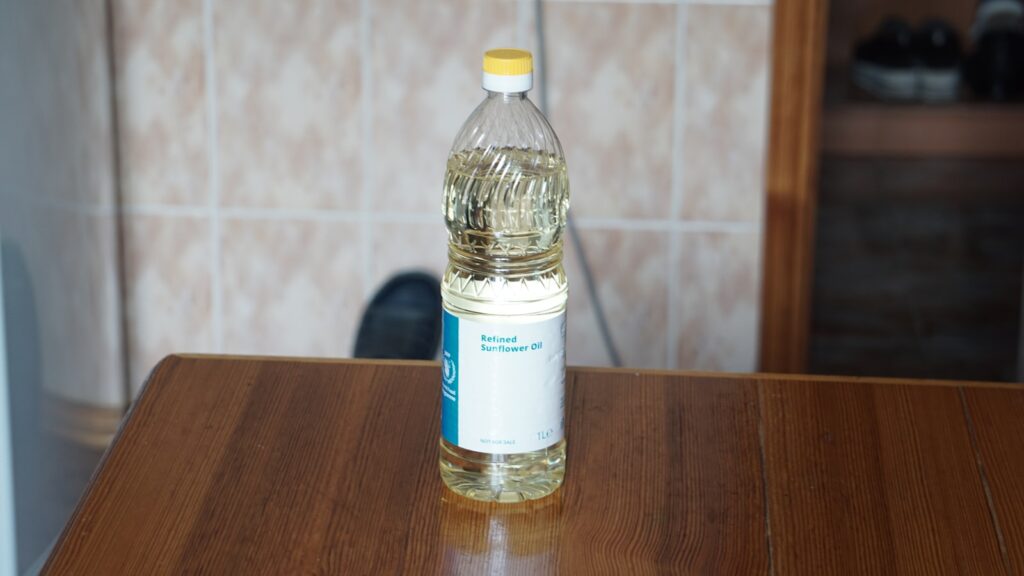
    3. Virgin Coconut Oil vs. Sunflower Oil

    Nutritional Highlights:

    • Sunflower Oil: High in polyunsaturated fats (especially omega-6).
    • VCO: MCT-rich saturated fats.

    Health Benefits:

    • Sunflower Oil: Contains vitamin E, but excessive omega-6 can promote inflammation if not balanced with omega-3s.
    • Coconut Oil: Provides antimicrobial benefits and may support digestive health.

    Cooking Use:

    • Sunflower Oil: High smoke point, neutral taste—great for deep frying.
    • VCO: Adds a light coconut flavor; ideal for stir-fries, baking, and tropical dishes.

    Verdict: Moderation is key—sunflower oil is versatile but can contribute to inflammation if overused; coconut oil is more beneficial in moderate amounts and less processed.


    4. Virgin Coconut Oil vs. Butter

    Nutritional Highlights:

    • Both are high in saturated fats.
    • Butter contains cholesterol and animal-based fats.
    • Coconut Oil is plant-based, with MCTs and no cholesterol.

    Health Benefits:

    • Butter: Contains fat-soluble vitamins (A, D, E, K), but contributes to cholesterol intake.
    • VCO: May support weight loss and metabolism, with anti-inflammatory effects.

    Cooking Use:

    • Both are excellent for baking and sautéing.

    Verdict: For those avoiding animal products or cholesterol, virgin coconut oil is a healthier alternative to butter.


    The Saturated Fat Controversy

    One of the biggest concerns surrounding coconut oil is its high saturated fat content. Traditionally, saturated fats have been associated with increased LDL (bad cholesterol) and a higher risk of heart disease. However, recent research has begun to differentiate between long-chain saturated fats (found in animal fats) and medium-chain triglycerides (MCTs) found in coconut oil.

    What Studies Show:

    • MCTs are metabolized differently, rapidly used as energy rather than stored as fat.
    • Coconut oil raises both LDL and HDL (good cholesterol), which may balance cardiovascular effects.
    • Long-term human studies are still limited; some experts urge caution until more conclusive evidence is available.

    When Is Virgin Coconut Oil the Healthiest Choice?

    While it may not be the best oil for heart health when compared to olive or canola oil, virgin coconut oil offers unique advantages in certain scenarios:

    Best For:

    • Quick energy boosts due to MCTs
    • Antimicrobial and skin health benefits
    • Baking and high-heat cooking
    • Paleo, keto, or vegan diets
    • Those seeking natural, minimally processed oils

    Use in Moderation If:

    • You have high cholesterol or heart disease risk
    • You’re consuming other sources of saturated fat
    • You rely heavily on oil-based cooking daily

    Conclusion: So, Which Oil Is the Healthiest?

    There’s no one-size-fits-all answer when it comes to the healthiest oil. Each has its pros and cons depending on your dietary needs, cooking methods, and health goals.

    • Extra virgin olive oil is widely regarded as the healthiest oil overall due to its heart-protective properties.
    • Canola and avocado oils are good choices for those needing heart-healthy fats and cooking flexibility.
    • Virgin coconut oil stands out for its natural composition, antimicrobial benefits, and suitability in certain diets and high-heat cooking.

    Final Verdict: Virgin coconut oil can be a healthy choice—especially in moderation and when used appropriately—but it’s best combined with other oils in a balanced diet for optimal health outcomes.

  • Virgin Coconut Oil for Weight Loss: Myth or Miracle?

    Virgin Coconut Oil for Weight Loss: Myth or Miracle?

    In the vast and often confusing world of health and wellness, virgin coconut oil (VCO) has carved out a prominent niche. Touted as a superfood, it’s been praised for everything from improving brain function to boosting heart health. But one of the most persistent — and controversial — claims is its supposed ability to promote weight loss. So, is virgin coconut oil truly a miracle fat burner, or is it just another overhyped health fad?

    Let’s dive into the science, claims, and reality behind this tropical oil.

    What Is Virgin Coconut Oil?

    Virgin coconut oil is extracted from the fresh meat of mature coconuts without the use of high heat or chemical processing. Unlike refined coconut oil, VCO retains most of its natural antioxidants, flavor, and aroma. It’s rich in saturated fats — particularly medium-chain triglycerides (MCTs) — which are at the center of the weight loss conversation.

    MCTs are shorter-chain fatty acids that are digested and metabolized differently from long-chain triglycerides found in most other fats. This difference in structure is what gives rise to the claim that VCO can help with weight management.

    The Case for Virgin Coconut Oil and Weight Loss

    1. Boosted Metabolism

    MCTs are absorbed rapidly and transported directly to the liver, where they are more likely to be burned for energy rather than stored as fat. Several studies suggest that MCTs may increase energy expenditure compared to longer-chain fats.

    For instance, a study published in the American Journal of Clinical Nutrition found that people who consumed MCTs burned about 120 more calories per day than those consuming longer-chain fats. Theoretically, this could translate into gradual weight loss over time — provided it’s part of a balanced, calorie-controlled diet.

    2. Increased Satiety

    Coconut oil may also help you feel fuller for longer. MCTs have been shown to increase the release of satiety hormones like peptide YY and leptin. This could potentially lead to reduced calorie intake throughout the day.

    A small study found that people who ate breakfasts rich in MCTs ate less at lunch than those who consumed long-chain fats. However, this effect may be subtle and temporary — and it doesn’t mean you can freely drizzle coconut oil over every meal and expect to lose weight.

    3. Reduction in Abdominal Fat

    Some research has specifically examined the impact of coconut oil on belly fat. In one study, women who consumed two tablespoons of coconut oil daily for 12 weeks experienced a significant reduction in waist circumference, even though their overall body weight didn’t change much.

    While promising, the study was small and short-term. Larger and longer studies are needed to confirm these effects.

    The Case Against: Why Virgin Coconut Oil Might Not Be a Miracle

    1. High in Calories

    Coconut oil is still a fat — and a very calorie-dense one at that. One tablespoon packs about 120 calories. If you’re not mindful, adding coconut oil to your diet could lead to a caloric surplus, not a deficit — the exact opposite of what you want for weight loss.

    Replacing less healthy fats with coconut oil may offer some health benefits, but adding it on top of your regular intake without adjusting portion sizes elsewhere could cause weight gain instead.

    2. Mixed Scientific Evidence

    While MCTs are linked to increased energy expenditure and fat oxidation, most commercial VCO is composed of lauric acid, which behaves somewhat like a long-chain fat in the body. Only a small percentage of VCO is made up of the faster-metabolized MCTs like caprylic and capric acid.

    Therefore, the weight loss benefits of MCTs don’t entirely translate to VCO unless it’s specifically formulated to be high in those shorter-chain MCTs. Most studies showing dramatic fat loss effects use concentrated MCT oil, not virgin coconut oil.

    3. Health Risks of Saturated Fat

    Coconut oil is about 90% saturated fat — higher than butter or lard. Although some studies suggest it may raise HDL (good) cholesterol, it can also raise LDL (bad) cholesterol. The American Heart Association recommends limiting saturated fat intake, and coconut oil remains controversial in this regard.

    For those focusing on heart health and cholesterol management, moderation is key.

    Realistic Use: How to Include VCO in a Healthy Diet

    If you’re intrigued by the potential benefits of VCO, the key is moderation and smart substitution:

    • Use it in place of less healthy fats, such as margarine or hydrogenated oils.
    • Avoid consuming it in excess — stick to 1–2 tablespoons per day.
    • Pair it with a balanced diet rich in whole foods, fiber, lean protein, and vegetables.
    • Don’t rely on it as a weight loss “magic bullet” — focus on total calories, activity levels, and sustainable habits.

    Great ways to incorporate VCO include:

    • Stirring a small amount into coffee or smoothies
    • Using it as a cooking oil for stir-fries or baked goods
    • Adding it to homemade energy balls or granola

    What the Experts Say

    Nutritionists and health experts are largely skeptical of the idea that any single food — coconut oil included — can produce significant weight loss on its own.

    According to Dr. Frank Sacks, professor of cardiovascular disease prevention at Harvard, “There’s no evidence that coconut oil has any unique benefits for weight loss compared to other oils.”

    Instead, he recommends a diet based on a variety of healthy fats — such as those from olive oil, nuts, seeds, and avocados — as part of an overall lifestyle that supports wellness.

    Conclusion: Myth or Miracle?

    So, is virgin coconut oil a myth or a miracle for weight loss?

    The truth lies somewhere in the middle.

    Virgin coconut oil is not a miracle cure. It won’t melt fat off your belly or transform your body overnight. However, it isn’t a total myth either. When used smartly and in moderation, it may offer modest benefits — particularly as a substitute for less healthy fats. But expecting dramatic results without addressing other factors like calorie intake, exercise, and overall diet is unrealistic.

    In summary: VCO can be a part of a healthy diet, but it’s not a magic solution. Think of it as a useful tool — not the toolbox.

  • Why Virgin Coconut Oil Is the Best Oil for Cooking at High Temperatures

    Why Virgin Coconut Oil Is the Best Oil for Cooking at High Temperatures

    Cooking oils are a staple in kitchens around the world, but not all oils are created equal—especially when it comes to high-temperature cooking. Whether you’re stir-frying, sautéing, roasting, or deep-frying, the oil you choose can greatly impact not just the flavor of your food, but also its nutritional value and safety.

    Among the many oils available, virgin coconut oil has earned a reputation for being one of the best options for high-heat cooking. But why is that the case? In this article, we explore the scientific, nutritional, and culinary reasons that make virgin coconut oil a top choice for high-temperature cooking.


    Understanding the Smoke Point: The Key to Cooking Oil Safety

    Before diving into the benefits of virgin coconut oil, it’s important to understand the concept of the smoke point. The smoke point is the temperature at which an oil starts to break down and produce smoke. At this stage, the oil begins to degrade, releasing harmful free radicals and toxic compounds like acrolein, which can negatively affect health and taste.

    Smoke Point of Virgin Coconut Oil:

    • Virgin coconut oil has a smoke point of approximately 350°F (177°C).
    • While this may seem lower than some refined oils, it is remarkably stable because of its unique fat composition (more on that below).

    What sets virgin coconut oil apart is not just its smoke point, but its oxidative stability—its resistance to breaking down under heat. Many oils with higher smoke points still oxidize faster than coconut oil due to their unsaturated fat content.


    The Unique Fatty Acid Profile of Virgin Coconut Oil

    Virgin coconut oil is over 90% saturated fat, a fact that has sparked both controversy and admiration. However, not all saturated fats are the same. The primary component of coconut oil is medium-chain triglycerides (MCTs), especially lauric acid, which gives it several advantages:

    1. High Saturated Fat = High Stability

    • Saturated fats are chemically more stable than unsaturated fats.
    • They have no double bonds, meaning they’re less prone to oxidation and rancidity.
    • This makes coconut oil particularly resilient under high heat, unlike oils rich in polyunsaturated fats (like soybean or sunflower oil).

    2. Rich in Lauric Acid

    • Lauric acid (about 50% of coconut oil) is a medium-chain fatty acid with antimicrobial properties.
    • It supports immune function and has been linked to improved cholesterol ratios in some studies.

    3. Fast Energy Source

    • MCTs are quickly absorbed and used by the liver for immediate energy, rather than being stored as fat.
    • This makes coconut oil a preferred cooking oil among athletes, keto dieters, and health-conscious individuals.

    Virgin vs. Refined Coconut Oil: What’s the Difference?

    When choosing coconut oil for cooking, the distinction between virgin and refined coconut oil matters.

    TypeVirgin Coconut OilRefined Coconut Oil
    SourceCold-pressed from fresh coconut meatProcessed from dried coconut (copra)
    FlavorRich, coconutty aromaNeutral
    Smoke Point~350°F (177°C)~400–450°F (204–232°C)
    ProcessingMinimal, unrefinedBleached and deodorized
    Nutritional QualityHigher in antioxidants and phytonutrientsLower nutritional value

    While refined coconut oil has a slightly higher smoke point, virgin coconut oil is more nutrient-dense and retains more natural antioxidants. Its high oxidative stability allows it to perform just as well—if not better—than refined oils at most household cooking temperatures.


    Benefits of Cooking with Virgin Coconut Oil at High Temperatures

    1. Doesn’t Break Down Easily

    The saturated fat content in virgin coconut oil makes it far more resistant to heat-induced degradation than oils high in polyunsaturated fats (like canola, corn, or grapeseed oils).

    2. Maintains Nutritional Integrity

    Even when heated, virgin coconut oil retains its antioxidant compounds better than many other oils. These compounds help fight free radicals and may support heart and brain health.

    3. Adds Flavor and Aroma

    Virgin coconut oil has a subtle coconut flavor that enhances many dishes—especially curries, stir-fries, and baked goods. Unlike neutral oils, it contributes to the culinary experience.

    4. Longer Shelf Life

    Because of its saturated fat profile, coconut oil resists rancidity and oxidation—even when stored at room temperature. This makes it a great pantry staple for long-term use.

    5. Supports Dietary Goals

    Virgin coconut oil is:

    • Keto and paleo-friendly
    • Naturally gluten-free
    • Compatible with vegan and plant-based diets

    Its MCT content makes it a popular choice in bulletproof coffee and other functional foods.


    Cooking Applications: How to Use Virgin Coconut Oil

    Virgin coconut oil is versatile and can be used in a variety of high-heat cooking methods:

    Sautéing and Stir-Frying

    Perfect for vegetables, chicken, tofu, or shrimp. It adds a light tropical note and doesn’t break down easily under heat.

    Baking

    Substitute coconut oil for butter or vegetable oil in recipes for cookies, muffins, and cakes. It gives a moist texture and subtle sweetness.

    Roasting

    Toss root vegetables like sweet potatoes or carrots in melted coconut oil before roasting for a caramelized finish.

    Pan-Frying

    Use for eggs, pancakes, or shallow-frying meats. It creates a crisp outer layer without burning.

    Popcorn

    Try popping corn kernels in coconut oil for a healthy, flavorful snack.


    Common Myths About Coconut Oil and Saturated Fat

    Myth 1: Saturated Fat is Always Unhealthy

    Modern research shows that not all saturated fats are harmful. Lauric acid, the main fat in coconut oil, may increase HDL (good cholesterol) and improve total cholesterol ratio.

    Myth 2: Coconut Oil Clogs Arteries

    There is no conclusive evidence linking moderate coconut oil consumption to increased cardiovascular risk, especially when part of a balanced diet. In fact, many traditional cultures with high coconut consumption have low rates of heart disease.

    Myth 3: You Can’t Cook with Virgin Coconut Oil

    This myth likely stems from confusion around smoke points. While virgin coconut oil’s smoke point is lower than refined versions, its high stability makes it excellent for most everyday cooking needs.


    Conclusion

    Virgin coconut oil stands out as one of the best oils for high-temperature cooking. Its saturated fat profile, rich antioxidant content, and unique flavor make it ideal for everything from sautéing and roasting to baking and frying. While it should be consumed in moderation—like any fat—it offers numerous health benefits and culinary advantages.

    If you’re looking for an oil that can withstand the heat without compromising nutrition or taste, virgin coconut oil is a smart, natural choice. Keep a jar in your pantry and enjoy the healthful, flavorful versatility it brings to your kitchen.

Secret Link