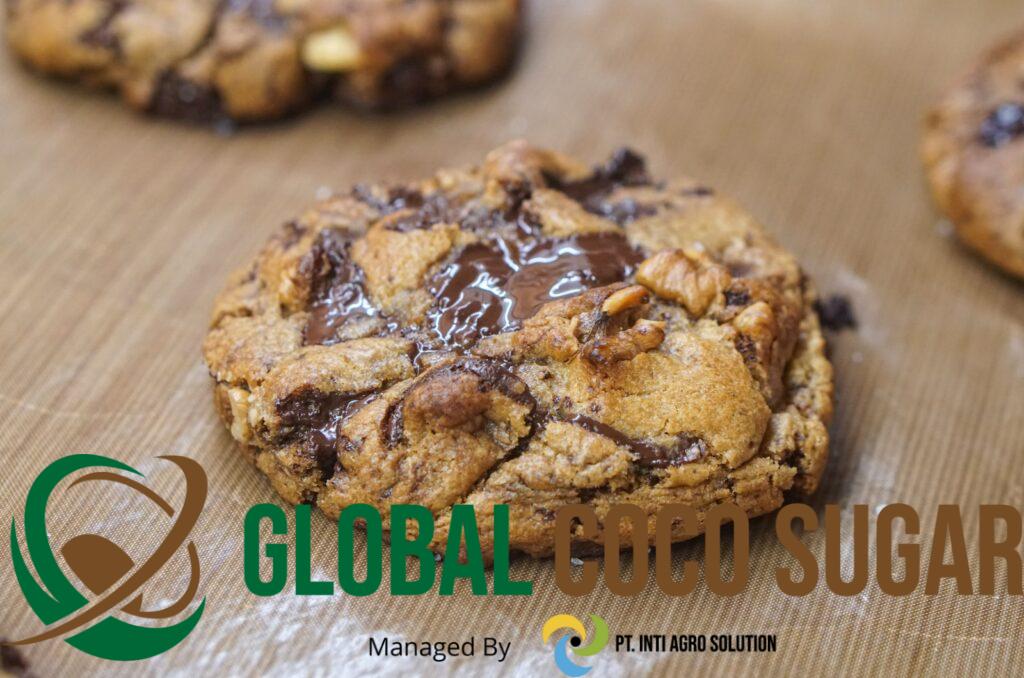
If you are looking for the perfect coconut sugar cookie recipe, you have found it. Swapping refined white sugar for coconut sugar creates something genuinely better.
Coconut sugar cookies have crispy, golden edges, wonderfully chewy centers, and a deep caramel-like flavor that white sugar simply cannot replicate — all with no refined sugar whatsoever.
This recipe has been tested to deliver the best texture result from coconut sugar's unique properties — and we have included everything you need to know to make it work perfectly every time, including why coconut sugar behaves differently from white sugar, common mistakes to avoid, and how to customize it for your dietary needs.
| Recipe at a Glance Prep Time: 15 minutes | Chill Time: 30 minutes (recommended) | Bake Time: 10-12 minutes Yield: 18-20 cookies | Difficulty: Easy | Dietary: Refined sugar-free, can be made gluten-free or vegan |
What Is Coconut Sugar — and Why Use It in Cookies?
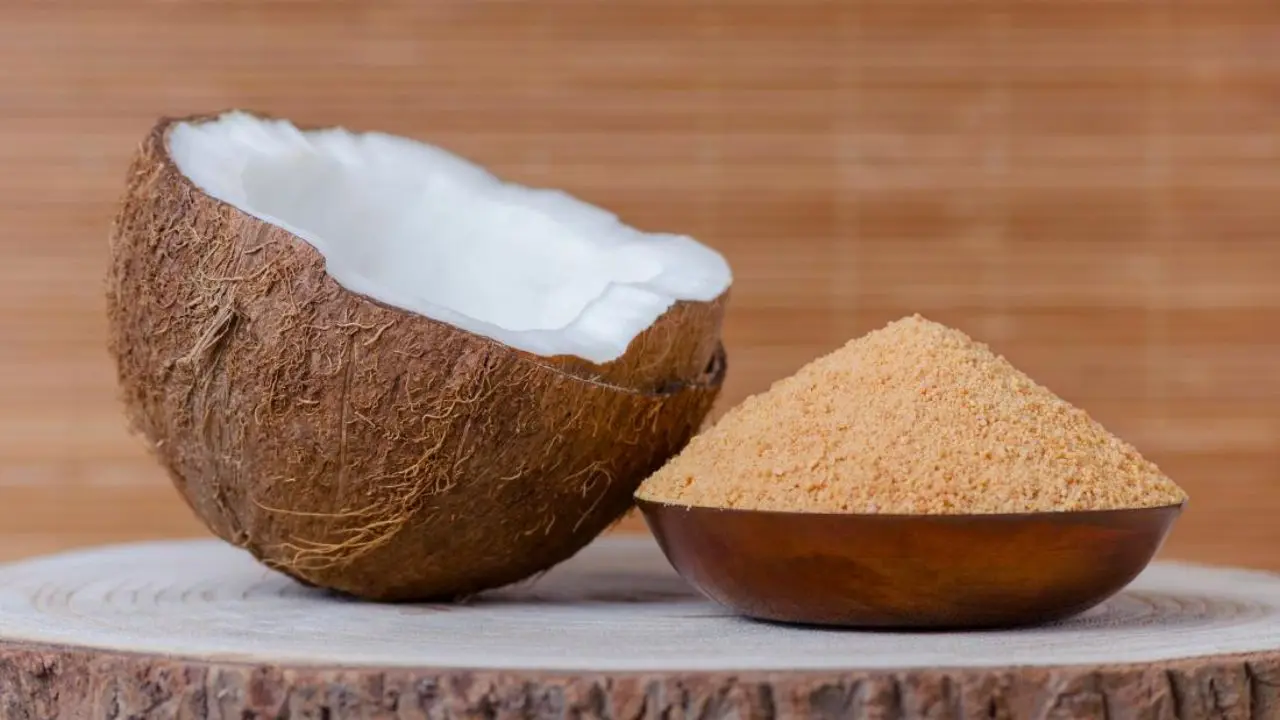
Coconut sugar — also called coconut palm sugar or coconut blossom sugar — is a natural, minimally processed sweetener made from the sap of coconut palm flower buds.
Unlike refined white sugar or brown sugar, coconut sugar undergoes very little processing: the sap is collected, gently heated to evaporate moisture, and granulated into the small, golden-brown crystals you see in the bag.
Understanding how coconut sugar is produced in Indonesia helps explain why it retains trace minerals and a more complex flavor profile than refined sugar.
For buyers who want to understand why buyers choose organic coconut sugar over conventional versions, the difference in farming and processing practices is significant.
From a baking perspective, the most important thing to know is that coconut sugar is not a simple 1:1 flavor substitute for white sugar — it is an upgrade.
Its glycemic index of approximately 35 (compared to white sugar's GI of 60-65) reflects the presence of inulin fiber in the raw material, which also contributes to its distinctive caramel-butterscotch flavor that develops beautifully during baking.
How Coconut Sugar Affects Cookie Texture: The Science Behind the Chew

This is the section most coconut sugar cookie recipes skip — and it is the reason many people end up with flat, crispy, or otherwise disappointing results when substituting coconut sugar for the first time.
Coconut sugar behaves differently from white sugar in baking due to three key properties.
For a deep technical comparison relevant to food manufacturing, our article on coconut sugar vs cane sugar for food manufacturing covers all the details. For home bakers, here is what matters most:
| Property | White Sugar | Coconut Sugar | Effect on Cookies |
| Moisture content | Very low — dry, fine crystals | Slightly higher — contains trace moisture | Coconut sugar cookies spread slightly less and stay chewier |
| Crystal size | Fine, uniform crystals | Coarser, irregular crystals | Slightly denser texture — more body per bite |
| Caramelization temp | ~160°C | Slightly lower due to fructose content | Edges brown faster — watch your oven at the end |
| Maillard reaction | Moderate | More pronounced — complex compounds in raw sap | Deeper flavor development — caramel, butterscotch notes |
| Hygroscopicity | Low — doesn't attract moisture | Higher — attracts ambient moisture | Cookies stay chewier on day 2-3 vs white sugar cookies |
| The most important practical implication: don't overbake Because coconut sugar caramelizes at a slightly lower temperature than white sugar, the edges of your cookies will darken faster. The center may still look underdone when the edges are already golden — this is normal and correct. Pull the cookies from the oven when the edges are set and lightly golden, even if the center looks slightly soft. They will firm up to perfect chewiness as they cool on the baking sheet. |
Ingredients
These ingredients are specifically chosen to work with coconut sugar's properties — not just a generic cookie recipe with coconut sugar swapped in:
| Ingredient | Amount | Notes |
| Coconut sugar | 1 cup (200g) | Use granulated coconut sugar — not liquid coconut nectar. Fine grind preferred for smoother texture. |
| Unsalted butter | ½ cup (115g) | Room temperature — softened, not melted. Melted butter = flat cookies. |
| All-purpose flour | 1¾ cups (220g) | Spoon and level — do not scoop directly from bag. Overpacking flour causes dry, crumbly cookies. |
| Egg | 1 large | Room temperature. Cold eggs don't cream as well with butter and sugar. |
| Egg yolk | 1 extra yolk | The secret weapon for extra chewiness — adds fat without extra liquid. |
| Vanilla extract | 2 tsp | Pure vanilla, not imitation. Coconut sugar's caramel notes pair beautifully with vanilla. |
| Baking soda | 1 tsp | Baking soda (not powder) promotes spread and helps develop the golden color. |
| Cornstarch | 1 tsp | Creates tenderness and helps achieve the chewy center. Can substitute with arrowroot. |
| Salt | ½ tsp | Do not skip — salt balances coconut sugar's caramel sweetness and enhances all other flavors. |
Pro Tips Before You Start: 6 Secrets for Perfect Coconut Sugar Cookies

These are the tips that separate a great coconut sugar cookie from a mediocre one — all tested specifically for coconut sugar's unique properties:
1. Cream the butter and coconut sugar thoroughly
Because coconut sugar crystals are coarser than white sugar, they need more time to dissolve into the butter.
Beat on medium-high speed for a full 3-4 minutes — until the mixture is noticeably lighter in color and fluffy. Under-creaming is the most common cause of dense, overly flat cookies.
2. Refrigerate the dough — it makes a difference
Chilling the dough for at least 30 minutes (ideally 60 minutes) before baking is strongly recommended with coconut sugar cookie dough.
Cold dough spreads more slowly in the oven, giving the outside time to set while the center stays soft and chewy.
You can refrigerate the dough for up to 72 hours — the flavor actually deepens as the dough rests.
3. Use the 'bang' technique for crispy edges
Immediately after removing cookies from the oven — while they are still on the hot baking sheet — lift the tray about 6 inches and let it drop onto the counter. Do this twice. This technique deflates the center slightly, creating the signature crispy edge / chewy center contrast. If you prefer uniformly soft cookies, skip this step.
4. Don't overbake — use the 'underdone look' as your cue
Because coconut sugar browns faster than white sugar, cookies can look done before they actually are — or look perfect when they are actually a minute away from overbaking.
The correct cue: pull from the oven when the edges are set and very lightly golden, and the center still looks slightly glossy or underdone.
They will continue cooking on the hot pan for 2-3 minutes and will firm up as they cool.
5. Room temperature ingredients are non-negotiable
Both the butter and the egg should be at room temperature before you start. Cold butter will not cream properly with coconut sugar, leading to a greasy, dense dough.
Cold eggs can cause the butter mixture to curdle. If you forgot to take them out: soften butter quickly by cutting into small cubes and resting for 15 minutes; warm eggs by placing in warm (not hot) water for 5 minutes.
6. Weigh your flour
Coconut sugar cookies are particularly sensitive to flour quantity because coconut sugar contributes less moisture than white sugar.
Too much flour (which happens easily when measuring by volume) results in dry, crumbly cookies.
Use a kitchen scale and weigh to 220g exactly. If you must use volume measurement, spoon the flour into the measuring cup and level off — never scoop directly from the bag.
Step-by-Step Instructions
Step 1: Prepare your equipment and ingredients
- Preheat your oven to 175°C (350°F). Line two baking sheets with parchment paper.
- Ensure butter and egg are at room temperature.
- Whisk together flour, baking soda, cornstarch, and salt in a medium bowl. Set aside.
Step 2: Cream butter and coconut sugar
- In a large bowl (or stand mixer with paddle attachment), beat softened butter and coconut sugar on medium-high speed for 3-4 minutes — until light, fluffy, and noticeably increased in volume.
- The mixture should look slightly paler than the starting color of the coconut sugar. If it still looks dark and dense, keep beating.
Step 3: Add wet ingredients
- Add the whole egg, extra egg yolk, and vanilla extract. Beat on medium speed until fully combined, about 1 minute.
- Scrape down the sides of the bowl to ensure even mixing.
Step 4: Add dry ingredients
- Add the flour mixture to the wet ingredients. Mix on low speed until just combined — do not overmix.
- The dough will be thick and slightly sticky. This is correct.
Step 5: Chill the dough (strongly recommended)
- Cover the bowl with plastic wrap and refrigerate for at least 30 minutes. 60 minutes or overnight is better.
- If you cannot wait, the cookies will still work — they will just spread more and have less pronounced chewy centers.
Step 6: Portion and bake
- Scoop dough into balls approximately 1.5 tablespoons each (about 35g). Roll between your palms until smooth.
- Place on prepared baking sheets with 5cm (2 inches) between each cookie.
- Bake for 10-12 minutes. The edges should be set and lightly golden; the centers should still look slightly soft.
- Optional: immediately after removing from the oven, use a large round cookie cutter to 'scoot' each cookie into a perfect circle while still hot.
Step 7: Cool and set
- Apply the 'bang' technique if desired (see Pro Tips above).
- Allow cookies to cool on the baking sheet for 5 minutes before transferring to a wire rack.
- Do not rush cooling — coconut sugar cookies firm up significantly as they cool. A cookie that seems too soft at 2 minutes will be perfectly chewy at 10 minutes.
Substitution Guide: Adapting This Recipe for Different Needs
Coconut sugar is the hero of this recipe, but there are situations where you might need to substitute.
Our article on coconut nectar syrup vs other natural sweeteners provides helpful context on how different sweeteners compare in terms of flavor and baking properties.
| Substitution Need | Recommended Substitute | Ratio | Expected Result Change |
| No coconut sugar | Light brown sugar | 1:1 | Similar caramel notes but slightly sweeter, less complex flavor |
| Gluten-free | 1:1 GF baking flour blend | 1:1 by weight | Texture slightly different — add 1 tsp xanthan gum if not already in flour |
| Vegan / no eggs | Flax egg (1 tbsp ground flax + 3 tbsp water) | 1 flax egg per egg | Slightly denser texture, less lift — still delicious |
| No butter | Coconut oil (solid, not melted) | Same weight | Slightly crispier, more pronounced coconut flavor |
| No cornstarch | Arrowroot powder | 1:1 | Nearly identical result |
| Reduce sweetness | Use ¾ cup coconut sugar instead of 1 cup | 75% | Less sweet, more pronounced 'cookie' flavor over caramel |
| Extra caramel flavor | Add 1 tbsp coconut nectar syrup to dough | — | Deeper caramel notes, slightly chewier final cookie |
3 Variations to Try After You Master the Base Recipe
Variation 1: Coconut Sugar Chocolate Chip Cookies
The most popular variation — and for good reason. The caramel notes of coconut sugar pair exceptionally well with dark chocolate.
Add 1 cup (175g) of dark chocolate chips (70% cacao or higher works best) to the dough after the dry ingredients are incorporated.
The slight bitterness of dark chocolate balances coconut sugar's sweetness perfectly. Bake as instructed.
Variation 2: Gluten-Free Coconut Sugar Cookies
Substitute the all-purpose flour with an equal weight (220g) of a 1:1 gluten-free baking flour blend that already contains xanthan gum. Everything else stays the same.
The texture will be slightly more delicate — handle cookies with care when hot. Allow to cool completely on the baking sheet before moving.
Variation 3: Coconut Sugar Oatmeal Cookies
Replace ½ cup (65g) of the all-purpose flour with old-fashioned rolled oats (not instant). Add ½ teaspoon of cinnamon to the dry ingredients.
The oats add a pleasant chew and nuttiness that complements coconut sugar's caramel character beautifully. These cookies will be slightly thicker and stay chewy for longer.
Storage, Make-Ahead Tips & Freezing
One of the best things about coconut sugar cookies: they actually get better on day 2. The caramel flavor deepens overnight as the moisture redistributes through the cookie.
| Storage Method | Duration | Notes |
| Room temperature (airtight container) | 4-5 days | Place a slice of bread in the container to maintain moisture and keep cookies chewy |
| Refrigerator | Up to 1 week | Bring to room temperature before eating, or warm briefly in oven at 150°C for 3-4 min |
| Freezer (baked cookies) | Up to 3 months | Freeze in single layer first, then transfer to freezer bag. Thaw at room temperature. |
| Freezer (unbaked dough balls) | Up to 3 months | Freeze portioned dough balls on a tray, then bag. Bake from frozen — add 2-3 minutes. |
| Refrigerated dough (unbaked) | Up to 3 days | Dough actually improves with 24-48 hours of refrigeration — flavor deepens significantly |
| For food manufacturers: source coconut sugar directly from Indonesia If you are a food manufacturer, bakery brand, or health food company looking to incorporate coconut sugar into your product line at commercial scale, Global Coco Sugar supplies BRCGS Grade A certified organic and conventional coconut sugar from Indonesia. Available in granulated and fine powder formats. Samples available for R&D evaluation. Contact Our Export Team >>> View Our Coconut Sugar Product Range >>> |