

Coconut nectar syrup is often compared with honey, maple syrup, agave nectar, molasses, brown rice syrup, and coconut sugar because buyers want to understand differences in taste, sweetness, glycemic index, texture, formulation use, and sourcing requirements.
For food manufacturers, beverage brands, bakery producers, sauce makers, snack companies, and private label buyers, the best sweetener is not always the one with the strongest health claim.
The better choice depends on product application, flavor profile, sugar content, labeling requirements, packaging, MOQ, and supplier documentation.
This guide compares coconut nectar syrup vs other sweeteners so buyers can choose the right option for recipes, commercial formulations, and bulk sourcing.
Quick Answer: How Does Coconut Nectar Syrup Compare to Other Sweeteners?
Coconut nectar syrup is a coconut-based liquid sweetener with a caramel-like flavor and a pourable texture.
Compared with honey, maple syrup, agave, molasses, brown rice syrup, and coconut sugar, it can offer a distinctive flavor profile and useful formulation flexibility for sauces, beverages, bakery, snacks, toppings, and private label products.
However, coconut nectar syrup is still a sweetener.
Buyers should avoid relying only on general health claims and should review nutrition facts, sugar content, glycemic index data, product specifications, and target-market labeling rules before using it in commercial products.
What Is Coconut Nectar Syrup?
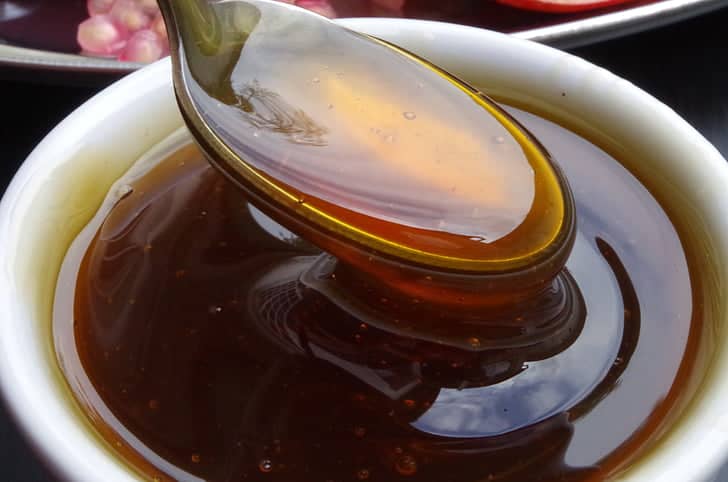
Coconut nectar syrup is a liquid sweetener made from coconut blossom sap.
The sap is collected from coconut flowers and processed into a syrup with a naturally caramel-like flavor, brown color, and pourable consistency.
In commercial food applications, coconut nectar syrup may be used in beverages, sauces, dressings, bakery fillings, granola, snack bars, toppings, marinades, and private label products.
It is different from coconut sugar because coconut nectar syrup is liquid, while coconut sugar is granulated.
For buyers looking for a commercial coconut-based liquid sweetener, Global Coco Sugar supplies organic coconut nectar syrup for selected food, beverage, bakery, and private label applications.
Coconut Nectar Syrup vs Other Sweeteners: Quick Comparison Table
The table below gives a practical comparison of coconut nectar syrup and six common sweeteners.
Exact nutrition values, sugar content, and glycemic data can vary by product, source, processing method, and supplier specification.
| Sweetener | Flavor Profile | Texture | Common Uses | Buyer Notes |
| Coconut nectar syrup | Caramel-like, mild coconut note | Liquid syrup | Beverages, sauces, bakery, snacks, toppings | Check Brix, color, viscosity, flavor, packaging, COA |
| Honey | Floral, sweet | Thick liquid | Tea, bakery, sauces, dressings | Not vegan; flavor varies by floral source |
| Maple syrup | Woody, caramel, maple flavor | Liquid syrup | Breakfast, bakery, sauces | Premium flavor, but cost and supply may vary |
| Agave nectar | Neutral to mild | Thin syrup | Beverages, vegan products, sauces | Check fructose level and formulation needs |
| Brown rice syrup | Mild, malty | Thick syrup | Bars, cereals, snacks | Useful for binding; check sweetness and viscosity |
| Molasses | Strong, bitter-sweet | Thick syrup | Bakery, sauces, marinades | Strong color and flavor impact |
| Coconut sugar | Caramel-like | Granulated | Bakery, dry mixes, seasoning | Not a syrup; useful for dry applications |
6 Key Comparisons Between Coconut Nectar Syrup and Other Sweeteners
1. Coconut Nectar Syrup vs Honey
Honey is a thick liquid sweetener with flavor that can vary depending on floral source. Coconut nectar syrup has a more caramel-like flavor and comes from coconut blossom sap.
Both can be used in sauces, beverages, toppings, marinades, and bakery applications, but they do not taste the same.
For brands developing plant-based or vegan-positioned products, honey may not fit the ingredient claim because it comes from bees.
Coconut nectar syrup can be considered as a plant-derived liquid sweetener, but buyers should still verify ingredient declaration, labeling rules, and target-market requirements. For a deeper comparison, read our guide to coconut nectar vs honey.
2. Coconut Nectar Syrup vs Maple Syrup
Maple syrup has a distinctive maple flavor that works well in breakfast products, bakery, glazes, sauces, and premium food concepts.
Coconut nectar syrup offers a different caramel-like profile and can be used when brands want a coconut-based sweetener story or a less common syrup option.
For commercial buyers, the decision should not be based on flavor alone.
Important checks include cost per serving, supply consistency, packaging format, product specification, color, viscosity, and how the syrup performs in the final formulation.
3. Coconut Nectar Syrup vs Agave Nectar
Agave nectar is often used as a mild-tasting liquid sweetener in beverages, sauces, and vegan food products.
Coconut nectar syrup usually has a darker color and a more caramel-like flavor, which can affect the sensory profile of the finished product.
Coconut nectar syrup may work as an alternative to agave in some applications, but formulation testing is important.
Sweetness intensity, viscosity, color, ingredient declaration, and flavor impact may change.
Buyers comparing replacement options can also read our guide to using coconut nectar substitute for agave or honey.
4. Coconut Nectar Syrup vs Brown Rice Syrup
Brown rice syrup is usually thicker and milder, with a malty flavor. It is often used in cereal bars, granola products, snack bars, and other applications where binding and texture matter.
Coconut nectar syrup can also be used in snacks and bars, but it may bring a stronger color and caramel-like flavor.
For manufacturers, the key comparison is not only sweetness.
Brix, viscosity, water activity, texture, binding performance, shelf life, and cost need to be tested before replacing brown rice syrup with coconut nectar syrup.
5. Coconut Nectar Syrup vs Molasses
Molasses has a dark color, strong flavor, and bitter-sweet profile. It is common in gingerbread, sauces, marinades, baked goods, and products that need a deep color and strong taste.
Coconut nectar syrup is usually milder than molasses and may be easier to use in products where buyers want sweetness without an overly heavy flavor.
If a formulation currently uses molasses, replacing it with coconut nectar syrup may reduce bitterness and change the color of the finished product. Small-batch testing is recommended before any commercial switch.
6. Coconut Nectar Syrup vs Coconut Sugar
Coconut nectar syrup and organic coconut sugar can both come from coconut blossom sap, but they are used differently. Coconut nectar syrup is liquid, while coconut sugar is granulated.
Coconut nectar syrup is better for liquid applications such as beverages, sauces, syrups, toppings, glazes, and marinades.
Coconut sugar is usually better for dry mixes, bakery, seasoning, confectionery, and bulk ingredient use where a granulated sweetener is needed.
For B2B buyers, the choice depends on product format, process flow, equipment, packaging, moisture control, and final texture. Some brands may use both coconut nectar syrup and coconut sugar in different product lines.
Is Coconut Nectar Syrup a Good Substitute for Other Sweeteners?

Coconut nectar syrup can be used as a substitute for some liquid sweeteners, but the result depends on the recipe.
It may replace honey, maple syrup, or agave in sauces, beverages, toppings, marinades, and some bakery applications, but sweetness level, viscosity, color, and flavor may change.
For home recipes, the substitution may be simple. For commercial formulations, food manufacturers should test coconut nectar syrup in small batches before replacing an existing sweetener.
Important checks include sweetness intensity, Brix, viscosity, water activity, color, flavor impact, ingredient declaration, cost per serving, and shelf-life performance.
If the original recipe depends on a specific sweetener for binding, browning, moisture, or flavor, the replacement should be validated through product testing rather than assumed from sweetness alone.
Glycemic Index and Sugar Content: What Buyers Should Know
Glycemic index can be useful when comparing carbohydrate-containing foods, but it should not be used as the only factor in product positioning.
The Glycemic Index Foundation explains GI as a ranking based on how carbohydrate foods affect blood glucose compared with a reference food.
Coconut nectar syrup is often marketed as a lower-glycemic sweetener, but buyers should verify the exact data from supplier specifications, lab analysis, and regulatory guidance.
Values may vary by product source, production method, formulation, serving size, and testing conditions.
For packaged food products, buyers should also consider total sugars, added sugars, serving size, ingredient declaration, and target-market labeling rules.
The FDA explains that sugars from syrups and honey are considered added sugars on the Nutrition Facts label when added to foods.
Because coconut nectar syrup is still a sweetener, brands should avoid unsupported medical claims such as “diabetic-friendly” or “suitable for diabetics” unless those claims have been reviewed against reliable evidence and local regulations.
Best Uses for Coconut Nectar Syrup in Food and Beverage Products
Coconut nectar syrup can be useful for brands that need a liquid sweetener with a caramel-like flavor and coconut-based ingredient story.
It can work in several food and beverage applications, depending on formulation needs.
- Beverages, including ready-to-drink products, coffee drinks, tea drinks, smoothies, and functional beverages
- Sauces and dressings where pourability, sweetness, and mild caramel notes are useful
- Bakery fillings, glazes, toppings, and dessert sauces
- Snack bars, granola, clusters, and cereal products where syrup texture supports binding
- Private label sweetener products that need alternative sweetener positioning
- Marinades, savory sauces, and seasoning blends where sweetness and color matter
For each use case, buyers should test flavor impact, color, viscosity, sweetness, process compatibility, and shelf-life performance before scaling production.
What B2B Buyers Should Check Before Sourcing Coconut Nectar Syrup
For food manufacturers, beverage brands, bakery producers, sauce makers, snack companies, and private label buyers, coconut nectar syrup should be evaluated as both a sweetener and a functional ingredient.
Before sourcing in bulk, buyers should check Brix level, viscosity, color, flavor profile, ingredient declaration, sugar content, packaging type, shelf life, storage requirements, MOQ, certification scope, COA availability, sample approval, and export documentation.
If your team is evaluating organic coconut nectar syrup for commercial production, request product specifications and samples before confirming the right formulation.
Buyers who also need granulated coconut-based sweeteners can review our organic coconut sugar for dry applications.
Need coconut nectar syrup or coconut-based sweeteners for beverage, bakery, sauce, snack, or private label applications?
Contact our export team to request specifications, samples, packaging details, MOQ, and quotation.
Final Thoughts
Coconut nectar syrup can be a useful alternative to honey, maple syrup, agave, molasses, brown rice syrup, and coconut sugar depending on the final product.
Its caramel-like flavor, liquid format, and coconut-based origin make it suitable for selected beverage, bakery, sauce, snack, and private label applications.
For B2B buyers, the best decision should be based on application, taste, sweetness, viscosity, sugar content, packaging, documentation, and sample testing.
Instead of relying on broad health claims, food brands should verify product specifications and confirm that coconut nectar syrup fits their formulation, label, and target market.
FAQ About Coconut Nectar Syrup vs Other Sweeteners
What is coconut nectar syrup?
Coconut nectar syrup is a liquid sweetener made from coconut blossom sap. It is commonly used in beverages, sauces, bakery products, toppings, snacks, and private label food formulations.
Is coconut nectar syrup the same as coconut sugar?
No. Coconut nectar syrup is liquid, while coconut sugar is granulated. Both can come from coconut blossom sap, but they are used differently in recipes and commercial formulations.
What can I use as a substitute for coconut nectar syrup?
Honey, maple syrup, agave nectar, brown rice syrup, and molasses may work as substitutes depending on the recipe. However, sweetness, texture, color, and flavor may change, so commercial users should test before scaling production.
Is coconut nectar syrup low glycemic?
Coconut nectar syrup is often marketed as a lower-glycemic sweetener, but buyers should verify the data from product specifications, lab analysis, and regulatory guidance. It is still a sweetener and should not be positioned as a medical or diabetic solution without proper review.
Is coconut nectar syrup healthier than honey or maple syrup?
It depends on the product, serving size, formulation, and nutrition data. For commercial products, it is safer to compare taste, sugar content, ingredient declaration, application, and sourcing requirements rather than making broad health claims.
Is coconut nectar syrup good for food manufacturing?
Yes, coconut nectar syrup can be useful for beverages, sauces, bakery, snacks, toppings, and private label products. Buyers should confirm Brix, viscosity, flavor, packaging, shelf life, and documentation before bulk sourcing.


