| Key Data: European Coconut Sugar Market at a Glance Market size (2025): USD 113.59 million Projected size (2034): USD 191.86 million CAGR (2026-2034): 5.99% Largest markets: Germany, Netherlands, France, United Kingdom, Scandinavia Fastest growing segment: Organic certified — growing at 8-12% vs 5-6% for conventional Primary growth drivers: Clean label food movement, organic retail expansion, EU Organic regulation compliance, low-GI sweetener demand |
Europe is the largest and most sophisticated market for certified organic coconut sugar globally — and in 2026, it is also the fastest-evolving.
Driven by accelerating clean label mandates from major retailers, the EU's expanding organic food regulation framework, growing consumer demand for low-glycemic natural sweeteners, and the sustainability reporting requirements pushing food brands to verify their ingredient supply chains, the European coconut sugar market is entering a structural growth phase that extends well beyond a consumer wellness trend.
This market analysis is written from the perspective of a certified Indonesian coconut sugar exporter — giving us direct visibility into what European buyers are requesting, how procurement requirements are changing, and where the most significant market opportunities lie for 2026.
Browse our certified coconut sugar for European buyers for current specifications and availability.
For context on Indonesia's supply capacity and structural advantages, see our article on why Indonesia is the world's largest coconut sugar producer.
European Coconut Sugar Market Size and Growth Trajectory
| Year | Market Size (USD Million) | Year-on-Year Growth | Key Market Event |
| 2022 | ~95-100M (estimated) | — | Post-COVID recovery — organic food retail expands in EU |
| 2023 | ~102-107M (estimated) | +6-7% | EU Organic Regulation EC 2018/848 fully implemented — raises certification bar |
| 2024 | ~108-113M (estimated) | +5-6% | BRCGS becomes de facto standard for EU major retail — supply consolidation to certified suppliers |
| 2025 | USD 113.59M | ~5.6% | EUDR enters enforcement discussion — supply chain traceability becomes priority |
| 2026 | ~USD 120M (projected) | ~5.7% | Clean label acceleration — Lidl, Rewe, Albert Heijn tighten own-label standards |
| 2028 | ~USD 134M (projected) | ~5.8% | Organic retail continues double-digit growth in Germany and Scandinavia |
| 2030 | ~USD 150M (projected) | ~5.9% | CSRD reporting drives further ingredient transparency requirements |
| 2034 | USD 191.86M (projected) | ~5.99% CAGR | Mainstream ingredient in EU premium food manufacturing |
| Why 5.99% CAGR is significant for an ingredient market A 5.99% compound annual growth rate for a food ingredient market in Europe is well above the general food market growth rate (typically 2-3%). It reflects structural demand expansion — not just price inflation. For suppliers and importers, this means the European coconut sugar market is growing in volume terms, not just value terms. The doubling of market value from ~USD 100M to ~USD 191M over 10 years implies consistent new buyer entry, category expansion, and deeper penetration into mainstream food manufacturing beyond the specialty health food segment where coconut sugar began. |
5 Key Growth Drivers Shaping the European Coconut Sugar Market in 2026

Driver 1: Clean Label Mandate from European Retailers
The single most powerful driver of European coconut sugar demand growth is the clean label mandate from major EU retail chains.
Retailers including Tesco, Aldi, Lidl, Rewe, Carrefour, and Albert Heijn have progressively tightened their own-label ingredient standards — requiring recognizable, minimally processed ingredients and eliminating artificial sweeteners, colors, and preservatives from tier-1 supplier specifications.
Coconut sugar's positioning as a single-ingredient, unrefined, natural sweetener with a recognizable name meets these clean label requirements in a way that processed sweeteners (high-fructose corn syrup, glucose-fructose syrup, dextrose) do not.
As EU retailers continue to reformulate their own-label products toward clean label standards, coconut sugar is replacing conventional sweeteners in bakery, confectionery, beverages, and breakfast category products.
Driver 2: Organic Food Retail Expansion — Especially in Germany and Scandinavia
Germany is Europe's largest organic food market — and growing. The German organic food market reached approximately EUR 16 billion in 2025, with the organic ingredient procurement chain expanding accordingly.
German organic food brands (Alnatura, dm Bio, Rewe Bio, Lidl Bioland) have all expanded their coconut-sweetened product ranges in recent years, driven by consumer demand and retailer own-label organic commitments.
Scandinavia (Sweden, Norway, Denmark, Finland) shows the highest per-capita organic food spending in the EU, with Swedish and Norwegian consumers spending 3-4x the EU average on organic products.
These markets represent premium-priced, high-growth demand for certified organic Indonesian coconut sugar that commands the highest FOB prices of any European market.
Driver 3: Low-GI and Diabetic-Conscious Consumer Segment
The growing European consumer awareness of glycemic index — driven by diabetes prevalence (approximately 59 million Europeans have diabetes, IDF 2023) and metabolic health consciousness — is creating sustained demand for low-GI sweetener alternatives.
Coconut sugar's GI of approximately 35 (vs white sugar's GI of 65) positions it as the most accessible, natural low-GI granulated sweetener for food manufacturers.
EU food manufacturers targeting the diabetic-conscious and metabolic health segments are incorporating coconut sugar into products that support 'lower GI ingredient' positioning.
This segment is growing alongside the broader health food movement and is expected to be a sustained demand driver through 2030.
Driver 4: EU Sustainability Regulations Increasing Supply Chain Transparency Pressure
The EU Corporate Sustainability Reporting Directive (CSRD) and the EU Deforestation Regulation (EUDR) are creating new supply chain transparency requirements that indirectly favor traceable, certified coconut sugar from Indonesian smallholder cooperatives over anonymous commodity sweeteners.
Under CSRD (applicable from 2024-2026 depending on company size), EU food companies must report on the social and environmental impacts of their supply chains.
Ingredient sourcing from certified organic, smallholder-supported Indonesian coconut farms provides verifiable, documentable sustainability metrics that support CSRD reporting — a concrete commercial advantage over ingredients with opaque supply chains.
Driver 5: Functional Food and Beverage Innovation
The European functional food and beverage market — protein bars, health snacks, adaptogenic beverages, sports nutrition, plant-based products — has been one of the fastest-growing segments in EU food retail since 2020.
Coconut sugar's combination of natural origin, clean label status, caramel flavor (which masks bitter notes in protein concentrates and adaptogens), and low-GI positioning makes it an ingredient of choice for product developers in this segment.
The breadth of applications where coconut sugar delivers commercial and technical value is expanding beyond traditional bakery and confectionery.
Our article on applications of coconut sugar in the food industry covers the full range of product categories where European food manufacturers are incorporating coconut sugar.
European Coconut Sugar Market by Country: Where the Demand Is
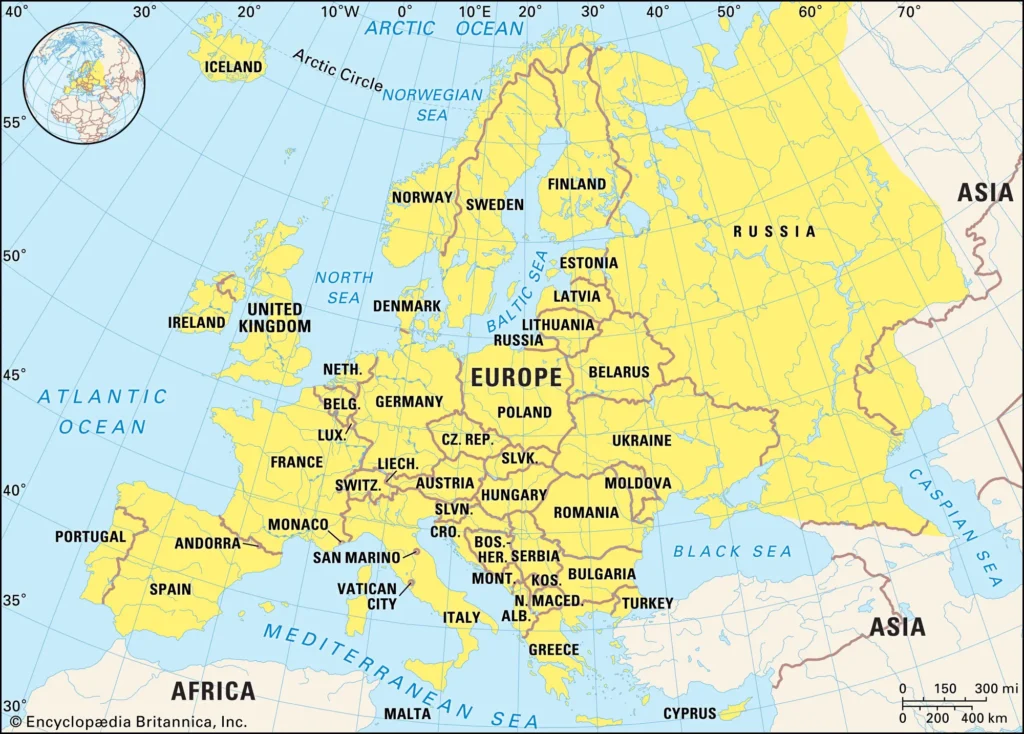
| Country | Market Size Estimate | Growth Rate | Primary Channel | Key Demand Driver |
| Germany | Largest EU market — ~30-35% of total EU | 6-8% — above EU average | Organic food retail (Alnatura, dm, Rewe Bio), food manufacturers | Largest EU organic market; strong clean label culture; high health food spending |
| Netherlands | ~15-18% of total EU | 5-6% | Import hub — Rotterdam distribution, food manufacturers | Transit/distribution center for EU; strong food manufacturing base; health food retail |
| United Kingdom | ~12-15% of total EU | 5-7% | Health food retail (Waitrose, Holland & Barrett), food brands | Premium health food positioning; strong D2C and e-commerce channel |
| France | ~10-12% of total EU | 5-6% | Organic food retail (Biocoop, Monoprix Bio), food manufacturers | Growing organic retail; strong food manufacturing base |
| Scandinavia | ~8-10% of total EU | 7-9% — highest per capita | Premium organic retail (ICA, Coop, Rimi) | Highest per-capita organic spending in EU; premium price acceptance |
| Poland/Baltics | ~5-7% (growing) | 8-10% — fastest growth | Modern trade (Lidl, Biedronka), food manufacturers | Emerging market — rapid growth from low base; cost-sensitive buyers |
| Italy/Spain | ~8-10% of total EU | 4-5% | Organic retail, gourmet food brands, food manufacturers | Growing health food awareness; strong artisan and gourmet food culture |
Market Segments: Organic vs Conventional, Retail vs Food Manufacturing
| Segment | Estimated EU Market Share | Growth Rate | Key Buyers |
| Organic certified (USDA/EU Organic) | 55-65% of EU coconut sugar market | 8-12% — above overall market | EU organic food brands, organic retail own-label, natural food manufacturers |
| Conventional (BRCGS certified) | 35-45% of EU coconut sugar market | 3-5% — slower but stable | Food manufacturers, conventional retail, private label at non-organic positioning |
| EU Retail channel (packaged) | ~40-45% of total EU volume | 6-7% | Organic retailers, premium supermarkets, health food chains |
| Food Manufacturing channel | ~45-50% of total EU volume | 5-6% | Bakery, confectionery, snack, beverage manufacturers |
| Food Service / HoReCa | ~8-12% of total EU volume | 4-5% | Premium restaurants, coffee chains, catering |
| E-commerce / D2C | ~5-8% of total EU volume (growing fast) | 15-20% — highest growth channel | Health food D2C brands, Amazon EU, organic food subscription boxes |
| The organic premium segment is the key growth engine The most important structural shift in the EU coconut sugar market in 2026 is the accelerating dominance of organic certified product. Organic coconut sugar is growing at 8-12% vs 3-5% for conventional — a gap that is widening, not narrowing. For Indonesian suppliers without EU Organic certification, market access is increasingly constrained as EU retailers and food manufacturers specify organic. For buyers, this means: (1) the organic premium is commercially justified by the market growth differential, and (2) suppliers without EU Organic certification will face increasing difficulty accessing the fastest-growing segments. |
EU Regulatory Context: What's Changing in 2026 and Why It Matters
For a complete breakdown of EU import requirements — including BRCGS vendor requirements, EU GSP duty preferences, and organic documentation — our dedicated guides on exporting coconut sugar to Europe and coconut sugar wholesale supplier for European importers cover the regulatory details.
| Regulation / Directive | Effective | Impact on Coconut Sugar Market |
| EU Organic Regulation (EC 2018/848) | 2022 (fully implemented) | Higher standard for organic certification — some previously certified suppliers lost certification; supply consolidated to fully compliant producers |
| BRCGS Version 9 | 2023 | Updated food safety standard — raises bar for BRCGS Grade A certification; some non-compliant suppliers exited EU market |
| CSRD (Corporate Sustainability Reporting) | 2024-2026 phased | Large EU food companies must report on supply chain sustainability — drives demand for traceable, certified coconut sugar with documented smallholder sourcing |
| EU Deforestation Regulation (EUDR) | 2025-2026 (delayed enforcement) | Coconut sugar not currently on mandatory list — but creates due diligence culture that benefits traceable Indonesian supply |
| EU Farm to Fork Strategy targets | Ongoing — 2030 target | Target: 25% of EU farmland organic by 2030 — drives organic ingredient demand across all food categories |
| Front-of-pack nutrition labeling | Under development | If enacted, low-GI positioning of coconut sugar may support favorable front-of-pack scoring vs high-GI sweeteners |
What European Buyers Are Requiring from Indonesian Coconut Sugar Suppliers in 2026

Based on our direct experience with European buyers across Germany, Netherlands, France, UK, and Scandinavia, the following requirements have either become mandatory or are emerging as strong preferences in 2026:
For the complete certification verification guide, see our article on what certifications a coconut sugar supplier should have.
For specific BRCGS requirements, see our guide on BRCGS certified coconut sugar suppliers from Indonesia.
| Requirement | Status in 2026 | Market Segment Requiring It |
| BRCGS Food Safety Grade A | Mandatory for major EU retail | Tesco, Aldi, Lidl, Carrefour, REWE, Albert Heijn, Waitrose |
| EU Organic certification | Mandatory for organic label claims | All organic food brands, organic retail channels, EU organic private label |
| EU Organic Transaction Certificate per lot | Mandatory per organic shipment | All organic buyers — required before container loading |
| Pesticide residue testing | Required in COA for organic; increasingly for conventional | EU organic buyers; premium retailers with MRL monitoring programs |
| Supply chain traceability (farm level) | Emerging — required by premium retailers | Waitrose, Biocoop, dm, Alnatura — sustainability-led procurement |
| Carbon footprint documentation | Emerging — voluntary but growing | CSRD-reporting companies; B Corp brands; sustainability-committed retailers |
| Non-GMO verification | Standard expectation | Most EU food brands and retailers |
| Sulphite-free specification | Strong preference — increasing | Clean label EU brands; allergen-management food manufacturers |
| ISO 17025-accredited COA per lot | Mandatory for serious buyers | All food manufacturers and major retailers |
| REX registration (EU GSP preference) | Best practice for price competitiveness | EU importers who want to minimize import duty via GSP preference |
Coconut Sugar Pricing Trends in the European Market 2026
For current FOB pricing from Indonesia that underpins EU landed cost calculations, see our coconut sugar export price from Indonesia guide. The following reflects landed price trends at EU destination markets.
| Product Tier | EU Landed Price 2024 | EU Landed Price 2026 (est.) | Price Trend | Driver |
| Conventional — BRCGS Grade A (per kg landed EU) | EUR 2.40-2.80/kg | EUR 2.50-3.00/kg | +4-7% | Input cost increases; shipping normalization post-2023 lows |
| Organic EU Certified (per kg landed EU) | EUR 3.00-3.80/kg | EUR 3.20-4.00/kg | +5-8% | Organic premium stable; EU Organic supply consolidation |
| Organic BRCGS Grade A (per kg landed EU) | EUR 3.20-4.00/kg | EUR 3.50-4.30/kg | +6-8% | Premium for dual certification (BRCGS + EU Organic) |
| Private label (full packaging, EU compliance) | EUR 5.50-9.00/kg | EUR 6.00-9.50/kg | +5-8% | Packaging cost increases; sustainable packaging premium |
The key pricing dynamic for 2026: the premium between organic and conventional is holding steady at 20-35% rather than compressing, despite increased organic supply from Indonesia.
This reflects continued organic demand growth outpacing certified supply growth — a favorable environment for certified suppliers to maintain pricing discipline.
Market Opportunities for Indonesian Coconut Sugar Suppliers in Europe 2026
- Germany organic private label: The highest-value opportunity in the EU — German organic retailers (dm, Rewe Bio, Alnatura) are actively expanding their own-label organic sweetener ranges. Suppliers with EU Organic certification, BRCGS Grade A, and German-language label compliance capability are preferred.
- UK functional food brands: The UK health food market — protein bars, functional snacks, adaptogenic beverages — is growing rapidly and coconut sugar's clean label credentials, caramel flavor (masking bitter notes), and low-GI positioning are ideal for this segment.
- Nordic premium retail: Scandinavia's willingness to pay the highest retail prices for premium ingredients makes it the most margin-favorable EU market for certified organic Indonesian coconut sugar. Swedish and Norwegian retailers command retail premiums that support FOB prices 15-25% above Germany.
- Polish and Baltic food manufacturers: The fastest-growing coconut sugar market by percentage growth — driven by rapid health food awareness increase and competitive pricing. Entry-level BRCGS-certified conventional coconut sugar is the priority product for this market.
- EU e-commerce and D2C: The fastest-growing channel by percentage — Amazon EU, health food subscription boxes, direct-to-consumer organic brands. This channel accepts higher per-kg prices than bulk food manufacturing but requires EU-compliant retail packaging and labeling.
| Supply the growing European coconut sugar market from Indonesia Global Coco Sugar is a BRCGS Food Safety Grade A and EU Organic certified coconut sugar exporter from Central Java, Indonesia. REX registered for EU GSP preference. Transaction Certificates per lot for organic shipments. Sulphite-free certified. Full EU import documentation support including EUR.1 and phytosanitary certificates. Currently supplying buyers across Germany, Netherlands, France, UK, and Scandinavia. Contact Our European Export Team >>> View Our Certified Coconut Sugar Range >>> |
Conclusion: Europe in 2026 — A Structural Growth Market, Not Just a Trend

The European coconut sugar market's 5.99% projected CAGR through 2034 is not a trend forecast — it is a structural growth projection driven by regulatory, retail, and consumer forces that are reinforcing rather than reversing.
The clean label mandate from EU retailers, the expansion of EU organic retail, the sustainability reporting requirements under CSRD, and the functional food innovation pipeline all point to sustained, multi-year demand growth.
For Indonesian coconut sugar suppliers, the European market in 2026 rewards certification depth over volume.
BRCGS Grade A + EU Organic certification + traceability documentation + sulphite-free specification is the minimum credential package for serious engagement with EU buyers.
Suppliers who have built this certification infrastructure are positioned for the market's growth; those who have not face increasingly constrained market access as buyer standards continue to rise.
| Position your brand in the growing European coconut sugar market Global Coco Sugar supplies EU-compliant certified organic and conventional coconut sugar from Indonesia to buyers across Germany, Netherlands, France, UK, and Scandinavia. BRCGS Grade A + EU Organic + REX + sulphite-free certified. Full EU documentation support. Contact us to discuss your 2026 supply requirements. Contact Our European Export Team >>> View Our EU-Compliant Coconut Sugar Range >>> Our Certifications & Company Profile >>> |
Frequently Asked Questions
How big is the European coconut sugar market?
The European coconut sugar market is valued at over USD 100 million and is projected to continue growing through the coming years. Germany is the largest market, followed by countries such as the Netherlands, France, the UK, and Scandinavia.
What is driving coconut sugar demand growth in Europe?
European demand is being driven by growing interest in clean-label ingredients, organic foods, natural sweeteners, and sustainable sourcing. Food manufacturers are also increasingly seeking alternatives to refined sugar that align with consumer wellness and sustainability trends.
Which EU countries have the highest coconut sugar demand?
Germany is the largest coconut sugar market in Europe, supported by its strong organic food sector. Other important markets include the Netherlands, France, Scandinavia, and the United Kingdom.
What certifications do European buyers require from Indonesian coconut sugar suppliers?
European buyers commonly require certifications such as BRCGS Food Safety, EU Organic (when applicable), and batch-specific Certificates of Analysis (COA). Supply chain traceability and compliance with EU food safety requirements are also increasingly important.
Is the European coconut sugar market growing faster than the global market?
European market growth is generally in line with global coconut sugar demand. However, Europe has a stronger focus on premium, certified, and organic products, making it one of the most attractive markets for high-quality coconut sugar suppliers.