Category: Recipes & Cooking Tips

  • How Dried Coconut Flakes Can Elevate Your Recipes

    How Dried Coconut Flakes Can Elevate Your Recipes

    Coconut has been a beloved ingredient in kitchens across the world for centuries. From its milk and water to its oil and flesh, this tropical fruit has earned its place in many dishes, from savory curries to sweet desserts. One of the most versatile forms of coconut is the dried coconut flakes, which can elevate any recipe with their unique flavor, texture, and nutritional benefits. In this article, we’ll explore how dried coconut flakes can enhance your dishes and offer some exciting ways to incorporate them into your cooking.

    What Are Dried Coconut Flakes?

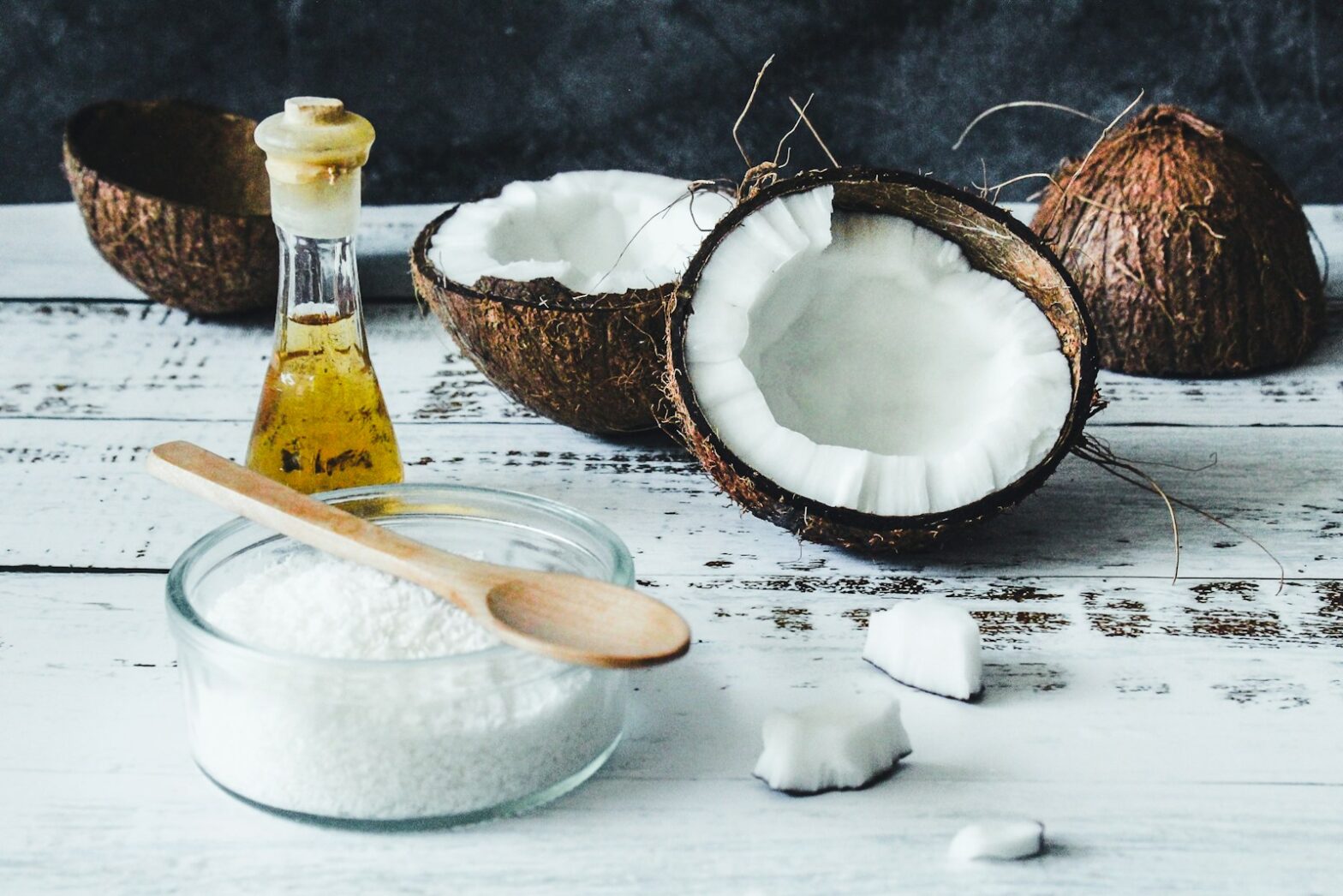
    Dried coconut flakes, also known as desiccated coconut, are made from the white flesh of the coconut fruit. The flesh is shredded or flaked, then dried to remove moisture, which allows it to be stored for extended periods. These flakes can range from fine to coarse, offering a variety of textures that can cater to different recipes. Whether sweet or savory, coconut flakes provide a mild sweetness, nutty flavor, and chewy texture that can transform your dishes into something special.

    Nutritional Benefits of Dried Coconut Flakes

    Before delving into how dried coconut flakes can enhance your recipes, it’s important to recognize the nutritional benefits they offer. These benefits make coconut flakes not only a delicious addition but also a healthy one:

    1. High in Healthy Fats: Dried coconut flakes are an excellent source of medium-chain triglycerides (MCTs), a type of healthy fat that is easily digested and used for energy. MCTs may help support weight loss, brain function, and overall health.
    2. Rich in Fiber: Coconut flakes contain a substantial amount of dietary fiber, which is beneficial for digestive health, weight management, and blood sugar regulation. Fiber helps keep you feeling full and satisfied, making it a great addition to your meals.
    3. Packed with Vitamins and Minerals: Dried coconut flakes are rich in essential vitamins and minerals such as iron, magnesium, potassium, and B vitamins. These nutrients contribute to better immune function, bone health, and overall well-being.
    4. Gluten-Free: For those with gluten sensitivities or celiac disease, dried coconut flakes are a fantastic gluten-free alternative to wheat-based ingredients, making them an ideal addition to gluten-free recipes.
    5. Antioxidant Properties: Coconut flakes contain antioxidants like phenolic compounds that can help protect the body from free radicals, contributing to overall health and the reduction of oxidative stress.

    With such an impressive nutritional profile, it’s no surprise that dried coconut flakes have gained popularity in healthy cooking. Now, let’s explore how these flakes can elevate your recipes.

    How Dried Coconut Flakes Can Enhance Your Recipes

    1. Add Texture to Baked Goods

    Dried coconut flakes can add a delightful texture to many baked goods. Whether you’re making cookies, cakes, muffins, or breads, the flakes provide a chewy, slightly crispy bite that contrasts beautifully with softer elements like dough and batter.

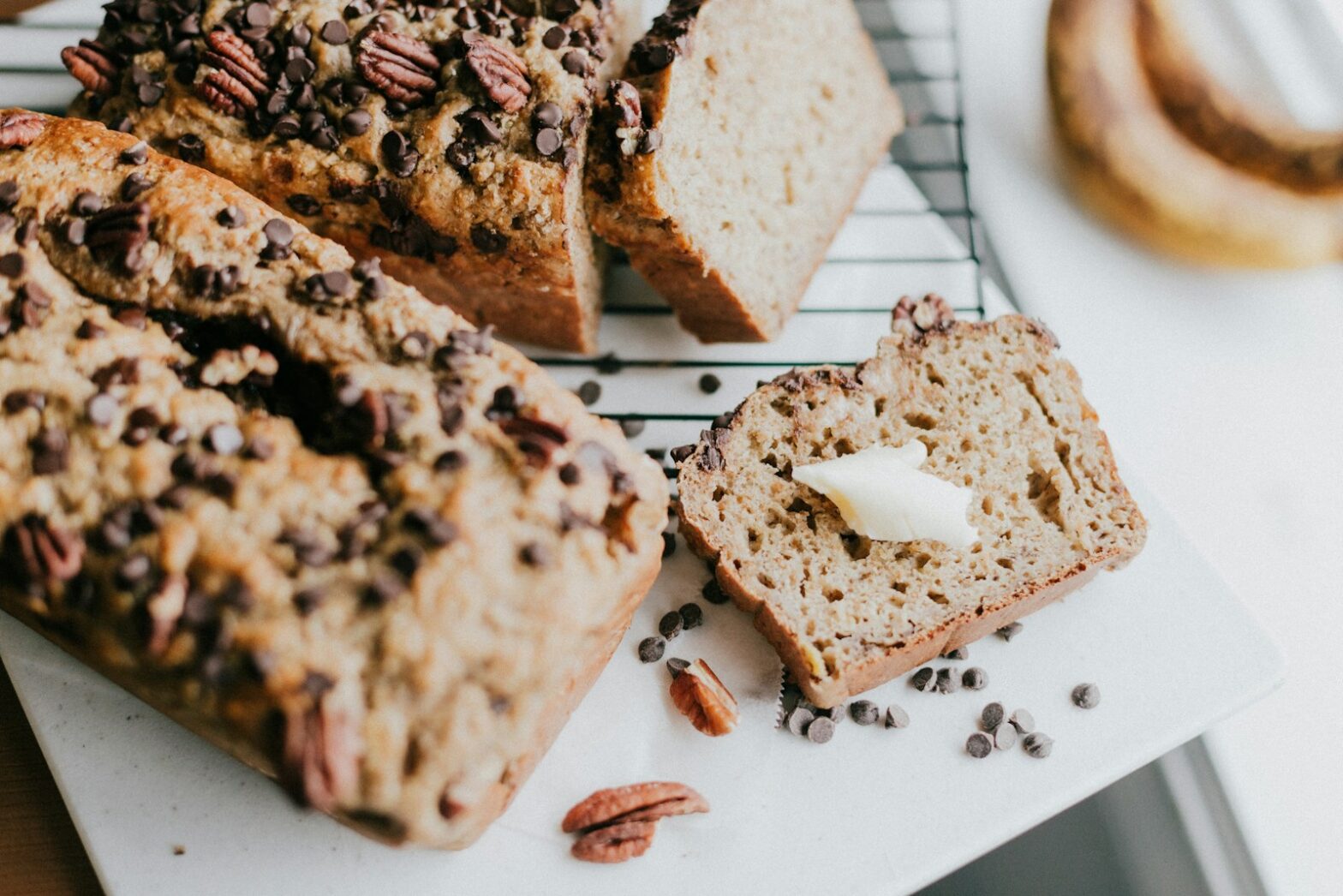
    Coconut flakes pair wonderfully with chocolate in cookies or cakes, giving them a tropical flavor that’s both indulgent and refreshing. They can also be used as a topping for baked goods, adding a crunchy element to the surface that enhances both flavor and visual appeal. Try adding them to your favorite banana bread recipe for a nutty, sweet twist.

    Recipe Idea: Coconut Chocolate Chip Cookies

    • Ingredients: Flour, butter, sugar, egg, vanilla extract, baking soda, salt, chocolate chips, and dried coconut flakes.
    • Directions: Cream together butter and sugar, mix in the egg and vanilla extract, and then combine dry ingredients, including coconut flakes and chocolate chips. Scoop onto a baking sheet and bake until golden. These cookies will be a hit with their chewy texture and tropical flavor.
    1. Boost Smoothies and Smoothie Bowls

    Adding dried coconut flakes to smoothies or smoothie bowls can provide an extra layer of flavor and texture. Blending them into smoothies will give a subtle tropical taste, while sprinkling them on top of smoothie bowls adds a beautiful, crunchy garnish that complements the creamy texture of the bowl.

    Incorporating coconut flakes into your smoothies not only boosts the flavor but also adds fiber and healthy fats, making your smoothie more filling and nutritious. You can even toast the flakes lightly before adding them for a deeper, roasted coconut flavor.

    Recipe Idea: Tropical Smoothie Bowl

    • Ingredients: Frozen mango, pineapple, banana, coconut milk, and dried coconut flakes.
    • Directions: Blend the fruits with coconut milk until smooth. Pour into a bowl and top with dried coconut flakes, chia seeds, and fresh fruit for a refreshing breakfast or snack.
    1. Create Delicious Granola and Cereal Mixes

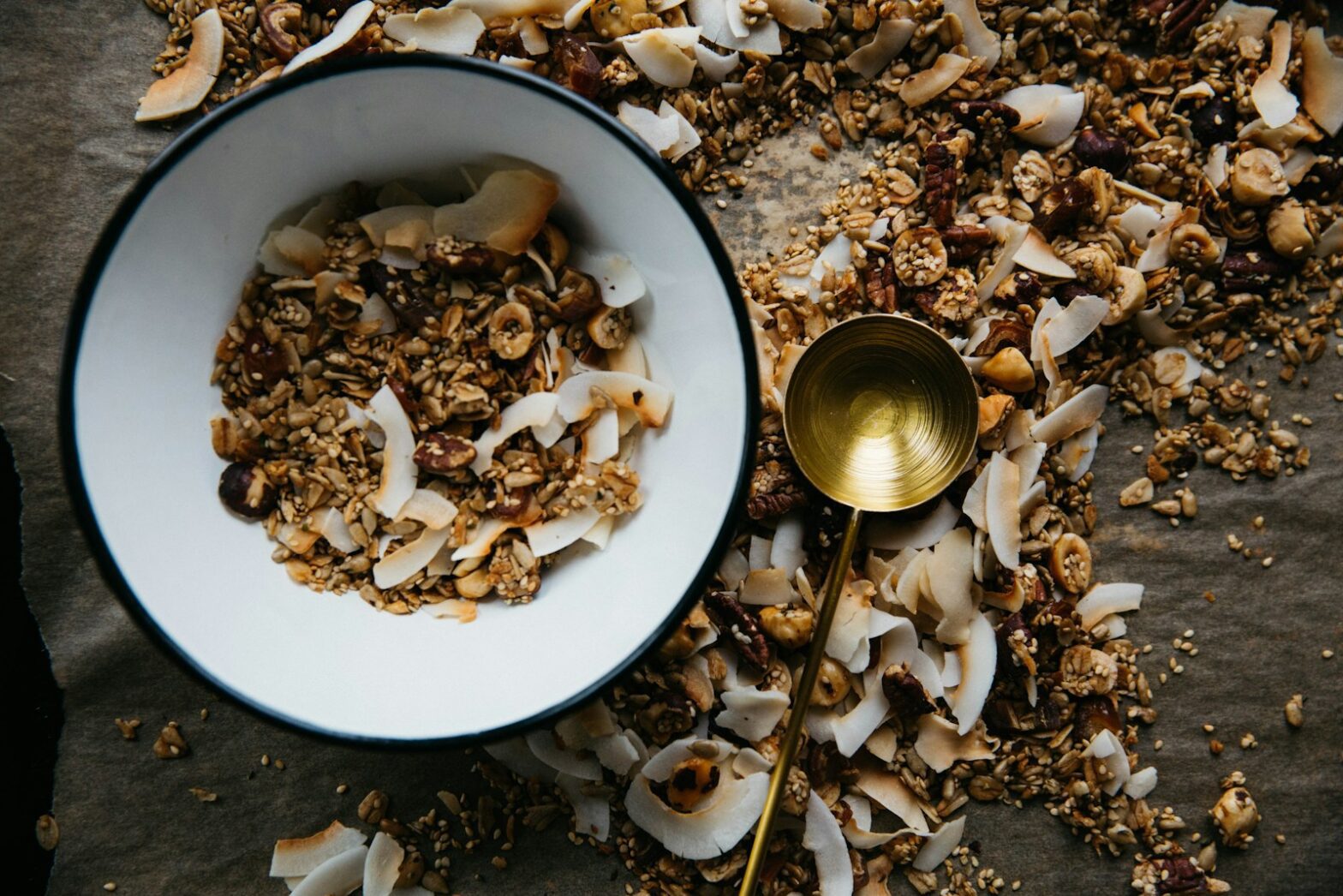
    Dried coconut flakes are a key ingredient in many granola recipes, adding both flavor and texture. You can create your own granola mix by combining coconut flakes with oats, nuts, seeds, and a sweetener of your choice. Bake the mixture to golden perfection, and you’ll have a nutritious and flavorful breakfast or snack.

    You can also use dried coconut flakes to enhance store-bought granola or cereal. Just sprinkle a handful of flakes on top to give your breakfast an extra dose of coconut goodness.

    Recipe Idea: Coconut Almond Granola

    • Ingredients: Rolled oats, coconut flakes, almonds, honey or maple syrup, coconut oil, vanilla extract, and salt.
    • Directions: Mix the dry ingredients with the sweetener and coconut oil, then bake in the oven until crispy and golden. Let it cool, and enjoy as a topping for yogurt or as a standalone snack.
    1. Enhance Savory Dishes

    While coconut flakes are commonly used in desserts, they can also elevate savory dishes. Adding coconut flakes to curries, rice dishes, and salads introduces a subtle sweetness and nutty flavor that pairs well with bold spices. Coconut flakes can add depth to dishes that feature ingredients like chicken, fish, or vegetables.

    For example, coconut flakes can be added to a stir-fry for a tropical twist, or mixed into rice pilaf to give it a chewy texture and rich flavor. They can also be used as a garnish for soups and salads, providing a contrast to the other ingredients.

    Recipe Idea: Coconut-Curry Chicken Stir-Fry

    • Ingredients: Chicken breast, vegetables (such as bell peppers, onions, and carrots), curry powder, coconut milk, and dried coconut flakes.
    • Directions: Sauté chicken and vegetables in a pan with curry powder. Add coconut milk and simmer until the chicken is cooked through. Top with toasted coconut flakes and serve over rice for a fragrant and flavorful dish.
    1. Make Coconut-Based Sauces and Dressings

    Dried coconut flakes can be blended into sauces and dressings, giving them a creamy texture and coconut flavor. Adding coconut flakes to a curry sauce or a yogurt-based dressing can elevate the dish by infusing it with a subtle tropical note.

    For example, you can make a coconut-based dressing for salads by blending dried coconut flakes with olive oil, lemon juice, and a touch of honey. This creates a smooth, velvety dressing that’s perfect for a tropical salad or a fruit bowl.

    Recipe Idea: Coconut Lime Dressing

    • Ingredients: Dried coconut flakes, olive oil, lime juice, honey, and salt.
    • Directions: Blend the coconut flakes with olive oil, lime juice, and honey until smooth. Adjust the seasoning to taste and drizzle over salads or grilled vegetables for a zesty, coconut-infused dressing.
    1. Use as a Coating for Meats and Vegetables

    Dried coconut flakes can be used as a flavorful coating for meats or vegetables. When combined with breadcrumbs or panko, the coconut flakes create a crunchy, golden crust that adds texture and flavor to the dish.

    For example, you can coat chicken or shrimp with a mixture of coconut flakes, breadcrumbs, and spices before frying or baking. This results in a crispy exterior with a tropical flavor that contrasts with the tender meat inside.

    Recipe Idea: Coconut-Crusted Shrimp

    • Ingredients: Shrimp, dried coconut flakes, breadcrumbs, egg, and seasoning.
    • Directions: Dip shrimp in beaten egg, then coat with a mixture of coconut flakes, breadcrumbs, and seasoning. Fry or bake until golden and crispy. Serve with a tangy dipping sauce for a delicious appetizer.

    Conclusion

    Dried coconut flakes are a versatile ingredient that can enhance a wide variety of recipes, from baked goods and smoothies to savory dishes and snacks. Their mild sweetness, nutty flavor, and chewy texture make them an excellent addition to any dish, while their nutritional benefits provide a healthy boost to your meals. By experimenting with dried coconut flakes in different recipes, you can bring a touch of tropical flavor and texture to your cooking while reaping the health benefits that coconut has to offer.

    So, whether you’re baking cookies, preparing a smoothie bowl, or cooking a savory stir-fry, don’t forget to add some dried coconut flakes to elevate your dishes and take your culinary creations to the next level. Happy cooking!

  • Exploring the Role of Coconut Nectar Sugar in Traditional Cuisines Across Asia and the Pacific: A Culinary Journey

    Exploring the Role of Coconut Nectar Sugar in Traditional Cuisines Across Asia and the Pacific: A Culinary Journey

    Coconut nectar sugar, often hailed as a natural and nutritious alternative to refined sugar, has a rich history in the cuisines of Asia and the Pacific. Extracted from the sap of the coconut flower, this sweetener has been a staple in the diets of people across these regions for centuries. In recent years, coconut nectar sugar has gained popularity globally due to its perceived health benefits, but its use in traditional cooking dates back long before it became a modern-day superfood. This article will take you on a culinary journey through Asia and the Pacific, exploring the history, production process, and diverse culinary applications of coconut nectar sugar.

    What is Coconut Nectar Sugar?

    Coconut nectar sugar, also known as coconut sugar, is a natural sweetener made from the sap of the coconut palm. The process of making coconut nectar sugar begins with tapping the coconut flower buds to collect the sap. This sap is then heated to evaporate the water content, leaving behind a thick syrup that solidifies into sugar crystals as it cools. The result is a sweetener that retains many of the nutrients found in the coconut, including vitamins, minerals, and antioxidants.

    Unlike refined sugar, which is processed to remove all impurities, coconut nectar sugar maintains a more complex flavor profile, with hints of caramel and toffee. Its low glycemic index, compared to traditional sugar, has made it a popular choice among health-conscious consumers. However, its deep roots in traditional cooking across Asia and the Pacific are what make it truly fascinating.

    Historical Significance of Coconut Nectar Sugar

    The use of coconut nectar sugar dates back thousands of years in the tropical regions of Asia and the Pacific. Coconuts have been integral to the cultures of Southeast Asia, South Asia, and the Pacific Islands for millennia, serving as a source of food, drink, and building material. In these regions, coconut palms were often considered sacred, and their various products were used in religious ceremonies, daily sustenance, and medicinal practices.

    The production and consumption of coconut nectar sugar became ingrained in local food traditions over time. For instance, in the Philippines, it has long been a staple sweetener in both everyday meals and festive dishes. Similarly, in Indonesia and Thailand, coconut sugar has been used in traditional sweets and desserts for generations. The use of coconut nectar sugar was passed down through families and communities, where it became a key ingredient in the preparation of a variety of dishes.

    In many regions, coconut nectar sugar was considered a luxury item, reserved for special occasions. It was often used to sweeten beverages like tea and coffee, as well as in the preparation of sweets and desserts. It was also used as a substitute for honey or sugar in savory dishes, adding a rich, complex sweetness to curries, stews, and sauces.

    The Production Process of Coconut Nectar Sugar

    The process of making coconut nectar sugar is labor-intensive but relatively simple, involving only a few key steps. The first step is to tap the coconut flower buds by making a small incision and allowing the sap to flow out. This sap is collected in containers, usually made from bamboo or clay. The sap is then heated in large vats or pots to evaporate the water content, which can take several hours.

    As the sap reduces, it thickens into a syrup. The syrup is then cooled, allowing it to harden and crystallize into granules. The resulting coconut nectar sugar can be light or dark in color, depending on the processing method and the time spent heating the sap. The lighter the sugar, the less it is heated, and it retains more of the natural flavors and nutrients found in the coconut sap.

    The final product is typically sold in the form of granules, blocks, or syrup, making it versatile for a wide range of culinary applications. In many parts of Asia and the Pacific, coconut nectar sugar is still produced in small, artisanal batches, ensuring that the quality and flavor remain high. This traditional production process also helps sustain local economies and preserves the cultural heritage of coconut farming.

    Coconut Nectar Sugar in Traditional Cuisines

    Coconut nectar sugar plays an essential role in a variety of traditional dishes across Asia and the Pacific. Its deep, rich flavor complements both sweet and savory recipes, making it a versatile ingredient in many culinary traditions. Here are a few notable examples of how coconut nectar sugar is used in different cultures:

    1. Southeast Asia

    • Indonesia: In Indonesia, coconut nectar sugar is widely used in traditional sweets and desserts. One such dish is “Klepon,” a sweet rice cake filled with coconut sugar and coated in grated coconut. The chewy rice cake, combined with the richness of coconut sugar, creates a delightful balance of textures and flavors. Coconut nectar sugar is also used in the preparation of “Gulali,” a popular Indonesian candy made by heating the sap to a caramelized consistency and pulling it into long, sugary threads.
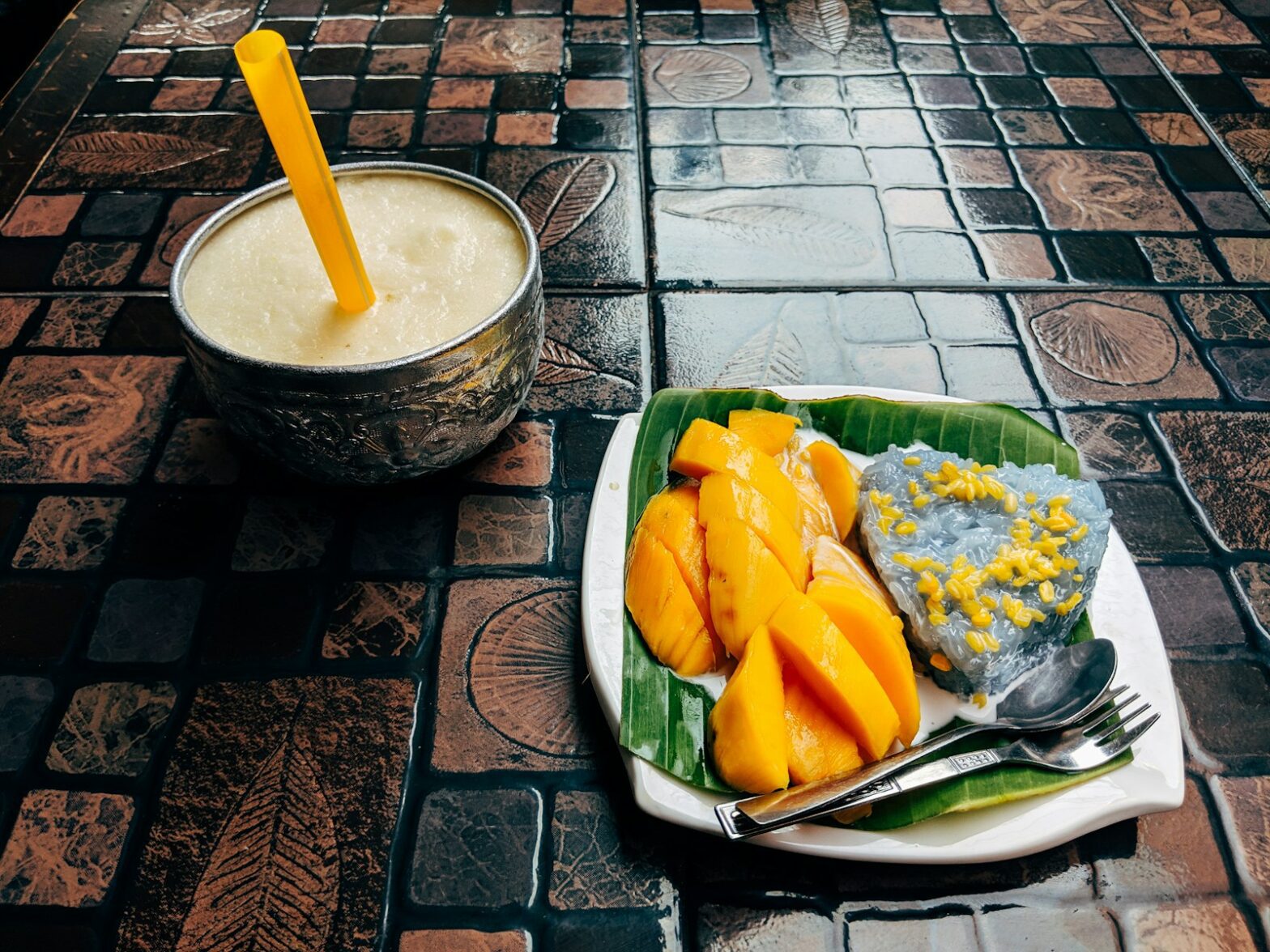
    • Thailand: Thai cuisine also relies on coconut nectar sugar for a variety of sweet treats. One example is “Khao Niew Mamuang,” a beloved dessert made with sticky rice and mango, where coconut nectar sugar is used to sweeten the rice and create a rich sauce to drizzle over the top. Coconut nectar sugar is also a key ingredient in “Kanom Chan,” a Thai layered dessert made from coconut milk, pandan leaves, and sugar.
    • Philippines: In the Philippines, coconut nectar sugar is a staple ingredient in many Filipino sweets, such as “Leche Flan” (a caramel custard), “Buko Pandan” (a dessert made from young coconut, pandan leaves, and coconut cream), and “Puto” (steamed rice cakes). The sugar is also used in savory dishes like “Adobo,” a rich, savory stew made with chicken or pork, where it adds depth and complexity to the flavors.

    2. South Asia

    • India: In India, coconut nectar sugar is often used in both sweet and savory dishes. One of the most famous sweets made with coconut nectar sugar is “Payasam,” a traditional rice pudding made with coconut milk, sugar, and cardamom. Coconut nectar sugar is also used to sweeten “Chutneys,” which are often served alongside curries, providing a balance of sweetness to the tangy and spicy flavors of the dish.
    • Sri Lanka: Sri Lankan cuisine makes extensive use of coconut products, and coconut nectar sugar is no exception. It is used in sweets like “Kokis,” a deep-fried cookie, and “Watalappan,” a rich coconut custard pudding. Coconut nectar sugar also plays a key role in savory dishes, where it adds a hint of sweetness to curries, sauces, and stir-fries.

    3. Pacific Islands

    • Polynesia and Micronesia: Coconut nectar sugar is an important part of the culinary heritage of many Pacific Island nations. In these regions, the sugar is often used to sweeten traditional desserts like “Palusami,” a dish made of taro leaves filled with coconut milk, and “Umi,” a sweet coconut pudding. The sugar is also used in beverages, such as “Kava,” a traditional drink made from the root of the kava plant, where it helps balance the natural bitterness of the root.

    Health Benefits of Coconut Nectar Sugar

    Aside from its rich flavor and cultural significance, coconut nectar sugar is often praised for its health benefits when compared to refined sugar. Coconut nectar sugar has a lower glycemic index, meaning it causes a slower rise in blood sugar levels, making it a popular choice for individuals with diabetes or those looking to manage their blood sugar levels. It also contains small amounts of essential minerals like iron, zinc, calcium, and potassium, which are beneficial for overall health.

    Furthermore, coconut nectar sugar is rich in antioxidants, which help combat oxidative stress and reduce the risk of chronic diseases. The presence of inulin, a prebiotic fiber found in coconut nectar sugar, can also promote digestive health by supporting the growth of beneficial gut bacteria.

    Conclusion

    Coconut nectar sugar has played a pivotal role in the culinary traditions of Asia and the Pacific for centuries. From sweetening desserts to adding depth to savory dishes, this natural sweetener is cherished for its rich flavor, versatility, and potential health benefits. As people continue to seek more natural alternatives to refined sugar, coconut nectar sugar offers a delicious and nutritious option that connects modern kitchens with centuries-old culinary practices.

    Whether you’re enjoying a traditional Indonesian dessert, a Thai delicacy, or a Filipino treat, coconut nectar sugar is sure to add a touch of history, culture, and sweetness to every dish.

  • Tropical Bliss: Why Coconut Smoothie Are the Perfect Treat

    Tropical Bliss: Why Coconut Smoothie Are the Perfect Treat

    In the world of smoothies, there’s one tropical drink that consistently stands out as the ultimate indulgence – the coconut smoothie. This refreshing beverage combines the creamy richness of coconut with a variety of vibrant, healthy ingredients to create a drink that not only tastes amazing but also provides a wide array of nutritional benefits. Whether you’re enjoying it as a quick breakfast, a post-workout snack, or a light afternoon treat, coconut smoothie have become a favorite for those seeking both flavor and health in a single glass. But what is it about coconut smoothie that makes them the perfect treat? Let’s dive deeper into why this tropical delight is a must-try for anyone looking to elevate their smoothie game.

    1. The Allure of Coconut: A Tropical Treasure

    Coconuts have been cherished for centuries, not just for their delicious taste but also for their versatile use in various products. From coconut water to coconut oil, milk, and even the fruit itself, coconut is a powerhouse ingredient. When it comes to smoothies, coconut milk, coconut water, and shredded coconut can all be incorporated to create a rich, velvety texture that’s hard to beat. This combination of creamy, sweet, and refreshing flavors makes coconut smoothie an irresistible treat, whether you’re sipping them by the poolside or in the comfort of your home.

    2. The Nutritional Powerhouse of Coconut Smoothies

    While coconut smoothie are undoubtedly delicious, they also pack a serious nutritional punch. This makes them not only a tasty indulgence but also a healthy choice. Let’s take a look at some of the nutritional benefits of incorporating coconut into your smoothie.

    a. Rich in Healthy Fats

    Coconut, particularly coconut milk and coconut oil, is a great source of medium-chain triglycerides (MCTs), a type of healthy fat that is easily digested and used by the body for energy. Unlike long-chain fatty acids, which are more likely to be stored as fat, MCTs are metabolized quickly and can boost energy levels. This makes coconut smoothie an ideal option for those looking for a natural energy boost or a way to curb hunger between meals.

    b. Packed with Fiber

    Coconut, especially the shredded variety, is an excellent source of dietary fiber. Fiber is essential for digestive health, as it helps regulate bowel movements, prevents constipation, and supports gut health. Additionally, fiber helps keep you feeling fuller for longer, making coconut smoothie a great choice for weight management.

    c. Rich in Vitamins and Minerals

    Coconut is packed with essential vitamins and minerals such as vitamin C, vitamin E, magnesium, potassium, and iron. Vitamin C is crucial for boosting the immune system and protecting the body against free radicals, while vitamin E is a powerful antioxidant that supports skin health. Potassium and magnesium are vital for maintaining heart health and regulating blood pressure, making coconut smoothie a heart-healthy treat. The abundance of these nutrients supports overall health, making coconut smoothie not just a delicious indulgence, but a nourishing one as well.

    d. Hydration from Coconut Water

    One of the key components of a coconut smoothie is coconut water, which is rich in electrolytes like potassium, sodium, and magnesium. These electrolytes help keep the body hydrated, especially after exercise, and can aid in replenishing lost fluids. Coconut water is a great alternative to sugary sports drinks, as it’s naturally low in calories and high in hydration benefits. Adding coconut water to your smoothie provides an extra boost of hydration, making it an ideal post-workout refreshment.

    3. Versatility: Endless Combinations and Flavor Options

    Another reason coconut smoothie are the perfect treat is their incredible versatility. Whether you prefer them to be creamy, fruity, or even green, coconut smoothies can be customized to suit your taste preferences and nutritional needs. Here are just a few variations to get your creativity flowing:

    a. Classic Coconut Smoothie

    For a classic coconut smoothie, blend coconut milk with ice, a little honey or maple syrup for sweetness, and a dash of vanilla extract. This simple, yet satisfying, combination captures the rich and creamy texture of coconut while providing a refreshing, tropical taste.

    b. Tropical Coconut Smoothie

    When you’re craving a more fruity and tropical flavor, add pineapple, mango, or banana to your coconut smoothie. The natural sweetness of these fruits perfectly complements the creamy coconut base, transporting you to a sunny beachside paradise. Pineapple and mango are also packed with vitamins and antioxidants, which further boost the nutritional value of your smoothie.

    c. Green Coconut Smoothie

    For a healthier twist, you can add spinach, kale, or avocado to your coconut smoothie for an extra dose of greens. The earthy flavor of the greens blends seamlessly with the sweetness of coconut, making it easy to incorporate more vegetables into your diet. Avocado also contributes healthy fats and a creamy texture, further enhancing the richness of the smoothie.

    d. Chocolate Coconut Smoothie

    If you’re a fan of chocolate, try blending in some cocoa powder or dark chocolate chips with your coconut milk for a decadent yet healthy treat. The combination of rich coconut and chocolate is irresistible, and you can even add a spoonful of almond or peanut butter for added flavor and protein.

    e. Coconut Smoothie Bowls

    For those who love to get creative with their food, coconut smoothie bowls offer an exciting and aesthetically pleasing way to enjoy this tropical treat. Simply blend your favorite coconut smoothie ingredients and pour the mixture into a bowl. Then, top it with fresh fruit, granola, chia seeds, shredded coconut, and a drizzle of honey for added texture and flavor. Coconut smoothie bowls are perfect for breakfast or a light afternoon snack and provide a satisfying, nutrient-dense meal.

    4. Coconut Smoothies for All Ages

    One of the great things about coconut smoothies is that they’re suitable for people of all ages. Kids, teens, and adults alike will love the sweet, creamy taste of coconut smoothies. For children, a coconut smoothie made with fruit can be a fun and healthy way to sneak in some extra nutrients. Plus, it’s a great alternative to sugary, processed drinks that are commonly marketed to kids. Adults can enjoy the energy-boosting properties of coconut smoothies, as well as the hydrating effects of coconut water, to stay refreshed throughout the day.

    For those with dietary restrictions, coconut smoothies are highly adaptable. They can easily be made dairy-free, gluten-free, and vegan, making them a great choice for individuals with food allergies or sensitivities. Whether you’re following a plant-based diet or simply looking to avoid dairy, coconut smoothies offer a delicious, inclusive option for everyone.

    5. Health Benefits of Coconut Smoothies

    Beyond their delicious taste and versatility, coconut smoothies come with several health benefits that make them an ideal choice for a nutritious treat. Here are some of the key health benefits:

    a. Supports Heart Health

    The healthy fats found in coconut, particularly MCTs, can help promote heart health by raising good HDL cholesterol levels and reducing bad LDL cholesterol. The potassium in coconut water also helps regulate blood pressure, making coconut smoothies an excellent choice for heart health.

    b. Boosts Immune Function

    The high levels of vitamin C in coconut help boost the immune system, while the antioxidant properties of coconut oil and coconut milk support the body in fighting off harmful pathogens. The combination of vitamins, minerals, and healthy fats found in coconut smoothies strengthens the body’s natural defenses.

    c. Supports Healthy Skin and Hair

    Coconut is often hailed for its beauty benefits, and when consumed, it can contribute to healthy skin and hair. The healthy fats and antioxidants found in coconut smoothies help nourish the skin from the inside out, promoting a glowing complexion and preventing dryness. Additionally, the essential fatty acids in coconut oil support hair health by strengthening hair follicles and adding shine.

    d. Aids in Digestion

    Coconut’s fiber content supports healthy digestion and can help alleviate issues such as constipation. A coconut smoothie made with shredded coconut or coconut milk can help promote regular bowel movements and keep the digestive system functioning smoothly.

    6. Conclusion: A Tropical Escape in Every Sip

    Coconut smoothies are more than just a tasty treat; they are a refreshing and healthy indulgence that offers a variety of nutritional benefits. From their rich, creamy texture to their ability to hydrate and boost energy, coconut smoothies provide the perfect combination of taste and health. With endless flavor combinations and customization options, there’s no wrong way to enjoy a coconut smoothie—whether you’re seeking a tropical burst of fruit, a creamy chocolate fix, or a nutrient-packed green smoothie. By incorporating coconut into your diet, you’ll not only be enjoying a delicious beverage but also reaping the many benefits that this tropical wonder has to offer.

    So the next time you’re looking for the perfect treat, why not blend up some tropical bliss with a coconut smoothie? You won’t just be treating your taste buds—you’ll be nourishing your body with the goodness of the tropics!

  • The Ultimate Guide to Vegan Baking with Desiccated Coconut Milk – Perfect Egg and Dairy Replacements

    The Ultimate Guide to Vegan Baking with Desiccated Coconut Milk – Perfect Egg and Dairy Replacements

    Vegan baking can be an incredibly rewarding and creative experience, especially when you explore natural, plant-based alternatives to traditional baking ingredients. One of the most versatile and delicious substitutes to consider is desiccated coconut milk. Derived from dried coconut meat, desiccated coconut milk provides a rich, creamy texture and a subtle, tropical flavor that can elevate your baked goods. Not only is it a fantastic way to bring a new dimension to your recipes, but it also serves as an excellent replacement for both dairy and eggs in vegan baking.

    In this ultimate guide, we will explore the many benefits of desiccated coconut milk, its role as an egg and dairy substitute, and how to incorporate it into your vegan baking to achieve delightful results every time.

    What is Desiccated Coconut Milk?

    Desiccated coconut milk is made by drying the coconut meat and extracting the milk from it, creating a rich and concentrated form of coconut flavor. Unlike canned coconut milk, which can sometimes be too watery or oily for baking, desiccated coconut milk provides a smoother and more consistent texture that makes it perfect for replacing dairy products. It can be used in both liquid and powdered forms, depending on the recipe requirements.

    The beauty of desiccated coconut milk lies in its ability to add moisture and structure to vegan bakes while also providing a natural sweetness that enhances the flavor profile. Plus, it is a great source of healthy fats, fiber, and essential nutrients like potassium, magnesium, and iron.

    The Benefits of Using Desiccated Coconut Milk in Vegan Baking

    1. Dairy-Free and Egg-Free Substitute: Desiccated coconut milk is an excellent substitute for dairy milk, cream, and eggs, making it a cornerstone ingredient in vegan baking. It adds moisture, richness, and creaminess without any animal products.
    2. Naturally Sweet and Nutty Flavor: The coconut milk imparts a subtle, natural sweetness and a mild, nutty flavor to baked goods, which can enhance the taste of cakes, cookies, muffins, and more.
    3. Moisture and Texture: Coconut milk has a higher fat content compared to many other non-dairy milks, which means it adds extra moisture and structure to baked goods, helping to prevent dryness. This makes it especially ideal for delicate cakes and pastries.
    4. Versatile Ingredient: Desiccated coconut milk can be used in both sweet and savory vegan baked goods, from cookies and cakes to bread and savory pastries. Its rich texture pairs well with a variety of spices and flavorings, such as vanilla, cinnamon, or citrus.
    5. Gluten-Free and Allergen-Friendly: Coconut is naturally gluten-free, making desiccated coconut milk an ideal choice for those with gluten sensitivities. It’s also free from many common allergens like soy or nuts, making it a safe alternative for various dietary restrictions.

    How to Use Desiccated Coconut Milk in Vegan Baking

    Replacing Dairy Milk

    In traditional baking recipes, dairy milk is often used to hydrate dry ingredients, contribute to the texture, and add a rich flavor. In vegan baking, desiccated coconut milk is an excellent replacement for cow’s milk. The ratio is simple: one cup of desiccated coconut milk equals one cup of dairy milk. Whether you’re baking cakes, muffins, or pancakes, substituting coconut milk will provide the same moisture, but with a hint of coconut flavor.

    For instance, you can use desiccated coconut milk in your morning muffins to replace regular milk and create a moist, slightly tropical treat. If you’re after a thicker consistency in your baked goods, consider using canned coconut milk, as it has a higher fat content, which is ideal for certain cake batters or custards.

    Replacing Butter or Cream

    Desiccated coconut milk can also replace butter and heavy cream in vegan baking. Butter is typically used to add richness and texture, while cream contributes to moisture and creaminess. Coconut milk’s rich texture and fat content make it a wonderful alternative in recipes that call for butter or cream.

    For example, to make a vegan chocolate cake, you can use desiccated coconut milk in place of cream or butter, creating a moist and decadent cake. Simply substitute an equal amount of coconut milk for the cream or butter called for in the recipe.

    Replacing Eggs

    Eggs are crucial in baking for providing structure, binding ingredients together, and adding moisture. Fortunately, desiccated coconut milk can effectively replace eggs in many vegan recipes. For every egg in a recipe, use approximately 1/4 cup of desiccated coconut milk mixed with 1 tablespoon of ground flaxseeds or chia seeds (to act as a binding agent). This mixture works well as an egg replacement in cakes, cookies, and even vegan pancakes.

    Additionally, desiccated coconut milk can also work with other vegan egg replacers, such as aquafaba (chickpea water), applesauce, or mashed banana, depending on the recipe’s requirements. Coconut milk’s high fat content and creamy texture help achieve a similar consistency to that of an egg-based batter.

    Making Vegan Coconut Whipped Cream

    For a decadent, dairy-free topping for cakes and pies, desiccated coconut milk can be whipped into a fluffy, coconut-infused whipped cream. Simply chill a can of full-fat coconut milk overnight, then scoop out the thickened cream (leaving the liquid behind). Whip the coconut cream with a bit of powdered sugar and vanilla extract, and you’ll have a perfect topping for desserts like cakes, fruit tarts, and more.

    Tips for Using Desiccated Coconut Milk in Baking

    1. Adjust Consistency: Depending on the recipe, you may need to adjust the consistency of desiccated coconut milk. If the recipe calls for a thinner milk, simply add water to the coconut milk to achieve the desired consistency. For thicker batters or sauces, use undiluted coconut milk or use it in combination with other thickening agents like cornstarch.
    2. Pairing with Flavors: Desiccated coconut milk has a mild coconut flavor that pairs well with tropical fruits like pineapple, mango, or banana. It also complements spices such as cinnamon, nutmeg, and ginger, making it ideal for fall or winter-inspired baked goods.
    3. Taste Test: Coconut milk has a naturally sweet flavor, but if you prefer a less sweet result in your baking, you can balance it by reducing the amount of sugar or sweeteners in your recipe. This ensures that your baked goods are perfectly balanced in flavor.
    4. Chill Before Whipping: If you’re planning to make whipped coconut cream, ensure that the coconut milk is chilled in the fridge overnight for the best results. Cold coconut cream will whip up more easily and hold its shape better.
    5. Experimenting with Different Forms: Desiccated coconut milk is available in both powdered and liquid forms, so experiment with both to find which one works best for your recipes. Powdered coconut milk is ideal for recipes like cookies and cakes where you want a more consistent mixture, while liquid coconut milk is great for things like frostings and creamy fillings.

    Vegan Baking Recipes with Desiccated Coconut Milk

    To get you started, here are a few simple recipes where desiccated coconut milk shines as a dairy and egg replacement:

    1. Vegan Coconut Chocolate Chip Cookies

    Ingredients:

    • 1 cup desiccated coconut milk
    • 1/2 cup coconut oil, melted
    • 1 cup brown sugar
    • 1 cup flour (whole wheat or gluten-free)
    • 1/2 teaspoon baking soda
    • 1/4 teaspoon salt
    • 1 cup dairy-free chocolate chips

    Instructions:

    1. Preheat the oven to 350°F (175°C).
    2. In a mixing bowl, combine coconut milk, melted coconut oil, and sugar.
    3. Stir in the flour, baking soda, and salt, mixing until fully incorporated.
    4. Fold in the chocolate chips.
    5. Drop spoonfuls of dough onto a lined baking sheet, spacing them about 2 inches apart.
    6. Bake for 10-12 minutes until golden brown.

    2. Vegan Coconut Milk Pancakes

    Ingredients:

    • 1 cup flour
    • 1 tablespoon baking powder
    • 1/2 teaspoon salt
    • 1 tablespoon sugar
    • 1 cup desiccated coconut milk
    • 1 tablespoon coconut oil, melted
    • 1 teaspoon vanilla extract

    Instructions:

    1. In a large bowl, combine the dry ingredients.
    2. In a separate bowl, mix together the coconut milk, coconut oil, and vanilla extract.
    3. Pour the wet ingredients into the dry ingredients and stir until combined.
    4. Heat a non-stick skillet over medium heat and lightly grease with coconut oil.
    5. Pour batter onto the skillet and cook each side for 2-3 minutes until golden brown.
    6. Serve with maple syrup or fruit for a tropical breakfast treat.

    Conclusion

    Desiccated coconut milk is an incredibly versatile ingredient in vegan baking, offering a natural, creamy substitute for both dairy and eggs. Its ability to provide moisture, flavor, and richness without compromising on taste makes it a must-have pantry item for plant-based bakers. Whether you’re replacing dairy milk, butter, or eggs, desiccated coconut milk is a fantastic way to elevate your baked goods while staying true to vegan principles.

    By experimenting with desiccated coconut milk in your recipes, you can create delicious cakes, cookies, and pastries that everyone can enjoy—whether they’re vegan or not. With its subtle sweetness and luxurious texture, desiccated coconut milk is sure to become a favorite ingredient in your vegan baking repertoire.

  • Using Best Coconut Nectar in Recipes as a 1:1 Substitute for Agave or Honey

    Using Best Coconut Nectar in Recipes as a 1:1 Substitute for Agave or Honey

    white round ornament on brown wooden round container, In the realm of natural sweeteners, coconut nectar syrup is an increasingly popular choice, praised for its lower glycemic index and rich mineral profile, coconut nectar syrup, raw coconut nectar, coconut nectar drink, best coconut nectar

    As the demand for healthier, more natural sweeteners continues to grow, best coconut nectar has emerged as a popular alternative to traditional sweeteners like agave syrup and honey. Known for its rich flavor, nutritional profile, and lower glycemic index, coconut nectar is a versatile ingredient that can seamlessly replace agave or honey in a variety of recipes. This article will explore the benefits of using the best coconut nectar as a 1:1 substitute for agave or honey, highlighting its culinary applications, nutritional benefits, and tips for achieving the best results in your cooking and baking.

    What is Coconut Nectar?

    Coconut nectar is a natural sweetener harvested from the sap of the coconut tree’s flower buds. The sap is collected by tapping the buds, and then it is slowly heated to reduce the water content, leaving behind a thick syrup. This syrup is then processed minimally, preserving its nutrients, including a variety of minerals like potassium, magnesium, zinc, and iron. Unlike refined sugars or high-fructose corn syrups, coconut nectar retains much of its natural goodness, making it a healthier option for sweetening foods and drinks.

    The flavor of best coconut nectar is rich and mildly sweet with a slight caramel undertone, making it a perfect substitute for both agave and honey. It’s also known for its ability to maintain its sweetness even in high-heat applications, such as baking and cooking, without breaking down or losing flavor. Many people choose coconut nectar over other sweeteners for its complex flavor profile and the health benefits it offers.

    The Nutritional Benefits of Coconut Nectar

    white liquid in clear drinking glass, best coconut nectar, coconut nectar syrup, raw coconut nectar, coconut nectar drink

    Coconut nectar stands out not only for its taste but also for its impressive nutritional profile. Here are some key benefits of using the best coconut nectar:

    1. Lower Glycemic Index: Coconut nectar has a much lower glycemic index (GI) than agave syrup and honey. The GI of coconut nectar is around 35, which is considered low compared to agave (GI 15–30) and honey (GI 50–70). Foods with a low GI help prevent rapid spikes in blood sugar levels, making coconut nectar a better option for people with diabetes or those who are managing their blood sugar levels.
    2. Rich in Minerals: Unlike many refined sweeteners, coconut nectar contains essential minerals such as potassium, magnesium, zinc, and iron. These minerals play important roles in maintaining heart health, supporting the immune system, and promoting overall well-being.
    3. Contains Inulin: Coconut nectar is a source of inulin, a prebiotic fiber that supports gut health by promoting the growth of beneficial bacteria. Inulin can also aid in digestive health, help regulate blood sugar levels, and improve absorption of nutrients.
    4. Lower Fructose Content: One of the key advantages of best coconut nectar is its lower fructose content compared to agave syrup. High levels of fructose, often found in processed sweeteners like high-fructose corn syrup and agave, can lead to insulin resistance, fatty liver disease, and metabolic issues over time. Coconut nectar’s balance of glucose and fructose makes it a healthier alternative.

    Why Use Coconut Nectar as a 1:1 Substitute for Agave or Honey?

    When choosing a sweetener, both flavor and health considerations play a significant role in making the best choice for a recipe. Coconut nectar provides a perfect 1:1 substitute for both agave and honey in a wide range of dishes. Here are a few reasons why:

    1. Flavor Profile

    Coconut nectar has a deep, rich sweetness with subtle caramel-like undertones that resemble the complexity of honey, yet it lacks the floral notes that characterize honey’s taste. This makes best coconut nectar a great alternative when you’re looking for a more neutral sweetness, especially in dishes where the flavor needs to be balanced. In contrast, agave syrup tends to have a mild but somewhat neutral flavor, and honey’s floral notes can sometimes dominate. Coconut nectar brings a harmonious sweetness that works well in both savory and sweet dishes.

    2. Consistency and Versatility

    Like agave and honey, best coconut nectar has a liquid form, which means it can be used in a variety of recipes without altering the consistency of the dish. Whether you’re baking, cooking, or adding it to a beverage, coconut nectar behaves similarly to agave or honey. It has the same viscosity, which allows it to dissolve well in liquids and mix seamlessly into recipes that require liquid sweeteners.

    Because of its consistency, coconut nectar can be used interchangeably with agave and honey on a 1:1 basis. For example, if a recipe calls for one cup of agave syrup or honey, you can simply replace it with one cup of coconut nectar. This makes it an easy switch for those looking to improve the health profile of their dishes without compromising on taste or texture.

    3. Health Benefits Over Agave and Honey

    While both agave syrup and honey have their merits, best coconut nectar offers several advantages when compared to these common sweeteners. For one, agave syrup is typically high in fructose, which can lead to negative health effects like insulin resistance and increased fat storage. Although agave is often marketed as a healthier option, its high fructose content means it can contribute to metabolic issues when consumed in large quantities.

    Honey, while more natural than agave, still contains a mix of glucose and fructose. It’s also relatively high in calories, which can contribute to weight gain if consumed excessively. Additionally, honey is not suitable for vegans, which limits its appeal for those on plant-based diets.

    Coconut nectar, on the other hand, is more balanced in terms of its glucose and fructose content. It is also rich in nutrients and prebiotics, making it a superior choice for overall health. For individuals seeking a sweetener that provides more than just empty calories, coconut nectar offers a better alternative.

    How to Use the Best Coconut Nectar in Recipes as a 1:1 Substitute for Agave or Honey

    brown wooden rolling pin beside brown wooden rolling pin, best coconut nectar, coconut nectar syrup, raw coconut nectar, coconut nectar drink

    1. In Baking

    When baking, best coconut nectar can replace agave or honey at a 1:1 ratio without requiring significant adjustments to other ingredients. The sweet, caramel-like flavor of coconut nectar enhances baked goods, making it a perfect choice for cakes, cookies, muffins, and pies.

    • Substitution Ratio: Simply replace agave or honey with an equal amount of coconut nectar. For example, if your recipe calls for 1 cup of agave or honey, use 1 cup of coconut nectar instead.
    • Moisture Consideration: Since coconut nectar is a liquid, it may slightly increase the moisture content of your baked goods. You might need to reduce other liquids in the recipe (such as water or milk) by a tablespoon or two to compensate.
    • Lower Baking Temperature: Coconut nectar may cause your baked goods to brown a little faster than agave or honey. It’s a good idea to lower the baking temperature by 25°F (about 14°C) to prevent over-browning or burning.

    2. In Beverages

    Coconut nectar dissolves easily in hot or cold beverages, making it a great substitute for agave or honey in drinks like smoothies, iced teas, and coffee. You can use it in any drink that requires a sweetener without altering the drink’s texture.

    • Substitution Ratio: Best coconut nectar can be swapped for agave or honey in a 1:1 ratio. If the recipe calls for 1 tablespoon of honey or agave syrup, simply replace it with 1 tablespoon of coconut nectar.
    • Stir Well: Coconut nectar may take a little longer to dissolve than agave syrup in cold drinks, so make sure to stir well to achieve an even sweetness throughout the beverage.

    3. In Sauces and Dressings

    Whether you’re making a salad dressing, marinade, or sauce, coconut nectar can add a touch of sweetness that balances out tangy or spicy flavors. It pairs particularly well in Asian-inspired dishes, such as stir-fries, glazes, and teriyaki sauces.

    • Substitution Ratio: Use coconut nectar in place of agave or honey in a 1:1 ratio.
    • Taste Test: Because best coconut nectar has a slightly more complex flavor than agave or honey, you may want to taste your dish and adjust the amount used to match your desired level of sweetness.

    4. In Vegan or Dairy-Free Recipes

    Since honey is not vegan-friendly and agave can be processed with animal-derived ingredients, coconut nectar is an ideal choice for those following plant-based or vegan diets. It is completely plant-based and provides a rich, natural sweetness without any animal products.

    • Substitution Ratio: Replace honey or agave syrup with coconut nectar in a 1:1 ratio in any vegan or dairy-free recipe.

    Tips for Using the Best Coconut Nectar

    • Storage: Store coconut nectar in a cool, dry place to maintain its consistency and freshness. Make sure the bottle is tightly sealed to prevent any moisture loss.
    • Taste Testing: While best coconut nectar is a great all-purpose sweetener, different brands may vary slightly in flavor. It’s always a good idea to taste-test before using it in a recipe to ensure you’re getting the best flavor for your dish.
    • Experiment: Don’t be afraid to experiment with best coconut nectar in savory dishes as well. It can add a depth of flavor to roasted vegetables, glazes, and even curries.

    Conclusion

    Coconut nectar is an excellent, nutrient-dense alternative to agave and honey in a variety of recipes. With its low glycemic index, rich mineral content, and complex flavor, coconut nectar offers numerous health benefits while providing a natural sweetness. Whether you’re baking, cooking, or preparing beverages, using the best coconut nectar as a 1:1 substitute for agave or honey is an easy and delicious

  • Using Coconut Palm Sugar in Cooking and Baking Recipes

    Using Coconut Palm Sugar in Cooking and Baking Recipes

    a group of chocolate chip cookies, coconut palm sugar, coconut secret coconut nectar, young coconut, dry coconut

    Coconut sugar, also known as coconut palm sugar, has gained popularity in recent years as a natural alternative to refined white sugar. Derived from the sap of the coconut palm tree (Cocos nucifera), it is often heralded as a healthier option due to its lower glycemic index, minimal processing, and unique flavor profile. In this article, we will explore the benefits and potential drawbacks of using coconut sugar in cooking and baking, how it compares to other sweeteners, and offer some practical tips and recipes to help you incorporate this versatile ingredient into your culinary repertoire.

    What is Coconut Sugar?

    coconut sugar healthy than brown sugar, healthy sweetener, facts about coconut sugar shelf life, coconut palm sugar, coconut secret coconut nectar, young coconut, dry coconut

    Coconut sugar is made by tapping the sap from the flower buds of the coconut palm tree. The sap is collected and then heated to evaporate the moisture, leaving behind granules of sugar. The result is a golden-brown sugar with a mild caramel-like flavor that closely resembles that of brown sugar, but with distinct notes of coconut. Unlike refined sugars, which undergo extensive processing to remove molasses and other natural components, coconut sugar retains some of its nutrients, making it a more appealing option for those looking for a less processed sweetener.

    One of the key selling points of coconut sugar is its relatively low glycemic index (GI) compared to traditional sugar. The GI measures how quickly a food raises blood sugar levels, with lower GI foods causing a slower, more gradual increase. Coconut sugar has a GI of around 35, which is significantly lower than that of table sugar (which has a GI of around 60-65). As such, it is often promoted as a better option for people with concerns about blood sugar levels, such as those with diabetes or those trying to maintain stable energy levels.

    Coconut palm sugar also contains small amounts of vitamins and minerals, including iron, zinc, calcium, and potassium, as well as inulin, a prebiotic fiber that can help support gut health. While these nutrients are present in trace amounts and should not be relied upon as a primary source of nutrition, they contribute to the appeal of coconut sugar as a more “natural” sweetener.

    The Benefits of Using Coconut Palm Sugar

    1. Lower Glycemic Index
      As mentioned earlier, one of the primary reasons many people choose coconut sugar over refined white sugar is its lower glycemic index. The slower absorption of glucose into the bloodstream may help prevent spikes and crashes in blood sugar levels, making it a better choice for people with insulin resistance or diabetes.
    2. Rich in Trace Nutrients
      Although coconut palm sugar is not a significant source of vitamins and minerals, it does contain trace amounts of beneficial nutrients. These include iron, magnesium, potassium, and zinc. These micronutrients can support overall health, particularly for individuals who do not get enough of these nutrients from their diet.
    3. Natural and Unrefined
      Coconut palm sugar is minimally processed compared to white sugar, which often undergoes heavy refining and bleaching. This means that coconut sugar retains more of the natural compounds found in the sap, which some believe offers a more wholesome alternative. Additionally, coconut sugar is typically free from artificial additives or preservatives.
    4. Slightly More Sustainable
      The production of coconut sugar is often considered more environmentally friendly than other forms of sugar. The coconut palm tree requires less water and fewer resources to grow than sugar cane or sugar beet crops, and it produces sap for many years, making it a more sustainable agricultural product in some regions.
    5. Caramel-like Flavor
      Coconut sugar’s unique flavor, which is reminiscent of brown sugar but with a subtle hint of coconut, makes it a great addition to both sweet and savory dishes. Its rich flavor profile can enhance desserts, beverages, sauces, and marinades, adding complexity without overpowering the other ingredients.

    How to Use Coconut Sugar in Cooking and Baking

    Substituting Coconut Sugar For White Sugar for Baked Goods, coconut palm sugar, coconut secret coconut nectar, young coconut, dry coconut

    Coconut palm sugar can be used in many of the same ways as traditional sugar in both cooking and baking. However, because it has a different texture and flavor profile, there are a few adjustments to consider when using it as a substitute.

    1. In Baking:

    Coconut sugar can be used as a one-to-one replacement for white or brown sugar in most baking recipes. However, because it is not as refined as white sugar, it has a coarser texture, which may affect the texture of baked goods. The following tips will help you successfully use coconut sugar in your baking:

    • Adjust for Texture: Coconut sugar has a finer, grainier texture than white sugar, so your baked goods might turn out slightly denser or more moist. If you are making cookies, for instance, you may want to slightly reduce the amount of liquid in the recipe or add a bit more flour to balance out the moisture.
    • Flavor Considerations: Coconut sugar has a distinctive caramel-like flavor, which can work well in many recipes. It pairs particularly well with chocolate, cinnamon, ginger, and other warm spices. However, if you’re baking a delicate or light cake where a neutral sweetness is required, coconut palm sugar may impart too much of its distinctive flavor. In such cases, consider blending it with a lighter sweetener like maple syrup or honey.
    • Baking Time and Temperature: Because coconut sugar caramelizes at a lower temperature than regular sugar, it’s a good idea to lower the oven temperature by about 25°F (15°C) when baking with coconut sugar. Keep an eye on your baked goods, as they may brown more quickly.
    • Substitute for Brown Sugar: If your recipe calls for brown sugar, you can use coconut sugar as a substitute. Since coconut sugar already has a caramel-like flavor, it will provide a similar depth of taste. If the recipe requires the texture of packed brown sugar, simply press the coconut sugar firmly into the measuring cup.

    2. In Cooking:

    Coconut sugar is versatile enough to be used in savory dishes as well as sweet ones. Here are some ways to incorporate it into your cooking:

    • Sauces and Marinades: Coconut palm sugar adds a rich, slightly smoky sweetness to sauces and marinades. Try using it in BBQ sauce, teriyaki sauce, or a marinade for grilled meats, tofu, or vegetables. Its complex flavor can complement both sweet and savory ingredients like soy sauce, garlic, ginger, and lime.
    • Stir-fries and Sautéed Dishes: You can sprinkle coconut sugar over vegetables in stir-fries to create a slight sweetness that balances savory and spicy flavors. Just be mindful that it will melt quickly, so add it toward the end of cooking to avoid burning.
    • In Drinks: Coconut sugar can be used to sweeten beverages like coffee, tea, or smoothies. Since it dissolves fairly easily in liquids, it works well in both hot and cold drinks. A teaspoon or two can add a pleasant sweetness to your favorite beverages without the overpowering sweetness of white sugar.
    • In Granola or Energy Bars: Use coconut palm sugar in homemade granola or energy bars as a binding ingredient. Its natural caramel flavor works especially well with oats, nuts, and dried fruits, providing a wholesome sweetness.

    Coconut Sugar Substitution in Recipes

    When substituting coconut palm sugar for white or brown sugar in recipes, keep the following conversion guidelines in mind:

    • 1 cup of white sugar = 1 cup of coconut sugar
      Coconut sugar can generally be substituted for an equal amount of white sugar. However, because of its granular texture, you might need to adjust the texture of the recipe (e.g., add a little more liquid or flour).
    • In liquid-heavy recipes: Coconut palm sugar may slightly affect the texture, so you might need to experiment with small adjustments to liquid quantities to get the desired consistency.
    • For very light, delicate cakes: Coconut palm sugar may impart too strong a flavor, so a blend with a lighter sweetener may be preferable.

    Coconut Sugar in Popular Recipes

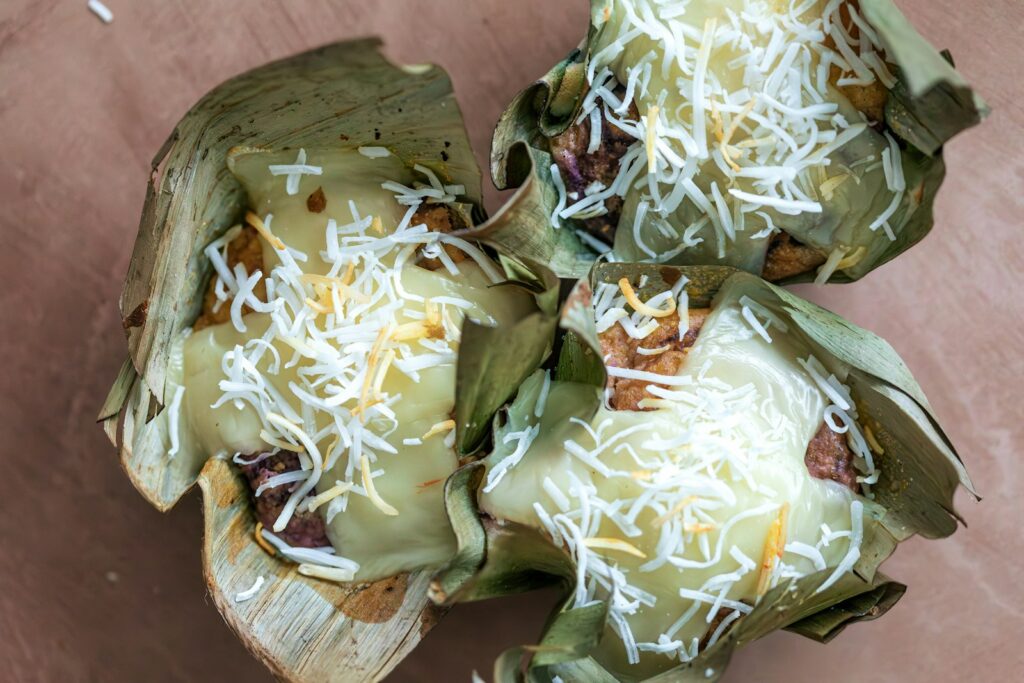
    artichoke wrapped in cheese and other toppings, coconut palm sugar, coconut secret coconut nectar, young coconut, dry coconut

    Here are a few simple recipes to inspire you to use coconut palm sugar in your kitchen:

    1. Coconut Sugar Chocolate Chip Cookies
      Substitute coconut palm sugar for the regular brown or white sugar in your favorite chocolate chip cookie recipe. The cookies will have a rich caramel flavor and a soft, chewy texture.
    2. Coconut Sugar Energy Balls
      Blend coconut sugar with oats, dates, nut butter, and cocoa powder to make quick and healthy energy balls. These are perfect as a snack or pre-workout fuel.
    3. Coconut Sugar Granola
      Combine oats, nuts, seeds, and coconut sugar with a touch of vanilla and coconut oil. Bake until crispy for a delicious breakfast or snack.
    4. Coconut Sugar Glazed Salmon
      Make a glaze for salmon using coconut palm sugar, soy sauce, garlic, and lime. The coconut sugar will caramelize as the salmon bakes, adding a wonderful flavor and texture to the fish.

    Conclusion

    Coconut palm sugar is a natural, minimally processed sweetener that can be a great alternative to refined sugar in cooking and baking. With its lower glycemic index, trace nutrients, and rich caramel-like flavor, it offers a more wholesome option for those looking to reduce their sugar intake without sacrificing taste. Whether you’re baking cookies, making sauces, or sweetening beverages, coconut sugar can bring a unique depth of flavor to your dishes. However, it’s important to remember that, like any sugar, it should be used in moderation as part of a balanced diet. So, get creative in the kitchen and experiment with incorporating this delicious sweetener into your favorite recipes!

  • Health Benefits of Organic Desiccated Coconut – its Nutritional Profile How it Can Be Part of a Healthy Diet

    Health Benefits of Organic Desiccated Coconut – its Nutritional Profile How it Can Be Part of a Healthy Diet

    organic desiccated coconut, unsweetened desiccated coconut, desiccated coconut powder, fine shredded coconut

    Organic Desiccated Coconut has long been a staple in tropical regions, celebrated for its versatility and rich flavor. Among its many forms, desiccated coconut stands out as a popular choice for both culinary and health purposes. Desiccated coconut is made by drying the meat of the coconut and grating it into fine pieces. Unlike fresh coconut, which has a high water content, desiccated coconut is dehydrated, offering a more concentrated form of the fruit’s nutrients.

    Not only is organic desiccated coconut a flavorful addition to recipes, but it also offers a range of health benefits due to its impressive nutritional profile. In this article, we will explore the health benefits of desiccated coconut, its nutritional composition, and how it can be integrated into a balanced diet for optimal health.

    Nutritional Profile of Organic Desiccated Coconut

    white round ornament on brown wicker basket, organic desiccated coconut, unsweetened desiccated coconut, desiccated coconut powder, fine shredded coconut

    Organic desiccated coconut is packed with nutrients that contribute to its various health benefits. Here’s a breakdown of the key nutritional components found in desiccated coconut:

    1. Calories and Energy Desiccated coconut is relatively high in calories, with about 700-750 calories per 100 grams. This makes it an excellent source of energy, especially for those who are looking to increase their caloric intake in a healthy way. However, due to its calorie density, it is important to consume it in moderation.
    2. Healthy Fats One of the standout features of desiccated coconut is its healthy fat content. It is rich in saturated fats, particularly medium-chain triglycerides (MCTs). MCTs are a type of fat that is more easily absorbed and metabolized by the body for energy. This makes organic desiccated coconut an excellent choice for those on a ketogenic or low-carb diet, as MCTs can help promote fat burning and provide a quick source of energy.While saturated fats have often been vilified in the past, recent research has shown that the saturated fats in coconut oil and desiccated coconut are different from those found in animal fats. Coconut’s fats are more likely to be used by the body for energy rather than being stored as fat, and they have been shown to support various metabolic processes.
    3. Fiber Desiccated coconut is a good source of dietary fiber. A 100-gram serving typically contains about 9 to 10 grams of fiber. This fiber content is beneficial for digestive health, as it promotes regular bowel movements and can help prevent constipation. Additionally, fiber aids in weight management by increasing feelings of fullness, which can help reduce overall calorie consumption.
    4. Vitamins and Minerals Desiccated coconut contains a range of vitamins and minerals that are essential for maintaining good health. These include:
      • Vitamin C: Though not in high quantities, desiccated coconut contains small amounts of vitamin C, an antioxidant that supports immune function and skin health.
      • B Vitamins: Desiccated coconut contains B vitamins, including B6 (pyridoxine), which is crucial for brain health, and folate, which is important for cell function and metabolism.
      • Minerals: Desiccated coconut is a good source of important minerals such as manganese, copper, iron, and magnesium. Manganese, in particular, plays a role in bone health and metabolism, while copper supports the production of red blood cells and the absorption of iron.
    5. Protein While organic desiccated coconut is not a significant source of protein, it still contains a modest amount. A 100-gram serving typically provides about 6-7 grams of protein. Protein is essential for tissue repair, immune function, and the production of enzymes and hormones.
    6. Carbohydrates Desiccated coconut has a moderate amount of carbohydrates, with around 25 grams per 100 grams. Of these, about 7-9 grams come from fiber, which means the net carbohydrate content is lower than the total carbohydrate content. This makes it a great option for people on low-carb or ketogenic diets.

    Health Benefits of Desiccated Coconut

    a person holding a stopwatch, organic desiccated coconut, unsweetened desiccated coconut, desiccated coconut powder, fine shredded coconut

    Now that we have an understanding of its nutritional composition, let’s explore the specific health benefits of desiccated coconut:

    1. Supports Heart Health

    Despite its high saturated fat content, desiccated coconut may actually be beneficial for heart health. The medium-chain triglycerides (MCTs) found in coconut are known to increase good cholesterol (HDL) levels and improve the overall lipid profile. This can help lower the risk of heart disease by reducing harmful cholesterol (LDL) and triglyceride levels.

    Additionally, the antioxidants in coconut, such as phenolic compounds, can help reduce inflammation in the body, which is another factor that contributes to heart disease. Consuming desiccated coconut in moderation as part of a balanced diet can help maintain cardiovascular health.

    2. Promotes Digestive Health

    Desiccated coconut is rich in dietary fiber, which plays a critical role in maintaining a healthy digestive system. Fiber helps to regulate bowel movements and prevent constipation by adding bulk to the stool. Moreover, it fosters the growth of beneficial gut bacteria, which supports overall gut health and may reduce the risk of gastrointestinal diseases.

    The fiber in desiccated coconut can also contribute to weight management by promoting feelings of fullness, which can reduce overall food intake. As part of a fiber-rich diet, desiccated coconut can be a useful tool for those looking to manage their weight.

    3. Supports Weight Management

    The high fiber and healthy fat content of desiccated coconut can help with weight management in several ways. The fiber helps to control appetite by increasing satiety, while the MCTs in coconut oil can increase fat burning by promoting thermogenesis (the process of heat production in the body). This means that desiccated coconut may help increase energy expenditure and assist in fat loss when combined with a healthy diet and exercise regimen.

    Furthermore, the fats in desiccated coconut provide a sustained source of energy, which can help prevent energy crashes and unnecessary snacking.

    4. Boosts Immune Function

    Organic desiccated coconut contains various compounds that can help strengthen the immune system. These include antioxidants like vitamin C and phenolic compounds, which help fight free radicals in the body. Additionally, coconut contains lauric acid, a fatty acid known for its antimicrobial properties. Lauric acid can help fight harmful bacteria, viruses, and fungi, thereby supporting the body’s ability to resist infections.

    5. Improves Skin and Hair Health

    Coconut products, including desiccated coconut, are often used in skincare and hair care routines due to their moisturizing and nourishing properties. The healthy fats in organic desiccated coconut help keep the skin hydrated and prevent dryness. Additionally, the lauric acid in coconut has anti-inflammatory and antimicrobial properties, which can help soothe irritated skin and reduce the occurrence of acne or other skin conditions.

    When consumed, organic desiccated coconut can also support hair health. The fats and proteins found in coconut nourish the scalp and hair follicles, promoting healthier hair growth and reducing the risk of hair loss.

    6. Helps Regulate Blood Sugar Levels

    Coconut products, including organic desiccated coconut, have a low glycemic index, which means they do not cause rapid spikes in blood sugar levels. The high fiber content of desiccated coconut helps slow down the absorption of sugar into the bloodstream, making it a great choice for people with diabetes or those looking to maintain stable blood sugar levels.

    7. Supports Bone Health

    Desiccated coconut is a good source of minerals such as magnesium and manganese, which are essential for maintaining healthy bones. Magnesium is involved in the formation of bone tissue and helps regulate calcium balance in the body, while manganese supports bone strength and metabolism. Including organic desiccated coconut in your diet can contribute to stronger bones and reduce the risk of conditions like osteoporosis.

    How to Incorporate Desiccated Coconut Into a Healthy Diet

    person holding coconut husk, organic desiccated coconut, unsweetened desiccated coconut, desiccated coconut powder, fine shredded coconut

    Organic desiccated coconut is a versatile ingredient that can be used in a wide variety of recipes. Here are some ideas for how to incorporate desiccated coconut into your diet:

    • Smoothies: Add a spoonful of organic desiccated coconut to your smoothie for a rich, creamy texture and a boost of fiber and healthy fats.
    • Baking: Use desiccated coconut as a flour substitute in gluten-free baking or sprinkle it over cakes, muffins, or cookies for added flavor and texture.
    • Snacks: Combine desiccated coconut with nuts and seeds to create a healthy, nutrient-dense trail mix.
    • Oatmeal or Yogurt: Stir desiccated coconut into your morning oatmeal or yogurt for an extra crunch and a dose of healthy fats and fiber.
    • Curries and Soups: Organic cesiccated coconut can be added to curries, soups, or stews for a tropical flavor and creaminess.

    Conclusion

    Organic cesiccated coconut is a nutrient-dense food that offers a wide array of health benefits. From promoting heart health and digestive function to supporting weight management and boosting the immune system, organic desiccated coconut can be a valuable addition to a balanced diet. Its rich nutritional profile, including healthy fats, fiber, vitamins, and minerals, makes it an excellent option for those seeking to enhance their overall health and wellbeing. By incorporating organic desiccated coconut into your daily meals in creative ways, you can enjoy its many health benefits while adding a delightful tropical twist to your dishes.

  • Coconut Sugar Syrup In Coffee Drinks, Why it So Popular?

    Coconut Sugar Syrup In Coffee Drinks, Why it So Popular?

    Why coconut sugar syrup are very popular alternative sweeteners to make coffee in South East Asia, especially in Indonesia?

    As consumers become more ingredient-conscious, alternate sweeteners have transformed everything from baked goods to beauty products. Coffee is no exception, with coconut sugar emerging as a popular natural sugar substitute to refine people’s morning cups of joe.

    Let’s explore the origins of coconut sugar, how it differs from regular table sugar, reasons for the coconut sugar coffee craze, and tips for enjoying this healthier sweet coffee upgrade at home.

    A Look at the History of Coconut Sugar Syrup

    coconut blossom sugar, coconut derivative products supplier, coconut sugar keto, coconut sugar supplier, coconut sweetener

    Coconut sugar syrup comes from coconut palm trees, which grow abundantly in tropical locales like Indonesia, Philippines, and Thailand. For centuries, locals collected sap from cut coconut flower buds to produce coconut palm syrup for an unrefined natural sweetener loaded with vitamins, minerals, amino acids, and phytonutrients.

    This traditional coconut sap nectar got cooked down into a crumbly powder known as coconut sugar syrup. Offering sweetness, sustenance, and medicinal benefits, it became a dietary staple and alternative medicine across regions like Indonesia.

    Coconut sugar syrup then took off as a health food sensation when introduced to western markets in the late 1990s and early 2000s. With a production process dating back generations and superior nutrition compared to regular sugar, coconut sugar gained prestige as a wholesome alt-sweetener.

    The push for low glycemic index foods in the 2010s furthered coconut sugar’s popularity. Today, it gets touted as an unprocessed sprinkle-able sugar substitute for everything from tea and oatmeal to sauces and baked goods.

    Why Coffee Drinkers Dig the Taste of Coconut Sugar Syrup

    coconut sugar syrup Global Coco Sugar

    So why the buzz around stirring coconut sugar use into one’s morning coffee rather than plain cane sugar? Reasons that coconut sugar appeals to coffee enthusiasts include:

    Lower Glycemic Index – With a GI of 35, coconut sugar impacts blood sugar gently without sharp spikes and drops. This avoids caffeine-induced energy crashes.

    Pleasant Caramel Flavor – Coconut sugar possesses deeper caramel and butterscotch tones compared to regular sugar. This adds rich flavor that complements coffee beautifully.

    Prebiotic Fiber Content – Coconut sugar contains inulin fibers that support probiotic gut bacteria and digestion. Coffee irritates some stomachs, so this helps counterbalance acidity.

    Vitamin and Mineral Fortification – Steeping coconut sugar in coffee extracts B vitamins, potassium, magnesium, zinc, iron and antioxidants for extra nourishment.

    No Bitter Aftertaste – Coconut sugar lacks the acidic bite left by saccharine sweeteners, allowing its mellow flavor to shine.

    Sustainable Production – Using minimally processed coconut sugar appeals to eco-conscious coffee enthusiasts.

    Adding coconut sugar brings natural sweetness, soothing caramel nuances, and gut-friendly compounds to balance coffee’s bitterness and acidity. The lower glycemic impact prevents crashes too. This makes starting mornings with a coconut sugar coffee ritual beneficial on multiple levels.

    Tips For Coconut Sugar Use For Brewing Coffee At Home

    Substituting Coconut Sugar for Brown Sugar to Sweeten Your Coffee or Tea

    Want to try artisanal coconut sugar coffeehouse flavor at home? Here are some tips for success:

    • Use 2-3 teaspoons coconut sugar per 6 ounce cup of coffee based on taste preferences.
    • Add the coconut sugar directly to coffee grounds before brewing for full flavor infusion.
    • Adjust coffee amounts to account for coconut sugar requiring more liquid for solubility.
    • Store unused coconut sugar in an airtight container to prevent clumping.
    • Pair with dairy or non-dairy creamers, or stir into blended frozen coffee drinks.
    • For iced coffee, simple syrup sweetened with coconut sugar makes a delicious addition.
    • Mix with cinnamon, cacao powder, or vanilla for added taste dimensions.
    • Use coconut sugar coffee scrubs to exfoliate skin.

    Enjoying the natural goodness of coconut sugar takes everyday coffee up a notch. Sip and savor this better-for-you brew full of deeper flavor, wholesome nutrition, and no crash-and-burn side effects thanks to coconut sugar’s smart sweetness elevating your morning mug.

    100% Delicious Guaranteed Recipes For Coconut Sugar : Popular Coffee Drink In Indonesia and South East Asia

    How To Use Coconut Sugar To Sweetening Smoothies

    Ingredients:

    • 1 cup freshly ground coffee beans (medium roast recommended)
    • 1-2 tsp coconut sugar (adjust to taste preferences)
    • 8 oz hot water
    • Splash of milk or milk alternative (optional)
    • Cinnamon or cocoa powder for dusting (optional)

    Instructions:

    1. Add coffee grounds to a French press or other coffee maker. Stir in desired amount of coconut sugar until well combined.
    2. Heat water to 195-205°F – the ideal temperature for coffee brewing. Carefully pour hot water over coffee grounds.
    3. Allow to brew for 4 minutes if using a French press or follow directions for your preferred coffee maker.
    4. Press down plunger on French press or transfer coffee to mugs if using a drip coffee machine.
    5. Add splash of milk or milk alternative if desired. Warm up if using refrigerated milk.
    6. Dust with cinnamon or cocoa powder for extra flavor if desired.
    7. Sweeten further with extra coconut sugar if a sweeter coffee is preferred.
    8. Enjoy your freshly brewed coconut sugar coffee!

    Tips:

    • Grind beans to a medium coarseness for best flavor extraction.
    • Store unused coconut sugar in an airtight container.
    • Adjust coffee to water ratios based on your taste preferences.
    • Add a pinch of salt to enhance the flavors.

    Let the natural sweetness and depth of coconut sugar elevate your daily coffee into a delightful, healthier treat!

  • Game-Changer Carrot Cake Recipe Using Coconut Sugar

    Game-Changer Carrot Cake Recipe Using Coconut Sugar

    Best baking recipe using coconut sugar

    brown bread with sliced tomato and green vegetable on white ceramic plate

    This moist, decadent carrot cake recipe gets its perfectly balanced sweetness from nutrient-rich coconut sugar. Packed with freshly grated carrots, coconut flakes, and topped with a luscious coconut cream cheese frosting, this beautiful layered cake will be the dazzling centerpiece of any celebration.

    The best part is that it’s secretly healthy! By using wholesome ingredients like coconut oil, coconut milk, and coconut flour, you can feel good about enjoying this cake on special occasions. Follow this recipe to bake up carrot cake perfection with the delightful flavor of coconuts.

    Carrot Cake : Baking With Coconut Sugar

    bread on white paper towel

    Cake Ingredients

    Cream Cheese Coconut Frosting

    Instructions Carrot Cake Baking With Coconut Sugar

    coconut blossom sugar, coconut derivative products supplier, coconut sugar keto, coconut sugar supplier, coconut sweetener
    1. Preheat oven to 350°F. Grease two 9-inch round cake pans and line with parchment circles cut to fit bottoms; grease parchment as well.
    2. Make the cake layers: Whisk together almond flour, coconut flour, baking powder, and baking soda in medium bowl until thoroughly combined; set aside.
    3. Using a stand or hand mixer, beat together coconut oil and coconut sugar on medium speed until fluffy and light in color, about 2-3 minutes. Add eggs one at a time, beating well after each addition. Beat in vanilla.
    4. Stir in dry ingredients just until combined. Gently fold in carrots, coconut flakes, and nuts with a rubber spatula, being careful not to overmix.
    5. Divide batter evenly between cake pans and smooth the tops with an offset spatula. Bake until tops are golden brown and a toothpick inserted comes out clean, 28 to 32 minutes.
    6. Allow cakes to cool completely in the pans set on a wire rack, about 1 hour. Run a knife along the edges and invert onto the racks to cool completely, about 1 hour more.
    7. Make the frosting: Using a hand mixer or stand mixer fitted with the whisk attachment, beat the cream cheese and butter together on medium speed until completely smooth and creamy, about 3 minutes. Add 3 1⁄2 cups powdered sugar, vanilla extract and coconut milk. Beat on low for 30 seconds, then switch to high speed beating for 2 full minutes until frosting is smooth and creamy. Add more powdered sugar to thicken, if desired.
    8. Assemble cake: Place 1 cake layer onto your cake stand or serving plate. Spread frosting evenly to edge. Top with second layer and press gently down. Crumb coat the cake and chill for 30 minutes before adding second layer of frosting.
    9. Frost the top and sides with a thin crumb coating layer. Return to the fridge for 30 minutes.
    10. Frost entire cake with the remaining frosting. Cover top and sides evenly. Decorate frosted cake with sweetened coconut flakes pressed gently into sides of cake and pile some on top.
    11. Slice and serve coconut carrot cake! Store any leftovers tightly covered for 3-4 days in the refrigerator.

    Perfect Carrot Cake Recipe Using Coconut Sugar

    round mango graham on plate
    • Use fresh, finely shredded or grated carrots rather than pre-shredded carrots for best texture and flavor.
    • If frosting seems too thick, beat in more coconut milk 1 Tablespoon at a time until reaching desired consistency.
    • Toast the coconut flakes or walnuts before adding for deeper flavor (optional).
    • Substitute Greek yogurt or additional coconut milk for frosting instead of cream cheese to make dairy-free.
    • Garnish with chopped toasted walnuts, shredded coconut, edible flowers, or lime zest.
    • Serve frosted slices with fresh strawberries or pineapple slices for extra color and tropical flavor.

    This beautiful three-layer coconut carrot cake crowned with fluffy coconut cream cheese frosting makes for an unforgettable dessert or special occasion treat. Moist, tender and exploding with flavor thanks to fresh carrots, coconut sugar’s molasses notes, and plenty of flaked coconut, it’s sure to be a new family favorite. Enjoy!

  • Sweet Harmony: Chocolate Cake Baking With Coconut Sugar

    Sweet Harmony: Chocolate Cake Baking With Coconut Sugar

    How to baking with coconut sugar ?

    Chocolate cakes are the perfect weekend morning treat. Their tender, sweet crumb is delicious on its own but even better enjoyed alongside a cup of coffee or tea. This coconut sugar coffee cake puts a tropical twist on the classic recipe. The addition of coconut sugar lends the cake a subtle caramelized flavor that pairs wonderfully with the cinnamon streusel topping. Easy to make and full of texture and flavor contrasts, this coconut sugar coffee cake is sure to become a new favorite.

    Ingredients For The Cake :

    chocolate cake baking with coconut sugar
    • 2 and 1/4 cups (270g) all-purpose flour
    • 2 teaspoons baking powder
    • 1/2 teaspoon salt
    • 1/2 cup (1 stick) unsalted butter, softened to room temperature
    • 1 cup (200g) coconut sugar
    • 3 large eggs, at room temperature
    • 1 teaspoon pure vanilla extract
    • 1 cup (240ml) milk, at room temperature (can substitute almond milk or buttermilk)

    Streusel Topping Using Coconut Sugar In Baking Chocolate Cake :

    selective focus photography of fried food
    • 1/2 cup (65g) all-purpose flour
    • 1/2 cup (100g) coconut sugar
    • 2 teaspoons ground cinnamon
    • 1/4 teaspoon salt
    • 6 tablespoons (85g) unsalted butter, melted and slightly cooled

    Equipment:

    • 9×9 inch baking pan
    • Electric mixer
    • Wire rack

    Chocolate Cake Baking With Coconut Sugar

    Prep Time : 20 Minutes

    Bake Time: 30-35 minutes

    Cool Time: At least 1 Hour

    How To Make Chocolate Cake Using Caramelized Coconut Sugar:

    1. Preheat your oven to 350°F (177°C). Grease a 9×9 inch baking pan and set aside.
    2. In a medium bowl, whisk together the flour, baking powder and salt. Set aside.
    3. Using an electric mixer, beat the butter on medium speed for 1 minute until completely smooth and creamy. Add the coconut sugar and beat for 2 full minutes. Scrape down the sides and up the bottom of the bowl with a rubber spatula as needed. Add the eggs one at a time, beating after each addition. After you add the last egg, beat for 1 more minute. The batter may look slightly curdled. Add the vanilla and mix to combine.
    4. With the mixer on low speed, add half of the dry ingredients and mix just until incorporated. Then half of the milk, mixing just until incorporated. Scrape down the sides and up the bottom of the bowl as needed. Repeat with the remaining dry ingredients and milk. Do not overmix.
    5. Pour the batter evenly into the prepared baking pan. Spread into an even layer.

    To Make The Streusel Topping:

    1. In a medium bowl, stir together the flour, coconut sugar, cinnamon and salt with a fork. Pour in the melted butter and stir with the fork or your fingers until large crumbles form.
    2. Evenly sprinkle the streusel topping over the coffee cake batter.

    To Bake And Finish The Cake:

    1. Bake for 30-35 minutes, until a toothpick inserted in the center comes out clean.
    2. Allow the coffee cake to cool completely in the pan set on a wire rack. This will take at least 1 hour. The streusel will crisp up as it cools.
    3. Slice and serve slightly warm or at room temperature. Leftovers can be stored covered at room temperature for up to 5 days.

    Tips for Making the Perfect Caramelized Coconut Sugar Chocolate Cake

    caramel sauce with coconut sugar, coconut sweetener, caramelized coconut sugar
    • Be sure your ingredients are at room temperature. This will ensure the cake bakes up light and tender.
    • Don’t overmix the batter once the wet and dry ingredients come together. Just a few turns is all it needs. Overmixing will result in a dense, tough cake crumb.
    • Resist the urge to cut the warm cake! Letting it cool completely allows the texture to set up perfectly for neat, even slices that hold together well with the delicate streusel topping.
    • Store leftovers well covered at room temperature. The cake will stay moist this way for several days.
    • Customize the streusel topping by using nuts like pecans or walnuts in place of half the flour.
    • Swap out the coconut sugar for light or dark brown sugar for a more traditional coffee cake flavor.

    The caramelized coconut sugar paired with the cinnamon sugar streusel topping makes this coffee cake irresistible. The interior of the cake bakes up remarkably moist and tender thanks to the use of milk and room temperature ingredients. Be sure not to over-mix the batter once the dry ingredients are added to maintain the delicate texture. Letting the finished cake rest for at least an hour before serving allows the flavors to meld and the streusel to crisp up perfectly. Leftover slices can be wrapped individually and freeze well for up to 3 months. Whether enjoyed on a lazy Sunday morning or brought along to a weekend brunch, this tropical twist on coffee cake is sure to become a fast favorite.

Secret Link