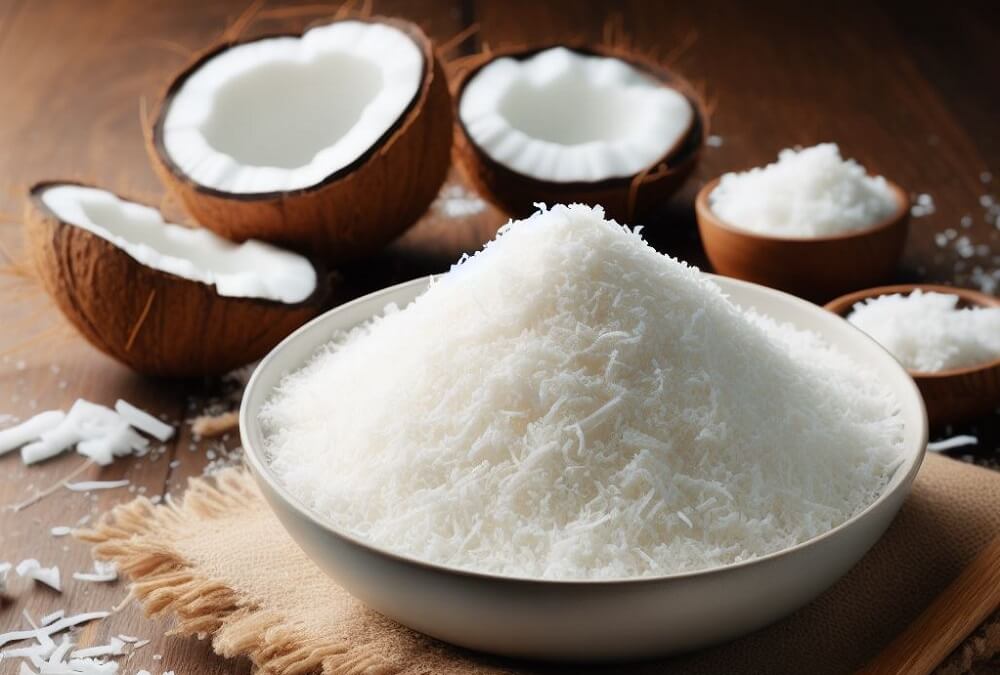
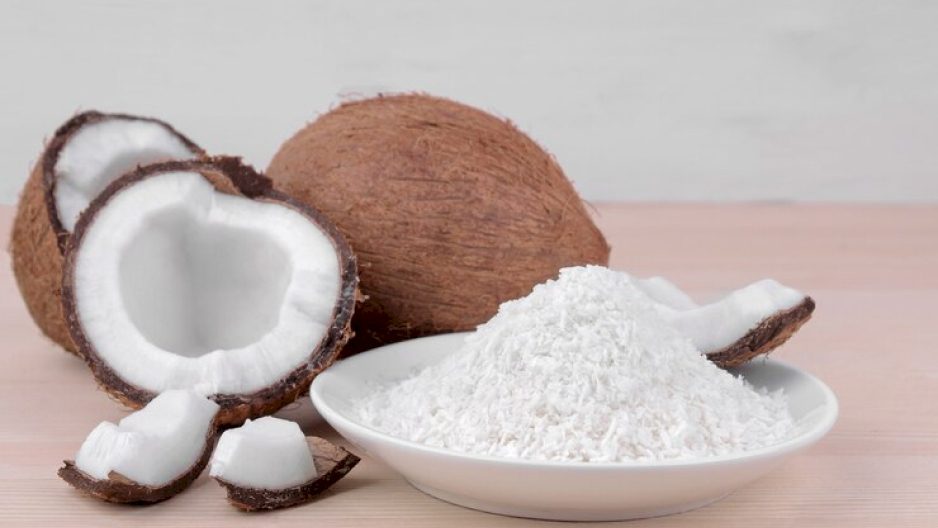
Desiccated coconut — also commonly called shredded coconut, dried coconut, or coconut flakes (depending on the cut size and moisture level) — is the dried white meat of the mature coconut, grated or shredded and dried to below 3–4% moisture.
Despite the different names, the health benefits across these forms are essentially the same: it’s the same coconut meat, just cut or dried differently.
Beyond its versatility in baking, cooking, and snacking, desiccated coconut is a genuinely nutrient-dense food — one of the few plant-based sources that provides meaningful amounts of dietary fiber, medium-chain fatty acids, and multiple essential minerals in a single ingredient.
Here’s what the nutrition data shows, benefit by benefit.
→ See our detailed guide: desiccated coconut vs coconut flakes: what is the difference?
Desiccated Coconut Nutrition Facts
| Nutrient | Per 1 oz / 28g serving | Per 100g | % Daily Value (per serving) |
| Calories | ~187 kcal | ~660 kcal | ~9% |
| Total Fat | ~18g | ~65g | 23% |
| Saturated Fat | ~16g (MCTs) | ~57g | 80% |
| Dietary Fiber | ~5g | ~16g | 18% |
| Total Carbohydrates | ~7g | ~25g | — |
| Net Carbs (for keto) | ~2g | ~9g | — |
| Protein | ~2g | ~7g | 4% |
| Manganese | ~0.6mg | ~2.1mg | 26% DV |
| Copper | ~0.2mg | ~0.8mg | 22% DV |
| Selenium | ~6.8mcg | ~24mcg | 12% DV |
| Iron | ~0.9mg | ~3.3mg | 5% DV |
| Potassium | ~150mg | ~543mg | 4% DV |
| Magnesium | ~23mg | ~84mg | 6% DV |
Note: values are approximate and may vary between producers and processing methods. Values above are based on unsweetened, fine-grade desiccated coconut.
The Top 10 Health Benefits of Desiccated Coconut
1. High in MCTs for Quick, Sustained Energy
Approximately 90% of the fat in desiccated coconut is saturated fat, most of which consists of medium-chain triglycerides (MCTs) — primarily lauric acid (C12), caprylic acid (C8), and capric acid (C10).
Unlike long-chain fatty acids, MCTs are transported directly to the liver via the portal vein and rapidly converted into ketone bodies or used for immediate energy — bypassing the slower digestion process that most dietary fats require.
This makes desiccated coconut a practical energy source for athletes, people following ketogenic diets, or anyone looking for sustained mental and physical energy without blood sugar fluctuations.
2. Excellent Dietary Fiber Source for Gut Health
At approximately 5g of dietary fiber per ounce (28g), desiccated coconut is one of the highest-fiber natural foods available.
That’s roughly 18% of the recommended daily fiber intake in a single serving — comparable to a serving of most legumes.
Dietary fiber supports multiple dimensions of digestive health: it adds bulk to stool to prevent constipation, feeds beneficial gut bacteria (prebiotic effect), and slows the absorption of sugars and fats — helping to stabilize blood glucose and cholesterol levels after meals.
→ how to use desiccated coconut in savory recipes
3. Lauric Acid for Immune System Support
Lauric acid makes up approximately 44–52% of the total fat in coconut — making it one of the richest natural sources of this compound outside of human breast milk.
The body converts lauric acid to monolaurin, which has demonstrated antimicrobial, antiviral, and antifungal activity in laboratory studies.
Monolaurin has been studied for its ability to disrupt the lipid membranes of certain pathogens, including some bacteria (such as Staphylococcus aureus and Helicobacter pylori) and viruses.
While most of this evidence remains from in vitro studies, it supports coconut’s traditional use as an immune-supporting food across Southeast Asia.
→ Related: virgin coconut oil and its antimicrobial properties
4. Supports Heart Health Through Minerals and HDL Cholesterol
Desiccated coconut contributes potassium (150mg per oz) and magnesium (23mg per oz) — two minerals essential for cardiovascular function.
Potassium helps counteract the blood-pressure-raising effects of sodium by promoting vasodilation, while magnesium supports heart muscle relaxation and normal electrical conduction.
Regarding cholesterol: research on MCT-rich foods and coconut specifically shows that coconut fats can raise both LDL and HDL cholesterol.
The net cardiovascular effect is still debated among researchers, but several studies indicate that the LDL particles associated with coconut fat tend to be the larger, less atherogenic type.
As with all high-fat foods, moderation and overall dietary context matter most.
5. Provides Bone-Building Manganese
One ounce of desiccated coconut provides approximately 26% of the daily recommended value for manganese — making it one of the most significant plant-based sources of this mineral.
Manganese is essential for bone formation, collagen synthesis, and the activation of enzymes involved in bone metabolism.
It works synergistically with calcium, zinc, and copper to maintain bone density and structural integrity.
6. Copper for Energy Production and Connective Tissue
Desiccated coconut provides approximately 22% DV of copper per serving — a mineral that many people do not consume in optimal amounts.
Copper is required for the production of cytochrome c oxidase, an enzyme central to cellular energy production.
It also plays an important role in the synthesis of collagen and elastin — connective tissue proteins that maintain skin elasticity, joint integrity, and blood vessel structure.
7. Selenium as an Antioxidant Defence
Desiccated coconut contains roughly 12% DV of selenium per serving.
Selenium is an essential trace mineral that functions as a cofactor for glutathione peroxidase — one of the body’s primary antioxidant enzymes.
This enzyme neutralizes hydrogen peroxide and lipid hydroperoxides, protecting cells from oxidative damage that contributes to aging and chronic disease.
Selenium is also essential for thyroid hormone metabolism and normal immune function.
8. Iron for Blood Health and Oxygen Transport
At approximately 5% DV iron per ounce, desiccated coconut is not a primary iron source, but it contributes to overall iron intake as part of a varied diet.
Iron is essential for hemoglobin synthesis — the protein in red blood cells that carries oxygen throughout the body.
Insufficient iron intake leads to iron-deficiency anemia, characterized by fatigue, reduced cognitive function, and impaired exercise tolerance.
Note: the iron in coconut (and other plant foods) is non-heme iron, which has lower bioavailability than heme iron from animal sources. Pairing desiccated coconut with vitamin C-rich foods can significantly improve absorption.
9. Naturally Gluten-Free, Keto, and Paleo Compatible
Desiccated coconut contains approximately 2g net carbs per ounce (total carbs minus fiber), making it compatible with ketogenic diet guidelines that restrict net carbs to 20–50g per day.
It is also naturally gluten-free, making it appropriate for people with celiac disease or non-celiac gluten sensitivity.
Additionally, desiccated coconut is Paleo, Whole30-compatible, and vegan — making it one of the most diet-inclusive natural ingredients available for people navigating multiple dietary restrictions simultaneously.
→ Related: is coconut sugar keto-friendly?
10. Supports Weight Management Through Satiety
The combination of high fat (18g per oz) and high fiber (5g per oz) in desiccated coconut creates a strong and lasting satiety effect.
Fat and fiber are the two macronutrients most associated with delayed gastric emptying — the process by which food leaves the stomach.
Slower gastric emptying means you feel full longer, reducing total calorie intake between meals.
Additionally, MCTs have been shown in some studies to modestly increase metabolic rate and fat oxidation compared to long-chain fatty acids.
However, desiccated coconut is calorie-dense (~187 kcal per oz), so the satiety benefit is most relevant when it replaces a less satiating food rather than being added on top of an existing diet.
How Much Desiccated Coconut Should You Eat Per Day?
There is no official recommended daily intake specifically for desiccated coconut, but based on its nutritional profile and calorie density, a practical daily amount is:
| Context | Suggested Daily Amount | Rationale |
| General health/snacking | 1–2 oz (28–56g) | Provides meaningful fiber, minerals, and MCTs without excessive calorie load |
| Baking and cooking | As recipe requires — usually 2–4 tbsp | Spread across multiple servings, impact per portion is modest |
| Keto diet | 1 oz (28g) or more | Very low net carbs (2g/oz) makes it a freely usable keto ingredient |
| Weight management | Start with 1 oz (28g) | Monitor total daily calorie intake as it’s energy-dense |
How to Add Desiccated Coconut to Your Diet
- Smoothies and smoothie bowls: Blend 2 tablespoons directly into smoothies for added fiber and creaminess, or sprinkle on top of smoothie bowls for texture.
- Baked goods: Add to cookie dough, muffin batter, granola bars, or cake batter for moisture, texture, and natural coconut flavor. Works as a partial flour substitute in grain-free baking.
- Savory dishes: Stir into curries, soups, or stews as a thickener; use as a coating for chicken or fish before pan-frying; sprinkle over salads for crunch.
- Energy snacks: Mix with nuts, seeds, dates, and nut butter to make no-bake energy balls — one of the most popular uses for desiccated coconut.
- Yogurt and oatmeal toppings: Toast lightly in a dry pan and sprinkle over yogurt, oatmeal, or açaí bowls for a nutty, crunchy garnish.
- As a breadcrumb substitute: Use in place of breadcrumbs for coating proteins in gluten-free and low-carb cooking — creates a crispier, more flavorful crust.
→ See: savory desiccated coconut recipes for everyday cooking
The Bottom Line
Desiccated coconut is more than a baking ingredient — it’s one of the most nutritionally complete plant-based foods available in a dry, shelf-stable form.
From MCTs and dietary fiber to manganese, copper, and lauric acid, it delivers a wide spectrum of nutritional benefits in a single versatile ingredient.
Whether you call it desiccated coconut, shredded coconut, or dried coconut, the benefits are the same — and the practical applications are almost unlimited.
The key is choosing unsweetened, minimally processed product to maximize the nutritional value and avoid added sugars.
→ See: our certified organic desiccated coconut — fine and extra-fine grades, available in bulk
Frequently Asked Questions
Is desiccated coconut good for you?
Yes — desiccated coconut is a nutrient-dense food that provides dietary fiber, MCTs, lauric acid, and essential minerals including manganese, copper, and selenium. It supports digestive health, energy production, bone health, and immune function. It is calorie-dense (~187 kcal per oz), so it is best consumed as part of a balanced diet rather than in very large amounts.
What are the benefits of desiccated coconut?
The main health benefits of desiccated coconut include: MCTs for quick energy, dietary fiber for gut health and satiety, lauric acid for antimicrobial immune support, minerals (manganese, copper, selenium, iron) for bone health and antioxidant defence, and compatibility with gluten-free, keto, and paleo diets.
Is shredded coconut the same as desiccated coconut?
They are made from the same ingredient — dried white coconut meat — but differ in cut size and moisture content. Desiccated coconut is finely grated and dried to below 3–4% moisture. Shredded coconut is cut into longer strips and typically has slightly higher moisture (4–10%). The health benefits are essentially the same.
Is dried coconut good for you?
Yes. Dried coconut (whether desiccated, shredded, or flaked) provides fiber, MCTs, and essential minerals. The main consideration is calorie density — dried coconut has had its water removed, concentrating both nutrients and calories compared to fresh coconut meat.
How much desiccated coconut should I eat per day?
For general health benefits, 1–2 oz (28–56g) per day is a reasonable amount that provides meaningful fiber and mineral contributions without excessive calories. For keto diets, more can be used freely given the very low net carb count (~2g per oz).
Does desiccated coconut have a lot of sugar?
Unsweetened desiccated coconut contains very little natural sugar — typically 2–3g total carbohydrates per tablespoon, with most of that being dietary fiber. Net carbs are approximately 2g per oz. Sweetened desiccated coconut, which has added sugar, will have significantly more.
Is desiccated coconut keto-friendly?
Yes — unsweetened desiccated coconut has approximately 2g net carbs per oz (28g), making it compatible with ketogenic diet guidelines. It is high in fat and fiber, both of which are favorable for keto diets. Always check labels to confirm the product is unsweetened.
→ See: our certified organic desiccated coconut — fine and extra-fine grades, available in bulk