| Quick Reference: Coconut Sugar Substitution Ratios White sugar → coconut sugar: 1:1 by weight or volume. Expect darker color and deeper caramel flavor. Brown sugar → coconut sugar: 1:1 by weight or volume. Best direct substitute — very similar behavior. Coconut sugar → brown sugar: 1:1 by weight or volume. Add 1 tsp molasses per cup if you want brown sugar's deep flavor. Coconut sugar → white sugar: 1:1. Result will be darker and more flavored than white sugar version. Coconut sugar → maple syrup: ¾ cup maple syrup per 1 cup coconut sugar. Reduce other liquids by 3 tbsp. Coconut sugar → honey: ¾ cup honey per 1 cup coconut sugar. Reduce other liquids by 3 tbsp. Add ¼ tsp baking soda. |
Whether you are evaluating a coconut sugar substitute in baking, trying to use what you have on hand when you run out of another sugar, or developing a recipe that specifically features coconut sugar's distinctive caramel character — understanding the ratios and baking adjustments makes the difference between a successful result and a disappointing one.
This guide covers both directions of substitution: using it as a replacement for other sweeteners, and finding the best coconut sugar substitute in baking when the original ingredient is not available.
We cover granulated substitutes (1:1 swaps), liquid sweetener conversions, and per-application baking adjustments based on our experience as producers of organic coconut sugar from Indonesia.
Understanding how coconut sugar is produced from coconut palm flower sap through minimal processing explains why its baking behavior differs from refined sugar — and why those differences are often an advantage.
Why Switch to Coconut Sugar in Baking? The Three Reasons

Before diving into ratios, it helps to understand why coconut sugar is worth using — not just as a substitute, but as an upgrade.
Its glycemic index of approximately 35 is significantly lower than white sugar (GI 65) and brown sugar (GI 64), meaning a slower blood glucose rise per serving.
But for bakers, the more immediately relevant advantages are sensory and functional.
| Advantage | What It Means in Practice |
| Deep caramel flavor | Coconut sugar's natural butterscotch-caramel notes add complexity that white or brown sugar cannot replicate — every baked good tastes more interesting |
| Lower glycemic index | Relevant for health-conscious consumers and food brands positioning in natural/wellness segments |
| Minimal processing | Single ingredient, unrefined — supports 'refined sugar-free', 'natural', and 'clean label' claims on food products |
| Moisture behavior | Slightly less hygroscopic than brown sugar — results in cookies that are chewy on day 1 and remain so on day 2-3 without becoming overly sticky |
| Color development | The deeper Maillard reaction from coconut sugar produces beautifully golden-brown baked goods with visually appealing color even at normal baking temperatures |
Why Baking Substitutions Are Different from Cooking or Beverages
Substituting sweeteners in a hot beverage (coffee, tea) or a no-cook dressing is simple — swap and taste.
Baking is fundamentally different because sugar plays structural and chemical roles beyond sweetness, and any substitution affects the final product in multiple dimensions simultaneously.
| Role of Sugar in Baking | How Different Sweeteners Affect It |
| Maillard reaction (browning) | Coconut sugar caramelizes at slightly lower temperature than white sugar — products brown faster. Reduce oven temp by 5-10°C or check 2-3 minutes earlier than the recipe states. |
| Moisture retention | Brown sugar is more hygroscopic than coconut sugar (retains more moisture). Coconut sugar products may be slightly drier — add 1-2 tsp extra liquid if texture seems dry. |
| Spread in cookies | Coconut sugar's slightly coarser crystals and lower hygroscopicity mean cookies spread slightly less than white sugar versions. Flatten dough balls slightly before baking if you want more spread. |
| Color of finished product | Coconut sugar produces noticeably darker results than white sugar — golden-brown to dark brown, even at lower temperatures. Factor this into product appearance planning. |
| Leavening interaction | When using liquid sweeteners (maple syrup, honey) as coconut sugar substitutes, add ¼ tsp baking soda per cup of liquid sweetener to compensate for the acidic nature of these liquids. |
| Texture and structure | Granulated coconut sugar behaves most similarly to granulated white or brown sugar in structure — creams with butter, dissolves in batters, caramelizes. Liquid sweeteners affect moisture balance more significantly. |
Master Substitution Ratio Table: All Coconut Sugar Conversions
| From | To | Ratio | Liquid Adjustment | Key Baking Adjustment | Flavor Change |
| White sugar | Coconut sugar | 1:1 | None needed | Reduce oven temp 5°C; check 2 min early | Deeper caramel; slightly less sweet |
| Brown sugar | Coconut sugar | 1:1 | None needed | Minimal — most similar behaving substitute | Very similar; coconut sugar slightly drier |
| Cane sugar | Coconut sugar | 1:1 | None needed | Same as white sugar — watch browning | Deeper flavor; darker color |
| Coconut sugar | Brown sugar | 1:1 | None needed | Add 1 tsp molasses/cup if replicating dark brown sugar | Lighter caramel; slightly moister texture |
| Coconut sugar | White sugar | 1:1 | None needed | Product will be paler; less flavor complexity | Neutral sweetness; loses caramel depth |
| Coconut sugar | Maple syrup | ¾ cup syrup per 1 cup sugar | Reduce liquids by 3 tbsp per ¾ cup syrup | Add ¼ tsp baking soda per cup syrup | Maple flavor replaces caramel |
| Coconut sugar | Honey | ¾ cup honey per 1 cup sugar | Reduce liquids by 3 tbsp per ¾ cup honey | Add ¼ tsp baking soda per cup honey | Floral honey note replaces caramel |
| Coconut sugar | Agave nectar | ¾ cup agave per 1 cup sugar | Reduce liquids by 3 tbsp per ¾ cup agave | Lower caramelization — reduce oven temp | Milder, more neutral sweetness |
| Coconut sugar | Date sugar | 1:1 | Add 1-2 tbsp extra liquid | Date sugar doesn't melt fully — expect slightly grainy texture | Similar natural sweetness; date flavor note |
| Coconut sugar | Muscovado sugar | 1:1 | None needed | Similar behavior; muscovado slightly more molasses-forward | Deeper, more complex flavor |
| Coconut sugar | Jaggery (grated) | 1:1 | None needed | Jaggery is less refined — sieve to remove lumps | Earthier, more complex; regional variation in flavor |
Using Coconut Sugar as a Substitute: Application-by-Application Guide
The 1:1 ratio works as a starting point for most baking — but the specific adjustments needed vary by what you are baking. Here is a per-application guide:
Cookies

Coconut sugar is arguably at its best in cookies — the lower GI, deeper caramel flavor, and chewy texture it produces are genuine improvements over white or brown sugar versions for most cookie recipes.
See our fully tested coconut sugar cookie recipe for a recipe built specifically around coconut sugar's properties rather than just substituting it in.
- Substitution ratio: 1:1 for white or brown sugar.
- Color: Cookies will be noticeably darker — golden-brown edges with darker center. This is correct and appealing, not a problem.
- Spread: Cookies spread slightly less than white sugar versions. Flatten dough balls to desired width before baking if you prefer thin, crispy cookies.
- Oven adjustment: Reduce temperature by 5-10°C (10-20°F) and check 2 minutes before recipe time. Coconut sugar browns faster — edges can go from golden to burnt quickly.
- Chilling dough: Refrigerating cookie dough for 30-60 minutes before baking is strongly recommended with coconut sugar — it slows spread and produces chewier centers.
Cakes and Muffins
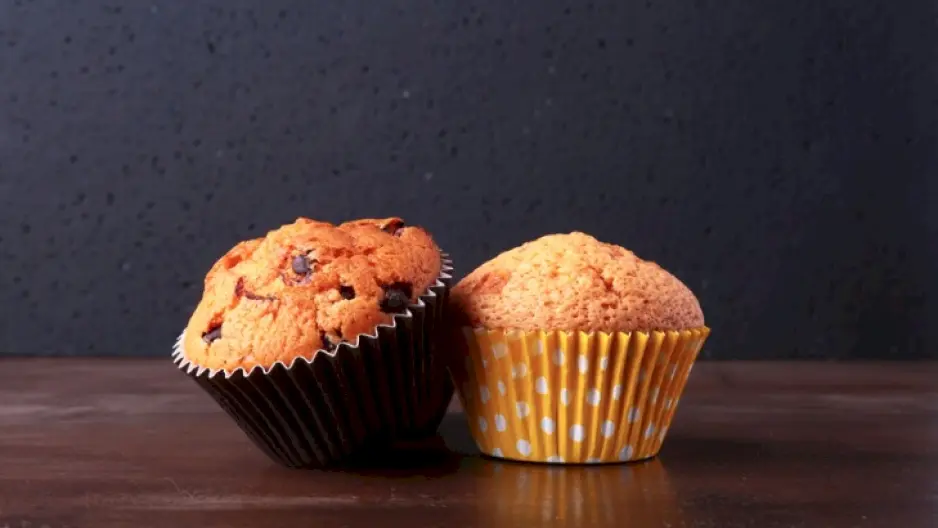
Coconut sugar works well in cakes and muffins but produces visibly darker results — golden butter cakes become light brown, chocolate cakes become very dark.
The flavor is richer and more complex, which most people find a genuine improvement.
- Substitution ratio: 1:1 for white or brown sugar.
- Color: Expect medium to dark brown crumb. Not suitable for light-colored cakes (vanilla birthday cake, white wedding cake) where appearance is the priority.
- Moisture: Some bakers find coconut sugar cakes slightly drier than white sugar versions. Add 1-2 tablespoons of extra liquid (milk, buttermilk, or yogurt) to the batter if the batter looks stiffer than expected.
- Leavening: No adjustment needed to baking powder or baking soda quantities when substituting granulated coconut sugar for granulated white or brown sugar.
- Creaming: Cream butter and coconut sugar for 3-4 minutes vs the typical 2 minutes for white sugar — the coarser crystals need longer to dissolve into the butter for a light, aerated texture.
Granola and Snack Bars
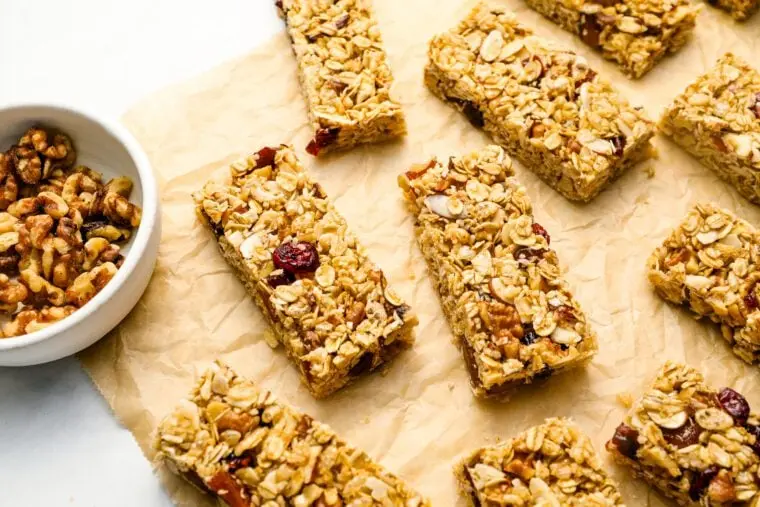
Granola is one of the most successful applications for coconut sugar — no modification needed, and the caramel flavor adds significant value over white sugar versions.
- Substitution ratio: 1:1 for white or brown sugar. If the original recipe uses honey or maple syrup, use coconut sugar at the same weight plus 2-3 tablespoons of water to compensate for the missing liquid.
- Temperature: Reduce oven temperature by 5°C and stir granola more frequently — coconut sugar clusters can over-caramelize at higher temperatures.
- Result: Slightly drier clusters than honey-based granola, but excellent caramel flavor and color. Toasted coconut sugar granola often has better shelf stability than honey-based versions.
Banana Bread and Quick Breads
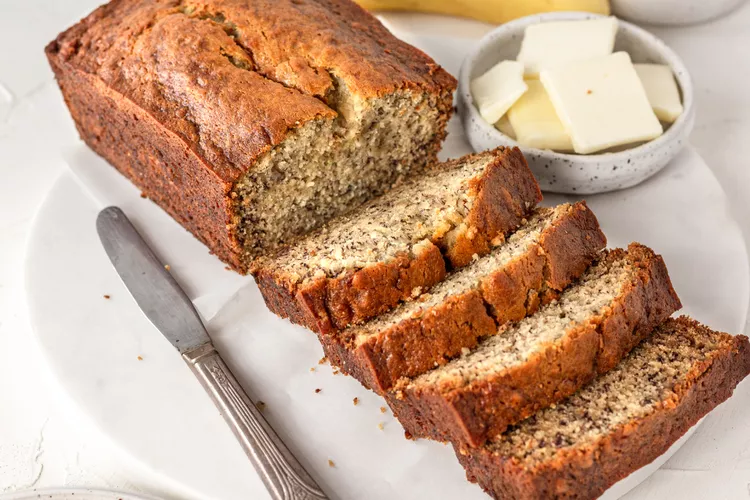
Quick breads are very forgiving with coconut sugar substitution — the existing moisture from bananas, zucchini, or other fruit compensates for coconut sugar's slightly lower hygroscopicity, and the strong flavor of the main ingredient means the coconut sugar flavor integrates rather than dominates.
- Substitution ratio: 1:1 for white or brown sugar.
- Adjustment: Usually none needed — the moisture from bananas or other fruit is sufficient. If using a particularly dry quick bread recipe, add 1 tablespoon of extra liquid.
- Flavor: The caramel notes of coconut sugar pair excellently with banana, chocolate, and spiced quick breads. It is a genuine improvement in these applications.
Brownies
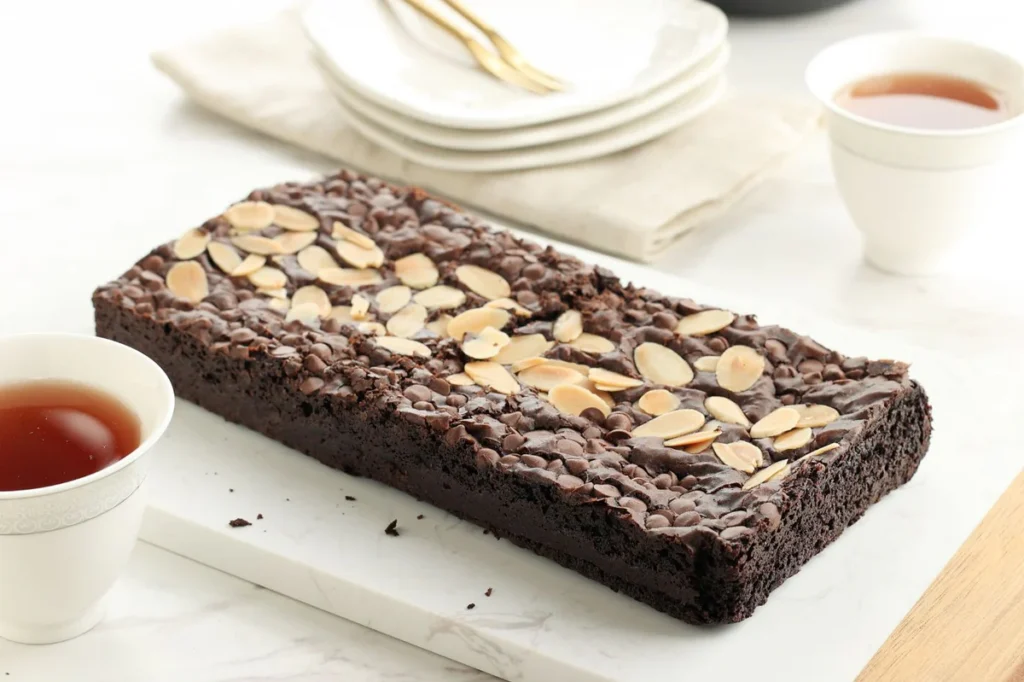
Brownies with coconut sugar are deeply flavorful — almost fudgy, with a rich caramel complexity that layered on top of chocolate creates exceptional results. One of the best applications for coconut sugar in baking.
- Substitution ratio: 1:1 for white or brown sugar.
- Color: Brownies will be very dark — this is expected and appealing.
- Texture: Slightly denser than white sugar brownies. If you prefer a lighter texture, beat the eggs and coconut sugar together for 3-4 minutes until pale and thickened before adding other ingredients.
Frosting and Icing
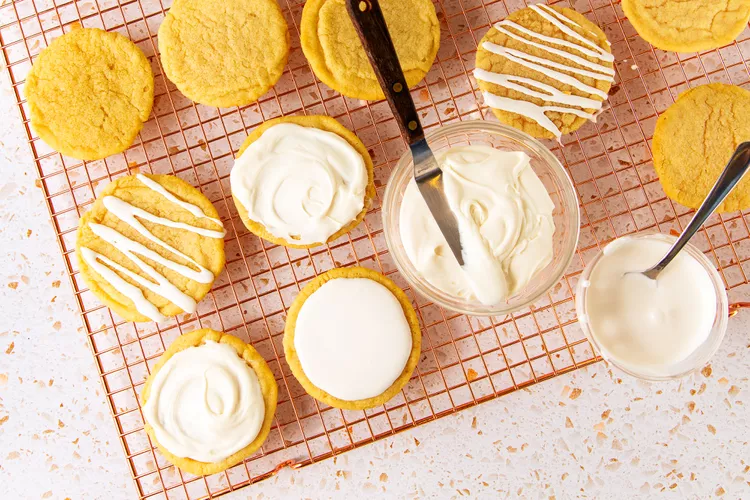
This is the most challenging application for coconut sugar. Raw granulated coconut sugar does not work in butter-based frosting — the crystals cannot dissolve at room temperature and create a gritty texture. You must powder the coconut sugar first.
- How to powder coconut sugar: Process in a high-speed blender or food processor for 45-60 seconds until it reaches powdered sugar consistency. Sieve before use.
- Ratio: Use powdered coconut sugar 1:1 by weight for powdered/icing sugar in most frosting recipes.
- Color: Frosting will be light tan to light brown rather than white. Not suitable for white or light-colored frosting applications.
- Flavor: The caramel flavor of coconut sugar in frosting pairs beautifully with chocolate, spiced, and caramel-flavored cakes.
Top Options for a Coconut Sugar Substitute in Baking
If your recipe calls for coconut sugar and you don't have it, here are the best alternatives ranked by similarity of behavior and flavor in baking:
1. Brown Sugar (Best Direct Substitute) — 1:1 Ratio
Brown sugar is the closest substitute for coconut sugar in baking — both are granulated sweeteners with caramel notes and similar hygroscopicity.
The result will be slightly lighter in color and the flavor slightly less complex, but most people would not be able to identify the difference in a blind taste test.
For a full comparison of the two, see our article on coconut sugar vs brown sugar health benefits and baking.
- Best for: All baking applications — cookies, cakes, muffins, granola, brownies.
- Flavor difference: Brown sugar has a mild molasses note; coconut sugar has deeper caramel-butterscotch notes. The difference is subtle.
- Health difference: Brown sugar (GI ~64) vs coconut sugar (GI ~35) — coconut sugar has a significantly lower glycemic index.
2. Raw Cane Sugar (Turbinado / Demerara) — 1:1 Ratio
Raw cane sugar (turbinado, demerara, or raw sugar) is minimally refined and has a mild caramel flavor from residual molasses — making it closer to coconut sugar than white refined sugar.
The coarser crystals also behave more similarly to coconut sugar in baking.
- Best for: Cookies, granola, crumble toppings where visible crystal texture is acceptable.
- Adjustment: None needed. Color will be similar to coconut sugar. Flavor slightly less complex.
3. Muscovado Sugar — 1:1 Ratio
Muscovado is an unrefined cane sugar with very high molasses content — it has a strong toffee-molasses flavor that is arguably closer to coconut sugar's complexity than regular brown sugar.
It is more difficult to find but worth keeping in mind for applications where deep flavor is important.
- Best for: Brownies, gingerbread, dark fruitcakes, molasses-forward recipes.
- Adjustment: Muscovado is stickier and clumpier than coconut sugar — sift before measuring.
4. Maple Syrup — ¾ Cup per 1 Cup Coconut Sugar
Maple syrup is a liquid sweetener substitute for coconut sugar — it brings its own distinctive flavor but works well in applications where a liquid sweetener is compatible.
If you are interested in a liquid form of coconut sweetener that behaves similarly to maple syrup, see our article on coconut nectar syrup vs other sweeteners — coconut nectar is essentially the liquid form of coconut sugar with GI similar to coconut sugar.
- Ratio: ¾ cup maple syrup for every 1 cup coconut sugar.
- Liquid adjustment: Reduce other liquids in the recipe by 3 tablespoons per ¾ cup maple syrup used.
- Leavening adjustment: Add ¼ teaspoon baking soda per cup of maple syrup to counteract its slight acidity.
- Best for: Muffins, quick breads, granola, energy balls — applications where liquid sweetener works.
5. Honey — ¾ Cup per 1 Cup Coconut Sugar
Honey is a widely available liquid substitute for coconut sugar — it brings sweetness and moisture, though the distinctive honey flavor will be detectable in the finished product.
Raw honey and set honey can both be used; liquid honey is easier to measure and incorporate.
- Ratio: ¾ cup honey for every 1 cup coconut sugar.
- Liquid adjustment: Reduce other liquids by 3 tablespoons per ¾ cup honey used.
- Leavening adjustment: Add ¼ teaspoon baking soda per cup of honey.
- Temperature: Reduce oven temperature by 15°F (8°C) — honey browns faster than granulated sugar.
- Best for: Quick breads, muffins, granola, bars — applications that pair well with honey flavor.
6. Date Sugar — 1:1 Ratio
Date sugar (made from ground dried dates) is the most nutritionally similar alternative to coconut sugar — both are whole-food, minimally processed sweeteners with natural fiber content and complex flavor.
The key difference: date sugar does not melt or dissolve completely in baking, producing a slightly coarser texture in some applications.
- Ratio: 1:1 by weight or volume.
- Adjustment: Add 1-2 tablespoons of extra liquid to compensate for date sugar's greater absorbency. Sift or process finely before use.
- Best for: Energy balls, bars, granola, banana bread — applications where some texture variation is acceptable.
- Not recommended for: Frosting, clear glazes, or applications requiring smooth, fully dissolved sugar.
Troubleshooting: Common Problems When Substituting Coconut Sugar in Baking
| Problem | Likely Cause | Solution for Next Time |
| Cookies / baked goods too dark or burnt edges | Coconut sugar caramelizes at lower temperature than white sugar | Reduce oven temp by 10°C (20°F). Check 2-3 minutes before recipe time. Use light-colored baking pan (dark pans accelerate browning further). |
| Cookies came out flat | Dough too warm; butter too soft; not enough flour | Refrigerate dough 30-60 minutes before baking. Weigh flour precisely — coconut sugar cookies are sensitive to flour quantity. Ensure butter is softened, not melted. |
| Cake or muffins too dry | Coconut sugar is less hygroscopic than brown sugar | Add 1-2 tbsp extra liquid per cup of coconut sugar used. Alternatively, add 1 tbsp of neutral oil to compensate. |
| Frosting is gritty | Granulated coconut sugar crystals don't dissolve at room temperature | Always powder coconut sugar in a blender before using in frosting or icing. Sieve after powdering. |
| Baked goods taste too sweet | Coconut sugar's sweetness profile may peak differently than expected | Reduce coconut sugar by 10-15% (use 0.85-0.9 cup per 1 cup called for). Coconut sugar's caramel notes can make overall sweetness perception higher. |
| Product not sweet enough | Coconut sugar is slightly less sweet than white sugar by volume | Increase coconut sugar by 10% (use 1.1 cups per 1 cup white sugar). Or add a small amount of liquid honey for extra sweetness. |
| Batter looks darker than expected before baking | This is normal — coconut sugar's color shows in the batter | Not a problem. The finished product will also be darker than white-sugar versions — this is a feature, not a flaw. |
For Food Manufacturers: Substituting White Sugar with Coconut Sugar at Scale
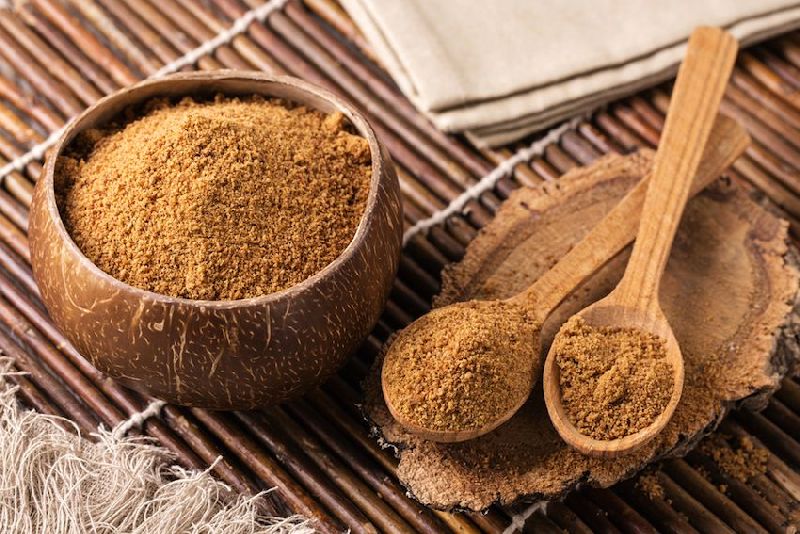
For food manufacturers evaluating coconut sugar as a replacement for white or brown sugar in commercial baking and confectionery production, the substitution principles are the same as for home bakers — but the implications are different at scale.
Our technical article on coconut sugar vs cane sugar for food manufacturing covers the full formulation considerations including Maillard reaction behavior, hygroscopicity, water activity effects, and shelf life implications.
Our article on applications of coconut sugar in the food industry covers the specific commercial product categories where coconut sugar delivers the strongest technical and commercial results.
Key considerations for food manufacturers switching to coconut sugar:
- Oven temperature calibration: At commercial scale, the lower caramelization temperature of coconut sugar typically requires oven temperature reduction of 5-15°C depending on product type and existing recipe. Conduct temperature trials before production scaling.
- Color standardization: Commercial production requires consistent product color per batch. Coconut sugar's color can vary between production lots — work with your supplier to specify color (ICUMSA or similar) in your purchase order.
- Label claim opportunities: Switching to coconut sugar enables 'refined sugar-free', 'natural sweetener', and 'low GI ingredient' marketing claims — verify regulatory compliance for each claim in your target market before launch.
- Cost calculation: Coconut sugar costs 2-4x more per kg than white sugar. Evaluate whether the retail price premium or clean label positioning value justifies the ingredient cost increase for your specific product.
| Source certified coconut sugar directly from Indonesia Global Coco Sugar supplies BRCGS Food Safety Grade A certified organic and conventional coconut sugar from Indonesia — granulated and fine powder formats available for food manufacturers and brand owners. R&D samples with full COA available for baking trials. Request R&D Samples or a Bulk Quote >>> Find Out Where to Buy Coconut Sugar in Bulk >>> |
Can I substitute coconut sugar for white sugar in baking?
Yes. Coconut sugar can replace white sugar at a 1:1 ratio in most baking recipes. Keep in mind that baked goods may turn darker and develop a richer caramel flavor. For best results, reduce the oven temperature slightly and check for doneness a few minutes earlier.
What is the best substitute for coconut sugar in baking?
Brown sugar is generally the best substitute because it offers a similar flavor, texture, and baking performance. Other alternatives include raw cane sugar, muscovado sugar, and maple syrup, depending on the recipe.
How much coconut sugar equals 1 cup of white sugar?
One cup of coconut sugar equals one cup of white sugar. The substitution ratio is 1:1, making it an easy swap in most baking recipes without changing the amount of sugar used.
Does coconut sugar melt the same as white sugar?
Not exactly. Coconut sugar tends to caramelize and brown faster than white sugar, which can affect baking times and color. This is why a slightly lower baking temperature is often recommended.
Can I use coconut sugar in place of brown sugar in banana bread?
Yes. Coconut sugar can replace brown sugar at a 1:1 ratio in banana bread. It pairs well with banana flavor and produces a slightly darker loaf with a deeper caramel taste.
The Bottom Line: Coconut Sugar as Both Substitute and Upgrade
The most important insight about coconut sugar in baking is that it is not just a substitute — it is often an upgrade.
The deeper caramel flavor, beautiful golden-brown color, and clean-label credentials make coconut sugar a more interesting baking sweetener than either white or brown sugar for most applications.
The adjustments required are minor: reduce oven temperature slightly, cream butter and sugar a bit longer, and accept a darker color as a feature rather than a problem.
Once you have made those adjustments, coconut sugar produces results that stand on their own merit — not as a compromise substitute, but as the preferred sweetener for the flavor and appearance it delivers.