
Tag: coconut nectar

  • Is Coconut Nectar Keto-Friendly or Not?

    Is Coconut Nectar Keto-Friendly or Not?

    The ketogenic (keto) diet has surged in popularity due to its potential benefits for weight loss, blood sugar control, and mental clarity. This high-fat, low-carb eating plan requires careful scrutiny of every food item—especially sweeteners. One product that often sparks debate among keto dieters is coconut nectar. With its natural origins and seemingly wholesome reputation, many wonder: Is coconut nectar keto-friendly or not?

    Let’s break down what coconut nectar is, its nutritional profile, how it affects ketosis, and whether it can find a place in a strict or modified keto lifestyle.


    What Is Coconut Nectar?

    Coconut nectar is a natural sweetener derived from the sap of the coconut blossom, not the coconut fruit itself. The sap is collected, heated slightly to thicken, and bottled without any chemical processing. It is considered a low-glycemic alternative to refined sugar and is often marketed as a “healthier” or more natural sweetener.

    Coconut nectar has a rich, caramel-like flavor, similar to molasses or brown sugar. It is used in everything from baking to coffee, smoothies, and marinades. But just because something is natural doesn’t mean it aligns with the ketogenic diet.


    Nutritional Breakdown of Coconut Nectar

    To determine whether coconut nectar is keto-friendly, we need to understand its macronutrient composition, particularly its carbohydrate content. While brands may vary slightly, a typical tablespoon (15g) of coconut nectar contains approximately:

    • Calories: 60
    • Total Carbohydrates: 15-16g
    • Sugars: 14-15g
    • Fiber: 0g
    • Fat: 0g
    • Protein: 0g

    As you can see, coconut nectar is almost entirely composed of sugar. It contains minimal micronutrients such as potassium and magnesium, but not in meaningful quantities to outweigh its sugar content on a keto plan.


    The Goal of Keto: Staying in Ketosis

    The primary objective of the ketogenic diet is to enter and maintain a state of ketosis, where your body burns fat for fuel instead of carbohydrates. To do this, most people need to limit their net carb intake to 20–50 grams per day. Exceeding this threshold, especially with high-glycemic foods, can kick you out of ketosis.

    Given that just one tablespoon of coconut nectar contains over 15 grams of sugar, it’s clear that it would consume a large portion (or even exceed) your daily carb allowance in a single serving.


    Glycemic Index and Insulin Response

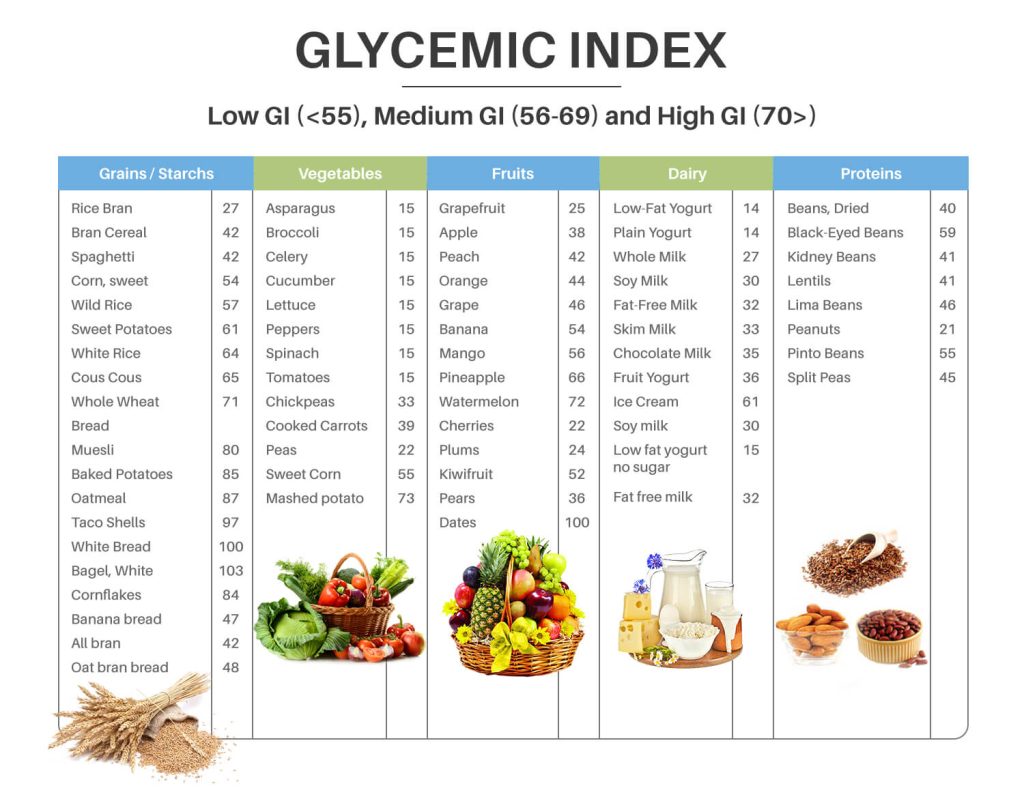
    Coconut nectar is often promoted as having a low glycemic index (GI), generally reported between 35 and 55. This suggests it might cause a slower, more moderate rise in blood sugar compared to refined sugar (GI of 60–65).

    However, a low GI does not necessarily mean it’s keto-friendly. Even low-GI sweeteners can contain high amounts of fructose and glucose, which can spike insulin levels and interfere with fat metabolism.

    Coconut nectar contains natural sugars, mostly in the form of sucrose (a mix of glucose and fructose). While it might raise blood sugar more gradually than table sugar, it still raises blood sugar significantly—something keto dieters actively try to avoid.


    Is Coconut Nectar Keto-Friendly?

    Short Answer: No, coconut nectar is not keto-friendly.

    Despite being natural and minimally processed, its high sugar and carb content make it incompatible with a standard ketogenic diet. It spikes blood glucose, can halt ketosis, and provides none of the benefits that keto-approved sweeteners offer.

    Why It’s Not Suitable:

    1. High in Carbs: One tablespoon can exceed 75% of your daily net carb limit.
    2. Sugar Content: Contains a significant amount of glucose and fructose.
    3. Insulin Spike: Even with a lower GI, it impacts blood sugar and insulin.
    4. No Fat or Fiber: Offers nothing to support ketosis.

    Alternatives to Coconut Nectar on a Keto Diet
    If you’re following a ketogenic diet but still crave sweetness, there are several keto-approved sweeteners that can satisfy your sweet tooth without kicking you out of ketosis:

    1. Stevia: A plant-based, zero-calorie sweetener with no effect on blood sugar.
    2. Erythritol: A sugar alcohol with nearly zero net carbs; doesn’t raise glucose or insulin levels.
    3. Monk Fruit Extract: Another natural, zero-carb sweetener often blended with erythritol.
    4. Allulose: A rare sugar that doesn’t impact blood sugar and has a taste and texture similar to real sugar.

    These alternatives allow keto dieters to enjoy sweet treats while maintaining metabolic flexibility and staying within their carb limits.


    When Might Coconut Nectar Be Acceptable?

    While coconut nectar is not keto-friendly for most, there are a few scenarios where it could be used in extreme moderation:

    • Targeted Ketogenic Diet (TKD): For athletes or highly active individuals who follow a TKD, small amounts of sugar may be consumed before or after workouts to replenish glycogen stores.
    • Cyclical Ketogenic Diet (CKD): Involves planned carb refeed days. Coconut nectar might be acceptable during the “carb-loading” phase.
    • Transition Phase: Those gradually shifting into keto might include natural sweeteners like coconut nectar as they reduce sugar over time.

    Even in these cases, portion control is key, and tracking blood glucose/ketone levels is recommended.


    The Misleading “Natural” Health Halo

    One of the reasons coconut nectar causes confusion is its natural food branding. It comes from coconuts, is minimally processed, and contains trace minerals—all factors that make it seem healthier than refined sugar.

    However, natural doesn’t mean low-carb, and “healthier” doesn’t mean keto. A ketogenic diet has strict metabolic requirements, and even healthy, whole foods must be evaluated through the lens of their macronutrient impact.


    Final Verdict

    Coconut nectar is not keto-friendly. Despite its natural origins and low-GI reputation, its high sugar and carb content make it unsuitable for anyone aiming to stay in ketosis. For those committed to the ketogenic lifestyle, it’s best to steer clear and opt for low-carb sweeteners like stevia, erythritol, monk fruit, or allulose.

    That said, diet choices are personal. If your version of keto is more flexible, and you’re aware of how coconut nectar affects your body and ketone levels, using it very occasionally and sparingly might not completely derail your progress. But in general, coconut nectar belongs in the category of “better than sugar, but still not keto.”


    Key Takeaways

    • Coconut nectar is high in sugar and carbs, making it unsuitable for a standard keto diet.
    • Its low glycemic index doesn’t prevent it from spiking insulin and halting ketosis.
    • Keto-friendly alternatives include stevia, erythritol, monk fruit, and allulose.
    • If you’re on a strict keto plan, it’s best to avoid coconut nectar entirely.
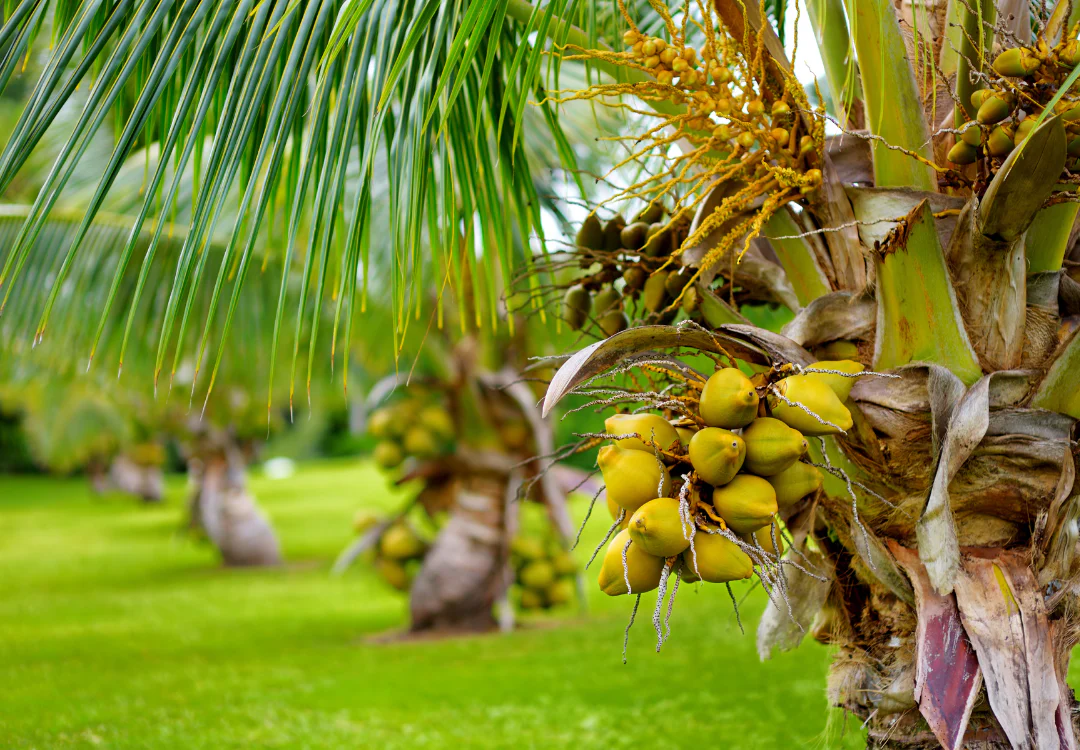
  • How Coconut Nectar Is Made: From Tree to Table

    How Coconut Nectar Is Made: From Tree to Table

    Coconut nectar has quickly gained popularity as a natural, low-glycemic sweetener that aligns with today’s growing demand for healthy, minimally processed food. Its rich flavor and nutritional benefits make it a favorite among health-conscious consumers and gourmet chefs alike. But how exactly is this golden syrup produced? The journey from tree to table is a meticulous and sustainable process rooted in traditional methods and mindful farming.

    This article explores how coconut nectar is made—from tapping the coconut flower to the final bottling process—highlighting its nutritional value, sustainability, and the people behind its production.


    What Is Coconut Nectar?

    Coconut nectar is a natural sweetener derived from the sap of the flowering stalk of the coconut palm (Cocos nucifera). Unlike coconut milk or coconut oil, which come from the fruit or flesh of the coconut, nectar is collected from the tree’s blossoms. It has a mild, caramel-like taste and is often used as an alternative to honey, agave syrup, or refined sugar.

    Coconut nectar is minimally processed and retains many of the nutrients found in the sap. It is low on the glycemic index (GI of around 35), making it a preferred sweetener for people looking to manage blood sugar levels.


    Step 1: Selecting the Right Coconut Trees

    The process begins with the selection of mature and healthy coconut palms, typically aged between 5 to 10 years. These trees are specifically cultivated for sap collection, not for nut production. One palm tree can produce sap continuously for up to 20 years if well cared for.

    Farmers choose trees with strong trunks and robust flower stalks. In sustainable farming systems, trees are spaced adequately to prevent over-extraction and allow for long-term productivity.


    Step 2: Tapping the Blossom

    The key to coconut nectar production lies in tapping the unopened flower bud of the coconut palm, known as the inflorescence. The process involves:

    1. Cleaning the stalk to ensure hygiene.
    2. Slicing the tip of the flower bud to initiate sap flow.
    3. Gently pounding or massaging the stalk over several days to stimulate consistent sap production.
    4. Attaching a container—usually a bamboo or stainless-steel vessel—to collect the dripping sap.

    This sap, known locally as “toddy,” is sweet, watery, and slightly cloudy. A single tree can yield about 1 to 2 liters of sap per day, depending on environmental conditions and tree health.


    Step 3: Daily Harvesting

    The sap must be harvested twice a day—usually in the early morning and late afternoon. This is done to prevent fermentation and maintain quality. Once collected, the sap is immediately filtered to remove any impurities such as insects or plant debris.

    The fresh sap has a short shelf life and will begin fermenting within hours at room temperature. That’s why prompt processing is essential to preserve the sap’s sweet, floral taste.


    Step 4: Heating and Reduction

    To transform the liquid sap into thick coconut nectar, it undergoes a gentle evaporation process:

    1. The sap is transferred into large, open stainless-steel vats or clay pots.
    2. It is simmered at low temperatures (around 60–70°C or 140–158°F) to prevent the destruction of nutrients.
    3. As water evaporates, the sap slowly thickens into a syrup.
    4. The mixture is continuously stirred to ensure even reduction and to prevent burning.

    This process can take several hours depending on the quantity and desired consistency. The final product has a rich amber color and a viscosity similar to maple syrup.

    Importantly, no additives, preservatives, or bleaching agents are used. The process is entirely natural and relies on traditional methods passed down through generations.


    Step 5: Cooling and Bottling

    Once the desired thickness is achieved, the nectar is allowed to cool naturally. It is then filtered again and poured into sterilized bottles or containers. To preserve its flavor and shelf life, bottling is done under hygienic, temperature-controlled conditions.

    Depending on the brand or producer, the nectar may be bottled in glass jars or BPA-free plastic containers, labeled, and stored in a cool, dark place until shipment.


    Nutritional Benefits of Coconut Nectar

    Coconut nectar is more than just a sweetener; it’s also a source of essential nutrients. Though not a significant source of calories or vitamins in a typical diet, it offers:

    • Low Glycemic Index (GI): Helps manage blood sugar and energy levels.
    • Amino Acids: Contains up to 17 amino acids, including glutamine and arginine.
    • Vitamins and Minerals: Small amounts of Vitamin C, potassium, magnesium, zinc, and iron.
    • Prebiotic Fiber: Contains inulin, which promotes digestive health by supporting gut flora.

    Because it’s minimally processed, coconut nectar retains more of these nutrients compared to highly refined sugars.


    Sustainability and Environmental Impact

    Tree-Friendly Harvesting

    One of the most environmentally sustainable aspects of coconut nectar production is that it does not harm the tree. In contrast to crops that require replanting after each harvest, coconut palms continue producing sap year after year. This reduces deforestation and soil erosion.

    Low Input Agriculture

    Coconut palms are hardy and require little to no chemical fertilizers or pesticides. In many parts of Southeast Asia, coconut nectar is produced using organic farming techniques, which protect both the environment and consumer health.

    Empowering Communities

    Coconut nectar production provides a stable income for smallholder farmers in tropical countries like the Philippines, Indonesia, Sri Lanka, and India. Many producers operate as part of farmer cooperatives, ensuring fair wages and community reinvestment.

    Brands that adhere to Fair Trade or organic certifications often support education, healthcare, and environmental conservation in the regions where their nectar is sourced.


    From Farm to Pantry: Ethical Consumption

    Consumers are increasingly seeking products that align with their values. When buying coconut nectar, it’s worth checking for:

    • Certified Organic or Fair Trade labels
    • Country of origin
    • Transparent sourcing practices

    Choosing ethically made coconut nectar not only supports sustainable agriculture but also ensures a high-quality product free from synthetic additives.


    Uses of Coconut Nectar

    Coconut nectar is a versatile sweetener. It can be used in:

    • Coffee or tea as a natural sweetener
    • Baking (cakes, muffins, energy bars)
    • Salad dressings and marinades
    • Smoothies and health drinks
    • Pancakes, waffles, and oatmeal toppings

    Its subtle caramel flavor complements both sweet and savory dishes.


    Conclusion

    The production of coconut nectar is a beautiful blend of tradition, sustainability, and craftsmanship. From the gentle tapping of coconut blossoms to the careful reduction of sap into syrup, each step reflects a deep respect for nature and the people involved.

    As awareness grows around healthier, eco-friendly food choices, coconut nectar stands out not only for its nutritional value but also for the story it tells—one rooted in harmony with the earth and support for local communities. Next time you drizzle coconut nectar onto your morning oats or blend it into a smoothie, remember the journey it took from tree to table.

  • Coconut Nectar vs. Honey: Which Is Healthier?

    Coconut Nectar vs. Honey: Which Is Healthier?

    When it comes to sweeteners, there has been a shift toward natural alternatives in recent years. Coconut nectar and honey are two such options that have gained popularity due to their perceived health benefits and natural origins. But when it comes to choosing one over the other, which is actually healthier? Should you switch from honey to coconut nectar, or is honey still the better choice?

    In this article, we will compare coconut nectar and honey, examining their nutritional profiles, health benefits, and how they affect the body, especially when it comes to blood sugar, antioxidants, and overall wellness.


    What Is Coconut Nectar?

    Coconut nectar is a natural sweetener derived from the sap of the flower buds of the coconut tree (Cocos nucifera). The sap is collected and then heated to evaporate the water content, leaving behind a syrup-like substance that has a rich, sweet flavor. It’s sometimes marketed as coconut syrup or coconut sap nectar.

    Coconut nectar is often hailed as a healthier alternative to refined sugar, largely because it contains trace amounts of vitamins, minerals, and prebiotic fiber. One of its most notable components is inulin, a type of soluble fiber that can support gut health and potentially lower blood sugar spikes.


    What Is Honey?

    Honey is a natural sweetener produced by bees from the nectar of flowers. Bees collect nectar, which is then transformed into honey by enzymes that break down sugars. Honey has been used for thousands of years not only as a sweetener but also for its medicinal properties. It contains a variety of antioxidants, vitamins, minerals, and antibacterial properties.

    There are different types of honey, with raw honey being the least processed and the most beneficial in terms of retaining its nutrients. Honey’s sweetness comes from a mix of fructose and glucose, with minor contributions from maltose and sucrose.


    Nutritional Breakdown: Coconut Nectar vs. Honey

    Let’s compare the basic nutritional content of both coconut nectar and honey to get a better idea of what you’re consuming.

    Coconut Nectar (per 1 tablespoon / 21g)

    • Calories: 45
    • Carbohydrates: 12g
    • Sugars: 12g
    • Fiber: 1g
    • Protein: 0g
    • Fat: 0g
    • Glycemic Index (GI): ~35
    • Vitamins & Minerals: Small amounts of iron, zinc, calcium, and potassium

    Honey (per 1 tablespoon / 21g)

    • Calories: 64
    • Carbohydrates: 17g
    • Sugars: 17g
    • Fiber: 0g
    • Protein: 0g
    • Fat: 0g
    • Glycemic Index (GI): ~58
    • Vitamins & Minerals: Small amounts of vitamin C, calcium, iron, magnesium, and antioxidants

    1. Glycemic Index: Coconut Nectar Wins on Blood Sugar

    The glycemic index (GI) measures how quickly a food raises blood sugar levels. Foods with a high GI (above 70) cause rapid spikes in blood sugar, while those with a low GI (55 or less) cause a slower, steadier rise.

    • Coconut nectar has a low GI of 35, which means it has a minimal impact on blood sugar levels. This is largely due to the inulin content, which slows glucose absorption in the body.
    • Honey, on the other hand, has a moderate GI of 58, meaning it can cause a quicker rise in blood sugar compared to coconut nectar. Though it’s not as high as refined sugar (which has a GI above 60), honey is still a significant contributor to blood sugar spikes, especially if consumed in large amounts.

    For people managing diabetes or those who want to keep their blood sugar levels stable, coconut nectar may be the better choice because of its lower glycemic impact.


    2. Nutrients and Antioxidants: Honey Takes the Lead

    While both coconut nectar and honey contain small amounts of vitamins and minerals, honey stands out in terms of its antioxidant content.

    • Honey is packed with natural antioxidants, including flavonoids and phenolic acids. These compounds are known for their anti-inflammatory, immune-boosting, and heart-healthy properties. Raw honey, in particular, has higher levels of antioxidants compared to processed honey, which may lose some nutrients during processing.
    • Coconut nectar, while containing some minerals such as iron, zinc, and potassium, does not have the same level of antioxidant compounds found in honey. The presence of inulin may offer some gut health benefits, but it lacks the wide array of polyphenols and antioxidants that honey provides.

    For those looking for antioxidant support to fight oxidative stress and inflammation, honey is the better option.


    3. Prebiotic Fiber: Coconut Nectar for Gut Health

    One of the standout features of coconut nectar is its inulin content. Inulin is a prebiotic fiber that serves as food for beneficial gut bacteria, promoting gut health and improving digestion.

    In addition, inulin may have a lower glycemic impact than other sugars, which is why coconut nectar is often marketed as a more digestive-friendly sweetener.

    While honey has some antibacterial properties, it does not contain significant amounts of fiber like coconut nectar. Inulin in coconut nectar can help improve the health of your microbiome by encouraging the growth of good bacteria and improving gut flora diversity.

    For people seeking a gut-friendly sweetener, coconut nectar is the winner.


    4. Calorie Content: Coconut Nectar vs. Honey

    In terms of calories, coconut nectar is the better option for anyone watching their calorie intake:

    • Coconut nectar contains around 45 calories per tablespoon, which is lower than honey.
    • Honey, with 64 calories per tablespoon, is more calorie-dense, which can add up if you’re using it in large amounts.

    If you’re trying to manage your weight or reduce your daily caloric intake, coconut nectar provides a slightly better option.


    Which One Is Better for You?

    The decision between coconut nectar and honey largely depends on your health goals and individual needs.

    Choose Coconut Nectar If You:

    • Are managing diabetes or need to control blood sugar levels.
    • Want a sweetener with prebiotic fiber to support gut health.
    • Are looking for a lower-calorie option.

    Choose Honey If You:

    • Want a sweetener with higher antioxidant levels and potential immune-boosting properties.
    • Need a natural, unprocessed sweetener for a variety of culinary uses.
    • Seek an all-natural product with a long history of medicinal benefits, such as its antibacterial and wound-healing properties.

    Conclusion: Coconut Nectar vs. Honey—Which Is Healthier?

    Both coconut nectar and honey have unique benefits, and both can be part of a healthy diet when consumed in moderation. However, if your priority is managing blood sugar or improving digestive health, coconut nectar may be the healthier option for you. Its low glycemic index and inulin content make it a better choice for those trying to stabilize blood sugar and support gut health.

    On the other hand, if you are seeking antioxidants and immune-boosting benefits, honey, especially raw honey, is the superior choice. Honey’s diverse array of beneficial compounds can make it a great addition to your diet if you’re looking for antioxidant support and a sweetener with a wider range of medicinal properties.

    Ultimately, the best choice depends on your individual health goals, preferences, and how you plan to use these sweeteners. Both are healthier alternatives to refined sugars, but they should be used mindfully to maximize their benefits.

  • Coconut Nectar’s Growing Popularity Compared to Agave, Honey, etc 

    Coconut Nectar’s Growing Popularity Compared to Agave, Honey, etc 

    In recent years, there has been a noticeable shift in consumer preferences toward more natural and less processed alternatives in the world of sweeteners. Among these emerging stars is coconut nectar, a syrupy, caramel-colored sweetener derived from the sap of coconut blossoms. Once a niche product, coconut nectar is now gaining mainstream recognition as a healthier and more sustainable substitute for traditional sweeteners like agave syrup, honey, and maple syrup.

    But what is fueling the rise of coconut nectar? How does it compare nutritionally and functionally with other popular sweeteners? Let’s take a deeper look at what makes coconut nectar stand out in the world of natural sugars.


    What is Coconut Nectar?

    Coconut nectar is made by tapping the flower buds of the coconut tree. The nectar is collected as sap and gently heated at low temperatures to reduce it into a thick, sweet syrup. Unlike refined sugars, coconut nectar is minimally processed, preserving a variety of nutrients and naturally occurring enzymes.

    It is not to be confused with coconut sugar, although both originate from the same sap. The key difference lies in the processing—coconut sugar is further reduced to a granulated form, while coconut nectar remains in liquid form, similar in texture to honey or agave.


    Why is Coconut Nectar Gaining Popularity?

    1. Lower Glycemic Index

    One of the most significant health benefits of coconut nectar is its low glycemic index (GI), estimated to be around 35. This means it causes a slower and steadier rise in blood sugar compared to high-GI sweeteners like refined sugar (GI ~65) and even agave (GI ~55–60).

    For individuals managing blood sugar levels, such as those with diabetes or prediabetes, coconut nectar presents a potentially safer alternative. Its low GI makes it less likely to cause energy spikes and crashes—a common complaint with high-sugar diets.

    2. Nutrient-Rich Profile

    Unlike many processed sweeteners, coconut nectar retains trace amounts of vitamins and minerals. These include:

    • Iron
    • Zinc
    • Magnesium
    • Potassium
    • B Vitamins

    While it’s not a significant source of any one nutrient, its composition is richer than that of highly refined sugars or syrups. These micro-nutrients contribute to its reputation as a “better-for-you” sweetener, especially when used in moderation.

    3. Natural and Vegan-Friendly

    Coconut nectar is vegan by nature, unlike honey, which is produced by bees and often avoided by vegans. It is also free of artificial additives, making it appealing to those on clean eating, paleo, or plant-based diets.


    Coconut Nectar vs. Other Natural Sweeteners

    Coconut Nectar vs. Agave Syrup

    Agave syrup was once the darling of the natural sweetener world, but its popularity has waned due to its very high fructose content—sometimes higher than high-fructose corn syrup (HFCS). Excess fructose has been linked to insulin resistance, fatty liver disease, and increased fat storage.

    In contrast, coconut nectar contains less fructose and more complex sugars like inulin, a type of prebiotic fiber that supports gut health. While agave has a smooth, neutral flavor, coconut nectar has a more robust, caramel-like taste, making it ideal for baking or drizzling over breakfast dishes.

    Coconut Nectar vs. Honey

    Honey is widely appreciated for its antimicrobial properties and antioxidants. However, it can also have a high glycemic index (ranging from 45 to 64) depending on the floral source and processing. Additionally, honey is not suitable for vegans, and its quality can vary significantly due to adulteration in the commercial market.

    Coconut nectar, while not as antioxidant-rich as raw honey, offers a vegan and more consistent alternative. It also has a smoother impact on blood sugar and a more distinctive taste.

    Coconut Nectar vs. Maple Syrup

    Maple syrup is another natural sweetener known for its antioxidant content and rich flavor. Like coconut nectar, it’s less processed and contains trace minerals. However, maple syrup typically has a higher glycemic index (around 54) and may spike blood sugar more rapidly.

    Flavor-wise, maple syrup has a woody, earthy sweetness, whereas coconut nectar delivers a more toasted, buttery taste—especially useful in recipes requiring a deeper caramel flavor.


    Sustainability Matters

    Beyond health considerations, coconut nectar is also gaining traction for its sustainable production. Coconut trees can produce sap for up to 20 years, and harvesting does not harm the tree. The production requires no deforestation, irrigation, or synthetic fertilizers, making it an environmentally friendly choice.

    In contrast, agave plants take up to 7 years to mature and die after harvesting. Honey production, though natural, raises concerns about ethical beekeeping and its impact on bee populations. Coconut nectar’s low ecological footprint and renewable harvesting cycle add to its appeal for eco-conscious consumers.


    Culinary Versatility

    Coconut nectar is incredibly versatile in the kitchen. Its thick consistency and bold, slightly tangy-sweet flavor make it a suitable substitute for:

    • Honey in teas and smoothies
    • Maple syrup on pancakes or waffles
    • Agave in raw desserts
    • Molasses or corn syrup in baking

    It also works well in savory applications, such as glazes, marinades, and salad dressings. As a liquid sweetener, it’s easy to incorporate into sauces and beverages without the graininess of crystalline sugar.


    Things to Consider

    While coconut nectar is a better choice nutritionally than many refined sugars, it is still a source of calories and sugar. Overconsumption can contribute to the same issues as other sweeteners, including weight gain and metabolic problems.

    Here are a few tips for healthy use:

    • Use in moderation, even if it’s natural.
    • Choose pure, organic coconut nectar without added sugars or preservatives.
    • Consider your dietary needs—if managing diabetes or insulin resistance, consult a health professional before making it a staple.

    Conclusion: A Sweetener for the Conscious Consumer

    Coconut nectar is more than a trend—it’s a response to growing demand for healthier, sustainable, and ethical food choices. As more consumers become label-savvy and aware of the downsides of excessive fructose and processed sugars, alternatives like coconut nectar are stepping into the spotlight.

    Its low glycemic impact, nutrient content, and natural sourcing give it a competitive edge over traditional sweeteners like agave, honey, and maple syrup. Whether you’re baking, blending, or just sweetening your coffee, coconut nectar offers a flavorful, guilt-reduced option that aligns with a holistic, health-forward lifestyle.

    So the next time you reach for a sweetener, consider trying coconut nectar—not just for its taste, but for what it represents: a smarter, sweeter way to enjoy life.


  • This Coconut Nectar Coffee Syrup Will Change How You Drink Coffee Forever!

    This Coconut Nectar Coffee Syrup Will Change How You Drink Coffee Forever!

    If you’re a coffee lover always on the hunt for new flavors or healthier sweeteners, there’s a good chance you haven’t yet discovered the game-changer: coconut nectar coffee syrup. A fusion of deep, caramel-like sweetness and rich coffee undertones, this syrup brings a transformative experience to your daily cup of joe. Whether you’re into iced lattes, pour-over brews, or your classic morning drip, this natural sweetener is poised to become your new obsession.

    In this article, we’ll explore what coconut nectar is, why it pairs so well with coffee, the health benefits it offers over conventional syrups, how to use it in creative ways, and even how to make your own. By the end, you’ll understand why this syrup isn’t just a trend—it’s a revolution in how we flavor our favorite beverage.


    What Is Coconut Nectar?

    Coconut nectar is a natural liquid sweetener derived from the sap of coconut blossoms. Unlike coconut milk or water, which come from the fruit, coconut nectar is tapped from the flower buds of the coconut tree. It’s then slowly evaporated to create a thick, dark syrup with a flavor reminiscent of molasses, caramel, and a hint of maple.

    Unlike refined sugar or artificial syrups, coconut nectar is low on the glycemic index, rich in minerals, and minimally processed. That makes it a favorite among health-conscious foodies and coffee drinkers looking for an upgrade from high-fructose corn syrup or overly sweet flavor syrups.


    Why Coconut Nectar Is Perfect for Coffee

    The appeal of coconut nectar in coffee is rooted in its complex flavor. It’s not just “sweet”; it’s deeply rich, earthy, and subtly nutty, which complements the bold and roasted notes of coffee beans. Here’s what makes this pairing magical:

    • Natural caramel notes: Enhance the roasted flavors of coffee without masking its depth.
    • Thick and smooth texture: Perfect for blending into hot or cold coffee drinks.
    • Balanced sweetness: Doesn’t overpower your brew or leave an artificial aftertaste.
    • Plant-based and vegan: A dairy-free, allergen-friendly alternative to flavored creamers and syrups.

    The result? A smooth, luxurious coffee experience that feels indulgent yet remains healthy.


    Health Benefits Over Conventional Coffee Syrups

    Traditional coffee syrups often contain a laundry list of artificial ingredients: preservatives, synthetic flavorings, and loads of refined sugar or corn syrup. Coconut nectar, on the other hand, offers several nutritional advantages:

    1. Lower Glycemic Index (GI)

    Coconut nectar has a GI of around 35, significantly lower than table sugar (GI ~65). This means it causes less of a spike in blood sugar, making it ideal for those watching their glucose levels.

    2. Nutrient-Rich

    It’s a natural source of potassium, magnesium, zinc, and iron, minerals that support heart health and immune function. It also contains vitamin C and certain B vitamins.

    3. Prebiotic Properties

    Coconut nectar contains inulin, a natural prebiotic fiber that supports gut health by feeding beneficial bacteria.

    4. No Artificial Additives

    Unlike most commercial syrups, pure coconut nectar has no preservatives, flavor enhancers, or food dyes.

    This makes it an excellent option not only for those following clean eating practices, but also for people with dietary restrictions like vegans, diabetics (with moderation), and paleo enthusiasts.


    How to Use Coconut Nectar Coffee Syrup

    1. In Your Morning Brew

    Start with a teaspoon stirred into hot coffee. It dissolves smoothly, especially in espresso-based drinks like lattes or Americanos.

    2. Iced Coffee & Cold Brew

    Its thick consistency makes it perfect for swirling into iced drinks. Shake it with cold brew and a splash of almond or oat milk for a naturally sweetened treat.

    3. Coffee Cocktails

    Use it in espresso martinis or spiked cold brews to add flavor and body without artificial syrups.

    4. Flavor Enhancer in Coffee Desserts

    Add it to coffee-flavored ice cream, tiramisu, or whipped cream toppings for a deep, caramel twist.

    5. DIY Flavored Syrups

    Infuse coconut nectar with vanilla, cinnamon, or cardamom to create custom-flavored syrups that elevate your coffee experience even further.


    How to Make Coconut Nectar Coffee Syrup at Home

    While you can buy pure coconut nectar online or at health food stores, you can easily turn it into a coffee-ready syrup with a few simple ingredients:

    Ingredients:

    • 1 cup coconut nectar
    • 1/2 cup strong brewed espresso or cold brew concentrate
    • 1/2 tsp vanilla extract
    • Optional: pinch of sea salt or cinnamon

    Instructions:

    1. Combine coconut nectar and coffee in a small saucepan.
    2. Bring to a gentle simmer and stir until fully blended.
    3. Remove from heat, stir in vanilla (and any optional ingredients).
    4. Let cool and store in an airtight glass bottle in the fridge for up to two weeks.

    Use 1–2 tablespoons in your coffee, depending on your sweetness preference.


    Coconut Nectar Coffee Syrup vs. Other Sweeteners

    SweetenerGI ScoreFlavor ProfileNutritionBest Use Cases
    Coconut Nectar~35Caramel, earthyRich in minerals, prebioticEveryday coffee, health-conscious recipes
    Cane Sugar~65Purely sweetMinimalQuick sweetness, baking
    Maple Syrup~54Woody, mapleContains mineralsPancakes, holiday drinks
    Agave Syrup~15-30Neutral to sweetHigh fructoseIced drinks, vegan recipes
    Honey~55Floral, herbalAntioxidantsTea, warm drinks, natural medicine

    Coconut nectar offers a unique balance of flavor and nutrition, giving it a significant edge for coffee applications.


    Trending: Coconut Nectar Lattes

    Baristas in specialty cafés are beginning to swap out vanilla and caramel syrups for coconut nectar in their signature drinks. The result? A smoother, more refined beverage that still satisfies the sweet tooth but supports overall wellness.

    One trending favorite is the Iced Coconut Nectar Oat Latte, made with:

    • 2 shots of espresso
    • 1 tablespoon coconut nectar
    • 3/4 cup oat milk
    • Ice

    Shake or stir for a refreshing, creamy delight with layered complexity and guilt-free sweetness.


    Final Sip: A Syrup That Changes Everything

    Coffee is more than a beverage—it’s a ritual, a comfort, and a daily moment of joy. With coconut nectar coffee syrup, you’re not just sweetening your drink; you’re enhancing it with depth, character, and health benefits.

    Whether you’re brewing at home or crafting the next TikTok-worthy latte, this syrup will transform the way you experience coffee. It’s time to leave behind the artificial sweeteners and embrace something real, rich, and truly revolutionary.

    So next time you take a sip, make it count—with coconut nectar.

  • Desiccated Coconut vs Coconut Flower – How They Differ, When to Use Each One, and if They Can be Substituted

    Desiccated Coconut vs Coconut Flower – How They Differ, When to Use Each One, and if They Can be Substituted

    Coconuts are incredibly versatile. From the meat to the water, oil, sugar, and even the flower, nearly every part of the coconut can be used in cooking, cosmetics, and traditional remedies. But when recipes or labels mention desiccated coconut and coconut flower, it’s easy to get confused. These two coconut-derived ingredients come from very different parts of the coconut plant and serve completely different purposes.

    In this article, we’ll explore what desiccated coconut and coconut flower are, how they differ in taste, texture, and nutritional value, when to use each one, and whether they can be substituted for one another.


    What Is Desiccated Coconut?

    Desiccated coconut refers to the dried, finely grated flesh (or “meat”) of the mature coconut. The coconut meat is grated, sometimes slightly toasted, and dried until it has very low moisture content—usually less than 3%.

    Desiccated coconut comes in several textures, such as:

    • Finely shredded
    • Medium or coarse grated
    • Flakes or chips

    It’s commonly used in baking, cooking, and confectionery to add flavor, texture, and richness. It has a slightly sweet, nutty flavor and chewy or crisp texture depending on how it’s processed and cooked.


    What Is Coconut Flower?

    Coconut flower actually refers to two things, depending on context:

    1. Coconut Flower Sap – The sweet sap extracted from the flower bud of the coconut palm.
    2. Dried Coconut Flower or Coconut Blossom Powder – The dried and ground form of the flower or its nectar, often used as a natural sweetener.

    In this article, when we refer to coconut flower, we’re mainly talking about its culinary form, typically known as:

    • Coconut blossom sugar
    • Coconut flower sugar
    • Coconut nectar powder

    It’s a natural sweetener with a caramel-like flavor, made from the sap of the coconut blossom, which is boiled and then dried into granules or powder. It’s low on the glycemic index and retains nutrients like iron, zinc, and potassium, making it a popular alternative to refined sugar.


    Key Differences Between Desiccated Coconut and Coconut Flower

    FeatureDesiccated CoconutCoconut Flower (Sugar)
    SourceCoconut meatSap from coconut flower
    FormGrated or shredded dry coconutGranulated or powdered sweetener
    FlavorMild, nutty, coconut flavorSweet, caramel-like flavor
    TextureChewy or crunchyFine, dry, like brown sugar
    UsesBaking, toppings, curries, dessertsSweetener for baking, drinks, sauces
    NutritionHigh in fiber and fatsContains minerals and antioxidants
    StorageAirtight container, cool dry placeSame – moisture-sensitive

    When to Use Desiccated Coconut

    ✅ Best Uses:

    • Baking: In cakes, cookies, macaroons, muffins, and breads.
    • Toppings: For oatmeal, smoothie bowls, and yogurt.
    • Savory Dishes: Curries, stews, or sambal recipes, especially in South Asian and Southeast Asian cuisine.
    • Homemade Snacks: Energy bites, granola bars, or coconut clusters.
    • Garnishing: Toasted and sprinkled over desserts or salads.

    Flavor & Texture Contribution:

    Desiccated coconut adds body, texture, and a light coconut flavor to both sweet and savory dishes. When toasted, it gives a nutty crunch. In moist batters, it absorbs liquid and adds chewiness.


    When to Use Coconut Flower (Sugar)

    ✅ Best Uses:

    • Sweetener Substitute: In place of white sugar, brown sugar, or honey in recipes.
    • Baking: Cakes, brownies, cookies, muffins.
    • Hot Beverages: Stir into coffee, tea, or hot chocolate.
    • Sauces and Marinades: Especially those needing a sweet, rich background.
    • Healthier Sweets: Paleo or low-GI desserts.

    Flavor & Texture Contribution:

    Coconut flower sugar adds a deep, molasses-like sweetness. It doesn’t taste like coconut; instead, it has a profile similar to brown sugar with earthy and caramel undertones.


    Nutritional Differences

    Desiccated Coconut:

    • High in dietary fiber
    • Contains healthy fats (especially medium-chain triglycerides – MCTs)
    • Provides iron, copper, and trace minerals
    • Relatively low in sugar
    • Calorie-dense

    Coconut Flower Sugar:

    • Lower glycemic index than refined sugar (around 35)
    • Contains trace minerals like zinc, potassium, and magnesium
    • Provides inulin, a prebiotic fiber
    • Still a sugar, so moderation is key

    Can Desiccated Coconut and Coconut Flower Sugar Be Substituted?

    In most cases, no, they cannot be substituted directly for one another because they serve very different purposes in a recipe.

    ❌ Desiccated Coconut ≠ Coconut Sugar

    • Desiccated coconut is used for texture, bulk, and flavor.
    • Coconut flower sugar is used to sweeten.

    Trying to swap one for the other will often result in a failed recipe. For example:

    • Replacing desiccated coconut in a macaroon with coconut flower sugar would destroy the structure.
    • Replacing sugar in a cake with desiccated coconut would not provide the needed sweetness or moisture balance.

    However… ✅ They Can Be Complementary:

    In tropical-inspired baking or energy snacks, you might find recipes that use both desiccated coconut and coconut flower sugar—one for texture, the other for sweetness.


    Choosing Between the Two: A Quick Guide

    SituationUse Desiccated CoconutUse Coconut Flower Sugar
    Making coconut macaroons✅ Yes❌ No
    Sweetening a cup of tea❌ No✅ Yes
    Baking paleo energy balls✅ Yes✅ Yes
    Creating a dry rub for meat✅ Optional✅ Optional (for caramelization)
    Making caramel sauce❌ No✅ Yes
    Adding crunch to granola✅ Yes❌ No

    Final Thoughts

    Desiccated coconut and coconut flower sugar are both derived from the coconut tree, but they are entirely different ingredients with unique characteristics, functions, and flavors.

    • Use desiccated coconut when you want texture, chew, and a subtle coconut flavor—ideal for baking, cooking, and toppings.
    • Use coconut flower sugar when you need a natural sweetener with caramel notes and lower glycemic impact.

    Though not interchangeable, they both offer healthy, flavorful options for natural cooking and baking. By understanding their differences and best uses, you’ll know exactly which one to reach for—and how to get the most out of each.

  • Coconut Flower Nectar as a Sugar Substitute for Vegan, Gluten-Free or Keto Diets

    Coconut Flower Nectar as a Sugar Substitute for Vegan, Gluten-Free or Keto Diets

    In recent years, health-conscious consumers and followers of specific dietary lifestyles—such as vegan, gluten-free, or ketogenic diets—have been actively searching for natural and nutritious sugar alternatives. One standout option gaining popularity is coconut flower nectar, a sweet, amber-colored syrup derived from the sap of coconut palm blossoms. Not only does it offer a delicious caramel-like flavor, but it also aligns with the nutritional and ethical standards of various diets.

    As the demand for clean-label and minimally processed foods grows, coconut flower nectar presents itself as a versatile and sustainable sweetener. In this article, we’ll explore what coconut flower nectar is, its health benefits, how it fits into popular dietary patterns, and how it compares with other natural sugar substitutes.


    What is Coconut Flower Nectar?

    Coconut flower nectar, also known as coconut nectar or coconut blossom syrup, is collected from the sap of the flowering stalks of the coconut palm (Cocos nucifera). The process involves tapping the unopened coconut blossoms and collecting the sweet liquid sap that naturally flows out. This sap is then gently heated at low temperatures to reduce its water content, resulting in a thick syrup with a rich, sweet taste.

    This process is low-impact and eco-friendly, making coconut nectar a sustainable alternative to other forms of sugar production. Unlike refined sugars, coconut nectar undergoes minimal processing, which helps preserve its nutritional profile.


    Nutritional Benefits of Coconut Flower Nectar

    One of the primary reasons coconut nectar has become a preferred sweetener in health-focused diets is its low glycemic index (GI). With a GI rating of around 35, it causes a slower rise in blood glucose levels compared to regular table sugar, which has a GI of 60-65. This makes it suitable for individuals managing blood sugar levels or trying to avoid sugar spikes.

    Here are some other notable nutritional attributes:

    • Contains trace vitamins and minerals: Coconut nectar retains small amounts of vitamin C, iron, zinc, magnesium, and potassium.
    • Rich in inulin: A naturally occurring dietary fiber and prebiotic that can promote gut health and aid digestion.
    • Unrefined and unbleached: It maintains more of its natural enzymes and antioxidants compared to refined sugar.

    It’s important to note that while coconut nectar offers health advantages over highly processed sugars, it is still a form of sugar and should be consumed in moderation.


    Why It’s Ideal for Vegan Diets

    Veganism excludes any products derived from animals, including honey, which is a common natural sweetener. Coconut flower nectar offers a 100% plant-based alternative that requires no animal exploitation in its production. It is sustainably harvested from coconut palms, and no animals are involved or harmed during the process, making it a perfect fit for the ethical standards of the vegan lifestyle.

    Additionally, since coconut nectar is minimally processed and free from chemical additives or animal-derived enzymes (unlike some refined sugars), it is considered one of the cleanest sweeteners for vegans.


    Gluten-Free and Paleo-Friendly

    Coconut flower nectar is naturally gluten-free, making it safe for individuals with celiac disease or those who follow a gluten-free diet. It does not involve any grain-based ingredients or cross-contamination risks during production, as can be the case with other sweeteners or processed foods.

    Moreover, it is often accepted in the Paleo community, especially when consumed in moderation. The Paleo diet emphasizes foods that were available to our ancestors, and minimally processed sweeteners like coconut nectar align well with this philosophy.


    Is Coconut Flower Nectar Keto-Friendly?

    The keto diet (ketogenic diet) is a low-carb, high-fat eating plan designed to put the body into a state of ketosis, where it burns fat for energy instead of glucose. For this reason, most traditional sweeteners, including coconut sugar and coconut nectar, are not ideal for strict ketogenic diets due to their carbohydrate content.

    While coconut flower nectar has a lower glycemic index than table sugar, it still contains natural sugars and carbohydrates that can affect blood ketone levels. For those on a strict or therapeutic keto regimen, coconut nectar may not be the best option.

    However, individuals on a more flexible or “lazy keto” approach—who are more focused on ingredient quality than precise macros—might still choose coconut nectar in small amounts for its taste and nutrient profile.


    How to Use Coconut Flower Nectar

    Coconut flower nectar is incredibly versatile and can be used in a wide variety of culinary applications:

    • Baking: Replace sugar or honey in muffins, cookies, cakes, and brownies. Note that it adds a caramel-like flavor and darker color.
    • Beverages: Stir into tea, coffee, smoothies, or juices for a natural sweetness.
    • Dressings and sauces: Use in salad dressings, marinades, or dipping sauces for a sweet-savory balance.
    • Toppings: Drizzle over pancakes, waffles, oatmeal, or yogurt alternatives.

    Substitution Tip: When replacing refined sugar, use a 1:1 ratio, but reduce the liquid content in your recipe slightly to balance the added moisture from the syrup.


    Coconut Flower Nectar vs Other Natural Sweeteners

    Here’s how coconut nectar compares to other popular sugar substitutes:

    SweetenerGlycemic IndexVeganKeto-FriendlyProcessing LevelFlavor
    Coconut Nectar~35YesLimitedLowMild caramel
    Honey~58NoNoLowFloral, sweet
    Maple Syrup~54YesNoLowEarthy, rich
    Agave Nectar~15YesNoModerateNeutral
    Stevia0YesYesHighBitter aftertaste
    Erythritol0YesYesHighCool, sweet

    While sweeteners like stevia and erythritol are preferred in strict keto diets due to their zero-carb content, they are often highly processed and may have side effects such as bloating or digestive discomfort. Coconut nectar offers a more natural and nutrient-rich option for those who are not strictly counting carbs.


    Sustainability and Ethical Sourcing

    Another advantage of coconut flower nectar is its sustainable production process. Coconut palms are productive for decades and require minimal water and inputs compared to sugarcane or corn. Harvesting the nectar does not harm the tree, and many coconut farms are operated under fair-trade and organic principles, providing stable income for smallholder farmers in Southeast Asia.

    Choosing ethically sourced coconut nectar supports environmental sustainability and economic empowerment in farming communities.


    Conclusion

    Coconut flower nectar is emerging as a natural, nutritious, and versatile sugar substitute, especially suited for vegan and gluten-free diets. While it may not be strictly keto-friendly due to its carb content, it is a favorable option for those on more relaxed low-carb plans or looking to reduce refined sugar intake.

    With its low glycemic index, mineral content, and eco-friendly production, coconut nectar checks many boxes for modern health-conscious consumers. Whether you’re baking, sweetening your morning coffee, or experimenting in the kitchen, this plant-based sweetener offers flavor and function in equal measure.

    As more people embrace mindful eating and sustainability, coconut flower nectar stands out as a sweet solution rooted in nature.

  • How Is Coconut Nectar Made? Here are 6 Careful Steps

    How Is Coconut Nectar Made? Here are 6 Careful Steps

    coconut nectar syrup, glycemic index coconut nectar, how is coconut nectar made, coconut nectar from neera from coconut tree

    How is coconut nectar made? Coconut nectar, a natural sweetener derived from the neera from coconut tree / sap from coconut tree, has gained popularity in recent years as a healthier alternative to refined sugar. This article delves into the fascinating process of how coconut sap is tapped, collected, and transformed into the delectable coconut nectar we enjoy. From the lush coconut groves to the final bottling, each step is crucial in preserving the rich nutrients and unique flavor profile of this natural sweetener.

    Nature’s Sweet Factory : How Is Coconut Nectar Made?

    The story of coconut nectar begins with the coconut palm tree (Cocos nucifera), a versatile plant that has been cultivated for thousands of years across tropical regions. These majestic trees, which can grow up to 30 meters tall, are not just known for their fruit but also for the sweet sap they produce.

    The sap, often referred to as “toddy” in some regions, is the lifeblood of the coconut palm. It contains a wealth of nutrients, including amino acids, minerals, and vitamins. This nutrient-rich liquid is the raw material from which coconut nectar is made.

    The Art of Tapping Coconut Flower Sap

    coconut nectar what is it, raw coconut nectar benefits, coconut sugar farmers, coconut nectar farmers, coconut sugar healthy, how is coconut nectar made, how to produce coconut nectar

    Tapping coconut flower sap is a skilled process that requires precision and care to ensure the health of the tree and the quality of the sap. Here’s how it’s done:

    1. Selecting the Right Tree: Not all coconut palms are suitable for tapping. Skilled tappers choose mature trees, typically between 15 to 40 years old, that are healthy and producing fruit regularly.
    2. Preparing the Inflorescence: The process begins with the coconut’s flower cluster, known as the inflorescence. Before it can bloom, the tappers carefully bind and massage the inflorescence for several days. This encourages sap production and prevents the flowers from developing into coconuts.
    3. Making the Cut: Once the inflorescence is ready, the tapper makes a precise cut at its tip using a sharp, clean knife. This cut allows the sap to flow freely.
    4. Attaching the Collection Container: A clean container, traditionally made of bamboo but now often a plastic or steel container, is securely attached to the cut end of the inflorescence to collect the sap as it flows.

    The Collection Process Of Neera From Coconut Tree

    Collecting neera from coconut tree is a labor-intensive process that requires diligence and regular attention:

    1. Timing is Crucial: Neera from coconut tree collection typically occurs twice a day – once in the morning and once in the evening. This schedule ensures that the sap is collected at its freshest and prevents fermentation.
    2. Quantity of Coconut Flower Sap: A healthy coconut palm can produce about 1-2 liters of sap per day, though this can vary based on factors like tree health, climate, and season.
    3. Continuous Care: The tapper must regularly clean the cut on the inflorescence and adjust the collection container to maintain optimal sap flow. This process continues for several months until the inflorescence stops producing sap.
    4. Immediate Processing: Due to its high sugar content, coconut sap begins to ferment quickly. To prevent this, collectors immediately transfer the sap to processing facilities, often within an hour of collection.

    Processing Neera From Coconut Tree into Nectar

    how is coconut nectar made, how to heat the coconut nectar, coconut nectar for your healthy

    The transformation of raw coconut sap into coconut nectar involves several steps:

    1. Filtration: The collected sap is first filtered to remove any impurities or debris. This ensures a clean, high-quality product.
    2. Heat Treatment: The filtered sap is then gently heated in large, shallow pans. This serves two purposes:
    • It halts the fermentation process, preserving the sap’s natural sweetness.
    • It begins to evaporate the water content, concentrating the sap.
    1. Evaporation: The heating process continues, allowing water to evaporate slowly. This concentrates the sugars and nutrients in the sap, gradually thickening it into a syrup-like consistency.
    2. Monitoring: Throughout the heating process, workers carefully monitor the temperature and consistency of the nectar. The goal is to achieve the right balance of sweetness and thickness without caramelizing the sugars or destroying heat-sensitive nutrients.
    3. Cooling: Once the desired consistency is reached, the nectar is allowed to cool. This step is crucial as it allows the nectar to thicken further and develop its characteristic flavor profile.
    4. Packaging: The cooled nectar is then bottled or packaged in sterile containers, ready for distribution.

    The Unique Properties of Coconut Flower Sap

    homemade caramel sauce using unrefined coconut sugar, coconut nectar syrup, coconut nectar benefits, healthy sugar alternative, coconut nectar what is it, raw coconut nectar benefits, coconut sugar farmers, coconut nectar farmers

    The careful process of tapping, collecting, and processing coconut sap results in a product with several distinctive characteristics:

    • Low Glycemic Index: Coconut nectar has a lower glycemic index compared to regular sugar, making it a popular choice for those monitoring their blood sugar levels.
    • Rich in Nutrients: The gentle processing methods help retain many of the nutrients found in the original sap, including various vitamins, minerals, and amino acids.
    • Unique Flavor Profile: Coconut nectar has a complex, caramel-like flavor that is distinct from both refined sugar and other natural sweeteners.
    • Versatility: Its liquid form makes it easy to use in a variety of culinary applications, from baking to beverage sweetening.

    Sustainability and Economic Impact

    The production of coconut nectar is not just about creating a healthier sweetener; it also has significant environmental and economic implications:

    • Sustainable Production: When done correctly, tapping coconut sap does not harm the tree or prevent it from producing coconuts. This makes it a sustainable practice that can provide long-term income for farmers.
    • Economic Opportunities: The labor-intensive nature of coconut nectar production creates employment opportunities in rural areas where coconut palms are grown.
    • Value-Added Product: Coconut nectar commands a higher price than raw coconuts, allowing farmers to increase their income from existing coconut plantations.

    6 Tricky Steps To Make Coconut Nectar From Neera From Coconut Tree

    The journey from coconut sap to nectar is a testament to the ingenuity of traditional agricultural practices combined with modern processing techniques. This labor-intensive process, requiring skill, patience, and precision at every step, results in a natural sweetener that is not only delicious but also retains much of the nutritional value of the original coconut sap.

    As consumers become more health-conscious and environmentally aware, products like coconut nectar are likely to play an increasingly important role in our diets. Understanding the intricate process behind its production not only deepens our appreciation for this natural sweetener but also highlights the importance of sustainable agricultural practices in our modern world.

  • Fierce Battle: Coconut Nectar Vs 6 Other Popular Sweeteners

    Fierce Battle: Coconut Nectar Vs 6 Other Popular Sweeteners

    coconut nectar syrup, glycemic index coconut nectar

    With coconut nectar syrup gaining popularity as a liquid sweetener, you may wonder how its nutritional profile compares to common liquid sugar options like honey, maple syrup and agave. Understanding key differences in calories, glycemic index, micronutrients and more allows choosing the healthiest option for your needs.

    We’ll examine coconut nectar side-by-side with various liquid sweeteners across several nutritional factors. Keep reading to learn how coconut nectar measures up.

    Coconut Nectar Syrup Calorie Density Vs Other Sweetener

    person standing on white digital bathroom scale

    When it comes to calories in a serving, here is how these sweeteners stack up:

    • Coconut nectar – 20 calories per teaspoon
    • Honey – 21 calories per teaspoon
    • Maple syrup – 52 calories per tablespoon
    • Agave nectar – 20 calories per teaspoon
    • Brown rice syrup – 25 calories per teaspoon
    • Molasses – 15 calories per teaspoon

    Coconut nectar syrup provides sweetness similar to agave with relatively low calories due to high water content, making it a smart choice for low-calorie diets. Sticky, thick sweeteners like honey and especially maple syrup contain significantly more calories.

    Glycemic Index Of Coconut Nectar Syrup Vs Other Sweetener

    Glycemic Index Classification of Foods Chart

    For those concerned about blood sugar spikes, compare these sweeteners’ glycemic index:

    • Coconut nectar – Glycemic index of 35
    • Honey – Glycemic index of 58
    • Maple syrup – Glycemic index of 54
    • Agave nectar – Glycemic index of 10-19
    • Brown rice syrup – Glycemic index of 98
    • Molasses – Glycemic index of 55

    Coconut nectar has a relatively low glycemic index of 35, resulting in a gradual release of sugars. This makes it suitable for diabetics and low-glycemic diets. Only agave nectar ranks lower.

    Coconut Nectar Benefits And Micronutrient Profile Vs Other Sweeteners

    In terms of beneficial micronutrients provided, the sweeteners stack up as:

    • Coconut nectar – Rich in amino acids, B vitamins, vitamin C, minerals
    • Honey – Contains traces of B vitamins, amino acids, antioxidants
    • Maple syrup – Minimal nutrients beyond manganese and zinc
    • Agave nectar – Negligible micronutrient content
    • Brown rice syrup – No micronutrients to speak of
    • Molasses – Decent source of B vitamins, iron, copper, magnesium

    Coconut nectar contains high amounts of nutrients like amino acids, vitamin C, B vitamins, broad spectrum minerals, and antioxidants. This gives it a great nutritional edge over most other sweeteners, besides molasses.

    Coconut Nectar Ingredients Vs Other Sweetener

    caramel sauce with coconut sugar, coconut sweetener, caramelized coconut sugar, coconut nectar what is it, raw coconut nectar benefits, coconut sugar farmers, coconut nectar farmers

    The carbohydrate composition varies between sweeteners too:

    • Coconut nectar – Primarily sucrose, including inulin fiber
    • Honey – Mainly fructose and glucose
    • Maple syrup – Mostly sucrose
    • Agave nectar – 55-90% fructose
    • Brown rice syrup – Maltose, maltotriose, glucose
    • Molasses – Sucrose, glucose, fructose

    While coconut nectar gets its sweetness from sucrose, it also contains inulin fiber that aids digestion. Agave nectar is very high in fructose while brown rice syrup provides longer-chain carbohydrates.

    Antioxidant Content Comparison

    For those seeking antioxidant benefits, look at each sweetener’s content:

    • Coconut nectar – Rich in antioxidants like vitamin C and polyphenols
    • Honey – Contains some antioxidant flavonoids
    • Maple syrup – Minimal antioxidant activity
    • Agave nectar – No antioxidant benefits
    • Brown rice syrup – No antioxidants present
    • Molasses – High antioxidant capacity

    Coconut nectar contains significant antioxidant power thanks to an array of polyphenols and vitamin C that counter free radicals. Molasses also boasts antioxidants.

    Clearly when all nutritional aspects get considered fully, coconut nectar syrup overshadows rival liquid sweeteners as a wholesome, low glycemic choice brimming with vitamins, minerals and antioxidants.

    Don’t miss trying an alternative natural sweetener, coconut nectar, which has many benefits for the body. Feel free to contact us if you are need to try coconut nectar for your baking purpose, drink ingredients, or even for your business needs. We are very open to collaborate with you. If you need private label of coconut nectar, we can provide it also with lot of various specification and packaging upon your needs. Be one of the lucky few to own one of these quality products

Secret Link