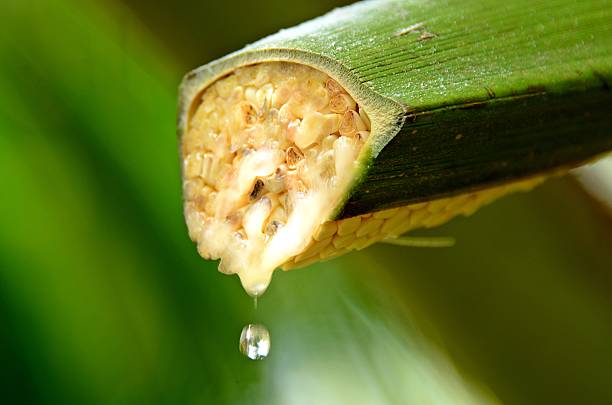
Coconut sap is one of nature’s most versatile raw ingredients — a sweet, milky liquid tapped directly from the flower buds of the coconut palm tree.
From this single source, producers can make coconut sugar, coconut nectar syrup, coconut vinegar, and coconut aminos — four completely different products, each with distinct uses and flavor profiles.
Despite its growing presence in health food stores and kitchens worldwide, coconut sap remains poorly understood. Many people confuse it with coconut water, which is a completely different product.
This guide explains what coconut sap actually is, how it’s harvested, what makes it nutritious, and the full range of products made from it.
What Is Coconut Sap?
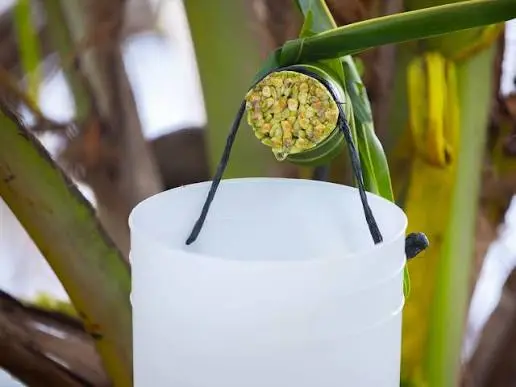
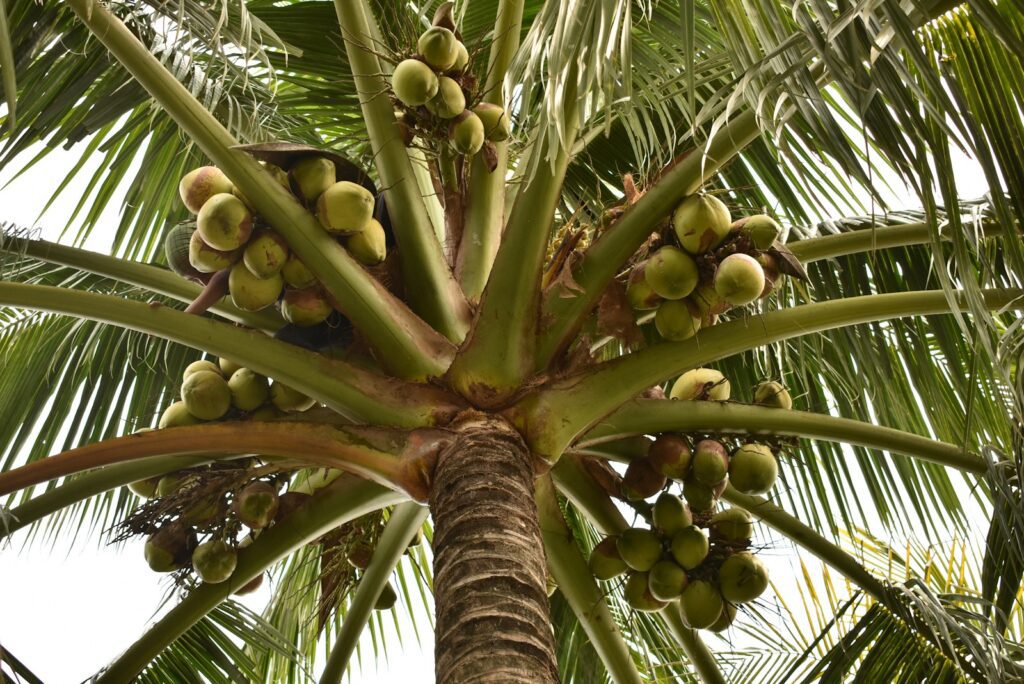
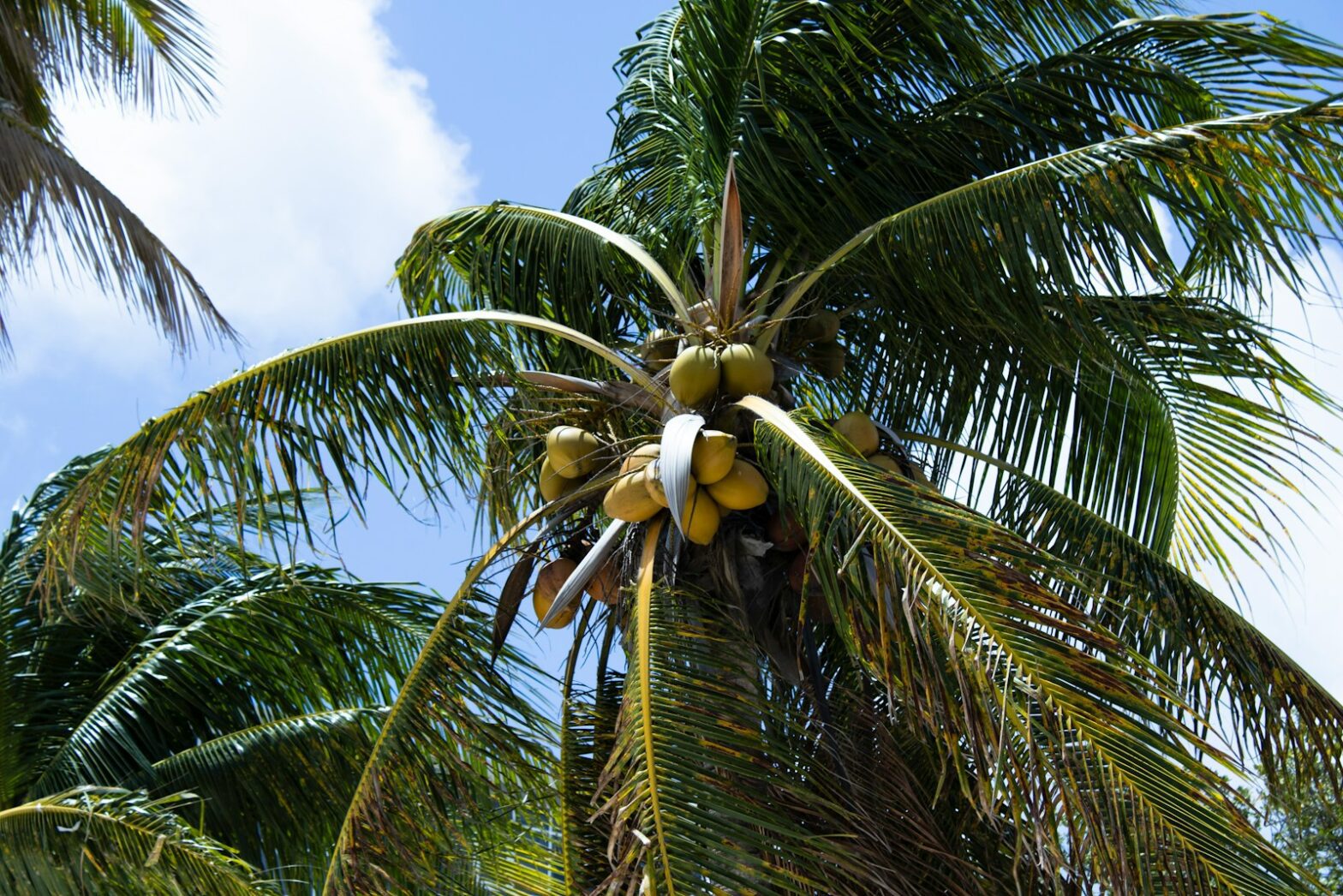
Coconut sap is the sweet, clear-to-milky liquid that flows from the cut flower bud stems (inflorescences) of the coconut palm tree (Cocos nucifera).
It is not the same as coconut water, which is the liquid found inside the coconut fruit. Coconut sap comes from the tree’s flowers — collected before they develop into coconuts.
Fresh coconut sap has a light, naturally sweet taste with subtle floral notes.
It contains approximately 15–20% sugar by weight in its fresh state, along with a range of naturally occurring minerals, amino acids, and prebiotic fiber.
In Indonesia, it is traditionally known as nira; in the Philippines as tuba or kaong; in Sri Lanka and India as toddy; and in some markets simply as coconut tree sap or coconut flower sap.
Coconut Sap vs Coconut Water: What’s the Difference?
| Coconut Sap | Coconut Water | |
| Source | Flower bud stems (inflorescence) of the coconut palm | Liquid inside the coconut fruit |
| Appearance | Milky white to clear, opaque | Clear, transparent |
| Taste | Sweeter, richer, floral notes | Light, mildly sweet, refreshing |
| Sugar content | 15–20% (higher) | 4–5% (lower) |
| How collected | Tapping the flower stem — active process | Opening the young coconut fruit |
| Used to make | Sugar, nectar, vinegar, aminos | Beverages, sports drinks, smoothie base |
| Ferments? | Quickly — within hours if not processed | More stable, slower fermentation |
Where Does Coconut Sap Come From?
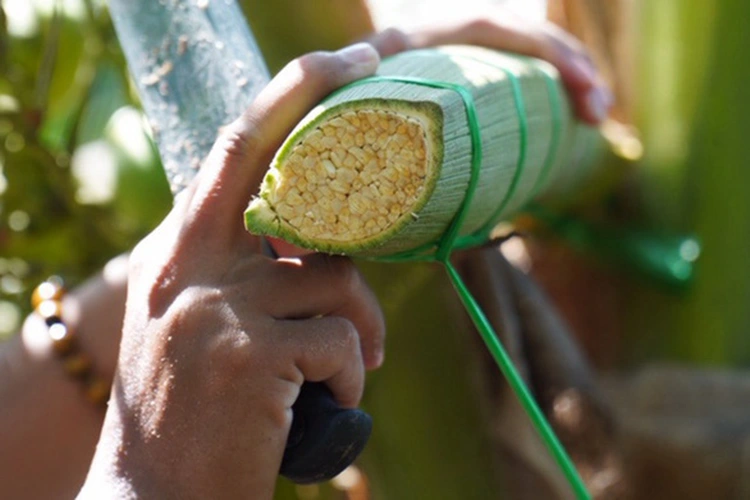
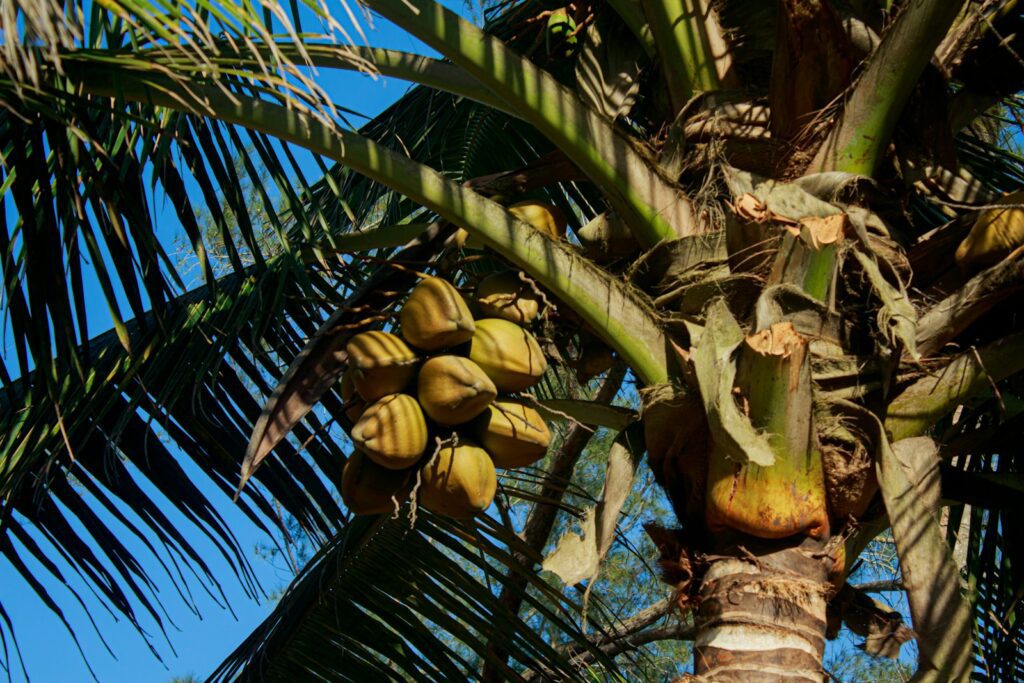
Coconut sap is harvested exclusively from the coconut palm tree (Cocos nucifera), which thrives in tropical coastal climates between the Tropics of Cancer and Capricorn.
Indonesia, the Philippines, India, Sri Lanka, and Thailand are the world’s largest producers of coconut sap and its derivative products.
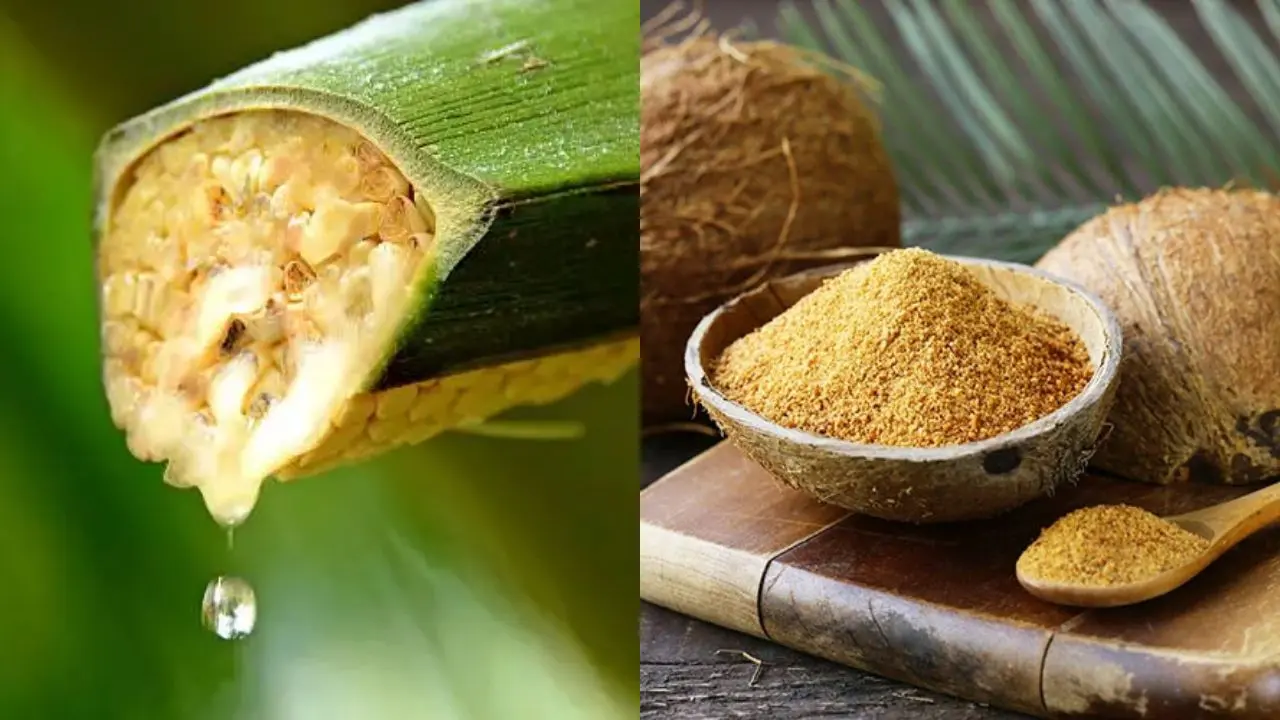
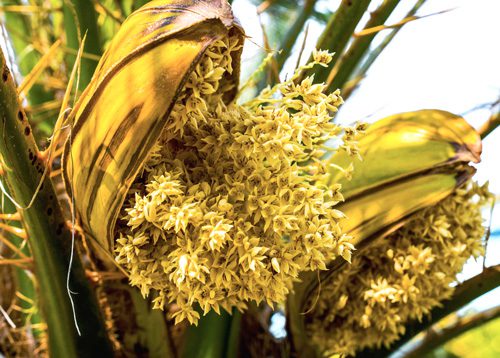
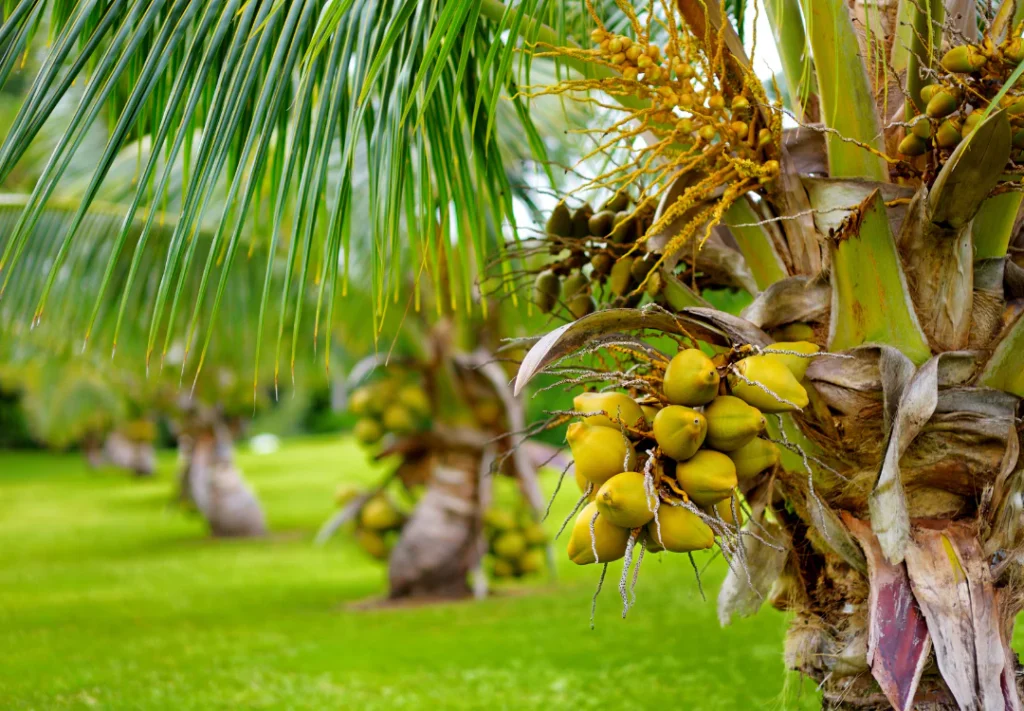
The sap does not come from the coconut fruit itself — it originates from the unopened flower bud clusters that appear between the trunk and the base of the palm’s leaves.
These clusters, called inflorescences or spadix, look similar to bamboo stalks before they open into flowers.
When cut, they release a steady flow of sweet sap that can be collected for up to two weeks per bud before the flow naturally slows.
→ For the full step-by-step production process: how coconut sugar is made from coconut sap
How Coconut Sap Is Harvested: The Tapping Process
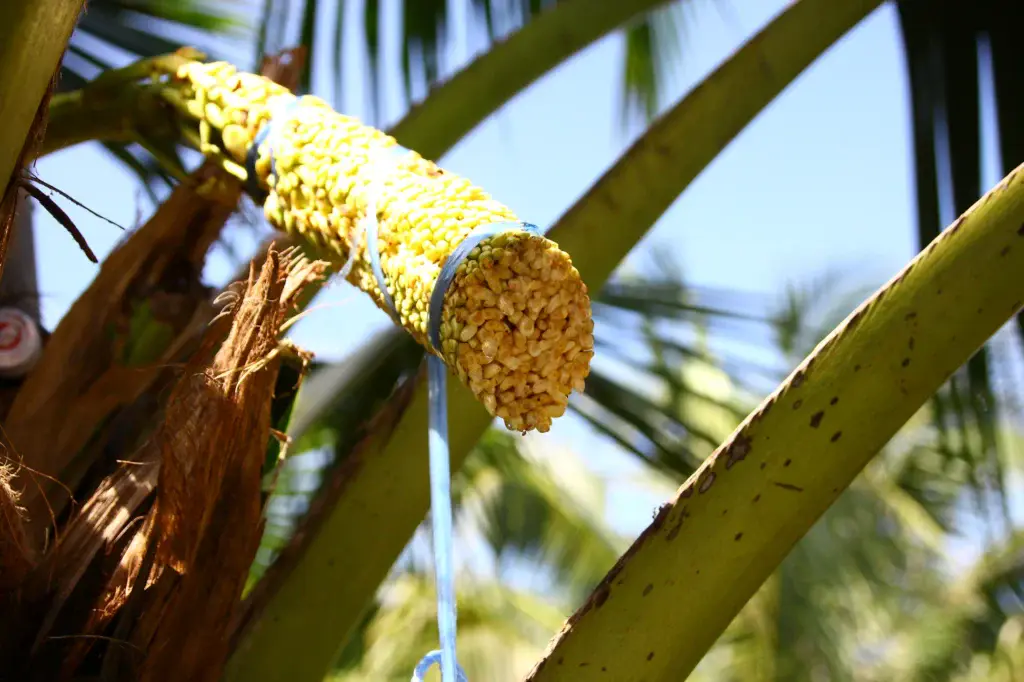
Collecting coconut sap is a skilled, labor-intensive process that has been practiced for centuries across Southeast Asia and South Asia.
The process is called tapping, and the skilled workers who do it are called tappers.
Step-by-Step: How Tappers Collect Coconut Sap
- Select the right tree: Tappers choose younger, vigorous palms with fully developed inflorescences. Unhealthy or immature trees produce less sap.
- Make the initial cut: Using a sharp knife or cleaver, the tapper makes a diagonal or V-shaped cut into the unopened inflorescence stem. This cut allows sap to drip out steadily.
- Attach a collection container: A small container — traditionally a halved bamboo tube, today often a food-grade plastic or stainless steel vessel — is fastened under the cut to catch the dripping sap.
- Collect sap twice daily: Tappers climb the same trees twice per day (morning and evening) to empty collected sap into larger containers. Leaving sap too long causes it to ferment naturally.
- Re-cut the stem daily: A thin slice is shaved off the cut surface each day to expose fresh tissue and keep sap flowing. Shallower initial cuts gradually deepen over successive days.
- Rest the tree: After 10–14 days, sap production naturally declines. The inflorescence is left to recover before the next tapping cycle begins.
A healthy, actively tapped coconut palm can produce up to 4 liters of sap per day during its peak period. Importantly, tapping stops the inflorescence from developing into coconuts — the tree’s energy goes into sap production instead of fruit.
However, it does not harm the tree, which continues to flower and can be tapped again after resting.
What Products Are Made from Coconut Sap?
Coconut sap is the raw material for a surprisingly wide range of products, depending on how it is processed after harvest:
1. Coconut Nectar Syrup
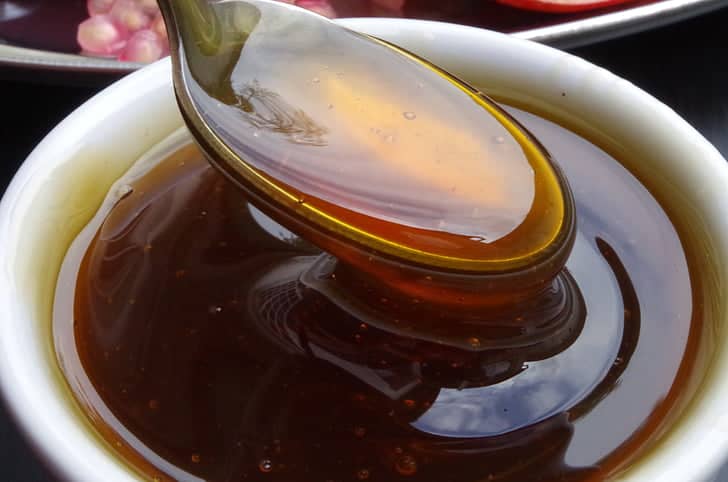
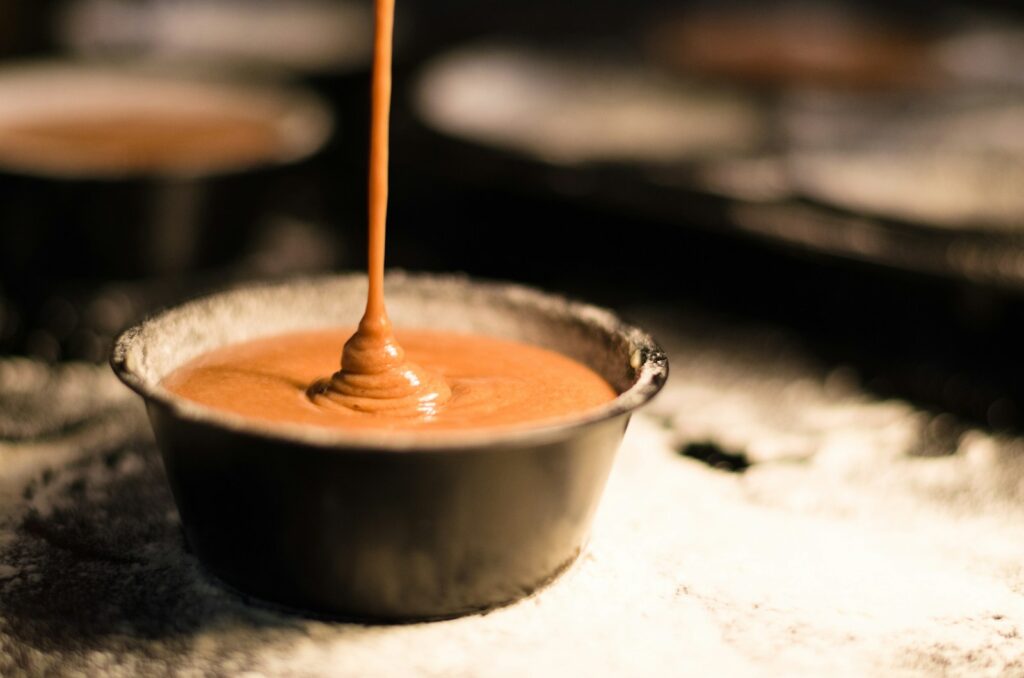
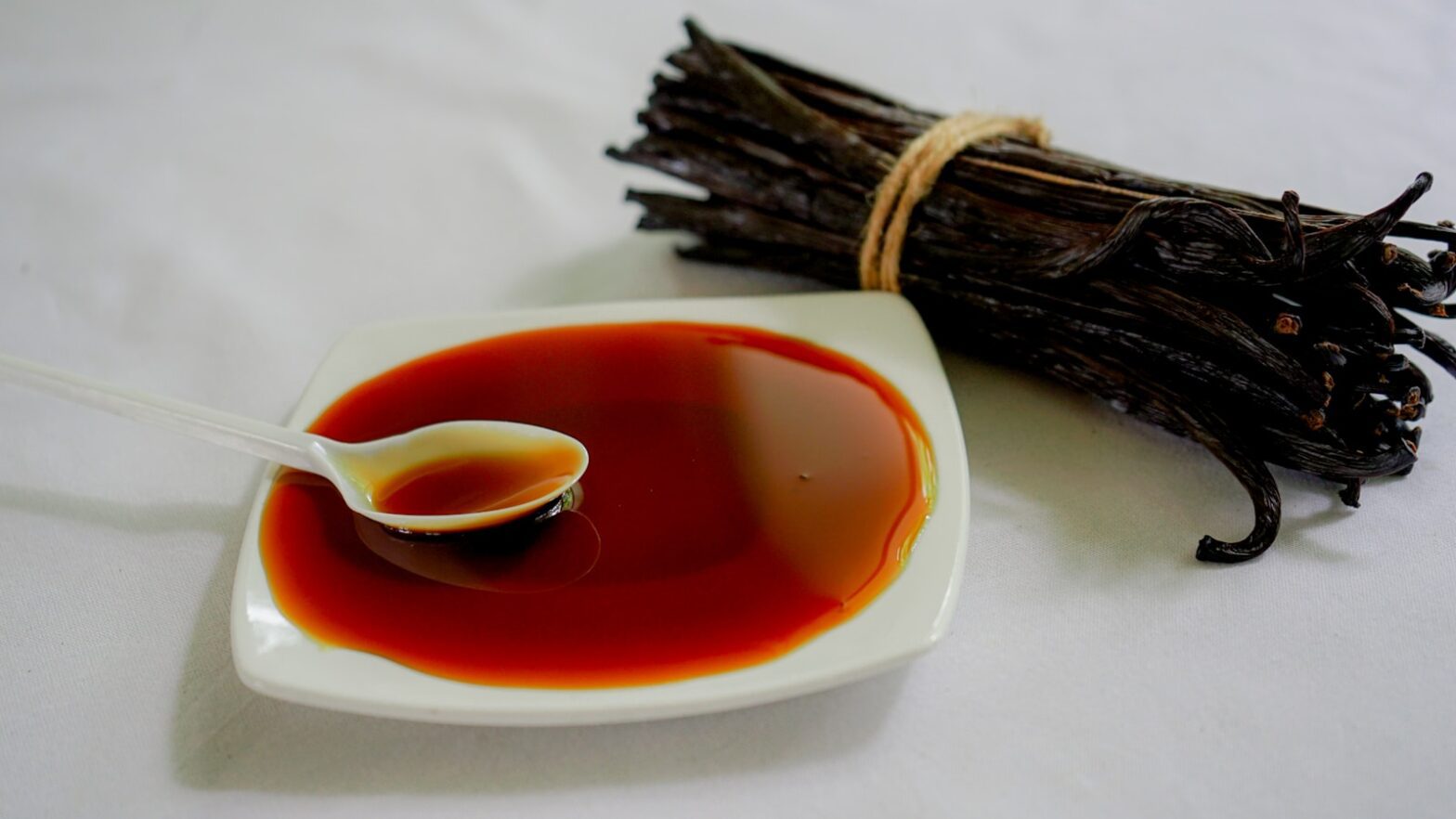
Fresh coconut sap is filtered, then gently boiled to evaporate water content until a thick, amber syrup forms — this is coconut nectar.
It retains more of the sap’s natural minerals and enzymes than coconut sugar because it undergoes less heat processing.
The result is a pourable sweetener with a mild caramel flavor, sometimes called coconut honey due to its similar viscosity.
→ See: our coconut nectar syrup — specifications and bulk ordering
2. Coconut Sugar
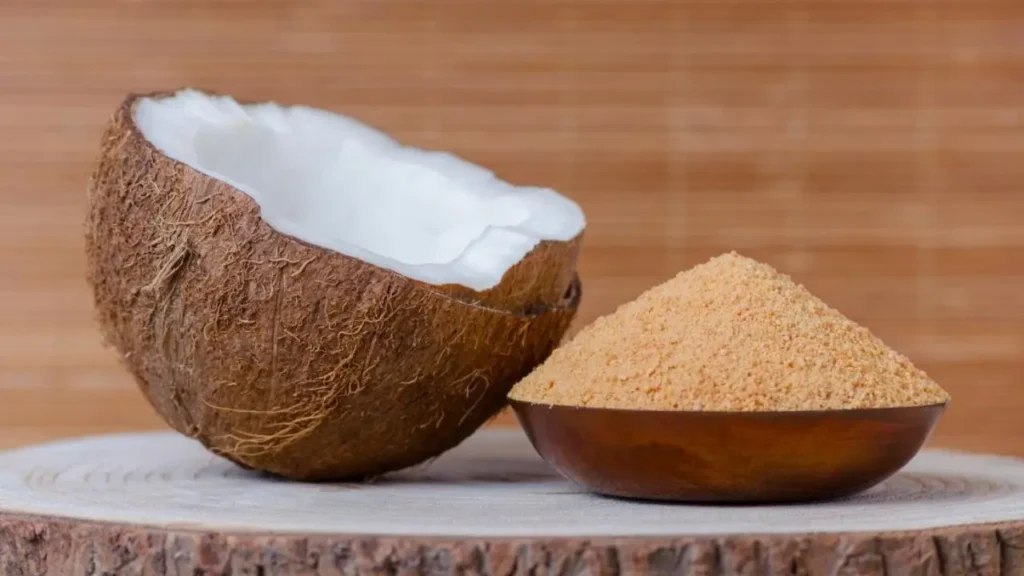
If the boiling process continues beyond the nectar stage, the sap reduces further until the sugars crystallize.
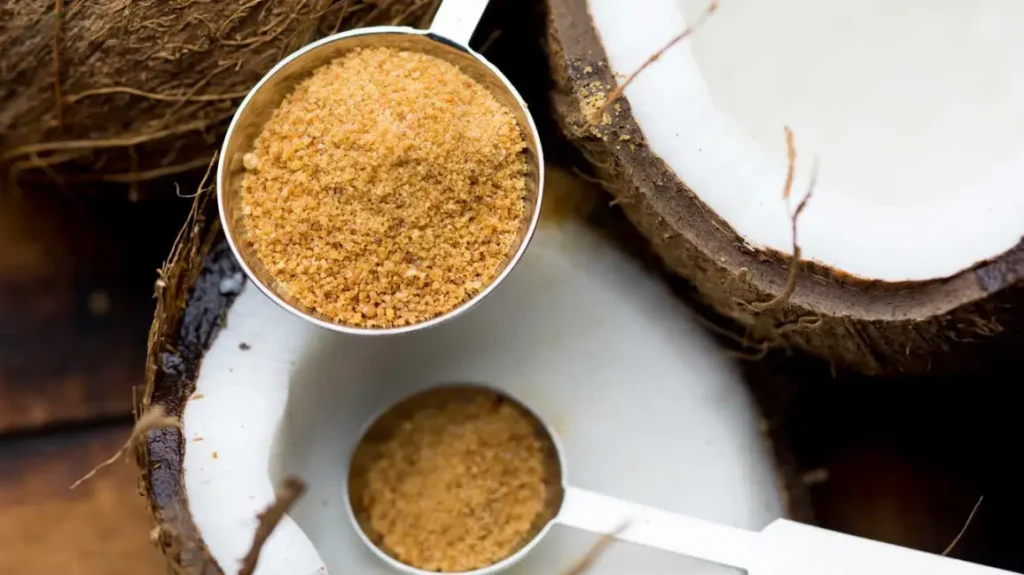
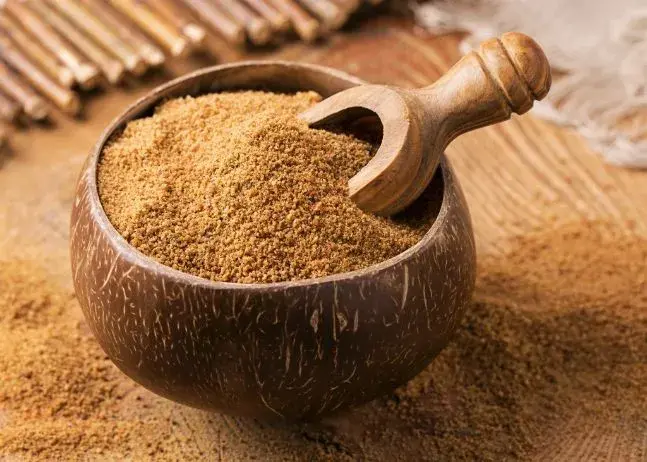
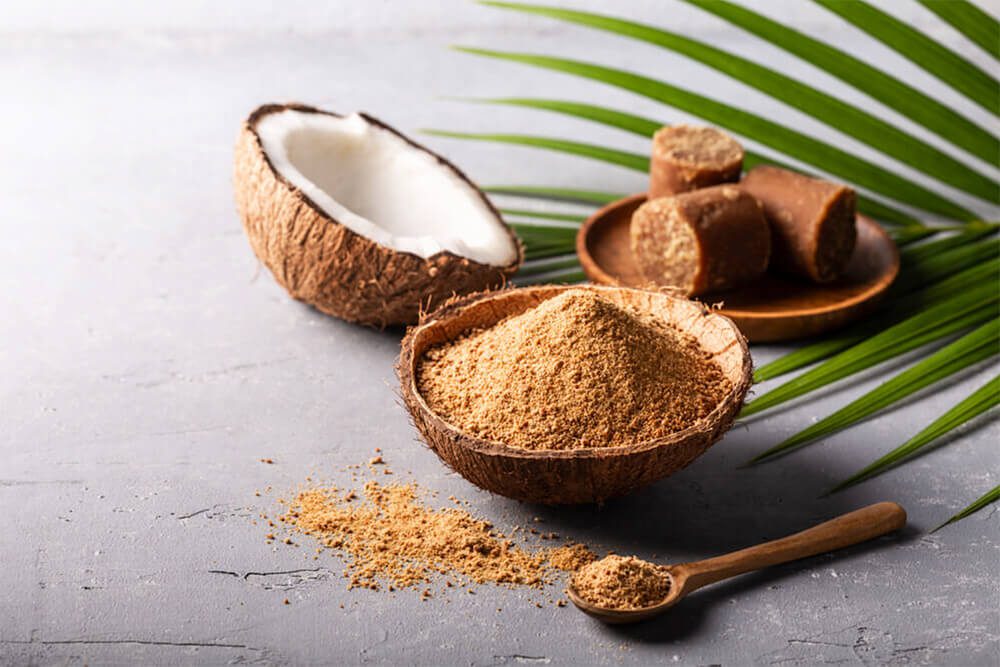
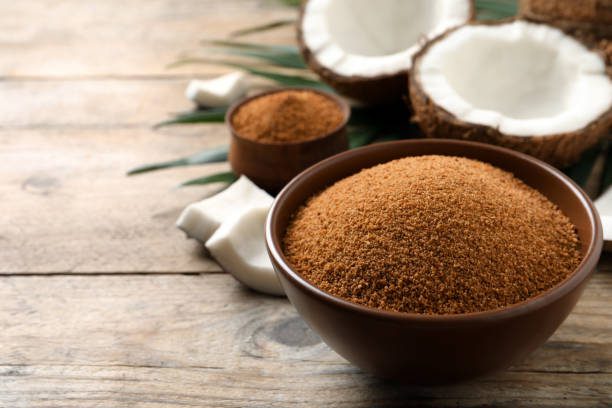
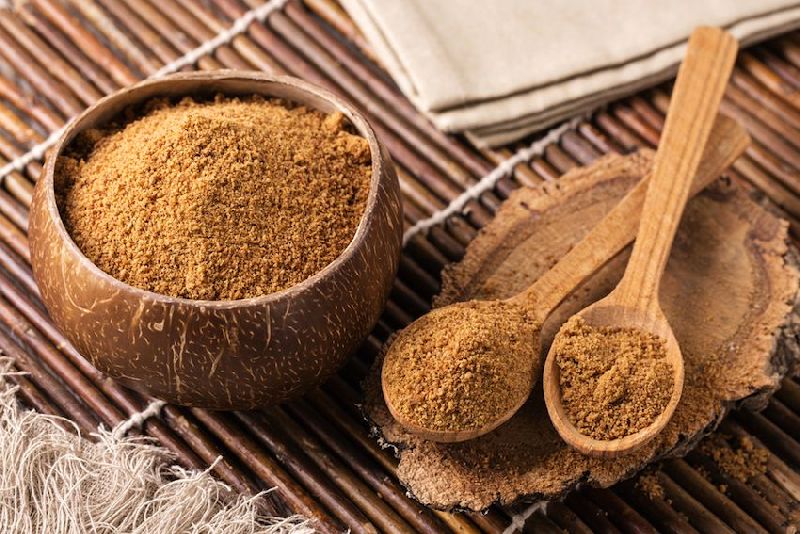
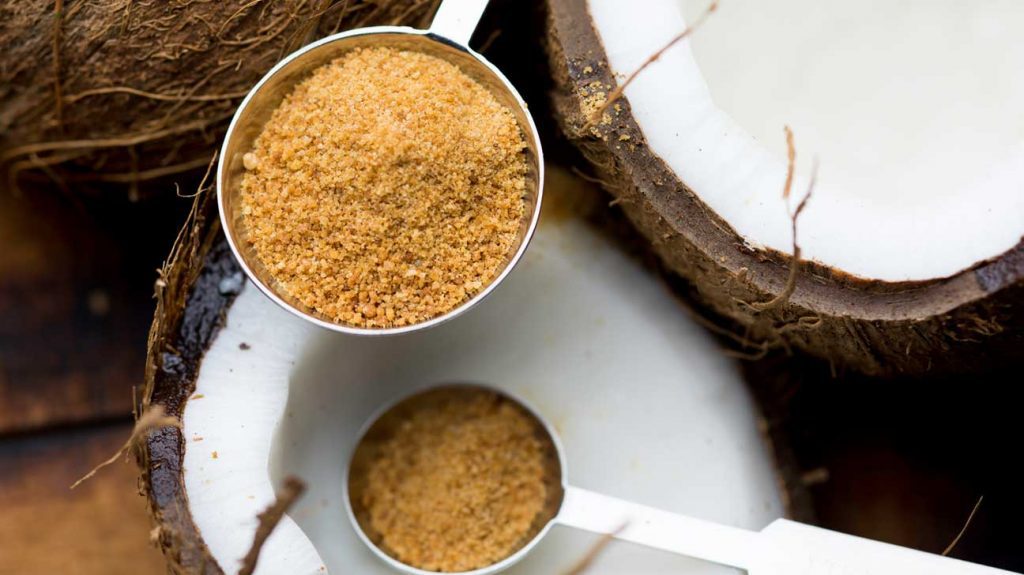
Once dried and sifted, the result is coconut sugar — granulated, light brown, and suitable as a 1:1 substitute for white or brown sugar.
Coconut sugar has a glycemic index of 35–54, significantly lower than white sugar’s 58–65, partly due to the inulin fiber retained from the original sap.
→ See: coconut sugar glycemic index — full guide
→ See: how coconut sugar is made step by step
3. Coconut Vinegar
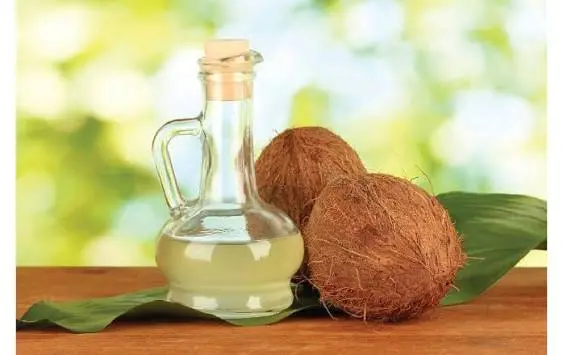
When fresh coconut sap is allowed to ferment naturally — first into a mildly alcoholic liquid (toddy), then acidified by acetic acid bacteria — it becomes coconut vinegar.
This process can take weeks to months. Coconut vinegar has a milder, less sharp flavor than distilled white vinegar, with a slightly sweet finish. It is used in cooking, as a salad dressing base, and in health tonics.
4. Coconut Aminos
Coconut aminos are made by fermenting aged coconut sap with salt, producing a dark, savory condiment that resembles soy sauce in appearance and function.
Unlike soy sauce, coconut aminos are gluten-free, soy-free, and lower in sodium — making them popular in paleo, keto, and allergen-sensitive diets.
They work as a direct soy sauce substitute in stir-fries, marinades, and dipping sauces.
| Product | Process | Flavor | Best Use |
| Coconut nectar | Gentle boiling to syrup | Mild caramel, floral | Sweetener for drinks, baking, drizzling |
| Coconut sugar | Extended boiling to crystallization | Deeper caramel, butterscotch | Direct sugar replacement in any recipe |
| Coconut vinegar | Natural fermentation (weeks) | Mild, slightly sweet acid | Salad dressings, cooking, tonics |
| Coconut aminos | Aged fermentation + salt (months) | Savory, umami, slightly sweet | Soy sauce substitute in cooking |
Is Coconut Sap Good for You? Nutritional Benefits
Fresh coconut sap is nutritionally rich compared to refined sugar and most other sweeteners. Here’s what makes it stand out:
- Inulin (prebiotic fiber): Coconut sap naturally contains inulin, a soluble fiber that feeds beneficial gut bacteria and slows glucose absorption — the main reason coconut sap products like coconut sugar have a lower glycemic index than refined sugar.
- Essential minerals: Provides potassium, iron, zinc, calcium, and magnesium — minerals largely absent in refined white sugar, which retains nothing from the sugarcane plant after processing.
- Amino acids: Contains 17 amino acids in trace amounts, making it one of the few plant sweeteners with measurable protein-building compounds.
- Low processing: Unlike white sugar, coconut sap is not bleached, refined, or chemically treated. What you consume is very close to the original plant material.
- Naturally vegan: Like all plant-derived foods, coconut sap and its products are fully plant-based — unlike honey, which comes from bees.
Note: Despite its nutritional advantages over refined sugar, coconut sap and its products are still high in natural sugars and should be consumed in moderation as part of a balanced diet.
→ See: complete health benefits of desiccated coconut and coconut products
How to Use Coconut Sap Products in Everyday Cooking
| Coconut Sap Product | Use in Cooking | Substitution Ratio |
| Coconut nectar | Sweeten drinks, drizzle on yogurt/oatmeal, baking, marinades | 1:1 for honey or maple syrup |
| Coconut sugar | Baking, coffee, oatmeal, sauces, curries | 1:1 for white or brown sugar |
| Coconut vinegar | Salad dressings, pickling, deglazing, health drinks | 1:1 for apple cider vinegar |
| Coconut aminos | Stir-fries, dipping sauces, marinades, fried rice | 1:1 for soy sauce (slightly sweeter/less salty) |
→ See: coconut sugar vs white sugar — full comparison
The Bottom Line
Coconut sap is far more than just the starting point for coconut sugar. From a single flow of sweet liquid tapped from a coconut palm flower, producers can create four distinct products — nectar, sugar, vinegar, and aminos — each serving a completely different role in the kitchen.
What makes coconut sap exceptional is what it retains through minimal processing: inulin fiber, essential minerals, and natural sweetness without the industrial refining that strips conventional sugar bare.
For consumers and food manufacturers alike, it represents one of the most resource-efficient and nutritionally complete sweetener sources available.
→ See: our full range of coconut sap products — sugar, nectar, and more
Frequently Asked Questions
What is coconut sap?
Coconut sap is a sweet, milky liquid collected from the flower bud stems (inflorescences) of the coconut palm tree. It is not the same as coconut water, which comes from inside the coconut fruit. Coconut sap is the raw material used to produce coconut sugar, coconut nectar, coconut vinegar, and coconut aminos.
Is coconut sap the same as coconut water?
No. Coconut sap comes from the flower bud stems of the coconut palm tree and contains 15–20% sugar. Coconut water is the clear liquid inside the coconut fruit, containing only 4–5% sugar. They have very different flavors, nutritional profiles, and uses.
What is coconut sap called in different countries?
Coconut sap is known by many local names: nira in Indonesia, tuba or kaong in the Philippines, toddy in Sri Lanka and India, and namwan maphrao in Thailand. In international markets it is sometimes called coconut tree sap or coconut flower sap.
Is coconut sap good for you?
Coconut sap is nutritious compared to refined sugar — it contains inulin fiber, essential minerals (potassium, iron, zinc, calcium, magnesium), and 17 amino acids. Its products like coconut sugar have a lower glycemic index (GI 35–54) than white sugar (GI 58–65). However, it is still high in natural sugars and should be consumed in moderation.
How is coconut sap turned into coconut nectar?
Fresh coconut sap is filtered to remove impurities, then gently boiled to evaporate water until a thick amber syrup forms. This syrup is coconut nectar. If boiling continues until the sugars crystallize and the product is dried, the result is granulated coconut sugar instead.
What products are made from coconut sap?
Four main products are made from coconut sap: coconut nectar (gently boiled to a syrup), coconut sugar (boiled until crystallized), coconut vinegar (naturally fermented over weeks), and coconut aminos (aged fermentation with salt, producing a savory soy sauce alternative).
Can coconut sap ferment?
Yes — fresh coconut sap begins fermenting naturally within hours of collection due to wild yeasts present in the air. This is why tappers collect sap twice daily and process it quickly. Controlled fermentation is intentionally used to produce coconut vinegar and coconut aminos; uncontrolled fermentation produces a mildly alcoholic drink called tuba (Philippines) or toddy (Sri Lanka/India).