
Tag: healthy

  • Coconut Nectar vs Honey: 7 Key Differences

    Coconut Nectar vs Honey: 7 Key Differences

    Coconut Nectar vs Honey: 7 Key Differences

    Coconut nectar and honey are both natural liquid sweeteners, but they are not the same.

    Coconut nectar comes from coconut palm sap, while honey is produced by bees from flower nectar.

    They differ in taste, source, vegan suitability, sugar content, recipe performance, and labeling considerations.

    In this guide, we compare coconut nectar vs honey to help consumers, food brands, and buyers understand when each sweetener may work better.

    Instead of treating one option as automatically healthier, it is better to compare how they function in recipes, how they fit dietary preferences, and what documentation may be needed for commercial products.

    Quick Answer: Is Coconut Nectar Healthier Than Honey?

    Coconut nectar is not automatically healthier than honey.

    Coconut nectar may be preferred in vegan-friendly recipes because it is plant-based, while honey is not considered vegan by many consumers because it comes from bees.

    Honey may offer a distinct floral flavor, while coconut nectar has a caramel-like taste.

    From a nutrition perspective, both are still sweeteners and should be used in moderation.

    The better choice depends on dietary preference, recipe use, flavor target, sweetness level, product positioning, and labeling requirements.

    For vegan context, The Vegan Society notes that honey is avoided in vegan diets.

    What Is Coconut Nectar?

    What Is Coconut Nectar?

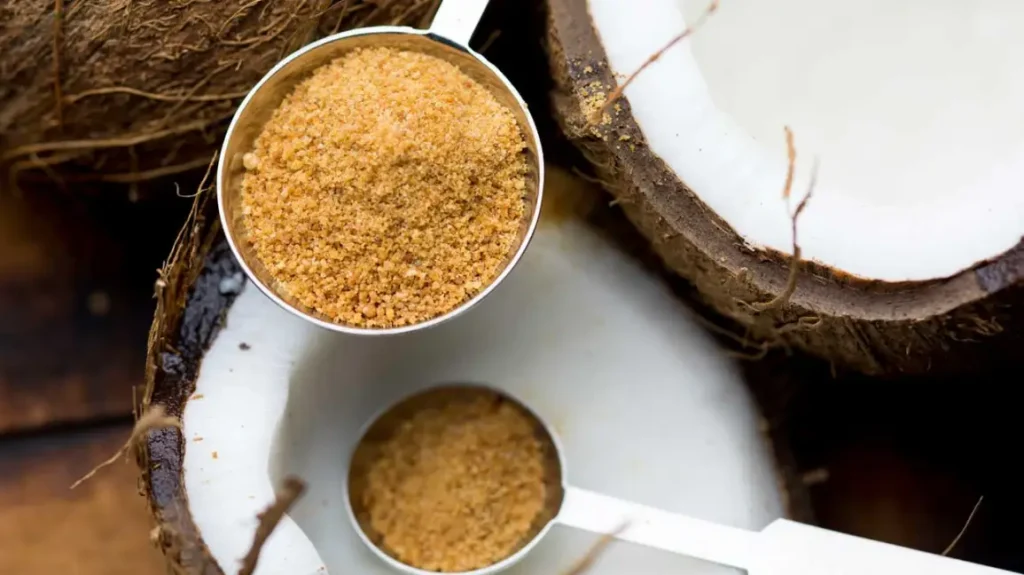
    Coconut nectar is a liquid sweetener made from the sap of coconut palm blossoms.

    The sap is collected, heated to reduce water content, and turned into a syrup-like sweetener with a caramel-like flavor.

    Coconut nectar is sometimes described as coconut syrup or coconut sap nectar.

    It is different from granulated coconut sugar, although both can come from coconut palm sap.

    Coconut nectar stays liquid, while coconut sugar is crystallized into granules or powder.

    For a broader explanation of coconut blossom nectar and product forms, read our guide to coconut blossom nectar sugar products.

    What Is Honey?

    What Is Honey?

    Honey is a liquid sweetener produced by bees from flower nectar. It has a distinct floral sweetness, and its flavor can vary depending on the flowers, region, and processing method.

    Honey is commonly used in beverages, sauces, glazes, marinades, dressings, and baked goods. However, because honey is animal-derived, it may not be suitable for vegan-friendly product positioning.

    Coconut Nectar vs Honey: Quick Comparison

    FactorCoconut NectarHoney
    SourceCoconut palm sapFlower nectar processed by bees
    FormLiquid syrupLiquid syrup
    FlavorCaramel-like, earthy, mildly richFloral, sweet, and distinct
    Vegan suitabilityGenerally plant-basedNot suitable for many vegan consumers
    Common usesDrinks, sauces, glazes, dressings, baking trialsDrinks, sauces, glazes, marinades, baking
    Sweetness impactAdds darker color and caramel notesAdds floral sweetness and honey aroma
    Label considerationCheck product form, added sugar, and supplier dataCheck added sugar, vegan claim limitations, and sourcing
    B2B considerationReview viscosity, color, shelf life, packaging, and documentationReview source, quality, packaging, claim suitability, and consistency

    Nutrition and Added Sugar Considerations

    Nutrition and Added Sugar Considerations

    Coconut nectar and honey are both sweeteners, so they should be compared based on serving size, sugar content, recipe use, and label requirements.

    Coconut nectar may contain small amounts of minerals depending on the product, while honey may contain small amounts of naturally occurring compounds depending on the source and processing method.

    However, neither coconut nectar nor honey should be treated as a major nutrient source. For consumers, moderation is still important.

    For food brands, nutrition and health claims should be based on verified product data, nutrition facts, and local labeling rules.

    For label context, the FDA explains how added sugars appear on the Nutrition Facts label, including single-ingredient sugars and syrups.

    If a brand wants to discuss glycemic index or nutrition positioning, the claim should be supported by verified product data and local regulatory guidance.

    Glycemic index values can vary depending on product, source, and testing method, so they should not be treated as a universal guarantee.

    7 Key Differences Between Coconut Nectar and Honey

    1. Source and Dietary Preference

    Coconut nectar comes from coconut palm sap, while honey is produced by bees from flower nectar. This difference matters for vegan-friendly products because coconut nectar is plant-based, while honey is avoided by many vegan consumers.

    2. Flavor Profile

    Coconut nectar usually has a caramel-like, earthy, and mildly rich flavor. Honey has a more floral sweetness, and its flavor can vary widely depending on floral source and processing. For recipes where honey flavor is too dominant, coconut nectar may provide a more caramel-style sweetness.

    3. Recipe Performance

    Both coconut nectar and honey are liquid sweeteners, so they can work in beverages, sauces, glazes, dressings, marinades, and some baked goods. However, each product can affect color, sweetness, moisture, and flavor differently, so recipe testing is still important.

    4. Vegan Suitability

    Coconut nectar is generally more suitable for vegan-friendly recipes because it is made from plant sap. Honey is not suitable for many vegan consumers because it comes from bees.

    5. Sugar and Label Considerations

    Both coconut nectar and honey contribute sugar to a recipe. Even if they are natural sweeteners, they should still be used in moderation and evaluated based on serving size, sugar content, and nutrition label requirements.

    6. Product Consistency

    Coconut nectar and honey can vary in color, viscosity, flavor, and sweetness depending on source and processing. For food brands, consistency matters because variation can affect the final product’s taste, appearance, and production process.

    7. Commercial Use and Documentation

    For B2B buyers, the decision is not only about taste. Product specification, packaging, shelf life, COA availability, certification scope, ingredient declaration, and supplier documentation should be reviewed before using coconut nectar or honey in commercial products.

    Can You Substitute Coconut Nectar for Honey?

    Yes, coconut nectar can often be used as a starting substitute for honey in beverages, sauces, dressings, glazes, marinades, and some baked goods.

    Because both are liquid sweeteners, a 1:1 ratio can work as a starting point in many recipes.

    However, the final result may change.

    Coconut nectar has a caramel-like flavor, while honey has a floral sweetness.

    Coconut nectar may also affect color and flavor differently depending on the recipe.

    For a more practical substitution guide, read our article on using coconut nectar as a substitute for agave or honey.

    What Food Brands and B2B Buyers Should Check

    coconut nectar vs honey

    For food manufacturers, beverage brands, sauce producers, bakery brands, private label buyers, and procurement teams, choosing between coconut nectar and honey should involve more than a health comparison.

    Product form, flavor consistency, viscosity, color, packaging, shelf life, certification scope, and documentation can affect the final product.

    If the goal is vegan-friendly positioning, coconut nectar may be easier to align with plant-based requirements than honey.

    However, buyers should still verify ingredient declarations, supplier documentation, product specifications, and labeling requirements before making claims.

    For broader coconut product sourcing, buyers can explore coconut products from Indonesia or contact Global Coco Sugar to discuss product details, packaging options, sample requests, and quotation requirements.

    Need coconut nectar or coconut-based sweetener details for product development?

    Contact our export team to request specifications, samples, packaging details, or a quotation.

    Conclusion: Coconut Nectar vs Honey

    Coconut nectar and honey can both work as natural liquid sweeteners, but they serve different needs.

    Coconut nectar is plant-based, caramel-like, and useful for vegan-friendly positioning.

    Honey has a floral sweetness and long culinary history, but it is not suitable for many vegan consumers.

    Neither sweetener should be treated as automatically healthier.

    Both contribute sugar and should be used based on serving size, recipe function, flavor preference, dietary needs, and label requirements.

    For commercial products, the safest approach is to test the sweetener in the actual formulation, review supplier documentation, and confirm whether the final product supports the intended claims before moving into bulk production.

  • Coconut Oil for Acid Reflux: Does It Help or Make It Worse?

    Coconut Oil for Acid Reflux: Does It Help or Make It Worse?

    If you search “coconut oil for acid reflux,” you’ll find plenty of articles promising it as a natural cure — and just as many warning it could make things worse.

    Both claims have some basis in fact, which is exactly why the honest answer is: it depends.

    Coconut oil contains lauric acid, a compound with antimicrobial properties that may support gut health.

    But coconut oil is also roughly 90% saturated fat — and high-fat foods are a well-documented trigger for acid reflux because they relax the lower esophageal sphincter (LES), the muscle that keeps stomach acid in place.

    This guide breaks down what the research actually shows, how to use coconut oil safely if you choose to try it, and what else can help if reflux is a recurring issue for you.


    What Is Virgin Coconut Oil?

    Coconut Oil for Acid Reflux

    Virgin coconut oil (VCO) is extracted from fresh coconut meat through cold-pressing, fermentation, or centrifugation — without the bleaching or deodorizing steps used for refined coconut oil.

    It retains its natural aroma and nutrients, including medium-chain fatty acids (MCFAs) like lauric acid, caprylic acid, and capric acid, along with antioxidants and vitamin E.

    For buyers seeking high-quality coconut derivatives, our virgin coconut oil products are sourced from trusted Indonesian producers and exported to global markets.


    What the Research Actually Says About Coconut Oil and Acid Reflux

    Coconut Oil

    There are currently no large, well-designed clinical trials showing that coconut oil treats or reverses gastroesophageal reflux disease (GERD).

    Most of the support for coconut oil as a reflux remedy comes from anecdotal reports and indirect laboratory research — not human clinical studies on reflux specifically.

    What the lab research does show: lauric acid, a major component of coconut oil, has antimicrobial activity against certain bacteria, including some strains of Helicobacter pylori, in petri-dish (in vitro) studies. H. pylori is a bacteria linked to stomach ulcers and some digestive issues.

    However, showing antimicrobial activity in a lab dish is very different from showing a clinical benefit for acid reflux in the human body — and that gap has not been closed by solid human trials.

    In short: there is a plausible mechanism for some benefit, but not direct proof that coconut oil reduces acid reflux symptoms in people with GERD.


    Can Coconut Oil Make Acid Reflux Worse?

    Can Coconut Oil Make Acid Reflux Worse?

    The Lower Esophageal Sphincter (LES) and Dietary Fat

    The lower esophageal sphincter (LES) is a ring of muscle that acts as a valve between your esophagus and stomach.

    When it works properly, it stays closed except when food passes through — keeping stomach acid where it belongs.

    When the LES weakens or relaxes at the wrong time, acid can flow back up into the esophagus, causing the burning sensation known as heartburn.

    High-fat meals are one of the most well-documented triggers for LES relaxation.

    Eating fat causes the body to release a hormone called cholecystokinin (CCK), which causes the LES to relax.

    This effect can last 2 to 4 hours after a high-fat meal.

    Coconut oil is approximately 90% saturated fat — one of the most concentrated fat sources available.

    For someone with an already sensitive LES (which is the case in GERD), adding a high-fat ingredient like coconut oil could theoretically work against them, even while it provides other potential benefits.

    The Bottom Line: It May Depend on the Amount and Your Sensitivity

    For most people, a small amount of coconut oil — such as 1 teaspoon swapped in for butter or another cooking fat — is unlikely to trigger noticeable reflux.

    But larger amounts, especially the “1-2 tablespoons daily” sometimes recommended in wellness content, could increase fat intake enough to relax the LES and potentially worsen symptoms in someone prone to reflux.

    If you have diagnosed GERD and are considering coconut oil, start with the smallest possible amount (¼ to ½ teaspoon) and monitor how your body responds over several days before increasing.


    How Much Coconut Oil Is Safe If You Have Acid Reflux?

    AmountRisk Level for RefluxNotes
    ¼ – ½ teaspoon, used occasionallyLowReasonable starting point if trying coconut oil for the first time with reflux history
    1 teaspoon, swapped for another cooking fatLow to moderateTotal fat content of the meal matters more than coconut oil alone
    1 tablespoon, added to coffee or smoothieModerateMonitor for symptoms over 2–4 hours after consumption
    2+ tablespoons daily (common “wellness” advice)Higher for GERD sufferersMay increase LES relaxation; not advisable without medical guidance if you have diagnosed GERD

    Practical tips if you choose to try coconut oil:

    • Take it with food rather than alone on an empty stomach — this may reduce the likelihood of triggering reflux from a sudden fat load.
    • Avoid taking it right before lying down. Staying upright for at least 2–3 hours after consuming any fat-containing food reduces reflux risk.
    • Track your symptoms. If reflux worsens within a few hours of using coconut oil, that is a signal to reduce the amount or stop.
    • Avoid combining with other high-fat or trigger foods (fried foods, chocolate, caffeine, alcohol) in the same meal — this compounds the LES-relaxing effect.

    Other Digestive Benefits of Virgin Coconut Oil

    May Support Regular Bowel Movements

    Virgin coconut oil can act as a natural lubricant for the intestines, and its medium-chain fatty acids may help stimulate peristalsis — the contractions that move food through the digestive tract.

    Some people take 1 teaspoon of VCO with warm water in the morning as a mild remedy for occasional constipation.

    May Support Gut Microbial Balance

    Lauric acid and its byproduct monolaurin have demonstrated antimicrobial and antifungal activity in laboratory studies, including against Candida albicans and certain bacteria.

    This supports general gut health, though — as noted above — this does not translate directly into a proven reflux treatment.


    Acid Reflux vs. GERD: What’s the Difference?

    Acid Reflux vs. GERD: What's the Difference?

    Occasional acid reflux — the burning sensation in your chest after a heavy or spicy meal — happens to most people from time to time and is usually not a cause for concern.

    GERD (gastroesophageal reflux disease) is the chronic, more severe form: reflux that occurs at least twice a week, or causes ongoing irritation to the esophagus.

    Left untreated, chronic GERD can lead to esophagitis (inflammation of the esophagus) and, in some cases, Barrett’s esophagus — a condition that increases the risk of esophageal cancer.

    The distinction matters for how you approach remedies: occasional reflux may respond well to dietary adjustments and natural approaches.

    Diagnosed GERD should be managed under medical supervision, where natural approaches like coconut oil should be discussed with — not substituted for — your doctor’s guidance.


    Other Natural Ways to Manage Acid Reflux

    • Eat smaller, more frequent meals: Large meals increase stomach pressure and the likelihood of acid escaping upward.
    • Avoid lying down for 2–3 hours after eating: Gravity helps keep stomach contents down; lying down removes this advantage.
    • Limit common trigger foods: Citrus, tomatoes, chocolate, caffeine, alcohol, carbonated drinks, and fried or fatty foods are frequently reported triggers.
    • Maintain a healthy weight: Excess abdominal weight increases pressure on the stomach and LES.
    • Elevate the head of your bed: Raising the head 6–8 inches can reduce nighttime reflux by using gravity to your advantage.
    • Consider ginger or chamomile tea: Some people find these soothing for mild digestive discomfort, though evidence is also largely anecdotal.

    When to See a Doctor

    Natural remedies, including coconut oil, are not a substitute for medical care. Consult a doctor if you experience:

    • Heartburn or acid reflux more than twice a week
    • Difficulty or pain when swallowing
    • Unexplained weight loss
    • Persistent nausea or vomiting
    • Chest pain (especially if you’re unsure whether it’s heart-related — seek emergency care)
    • Symptoms that don’t improve with over-the-counter antacids or lifestyle changes

    These can be signs of GERD or other conditions that require proper diagnosis and treatment — which may include prescription medication (such as proton pump inhibitors) or, in some cases, further evaluation.

    The Bottom Line

    Coconut oil is not a proven treatment for acid reflux — but it’s also not necessarily off-limits.

    For most people without severe GERD, a small amount used occasionally is unlikely to cause problems and may offer modest digestive benefits through its medium-chain fatty acid content.

    If you have diagnosed GERD or frequent reflux, the safest approach is to start small (¼ teaspoon), monitor how your body responds, and avoid the large daily amounts sometimes recommended in wellness content.

    And if reflux is happening more than twice a week, that’s worth discussing with a doctor — no natural remedy, including coconut oil, should delay proper diagnosis of a condition like GERD.

    If you decide to incorporate coconut oil into your routine, quality matters. Choose a certified virgin coconut oil, cold-pressed and unrefined to ensure purity, nutritional value, and consistent quality.

    Frequently Asked Questions

    Does coconut oil help with acid reflux?

    There is no strong clinical evidence that coconut oil treats or reduces acid reflux. Some people report relief, possibly due to lauric acid’s antimicrobial properties, but coconut oil is also about 90% saturated fat — and high-fat foods are a known trigger for acid reflux because they relax the lower esophageal sphincter.

    Can coconut oil make acid reflux worse?

    It’s possible, especially in larger amounts. High-fat foods, including coconut oil, can relax the lower esophageal sphincter (LES) via the hormone cholecystokinin, which may allow stomach acid to flow back into the esophagus more easily. People with GERD should use coconut oil cautiously and in small amounts if at all.

    How much coconut oil should I take for acid reflux?

    If you choose to try coconut oil, start with ¼ to ½ teaspoon and monitor your symptoms. Avoid the commonly suggested “1-2 tablespoons daily” if you have diagnosed GERD, as larger amounts of fat may worsen reflux by relaxing the lower esophageal sphincter.

    Is virgin coconut oil good for IBS?

    Virgin coconut oil’s medium-chain fatty acids are easily digested and may support gut microbial balance due to lauric acid’s antimicrobial properties. Some people with IBS find it helpful for mild digestive discomfort, but individual responses vary significantly, and it should not replace medical treatment for IBS.

    Is coconut oil good for constipation?

    Virgin coconut oil may help with occasional mild constipation by acting as a natural lubricant and supporting bowel movement contractions (peristalsis). A common approach is 1 teaspoon taken with warm water in the morning. It is not a substitute for medical treatment for chronic constipation.

    What is the difference between acid reflux and GERD?

    Acid reflux is the occasional backflow of stomach acid into the esophagus, causing heartburn — most people experience this from time to time. GERD (gastroesophageal reflux disease) is the chronic form, occurring at least twice a week or causing ongoing esophageal irritation, and requires medical management.

    What foods relax the lower esophageal sphincter and trigger reflux?

    High-fat foods (including coconut oil in large amounts), chocolate, caffeine, alcohol, peppermint, and carbonated beverages are commonly reported to relax the lower esophageal sphincter (LES), increasing the risk of acid reflux.

  • The Glycemic Index of Coconut Sugar: What Buyers and Food Manufacturers Need to Know (2026)

    The Glycemic Index of Coconut Sugar: What Buyers and Food Manufacturers Need to Know (2026)

    The glycemic index of coconut sugar is one of the most cited — and most misunderstood — facts about this sweetener. You will find claims ranging from GI 35 to GI 54 across different sources, with varying levels of scientific backing.

    For health-conscious consumers, the difference may seem minor.

    For food manufacturers making label claims, importers conducting due diligence, or buyers evaluating suppliers, the nuances matter considerably.

    This article covers everything you need to know about the glycemic index of coconut sugar — what GI is, what coconut sugar’s GI actually is and why it varies, how GI differs between organic and conventional product, and what the GI data means if you are a food manufacturer evaluating coconut sugar as an ingredient.

    For an overview of coconut sugar as a product — its origin, forms, and why it is increasingly preferred by global buyers — see our article on what is coconut sugar and why global buyers prefer it.

    For information about sourcing our bulk coconut sugar from Indonesia with verified specifications including GI data per batch, see our product range.

    What Is the Glycemic Index — A Brief Primer

    glycemic index

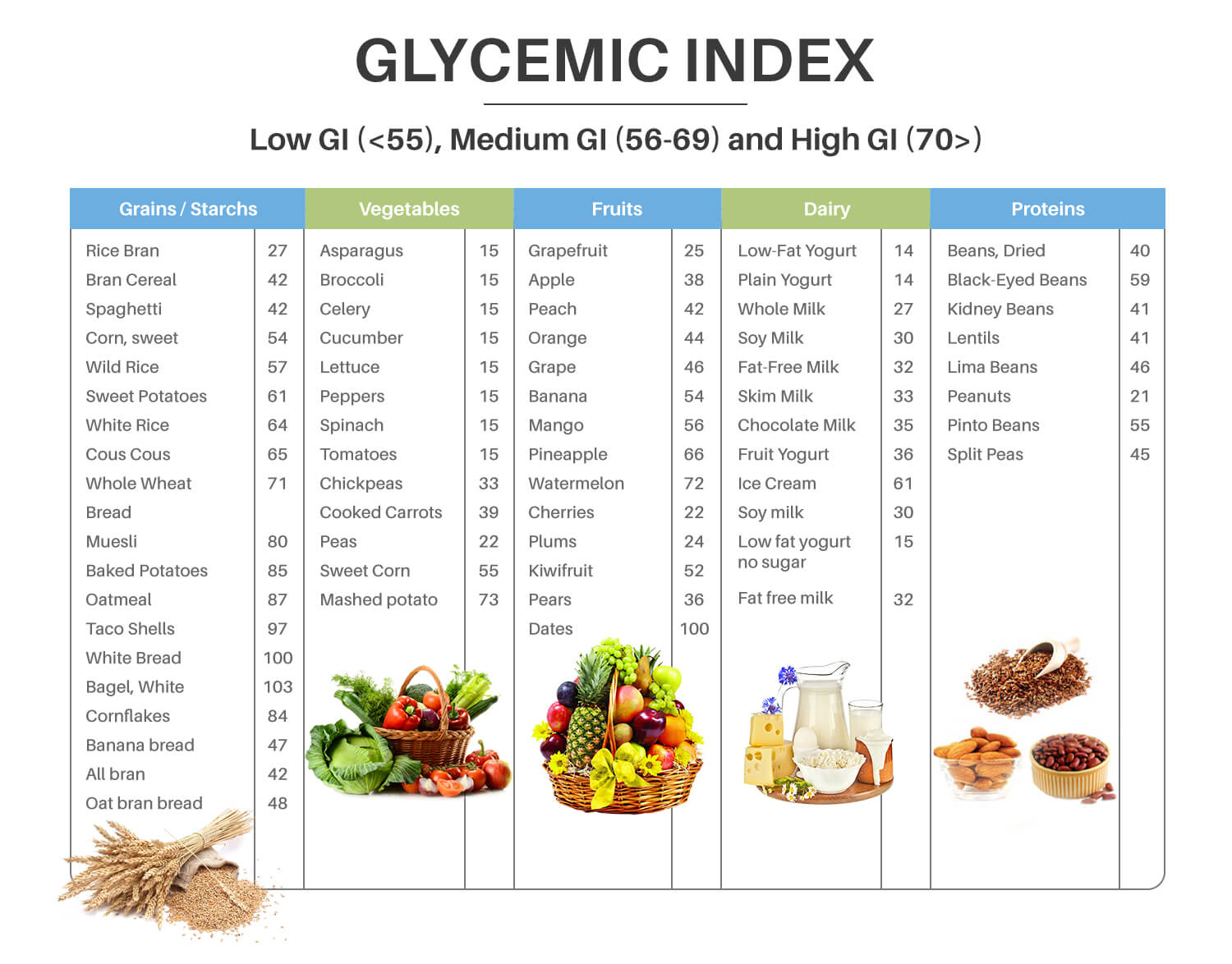
    The glycemic index is a numerical scale (0-100) that measures how quickly a carbohydrate-containing food raises blood glucose levels relative to pure glucose (GI = 100). Foods are classified as low GI (55 or below), medium GI (56-69), or high GI (70 and above).

    For a more detailed explanation of how GI is measured and why it matters for everyday nutrition decisions, see our dedicated article on what the glycemic index is and why it matters.

    GI CategoryGI RangeExamplesBlood Sugar Response
    Low GI55 or belowCoconut sugar (35-54), lentils (32), oats (55)Slow, gradual rise — sustained energy
    Medium GI56 – 69Brown rice (64), raisins (64), pita bread (68)Moderate rise — some fluctuation
    High GI70 and aboveWhite bread (75), white rice (73), glucose (100)Rapid spike — followed by drop

    What Is the Glycemic Index of Coconut Sugar?

    glycemic index of coconut sugar

    The most frequently cited GI value for coconut sugar is 35, based on a study conducted by the Philippine Coconut Authority (PCA) published in the Philippine Journal of Crop Science.

    This places coconut sugar firmly in the low-GI category — lower than white sugar (GI 60-65), brown sugar (GI ~64), honey (GI 58-85), and maple syrup (GI ~54).

    However, GI values for coconut sugar reported across different studies range from 35 to 54. This variability is not an error — it reflects genuine differences in the product being tested. Understanding why this variation exists is critical for making accurate claims.

    Why GI Values for Coconut Sugar Vary Between 35 and 54

    • Sucrose-to-fructose-to-glucose ratio: Coconut sugar is approximately 70-80% sucrose, with remaining fructose, glucose, and inulin. Variations in this ratio between batches and origins directly affect GI.
    • Inulin content: Inulin is a prebiotic dietary fiber that slows glucose absorption in the digestive tract — reducing GI. Inulin content in coconut sugar varies by growing region, season, and processing method, typically ranging from 1% to 3% of total carbohydrates.
    • Processing method and temperature: Higher processing temperatures and longer evaporation times can reduce inulin content, which raises the effective GI of the final product. Minimally processed, low-temperature coconut sugar retains more inulin.
    • Moisture content: Higher moisture content can affect the concentration of GI-active carbohydrates per gram. Standard specification (max 3% moisture) ensures consistency.
    • GI testing protocol: GI values are human-subject measurements with inherent variability. Different study populations, testing protocols, and reference standards can yield different results for the same product.
    For label claims regarding the glycemic index of coconut sugar: which value should you use?
    If you are making a ‘low GI’ label claim on a product containing coconut sugar, work with an accredited laboratory to test your finished product formulation — not the raw ingredient. The GI of a finished food product is affected by all other ingredients, processing, and the food matrix. A GI claim on a finished product should be based on testing of that specific formulation, not just the GI of the coconut sugar ingredient alone. At Global Coco Sugar, we provide Certificate of Analysis (COA) per batch that includes carbohydrate composition data as a foundation for your laboratory formulation testing.

    Coconut Sugar GI Compared to Common Sweeteners

    coconut sugar GI compared to common sweeteners

    Here is how coconut sugar positions against the most commonly used sweeteners in food manufacturing and consumer use:

    SweetenerGlycemic Index (approximate)GI CategoryNotes
    Coconut sugar35 – 54Low to MediumVaries by origin, processing, inulin content
    Coconut nectar syrup35LowLiquid form — similar GI profile to granulated
    Agave nectar15 – 30LowHigh fructose content — lower GI but metabolic concerns
    Honey58 – 85Medium to HighWide range depending on type and floral source
    Maple syrup~54Low to MediumPrimarily sucrose with some minerals
    White sugar (sucrose)60 – 65MediumPure sucrose — standard reference for comparison
    Brown sugar~64MediumWhite sugar + molasses — minimal nutritional difference
    Palm sugar35 – 41LowSimilar profile to coconut sugar — origin-dependent
    High fructose corn syrup58 – 73Medium to HighWidely used in processed food — rising consumer scrutiny
    Stevia (pure extract)0NoneNon-caloric — different functional profile

    For a detailed comparison of coconut nectar specifically — including GI, caloric profile, and mineral content relative to honey, maple syrup, and agave — see our article on coconut nectar syrup vs other sweeteners.

    Why GI Varies by Production Method — A Supplier Perspective

    This is an aspect of coconut sugar GI that very few articles address — and it is directly relevant to buyers who are sourcing for a specific GI claim.

    The GI of coconut sugar is not fixed by the plant source alone: it is significantly influenced by how the sugar is processed.

    Understanding how coconut sugar is produced in Indonesia — from sap tapping to evaporation to granulation — explains why production method matters for GI consistency.

    Production VariableEffect on GIPractical Implication for Buyers
    Low-temperature evaporation (traditional)Preserves inulin → lower GI (closer to 35)Seek suppliers using traditional open-pan or controlled low-heat processing
    High-temperature industrial processingDegrades inulin → higher GI (closer to 54)Ask for inulin content data in COA if GI is critical to your label claim
    Organic certified productionGenerally preserves more inulin — no chemical aidsOrganic certification correlates with more careful processing practices
    Fine powder vs granulatedPowder may have slightly higher GI — faster dissolutionIf GI is a key claim, specify granulated and request batch GI data
    Moisture content (max 3% specification)Consistent moisture = consistent carbohydrate concentration = consistent GIAlways request COA with moisture data — inconsistent moisture signals inconsistent quality

    Glycemic Index of Coconut Sugar: What Food Manufacturers Need to Know

    glycemic index of coconut sugar

    If you are a food manufacturer or R&D professional evaluating coconut sugar as an ingredient, the GI discussion has different implications than it does for individual consumers. Here is what specifically applies to your context:

    1. GI as a Sourcing Criterion

    If your product formulation requires coconut sugar with a specific GI profile — for example, to support a ‘low GI’ claim on your finished product — you need to specify this in your supplier requirements.

    Ask for: inulin content data in the COA (typically expressed as % of total carbohydrates), production method documentation, and ideally GI testing on a reference batch from the specific supplier’s production.

    2. GI Interaction with Other Ingredients

    When coconut sugar is used as an ingredient in a manufactured food product, the GI of the finished product is influenced by all other ingredients — particularly fat, protein, and fiber content, which slow glucose absorption.

    Our article on coconut sugar vs cane sugar for food manufacturing covers the full technical comparison including how coconut sugar behaves under heat (Maillard reaction), moisture dynamics, and substitution ratios by application type — which is directly relevant to formulation decisions that also affect the GI of your finished product.

    3. GI and Food Label Claims

    In the EU, ‘low glycemic’ claims on food products are regulated under Regulation (EC) No 1924/2006.

    A ‘low GI’ claim requires the food to have a GI of 55 or less and must be based on the GI of the finished product as tested under ISO 26642:2010.

    Simply using coconut sugar as an ingredient does not automatically qualify a product for a low GI claim. The claim must be substantiated by testing of the complete formulation by an accredited laboratory.

    In the USA, ‘low glycemic’ is not an FDA-approved nutrient content claim — it is used as a voluntary marketing statement and should be supported by testing data to avoid potential regulatory scrutiny.

    4. Applications Where Coconut Sugar’s Low GI Is Most Relevant

    Coconut sugar’s low GI positioning is most commercially powerful in product categories where ‘natural’, ‘clean label’, and ‘better-for-you’ positioning commands premium retail pricing.

    For a full breakdown of the food manufacturing applications where coconut sugar delivers the strongest commercial and technical results — and where cane sugar may still be the better choice — see our article on applications of coconut sugar in the food industry.

    Sourcing coconut sugar with consistent GI profile for your formulation?
    Global Coco Sugar provides Certificate of Analysis (COA) per batch from an ISO 17025-accredited laboratory, including carbohydrate composition data. We can discuss specific production method requirements — low-temperature processing, organic certification, inulin content targets — for buyers who need GI consistency for label claim support.
    Request a Sample with Full COA >>>
    View Our Coconut Sugar Product Range >>>

    The Health Context: What the glycemic index of coconut sugar actually means in practice

    GI coconut sugar

    For consumers evaluating coconut sugar as part of a health-conscious diet, it is important to understand what the GI number does — and does not — mean in practice.

    What the Low GI of Coconut Sugar Means

    • Coconut sugar causes a slower, more gradual rise in blood glucose compared to white sugar (GI 60-65) or honey (GI 58-85) when consumed in the same quantity.
    • The lower GI is primarily due to inulin content — a prebiotic fiber that slows glucose absorption in the small intestine.
    • For most people, choosing a lower-GI sweetener can contribute to more stable energy levels and reduced post-meal blood sugar peaks.

    What the Low GI of Coconut Sugar Does Not Mean

    Coconut sugar is still approximately 70-80% sucrose. When consumed, sucrose breaks down into glucose and fructose — both of which raise blood sugar levels. The low GI reflects the speed of this rise, not its absence.

    For people with diabetes or insulin resistance, coconut sugar should still be used in moderation and in consultation with a healthcare professional.

    For a more detailed discussion of coconut sugar in the context of diabetes management, see our article on whether coconut sugar is suitable for diabetics.

    • Coconut sugar is not calorie-free or low-calorie — it has approximately the same caloric density as white sugar (~380 kcal per 100g).
    • The trace minerals in coconut sugar (potassium, zinc, iron, calcium) are present in very small amounts — meaningful as part of a varied diet, not as a primary nutritional source.
    • ‘Low GI’ does not automatically mean ‘diabetic safe’ — always advise consultation with a healthcare professional for individuals managing blood glucose conditions.

    Conclusion: GI as One Factor in a Complete Coconut Sugar Evaluation

    The glycemic index of coconut sugar — at 35 to 54 depending on the source and testing protocol — places it comfortably in the low to low-medium GI range, making it a genuinely preferable choice compared to refined white sugar, honey, and most other common sweeteners from a blood glucose management perspective.

    For consumers, this means coconut sugar causes a slower, more gradual blood sugar rise — a meaningful benefit when choosing between sweetener options, though not a reason to consume it without moderation.

    For food manufacturers and buyers, GI is one data point in a larger evaluation that includes carbohydrate composition, inulin content, processing method, certification status, batch consistency, and label claim compliance.

    The most reliable approach is batch-specific COA data from an ISO 17025-accredited laboratory, combined with finished product GI testing if making a label claim.

    Source Coconut Sugar with Consistent GI Profile from a Certified Supplier
    Global Coco Sugar is a BRCGS Food Safety Grade A certified exporter of organic and conventional coconut sugar from Indonesia. We provide batch-specific COA from ISO 17025-accredited laboratories including carbohydrate composition data. Available in granulated and fine powder forms, 25kg sacks or custom packaging for food manufacturing and private label applications.
    Contact Our Export Team >>>
    View Our Coconut Sugar Specifications >>>
  • Virgin Coconut Oil Dosage Guide: How Much VCO Per Day?

    Virgin Coconut Oil Dosage Guide: How Much VCO Per Day?

    Virgin coconut oil (VCO) has become increasingly popular in health and wellness circles, praised for its potential benefits in weight management, heart health, skincare, and more. But despite its natural origin and purported advantages, questions remain about how much virgin coconut oil one should actually consume for health benefits—without overdoing it.

    This article explores the recommended intake of virgin coconut oil, its health impacts, and how to safely incorporate it into a balanced diet.


    What Is Virgin Coconut Oil?

    Virgin coconut oil is extracted from fresh coconut meat (as opposed to dried copra) without the use of high heat or chemicals. This minimal processing preserves the oil’s natural antioxidants, phenolic compounds, and medium-chain fatty acids (MCFAs), particularly lauric acid, which is believed to contribute to many of its health benefits.

    Unlike refined coconut oil, virgin coconut oil retains a mild coconut aroma and flavor, along with a higher level of phytonutrients.


    Nutritional Profile of Virgin Coconut Oil

    A single tablespoon (about 13.5 grams) of virgin coconut oil provides:

    • Calories: ~120 kcal
    • Total fat: 14 grams
      • Saturated fat: ~12 grams
      • Monounsaturated fat: ~1 gram
      • Polyunsaturated fat: ~0.5 grams
    • No protein or carbohydrates

    Most of the fat content comes from medium-chain triglycerides (MCTs), including lauric acid, capric acid, and caprylic acid. These fats are metabolized differently from long-chain fats, leading to some of the health claims associated with coconut oil.


    Potential Health Benefits

    1. Metabolism and Weight Management

    Some studies suggest that the MCTs in virgin coconut oil may increase energy expenditure and fat oxidation. Because MCTs are quickly absorbed and converted into energy, they are less likely to be stored as fat.

    Today, the global wellness market is capitalizing on this trend, with functional food brands and pharmaceutical companies heavily utilizing bulk virgin coconut oil to manufacture keto supplements, MCT gel capsules, and nutritional bars.

    2. Antimicrobial Properties

    Lauric acid exhibits powerful antimicrobial activity. This premium property makes high-purity organic extra virgin coconut oil a highly sought-after raw ingredient for cosmetic formulators creating natural skincare, organic soaps, and premium oral care products like oil-pulling blends.

    3. Heart Health and Cholesterol

    Virgin coconut oil can increase levels of HDL (good cholesterol), which is generally beneficial for heart health. However, it can also raise LDL (bad cholesterol) in some individuals. This dual effect means that moderation is crucial, especially for people with cardiovascular risks.

    4. Brain Function

    Some early research suggests MCTs may provide an alternative energy source for the brain, which is being explored for managing Alzheimer’s disease. While promising, more clinical research is needed before recommending coconut oil for cognitive health.


    How Much Virgin Coconut Oil Should You Consume?

    The ideal amount of virgin coconut oil varies based on individual health status, lifestyle, and dietary goals. However, most nutrition experts and scientific sources suggest moderation is key, due to the oil’s high saturated fat content.

    Purpose / ApplicationRecommended Daily DosageHow to Take
    General Health & Wellness1 – 1.5 tablespoons (13g – 20g)Add to smoothies, coffee, or use in medium-heat cooking.
    Keto / Paleo Diet Protocol2 tablespoons (26g)Spread across meals as a clean source of MCTs and energy.
    Digestive System Adjustment1 teaspoon (5g)Start here for the first week to avoid gastrointestinal discomfort.
    Industrial Product FormulationVaries by specificationStandard for encapsulation (softgels) or cosmetic clean-label bases.

    General Guidelines:

    • 1 to 2 tablespoons per day is commonly considered a safe and effective amount for adults.
      • This equals about 13–26 grams of fat, mainly saturated fat.
    • Begin with 1 teaspoon per day and gradually increase to allow your digestive system to adjust.
    • Spread intake across meals, such as adding it to smoothies, coffee, or cooking.

    Adjusting for Dietary Context

    Your overall fat and calorie intake should guide your use of coconut oil. If you already consume significant amounts of saturated fat from other sources (like butter, cheese, or red meat), adding virgin coconut oil could push your intake beyond recommended limits.

    The American Heart Association recommends that saturated fat make up no more than 5–6% of daily calories, which is about 11–13 grams per day for a 2,000-calorie diet. One tablespoon of coconut oil already meets or exceeds this threshold.

    If you’re otherwise on a low-saturated-fat diet or following ketogenic or paleo protocols, incorporating 1–2 tablespoons of virgin coconut oil may be more acceptable.


    Ways to Incorporate Virgin Coconut Oil into Your Diet

    Virgin coconut oil can be used in a variety of ways:

    • Cooking: Ideal for medium-heat cooking, sautéing, and baking.
    • Smoothies: Add a teaspoon or tablespoon for creaminess and extra energy.
    • Coffee or Tea: Often used in bulletproof coffee for sustained energy.
    • Salad Dressings: Combine with vinegar or citrus for a tropical vinaigrette.
    • Spreads: Use as a substitute for butter on toast or baked goods.

    Note: Avoid using virgin coconut oil for high-heat frying, as it has a lower smoke point (around 350°F or 177°C) than many refined oils.


    Considerations and Precautions

    1. Saturated Fat and Heart Disease

    Although MCTs behave differently than long-chain saturated fats, virgin coconut oil is still a saturated fat source. High saturated fat intake has been linked to increased cholesterol and cardiovascular risk, particularly when replacing unsaturated fats.

    Use coconut oil in place of other saturated fats, not in addition to them.

    2. Caloric Density

    Coconut oil is high in calories. Excessive consumption may lead to weight gain if not accounted for in your overall caloric intake.

    3. Digestive Issues

    Some people experience gastrointestinal discomfort, such as bloating or loose stools, when starting coconut oil. This typically resolves with reduced dosage and gradual introduction.

    4. Allergies and Skin Reactions

    Though rare, coconut allergies exist. Discontinue use if you experience skin irritation or digestive issues that persist.


    Who Should Limit or Avoid It?

    • People with high LDL cholesterol: Consult a doctor before adding coconut oil regularly.
    • Individuals with liver conditions: MCTs are metabolized by the liver; caution is advised.
    • Those on a low-fat or heart-healthy diet: May need to avoid or strictly limit intake.
    Premium Bulk VCO Supply for Health & Beauty Industries
    Scaling your production of nutritional supplements, healthy food products, or organic cosmetics requires an uncompromised source of pure oil. Global Coco Sugar is a trusted Indonesian manufacturer supplying high-capacity, certified organic Virgin Coconut Oil (VCO) and Extra Virgin Coconut Oil (EVCO) for international markets.
    – Certifications: USDA Organic, EU Organic, Halal, Kosher compliant.
    – Processing: 100% Cold-pressed, chemical-free, and additive-free.
    – B2B Capabilities: Flexible wholesale quantities and global export logistics.
    📬 Get a Commercial Bulk Quote & Request Samples

    Conclusion

    Virgin coconut oil can be a beneficial addition to your diet when used wisely. Rich in MCTs and lauric acid, it offers some antimicrobial, metabolic, and possibly cognitive benefits. However, due to its high saturated fat content, moderation is essential.

    For most people, 1–2 tablespoons per day is considered a safe and effective amount when replacing other fats—not added on top of an already high-fat diet. The key is balance: use virgin coconut oil as part of a varied and nutrient-dense eating plan, not as a cure-all or magic bullet.

    As with any dietary change, consult a healthcare provider or dietitian to determine what amount is right for you, especially if you have underlying health conditions or specific nutritional goals.

  • Can Coconut Sugar Help You Lose Weight? Exploring the Claims

    Can Coconut Sugar Help You Lose Weight? Exploring the Claims

    Coconut sugar has gained popularity as a “healthier” alternative to refined white sugar, often marketed for its lower glycemic index and natural origins. But beyond the hype, a key question remains: Can coconut sugar actually help you lose weight? This article explores the claims, examines the nutritional profile, and considers whether it truly plays a role in weight management.


    1. What is Coconut Sugar?

    Coconut sugar is made from the sap of coconut palm flower buds, which is boiled and granulated into a golden-brown sweetener. Unlike refined sugar, it undergoes minimal processing and retains trace amounts of minerals like potassium, magnesium, iron, and zinc, along with antioxidants.


    2. The Glycemic Index Factor

    One of the most cited benefits of coconut sugar is its lower glycemic index (GI)—around 35 compared to white sugar’s 60–65. The GI measures how quickly a food raises blood sugar levels. A lower GI means slower sugar absorption, leading to:

    • Reduced blood sugar spikes.
    • Less intense insulin release.
    • Fewer post-sugar crashes.

    In theory, stable blood sugar levels can help regulate appetite, which might indirectly support weight control. However, the difference is not dramatic enough to make coconut sugar a “weight-loss food.”


    3. Calorie Content: Not Much Different

    From a calorie standpoint, coconut sugar offers little advantage:

    • Coconut sugar: ~15 calories per teaspoon.
    • White sugar: ~16 calories per teaspoon.

    The calorie savings are negligible. If weight loss is your goal, total sugar consumption—regardless of type—matters more than the specific sweetener.


    4. Nutritional Profile: The “Natural” Advantage

    Coconut sugar contains small amounts of:

    • Minerals: Potassium, zinc, magnesium, iron.
    • Inulin: A type of dietary fiber that may slow glucose absorption.

    While these nutrients offer health benefits, they exist in trace amounts. You would have to consume impractically large amounts to gain substantial nutrition—which would also mean excess calories.


    5. Appetite Control and Cravings

    Because coconut sugar causes slower blood sugar rises, some people may experience fewer cravings compared to consuming refined sugar. Stable energy levels can make it easier to stick to a healthy eating plan, which indirectly aids weight management. However, moderation is key—excess coconut sugar can still lead to energy surges followed by crashes.


    6. Marketing vs. Reality

    Coconut sugar is often marketed as:

    • “Diabetic-friendly”
    • “Weight-loss-friendly”
    • “Healthy sugar”

    These labels can be misleading. While coconut sugar is less processed and lower GI than white sugar, it’s still added sugar—and overconsumption can lead to weight gain, blood sugar imbalances, and other health issues.


    7. Coconut Sugar in a Weight-Loss Diet

    If you’re trying to lose weight, here’s how coconut sugar can fit in:

    • Use it sparingly as a natural sweetener for coffee, tea, or baking.
    • Replace—not add to—your regular sugar intake.
    • Combine it with whole foods and high-fiber ingredients to slow sugar absorption.

    • Avoid assuming that “natural” means “unlimited use.”

    8. Portion Control Tips

    Even with coconut sugar, portion control is crucial:

    • Measure your sweetener instead of eyeballing.
    • Gradually reduce sweetener in recipes to retrain your taste buds.
    • Pair sweetened foods with protein or healthy fat to maintain satiety.

    9. When Coconut Sugar Might Be Helpful

    While it’s not a magic bullet for weight loss, coconut sugar can be helpful for:

    • Those seeking to transition away from refined sugar.
    • People managing mild blood sugar sensitivity.
    • Individuals following whole-food-based diets who still want occasional sweetness.

    10. When to Be Cautious

    Coconut sugar may not be ideal for:

    • People with diabetes who require tight blood sugar control.
    • Those on very low-carb or ketogenic diets.
    • Anyone prone to overusing “healthy” sweeteners.

    11. Healthier Sweetening Strategies

    If weight loss is your main focus, consider:

    • Natural low-calorie sweeteners like stevia or monk fruit.
    • Using fruit purees (banana, dates, applesauce) for sweetness in baking.
    • Reducing overall sugar reliance to reset your taste preferences.

    12. Final Verdict

    Coconut sugar offers modest health advantages over refined sugar, thanks to its lower GI and minimal processing. However, it is not inherently a weight-loss aid. Its calorie content is nearly identical to white sugar, and overuse will hinder weight loss just as much as other sweeteners. The key to using coconut sugar successfully is moderation—combined with a balanced diet and active lifestyle.


    Conclusion

    Coconut sugar is a more natural, less refined sweetener that may offer minor benefits for blood sugar control and nutrient intake. But when it comes to losing weight, it’s not a shortcut. If you enjoy its flavor, use it mindfully as part of an overall healthy eating pattern. Remember: sustainable weight loss comes from creating a calorie deficit through healthy food choices, portion control, and physical activity—not from switching sugar types.


  • Virgin Coconut Oil vs. Other Oils: Which Is the Healthiest?

    Virgin Coconut Oil vs. Other Oils: Which Is the Healthiest?

    In the world of nutrition and cooking, oils are more than just a cooking medium—they’re a significant contributor to our overall health. From olive oil to canola oil, sunflower to coconut, consumers are often faced with a multitude of choices, each claiming to be the healthiest. Among these, virgin coconut oil (VCO) has gained substantial popularity for its purported health benefits, ranging from weight management to improved heart and skin health.

    But how does virgin coconut oil stack up against other popular oils in terms of nutritional value, cooking properties, and health impacts? In this article, we’ll take an in-depth look at VCO and compare it to other commonly used oils to help you decide which is the healthiest option for your needs.


    What Is Virgin Coconut Oil?

    Virgin coconut oil is extracted from the fresh milk or meat of mature coconuts without using chemicals or high heat. It retains more of the natural aroma, flavor, and nutrients found in coconut compared to refined coconut oil. Unlike regular coconut oil, which is typically processed and bleached, VCO is unrefined, cold-pressed, and minimally processed.

    Key Nutritional Properties:

    • High in saturated fats (about 90% of total fat content)
    • Rich in medium-chain triglycerides (MCTs) like lauric acid, caprylic acid, and capric acid
    • Contains antioxidants and anti-inflammatory compounds
    • Free of cholesterol and trans fats

    How Does Virgin Coconut Oil Compare to Other Oils?

    To determine the healthiest oil, we must consider three main factors:

    1. Nutritional content
    2. Health benefits and risks
    3. Cooking suitability

    Let’s compare VCO to some of the most commonly used oils.


    1. Virgin Coconut Oil vs. Olive Oil

    Nutritional Highlights:

    • Virgin Coconut Oil: High in saturated fats (~90%), mainly MCTs.
    • Extra Virgin Olive Oil (EVOO): High in monounsaturated fats (~73%), particularly oleic acid.

    Health Benefits:

    • Coconut Oil: MCTs in coconut oil are metabolized quickly, possibly aiding weight loss and boosting energy. Lauric acid has antibacterial and antiviral properties.
    • Olive Oil: Rich in antioxidants and polyphenols; widely studied for cardiovascular benefits. Associated with reduced inflammation, lower LDL (bad cholesterol), and better heart health.

    Cooking Use:

    • Coconut Oil: Stable at high temperatures; ideal for frying and baking.
    • Olive Oil: Best used raw or for low to medium-heat cooking. High heat can degrade its antioxidants.

    Verdict: Olive oil is better for heart health due to its unsaturated fat profile and proven cardiovascular benefits, while coconut oil offers quick energy and antimicrobial effects.


    2. Virgin Coconut Oil vs. Canola Oil

    Nutritional Highlights:

    • VCO: Almost entirely saturated fats.
    • Canola Oil: Low in saturated fat (about 7%), high in monounsaturated fats, and contains omega-3 fatty acids.

    Health Benefits:

    • Canola Oil: May lower bad cholesterol levels and reduce risk of heart disease when used in moderation.

    • Coconut Oil: MCTs may promote satiety and support metabolism, though research on cholesterol effects is mixed.

    Cooking Use:

    • Both oils have a relatively high smoke point (~400°F), making them suitable for frying.

    Verdict: Canola oil wins for heart health and omega-3 content, but VCO is a better choice for those seeking natural, minimally processed options with antimicrobial and digestive benefits.


    3. Virgin Coconut Oil vs. Sunflower Oil

    Nutritional Highlights:

    • Sunflower Oil: High in polyunsaturated fats (especially omega-6).
    • VCO: MCT-rich saturated fats.

    Health Benefits:

    • Sunflower Oil: Contains vitamin E, but excessive omega-6 can promote inflammation if not balanced with omega-3s.
    • Coconut Oil: Provides antimicrobial benefits and may support digestive health.

    Cooking Use:

    • Sunflower Oil: High smoke point, neutral taste—great for deep frying.
    • VCO: Adds a light coconut flavor; ideal for stir-fries, baking, and tropical dishes.

    Verdict: Moderation is key—sunflower oil is versatile but can contribute to inflammation if overused; coconut oil is more beneficial in moderate amounts and less processed.


    4. Virgin Coconut Oil vs. Butter

    Nutritional Highlights:

    • Both are high in saturated fats.
    • Butter contains cholesterol and animal-based fats.
    • Coconut Oil is plant-based, with MCTs and no cholesterol.

    Health Benefits:

    • Butter: Contains fat-soluble vitamins (A, D, E, K), but contributes to cholesterol intake.
    • VCO: May support weight loss and metabolism, with anti-inflammatory effects.

    Cooking Use:

    • Both are excellent for baking and sautéing.

    Verdict: For those avoiding animal products or cholesterol, virgin coconut oil is a healthier alternative to butter.


    The Saturated Fat Controversy

    One of the biggest concerns surrounding coconut oil is its high saturated fat content. Traditionally, saturated fats have been associated with increased LDL (bad cholesterol) and a higher risk of heart disease. However, recent research has begun to differentiate between long-chain saturated fats (found in animal fats) and medium-chain triglycerides (MCTs) found in coconut oil.

    What Studies Show:

    • MCTs are metabolized differently, rapidly used as energy rather than stored as fat.
    • Coconut oil raises both LDL and HDL (good cholesterol), which may balance cardiovascular effects.
    • Long-term human studies are still limited; some experts urge caution until more conclusive evidence is available.

    When Is Virgin Coconut Oil the Healthiest Choice?

    While it may not be the best oil for heart health when compared to olive or canola oil, virgin coconut oil offers unique advantages in certain scenarios:

    Best For:

    • Quick energy boosts due to MCTs
    • Antimicrobial and skin health benefits
    • Baking and high-heat cooking
    • Paleo, keto, or vegan diets
    • Those seeking natural, minimally processed oils

    Use in Moderation If:

    • You have high cholesterol or heart disease risk
    • You’re consuming other sources of saturated fat
    • You rely heavily on oil-based cooking daily

    Conclusion: So, Which Oil Is the Healthiest?

    There’s no one-size-fits-all answer when it comes to the healthiest oil. Each has its pros and cons depending on your dietary needs, cooking methods, and health goals.

    • Extra virgin olive oil is widely regarded as the healthiest oil overall due to its heart-protective properties.
    • Canola and avocado oils are good choices for those needing heart-healthy fats and cooking flexibility.
    • Virgin coconut oil stands out for its natural composition, antimicrobial benefits, and suitability in certain diets and high-heat cooking.

    Final Verdict: Virgin coconut oil can be a healthy choice—especially in moderation and when used appropriately—but it’s best combined with other oils in a balanced diet for optimal health outcomes.

  • Is Coconut Milk Healthy or Just Hype? A Nutritional Breakdown

    Is Coconut Milk Healthy or Just Hype? A Nutritional Breakdown

    Coconut milk has surged in popularity over the past decade, often hailed as a superfood and staple in many plant-based and lactose-free diets. You’ll find it in smoothies, curries, coffee creamers, and even desserts. Its creamy texture and mild, sweet flavor make it a favorite dairy alternative. But amidst all the excitement, a common question lingers: Is coconut milk truly healthy, or is it just the latest wellness hype?

    In this article, we’ll break down the nutritional profile of coconut milk, examine the science behind its health claims, and discuss when it’s a smart choice — and when it might not be.


    What Is Coconut Milk?

    Coconut milk is a creamy, white liquid extracted from the grated meat of mature coconuts. It’s different from coconut water, which is the clear fluid found inside green coconuts. Coconut milk is made by blending coconut flesh with water and then straining it.

    There are two main forms:

    • Canned Coconut Milk: Thick, rich, and high in fat. Typically used in cooking and baking.
    • Carton Coconut Milk: More diluted, often fortified with vitamins and minerals. Used as a beverage or milk substitute.

    Both have different nutritional profiles and purposes in the kitchen, so knowing the difference is key to understanding its health impact.


    Coconut Milk: Nutritional Overview

    The nutritional content of coconut milk can vary depending on whether it’s canned or in a carton, sweetened or unsweetened, and how much it has been processed or diluted.

    Carton (Unsweetened) Coconut Milk – 1 cup (240ml)

    • Calories: 45–60
    • Fat: 4–5g
    • Saturated fat: 3–4g
    • Protein: <1g
    • Carbohydrates: 1–2g
    • Sugars: 0–1g
    • Calcium (fortified): 25–30% DV
    • Vitamin D (fortified): 20–25% DV
    • Vitamin B12 (fortified): 50% DV

    Canned Full-Fat Coconut Milk – 1 cup (240ml)

    • Calories: 445
    • Fat: 48g
    • Saturated fat: 43g
    • Protein: 5g
    • Carbohydrates: 6g
    • Sugars: 3g

    The difference is significant. Canned coconut milk is much higher in fat and calories, while carton coconut milk is typically lighter and used more like traditional milk.


    Health Benefits of Coconut Milk

    1. Dairy-Free and Allergen-Friendly

    For people who are lactose intolerant, allergic to dairy, or vegan, coconut milk is a safe and creamy alternative. It’s also soy- and nut-free, making it suitable for people with multiple allergies.

    2. Rich in Medium-Chain Triglycerides (MCTs)

    Coconut milk contains medium-chain triglycerides — a type of fat that is digested differently than most fats. MCTs, especially lauric acid, are rapidly absorbed and metabolized for energy, rather than stored as body fat.

    Some studies suggest that MCTs:

    • May support fat burning and metabolism
    • Could enhance energy levels
    • Possess antimicrobial properties

    However, these benefits are often associated with concentrated MCT oil, not coconut milk alone.

    3. May Improve Heart Health in Moderation

    Though high in saturated fat, some research indicates that coconut products may raise HDL (good cholesterol) while having a neutral or only slight effect on LDL (bad cholesterol). This suggests coconut milk might have a more complex impact on heart health than previously thought.

    Still, the saturated fat content is high, and excessive consumption could potentially increase cholesterol in some people.

    4. Often Fortified with Key Nutrients

    Many commercial coconut milks (especially those in cartons) are fortified with:

    • Calcium (for bone health)
    • Vitamin D (essential for immune and bone health)
    • Vitamin B12 (especially important for vegans)

    This makes them a useful option for those avoiding animal-based products.


    Potential Drawbacks of Coconut Milk

    1. High in Saturated Fat

    Coconut milk is one of the highest-fat plant milks, and almost all of that fat is saturated. While not all saturated fats have the same health impact, most health authorities — including the American Heart Association — recommend limiting saturated fat intake.

    Frequent or excessive use of canned coconut milk could raise cholesterol levels, especially in those predisposed to heart conditions.

    2. Low in Protein

    Unlike cow’s milk or soy milk, coconut milk is very low in protein, often less than 1 gram per cup. This makes it a poor source of this essential macronutrient, particularly for those relying on plant-based diets.

    If you’re using coconut milk as a milk substitute, consider pairing it with other high-protein foods or choosing a milk with more protein, like soy or pea-based options.

    3. Additives and Sweeteners in Commercial Brands

    Many store-bought coconut milks contain:

    • Added sugars
    • Stabilizers and thickeners like carrageenan, guar gum, or xanthan gum
    • Flavorings or preservatives

    These additives can cause digestive upset in some people or contribute unnecessary calories and sugars.

    Tip: Choose unsweetened varieties with minimal ingredients.


    Coconut Milk vs. Other Plant-Based Milks

    Milk TypeCaloriesProteinFat (Sat.)Calcium (Fortified)
    Coconut45–60<1g4–5g (mostly sat.)Yes
    Almond30–501g2–3gYes
    Soy80–1007–9g4gYes
    Oat90–1302–4g2–5gYes

    Summary: Coconut milk is low in carbs and protein but high in saturated fat. Soy milk is closest nutritionally to cow’s milk. Almond and oat milk fall somewhere in between.


    When Is Coconut Milk a Good Choice?

    Coconut milk can be a healthy choice when:

    • You need a dairy-free or low-carb milk substitute.
    • You’re following a keto, paleo, or vegan diet.
    • You use it in moderation, especially the canned version.
    • You choose unsweetened and fortified options.
    • You pair it with other foods rich in protein and fiber.

    It may not be ideal for:

    • People with heart disease risk due to its saturated fat content.
    • Those needing higher protein intake (like athletes or children).
    • People trying to lose weight who consume it in large amounts, especially canned varieties.

    Smart Ways to Use Coconut Milk

    • Add carton coconut milk to smoothies, coffee, or oatmeal.
    • Use canned coconut milk in soups, curries, or desserts.
    • Mix it into chia pudding or overnight oats for a dairy-free twist.
    • Blend with fruit and greens for a creamy, plant-based smoothie.

    Final Verdict: Healthy or Hype?

    So, is coconut milk healthy? The answer depends on how you use it.

    Coconut milk has real nutritional benefits, especially as a dairy-free alternative that’s rich in healthy fats and often fortified with essential nutrients. However, it also has limitations — namely, high saturated fat and low protein.

    Used occasionally and strategically, coconut milk can be a healthy addition to your diet. But it shouldn’t be seen as a superfood miracle or your primary source of nutrition. Like any food, the key is balance, variety, and mindful consumption.

  • Coconut Nectar for Diabetics: Safe or Risky?

    Coconut Nectar for Diabetics: Safe or Risky?

    As the search for healthier alternatives to refined sugar continues, coconut nectar has emerged as a popular natural sweetener. Extracted from the sap of coconut blossoms, this syrupy liquid is often marketed as a low glycemic index (GI) sweetener, rich in nutrients and safe for people with diabetes. But is coconut nectar really a healthier choice for those managing blood sugar levels? Or is it another form of sugar wearing a health halo?

    This article explores the nutritional profile of coconut nectar, its impact on blood glucose, and whether it’s a genuinely safe option for diabetics or just another sweet trap.


    What is Coconut Nectar?

    Coconut nectar is a natural syrup derived from the sap of coconut palm flowers (Cocos nucifera). It is made by tapping the flower stalks of the coconut tree and collecting the sap, which is then gently heated to reduce moisture and create a thick syrup. This process preserves many of the sap’s naturally occurring nutrients, and unlike refined sugar, coconut nectar is minimally processed.

    Coconut nectar has a light amber color and a slightly caramel or butterscotch-like flavor. It is commonly used as a liquid sweetener in smoothies, teas, baking, and sauces.


    Nutritional Profile of Coconut Nectar

    Coconut nectar contains a mix of natural sugars (primarily sucrose, with small amounts of glucose and fructose), amino acids, vitamins, and minerals. According to various sources, a tablespoon (15 ml) of coconut nectar contains:

    • Calories: ~60
    • Total Sugars: ~13–15 grams
    • Carbohydrates: ~15 grams
    • Fat: 0 grams
    • Protein: ~0 grams
    • Minerals: Trace amounts of potassium, magnesium, zinc, and iron
    • Inulin (a prebiotic fiber): Present in small amounts

    Compared to refined white sugar, coconut nectar has a more complex nutritional profile, but it is still high in sugar and calories.


    Glycemic Index: The Key Selling Point

    One of the main reasons coconut nectar has been promoted to diabetics is its low glycemic index. The glycemic index (GI) measures how quickly a food raises blood sugar levels. Pure glucose has a GI of 100, while lower numbers indicate slower digestion and absorption.

    Coconut nectar is often reported to have a GI between 35–54, depending on the source. By comparison:

    • Table sugar (sucrose): GI ~60–65
    • Honey: GI ~58
    • Maple syrup: GI ~54
    • Agave nectar: GI ~15–30
    • Brown rice syrup: GI ~98 (very high)

    A low-GI sweetener causes a slower, more gradual increase in blood glucose levels—ideal for diabetics who need to avoid spikes. However, this number should be interpreted cautiously.


    Is Coconut Nectar Really Safe for Diabetics?

    While coconut nectar may seem like a better option, “low GI” doesn’t mean “safe in unlimited amounts,” especially for diabetics. Here’s why:

    1. It Still Contains Sugar

    Coconut nectar is primarily made of sucrose, which breaks down into glucose and fructose—both of which affect blood sugar. Whether the sugar comes from nectar, honey, or table sugar, the metabolic impact can still be significant.

    2. Lack of Standardization

    There’s no universal, scientifically verified GI value for coconut nectar. Some GI values cited come from manufacturers or small studies with limited oversight. Without rigorous, independent testing, the actual GI could vary depending on the brand, processing method, and sap maturity.

    3. Portion Size Matters

    Even with a lower GI, consuming large quantities of coconut nectar can lead to hyperglycemia. A few teaspoons might be tolerable for some diabetics, but overuse—especially in processed or baked foods—can easily push blood sugar into unhealthy territory.

    4. Individual Responses Differ

    Each diabetic responds differently to sweeteners. Factors such as insulin sensitivity, medication, gut microbiota, and overall diet can influence how someone reacts to coconut nectar.


    Coconut Nectar vs. Other Sweeteners for Diabetics

    Let’s compare coconut nectar with other popular sweeteners often considered “diabetic-friendly”:

    SweetenerGI RangeSugar Type(s)Diabetic-Safe?
    Coconut Nectar35–54*Sucrose, GlucoseModerate caution
    Agave Nectar15–30FructoseCaution (fructose-heavy)
    Stevia0None (non-caloric)Generally safe
    Monk Fruit0None (non-caloric)Generally safe
    Erythritol0Sugar alcoholSafe in moderation
    Honey~58Glucose, FructoseLimited use

    * GI values for coconut nectar vary by source and may not be fully reliable.

    Non-nutritive sweeteners like stevia, monk fruit, and erythritol are typically safer options for diabetics because they have little to no impact on blood glucose levels. However, they lack the complex flavor and natural appeal of coconut nectar, which is why some people still prefer the latter in moderation.


    Potential Benefits (When Used Carefully)

    If consumed sparingly and under medical supervision, coconut nectar could offer a few advantages over refined sugar for diabetics:

    • Lower glycemic impact (for some individuals)
    • Nutrient content: While small, the presence of minerals and antioxidants may offer marginal health benefits.
    • Prebiotics: The inulin content can support gut health, which plays a role in blood sugar regulation.
    • Less refined: Minimal processing makes it a “cleaner” alternative to white sugar.

    That said, these benefits do not negate the fact that coconut nectar is still a sugar-rich product.


    Practical Tips for Diabetics Considering Coconut Nectar

    If you’re diabetic and considering coconut nectar, here are a few practical guidelines:

    1. Talk to your doctor or dietitian before making changes to your sugar sources.
    2. Use in small quantities, such as 1–2 teaspoons at a time.
    3. Monitor your blood glucose after consuming it to understand your personal response.
    4. Read product labels—some coconut nectar products may be blended with cane sugar or corn syrup.
    5. Avoid daily or habitual use; use it only as an occasional indulgence.
    6. Combine with fiber and protein when using in meals to slow glucose absorption.

    Conclusion: Safe or Risky?

    Coconut nectar can be relatively safer than refined sugar, but that doesn’t make it completely safe for diabetics. It still contains significant sugar content and calories. While its lower glycemic index and trace nutrients may offer some advantages, it should be treated as an occasional sweetener—not a free pass.

    For those with diabetes, non-caloric sweeteners like stevia or monk fruit are still the safest options. But if you prefer a natural, minimally processed sugar with a unique flavor, and your blood sugar is well-managed, small amounts of coconut nectar may be acceptable under supervision.

    As with any dietary choice in diabetes management, personalization and moderation are key.

  • Can You Drink Coconut Milk Every Day? Pros and Cons

    Can You Drink Coconut Milk Every Day? Pros and Cons

    Coconut milk has become a popular dairy alternative around the world, especially among those who follow plant-based diets, have lactose intolerance, or seek a richer, tropical flavor in their cooking and beverages. Derived from the grated flesh of mature coconuts, coconut milk is creamy, slightly sweet, and packed with nutrients—but is it healthy to drink every day?

    While coconut milk offers a range of health benefits, it’s not without its downsides. Understanding its nutritional profile and how it fits into your overall diet is key to determining whether it’s a good daily choice.

    In this article, we’ll explore the pros and cons of drinking coconut milk every day, look at the nutritional content, and offer tips on how to incorporate it into your diet safely.


    What Is Coconut Milk?

    Coconut milk is a white, opaque liquid made by blending grated coconut meat with water and then straining the mixture. It should not be confused with coconut water, which is the clear liquid inside young coconuts.

    There are two common forms of coconut milk:

    • Canned Coconut Milk: Thick, rich, and used mainly for cooking.
    • Carton Coconut Milk: A more diluted version meant for drinking or adding to cereal, smoothies, and coffee. This version is often fortified with vitamins and minerals and contains added stabilizers or sweeteners.

    Nutritional Profile (Per 1 Cup of Unsweetened Coconut Milk from Carton)

    • Calories: 45–80
    • Fat: 4–5 g
    • Saturated Fat: 3–4 g
    • Carbohydrates: 1–2 g
    • Sugars: 0–1 g (unsweetened)
    • Protein: 0–1 g
    • Calcium: 10–45% DV (fortified)
    • Vitamin D: 10–25% DV (fortified)
    • Potassium: 40–200 mg

    Note: Canned coconut milk is much higher in fat and calories (up to 400 calories per cup).


    Pros of Drinking Coconut Milk Every Day

    1. Lactose-Free and Vegan-Friendly

    Coconut milk is naturally lactose-free, making it an excellent alternative for people with lactose intolerance or dairy allergies. It’s also suitable for vegan and plant-based diets.

    2. Rich in Healthy Fats

    Coconut milk contains medium-chain triglycerides (MCTs), a type of saturated fat that is metabolized differently from long-chain fats. MCTs may:

    • Boost energy levels
    • Promote satiety (help you feel full)
    • Support weight management in moderation

    Some studies suggest MCTs may improve metabolism and reduce appetite, though more research is needed for conclusive evidence.

    3. May Support Heart Health (When Consumed in Moderation)

    Coconut milk may help increase HDL (good) cholesterol levels in some individuals. While it’s high in saturated fat, not all saturated fats have the same effect. The lauric acid in coconut may have a more favorable impact on cholesterol than animal fats.

    Still, moderation is key—especially for people with heart disease or high cholesterol.

    4. Anti-Inflammatory and Antimicrobial Properties

    Lauric acid, the main fatty acid in coconut milk, has antimicrobial and anti-inflammatory properties. This may benefit gut health, immune function, and even skin conditions when included in a balanced diet.

    5. Fortified with Nutrients

    Most store-bought coconut milk beverages are fortified with calcium, vitamin D, vitamin B12, and other nutrients to make them nutritionally comparable to dairy milk. This makes them a good option for maintaining bone health and preventing deficiencies—especially for vegans and vegetarians.

    6. Great for Digestion and Gut Health

    Coconut milk is often easy to digest and may help soothe the digestive tract. Its fat content also helps with the absorption of fat-soluble vitamins like A, D, E, and K.


    Cons of Drinking Coconut Milk Every Day

    1. High in Saturated Fat

    One of the biggest concerns with daily consumption of coconut milk is its high saturated fat content. A single cup of canned coconut milk can have over 35 grams of fat—more than half of which is saturated.

    The American Heart Association recommends limiting saturated fat intake to 5–6% of your total calories per day. Regularly consuming high amounts could increase LDL (bad) cholesterol in some individuals and raise the risk of heart disease.

    2. Low in Protein

    Unlike cow’s milk or some other plant-based alternatives (like soy milk), coconut milk contains very little protein. If you’re replacing dairy milk with coconut milk daily, you may need to find other protein sources to meet your needs.

    3. May Contain Additives

    Many commercially available coconut milk beverages contain added sugars, emulsifiers (like carrageenan or guar gum), and preservatives. These can cause digestive issues in sensitive individuals.

    Always read labels and opt for unsweetened, organic, or minimally processed versions when possible.

    4. Can Be Calorie-Dense

    If you’re drinking canned coconut milk or using it frequently in smoothies and coffee, the calories can add up quickly. This could contribute to weight gain if not balanced within your overall diet.

    5. Allergic Reactions (Rare)

    Though rare, some people may have coconut allergies or sensitivities. Reactions may include skin rashes, digestive upset, or in extreme cases, anaphylaxis.


    How Much Coconut Milk Is Safe to Drink Daily?

    For most people, drinking 1 cup of unsweetened carton coconut milk per day is safe and can be part of a healthy diet. However, it’s best to:

    • Avoid drinking canned coconut milk daily due to its high fat and calorie content.
    • Limit intake if you have a history of high cholesterol, cardiovascular disease, or require a low-fat diet.
    • Rotate plant-based milks like almond, oat, or soy milk to ensure variety in your nutrition.

    Tips for Including Coconut Milk in Your Diet

    • Add to smoothies: Combine with fruits, greens, and protein powder for a balanced breakfast.
    • Use in coffee or tea: For a creamy, dairy-free alternative to creamer.
    • Make soups and curries: Coconut milk adds richness to Thai, Indian, and Caribbean dishes.
    • Use in baking: It can substitute for milk or cream in many recipes.
    • Create healthy desserts: Try coconut milk in chia pudding or dairy-free ice cream.

    Final Thoughts

    So, can you drink coconut milk every day? The answer depends on your overall health, dietary needs, and the type of coconut milk you consume.

    In moderation, drinking coconut milk—particularly the unsweetened beverage version—can be a healthy addition to your daily routine. It provides a rich source of healthy fats, is dairy-free, and may support digestion, immune health, and heart health. However, because of its low protein and high saturated fat content, it’s not a one-size-fits-all solution.

    As with any food, balance is essential. By combining coconut milk with a diverse and nutrient-rich diet, you can enjoy its benefits while minimizing potential downsides.

  • Is Coconut Nectar Keto-Friendly or Not?

    Is Coconut Nectar Keto-Friendly or Not?

    The ketogenic (keto) diet has surged in popularity due to its potential benefits for weight loss, blood sugar control, and mental clarity. This high-fat, low-carb eating plan requires careful scrutiny of every food item—especially sweeteners. One product that often sparks debate among keto dieters is coconut nectar. With its natural origins and seemingly wholesome reputation, many wonder: Is coconut nectar keto-friendly or not?

    Let’s break down what coconut nectar is, its nutritional profile, how it affects ketosis, and whether it can find a place in a strict or modified keto lifestyle.


    What Is Coconut Nectar?

    Coconut nectar is a natural sweetener derived from the sap of the coconut blossom, not the coconut fruit itself. The sap is collected, heated slightly to thicken, and bottled without any chemical processing. It is considered a low-glycemic alternative to refined sugar and is often marketed as a “healthier” or more natural sweetener.

    Coconut nectar has a rich, caramel-like flavor, similar to molasses or brown sugar. It is used in everything from baking to coffee, smoothies, and marinades. But just because something is natural doesn’t mean it aligns with the ketogenic diet.


    Nutritional Breakdown of Coconut Nectar

    To determine whether coconut nectar is keto-friendly, we need to understand its macronutrient composition, particularly its carbohydrate content. While brands may vary slightly, a typical tablespoon (15g) of coconut nectar contains approximately:

    • Calories: 60
    • Total Carbohydrates: 15-16g
    • Sugars: 14-15g
    • Fiber: 0g
    • Fat: 0g
    • Protein: 0g

    As you can see, coconut nectar is almost entirely composed of sugar. It contains minimal micronutrients such as potassium and magnesium, but not in meaningful quantities to outweigh its sugar content on a keto plan.


    The Goal of Keto: Staying in Ketosis

    The primary objective of the ketogenic diet is to enter and maintain a state of ketosis, where your body burns fat for fuel instead of carbohydrates. To do this, most people need to limit their net carb intake to 20–50 grams per day. Exceeding this threshold, especially with high-glycemic foods, can kick you out of ketosis.

    Given that just one tablespoon of coconut nectar contains over 15 grams of sugar, it’s clear that it would consume a large portion (or even exceed) your daily carb allowance in a single serving.


    Glycemic Index and Insulin Response

    Coconut nectar is often promoted as having a low glycemic index (GI), generally reported between 35 and 55. This suggests it might cause a slower, more moderate rise in blood sugar compared to refined sugar (GI of 60–65).

    However, a low GI does not necessarily mean it’s keto-friendly. Even low-GI sweeteners can contain high amounts of fructose and glucose, which can spike insulin levels and interfere with fat metabolism.

    Coconut nectar contains natural sugars, mostly in the form of sucrose (a mix of glucose and fructose). While it might raise blood sugar more gradually than table sugar, it still raises blood sugar significantly—something keto dieters actively try to avoid.


    Is Coconut Nectar Keto-Friendly?

    Short Answer: No, coconut nectar is not keto-friendly.

    Despite being natural and minimally processed, its high sugar and carb content make it incompatible with a standard ketogenic diet. It spikes blood glucose, can halt ketosis, and provides none of the benefits that keto-approved sweeteners offer.

    Why It’s Not Suitable:

    1. High in Carbs: One tablespoon can exceed 75% of your daily net carb limit.
    2. Sugar Content: Contains a significant amount of glucose and fructose.
    3. Insulin Spike: Even with a lower GI, it impacts blood sugar and insulin.
    4. No Fat or Fiber: Offers nothing to support ketosis.

    Alternatives to Coconut Nectar on a Keto Diet

    If you’re following a ketogenic diet but still crave sweetness, there are several keto-approved sweeteners that can satisfy your sweet tooth without kicking you out of ketosis:

    1. Stevia: A plant-based, zero-calorie sweetener with no effect on blood sugar.
    2. Erythritol: A sugar alcohol with nearly zero net carbs; doesn’t raise glucose or insulin levels.
    3. Monk Fruit Extract: Another natural, zero-carb sweetener often blended with erythritol.
    4. Allulose: A rare sugar that doesn’t impact blood sugar and has a taste and texture similar to real sugar.

    These alternatives allow keto dieters to enjoy sweet treats while maintaining metabolic flexibility and staying within their carb limits.


    When Might Coconut Nectar Be Acceptable?

    While coconut nectar is not keto-friendly for most, there are a few scenarios where it could be used in extreme moderation:

    • Targeted Ketogenic Diet (TKD): For athletes or highly active individuals who follow a TKD, small amounts of sugar may be consumed before or after workouts to replenish glycogen stores.
    • Cyclical Ketogenic Diet (CKD): Involves planned carb refeed days. Coconut nectar might be acceptable during the “carb-loading” phase.
    • Transition Phase: Those gradually shifting into keto might include natural sweeteners like coconut nectar as they reduce sugar over time.

    Even in these cases, portion control is key, and tracking blood glucose/ketone levels is recommended.


    The Misleading “Natural” Health Halo

    One of the reasons coconut nectar causes confusion is its natural food branding. It comes from coconuts, is minimally processed, and contains trace minerals—all factors that make it seem healthier than refined sugar.

    However, natural doesn’t mean low-carb, and “healthier” doesn’t mean keto. A ketogenic diet has strict metabolic requirements, and even healthy, whole foods must be evaluated through the lens of their macronutrient impact.


    Final Verdict

    Coconut nectar is not keto-friendly. Despite its natural origins and low-GI reputation, its high sugar and carb content make it unsuitable for anyone aiming to stay in ketosis. For those committed to the ketogenic lifestyle, it’s best to steer clear and opt for low-carb sweeteners like stevia, erythritol, monk fruit, or allulose.

    That said, diet choices are personal. If your version of keto is more flexible, and you’re aware of how coconut nectar affects your body and ketone levels, using it very occasionally and sparingly might not completely derail your progress. But in general, coconut nectar belongs in the category of “better than sugar, but still not keto.”


    Key Takeaways

    • Coconut nectar is high in sugar and carbs, making it unsuitable for a standard keto diet.
    • Its low glycemic index doesn’t prevent it from spiking insulin and halting ketosis.
    • Keto-friendly alternatives include stevia, erythritol, monk fruit, and allulose.
    • If you’re on a strict keto plan, it’s best to avoid coconut nectar entirely.
Secret Link