Tag: coconut sugar

  • 15 Coconut Sugar Supplier Red Flags Every Buyer Must Know Before Placing an Order

    15 Coconut Sugar Supplier Red Flags Every Buyer Must Know Before Placing an Order

    15 Coconut Sugar Supplier Red Flags Every Buyer Must Know Before Placing an Order
    Direct Answer: The Most Critical Coconut Sugar Supplier Red Flags
    The 5 most dangerous red flags when evaluating a coconut sugar supplier from Indonesia are: (1) BRCGS certificate cannot be verified through the official BRCGS Directory, (2) the quote is unusually low compared with comparable certified suppliers for the same specification, certification scope, order volume, and Incoterms, (3) organic claims are made without shipment-level Transaction Certificate support when required, (4) COA is issued only by an in-house laboratory with no independent third-party quality verification, and (5) the supplier refuses or avoids factory visits or third-party audits.

    Any one of these red flags should trigger further verification. Two or more together may indicate that the buyer should pause the order and review the supplier more carefully.

    Every buyer who has been burned by a problematic coconut sugar shipment will tell you the same thing: the red flags were there from the beginning — they just didn’t know what to look for.

    A quote that seemed unusually attractive, a supplier that was slow to provide documentation, or certifications that could not be independently verified — these are often early warning signs that buyers should not ignore.

    This article was written by the export team at Global Coco Sugar — a BRCGS Food Safety Grade A certified coconut sugar producer from Central Java, Indonesia. We know what legitimate supplier operations look like because we run one.

    Browse our certified coconut sugar range to see our documentation standards.

    How to use this article
    Print this as a checklist before your first call or email with any new Indonesian coconut sugar supplier. Each red flag includes a verification step — an action you can take to confirm or rule out the concern. A trustworthy supplier will have no problem with any of these verification requests. A problematic supplier will typically deflect, delay, or become defensive.

    Category 1: Pricing Red Flags

    Red Flag #1: Quote Significantly Below Comparable Certified Suppliers

    coconut sugar supplier price red flags
    The red flag
    A supplier offers a quote that is significantly lower than comparable certified suppliers for the same product specification, certification scope, packaging format, Incoterms, and order volume.

    This is especially concerning when the supplier claims the product is BRCGS-certified, organic-certified, or export-ready, but cannot clearly explain the quotation structure or provide supporting documentation.
    • What it may indicate: Adulterated product, uncertified product sold as certified, incorrect grade or specification, incomplete documentation, or a bait-and-switch where the shipped product differs from the approved sample.
    • Verification step: Compare quotations from 2–3 certified Indonesian suppliers for the same specification, certification scope, order volume, packaging, and Incoterms. Ask the supplier to explain what is included in the quotation, including product grade, certification documents, packaging, export documents, and shipment terms.

    For a safer way to understand quotation variables, buyers can review our guide to coconut sugar export price factors from Indonesia. Any quote that looks unusually low for a certified product should be checked carefully against the supplier’s documentation, product specification, and shipment terms.

    Red Flag #2: Price Changes Dramatically Between Quote and Proforma Invoice

    The red flag
    You receive a competitive quote by email, proceed to discuss terms, then receive a Proforma Invoice (PI) with a noticeably higher price than the original quote — often explained by “recent market changes,” “currency fluctuation,” or “additional certification costs.”
    • What it may indicate: Bait-and-switch pricing strategy. The low initial quote was designed to initiate conversation, with the actual margin built into the PI after the buyer is emotionally invested in the supplier relationship.
    • Verification step: Require a formal Proforma Invoice before any discussion of terms. A legitimate supplier can provide a PI within 1-2 business days. Never pay a deposit based on an email quote — only on a signed PI.

    Category 2: Certification Red Flags
    coconut sugar supplier red flags

    Red Flag #3: BRCGS Certificate Cannot Be Independently Verified

    The red flag
    The supplier claims to hold BRCGS Food Safety Grade A certification but the certificate cannot be found in the BRCGS Global Directory (brcdirectory.com), or the company name in the directory does not exactly match the supplier’s company name, or the certificate is expired.
    • What it may indicate: Fake certificate — this is more common than buyers expect. A photoshopped BRCGS certificate can be created in minutes. The certificate number may also belong to a different company.
    • Verification step: Always verify at brcdirectory.com yourself — do not accept a supplier’s PDF as sufficient evidence. Search by site name AND certificate number. The directory shows current grade, scope, expiry, and auditing body. If the supplier says ‘the directory hasn’t been updated yet’ — treat this as a serious red flag.

    Our article on BRCGS certified coconut sugar suppliers from Indonesia explains exactly what BRCGS Grade A means and how to verify it correctly.

    Red Flag #4: Organic Certification Claims Without Transaction Certificate

    The red flag
    The supplier shows you a valid-looking USDA NOP or EU Organic certificate for their facility but cannot provide or is unwilling to provide an Organic Transaction Certificate (TC) for the specific production lot you are purchasing.
    • What it may indicate: The facility may be certified organic, but the specific lot being shipped may not have been produced under organic conditions. Organic certification covers the system; the TC covers each individual lot. Without a TC, you cannot verify the specific shipment is organic.
    • Verification step: Require: (1) Copy of current organic certificate, (2) Verification at ams.usda.gov/integrity (for USDA NOP), (3) TC issued by the certifying agent for your specific production lot BEFORE container loading. If the supplier says ‘TC will follow after arrival’ — this is not acceptable.

    Our guide on the USDA organic certification process for Indonesian coconut sugar explains the TC requirement in detail.

    Our article on what certifications a coconut sugar supplier should have covers the full certification verification checklist.

    Red Flag #5: Multiple Certifications Claimed But None Verifiable

    The red flag
    The supplier claims to hold BRCGS, USDA Organic, EU Organic, Halal MUI, Kosher, ISO 22000, FSSC 22000, and several other certifications simultaneously — but none can be independently verified through official databases, and the certificates provided look inconsistent in format.
    • What it may indicate: Certificate fabrication. Legitimate facilities with this many certifications are very expensive to maintain — verify each independently. Real certification bodies publish their certified operators publicly.
    • Verification step: Create a table listing each claimed certification, the certifying body, and the verification database URL. Verify each one systematically. Priority: BRCGS (brcdirectory.com), USDA NOP (ams.usda.gov/integrity), Halal MUI (halalmui.org), EU Organic (ec.europa.eu OFIS database).

    Category 3: Product Quality Red Flags
    Product Quality Red Flags coconut sugar supplier

    Red Flag #6: COA from In-House Laboratory Only

    The red flag
    The supplier provides a Certificate of Analysis (COA) but it is issued by their own internal quality control laboratory, not an ISO 17025-accredited external laboratory.
    • What it may indicate: In-house COA values cannot be independently verified. A supplier can write any moisture, sugar content, or microbiological values on an in-house document without external validation.
    • Verification step: Specify in your Purchase Order: ‘COA from ISO 17025-accredited external laboratory per production lot — required before shipment.’ An accredited lab will have an ISO 17025 registration number that can be verified. Do not accept in-house COA as sole quality documentation.

    Red Flag #7: Sample Quality Does Not Match COA Values

    The red flag
    You receive a sample that looks and smells excellent, but when you test the sample independently, the COA values (moisture, sugar content, microbiological) do not match the values stated in the supplier’s COA — particularly if your independent test shows significantly higher moisture or different sugar composition.
    • What it may indicate: The sample sent to you was specially prepared (‘cherry-picked’) and does not represent the actual production lot. This is a classic pre-sale misrepresentation.
    • Verification step: Send the sample you receive to your own ISO 17025 lab for independent testing before ordering. Compare results with the supplier’s COA. Acceptable variance: moisture ±0.5%, microbiological within standard ranges. Large discrepancies are a serious red flag.

    Red Flag #8: Signs of Adulteration — How to Detect Cane Sugar Mixing

    The red flag
    Coconut sugar mixed with cheaper cane sugar (or other fillers like maltodextrin) is one of the most common quality frauds in the Indonesian coconut sugar market. The adulterated product can be difficult to detect visually because caramel coloring can mimic coconut sugar’s natural brown color.
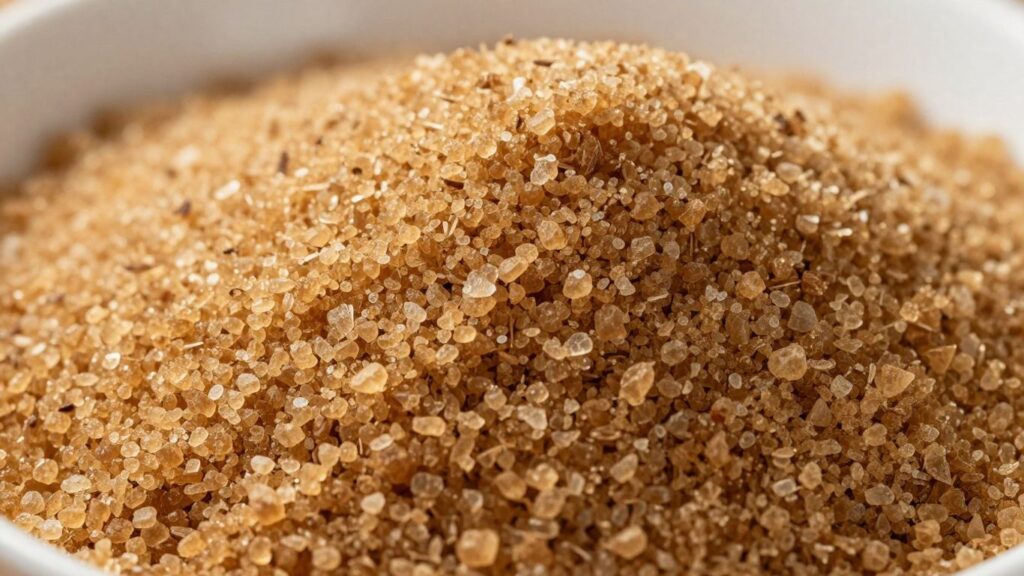
    • Visual/sensory test (preliminary): Pure coconut sugar has a rich, earthy, caramel-malt aroma. Adulterated product tends to have a sharper, simpler sweetness akin to white sugar. Crystal texture should be slightly irregular — not perfectly uniform like refined cane sugar.
    • Solubility test (field test): Dissolve in warm water. Pure coconut sugar produces a clear amber liquid with no gritty residue. Adulterated product may show white crystals settling at the bottom or a cloudy film if fillers are present.
    • Burn test: When heated in a dry pan, pure coconut sugar melts smoothly into caramel. Adulterated versions may smoke differently or leave a different residue.
    • SIRA (Stable Isotope Ratio Analysis) — gold standard: Coconut palms are C3 plants; sugarcane is a C4 plant. Laboratory isotope analysis can detect cane sugar adulteration even when visually identical. If you are sourcing at significant scale, request SIRA test results from the supplier’s COA or commission your own test from an accredited food testing laboratory.
    • Verification step: For bulk orders above 5 MT, commission independent SIRA testing from a food testing laboratory before accepting a shipment. The cost (typically USD 100-200 per test) is small relative to the value of a container.

    Category 4: Communication and Responsiveness Red Flags
    coconut sugar supplier red flags
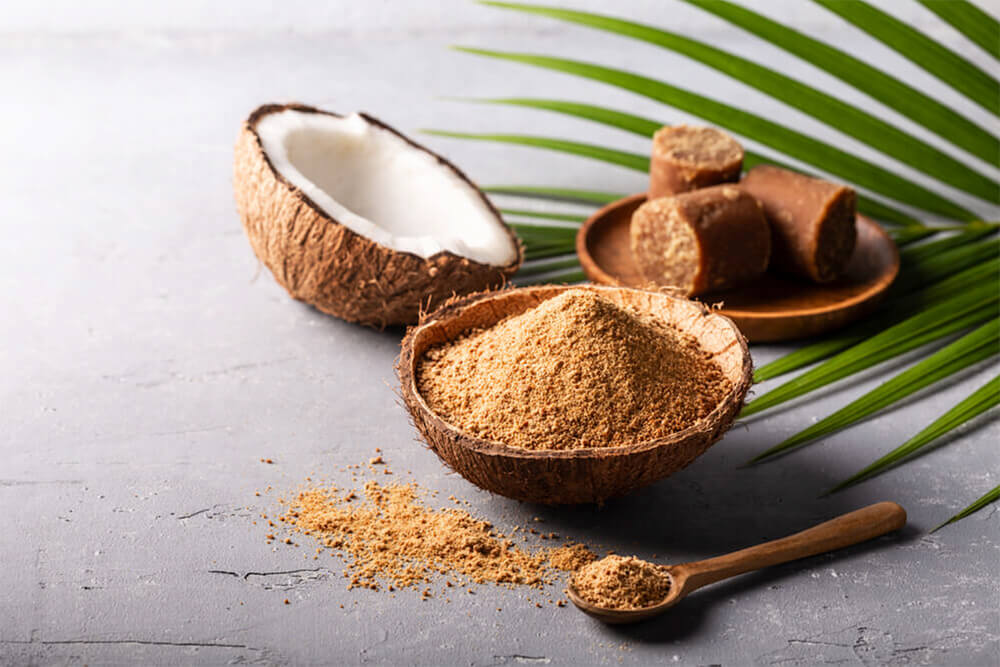
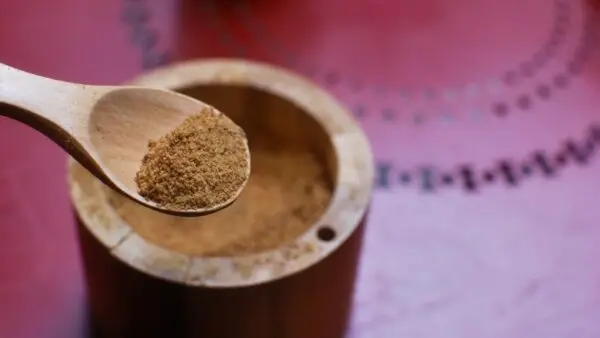
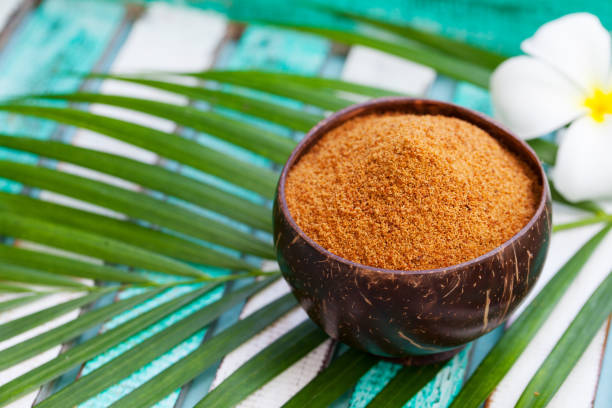
    Coconut brown sugar in a wooden bowl. Tropical background

    Red Flag #9: Extreme Delays in Responding to Documentation Requests

    The red flag
    You request standard documents — BRCGS certificate, organic certificate, sample COA, company registration documents, export license — and the supplier consistently takes more than 5 business days to provide them, offers excuses, or provides partial documents.
    • What it may indicate: The documents don’t exist, are being fabricated, or the supplier doesn’t maintain organized documentation — all serious operational red flags. A professional exporter maintains these documents ready to share within 24-48 hours.
    • Verification step: Set explicit timelines in your initial supplier onboarding email: ‘Please provide [list of documents] within 48 hours.’ A supplier’s response time and completeness to this request is itself a supplier quality signal.

    Red Flag #10: Supplier Refuses or Deflects Factory Visit Request

    The red flag
    You request a factory visit (in-person or virtual video call walkthrough) and the supplier consistently delays, offers alternatives like ‘we’ll send more photos’, or states that the facility is ‘under renovation’ or ‘currently not available for visits’.
    • What it may indicate: The supplier may be a trader rather than a manufacturer — they don’t have a facility to show. Or the facility does not match the certifications claimed. A legitimate manufacturer with nothing to hide welcomes factory visits as a sales tool.
    • Verification step: Request a scheduled virtual walkthrough via video call. A legitimate BRCGS-certified facility will have nothing to hide and many will proactively offer virtual tours. Refusal or persistent deflection is a serious red flag.

    Red Flag #11: Pushy Sales Tactics and Artificial Urgency

    The red flag
    The supplier creates artificial urgency: ‘This price is only valid for 24 hours’, ‘We have another buyer ready to take this lot’, ‘You need to pay the deposit today or we can’t hold the inventory.’
    • What it may indicate: Pressure tactics designed to prevent you from doing proper due diligence. Legitimate suppliers understand that B2B procurement takes time and welcome thorough buyer evaluation — it means the buyer will be a stable long-term customer.
    • Verification step: Never make a procurement decision under time pressure. If a supplier’s offer ‘expires’ in 24 hours, evaluate whether their behavior as a sales partner predicts how they will behave as a supply partner. The answer is usually informative.

    Category 5: Documentation and Legal Red Flags

    coconut sugar documentation

    Red Flag #12: Incomplete or Inconsistent Export Documentation

    The red flag
    The supplier cannot provide complete standard export documentation: commercial invoice, packing list, bill of lading, phytosanitary certificate, COA, and (for organic) Transaction Certificate. Or the documents they provide have inconsistent details — lot numbers that don’t match between COA and packing list, for example.
    • What it may indicate: Inexperienced exporter who may not understand food import requirements. Or, more seriously, documentation being falsified with inconsistent attention to detail.
    • Verification step: Before placing an order, request a sample documentation package from a previous shipment (with confidential buyer information redacted). Check: (1) Are all required documents present? (2) Do lot numbers match across all documents? (3) Is the phytosanitary certificate from BARANTAN (Indonesian Ministry of Agriculture)?

    Our coconut sugar import guide lists all required documents per destination market.

    Red Flag #13: Company Registration Cannot Be Verified

    The red flag
    The supplier cannot or will not provide their Indonesian company registration number (NIB — Nomor Induk Berusaha) or their SIUP (business license), or the company name on their documents is inconsistent with the name on certificates and invoices.
    • What it may indicate: Shell company, recently formed entity, or trader masquerading as manufacturer. In Indonesia, legitimate exporters must hold a valid NIB and export license (izin ekspor). These are verifiable through the OSS (Online Single Submission) system.
    • Verification step: Request NIB number and verify at oss.go.id (Indonesian government business registration portal). Cross-reference company name across all documents — consistency is a basic indicator of operational legitimacy.

    Red Flag #14: Unwillingness to Sign a Quality Agreement or Specification Sheet

    The red flag
    You propose a simple written quality agreement — specifying moisture max 3%, grade, certification requirements, COA requirements per lot — and the supplier deflects, says it’s ‘not necessary’, or significantly delays signing.
    • What it may indicate: The supplier knows they cannot reliably deliver to the written specification and doesn’t want to be legally bound to it. A supplier who is confident in their quality welcomes specification agreements — it protects them too.
    • Verification step: Include specification requirements in your Purchase Order regardless. A well-drafted PO that specifies grade, moisture, certification, COA requirements, and packaging acts as a legal quality agreement even without a separate document.

    Category 6: Operational Red Flags

    shipping coconut sugar

    Red Flag #15: Sample Delivery Takes More Than 3 Weeks

    The red flag
    You request a product sample and the supplier takes more than 3 weeks to dispatch it — or the sample arrives in obviously repackaged consumer retail packaging rather than properly labeled bulk export sample packaging.
    • What it may indicate: The supplier may not have stock readily available (they buy to order from intermediaries, not from their own inventory). Or the sample was purchased from a retail store rather than taken from their own production — meaning the sample quality will not represent commercial production.
    • Verification step: Expect sample dispatch within 3-5 business days from a professional exporter. Sample packaging should be proper export packaging (not consumer retail). Request a photo of the sample being packaged with the lot number visible before dispatch.

    Green Flags: What a Trustworthy Supplier Looks Like

    For balance and practical usefulness, here are the positive indicators that distinguish a reliable certified Indonesian coconut sugar supplier from a problematic one:

    Our article on how to choose a reliable coconut sugar exporter from Indonesia provides the complete positive evaluation framework.

    Green FlagWhat It Demonstrates
    BRCGS certificate verifiable at brcdirectory.com — current, Grade AThird-party verified food safety management — real, not claimed
    Responds to documentation requests within 24-48 hours with complete packageProfessional export operation with organized documentation systems
    Proactively offers factory visit or video tourNothing to hide — confident in their facility and processes
    COA from named ISO 17025-accredited external laboratory per lotIndependent quality verification — not self-reported values
    TC issued before container loading for organic shipmentsOrganic compliance properly managed — not an afterthought
    Pricing consistent with market rate and itemizable by componentTransparent cost structure — no hidden manipulation
    References from existing buyers in your target market availableVerifiable track record with similar buyers
    Sample dispatched within 3-5 business days in proper export packagingStock available and operations ready for commercial supply
    PO accepted with written specification requirements without resistanceConfident they can deliver to specification consistently
    Company registration verifiable in Indonesian OSS systemLegitimate registered business entity
    Verify our credentials before your first order — we encourage it
    Global Coco Sugar holds BRCGS Food Safety Grade A certification (verifiable at brcdirectory.com), USDA NOP and EU Organic certification (verifiable at ams.usda.gov/integrity), and COA from ISO 17025-accredited external laboratories per production lot. We welcome factory visits, provide complete documentation within 24 hours of request, and issue Organic Transaction Certificates before container loading on every organic shipment.
    Request Our Supplier Documentation Package >>>
    View Our Certifications & Product Range >>>

    Summary: 15 Red Flags Quick Reference

    #Red FlagCategorySeverity
    1Quote significantly below comparable certified suppliers for the same specificationPricing🔴 Critical
    2Price changes between quote and Proforma InvoicePricing🟡 High
    3BRCGS certificate not verifiable at brcdirectory.comCertification🔴 Critical
    4Organic TC not available or ‘will follow after arrival’Certification🔴 Critical
    5Multiple certifications claimed, none independently verifiableCertification🔴 Critical
    6COA from in-house lab only — no accredited external labProduct Quality🔴 Critical
    7Sample quality doesn’t match COA values on independent testingProduct Quality🔴 Critical
    8Signs of adulteration (aroma, texture, solubility, SIRA test)Product Quality🔴 Critical
    9Documentation requests take >5 business days with excusesCommunication🟡 High
    10Factory visit request refused or persistently deflectedCommunication🟡 High
    11Artificial urgency and high-pressure sales tacticsCommunication🟡 High
    12Export documentation incomplete or lot numbers don’t matchDocumentation🔴 Critical
    13Company registration cannot be verified in Indonesian systemDocumentation🟡 High
    14Unwillingness to sign quality agreement or specification sheetOperational🟡 High
    15Sample takes >3 weeks or arrives in retail packagingOperational🟡 High
    Rule of thumb
    One red flag from the 🟡 High category: proceed with caution, seek clarification. One red flag from the 🔴 Critical category: do not proceed until fully resolved with evidence. Two or more red flags of any category: walk away and find a different supplier.

    Frequently Asked Questions

    How do I verify if a coconut sugar supplier’s BRCGS certificate is real?

    You can verify a supplier’s BRCGS certification through the official BRCGS Directory. Check that the certificate is active, matches the supplier’s details, and covers the products you intend to purchase.

    What is adulterated coconut sugar?

    Adulterated coconut sugar is coconut sugar that has been mixed with undeclared ingredients such as refined cane sugar or other fillers. Buyers can reduce this risk by sourcing from certified suppliers and requesting independent laboratory test results.

    Is it safe to buy coconut sugar from suppliers on Alibaba or other trade platforms?

    Yes, provided you conduct proper due diligence. Verify the supplier’s certifications, business registration, factory information, and product documentation before placing an order.

    What should I do if I discover supplier red flags after placing an order?

    If possible, pause payment until the issues are resolved. If payment has already been made, document all concerns, request independent product testing, and seek legal or trade advice if necessary.

    How many suppliers should I evaluate before choosing one?

    It is generally recommended to compare at least three to four qualified suppliers. Evaluate them based on certification, product quality, documentation, communication, and overall reliability rather than price alone.
  • USDA Organic Certification for Indonesian Coconut Sugar: Complete Process Guide for Buyers (2026)

    USDA Organic Certification for Indonesian Coconut Sugar: Complete Process Guide for Buyers (2026)

    organic coconut sugar
    Quick Answer: How Does USDA Organic Certification Work for Indonesian Coconut Sugar?
    USDA Organic certification for Indonesian coconut sugar is issued under the National Organic Program (NOP) by a USDA-accredited certifying agent operating in Indonesia (such as Control Union, CCPB, or IMO). The certification covers the entire supply chain — from the coconut farm through the processing facility. For each commercial shipment, an additional Organic Transaction Certificate (TC) must be issued per production lot. US buyers making ‘USDA Organic’ label claims must verify: (1) the supplier’s current NOP certificate on ams.usda.gov, and (2) the TC for each specific shipment lot before accepting delivery.

    For US buyers sourcing organic coconut sugar from Indonesia, the USDA National Organic Program (NOP) certification is both the most important quality credential and the most misunderstood.

    Many buyers assume that a supplier’s USDA Organic certificate is sufficient for making organic label claims on their finished product.

    In reality, the organic certification chain for imported ingredients involves multiple layers — each with specific documentation requirements — and a gap at any layer can disqualify the organic claim on your finished product.

    This guide explains the complete USDA NOP certification process for Indonesian coconut sugar — from farm audit through per-shipment Transaction Certificate — written from the perspective of a certified supplier who goes through this process every year and every shipment.

    Browse our USDA Organic certified coconut sugar before reading further.

    For a complete overview of all certifications relevant to coconut sugar sourcing — BRCGS, EU Organic, Halal, and more — our guide on what certifications a coconut sugar supplier should have provides the full picture.

    What Is USDA NOP and Why Does It Matter for Coconut Sugar?

    usda organic coconut sugar

    The USDA National Organic Program (NOP) is the federal regulatory framework that governs all organic food production, handling, and labeling in the United States.

    Established under the Organic Foods Production Act of 1990, NOP sets the standards that must be met for any product sold in the US to carry the ‘USDA Organic’ label.

    For imported food ingredients like Indonesian coconut sugar, NOP applies through two mechanisms: the certification of the foreign production and processing facility by a USDA-accredited certifying agent, and for organic label claims on finished US consumer products, the traceability of each ingredient lot back to a certified organic source.

    NOP Certification LevelWhat It CoversWho Is Responsible
    Farm certificationThe coconut farms or farmer cooperatives supplying the sap must be certified organic — no prohibited substances used, conversion period completedIndonesian farmer cooperative — certified by USDA-accredited agent
    Processing facility certificationThe facility that processes coconut sap into granulated sugar must hold NOP certification — dedicated organic processing lines or cleaning protocolsIndonesian processor/exporter — certified by USDA-accredited agent
    Transaction Certificate per lotEach specific production lot must have a TC linking it to the NOP certificate — this is per-shipment documentationIndonesian exporter issues TC through certifying agent
    US importer/handler (if applicable)If the US buyer repackages, relabels, or processes the coconut sugar, they may also need NOP handler certificationUS buyer — contact a USDA-accredited certifying agent in the US

    USDA-Accredited Certifying Bodies Active in Indonesia

    USDA NOP certification is not issued directly by the USDA — it is issued by USDA-accredited certifying agents.

    These are third-party organizations that the USDA has authorized to conduct organic certification audits and issue NOP certificates.

    Several USDA-accredited certifying agents operate in Indonesia and regularly certify coconut sugar producers:

    Certifying BodyBased InActive in Indonesia?How to Verify
    Control Union CertificationsNetherlandsYes — major presence in IndonesiaVerify certificate at apps.controlunion.com
    CCPB SrlItalyYes — active in Southeast AsiaVerify at ccpb.it
    IMO (Institute for Marketecology)SwitzerlandYes — active in IndonesiaVerify at imo.ch
    EcocertFranceYes — active in Asia PacificVerify at ecocert.com
    BioAgriCertItalyYes — active in Southeast AsiaVerify at bioagricert.org
    Oregon Tilth (OTCO)USAYes — certifies Indonesian exportersVerify at tilth.org
    How to verify a certifying body is USDA-accredited
    The USDA maintains a public database of all accredited certifying agents at ams.usda.gov/organic. Before accepting any USDA Organic certificate from an Indonesian supplier, verify that the certifying agent named on the certificate appears in this database with current accreditation status. A certificate from a non-accredited or lapsed certifying agent is not valid for USDA Organic claims.

    The USDA NOP Certification Process for Indonesian Coconut Sugar: 7 Steps

    USDA organic coconut sugar

    Understanding the certification process begins with understanding what is being certified — the production system itself.

    Our article on how coconut sugar is produced in Indonesia explains the full production chain from sap tapping to granulation that the NOP audit inspects.

    Step 1: Organic System Plan (OSP) Preparation

    The Indonesian coconut sugar producer prepares an Organic System Plan — a detailed document describing every aspect of their production system: farm inputs, pest management practices, cleaning and sanitation protocols for equipment shared between organic and conventional production, record-keeping systems, and split production management (if conventional production also occurs at the same facility).

    • Timeline: 1-3 months to prepare a comprehensive OSP for the first certification.
    • Cost: Internal staff time — no direct fee at this stage.
    • Key requirement: All inputs (fertilizers, pest controls) must be on the NOP National List of Allowed and Prohibited Substances.

    Step 2: Application to USDA-Accredited Certifying Agent

    The producer submits the OSP and application to a USDA-accredited certifying agent operating in Indonesia. The certifying agent reviews the OSP for completeness and schedules an initial inspection.

    • Timeline: 2-4 weeks for application review.
    • Cost: Application fee varies by certifying agent — typically USD 200-500 for initial application.

    Step 3: On-Site Inspection

    A trained NOP inspector visits the coconut farms, farmer cooperatives, and processing facility to verify that the actual production practices match the Organic System Plan.

    The inspector reviews records, samples inputs if needed, interviews farmers and staff, and documents any non-compliances.

    • Timeline: Scheduled within 2-3 months of application; inspection itself is typically 1-3 days.
    • Cost: Inspector fee plus travel expenses — typically USD 800-2,000 depending on location and facility size.
    • Critical check: Conversion period — coconut farms must have been managed organically (without prohibited substances) for at least 3 years before the first organic crop can be certified.

    Step 4: Review and Certification Decision

    The certifying agent’s review committee evaluates the inspector’s report and the OSP.

    If no material non-compliances are found, or if identified non-compliances have been resolved, the certifying agent issues the NOP certificate.

    • Timeline: 4-8 weeks from inspection to certificate issuance.
    • Certificate contents: Producer name, operation address, certification scope (specific products certified), certifying agent name, certificate number, validity period (annual).

    Step 5: Annual Renewal (Every Year)

    USDA NOP certification is not permanent — it must be renewed annually. The producer submits an updated OSP, pays the annual fee, and undergoes an annual inspection.

    Certification lapses immediately if renewal is not completed — buyers must verify certificate validity dates before every order.

    • Timeline: Annual renewal process begins 2-3 months before certificate expiry.
    • Cost: Annual certification fee — typically USD 1,000-5,000 depending on certifying agent, facility size, and scope.
    • Buyer action: Verify the certificate expiry date before every purchase order. A certificate that expires between order placement and shipment arrival creates compliance risk.

    Step 6: Organic Transaction Certificate (TC) per Production Lot

    This is the step most buyers are unaware of — and the most common point of failure in organic ingredient compliance.

    The NOP certificate covers the facility and its production system, but it does not automatically cover every lot of product shipped.

    For each specific production lot that a buyer purchases as organic, an Organic Transaction Certificate (TC) must be issued.

    • What is a TC: A document issued by the certifying agent that links a specific production lot (identified by lot number) to the NOP certificate and confirms that the specific lot was produced in compliance with NOP standards.
    • When is it issued: Before container loading — the TC must be issued and provided to the buyer before the shipment departs. Do not accept ‘TC to follow’ after arrival.
    • What to check: TC lot number must match exactly the lot number on the Certificate of Analysis (COA) and packing list. Any mismatch invalidates the organic status of that shipment.
    • Who issues it: The Indonesian certifying agent — on request from the supplier per shipment.

    Step 7: US Importer Documentation and FSVP

    US importers receiving certified organic coconut sugar must maintain records that demonstrate the organic status of each lot received — including the supplier’s NOP certificate copy, the TC per lot, and their own FSVP (Foreign Supplier Verification Program) documentation.

    If the US buyer repackages or relabels the coconut sugar under their own brand as ‘USDA Organic’, they may additionally need their own NOP handler certificate from a US-based certifying agent.

    How to Verify USDA Organic Certification Independently — Step by Step

    How to Verify USDA Organic Certification Independently — Step by Step

    Never accept a supplier’s claim of USDA Organic certification without independent verification. Here is how to verify quickly and accurately:

    1. Go to the USDA Organic Integrity Database at apps.ams.usda.gov/integrity.
    2. Search by the operator name (the Indonesian supplier or producer name) OR the certifying agent name.
    3. Verify: (a) the certificate is ‘Active’ status, (b) the certificate number matches the document provided by the supplier, (c) the certified scope includes ‘coconut sugar’ or ‘coconut palm sugar’, (d) the certificate expiry date is beyond your expected shipment arrival date.
    4. Separately verify the certifying agent is USDA-accredited at ams.usda.gov/organic — confirm the agent’s accreditation is current.
    5. For each shipment, verify the Transaction Certificate: TC lot number = COA lot number = packing list lot number. All three must match.
    Red flags that indicate an organic certification problem
    Certificate status ‘Surrendered’ or ‘Suspended’ — do not proceed. Certificate scope does not include coconut sugar specifically — verify the scope covers your product. Certifying agent cannot be found in USDA accreditation database — certificate may be from an unaccredited agent. TC lot number does not match COA — do not accept as organic for that shipment. Supplier says ‘TC will follow after arrival’ — insist on TC before departure or treat as conventional.

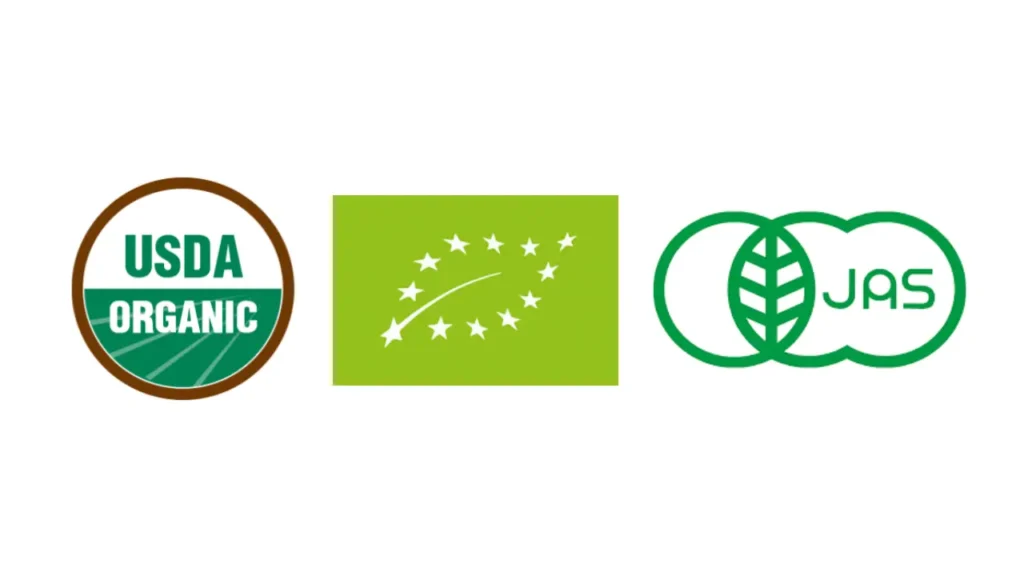
    USDA NOP vs EU Organic vs JAS: Key Differences for Coconut Sugar Buyers

    USDA NOP vs EU Organic vs JAS

    Many buyers who source for multiple markets need to understand how USDA NOP differs from EU Organic and JAS (Japan Agricultural Standards) organic certification — since a supplier’s USDA NOP certificate does NOT automatically support EU or Japanese organic label claims. Our article on exporting organic coconut sugar from Indonesia covers the EU-specific documentation chain in detail.

    FactorUSDA NOP (USA)EU Organic (EC 2018/848)JAS Organic (Japan)
    Governing bodyUSDA Agricultural Marketing ServiceEuropean Commission + EU Member State authoritiesJapanese Ministry of Agriculture, Forestry and Fisheries (MAFF)
    Certifying bodies in IndonesiaControl Union, CCPB, IMO, Ecocert, OTCOControl Union, Skal, IMO, Ecocert, BioAgriCertJapan Organic & Natural Foods Association (JONA), Organic Crop Improvement Association (OCIA)
    Certificate validityAnnual renewal requiredAnnual renewal requiredAnnual renewal required
    Per-shipment documentTransaction Certificate (TC)Certificate of Inspection (CoI) via TRACES NTTransaction Certificate equivalent
    US buyer requirementVerify NOP cert + TC per lotN/A for US marketN/A for US market
    EU buyer requirementN/A for EU marketVerify EU Organic cert + register as organic operator + CoI per lotN/A for EU market
    USDA/EU equivalencyPartial equivalency arrangement existsPartial equivalency with USDA NOPNo automatic equivalency with NOP or EU
    Verification databaseams.usda.gov/integrityOFIS database — ec.europa.euMAFF Japan — maff.go.jp
    Important: USDA NOP and EU Organic are NOT interchangeable There is a partial equivalency arrangement between USDA NOP and EU Organic — meaning some certified operations can sell to both markets under one certificate. However, this equivalency is not automatic and has exceptions. A supplier’s USDA NOP certificate does NOT automatically support EU organic label claims, and vice versa. Always confirm which specific certifications a supplier holds and for which markets. For US organic label claims, only USDA NOP certification applies.

    USDA Organic Certification Factors Buyers Should Understand

    USDA Organic certified coconut sugar usually requires stronger documentation, traceability, and handling control than conventional coconut sugar.

    For B2B buyers, the difference is not only about the product itself, but also about the certified supply chain, certificate scope, production handling, export documentation, and shipment requirements.

    Because each buyer may have different market requirements, Global Coco Sugar does not use public organic premium ranges as a final pricing reference.

    Buyers should request a formal quotation based on product type, certification scope, order volume, packaging, destination country, Incoterms, and required documents.

    Certification FactorWho Is Usually InvolvedWhat Buyers Should Confirm
    Farm conversion and organic managementFarmer group, cooperative, or supplierWhether the coconut sap source is included within the organic certification scope
    Annual organic certificationCertified supplier and accredited certifying bodyCertificate validity, certified operation name, product scope, and certifying body
    Organic inspection and auditSupplier and certifying bodyWhether the production and handling process is covered by the certification
    Transaction Certificate or export documentSupplier, certifying body, and buyer/importer if requiredWhether shipment-level organic documentation is required for the target market
    Organic product handlingSupplier, processor, warehouse, and exporterSegregation, traceability, batch control, and contamination prevention
    Importer or handler requirementsBuyer, importer, or local market representativeWhether the buyer needs additional organic handling or labeling compliance in the destination country
    Organic quotation structureSupplier and buyerProduct grade, order volume, packaging, certification scope, Incoterms, and required documents

    Organic certification can affect sourcing because certified products require verified supply chains, documentation control, audit readiness, and product traceability.

    For buyers, the most important step is to confirm that the product, supplier, and shipment documentation match the requirements of the destination market.

    Buyers who need current organic documentation can request the latest certificate, product specification, COA, packaging details, and quotation from the supplier before confirming an order.

    Practical Checklist for US Buyers Sourcing USDA Organic Coconut Sugar from Indonesia

    Practical Checklist for US Buyers Sourcing USDA Organic Coconut Sugar from Indonesia

    For the complete import documentation framework including FDA Prior Notice and phytosanitary requirements alongside organic documentation, see our guide on how to import coconut sugar from Indonesia. For the full supplier evaluation framework, see our article on how to choose a reliable coconut sugar exporter from Indonesia.

    Before placing your first organic order:

    • Verify NOP certificate on ams.usda.gov/integrity: Active status, correct scope (coconut sugar), certifying agent is USDA-accredited, expiry date beyond your planned delivery.
    • Confirm TC process: Ask the supplier explicitly: ‘Will you provide an Organic Transaction Certificate for each shipment lot before container loading?’ If yes — confirm the certifying agent who issues it.
    • Request TC sample: Ask for a sample TC from a previous shipment to verify the format and confirm lot number matching with COA and packing list.
    • Assess your own NOP handler status: If you will repackage or relabel the coconut sugar as ‘USDA Organic’ in the US, contact a USDA-accredited certifying agent in your state to determine if you need handler certification.
    • Build TC verification into your receiving process: Before accepting any organic shipment at your US warehouse, verify TC lot number = COA lot number = packing list lot number. This check takes 2 minutes and prevents expensive compliance failures.

    For further guidance on evaluating and selecting a certified Indonesian coconut sugar supplier, our guide on bulk coconut sugar suppliers in Indonesia covers the full qualification process.

    Source USDA Organic certified coconut sugar from Indonesia with full documentation support
    Global Coco Sugar holds current USDA NOP certification for our coconut sugar, issued by a USDA-accredited certifying agent. We provide Organic Transaction Certificates per production lot before container loading, full NOP certificate documentation, and guidance for US buyers on the organic compliance process. Our certification is publicly verifiable on ams.usda.gov/integrity.
    Contact Our Organic Certification Team >>>
    View Our USDA Organic Certified Coconut Sugar >>>

    Conclusion: Organic Certification Is a Chain, Not a Certificate

    The most important insight for US buyers sourcing USDA Organic certified coconut sugar from Indonesia is that organic certification is a chain of documentation — not a single certificate.

    The chain runs from the coconut farm through the processing facility to each specific production lot, and a break at any point in that chain undermines the organic claim at the end.

    The practical implication: build organic verification into your standard receiving process. Verify the NOP certificate is current before every order. Require the TC before container loading on every organic shipment. Match the TC lot number to the COA and packing list before accepting any organic shipment.

    These steps take minutes and prevent compliance failures that can cost significantly more in time, money, and brand credibility.

    Work with a supplier who understands the full organic compliance chain
    Global Coco Sugar provides USDA NOP-certified organic coconut sugar with complete documentation: current NOP certificate (verifiable on ams.usda.gov/integrity), Organic Transaction Certificate per production lot before container loading, Certificate of Analysis from ISO 17025-accredited laboratory, and full export documentation support for US market compliance.
    Contact Our Organic Certification Team >>>
    View Our Certified Organic Coconut Sugar Range >>>
    Our Certifications & Company Profile >>>

    Frequently Asked Questions

    How do I verify that an Indonesian coconut sugar supplier is USDA Organic certified?

    You can verify a supplier’s certification through the USDA Organic Integrity Database. Check that the certificate is active, covers coconut sugar, and has been issued by a USDA-accredited certifying agent. Buyers should also request a copy of the supplier’s current organic certificate.

    What is an Organic Transaction Certificate and why do I need one for every shipment?

    An Organic Transaction Certificate (TC) confirms that a specific shipment or production lot complies with USDA Organic requirements. It provides traceability between the certified supplier and the product being purchased, helping support organic claims throughout the supply chain.

    Does a USDA Organic certificate from an Indonesian supplier allow me to make organic label claims in the US?

    It depends on how the product is marketed and handled. While a supplier’s USDA Organic certification supports the organic status of the ingredient, additional certification requirements may apply if you repackage, relabel, or process the product in the United States.

    How long does it take for an Indonesian supplier to obtain USDA Organic certification?

    The certification process typically takes several months for eligible operations. If organic conversion requirements have not yet been completed, achieving full certification may take several years depending on the production system and compliance status.

    What is the difference between USDA NOP and EU Organic certification for coconut sugar?

    USDA NOP and EU Organic are separate certification systems with different regulatory requirements. Suppliers must hold the appropriate certification for the market they serve, as USDA Organic certification does not automatically qualify products for EU Organic claims, and vice versa.

  • Best Countries to Source Coconut Sugar: Indonesia vs Philippines vs Sri Lanka — A Complete Buyer’s Comparison (2026)

    Best Countries to Source Coconut Sugar: Indonesia vs Philippines vs Sri Lanka — A Complete Buyer’s Comparison (2026)

    Best Countries to Source Coconut Sugar
    Quick Answer: Which country should you source from?
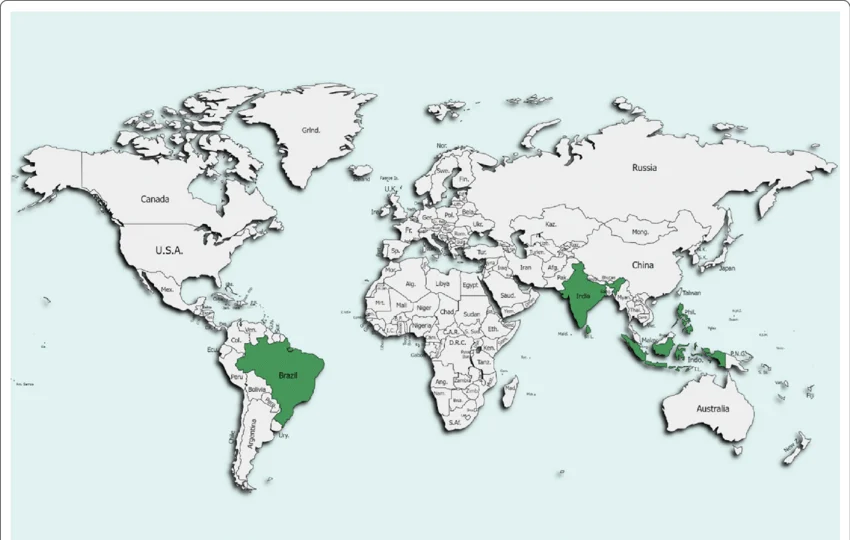
    For most buyers: Indonesia is the best country to source coconut sugar — it has the largest certified supply base, the most BRCGS and organically certified facilities, the most competitive pricing for certified product, and the deepest production heritage. The Philippines is a credible alternative with strong supply but fewer certified options and slightly higher pricing. Sri Lanka is the best choice for specialty or premium-position products where distinctive terroir and flavor profile justify the premium. India and Vietnam are emerging sources not yet recommended for buyers requiring BRCGS or EU Organic certification.

    For a buyer new to the industry, deciding on the best countries to source coconut sugar is one of the first and most consequential decisions in the supply chain.

    The answer is not the same for every buyer — it depends on your certification requirements, volume, target market, flavor preferences, and willingness to pay a premium for specific origin characteristics.

    This guide gives you a comprehensive, honest comparison of the four main coconut sugar producing countries — Indonesia, Philippines, Sri Lanka, and India — across the dimensions that matter most for B2B sourcing decisions: production scale, certification availability, pricing, flavor and quality profile, and supply reliability.

    Before diving in, if you are ready to request pricing from a certified Indonesian supplier, view our certified coconut sugar product range for current specifications and availability.

    Master Comparison: Coconut Sugar Producing Countries at a Glance

    This table summarizes the key sourcing criteria across the four main producing countries. Detailed analysis of each country follows.

    CriteriaIndonesia ⭐PhilippinesSri LankaIndia
    Supply availabilityStrong established supply base for coconut sugar exportsAvailable, with established coconut-based productionMore limited and often focused on specialty supplyLimited commercial availability for coconut sugar
    BRCGS certified facilitiesMore established options for export-oriented buyersSome certified suppliers availableLimited availabilityLimited or not commonly available for coconut sugar
    USDA Organic availabilityWidely available through certified suppliersAvailableAvailable but more limitedNot commonly available at commercial scale
    EU Organic availabilityWidely available through certified suppliersAvailableMore limitedNot commonly available at commercial scale
    Halal certificationMUI Halal commonly availableLocal equivalent may be availableLimited availabilityLimited availability
    Quotation structureDepends on product type, certification scope, MOQ, packaging, Incoterms, and destination marketDepends on supplier capacity, certification, and export termsOften influenced by smaller supply base and specialty positioningUsually limited by availability and commercial scale
    Organic sourcing readinessStrong option for organic coconut sugar buyersAvailable but supplier comparison is still neededSuitable for selected premium or specialty buyersNot a primary sourcing option for organic coconut sugar
    Flavor profileCaramel-butterscotch profile with moderate aromaLighter caramel and milder profileDarker, more complex, earthy profileNot commonly used as a coconut sugar sourcing reference
    Transit time to EURequires ocean freight planning via major export routesRequires ocean freight planningCan be geographically closer to some EU routesDepends on product availability and shipping route
    Supply reliabilityStrong option due to larger export-oriented supply baseGood alternative to IndonesiaMore variable due to smaller supply baseNot reliable at commercial scale for coconut sugar
    MOQ planningSuitable for bulk, FCL, and recurring export ordersSuitable for bulk export orders depending on supplierUsually needs supplier-by-supplier confirmationUsually not recommended for scale procurement
    Best forBuyers seeking a strong balance of certification, scale, documentation, and export readinessBuyers comparing alternative Asian supply optionsBuyers looking for selected specialty or premium positioningNot recommended as a primary sourcing country for coconut sugar

    Indonesia: The World’s Best Overall Source for Most Buyers

    indonesia is the best countries to source coconut sugar

    Indonesia’s dominance in global coconut sugar production is not accidental — it reflects six structural advantages that compound over time.

    For a detailed analysis of exactly why Indonesia leads, our article on why Indonesia is the world’s largest coconut sugar producer covers the full picture.

    Understanding how coconut sugar is produced in Indonesia also explains why the deep production heritage of Central Java villages produces consistently higher quality raw material than newer producing regions.

    Indonesia’s Key Sourcing Advantages

    • Largest certified supply base in the world. More BRCGS Food Safety Grade A certified coconut sugar facilities than any other country — essential for buyers serving EU or US major retail.
    • Best price-to-certification ratio. BRCGS + EU Organic certified coconut sugar from Indonesia is typically 10-20% cheaper than equivalent certified Philippine product and 25-40% cheaper than Sri Lankan product.
    • Widest grade and format availability. Granulated, fine powder, cubes, coconut nectar syrup — all available certified from established Indonesian exporters.
    • Production heritage. 300+ years of unbroken coconut sugar production in Central Java creates quality consistency and production knowledge that newer origins cannot replicate.
    • Most established export infrastructure. REX registration for EU GSP preference, FDA registration for US import, full phytosanitary documentation — all standard from established Indonesian exporters.

    Indonesia’s Limitations

    • Transit time to EU (25-35 days) is slightly longer than Sri Lanka (18-25 days) — relevant for buyers with tight lead time requirements.
    • The large number of suppliers — including uncertified ones — means buyer due diligence is essential. Not all ‘Indonesian’ coconut sugar comes from certified facilities.
    • Some Philippine buyers argue Indonesian coconut sugar has a slightly stronger flavor than their preference — worth evaluating via sample.
    The certification advantage in numbers
    When evaluating which country to source from for EU or US retail supply, certification availability is often the deciding factor — not price or flavor. Indonesia’s lead in BRCGS-certified coconut sugar facilities is the single most commercially significant country-level advantage. Buyers who require BRCGS Grade A certification — as most EU and US major retail chains do — will find far more qualified supplier options in Indonesia than in any other producing country. For a full breakdown of what BRCGS means and how to verify it, see our article on

    The Philippines: A Strong Alternative with Specific Use Cases

    cocos nucifera

    The Philippines is Indonesia’s most credible competitor in coconut sugar production — and for certain buyers and applications, it is genuinely the better choice.

    Understanding when and why requires looking beyond the headline production numbers.

    Philippines’ Key Sourcing Advantages

    • Milder, lighter flavor profile. Philippine coconut sugar typically has a lighter caramel flavor with less pronounced earthiness than Indonesian product. For buyers formulating products where a neutral sweetener with gentle caramel notes is preferred — certain beverage applications, lighter confectionery — Philippine coconut sugar may be the better fit.
    • Established quality reputation. The Philippines has been a significant coconut sugar exporter for decades and has a strong quality reputation in certain US health food segments.
    • Diversified coconut industry. Philippine exporters often offer complementary coconut products (coconut flour, desiccated coconut) alongside coconut sugar — convenient for buyers sourcing multiple coconut-derived ingredients.
    • English language business culture. The Philippines’ English-language business environment can make communication slightly easier for some European and US buyers.

    Philippines’ Limitations

    • Typically 10-20% higher pricing than equivalent certified Indonesian product — partially explained by lower production scale and higher farm-gate costs.
    • Fewer BRCGS-certified facilities than Indonesia — buyers targeting EU or US major retail may have fewer certified supplier options.
    • More susceptible to supply disruption from typhoons and El Niño drought events than Indonesian Central Java production.
    • Slightly longer transit time to EU compared to direct Indonesian routes via Rotterdam.

    Sri Lanka: The Premium Origin for Specialty and Gourmet Applications

    sri lanka coconut sugar

    Sri Lanka holds a unique position in the global coconut sugar market — it is neither the largest producer nor the most certified, but it offers something the other origins cannot: distinctive terroir-driven flavor characteristics that command genuine premium pricing in specialty food markets.

    Sri Lanka’s Key Sourcing Advantages

    • Distinctive flavor profile. Sri Lankan coconut sugar has a more complex, darker, and earthier flavor profile than Indonesian or Philippine product — often described as having notes of molasses or brown butter alongside the standard caramel character. For premium confectionery, artisan food producers, and gourmet applications where flavor differentiation matters, this is a genuine advantage.
    • Premium positioning story. ‘Sourced from Sri Lanka’ carries authentic terroir and origin differentiation that resonates with premium food and beverage brand positioning in European and US gourmet markets.
    • Closer to EU geographically. Sri Lanka’s transit time to EU ports (18-25 days) is meaningfully shorter than Indonesia (25-35 days) — relevant for buyers with tight procurement cycles.
    • Organic availability. Certified organic Sri Lankan coconut sugar is available, though from a smaller base of certified producers than Indonesia.

    Sri Lanka’s Limitations

    • Higher pricing — 25-40% above equivalent Indonesian certified product. The premium is real, but must be justified by corresponding retail premium.
    • Smaller supply base — fewer certified facilities, lower production volumes, more limited grade and format availability.
    • BRCGS-certified suppliers are very limited — buyers requiring BRCGS for major retail may struggle to find compliant Sri Lankan sources.
    • Supply reliability risk is higher due to smaller total production base.

    India and Vietnam: Emerging Sources Not Yet Ready for Most Buyers

    India

    India has the world’s third-largest coconut cultivation area — but the vast majority of Indian coconut production is directed toward copra, coconut oil, and desiccated coconut rather than coconut sugar.

    Coconut sugar production in India is small, fragmented, and largely lacks the certified export infrastructure (BRCGS, EU Organic) that international buyers require.

    Some specialty organic coconut sugar from India is available through niche channels, but it is not a commercially reliable source for buyers needing BRCGS certification or FCL volumes at consistent quality.

    Vietnam

    Vietnam has emerged as a new coconut sugar producing country in recent years — particularly in Ben Tre province, which is known for its coconut cultivation.

    However, Vietnam’s coconut sugar export industry is nascent: BRCGS-certified facilities are extremely rare, EU Organic certified supply is limited, and export volumes are small.

    For buyers who need certified supply at commercial scale, Vietnam is not yet a viable primary source. It bears monitoring as the industry matures, but should not be on a current sourcing shortlist.

    Why not to source from non-certified origins — even at lower prices
    Buyers are sometimes tempted by lower prices from uncertified or minimally certified suppliers in India or Vietnam. The risk is significant: a supplier who cannot provide BRCGS certification or EU Organic documentation may create compliance failures at the retail buyer audit stage — potentially resulting in delisting, product recalls, or import refusal. The cost of a compliance failure vastly exceeds any short-term price saving. Always require certification verification before qualifying any new supplier, regardless of origin.

    Certification Availability by Country: The Most Important Comparison for B2B Buyers

    the best coconut sugar certification you should consider

    Certification availability is the single most important country-level comparison for buyers who supply EU or US retail channels.

    Our guide on what certifications a coconut sugar supplier should have explains how to verify each certification independently in its respective public database.

    CertificationIndonesiaPhilippinesSri LankaIndiaVietnam
    BRCGS Food Safety Grade A✅ Multiple facilities — market leader✅ Some available⚠️ Very limited❌ Not available❌ Not available
    USDA Organic (NOP)✅ Widely available✅ Available✅ Available (limited)⚠️ Very limited⚠️ Very limited
    EU Organic (EC 2018/848)✅ Widely available✅ Available⚠️ Limited❌ Not commercially available❌ Not available
    JAS Organic (Japan)✅ Available✅ Available⚠️ Very limited
    Halal (MUI or equivalent)✅ MUI — widely available✅ IDCP equivalent⚠️ Limited⚠️ Limited⚠️ Limited
    Kosher✅ Available from select suppliers✅ Available⚠️ Limited
    ISO 17025-accredited COA✅ Multiple labs in Indonesia✅ Available⚠️ Limited local labs⚠️ Limited⚠️ Limited
    REX (EU GSP preference)✅ Registered exporters available✅ Available✅ Available✅ Available⚠️ Limited

    Country-of-Origin Comparison: Sourcing Factors Beyond Price

    coconut sugar

    Coconut sugar sourcing should not be evaluated by price alone. Country of origin can affect supplier availability, certification access, flavor profile, MOQ planning, lead time, documentation readiness, and long-term supply reliability.

    For international buyers, the best sourcing country is usually the one that can support the required product specification, certification scope, export documents, packaging format, and shipment schedule consistently.

    For buyers who want to understand quotation variables, see our guide to coconut sugar export price factors from Indonesia.

    Product CategoryIndonesiaPhilippinesSri LankaBuyer Notes
    Conventional granulated coconut sugarWidely available for export-oriented buyersAvailable from selected suppliersAvailable, often positioned for specialty buyersCompare product grade, color, moisture, packaging, and supplier capacity
    Organic granulated coconut sugarStrong availability through certified suppliersAvailable, depending on supplier and certification scopeMore limited and supplier-specificVerify USDA/EU Organic scope, certificate validity, and transaction documents
    Fine powder coconut sugarAvailable for bakery, beverage, dry mix, and food manufacturing applicationsAvailable from selected suppliersMore limited depending on processing capabilityCheck mesh size, flowability, moisture, and packaging suitability
    Organic fine powder coconut sugarAvailable through selected certified suppliersAvailable depending on certification and processing capacityMore limitedRequest sample approval and confirm organic documentation before ordering
    BRCGS-grade supplyStronger option where certified export facilities are requiredAvailable from selected suppliersMore limitedImportant for major retailers, food manufacturers, and strict supplier approval programs
    Specialty origin positioningSuitable for buyers seeking scale, certification, and documentation readinessSuitable as an alternative Asian sourcing optionSuitable for selected premium or origin-specific positioningChoose based on end-market expectations, not price alone

    Quotation note: evaluate total sourcing fit, not public price ranges

    The best sourcing option is not always determined by the lowest quoted price. Buyers should compare product specifications, certification scope, supplier reliability, shipment planning, documentation readiness, and end-market requirements before choosing a coconut sugar supplier.

    Final quotation can vary depending on product type, order volume, packaging, Incoterms, destination country, certification requirements, and current supply conditions. Buyers should request a formal quotation based on their actual order requirements instead of relying on public price references.

    Flavor and Quality Profile: Understanding the Sensory Differences

    indonesia coconut sugar

    The nutritional profile — including the glycemic index of approximately 35 — is consistent across well-produced coconut sugar from any origin.

    The meaningful quality differences between origins are primarily sensory: flavor, aroma, color, and the specific flavor compounds that develop during production.

    Quality AttributeIndonesia (Central Java)PhilippinesSri Lanka
    Primary flavor notesRich caramel, butterscotch, moderate earthinessLighter caramel, milder sweetness, subtle butterscotchComplex caramel, darker molasses undertones, pronounced earthiness
    Color (granulated)Golden brown to dark brownLight golden to golden brownDark brown to very dark brown
    Aroma intensityModerate to strongMild to moderateStrong, complex
    GI (approximate)35-5435-5435-54
    Consistency batch-to-batchExcellent — deep production heritageGoodVariable — smaller production base
    Moisture specificationMax 3% (standard)Max 3% (standard)Max 3% (standard)
    Best application fitAll applications — most versatileLight-flavored products, beverages, confectioneryArtisan, gourmet, premium applications

    Decision Matrix: Which Country to Choose Based on Your Situation

    Use this matrix to identify the best country of origin based on your specific requirements:

    Your SituationBest CountryReason
    You supply EU major retail (Tesco, Aldi, Carrefour) requiring BRCGS Grade AIndonesiaMost BRCGS-certified options, competitive pricing
    You supply US natural food retail (Whole Foods, Sprouts) requiring USDA OrganicIndonesia or PhilippinesBoth have USDA Organic; Indonesia has better pricing
    You are a premium gourmet food brand and ‘origin story’ matters to your customersSri LankaDistinctive flavor, premium provenance story
    You are a food manufacturer needing large annual volumes at FCL pricingIndonesiaLargest supply base, lowest per-MT pricing at scale
    You are evaluating coconut sugar for first time — need samples before decisionIndonesiaMost supplier options, easiest to get multiple samples
    You formulate light-colored confectionery and need neutral caramel flavorPhilippinesLighter flavor profile, lighter color
    You supply Japan and need JAS Organic certificationIndonesia or PhilippinesBoth have JAS-certified options
    You need custom packaging or private label with branded origin storyIndonesia or Sri LankaIndonesia for cost efficiency; Sri Lanka for premium
    You need the shortest possible transit time to EUSri LankaClosest geographically — 18-25 days vs 25-35 for Indonesia
    Ready to source from the best country for your needs?
    If your decision matrix points to Indonesia — Global Coco Sugar is a BRCGS Food Safety Grade A certified manufacturer and exporter of organic and conventional coconut sugar from Central Java. We supply to buyers in EU, USA, Australia, Middle East, and Japan with full certification documentation and REX registration for EU GSP preference.
    Request a Sample or Bulk Quote >>>
    View Our Certified Coconut Sugar Range >>>

    Due Diligence Checklist: Evaluating Suppliers Regardless of Country

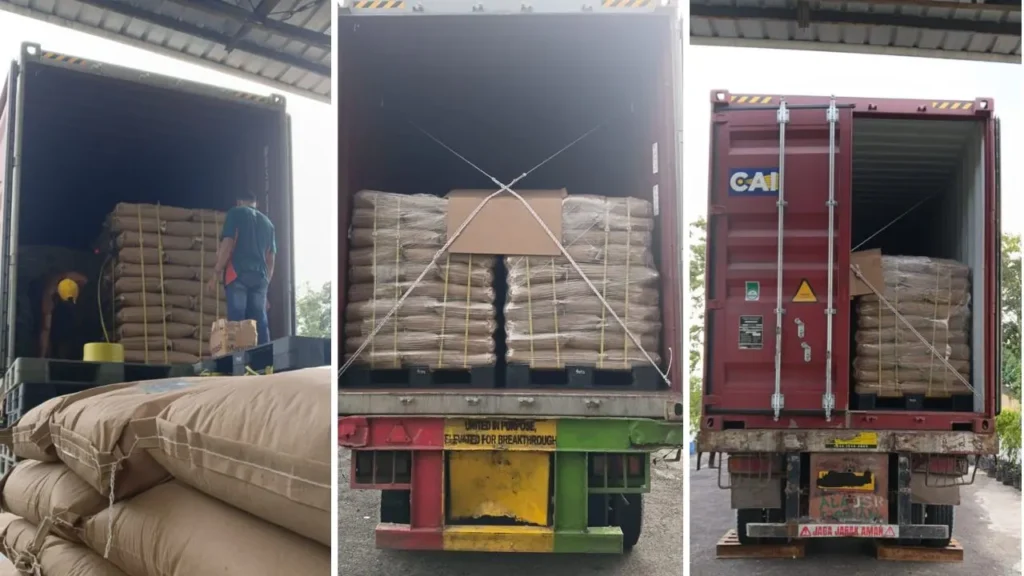
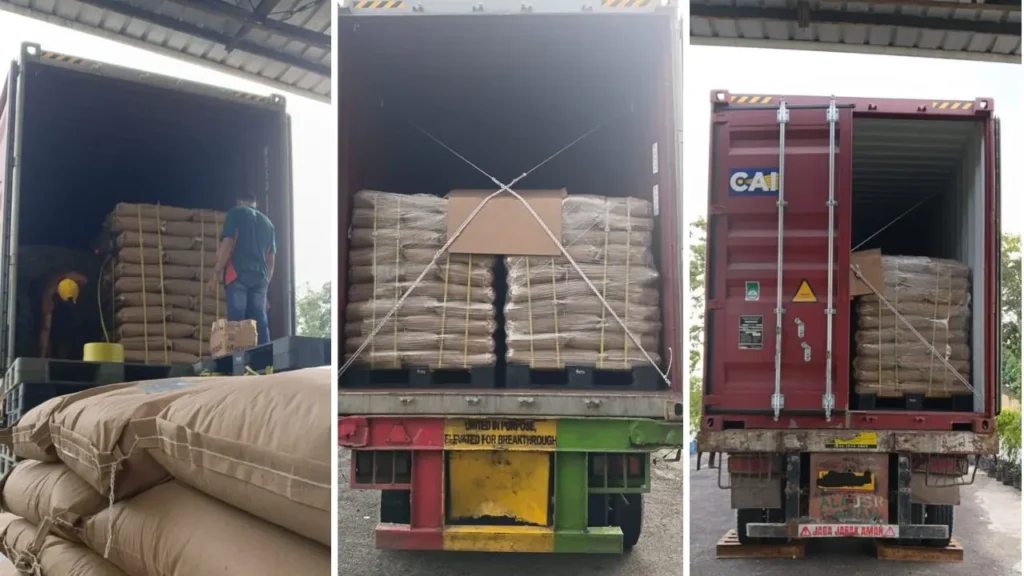
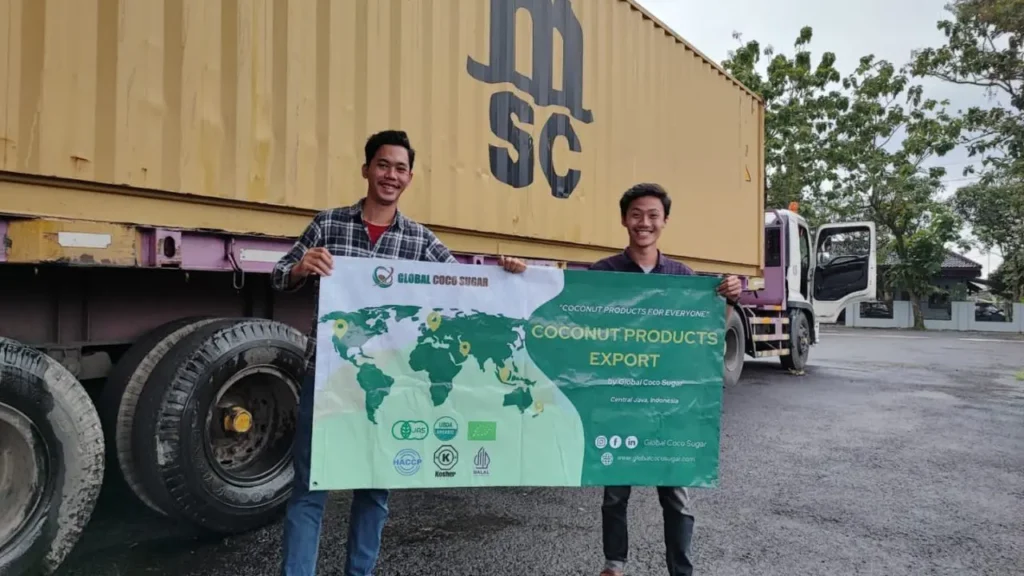
    Global Coco Sugar Ships Certified Coconut Products to the USA and Europe

    Regardless of which country you choose, the supplier evaluation process should be rigorous — certification claims must be verified independently, documentation quality must be assessed, and reference buyers should be contacted.

    Our guide on what certifications a coconut sugar supplier should have provides the full verification protocol for each certification.

    Our article on how to choose a reliable coconut sugar exporter from Indonesia provides the complete due diligence framework — applicable to suppliers from any country.

    Country-specific due diligence notes:

    • For Indonesian suppliers: Verify BRCGS on brcdirectory.com. Verify EU/USDA Organic on their respective public databases. Confirm REX registration for EU GSP preference. Verify facility ownership vs trading company.
    • For Philippine suppliers: Apply the same certification verification process. Additionally confirm export history to your specific target market — some Philippine suppliers have strong US experience but limited EU documentation capability.
    • For Sri Lankan suppliers: Verify organic certification carefully — Sri Lanka has a small certified base and some suppliers may overstate certification scope. Request COA from ISO 17025-accredited laboratory — local lab options are more limited.
    • For any country: Always request COA from three consecutive production lots, not just the sample lot. Always request references from existing buyers in your target market.

    Specific Guidance for European Buyers

    For European buyers, country of origin has direct regulatory implications beyond quality and price — it affects duty rates and organic compliance requirements.

    Our dedicated article for European coconut sugar wholesale buyers covers EU GSP preference rates from each producing country, BRCGS requirements for EU retail, and the EU Organic importer registration process.

    For the full documentation and logistics framework for importing from Indonesia specifically, our complete import guide for coconut sugar from Indonesia provides step-by-step guidance.

    EU-specific country considerations:

    • All three main producing countries (Indonesia, Philippines, Sri Lanka) qualify for EU GSP preference — meaning reduced import duties vs standard TARIC rate.
    • For EU Organic label claims: verify that the specific supplier holds EU Organic certification — not just USDA Organic. Both Indonesia and Philippines have EU Organic certified options; Sri Lanka’s is more limited.
    • For BRCGS requirement (mandatory for major EU retail chains): Indonesia has the most available certified supplier options.
    • Transit time consideration: Sri Lanka’s shorter transit (18-25 days) can be meaningful for buyers with tight procurement cycles, but Indonesia’s larger supply base typically allows better lead time planning.

    Conclusion: Match Country of Origin to Your Specific Requirements

    The answer to finding the best countries to source coconut sugar is not a single answer — it is a framework question.

    For the majority of buyers — those requiring BRCGS certification, EU or USDA Organic compliance, reliable FCL supply at competitive pricing — Indonesia is the clear answer.

    For buyers with specific premium positioning needs, flavor differentiation requirements, or geographic considerations, the Philippines and Sri Lanka offer genuine alternatives.

    What is not a viable answer for any serious buyer is sourcing from uncertified or minimally certified origins simply to save 10-15% on FOB pricing.

    The compliance and quality risks of under-certified supply — particularly for buyers supplying EU or US major retail — far outweigh the short-term price benefit.

    Source from Indonesia’s most certified coconut sugar exporter
    Global Coco Sugar holds BRCGS Food Safety Grade A, EU Organic, USDA Organic, HACCP, Halal MUI, and Kosher certification from Central Java, Indonesia. We supply certified organic and conventional coconut sugar to buyers across EU, USA, Australia, Middle East, and Japan. Full documentation support, REX registration for EU GSP preference, and ISO 17025-accredited COA per batch.
    Contact Our Export Team >>>
    View Our Coconut Sugar Product Range >>>
    Our Certifications & Company Profile >>>
  • Coconut Sugar Export Price from Indonesia: Quotation Factors Guide

    Coconut Sugar Export Price from Indonesia: Quotation Factors Guide

    coconut sugar export price from indonesia

    Coconut sugar export price from Indonesia can vary from one buyer requirement to another.

    The final quotation is affected by product type, grade, organic certification, packaging format, order volume, destination country, Incoterms, freight conditions, and required export documents.

    Because export pricing changes with these variables, Global Coco Sugar does not use fixed public price ranges as a final reference for bulk coconut sugar orders.

    Instead, buyers should request a formal quotation based on their exact product specifications, order volume, packaging needs, certification scope, and delivery terms.

    This guide explains what affects coconut sugar export pricing from Indonesia, what information buyers should prepare before asking for a quote, and how to request a clear offer for organic coconut sugar and other coconut-based sweeteners.

    Quick Answer: How Is Coconut Sugar Export Pricing Calculated?

    Coconut sugar export pricing is calculated from the product specification, production requirements, certification scope, packaging format, order volume, Incoterms, and shipment destination.

    A buyer requesting organic coconut sugar in retail-ready packaging will not receive the same quotation structure as a buyer requesting bulk granulated coconut sugar for food manufacturing.

    For accurate pricing, buyers should share the product form, target certification, expected order volume, packaging preference, destination port or country, and preferred delivery term.

    This helps the supplier prepare a quotation that reflects the actual sourcing and export requirements instead of a generic public estimate.

    Why Global Coco Sugar Does Not Use Fixed Public Pricing

    Coconut Sugar Export Price from Indonesia

    Public price ranges can be misleading in B2B export because they rarely reflect the full buying requirement.

    Two buyers may search for coconut sugar export price from Indonesia, but one may need organic granulated coconut sugar in bulk bags while another may need fine powder, private label packaging, additional certification documents, or a different shipment term.

    For this reason, Global Coco Sugar treats public pricing information as incomplete.

    The most accurate way to understand current pricing is to request a formal quotation from the sales team with clear product, volume, packaging, certification, and destination details.

    This approach helps buyers avoid outdated price assumptions and gives procurement teams a more reliable basis for comparing suppliers.

    Main Factors That Affect Coconut Sugar Export Price

    The following factors usually influence coconut sugar export quotations from Indonesia. These are not fixed price ranges, but practical variables that buyers should confirm before comparing offers.

    Quotation FactorWhy It Affects PricingWhat Buyers Should Confirm
    Product typeGranulated coconut sugar, fine powder, cubes, syrup, and other product forms require different processing and handling.Product form, application, target market, and quality requirements.
    Organic or conventional gradeOrganic supply requires valid certification scope, traceability, and documentation review.USDA Organic, EU Organic, or other required certification documents.
    Order volumeTrial orders, recurring orders, LCL shipments, FCL shipments, and annual supply plans require different production and export planning.Estimated order volume, forecast, shipment frequency, and loading preference.
    Packaging formatBulk bags, cartons, drums, retail packs, and private label formats affect production planning and materials.Packaging size, material, labeling needs, palletization, and destination rules.
    Incoterms and delivery termFOB, CIF, CNF, DAP, and other terms include different responsibilities and cost components.Preferred quotation term, destination port, and buyer or seller responsibilities.
    Destination countryFreight routes, documentation, import rules, and delivery expectations vary by market.Country, port, importer requirements, and required import documents.
    Documentation requirementsCertificates, COA, transaction documents, and export paperwork can affect approval and shipment preparation.Current certificate scope, COA request, product specification, and export documents.

    Product Type and Grade: Organic, Conventional, Powder, Cubes, and Syrup

    Private Label Coconut Sugar Indonesia

    Coconut sugar export quotations should always be based on the exact product type.

    Granulated coconut sugar is commonly used in food manufacturing, bakery, confectionery, seasoning, retail, and private label products.

    Fine powder may be preferred for beverage mixes, instant products, dry blends, and formulations that need better dispersion.

    For buyers focused on certified sourcing, organic coconut sugar should be evaluated based on certificate scope, specification, color, moisture, packaging, shelf life, COA availability, and export documentation.

    Buyers who need liquid applications may also compare coconut sugar with coconut nectar syrup, but the quotation structure will differ because the product form, packaging, and handling requirements are different.

    Product FormCommon B2B ApplicationsBuyer Checks Before Quotation
    Granulated coconut sugarBakery, confectionery, retail packs, seasoning, dry food applications.Grade, color, moisture, packaging, certification, COA availability.
    Fine powder coconut sugarBeverage mixes, dry blends, supplements, sauces, bakery formulations.Mesh size, flowability, moisture, anti-caking needs, packaging.
    Coconut sugar cubesRetail, HoReCa, gifting, specialty food products.Cube size, packaging format, carton design, production lead time.
    Coconut nectar syrupBeverages, sauces, condiments, toppings, private label formulations.Brix, pH, viscosity, packaging, shelf life, COA.
    Private label coconut sugarRetail brands, specialty stores, e-commerce, foodservice packs.Packaging design, label compliance, carton, MOQ, market requirements.

    MOQ, Packaging, and Order Volume Considerations

    MOQ and order volume can affect quotation structure because they influence production planning, packaging preparation, export documentation, and shipment arrangement.

    Buyers should avoid comparing quotations only by product name.

    A trial order, recurring monthly order, and full container shipment may require different planning even when the product is similar.

    For new buyers, it is usually better to confirm product specification, sample approval, packaging option, and documentation readiness before moving into a larger commercial shipment.

    Order Planning StageBest ForWhat Buyers Should Prepare
    Sample requestInitial product evaluation, R&D, QA review, and supplier screening.Application, product form, target market, and required documents.
    Trial orderSmall commercial validation before scaling procurement.Packaging option, test volume, delivery term, and destination details.
    Regular bulk orderFood manufacturers, distributors, private label buyers, and recurring buyers.Forecast, specification, certification scope, packaging, and shipment plan.
    FCL shipmentBuyers with stable demand and larger procurement planning.Container planning, loading preference, packaging mix, and export documents.
    Annual or forecast-based supplyBrands and distributors that need recurring shipments and stable supplier coordination.Volume forecast, shipment schedule, quality agreement, and document requirements.

    FOB, CIF, and Incoterms: Why Quotation Terms Matter

    fob coconut sugar from indonesia

    A coconut sugar quotation can look different depending on the agreed delivery term. FOB, CIF, CNF, DAP, and other Incoterms determine which cost components and responsibilities are included in the offer.

    For example, an FOB quotation usually focuses on the product and export port arrangement, while CIF or other destination-based terms may include additional logistics components. Buyers should confirm the agreed Incoterms rules before comparing quotations from different suppliers.

    To avoid misunderstanding, buyers should ask whether the quote includes freight, insurance, export handling, import duties, customs brokerage, inland delivery, or other destination-related costs.

    Organic Certification and Documentation Factors

    blonde coconut sugar

    Organic coconut sugar buyers should verify more than the product name.

    The quotation and supplier approval process should include certificate scope, validity, product coverage, transaction documentation, and buyer-specific market requirements.

    For buyers targeting the United States, supplier or operation details may be cross-checked through the USDA Organic INTEGRITY Database, depending on the certification body and scope.

    For EU organic imports, buyers should also confirm whether an electronic Certificate of Inspection is required before the shipment is arranged.

    If your team needs a deeper explanation of certification requirements, review our guide to organic coconut sugar certification before finalizing supplier approval.

    How to Request an Accurate Coconut Sugar Export Quotation

    The most efficient way to get a reliable coconut sugar quotation is to send a complete requirement from the beginning.

    This reduces back-and-forth communication and helps the sales team prepare a quote that matches your intended product, packaging, documentation, and shipment needs.

    • Product type: granulated coconut sugar, fine powder, cubes, syrup, or private label product.
    • Grade requirement: organic, conventional, specific color, moisture, mesh size, or other specification.
    • Order volume: sample request, trial order, recurring bulk order, or container shipment.
    • Packaging preference: bulk bag, carton, drum, retail pack, private label, or buyer-specified packaging.
    • Certification needs: organic, Kosher, Halal, BRCGS, or other required documents.
    • Destination details: country, port, delivery term, and importer requirements.
    • Requested documents: product specification, COA, certification documents, MSDS if needed, and export paperwork.

    Buyers who are still comparing suppliers can also read our guide to choosing a bulk coconut sugar supplier in Indonesia before requesting a quotation.

    Documents Buyers Should Prepare Before Requesting Price

    For export orders, pricing is often connected to documentation readiness.

    Buyers should confirm the documents required by their internal QA team, importer, distributor, or destination country before asking for a final quotation.

    Document or DetailWhy It Matters
    Product specificationDefines product type, grade, moisture, color, mesh size, packaging, and application fit.
    COA requestHelps buyers check batch or lot quality parameters before shipment approval.
    Organic certificate or transaction documentSupports organic market access and buyer compliance review.
    Kosher, Halal, or food safety certificatesMay be required for retail, food manufacturing, or religious dietary markets.
    Packaging requirementAffects production planning, label preparation, palletization, and shipment arrangement.
    Destination and IncotermsDetermines which logistics and responsibility components should be included in the quote.

    For a broader export process overview, see our guide on how to import coconut sugar from Indonesia.

    Request a Coconut Sugar Export Quotation from Global Coco Sugar

    Global Coco Sugar supports international buyers with coconut sugar and coconut-based sweeteners for food manufacturing, retail, distribution, private label, bakery, confectionery, beverage, and specialty food applications.

    If your team needs current pricing, do not rely on public price ranges or outdated market references.

    Request a formal quotation based on your exact product type, certification requirements, packaging, volume, destination, and delivery terms.

    Need current coconut sugar export pricing from Indonesia? Contact our export team to request product specifications, samples, MOQ details, packaging options, certification documents, and a quotation based on your order requirements.

    Final Thoughts

    Coconut sugar export price from Indonesia is not determined by one public number. It depends on the buyer requirement, product form, certification scope, packaging, order volume, Incoterms, and destination market.

    For serious procurement decisions, a formal quotation is more reliable than a general public price reference.

    If you are sourcing organic coconut sugar or coconut-based sweeteners for commercial use, prepare your product specification and documentation requirements first.

    This helps the supplier respond with a clearer quote and supports a smoother export process.

    FAQ About Coconut Sugar Export Price from Indonesia

    What affects coconut sugar export price from Indonesia?

    Product type, grade, certification scope, order volume, packaging, destination country, Incoterms, freight conditions, and documentation requirements can all affect the final quotation.

    Why does Global Coco Sugar not publish fixed coconut sugar prices?

    Fixed public prices can become outdated and may not match each buyer requirement. A formal quotation is more accurate because it reflects the requested product specification, volume, packaging, certification scope, and delivery terms.

    Is organic coconut sugar priced the same as conventional coconut sugar?

    Not always. Organic coconut sugar requires certification scope, traceability, and documentation review, so the quotation structure can differ from conventional coconut sugar.

    Can I get an FOB quotation for coconut sugar from Indonesia?

    Yes. Buyers can request FOB or other quotation terms depending on their procurement process. The sales team will need product details, volume, packaging, destination information, and document requirements.

    What information should I send before requesting a price?

    Send the product type, required grade, order volume, packaging preference, destination country, preferred Incoterms, certification needs, and any required documents such as COA or organic certificates.

    Can I request samples before placing a bulk order?

    Yes. Buyers can request samples for evaluation before confirming larger orders. Sample approval is recommended for food manufacturers, private label buyers, and procurement teams that need consistency in flavor, color, texture, and specification.

    Does packaging affect the final quotation?

    Yes. Bulk bags, cartons, drums, retail packaging, and private label packaging require different materials and production planning. Buyers should confirm packaging requirements before requesting a final quotation.

    How can I get the current coconut sugar export price?

    The best way is to request a formal quotation from Global Coco Sugar with your product, volume, packaging, certification, destination, and delivery requirements.

  • Where to Buy Organic Coconut Sugar in Bulk from Indonesia

    Where to Buy Organic Coconut Sugar in Bulk from Indonesia

    Buy Organic Coconut Sugar

    Buying organic coconut sugar in bulk from Indonesia requires more than comparing public price references.

    For importers, distributors, food manufacturers, private label buyers, and procurement teams, the right supplier should be able to support consistent product quality, certification documents, export readiness, packaging options, MOQ planning, and a clear quotation process.

    Global Coco Sugar supports international buyers looking for certified organic coconut sugar and coconut-based ingredients from Indonesia.

    This sourcing guide explains how to evaluate product types, MOQ, supplier documents, samples, certifications, packaging, and quotation steps before confirming a bulk order.

    Instead of using fixed public pricing as a final reference, buyers should request a formal quotation based on their product specification, order volume, packaging preference, certification requirements, Incoterms, and destination market.

    Quick Answer: How to Buy Coconut Sugar in Bulk from Indonesia

    To buy coconut sugar in bulk from Indonesia, start by confirming the product form you need, such as granulated coconut sugar, fine powder, cubes, or coconut nectar syrup.

    Then check whether your market requires organic certification, food safety documentation, Halal, Kosher, COA, private label packaging, or specific export documents.

    A reliable supplier should be able to provide product specifications, sample options, MOQ details, packaging information, certification documents, quotation terms, and export support.

    Buyers can also compare supplier types by reading this guide to choosing a bulk coconut sugar supplier in Indonesia.

    What Affects Bulk Coconut Sugar Pricing?

    What Affects Bulk Coconut Sugar Pricing?

    Bulk coconut sugar pricing can vary depending on product type, grade, certification requirements, packaging format, order volume, destination country, Incoterms, freight conditions, and current supply availability.

    Because these factors can change from one buyer requirement to another, Global Coco Sugar does not use fixed public pricing as a final reference for bulk coconut sugar orders.

    For accurate pricing, buyers should request a formal quotation based on their required product type, volume, certification scope, packaging preference, destination country, and delivery terms.

    Quotation note
    Final pricing depends on product type, order volume, packaging, certification scope, destination country, Incoterms, and required export documents. Please request a formal quotation from the sales team for the most accurate and current offer.

    Coconut Sugar Product Types and MOQ Reference

    Before requesting a quotation, buyers should confirm which coconut sugar format fits their product application. MOQ and packaging can vary by product type, availability, and buyer requirements.

    Product TypeMOQ ReferenceBest ForWhat Buyers Should Confirm
    Organic coconut sugar – granulated1 MT or based on order requirementOrganic retail, food manufacturing, bakery, confectionery, dry mixes, EU/US marketOrganic scope, color, moisture, mesh/particle size, packaging, COA, and certification documents
    Conventional coconut sugar – granulated1 MT or based on order requirementFood manufacturing, bulk retail, seasoning blends, private labelGrade, color, flavor, moisture, packaging, lead time, and documentation
    Organic coconut sugar – fine powder1 MT or based on order requirementBeverage powders, supplements, bakery mixes, instant products, functional foodMesh size, flowability, moisture, anti-caking needs, packaging, and sample approval
    Coconut sugar cubesBased on availability and project requirementHoReCa, gifting, retail, specialty productsCube size, packaging format, production lead time, and private label needs
    Coconut nectar syrupBased on product type and packagingBeverages, sauces, condiments, toppings, private labelBrix, pH, viscosity, packaging, shelf life, COA, and storage requirement

    For buyers comparing liquid and granulated coconut sweeteners, our organic coconut nectar syrup page explains syrup specifications, packaging, MOQ, and ordering considerations.

    Organic vs Conventional Coconut Sugar: What Buyers Should Check

    Organic vs Conventional Coconut Sugar: What Buyers Should Check

    Organic coconut sugar is often preferred by buyers serving organic retail, natural food brands, health food stores, premium bakery, confectionery, and private label markets.

    Conventional coconut sugar may be suitable for buyers that do not require organic claims but still need consistent quality, documentation, and export support.

    For organic coconut sugar, buyers should verify certification scope, certificate validity, supplier name, product coverage, transaction certificate requirements, packaging claims, and target-market documentation.

    Certification needs may differ depending on whether the product is sold in the United States, European Union, United Kingdom, Middle East, Asia, or other export markets.

    For buyers targeting the US organic market, supplier and certificate verification can also be cross-checked through the USDA Organic INTEGRITY Database, depending on the certifying body and certificate scope.

    For a deeper explanation of certification requirements, buyers can review our guide to organic coconut sugar certification.

    How Order Volume Affects Quotation and Shipment Planning

    How Order Volume Affects Quotation and Shipment Planning

    Order volume can affect packaging planning, production scheduling, shipment arrangement, documentation preparation, and quotation structure.

    Instead of relying on public price ranges, buyers should confirm the most suitable order volume with the sales team based on their product needs and target market.

    Order StageBest ForWhat Buyers Should Prepare
    Sample requestInitial evaluation, formulation testing, quality review, and internal approvalProduct form, target application, preferred grade, destination country, and document requirements
    Trial orderNew buyers testing market demand before scaling into regular shipmentsProduct specification, packaging preference, label needs, MOQ target, and delivery terms
    Commercial bulk orderFood manufacturers, distributors, private label buyers, and retailers with active demandVolume forecast, required certificates, COA needs, packaging format, Incoterms, and shipment schedule
    Full container planningEstablished buyers with stable demand and recurring shipment needsMonthly or quarterly forecast, production timeline, packaging mix, loading plan, and documentation workflow
    Annual or long-term supply planningBuyers that need recurring supply, consistent specifications, and supplier coordinationForecast volume, product standard, seasonal planning, contract terms, and supplier approval documents

    Buyers who are new to Indonesian coconut sugar sourcing can also read our guide on how to import coconut sugar from Indonesia to understand the basic import and documentation process.

    Where to Buy Coconut Sugar: Direct Supplier vs Broker vs Marketplace

    International buyers can source coconut sugar through several channels, including direct suppliers, trading companies, brokers, marketplaces, or distributors.

    The right choice depends on your required volume, documentation needs, supplier approval process, and long-term sourcing strategy.

    Sourcing ChannelBest ForDocumentation ControlBuyer Risk
    Direct supplier or exporterBulk buyers needing product specifications, certification support, samples, and export coordinationUsually stronger because buyers can request supplier documents directlyBuyer must verify supplier capacity, certificates, and communication quality
    Broker or trading companyBuyers that need sourcing assistance or consolidated productsCan vary depending on how close the broker is to the actual producerLess visibility into production source, batch consistency, or document flow
    Online marketplaceSmall inquiries, initial supplier discovery, or price comparisonOften limited unless the supplier provides complete documentationHigher risk of incomplete specs, unclear certifications, or inconsistent follow-up
    Local distributorBuyers needing smaller local stock or shorter domestic deliveryDepends on distributor documentation and product traceabilityMay not be suitable for buyers needing direct export documents or custom specifications

    For B2B buyers, direct communication with the supplier is often useful when certification scope, product specifications, COA, sample approval, packaging, and export documents are required before purchase approval.

    Private Label and Custom Packaging Considerations

    Private label coconut sugar projects require more planning than standard bulk orders.

    Buyers should confirm packaging format, label design, claim approval, barcode requirements, carton specifications, inner packaging, shelf-life expectations, target-market labeling rules, and certificate use before confirming production.

    Custom packaging can affect MOQ, lead time, artwork approval, sampling, production schedule, and quotation structure.

    For retail or private label projects, buyers should prepare product size, packaging material, destination market, label language, certification claims, and expected launch timeline before requesting an offer.

    Step-by-Step: How to Source Organic Coconut Sugar from Indonesia

    1. Define your product application, such as bakery, beverage, confectionery, seasoning, snack, dry mix, retail, or private label.
    2. Choose the coconut sugar format you need, such as granulated, fine powder, cubes, or coconut nectar syrup.
    3. Confirm whether your market requires organic, Halal, Kosher, food safety certification, COA, or additional export documents.
    4. Request product specifications, packaging details, MOQ information, sample options, and a formal quotation.
    5. Evaluate samples for color, flavor, aroma, moisture, particle size, flowability, and suitability for your formulation.
    6. Review supplier documents, certificate scope, product labels, export terms, payment terms, and shipment planning.
    7. Confirm order volume, packaging, Incoterms, lead time, production schedule, and required documents before purchase order approval.

    Documents Buyers Should Request Before Ordering

    Documentation is one of the most important parts of bulk coconut sugar sourcing.

    Before confirming an order, buyers should request documents based on product type, certification needs, destination country, and internal supplier approval requirements.

    • Product specification sheet
    • Certificate of Analysis (COA), when available or required by the buyer
    • Organic certificate and transaction certificate requirements, if applicable
    • Halal and Kosher documents, if required by the target market
    • Food safety certification documents, where applicable
    • Packaging specification and shelf-life information
    • Commercial invoice, packing list, bill of lading, and export documents for shipment
    • MSDS or additional documents if requested by the buyer or destination market

    Why Choose Global Coco Sugar as Your Coconut Sugar Supplier?

    Why Choose Global Coco Sugar as Your Coconut Sugar Supplier?

    Global Coco Sugar focuses on supporting international B2B buyers with coconut sugar and coconut-based ingredients from Indonesia.

    Our export team can help buyers review product specifications, sample options, packaging needs, MOQ details, certification documents, and quotation requirements before confirming a bulk order.

    For buyers evaluating organic coconut sugar, Global Coco Sugar can support procurement teams, importers, distributors, food manufacturers, and private label buyers with product and documentation discussions based on current availability and order requirements.

    Request a Quotation for Bulk Coconut Sugar

    Need current pricing for bulk organic coconut sugar from Indonesia? Contact our export team to request product specifications, MOQ details, packaging options, certification documents, samples, and a formal quotation based on your order requirements.

    To help our team prepare the most relevant offer, please include your target product type, estimated order volume, destination country, preferred packaging, certification requirements, intended application, and expected timeline.
    Final Thoughts

    Buying organic coconut sugar in bulk from Indonesia should be based on supplier reliability, product quality, certification scope, documentation readiness, MOQ planning, and a clear quotation process.

    Public price references can be misleading because every buyer requirement is different.

    For the most accurate sourcing decision, confirm your product type, target application, packaging, certification needs, destination country, and order volume with the supplier.

    Global Coco Sugar can help international buyers evaluate bulk organic coconut sugar requirements and prepare a quotation based on current product availability and buyer specifications.

    FAQ About Buying Coconut Sugar in Bulk from Indonesia

    Where can I buy organic coconut sugar in bulk from Indonesia?

    You can buy organic coconut sugar in bulk from Indonesian suppliers and exporters that can provide product specifications, certification documents, samples, MOQ details, packaging options, and export support. Buyers should verify supplier documentation before confirming commercial orders.

    What is the MOQ for bulk coconut sugar?

    MOQ can vary depending on product type, packaging, certification requirements, availability, and buyer needs. Buyers should request current MOQ details from the sales team before planning an order.

    Why does bulk coconut sugar pricing vary?

    Pricing can vary based on product form, organic or conventional status, order volume, packaging format, certification scope, Incoterms, freight conditions, destination country, and current supply availability.

    Should I choose organic or conventional coconut sugar?

    Organic coconut sugar is suitable for buyers serving organic retail, premium food brands, and markets requiring organic certification. Conventional coconut sugar may be suitable for buyers that do not need organic claims but still require consistent quality and documentation.

    Can I request samples before ordering coconut sugar in bulk?

    Yes. Sample evaluation is recommended before bulk ordering. Buyers can review color, flavor, aroma, moisture, particle size, flowability, and application performance before confirming commercial volume.
    What documents should I request from a coconut sugar supplier?

    Common documents include product specifications, COA, organic certificates if applicable, Halal or Kosher documents if required, packaging details, shelf-life information, and export documents based on the destination country.

    Can Global Coco Sugar support private label coconut sugar?

    Private label support depends on product type, packaging format, order volume, artwork requirements, certification claims, and target market. Buyers should contact the export team to discuss project requirements.

  • Is Coconut Sugar Vegan and Keto-Friendly?

    Is Coconut Sugar Vegan and Keto-Friendly?

    Is Coconut Sugar Vegan and Keto-Friendly?

    Coconut sugar is generally vegan, but it is not keto-friendly for strict ketogenic diets. It comes from coconut palm sap, so it is plant-based.

    However, it is still sugar and contains carbohydrates that count toward daily carb intake.

    In this guide, we explain why coconut sugar can fit a vegan lifestyle, why it usually does not fit keto, how it compares with other sweeteners, and what food brands or private label buyers should verify before using vegan, keto, or low-carb claims.

    Quick Answer: Is Coconut Sugar Vegan and Keto-Friendly?

    Coconut sugar is generally vegan because it is made from coconut palm sap and does not require animal-derived ingredients.

    However, coconut sugar is not keto-friendly because it is still a carbohydrate-based sweetener.

    For strict keto diets, sweeteners such as stevia, monk fruit, or erythritol are usually more suitable than coconut sugar.

    The simple answer is: yes for vegan diets, no for strict keto diets.

    5 Facts About Coconut Sugar, Vegan Diets, and Keto

    Before comparing sweeteners, it helps to separate vegan suitability from keto suitability. They are not the same thing.

    1. Coconut sugar is plant-based. It is made from coconut palm sap, not from animal-derived ingredients.

    2. Coconut sugar is generally considered vegan. Most coconut sugar products do not require animal ingredients, but brands should verify supplier documentation if they need certified vegan claims.

    3. Coconut sugar is not keto-friendly. It is still sugar and contributes carbohydrates, which can make it unsuitable for strict ketogenic diets.

    4. Lower glycemic discussions do not make it low-carb. Even if coconut sugar is marketed as less refined or lower GI than white sugar, it still contains sugar and carbohydrates.

    5. Commercial claims need evidence. Food brands should review ingredient declarations, nutrition facts, product specifications, COA, and certification scope before using vegan, keto, low-carb, or sugar-related claims.

    What Is Coconut Sugar?

    What Is Coconut Sugar?

    Coconut sugar, also known as coconut palm sugar, is made from the sap of coconut palm blossoms.

    The sap is collected, heated to reduce moisture, and crystallized into granulated sugar.

    It has a brown color and a caramel-like flavor that makes it useful in beverages, baking, sauces, and food products.

    Although coconut sugar is less refined than white sugar, it is still sugar.

    Its value depends on the user’s dietary needs, recipe function, flavor preference, nutrition target, and product positioning.

    Is Coconut Sugar Vegan?

    Yes, coconut sugar is generally considered vegan because it is made from plant sap and does not contain animal-derived ingredients.

    It is not the same as honey, which many vegans avoid because it comes from bees.

    In dietary terms, vegan products avoid ingredients derived wholly or partly from animals.

    The Vegan Society explains that veganism seeks to exclude animal exploitation and animal-derived products as far as possible and practicable.

    Another reason coconut sugar is often preferred by vegan consumers is that it is not typically associated with animal-based filtration in the same way some refined sugars may be questioned in certain markets.

    However, brands and B2B buyers should still verify supplier documentation if they need a certified vegan claim for retail packaging, private label products, or export markets.

    Is Coconut Sugar Keto-Friendly?

    Is Coconut Sugar Keto-Friendly?

    No, coconut sugar is generally not considered keto-friendly. Even though it is less refined than white sugar, coconut sugar is still a sugar and contributes carbohydrates to the diet.

    A strict ketogenic diet usually limits carbohydrate intake heavily.

    NCBI Bookshelf’s StatPearls explains that one ketogenic diet approach limits carbohydrate intake to around 20-50 grams daily, depending on the clinical or dietary approach used.

    Because coconut sugar contributes carbohydrates and sugars, it is usually not suitable for people trying to maintain ketosis.

    For a more detailed keto-focused explanation, read our guide on is coconut sugar keto-friendly.

    Coconut Sugar Carbs and Added Sugar Considerations

    Coconut Sugar Carbs and Added Sugar Considerations

    Coconut sugar should be treated as an added sugar in food and beverage formulations.

    The exact nutrition values can vary by product and serving size, so consumers and buyers should always check the nutrition label or supplier specification.

    For keto or low-carb positioning, this matters because coconut sugar is not a zero-carb sweetener.

    Even a small serving contributes carbohydrates, so it should not be marketed as keto-friendly unless the final product formulation and nutrition label support that claim.

    For packaged food labeling context, the FDA provides guidance on added sugars on the Nutrition Facts label.

    Coconut Sugar vs Other Vegan and Keto Sweeteners

    The table below shows why coconut sugar can be suitable for vegan diets but not for strict keto diets.

    SweetenerGenerally Vegan?Keto-Friendly?Notes
    Coconut sugarYes, generallyNoPlant-based; high-carb sugar
    White sugarDepends on processingNoProcessing can vary
    Maple syrupYes, generallyNoPlant-based; high sugar
    HoneyNo for most vegansNoAnimal-derived; high sugar
    SteviaYes, generallyYesPlant-based high-intensity sweetener
    ErythritolYes, generallyYesSugar alcohol; common in keto products
    Monk fruitYes, generallyYesPlant-derived; common in low-carb products
    Agave nectarYes, generallyNoPlant-based; high-sugar syrup

    Are There Low-Carb Coconut Sugar Alternatives?

    Coconut sugar itself is not low-carb. Some products may use coconut flavor, coconut-derived ingredients, or coconut-based marketing, but that does not automatically make them keto-friendly.

    For low-carb or keto products, buyers should check the actual sweetener system and nutrition label.

    Stevia, monk fruit, erythritol, or blended low-carb sweeteners may be more suitable than coconut sugar when the goal is to reduce carbohydrates.

    Coconut-derived inulin may appear in some food products as a fiber ingredient, but it is not the same as coconut sugar.

    Buyers should check the ingredient list, nutrition facts, and supplier documentation before making low-carb or keto-related claims.

    When Can Coconut Sugar Fit a Vegan or Plant-Based Lifestyle?

    For consumers who follow a vegan or plant-based lifestyle but are not following keto, coconut sugar can be used in moderation as a plant-based sweetener.

    It can work in coffee, tea, smoothies, baking, sauces, desserts, and snack products where a caramel-like flavor is desired.

    However, coconut sugar should not be positioned as a health solution.

    It is still sugar, so serving size, total sugar intake, and the overall diet still matter.

    People with diabetes, blood sugar concerns, or medically supervised diets should follow professional nutrition guidance.

    What Food Brands and B2B Buyers Should Verify

    For food manufacturers, beverage brands, private label buyers, and procurement teams, vegan and keto-related claims should be handled carefully.

    Coconut sugar may support plant-based or vegan product positioning, but it should not be positioned as keto-friendly unless the final product formulation and nutrition facts support that claim.

    Before sourcing coconut sugar for retail or food manufacturing, buyers should review product specifications, ingredient declaration, packaging options, certification scope, COA availability, nutrition information, and supplier documentation.

    If you are evaluating organic coconut sugar from Indonesia for vegan-friendly products, review the organic coconut sugar specifications and request a coconut sugar COA before confirming a bulk order.

    Need organic coconut sugar for plant-based, bakery, beverage, or private label products? Contact our export team to request specifications, samples, packaging details, or a quotation.

    Conclusion: Is Coconut Sugar Vegan and Keto-Friendly?

    Coconut sugar is generally vegan because it is made from coconut palm sap and does not contain animal-derived ingredients. However, it is not keto-friendly because it is still sugar and contributes carbohydrates.

    For vegan consumers or plant-based food brands, coconut sugar can be a suitable sweetener option when supplier documentation supports the claim.

    For strict keto or low-carb diets, zero- or low-carb sweeteners such as stevia, monk fruit, or erythritol are usually more appropriate.

    For B2B buyers, the safest approach is to verify product specifications, ingredient information, certification scope, COA, packaging, and labeling requirements before using coconut sugar in commercial products.

  • 8 Environmental Benefits of Choosing Coconut Sugar

    8 Environmental Benefits of Choosing Coconut Sugar

    Choosing coconut sugar can support a more sustainable sweetener option when it comes from responsible coconut farming, low-impact processing, and verified supply chains.

    Unlike annual crops that may require frequent replanting, coconut palms are perennial trees that can continue producing sap over many years.

    However, the environmental impact of coconut sugar still depends on farming practices, processing methods, packaging, transportation, and supplier transparency.

    This guide explains the main environmental benefits of choosing coconut sugar and what buyers should verify before using it for retail, food manufacturing, or private label products.

    Quick Answer: Why Is Coconut Sugar Considered More Sustainable?

    Coconut sugar is often considered a more sustainable sweetener because it comes from coconut palm trees, which are perennial crops that can produce sap for many years.

    Coconut farming may also support mixed-crop systems, reduce repeated soil disturbance, and provide income for smallholder farmers.

    Still, sustainability is not automatic. Buyers should verify farming practices, certification, processing, packaging, and supplier documentation before making environmental claims.

    What is Coconut Sugar?

    Coconut sugar, also known as coconut palm sugar, is produced from the sap of coconut palm blossoms.

    The sap is collected, heated to reduce moisture, and crystallized into granules.

    Because coconut sugar comes from palm sap rather than cane stalks or beet roots, its farming and processing system can be different from conventional refined sugar.

    Coconut sugar is still sugar, so its main value in this article is not as a health solution.

    The focus here is how coconut sugar production can fit into lower-impact farming, smallholder agriculture, and sustainable sourcing when managed responsibly.

    Coconut Sugar vs Conventional Sweeteners: Environmental Considerations

    FactorCoconut SugarConventional Cane/Beet Sugar
    Crop typeComes from perennial coconut palmsOften produced from crops that require regular planting cycles
    Soil disturbanceMay involve less repeated soil disturbanceCan involve more intensive land preparation
    Water useOften grown in tropical areas with rainfall-based systemsWater demand depends heavily on crop, region, and irrigation
    ProcessingSap is heated and crystallizedOften requires larger-scale refining and processing
    Farming systemCan be part of mixed-crop or smallholder systemsOften grown in larger monoculture systems
    Sustainability riskDepends on farming, processing, packaging, and shippingDepends on land use, irrigation, fertilizer, processing, and logistics

    8 Environmental Benefits of Choosing Coconut Sugar

    The environmental benefits of coconut sugar depend on how the coconut palms are farmed, how the sap is processed, how the product is packaged, and how transparent the supplier is.

    The points below explain why coconut sugar can be part of a more sustainable sweetener choice when it comes from responsible and well-documented supply chains.

    1. Perennial Coconut Palm Farming

    environmental benefits of choosing coconut sugar

    Coconut sugar comes from coconut palm trees, which are perennial crops. Instead of harvesting and replanting the whole crop every season, farmers tap the sap from coconut palm blossoms while the tree continues to grow and produce.

    This tree-based system may reduce repeated soil disturbance compared with some annual cropping systems.

    When coconut farms are managed responsibly, perennial coconut palms can support long-term agricultural production while helping maintain tree cover in tropical farming areas.

    2. Potentially Lower Water Pressure in Suitable Growing Areas

    Coconut palms are commonly grown in tropical regions where rainfall supports growth. In suitable growing areas, this can reduce dependence on intensive irrigation compared with crops that require more managed water input.

    However, water impact should not be treated as the same in every country or farm. The water footprint of sweeteners can vary by crop, origin, climate, and agricultural system.

    Because of this, coconut sugar should be described as having lower water-pressure potential in suitable environments, not as automatically water-free or impact-free.

    3. Tree-Based Farming and Carbon Considerations

    Coconut palms are tree crops, and maintaining productive tree-based farms can help preserve agricultural tree cover.

    This matters because farming systems with trees can provide environmental functions that are different from open-field monoculture systems.

    Still, the actual carbon footprint of coconut sugar depends on land management, processing energy, packaging, transportation, and export logistics.

    For this reason, it is safer to discuss coconut sugar as part of a tree-based farming system rather than claim that every coconut sugar product has a lower carbon footprint.

    4. Biodiversity Support in Mixed-Crop Systems

    environmental benefits of choosing coconut sugar

    Coconut farms can be part of mixed-crop or agroforestry systems where crops such as cacao, coffee, bananas, spices, or root crops grow alongside coconut trees.

    FAO explains that agroforestry can diversify yield and income, enhance food security, and increase farm resilience, which supports the logic behind mixed-crop coconut farming when it is managed responsibly.

    Mixed-crop systems may also help create habitats for beneficial insects, support natural pest balance, and provide farmers with more than one income source.

    However, the biodiversity value still depends on how the farm is managed, whether chemical inputs are controlled, and whether surrounding habitats are protected.

    5. Soil Health and Erosion Control

    Coconut palms can help support soil stability because they are long-term tree crops. In well-managed farms, fallen leaves and other organic matter can be returned to the soil, helping maintain soil structure and moisture.

    This benefit is strongest when farmers use responsible soil management practices.

    If a farm relies on poor land management, excessive chemical inputs, or removes organic matter without replacement, the soil benefit may be reduced.

    6. Lower Chemical Input Potential

    Some coconut sugar producers use organic, low-input, or traditional farming practices.

    According to FAO, organic agriculture promotes agro-ecosystem health and avoids artificial chemical fertilizers and pesticides, which is relevant when coconut sugar is supported by valid organic certification and supplier documentation.

    However, buyers should not assume that every coconut sugar product is organic or low-chemical by default.

    For B2B sourcing, chemical input claims should be verified through certification scope, farm information, product specification, and supplier documentation.

    7. Support for Smallholder Farming Communities

    environmental benefits of choosing coconut sugar

    Coconut farming is closely linked with smallholder farming communities in many tropical countries, including Indonesia, the Philippines, Sri Lanka, and India.

    When coconut sugar is sourced responsibly, it can help create added value from coconut palm sap and support rural livelihoods.

    For buyers, the social benefit should still be verified. Responsible sourcing means checking supplier transparency, farmer relationship, fair purchasing practices, traceability, production capacity, and export readiness.

    8. Simpler Processing and Responsible Packaging Opportunities

    Coconut sugar production generally involves collecting coconut palm sap, heating it to reduce moisture, and crystallizing it into granules. Compared with highly refined sweeteners, this can be a simpler production process.

    However, packaging and logistics still matter. A coconut sugar product is not automatically sustainable only because the ingredient is less processed.

    Buyers should also review packaging materials, bulk packing options, shelf life, shipping distance, and supplier documentation.

    What B2B Buyers Should Verify About Sustainable Coconut Sugar

    For importers, distributors, food manufacturers, private label buyers, and procurement teams, sustainability claims should be supported by documentation.

    Buyers should not rely only on general claims such as “eco-friendly” or “sustainable” without checking supplier practices and product documents.

    Before sourcing organic coconut sugar, buyers should review certification scope, product specifications, packaging options, COA availability, traceability, MOQ, export documentation, and supplier communication.

    This helps ensure the product fits both sustainability goals and commercial requirements.

    If you are evaluating organic coconut sugar from Indonesia, review the organic coconut sugar specifications and request a coconut sugar COA before confirming a bulk order.

    For a broader discussion, read our complete guide on the sustainability of coconut sugar.

    Need organic coconut sugar for sustainable product development or bulk supply? Contact our export team to request specifications, certification details, samples, or a quotation.

    Final Thoughts

    Choosing coconut sugar can support a more sustainable sweetener option when it is sourced from responsible farms, processed carefully, and supplied with transparent documentation.

    Its potential environmental benefits include perennial coconut palm farming, mixed-crop systems, reduced soil disturbance, and support for smallholder communities.

    However, sustainability depends on real farming practices, processing, packaging, and logistics.

    For both consumers and B2B buyers, the best approach is to look beyond general claims and verify how the coconut sugar is produced, documented, and supplied.

  • Cooking with Coconut Sugar: Uses, Tips, and Recipe Ideas

    Cooking with Coconut Sugar: Uses, Tips, and Recipe Ideas

    cooking with coconut sugar

    Cooking with coconut sugar is a practical way to add caramel-like sweetness, deeper color, and warmer flavor to both sweet and savory recipes.

    It works well in sauces, glazes, marinades, drinks, desserts, snacks, and some baked goods.

    In this guide, we explain how to cook with coconut sugar, what it adds to recipes, when it works best, and how to use it without making the final dish too dark, too sweet, or too sticky.

    Quick Answer: How Can You Use Coconut Sugar in Cooking?

    You can use coconut sugar in many recipes that need a warm, caramel-like sweetness. It works well in sauces, marinades, glazes, oatmeal, drinks, cookies, banana bread, roasted vegetables, and snack bites. However, coconut sugar has a darker color and deeper flavor than white sugar, so it may change the final taste and appearance of a dish.

    What Coconut Sugar Adds to Recipes

    Coconut sugar is not only used for sweetness. It can also add color, aroma, and flavor depth to a recipe.

    Its taste is often described as caramel-like, earthy, and slightly smoky, which makes it suitable for recipes that need a warmer flavor profile.

    Compared with white sugar, coconut sugar can make recipes darker and slightly richer.

    Compared with brown sugar, it may taste less molasses-heavy and more earthy, depending on the product quality and production process.

    For a deeper explanation of its flavor profile, read our guide to coconut sugar taste.

    Best Ways to Cook with Coconut Sugar

    Use CaseHow Coconut Sugar WorksNotes
    Sauces and glazesAdds caramel-like sweetness and darker colorGood for soy-based, spicy, or savory-sweet sauces
    MarinadesBalances salt, spice, and acidityUseful for salmon, chicken, tofu, or roasted vegetables
    Hot drinksDissolves better in warm liquidWorks well in coffee, tea, and milk-based drinks
    Iced drinksBetter when dissolved firstMake syrup first to avoid grainy texture
    BakingAdds deeper flavor and darker colorFor detailed baking tips, use a dedicated baking guide
    Snacks and energy bitesAdds sweetness and binding supportWorks well with oats, nut butter, cocoa, and seeds
    Roasted vegetablesHelps caramelizationUse moderately to avoid burning

    For detailed baking performance, texture, and recipe adjustment tips, read our guide to baking with coconut sugar.

    7 Coconut Sugar Recipe Ideas

    1. Coconut Sugar Banana Bread

    Coconut Sugar Banana Bread

    A wholesome twist on the classic, this banana bread is naturally sweetened for a warm, caramel aroma.

    Ingredients:

    • 3 ripe bananas (mashed)
    • ½ cup coconut sugar
    • 1 egg
    • ¼ cup coconut oil (melted)
    • 1 tsp baking soda
    • 1 ½ cups all-purpose or whole wheat flour
    • Pinch of salt

    Instructions:

    1. Preheat oven to 175°C (350°F).
    2. Combine mashed bananas, coconut sugar, egg, and coconut oil.
    3. Fold in flour, baking soda, and salt.
    4. Pour into a greased loaf pan and bake for 45–50 minutes.

    Result: Moist, sweet, and with a hint of caramel flavor.

    2. Coconut Sugar Caramel Sauce

    cooking with coconut sugar Global Coco Sugar

    This sauce is perfect over pancakes, ice cream, or fruit.

    Ingredients:

    • 1 cup coconut sugar
    • ½ cup coconut cream
    • 2 tbsp coconut oil
    • Pinch of sea salt

    Instructions:

    1. In a saucepan, melt coconut sugar with coconut oil over medium heat.
    2. Stir in coconut cream and cook until thickened (5–7 minutes).
    3. Add sea salt and stir well.

    Result: A rich, dairy-free caramel that’s naturally sweet.

    3. Sweet & Spicy Coconut Sugar Glazed Salmon

    An easy dinner with a gourmet touch.

    Ingredients:

    • 4 salmon fillets
    • 3 tbsp coconut sugar
    • 2 tbsp soy sauce
    • 1 tbsp lime juice
    • 1 tsp grated ginger

    Instructions:

    1. Mix coconut sugar, soy sauce, lime juice, and ginger.
    2. Brush glaze over salmon fillets.
    3. Bake at 200°C (400°F) for 12–15 minutes until cooked through.

    Result: A savory-sweet glaze that complements the richness of salmon.

    4. Coconut Sugar Chocolate Chip Cookies

    Coconut Sugar Chocolate Chip Cookies

    A deeper-flavored version of a classic cookie.

    Ingredients:

    • ½ cup coconut oil (softened)
    • ¾ cup coconut sugar
    • 1 egg
    • 1 tsp vanilla extract
    • 1 ½ cups flour
    • 1 tsp baking soda
    • ½ cup chocolate chips

    Instructions:

    1. Beat coconut oil, coconut sugar, egg, and vanilla until smooth.
    2. Stir in flour and baking soda, then fold in chocolate chips.
    3. Drop spoonfuls onto a baking sheet and bake at 175°C (350°F) for 10–12 minutes.

    Result: Chewy cookies with a subtle caramel taste.

    5. Thai Coconut Sugar Iced Coffee

    Thai Coconut Sugar Iced Coffee

    A café-style drink you can make at home.

    Ingredients:

    • 1 cup brewed strong coffee
    • 2 tbsp coconut sugar
    • ½ cup coconut milk
    • Ice cubes

    Instructions:

    1. Stir coconut sugar into hot coffee until dissolved.
    2. Pour over ice and top with coconut milk.

    Result: Smooth, creamy, and naturally sweetened.

    6. Coconut Sugar Roasted Sweet Potatoes

    Coconut Sugar Roasted Sweet Potatoes

    A simple side dish with a caramelized touch.

    Ingredients:

    • 3 medium sweet potatoes (cubed)
    • 2 tbsp coconut sugar
    • 2 tbsp olive oil
    • 1 tsp cinnamon

    Instructions:

    1. Toss sweet potato cubes with coconut sugar, oil, and cinnamon.
    2. Roast at 200°C (400°F) for 25–30 minutes until tender.

    Result: A caramelized, slightly crispy coating with warm spices.

    7. Coconut Sugar Energy Bites

    Coconut Sugar Energy Bites

    A no-bake snack for quick energy.

    Ingredients:

    • 1 cup rolled oats
    • ½ cup almond butter
    • 3 tbsp coconut sugar
    • 2 tbsp chia seeds
    • 2 tbsp cocoa powder

    Instructions:

    1. Mix all ingredients until combined.
    2. Roll into small balls and chill for 30 minutes.

    Result: Nutty, chocolaty bites perfect for on-the-go snacking.

    Tips for Cooking with Coconut Sugar

    When cooking with coconut sugar, start with a smaller amount and adjust based on taste. Its caramel-like flavor can be stronger than white sugar in some recipes.

    For hot liquids, coconut sugar usually dissolves well with stirring. For cold drinks, dissolve it in a small amount of hot water first or prepare it as a simple syrup.

    When using coconut sugar in sauces, glazes, or roasted dishes, watch the heat carefully. Because it can caramelize, high heat may make the sauce darker or slightly bitter if cooked too long.

    For recipes that need a pale color or very neutral sweetness, white sugar may still perform better.

    Why Choose Coconut Sugar for Cooking?

    Coconut sugar is often chosen for cooking because of its caramel-like flavor, natural brown color, and versatility in both sweet and savory recipes. It can work well in glazes, marinades, drinks, baked goods, oatmeal, granola, sauces, and snack products.

    Although coconut sugar is less refined than white sugar, it is still sugar and should be used based on recipe needs and serving size.

    For general guidance on added sugars, you can also refer to the FDA explanation of added sugars on the Nutrition Facts label

    Instead of treating it as a health solution, it is better to use coconut sugar for its flavor, color, and functional role in a recipe.

    What Food Manufacturers Should Consider

    For food manufacturers, bakery brands, beverage producers, sauce makers, snack brands, and private label buyers, cooking with coconut sugar is not only about taste.

    Product form, particle size, moisture level, color consistency, flavor profile, packaging, shelf life, and batch documentation can affect how coconut sugar performs in a finished product.

    Granulated coconut sugar may work well in sauces, marinades, toppings, bakery products, dry mixes, snacks, and beverage applications where a caramel-like sweetness is desired.

    For product development, buyers should review organic coconut sugar specifications and request a coconut sugar COA before confirming bulk orders.

    If you are evaluating organic coconut sugar from Indonesia for food production, Global Coco Sugar can help you discuss product form, packaging options, sample requests, and quotation requirements.

    Final Thoughts

    Cooking with coconut sugar is a practical way to add caramel-like sweetness, deeper color, and warmer flavor to everyday recipes.

    It works especially well in sauces, glazes, marinades, drinks, snacks, roasted vegetables, and selected baked goods.

    For home cooking, start with small adjustments and test how coconut sugar affects flavor, color, and texture.

    For commercial food production, review specifications, samples, packaging, and batch documentation before using coconut sugar at scale.

  • Baking with Coconut Sugar: Texture, Flavor, and Best Uses

    Baking with Coconut Sugar: Texture, Flavor, and Best Uses

    In recent years, coconut sugar has become a favorite among health-conscious bakers and natural food enthusiasts.

    Derived from the sap of the coconut palm tree, this unrefined sweetener has gained attention not only for its rich, caramel-like flavor but also for its lower glycemic index compared to refined white sugar.

    But how does it perform in baking? Can it replace white or brown sugar in your favorite cookie, cake, or muffin recipes?

    This article dives into everything you need to know about baking with coconut sugar, including practical tips and smart substitution techniques.

    Quick Answer: Is Coconut Sugar Good for Baking?

    Yes, coconut sugar can be used in many baked goods, especially cookies, muffins, quick breads, brownies, granola, and spice-based cakes. It adds a deeper caramel-like flavor and darker color compared to white sugar.

    However, it can also affect texture, moisture, melting, and final appearance, so bakers may need small adjustments depending on the recipe.

    For commercial baking, coconut sugar should be tested in trial batches before being used in full-scale production.


    What Is Coconut Sugar?

    Coconut sugar, also known as coconut palm sugar, is made from the sap of the flower buds of the coconut palm tree.

    The sap is heated until the water evaporates, leaving behind granules that resemble brown sugar in appearance and texture.

    Unlike highly processed white sugar, coconut sugar retains some of the nutrients found in the coconut palm, including small amounts of iron, zinc, calcium, and potassium.

    However, it’s worth noting that while coconut sugar may be less refined and have a slightly lower glycemic index (GI ~35 compared to white sugar’s GI of ~65), it’s still sugar.

    That means it should be used in moderation as part of a balanced diet.


    Flavor Profile

    Coconut sugar has a deep, toffee-like taste, often compared to light brown sugar with hints of molasses and caramel.

    This unique flavor adds depth and warmth to baked goods and works especially well in recipes with spices, chocolate, nuts, or fruit.

    Because of its flavor, coconut sugar may slightly alter the taste of your final product when substituted for white sugar.

    This can be a positive change in many cases, adding a more complex sweetness to cookies, cakes, and even frostings.


    Coconut Sugar vs. Other Sweeteners

    Here’s how coconut sugar compares to common sweeteners in baking:

    • White Sugar: Refined, neutral flavor, very sweet. Coconut sugar is less sweet, with a distinct caramel flavor.
    • Brown Sugar: Similar in texture and color to coconut sugar, but typically moister and slightly sweeter.
    • Honey/Maple Syrup: Liquid sweeteners with distinct flavors; replacing them with coconut sugar requires recipe adjustments for liquid content.
    • Agave Nectar/Stevia/Erythritol: Often used in low-calorie or keto baking; not direct replacements for coconut sugar in most traditional recipes.

    Substituting Coconut Sugar in Baking

    Coconut sugar can generally be used as a 1:1 replacement for white or brown sugar in most recipes. However, there are a few considerations to keep in mind:

    1. Sweetness

    Coconut sugar is slightly less sweet than white sugar. If your recipe relies heavily on sugar for flavor, you might want to increase the amount slightly (by 1–2 tablespoons per cup) or pair it with another sweetener, such as maple syrup.

    2. Moisture

    Coconut sugar has a drier texture than brown sugar. If you’re replacing brown sugar, consider adding a teaspoon of molasses or a tablespoon of honey to maintain moisture.

    3. Color

    Coconut sugar is naturally darker, which can change the appearance of lighter baked goods. While not a problem for chocolate cakes or spice cookies, it might not be ideal for delicate items like angel food cake or vanilla cupcakes.

    4. Melting Behavior

    Unlike white sugar, coconut sugar doesn’t melt as easily. This may impact the texture of some confections, like meringues or caramels, where melting and crystallization are key to success.


    Best Uses for Coconut Sugar

    Coconut sugar works beautifully in recipes where its rich flavor and dark color complement the dish.

    The table below shows where it performs best in baking and what to expect from each application.

    Baking ApplicationSuitabilityWhat to Expect
    CookiesVery goodAdds deeper flavor, darker color, and a slightly softer texture.
    Muffins and quick breadsVery goodWorks well with banana, pumpkin, chocolate, cinnamon, and spice-based recipes.
    Brownies and chocolate cakesGoodThe darker color and caramel-like flavor usually blend well with cocoa.
    Light cakesUse with testingMay darken the color and slightly change the crumb structure.
    Frostings and glazesUse carefullyMay need dissolving or blending for a smoother texture.
    Meringues and delicate pastriesNot idealWhite sugar usually performs better for structure, color, and fine texture.
    Commercial bakingStart with trial batchesReview particle size, moisture, color, flavor impact, and batch consistency before bulk use.

    Tips for Baking with Coconut Sugar

    To get the best results, follow these tips:

    1. Sift or Blend

    Coconut sugar can clump. Sifting or giving it a quick pulse in a blender helps create a smoother batter.

    2. Cream with Fat Carefully

    Coconut sugar doesn’t cream as well with butter as white sugar. Beat it thoroughly or try using melted butter for better integration.

    3. Pair with Warm Flavors

    Since it has a deep, earthy flavor, it pairs beautifully with cinnamon, nutmeg, cloves, vanilla, and chocolate.

    4. Store Properly

    Keep coconut sugar in an airtight container in a cool, dry place. If it hardens, you can soften it with a slice of apple or a piece of bread, much like brown sugar.


    Recipe: Coconut Sugar Chocolate Chip Cookies

    Here’s a delicious cookie recipe that highlights the rich flavor of coconut sugar.

    Ingredients:

    • 1 cup unsalted butter, melted and cooled slightly
    • 1½ cups coconut sugar
    • 2 large eggs
    • 2 teaspoons vanilla extract
    • 2½ cups all-purpose flour
    • 1 teaspoon baking soda
    • ½ teaspoon salt
    • 1½ cups semi-sweet chocolate chips

    Instructions:

    1. Preheat oven to 350°F (175°C). Line baking sheets with parchment paper.
    2. Mix wet ingredients: In a large bowl, whisk together the melted butter, coconut sugar, eggs, and vanilla until smooth.
    3. Combine dry ingredients: In another bowl, whisk flour, baking soda, and salt. Add to wet ingredients and stir until just combined.
    4. Fold in chocolate chips.
    5. Scoop dough onto prepared baking sheets, spacing 2 inches apart.
    6. Bake for 10–12 minutes, or until edges are golden brown.
    7. Cool on the sheet for 5 minutes, then transfer to wire racks to cool completely.

    These cookies are slightly chewy, with a rich, caramel flavor thanks to the coconut sugar.

    Does Coconut Sugar Melt in Baking?

    Coconut sugar can melt and dissolve when exposed to heat and moisture, but it may behave slightly differently from white sugar because of its crystal size, color, and caramel-like flavor.

    In cookies, cakes, sauces, and baked goods with enough moisture, it usually blends well.

    For smoother applications such as frosting, glaze, or fine-textured cakes, it may help to dissolve, blend, or process the coconut sugar before use.

    Using Coconut Sugar in Commercial Baking and Food Manufacturing

    For commercial baking, bakery brands, snack manufacturers, beverage producers, and private label buyers, coconut sugar should be evaluated based on product performance, not only sweetness.

    Flavor, color, particle size, moisture, flowability, and batch consistency can all affect the final product.

    Granulated coconut sugar may work well in cookies, toppings, granola, brownies, and bakery applications where deeper color and caramel-like flavor are acceptable.

    Powdered coconut sugar may be more suitable for dry mixes, beverage powders, fillings, or products that need smoother dispersion.

    Before using coconut sugar in larger production, buyers should review product specifications, sample performance, packaging, shelf life, and supplier documentation.

    Our guide to organic coconut sugar specifications can help procurement and R&D teams check key parameters before trial production.

    For broader product development use cases, you can also explore how coconut sugar in the food industry is used across bakery, beverages, snacks, confectionery, sauces, and private label products.

    If you are evaluating organic coconut sugar from Indonesia for commercial baking or food manufacturing, Global Coco Sugar can help you discuss product form, packaging options, specifications, and quotation requirements with our export team.

    Need coconut sugar for trial production or bulk supply? Contact our export team to request specifications, packaging details, or a quotation.


    Final Thoughts

    Coconut sugar is an excellent alternative to refined sugar for many baked goods, especially if you’re looking for a natural sweetener with a bit more nutritional value and flavor complexity.

    While it may not work perfectly in every situation—particularly recipes where precise sugar chemistry is crucial—it can be a great addition to your baking toolkit.

    By understanding its properties and how to substitute it effectively, you can enjoy a whole new level of flavor in your baked creations.

    Whether you’re making everyday muffins or indulgent cookies, coconut sugar can bring a touch of wholesome sweetness to your kitchen.

  • Can You Substitute Coconut Sugar for White Sugar? Yes, and Here’s How

    Can You Substitute Coconut Sugar for White Sugar? Yes, and Here’s How

    Sugar is a staple in kitchens around the world, but as health awareness grows, people are seeking alternatives to refined white sugar. One of the most popular natural substitutes gaining traction is coconut sugar.

    Derived from the sap of the coconut palm flower, coconut sugar is less processed than white sugar and retains some nutrients, making it appealing to health-conscious consumers.

    But can you actually substitute coconut sugar for white sugar in your favorite recipes? The short answer is yes—but there are some important considerations to keep in mind.

    Let’s explore how coconut sugar compares to white sugar, when and how to substitute it, and tips for achieving the best results in cooking and baking.

    Quick Answer: Can You Substitute Coconut Sugar for White Sugar?

    Yes, coconut sugar can usually substitute white sugar at a 1:1 ratio in many recipes, especially cookies, muffins, cakes, sauces, coffee, and everyday baking.

    However, coconut sugar has a deeper caramel-like flavor, darker color, and slightly different texture, so some recipes may need small adjustments in moisture or mixing.

    It may not work as well for delicate recipes such as meringues, white cakes, or recipes that need fine white sugar crystals.


    Understanding Coconut Sugar vs. White Sugar

    To use coconut sugar effectively, it’s essential to understand its differences from white sugar.

    1. Source and Processing
      • White sugar is made from refined sugar cane or sugar beets, stripped of natural molasses and nutrients to produce pure sucrose crystals.
      • Coconut sugar, on the other hand, is produced by evaporating the sap from the coconut palm flower. It undergoes minimal processing and is less refined.
    2. Flavor Profile
      • White sugar tastes purely sweet and neutral, which is why it’s so versatile.
      • Coconut sugar has a subtle caramel-like flavor, similar to brown sugar but less intense. This makes it an excellent addition to baked goods, sauces, and even coffee.
    3. Nutritional Value
      • White sugar provides empty calories with no vitamins or minerals.
      • Coconut sugar contains small amounts of iron, zinc, calcium, potassium, and antioxidants. While the amounts are modest, it’s still more nutrient-dense than white sugar.
    4. Glycemic Index (GI)
      • Coconut sugar has a GI of about 35, compared to white sugar’s GI of around 60. This means it causes a slower rise in blood sugar levels, making it a slightly better choice for blood sugar management. However, it’s still sugar and should be consumed in moderation.

    How to Substitute Coconut Sugar for White Sugar

    One of the greatest advantages of coconut sugar is that it can be used in a 1:1 substitution ratio for white sugar in most recipes.

    However, there are a few adjustments you may need to make depending on the dish.

    Use the table below as a quick starting point before adjusting based on texture, sweetness, color, and recipe type.

    Use CaseSubstitution RatioNotes
    Cookies, muffins, and quick breads1:1Works well in most recipes, but the final color may become darker and the flavor slightly more caramel-like.
    Cakes1:1, with testingCoconut sugar can work, but texture and color may change depending on the recipe.
    Coffee, tea, sauces, and marinades1:1, adjust to tasteCoconut sugar dissolves well in many liquid applications, but the caramel-like flavor may be more noticeable.
    Meringues, white cakes, and delicate pastriesNot always recommendedWhite sugar usually gives better structure, lighter color, and finer texture.
    Commercial baking or food manufacturingStart with a 1:1 trial batchReview particle size, moisture, color, flavor impact, batch consistency, and supplier documentation before bulk use.

    1. Baked Goods

    Coconut sugar works well in cookies, cakes, muffins, and quick breads. It blends seamlessly into batters and doughs. However, because it is less sweet than white sugar, the final product may be slightly less sugary. For those who prefer a rich but balanced sweetness, this is actually a benefit.

    Tip: If you want the same sweetness level, you may need to add a tablespoon or two extra, depending on the recipe.

    2. Texture Considerations

    Coconut sugar is coarser and drier than white sugar. This can affect the texture of delicate baked goods like meringues or light sponge cakes, where white sugar’s fine crystals are essential. In such cases, coconut sugar may not produce the same airy result.

    Tip: For a smoother texture, pulse coconut sugar in a food processor to create a finer consistency before using.

    3. Moisture Balance

    Unlike brown sugar, coconut sugar doesn’t retain as much moisture. This means baked goods may turn out slightly drier.

    Tip: Compensate by adding an extra teaspoon of liquid (milk, water, or oil) to the batter.

    4. Color Changes

    Coconut sugar has a natural brown hue, which can darken baked goods. Cookies and cakes may appear deeper golden or brown compared to when white sugar is used.

    Tip: Embrace the color change—it often enhances the rustic look and complements the caramel-like flavor.


    When Coconut Sugar Shines Best

    Coconut sugar isn’t just a substitute—it can actually improve some recipes.

    1. Coffee and Tea
      Coconut sugar’s mild caramel taste enhances hot drinks without being overpowering. It’s a favorite among those who want a natural sweetener in lattes or herbal teas.
    2. Cookies and Bars
      Recipes like chocolate chip cookies, brownies, or oat bars benefit from the deeper flavor of coconut sugar. It adds richness and complexity to baked treats.
    3. Sauces and Marinades
      Coconut sugar works beautifully in barbecue sauces, stir-fry glazes, or marinades, where its caramel undertone balances savory and spicy elements.
    4. Breakfast Dishes
      Sprinkling coconut sugar on oatmeal, yogurt, or pancakes gives a warm, natural sweetness. It pairs especially well with cinnamon, vanilla, and nutmeg.

    When to Think Twice Before Substituting

    While coconut sugar is versatile, it’s not perfect for every culinary situation.

    1. Whipped Creams and Meringues
      These recipes require white sugar’s ability to stabilize egg whites and cream. Coconut sugar lacks the same structure-building properties, so results may be disappointing.
    2. Delicate Pastries
      Pastries like macarons or angel food cake rely heavily on white sugar’s fine crystals and neutral taste. Coconut sugar’s coarseness and caramel notes may not be suitable here.
    3. Recipes Where Color Matters
      If you’re baking a white cake or making light-colored frostings, coconut sugar will tint the final product brown.

    Health Considerations

    Many people choose coconut sugar because it feels like a “healthier” option. While it does contain trace nutrients and has a lower glycemic index, it’s important to remember that coconut sugar is still sugar.

    • Calories: Both coconut sugar and white sugar contain about 15–16 calories per teaspoon.
    • Fructose Content: Coconut sugar contains less fructose than high-fructose corn syrup and table sugar, which may reduce metabolic stress on the liver.
    • Moderation is Key: While coconut sugar may be a better alternative, consuming too much can still contribute to weight gain, dental issues, and blood sugar spikes.

    Practical Tips for Substituting Coconut Sugar

    1. Start Gradually
      If you’re new to coconut sugar, try replacing half of the white sugar in a recipe first. This helps you adjust to the flavor and texture differences.
    2. Use in Recipes That Welcome Depth
      Choose recipes where caramel notes enhance flavor—like chocolate desserts, banana bread, or curries.
    3. Store Properly
      Coconut sugar can harden if exposed to moisture. Store it in an airtight container in a cool, dry place.
    4. Pair with Complementary Flavors
      Coconut sugar pairs well with warm spices (cinnamon, ginger, nutmeg), chocolate, coffee, and tropical fruits.

    For Food Manufacturers: Substitution Ratio and Bulk Ingredient Considerations

    For home recipes, coconut sugar can often replace white sugar at a 1:1 ratio.

    For food manufacturers, bakery brands, beverage producers, and private label buyers, that ratio should be treated as a starting point for trial batches rather than a final production formula.

    When replacing white sugar with coconut sugar in commercial applications, buyers should review product form, particle size, moisture level, color impact, flavor profile, batch consistency, packaging, and supplier documentation.

    These factors can affect how coconut sugar performs in cookies, cakes, dry mixes, beverages, sauces, confectionery, and other finished products.

    For example, granulated coconut sugar may work well in many bakery and topping applications, while powdered coconut sugar may be more suitable for dry blends, beverage mixes, or products that need smoother dispersion.

    Buyers can review our guide to organic coconut sugar specifications before preparing trial formulas or requesting samples.

    For larger production needs, it is also important to compare the substitution ratio with actual product performance.

    A supplier’s specification sheet and coconut sugar COA can help procurement and QA teams review moisture, particle size, batch information, and other quality parameters before confirming a bulk order.

    If you are evaluating organic coconut sugar from Indonesia for commercial baking or food manufacturing, Global Coco Sugar can help you discuss product form, packaging options, specification details, and quotation requirements with our export team.

    Need to test coconut sugar for your next product formulation? Contact our export team to request product specifications, packaging details, or a bulk quotation.


    Conclusion

    So, can you substitute coconut sugar for white sugar? Absolutely—most of the time. Coconut sugar works as a 1:1 replacement in many recipes, offering a richer flavor profile and slight nutritional advantages. While it may not be ideal for every delicate pastry or meringue, it shines in baked goods, beverages, sauces, and everyday cooking.

    Beyond its culinary versatility, coconut sugar offers a more sustainable option, as coconut palms require fewer resources compared to sugarcane. Choosing coconut sugar not only enhances your recipes but can also support environmentally friendly agriculture.

    The next time you bake cookies, whip up a sauce, or sweeten your morning coffee, try reaching for coconut sugar. With its natural sweetness and caramel notes, it just might become your new pantry essential.


Secret Link