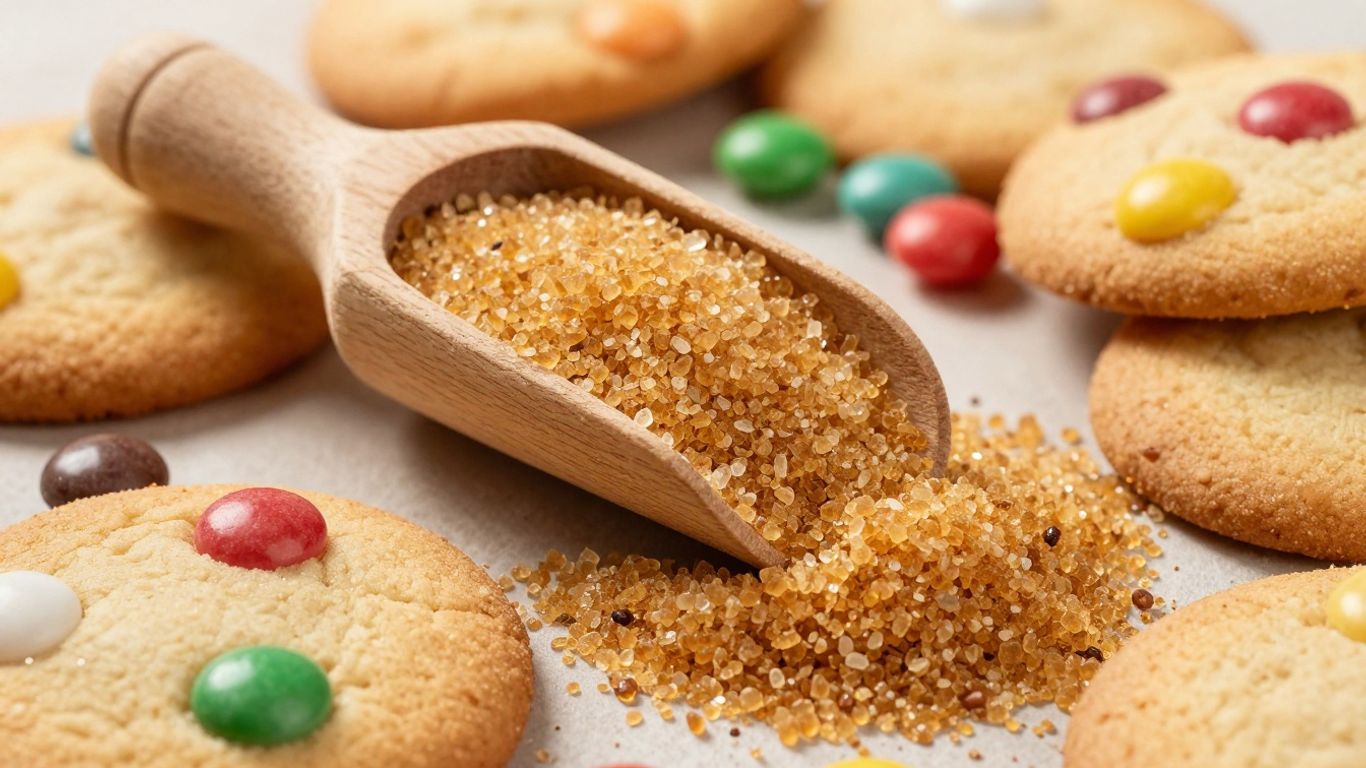
Tag: coconut sugar

  • Coconut Sugar in the Food Industry: 12 Applications, Technical Specifications & Formulation Guide (2026)

    Coconut Sugar in the Food Industry: 12 Applications, Technical Specifications & Formulation Guide (2026)

    Coconut Sugar in the Food Industry

    The application of coconut sugar in the food industry has evolved from a niche health food trend into a mainstream requirement for commercial food manufacturing — driven by clean label demand, low-GI positioning, and the growing market for minimally processed sweeteners.

    For food technologists, product developers, and procurement teams evaluating coconut sugar for commercial formulations, this guide provides the technical information needed to assess suitability: functional properties, application-specific dosage guidance, substitution ratios, and label claim implications.

    Global Coco Sugar supplies certified coconut sugar for food manufacturers from Indonesia.

    The technical properties discussed in this guide reflect our production specifications.

    Understanding how coconut sugar is produced from coconut palm flower sap explains why its functional behavior in food formulation differs from refined cane sugar — and why those differences create both opportunities and formulation challenges.

    Technical Specifications for Coconut Sugar in the Food Industry

    Before examining specific applications, food technologists need to understand the key physical and chemical properties that determine coconut sugar’s behavior in formulation:

    PropertySpecificationFormulation Implication
    Moisture contentMax 3% (granulated)Low moisture = good flow properties, stable shelf life, no caking under dry storage
    Particle size (standard)0.5–3.0 mm (medium grade)Similar to demerara sugar — dissolves completely in aqueous systems with mild agitation
    Sucrose content~70-80% of carbohydratesPrimary sweetness driver — similar to cane sugar but with more complex flavor matrix
    Fructose/glucose~3-9% free sugarsContributes to Maillard reaction and caramelization at slightly lower temperatures than pure sucrose
    Inulin fiber~1-3% of carbohydratesLowers effective GI; may act as mild prebiotic; minimal impact on texture at typical use levels
    Glycemic Index~35 (low GI)Supports ‘low GI ingredient’ positioning; finished product GI must be tested separately
    Water activity~0.45-0.55 (dry granulated)Shelf stable — does not support microbial growth at this aw when properly packaged
    Maillard reactionMore pronounced than refined sugarProducts brown faster and at slightly lower temperature — monitor baking temperature
    HygroscopicityModerate — lower than brown sugarDoes not clump as readily as brown sugar in humidity; slightly drier finished products
    pH in solution (10%)5.5–6.5Mildly acidic — compatible with most food systems; may affect acid-sensitive color systems
    Color (ICUMSA)Typically IU 5,000–15,000Dark — affects finished product color significantly; verify against product color standards
    Relative sweetness~85-95% of refined white sugar (sucrose)Formulations may need up to 10% more coconut sugar by weight to match white sugar sweetness

    12 Food Industry Applications: Technical Guidance Per Category
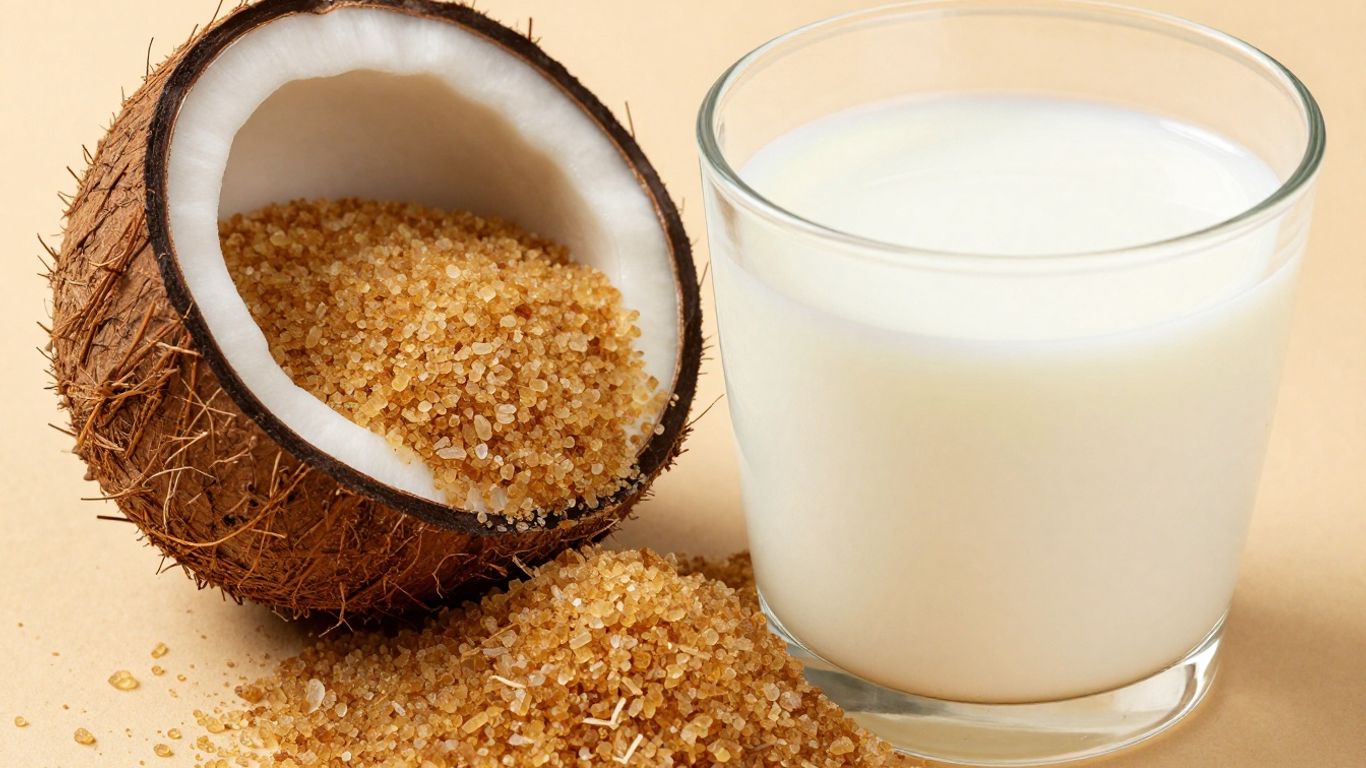
    Coconut Sugar in the Food Industry

    For a detailed technical comparison of coconut sugar versus cane sugar across specific formulation parameters — including water activity effects, hygroscopicity, shelf life implications, and regulatory label claim considerations — see our dedicated article on coconut sugar vs cane sugar for food manufacturing.

    1. Bakery — Cookies, Biscuits, and Crackers

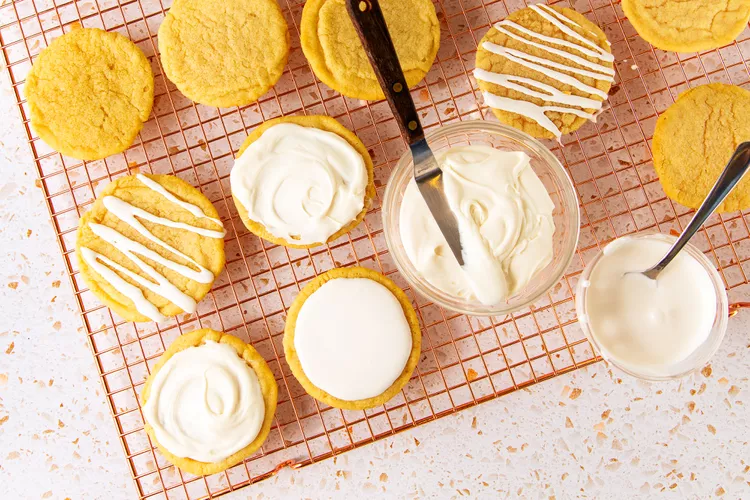
    coconut sugar in cookie
    ParameterSpecification
    Typical use level50-100% replacement of white or brown sugar at 1:1 by weight
    Expected color changeNoticeably darker golden-brown to dark brown — test against color standard before scale-up
    Temperature adjustmentReduce oven temperature by 5-10°C — coconut sugar caramelizes at lower temperature
    Texture impactSlightly denser texture, chewy center, faster edge browning — valued in premium cookie positioning
    Moisture adjustmentNo adjustment needed at 1:1 substitution for most recipes; add 1-2% extra moisture for formulas requiring high chewiness
    Label claim enabled‘Refined sugar-free’, ‘natural sweetener’, ‘unrefined’, ‘made with coconut sugar’

    2. Cakes, Muffins, and Quick Breads

    coconut sugar in cakes and muffin
    ParameterSpecification
    Typical use level1:1 weight replacement for white or brown sugar
    Color impactCrumb will be medium to dark brown — not suitable for white or very light-colored cakes
    Creaming behaviorRequires 15-30% longer creaming time vs refined sugar due to coarser particle size — factor into production cycle time
    Leavening adjustmentNo change to baking powder or soda quantities at direct 1:1 substitution
    Shelf lifeSimilar to conventional versions — moisture retention is slightly lower than brown sugar versions; add 1-2% more fat or liquid if shelf life moisture retention is critical
    Dosage for premium positioningPartial substitution (30-50%) allows color and flavor benefits while maintaining lighter crumb color

    3. Confectionery — Chocolate, Truffles, and Ganache

    ParameterSpecification
    Typical use level10-40% of total sugar content in chocolate and ganache formulations
    Flavor synergyCaramel-butterscotch notes complement dark and milk chocolate — reduces need for added caramel flavoring
    Particle size requirementFine grade (< 1mm) recommended for smooth confectionery — standard medium grade may create slight graininess in ganache
    Melting behaviorMelts at slightly lower temperature than refined sugar — adjust tempering protocol if coconut sugar is added to chocolate before tempering
    Color impactDark chocolate: minimal visible change. Milk chocolate: slightly darker. White chocolate: visibly darker — evaluate against product standard
    Labeling opportunity‘Sweetened with coconut sugar’, ‘refined sugar-free chocolate’ — strong clean label positioning in premium chocolate segment

    4. Granola, Cereal Bars, and Snack Products
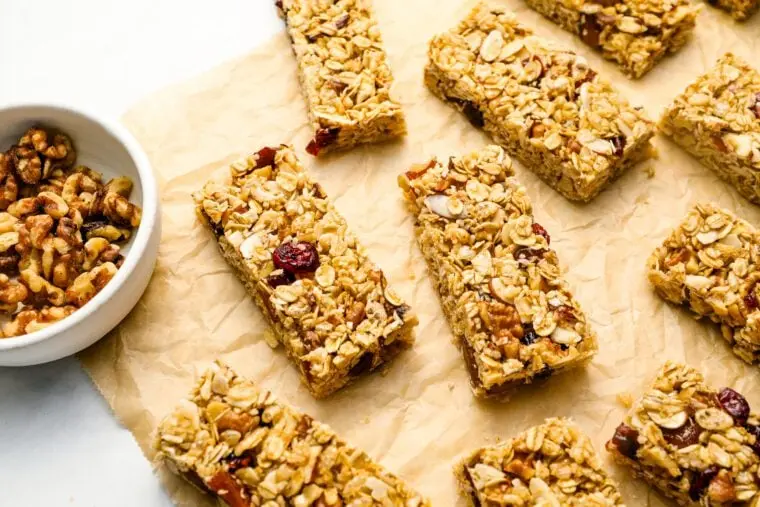
    coconut sugar in granola
    ParameterSpecification
    Typical use level5-15% of total formulation weight — often combined with coconut nectar syrup as binder
    FunctionSweetening + cluster formation (when combined with liquid binder) + caramel flavor development during baking
    Toasting behaviorExcellent toasted color and flavor development — coconut sugar enhances Maillard browning in granola clusters
    Temperature adjustmentReduce oven temperature by 5°C; increase stirring frequency — coconut sugar clusters can over-caramelize at high temperatures
    TextureProduces slightly drier clusters than honey-based granola — adjust oil and liquid binder ratio if moist cluster texture is required
    Clean label valueMajor growth segment — granola consumers actively seek ‘refined sugar-free’ and ‘natural sweetener’ claims; coconut sugar supports both

    5. Beverages — Hot, Cold, and Ready-to-Drink

    ParameterSpecification
    DissolutionDissolves completely in hot liquids (>60°C) within 30 seconds with mild agitation; in cold liquids, allow 60-90 seconds stirring
    Typical use levelCoffee/tea syrups: 50-70 Brix solutions standard; RTD beverages: 5-12% of total liquid weight for sweetness at coconut sugar’s ~85-95% relative sweetness
    Flavor contributionAdds caramel undertones — value-add in coffee, tea, plant-based beverages. May be detectable in clear/light beverages — evaluate sensory panel before launch
    Color impactAmber-brown tint in solution — not suitable for clear beverages; excellent for coffee, tea, plant milk, and brown-colored beverage applications
    pH stabilityStable in solution at pH 4.0-8.0 — compatible with most beverage formulation ranges
    Fermentation (kombucha)Suitable as fermentation feedstock — fully available for yeast/bacteria metabolism; consistent Brix for fermentation control

    6. Dairy and Plant-Based Dairy Alternatives

    ParameterSpecification
    Typical use levelYogurt: 3-8% of total weight; ice cream: 8-15% of formulation; plant-based milk: 1-3% for light sweetening
    Flavor pairingExcellent with vanilla, caramel, chocolate, coffee, and chai flavors; requires evaluation with berry and citrus profiles (caramel note may conflict)
    Color impactProduces light tan to medium brown color in dairy products — not suitable for white-colored yogurt or vanilla ice cream if visual whiteness is required
    MouthfeelSlightly fuller mouthfeel than refined sugar in dairy applications — often perceived positively as ‘richer’ texture
    Plant-based positioningStrong clean label alignment with oat milk, almond milk, and coconut-based products — coconut sugar origin story is natural extension of coconut product lines
    Freeze-thaw stabilitySimilar behavior to brown sugar in frozen applications — no specific adjustment needed

    7. Sauces, Marinades, and Condiments

    ParameterSpecification
    Typical use levelSweet sauces (BBQ, teriyaki): 10-30% of total weight; vinaigrettes: 3-8%; Asian-style condiments: 5-15%
    DissolutionDissolves readily in aqueous sauce systems at room temperature with mild agitation
    Flavor synergyNatural affinity with soy sauce (umami + caramel), ginger, garlic, and citrus — reduces need for added caramel color in brown sauces
    Caramelization for glazesExcellent for oven and grill glazes — caramelizes at lower temperature, producing beautiful amber-brown color at moderate heat
    Maillard in cookingAccelerates browning when applied to protein surfaces before cooking — desirable for most grilled and roasted applications
    Label claim‘Sweetened with coconut sugar’, ‘no refined sugar’, ‘natural ingredients’ — aligns with clean label condiment positioning

    8. Breakfast Cereals and Porridge Products

    ParameterSpecification
    Typical use levelCoated cereals: 8-20% of final product weight; instant porridge premix: 5-15%
    Application methodDry blending with grain base; hot coating process; spray application in solution form
    Flavor profile benefitCaramel-butterscotch note enhances perception of sweetness — allows reduction in actual sweetener quantity by 5-10% vs equivalent white sugar
    ColorGolden-brown coating color — aligns with ‘whole grain’, ‘natural’, and ‘toasted’ visual positioning
    Texture after bakingProvides slight caramelized crunch — consumer-preferred in premium cereal positioning
    Clean label alignment‘Sweetened with coconut sugar only’, ‘refined sugar-free’ — growing demand in premium breakfast category

    9. Protein and Functional Food Products

    ParameterSpecification
    Typical use levelProtein bars: 5-15%; functional powder blends: 3-8%; meal replacement shakes: 5-10%
    Low GI positioningGI ~35 supports ‘low GI’ ingredient claim — enables finished product low GI positioning (verify at finished product level per ISO 26642:2010)
    Protein interactionCoconut sugar’s reducing sugars can participate in Maillard reaction with proteins — relevant for shelf life and color in high-protein baked bars
    Clean label advantageRecognized, single-ingredient sweetener — supports clean label positioning increasingly demanded in health and sports nutrition segment
    PalatabilityCaramel notes mask bitter notes common in protein concentrates and plant-based proteins — often reduces need for masking agents
    Regulatory (US)‘Low GI’ claims require finished product testing per FDA guidance — coconut sugar ingredient GI does not automatically confer low GI status to finished product

    10. Fermented Products — Kombucha and Kefir

    ParameterSpecification
    Typical use levelKombucha: 5-10% of total brew volume for primary fermentation; adjusted per SCOBY culture requirements
    FermentabilityFully fermentable — sucrose, fructose, and glucose all available for SCOBY and bacteria metabolism
    Residual flavorPost-fermentation, some caramel notes may persist — evaluate final flavor profile; generally positive in kombucha and tea-based kefir
    Color in finished productSlightly darker brew color than white sugar ferments — may affect final visual appearance; evaluate against product color standard
    Brix consistencyCritical for fermentation control — always verify Brix in COA per lot to ensure consistent fermentation conditions across production batches
    Organic applicationUSDA NOP certified coconut sugar supports ‘certified organic’ kombucha formulations — Transaction Certificate per lot required

    11. Baby Food and Toddler Products (With Important Caveats)

    ParameterSpecification
    Regulatory statusNo specific restriction on coconut sugar in baby food under US FDA or EU regulations — check destination market regulations
    WHO/UNICEF guidanceWHO recommends no added sugars in foods for children under 2 — verify positioning carefully before using in infant food category
    Inulin considerationCoconut sugar’s inulin content may cause digestive discomfort in very young children at high doses — keep use levels minimal if applicable
    Flavor contributionMild caramel note — generally well-received in toddler product flavor development
    Clean label positioning‘Naturally sweetened with coconut sugar’ — resonates with health-conscious parent segment in toddler food category
    RecommendationConsult regulatory specialist before launching coconut sugar-containing products in infant or baby food category in any market

    12. Premium and Artisan Products — Craft Chocolate, Artisan Bakery, and Specialty Confectionery

    ParameterSpecification
    Market positioningSingle-origin coconut sugar from Java, Indonesia — provenance story adds premium positioning value beyond ingredient functionality
    Typical segmentBean-to-bar chocolate, craft bakery, artisan confectionery, premium gift food, D2C health food brands
    Origin story valueIndonesian smallholder farmer heritage, traditional production methods — resonates with premium consumer market increasingly interested in ingredient provenance
    Certification combinationUSDA Organic + BRCGS + traceable origin = maximum premium positioning and retail vendor compliance simultaneously
    Price acceptancePremium segments accept 25-40% ingredient cost premium over conventional sugar — margin preserved through retail pricing
    Private label optionCustom grade, packaging, and origin documentation available for brand-specific formulation requirements

    Label Claims Enabled by Coconut Sugar: What You Can and Cannot Say

    For a complete breakdown of the science behind coconut sugar’s glycemic index and what it means for label claims, see our article on the glycemic index of coconut sugar.

    For the full certification checklist relevant to food manufacturer vendor compliance, see what certifications a coconut sugar supplier should have.

    Label ClaimAllowed?ConditionsMarket Specific Notes
    ‘Refined sugar-free’✅ YesCoconut sugar is unrefined — legitimately claimedNo specific regulatory definition — generally accepted as marketing claim in US, EU, AU
    ‘Natural sweetener’✅ YesMinimal processing, single ingredientFDA has no formal definition of ‘natural’ for sweeteners — broadly accepted
    ‘Made with coconut sugar’✅ YesCoconut sugar is the named sweetener in formulaStandard ingredient claim — no regulatory barrier
    ‘No refined sugar’✅ YesIf no refined sugar (white, brown) is present in formulationVerify all other ingredients — avoid claim if other refined sugars present
    ‘Low GI’ (product)⚠️ ConditionalRequires finished product GI testing per ISO 26642:2010 — coconut sugar ingredient GI does not automatically conferUS: no FDA-approved low GI claim. EU: regulated under EC 1924/2006. AU: GI symbol program available
    ‘USDA Organic’✅ Yes (with documentation)Supplier must hold current NOP certificate; TC per lot required; US buyer may need handler certificateUS market only — EU Organic is separate certification
    ‘Clean label’✅ YesConsumer-recognized ingredient name, single ingredientNot a regulated claim — accepted as marketing positioning
    ‘Diabetic-friendly’❌ NoNo regulatory basis for this claim on food products in US or EU without specific medical substantiationAvoid this claim — coconut sugar still raises blood sugar
    ‘Low calorie’❌ NoCoconut sugar ~380 kcal/100g — same caloric density as white sugarCannot claim low calorie — misrepresentation
    ‘Sugar-free’❌ NoCoconut sugar is sugar — misrepresentationStrictly prohibited — regulatory violation in all markets

    Substitution Guide: Coconut Sugar for White and Brown Sugar in Commercial Production

    SubstitutionRatio (by weight)Key AdjustmentsMost Suitable Product Categories
    White sugar → Coconut sugar (full replacement)1:1Reduce oven temp 5-10°C; expect darker color; increase creaming time 15-30%Cookies, granola, snack bars, sauces, beverages
    White sugar → Coconut sugar (partial replacement)30-50% coconutColor and flavor benefits while maintaining lighter colorCakes, muffins, cereals — where white crumb standard required
    Brown sugar → Coconut sugar (full replacement)1:1Minimal adjustment needed — most similar behavioral substituteAll applications — best direct substitution
    Brown sugar → Coconut sugar (partial replacement)50% eachBalance caramel depth with moisture retention of brown sugarMoist cakes, brownies, dense quick breads
    Cane juice / turbinado → Coconut sugar1:1Similar behavior — flavor profile slightly differentGranola, artisan bakery, premium applications
    Coconut sugar → Coconut nectar syrup1 cup sugar = ¾ cup syrupReduce other liquids by 3-4 tbsp; adjust oven temp down 10°CBeverages, sauces, glazes, no-bake applications

    Sourcing Specifications for Food Manufacturers

    When specifying coconut sugar for commercial production, the following parameters should be included in purchase orders and supplier qualification documents:

    Specification ParameterRecommended RequirementWhy It Matters for Production
    Moisture contentMax 3.0% — test per COA per lotConsistent moisture critical for product shelf life and water activity
    Particle sizeSpecify grade: fine (<1mm), medium (1-3mm), or coarse (3-6mm)Affects dissolution rate, texture, and visual appearance in finished product
    Color (ICUMSA)Specify acceptable range — test per lotColor variation between lots can affect finished product consistency
    BRCGS Food SafetyGrade A minimumRequired for vendor approval at most EU and US major retailers
    Organic certificationUSDA NOP (for US) or EU Organic (for EU) + TC per lotRequired to support organic label claims — verify per shipment
    Sulphite contentNegative (max 10 ppm) — confirm in COAAllergen declaration required in EU if sulphites > 10 ppm
    SalmonellaAbsent in 25g — accredited labZero tolerance — non-negotiable food safety requirement
    Total plate countMax 5,000 CFU/gFood safety — must be from ISO 17025-accredited laboratory
    FFA (if relevant)Max 0.5% — for coconut sugar with higher fat contentIndicator of raw material quality
    Certificate of AnalysisPer production lot from ISO 17025-accredited labPer-lot verification — not just reference sample

    Our article on BRCGS certified coconut sugar suppliers from Indonesia explains what BRCGS certification means in practice for food manufacturing vendor qualification.

    For organic specification documentation — including Transaction Certificate requirements per lot — see our guide on exporting organic coconut sugar from Indonesia.

    Source certified coconut sugar for commercial food production
    Global Coco Sugar supplies BRCGS Food Safety Grade A certified coconut sugar for food manufacturers — in fine, medium, and coarse grades, conventional and organic, with full COA documentation from ISO 17025-accredited laboratories. Technical data sheets and R&D samples available for new product development evaluation.
    Contact Our Food Industry Sales Team >>>
    View Our Coconut Sugar Product Range & Specifications >>>

    Conclusion: Coconut Sugar as a Mainstream Food Manufacturing Ingredient

    Coconut sugar has earned its place in commercial food manufacturing not just through marketing appeal but through genuine functional utility: Maillard reaction enhancement, clean label compatibility, low GI ingredient positioning, and flavor complexity that reduces the need for additional flavoring agents.

    To successfully scale the use of coconut sugar in the food industry, manufacturers must carefully balance its unique chemical properties with specific formulation adjustments.

    The technical properties reviewed in this guide represent coconut sugar’s current commercial specification — consistent, verifiable, and compatible with food safety standards required by global retail buyers.

    For product developers evaluating coconut sugar for new applications, the practical starting point is always the same: request samples with COA, evaluate in your specific formulation at target use levels, conduct sensory panel assessment against your product standard, then scale to commercial production with a certified supplier who can maintain specification consistency across lots.

    Frequently Asked Questions

    Can coconut sugar replace white sugar 1:1 in commercial food production?

    Yes. Coconut sugar can generally replace white sugar at a 1:1 ratio by weight in most food manufacturing applications. However, manufacturers should expect darker product color and may need minor adjustments to processing conditions, particularly in bakery products.

    What is the glycemic index of coconut sugar for food labeling purposes?

    Coconut sugar is commonly reported to have a glycemic index of approximately 35. However, regulatory claims in many markets must be based on testing of the finished product rather than the ingredient alone.

    Does coconut sugar affect shelf life in manufactured food products?

    Coconut sugar can influence moisture retention and texture depending on the formulation. In most applications, standard shelf-life testing and water activity evaluation are sufficient to assess product stability.

    What food safety certifications should a coconut sugar supplier hold for food manufacturing customers?

    Food manufacturers typically look for certifications such as BRCGS, HACCP, ISO 22000, and relevant organic certifications when applicable. Buyers should also request batch-specific documentation, including Certificates of Analysis (COA), as part of supplier qualification.
  • Coconut Nectar vs Coconut Sugar: Key Differences in Taste, Nutrition, Processing & Uses

    Coconut Nectar vs Coconut Sugar: Key Differences in Taste, Nutrition, Processing & Uses

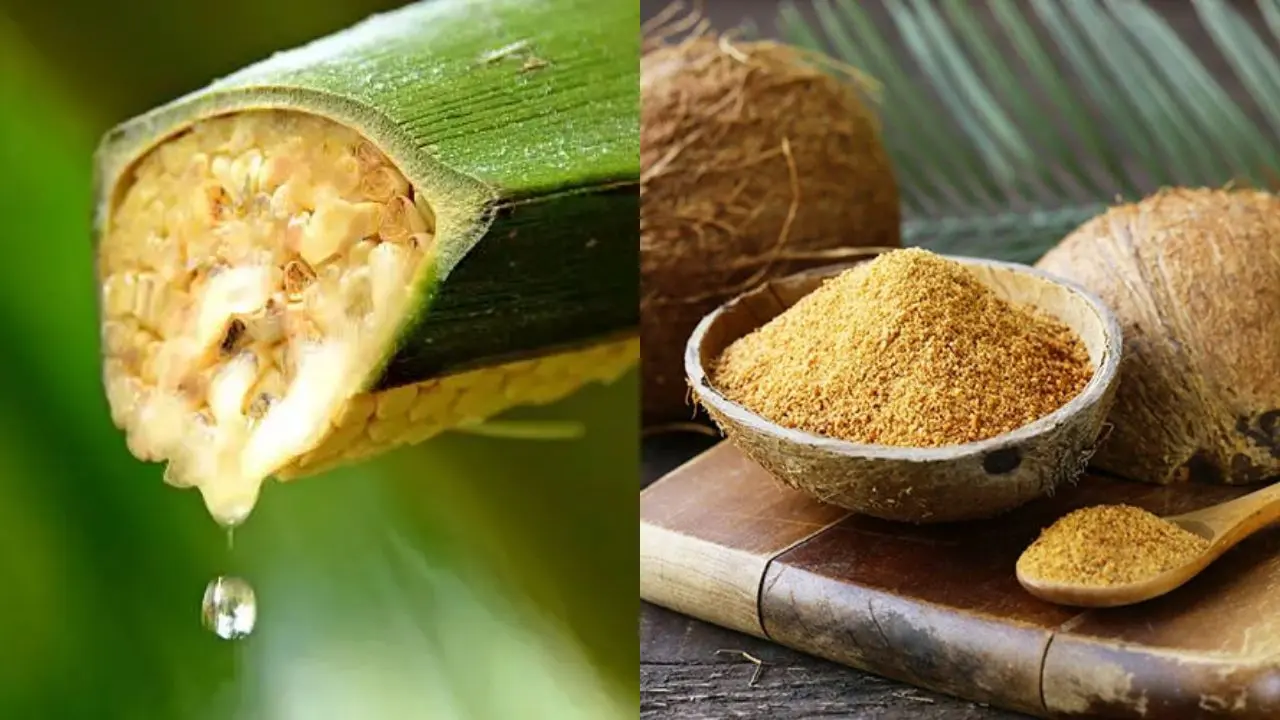
    coconut nectar vs coconut sugar
    Quick Answer: What Is the Difference Between Coconut Nectar and Coconut Sugar?
    Both come from the same source — the sap of coconut palm flower buds — but processing stops at different stages. Coconut nectar is a liquid syrup (Brix 70-75) produced by gently evaporating the sap without crystallization. Coconut sugar is produced by evaporating the sap further until it crystallizes into granules. Coconut nectar has a slightly lower GI (~35), more intense caramel flavor, and suits liquid applications. Coconut sugar is granulated, easier to measure, more widely available, and better for baking applications that require a dry sweetener.

    When evaluating coconut nectar vs coconut sugar, you will find they are two of the most commonly confused natural sweeteners — and for good reason.

    They come from the same tree, the same part of the tree, and the same raw material.

    The difference lies in what happens after the sap is collected, and those differences matter practically for how each sweetener performs in cooking, baking, beverages, and food manufacturing.

    At Global Coco Sugar, we produce and export both coconut sugar and coconut nectar syrup from Indonesia — which gives us a uniquely direct perspective on their differences.

    Browse our coconut sugar and coconut nectar product range before reading further.

    And to understand the shared foundation — the coconut palm flower sap tapping process that both products begin with — our article on how coconut sugar is produced in Indonesia explains the full production chain.

    The Same Origin, Different Journeys: How Both Are Made

    coconut nectar

    Understanding why coconut nectar and coconut sugar are different starts with understanding that they begin identically — and diverge only in the final processing stage.

    Step 1: Shared Origin (Identical for Both Products)

    • Coconut farmers make careful incisions in the flower bud stalks of coconut palms (Cocos nucifera).
    • Fresh sap flows naturally from the incisions and is collected in bamboo containers or food-grade vessels twice daily.
    • The fresh sap has a natural Brix of approximately 15-17 — mildly sweet, slightly cloudy, with a fresh floral aroma.
    • This fresh sap must be processed quickly — left unprocessed, it begins to ferment within hours.

    Step 2: Where the Paths Diverge

    Processing StageCoconut NectarCoconut Sugar
    Heat applicationGentle heating at low temperature (~60-80°C)Higher temperature heating — up to 100°C+
    Evaporation targetPartial evaporation — stopped at Brix 70-75 (liquid)Full evaporation — until water is almost completely removed
    CrystallizationDoes not crystallize — remains liquidSugars crystallize as water evaporates — forms solid mass
    Post-evaporationFiltered, filled into jars/drums as liquid syrupSolid mass stirred to break into granules — packed as granulated sugar
    Final moisture~25-30% moisture (liquid form)Max 3% moisture (granulated form)
    Final Brix70-75 BrixNot applicable — granulated product
    Processing complexityLower — fewer process stepsHigher — requires additional crystallization and granulation steps
    Why coconut nectar is sometimes called ‘coconut sugar syrup’ or ‘coconut palm syrup’
    Because both products come from the same raw material and the same initial process, coconut nectar is sometimes marketed under different names: coconut sugar syrup, coconut palm syrup, coconut sap syrup, or raw coconut nectar. These are all the same product — liquid coconut sweetener that has been partially evaporated but not crystallized. For purchase orders and import documentation, always specify ‘coconut nectar syrup’ and the Brix specification (typically 70-75 Brix) to avoid confusion with other coconut-derived liquid products.

    Complete Comparison: Coconut Nectar vs Coconut Sugar — 12 Key Differences

    ParameterCoconut Nectar SyrupCoconut Sugar (Granulated)
    Physical formThick, viscous liquid — honey-like consistencyGranulated crystals — brown sugar-like appearance
    ColorDark amber to dark brownGolden brown to dark brown
    Flavor profileRich caramel, butterscotch, slight earthiness — more intense than coconut sugarCaramel, butterscotch — similar but slightly less intense in liquid applications
    Glycemic Index (GI)~35 (low GI)~35-54 (low to medium — varies by study)
    Calories per 100g~280-300 kcal~370-380 kcal
    Sugar content~70-75g per 100g (at Brix 70-75)~90-95g per 100g
    Inulin (prebiotic fiber)Present — similar to coconut sugarPresent — 1-3% of carbohydrates
    Moisture content~25-30%Max 3%
    Shelf life (unopened)12-18 months (cool, dry conditions)18-24 months (cool, dry conditions)
    Shelf life (opened)3-6 months refrigerated6-12 months in airtight container at room temperature
    MOQ (bulk commercial)500 kg1 MT (1,000 kg)
    Price positionSlightly higher per kg — lower MOQLower per kg at equivalent volume — higher MOQ

    Taste and Flavor: Is There a Real Difference?

    indonesia coconut sugar

    In any coconut nectar vs coconut sugar taste comparison, both share the same fundamental flavor profile — the caramel-butterscotch character developed from the natural sugars in coconut palm sap through the Maillard reaction during heating.

    However, there are subtle but detectable differences:

    • Coconut nectar is more intensely flavored. The liquid form concentrates the flavor compounds more immediately on contact with the palate. A teaspoon of coconut nectar in coffee delivers a more pronounced caramel hit than a teaspoon of granulated coconut sugar dissolved in the same coffee.
    • Coconut sugar has a cleaner, drier sweetness. Because the crystallization process further concentrates and transforms the flavor compounds, granulated coconut sugar has a slightly ‘cleaner’ sweetness with less of the earthy undertones present in coconut nectar.
    • Both are less sweet than white sugar by volume. Coconut nectar’s sweetness is diluted by its water content (25-30% moisture); coconut sugar’s coarser crystals dissolve slightly more slowly than refined white sugar. Both deliver sweetness that most people describe as ‘gentler’ and ‘more complex’ than white sugar.
    • Coconut nectar’s flavor survives heat better. In baked applications, the caramel notes of coconut nectar integrate with the Maillard reaction of baking to produce very rich, deep flavors — often preferred in brownies, dense cakes, and sauces.

    When to Use Coconut Nectar vs Coconut Sugar: Application Guide

    ApplicationBetter ChoiceReason
    Coffee and teaCoconut nectarDissolves instantly without heating — no need to stir until dissolved. Direct flavor delivery.
    Smoothies and cold beveragesCoconut nectarLiquid form blends seamlessly. Coconut sugar in cold liquid may not fully dissolve.
    Salad dressings and saucesCoconut nectarLiquid sweetener emulsifies better with oil-based dressings. No undissolved grains.
    Glazes and marinadesCoconut nectarLiquid form coats surfaces more evenly. Creates beautiful caramelized glaze on proteins and vegetables.
    Cake and muffin batterCoconut sugarGranulated form creams with butter properly. Coconut nectar adds extra moisture that can affect structure.
    CookiesCoconut sugarGranulated sugar needed for proper cookie spread and texture. Nectar would make dough too wet.
    GranolaEitherCoconut sugar for clusters; coconut nectar for a stickier, more caramelized cluster effect.
    No-bake energy ballsCoconut nectarActs as a natural binder alongside nut butter or dates. Better binding than granulated sugar.
    Measuring precisionCoconut sugarGranulated sugar is easier to measure consistently by volume or weight than a viscous liquid.
    Kombucha fermentationCoconut nectarLiquid sweetener dissolves completely in brewing liquid without heating.
    Frosting and icingCoconut sugar (powdered)Coconut nectar in frosting can make it too liquid. Powder coconut sugar in blender first.
    Fermented productsEitherBoth work — coconut nectar may ferment slightly faster due to higher free moisture.

    Nutritional Comparison: Is One Healthier Than the Other?

    coconut sugar health

    When looking at the nutrition of coconut nectar vs coconut sugar, both share similar nutritional profiles — they come from the same raw material.

    The glycemic index of coconut sugar is approximately 35, and coconut nectar’s GI is similarly low (approximately 35) — both significantly lower than white sugar (GI ~65) due to the naturally occurring inulin fiber content of coconut palm sap.

    Nutrient (per 100g)Coconut Nectar Syrup (Brix 70-75)Coconut Sugar (Granulated)
    Calories~280-300 kcal~370-380 kcal
    Total carbohydrates~70-75g~90-95g
    Sucrose~60-70% of carbs~75-80% of carbs
    Inulin fiber~1-2%~1-3%
    Potassium~900-1,000 mg~1,030 mg
    Iron~2.0-2.5 mg~2.5 mg
    Zinc~0.4-0.5 mg~0.56 mg
    Magnesium~25-28 mg~29 mg
    Glycemic Index~35~35-54
    Processing levelMinimal — single ingredientMinimal — single ingredient
    Why coconut nectar has fewer calories per 100g than coconut sugar
    Coconut nectar has approximately 280-300 kcal per 100g vs coconut sugar’s 370-380 kcal per 100g. This is because coconut nectar contains 25-30% water — the caloric content is diluted by the moisture. When comparing caloric content on a dry matter basis, both products are very similar. For practical use: a tablespoon (12g) of coconut nectar has approximately 34-36 kcal; a tablespoon (12g) of granulated coconut sugar has approximately 45 kcal.

    For Food Manufacturers: Choosing Between Coconut Nectar and Coconut Sugar

    Private Label Coconut Sugar Indonesia

    For food manufacturers, the choice between coconut nectar and coconut sugar is largely determined by the product format and processing requirements.

    Our article on applications of coconut sugar and coconut nectar in the food industry covers the full range of commercial applications.

    For a detailed comparison of coconut nectar against honey, maple syrup, and agave from a food manufacturing perspective, see our article on coconut nectar syrup vs other natural sweeteners.

    Product CategoryRecommended FormTechnical Rationale
    Beverages (RTD, syrups, tonics)Coconut nectarDissolves without heating; consistent Brix easy to specify; natural claim supported
    Bakery (cakes, muffins, cookies)Coconut sugarGranulated form needed for creaming and structure; predictable moisture balance
    Confectionery glazes and coatingsCoconut nectarFlows evenly; caramelizes at controlled temperature; adhesion to product surface
    Snack bars and granolaEither or bothCoconut sugar for crunch; coconut nectar for binding — combination often used
    Fermented products (kombucha, kefir)Coconut nectarFully soluble; consistent sugar availability for fermentation cultures
    Sauces, dressings, marinadesCoconut nectarLiquid form integrates easily; no dissolution step required in production
    Plant-based productsEitherBoth support ‘natural’, ‘plant-based’, ‘refined sugar-free’ label claims
    Source both coconut nectar and coconut sugar from a single certified supplier
    Global Coco Sugar is a BRCGS Food Safety Grade A certified supplier of both organic coconut nectar syrup and organic coconut sugar from Indonesia. Sourcing both from a single supplier simplifies certification documentation, logistics, and supplier qualification. Samples of both products available for R&D evaluation.
    Request Samples or a Bulk Quote >>>
    View Our Coconut Sugar and Nectar Product Range >>>

    Conclusion: Different Tools for Different Sweetening Jobs

    Coconut nectar and coconut sugar are not competing products — they are complementary tools that happen to share a raw material.

    The choice between them is a function of what you are making, not which product is ‘better.’

    For beverages, sauces, and glazes — coconut nectar.

    For baking and dry applications — coconut sugar.

    For a brand that wants both a liquid and a granulated natural sweetener with consistent certification documentation and a single-origin story — both, from the same Indonesian supplier.

    Frequently Asked Questions

    What is the difference between coconut nectar and coconut sugar?

    Both products are made from coconut palm flower sap but undergo different processing. Coconut nectar is a liquid syrup produced through partial evaporation, while coconut sugar is fully evaporated until it crystallizes into granules. As a result, they are used in different food and beverage applications.

    Is coconut nectar the same as coconut sugar?

    No. Coconut nectar is a liquid sweetener, while coconut sugar is a granulated sweetener. Although they share the same source material, they differ in texture, moisture content, and typical uses in cooking and food manufacturing.

    Which has a lower glycemic index: coconut nectar or coconut sugar?

    Both coconut nectar and coconut sugar are generally reported to have a low glycemic index compared to refined sugar. While some studies suggest slight differences, both are commonly used as lower-GI alternatives to conventional sweeteners.

    Can I substitute coconut nectar for coconut sugar in baking?

    Yes, but recipe adjustments are usually required. Because coconut nectar is a liquid sweetener, you may need to reduce other liquids in the recipe and slightly adjust baking conditions to achieve the desired texture.

    Which is better for cooking: coconut nectar or coconut sugar?

    It depends on the application. Coconut nectar works well in beverages, sauces, dressings, and glazes, while coconut sugar is generally preferred for baking and recipes that require a dry sweetener.

  • Coconut Sugar Substitute in Baking: Complete Ratio Guide, Application Tips & When to Use What

    Coconut Sugar Substitute in Baking: Complete Ratio Guide, Application Tips & When to Use What

    Coconut Sugar Substitute in Baking Ratio
    Quick Reference: Coconut Sugar Substitution Ratios
    White sugar → coconut sugar: 1:1 by weight or volume. Expect darker color and deeper caramel flavor.
    Brown sugar → coconut sugar: 1:1 by weight or volume. Best direct substitute — very similar behavior.
    Coconut sugar → brown sugar: 1:1 by weight or volume. Add 1 tsp molasses per cup if you want brown sugar’s deep flavor.
    Coconut sugar → white sugar: 1:1. Result will be darker and more flavored than white sugar version.
    Coconut sugar → maple syrup: ¾ cup maple syrup per 1 cup coconut sugar. Reduce other liquids by 3 tbsp.
    Coconut sugar → honey: ¾ cup honey per 1 cup coconut sugar. Reduce other liquids by 3 tbsp. Add ¼ tsp baking soda.

    Whether you are evaluating a coconut sugar substitute in baking, trying to use what you have on hand when you run out of another sugar, or developing a recipe that specifically features coconut sugar’s distinctive caramel character — understanding the ratios and baking adjustments makes the difference between a successful result and a disappointing one.

    This guide covers both directions of substitution: using it as a replacement for other sweeteners, and finding the best coconut sugar substitute in baking when the original ingredient is not available.

    We cover granulated substitutes (1:1 swaps), liquid sweetener conversions, and per-application baking adjustments based on our experience as producers of organic coconut sugar from Indonesia.

    Understanding how coconut sugar is produced from coconut palm flower sap through minimal processing explains why its baking behavior differs from refined sugar — and why those differences are often an advantage.

    Why Switch to Coconut Sugar in Baking? The Three Reasons

    coconut sugar in baking

    Before diving into ratios, it helps to understand why coconut sugar is worth using — not just as a substitute, but as an upgrade.

    Its glycemic index of approximately 35 is significantly lower than white sugar (GI 65) and brown sugar (GI 64), meaning a slower blood glucose rise per serving.

    But for bakers, the more immediately relevant advantages are sensory and functional.

    AdvantageWhat It Means in Practice
    Deep caramel flavorCoconut sugar’s natural butterscotch-caramel notes add complexity that white or brown sugar cannot replicate — every baked good tastes more interesting
    Lower glycemic indexRelevant for health-conscious consumers and food brands positioning in natural/wellness segments
    Minimal processingSingle ingredient, unrefined — supports ‘refined sugar-free’, ‘natural’, and ‘clean label’ claims on food products
    Moisture behaviorSlightly less hygroscopic than brown sugar — results in cookies that are chewy on day 1 and remain so on day 2-3 without becoming overly sticky
    Color developmentThe deeper Maillard reaction from coconut sugar produces beautifully golden-brown baked goods with visually appealing color even at normal baking temperatures

    Why Baking Substitutions Are Different from Cooking or Beverages

    Why Baking Substitutions Are Different from Cooking or Beverages

    Substituting sweeteners in a hot beverage (coffee, tea) or a no-cook dressing is simple — swap and taste.

    Baking is fundamentally different because sugar plays structural and chemical roles beyond sweetness, and any substitution affects the final product in multiple dimensions simultaneously.

    Role of Sugar in BakingHow Different Sweeteners Affect It
    Maillard reaction (browning)Coconut sugar caramelizes at slightly lower temperature than white sugar — products brown faster. Reduce oven temp by 5-10°C or check 2-3 minutes earlier than the recipe states.
    Moisture retentionBrown sugar is more hygroscopic than coconut sugar (retains more moisture). Coconut sugar products may be slightly drier — add 1-2 tsp extra liquid if texture seems dry.
    Spread in cookiesCoconut sugar’s slightly coarser crystals and lower hygroscopicity mean cookies spread slightly less than white sugar versions. Flatten dough balls slightly before baking if you want more spread.
    Color of finished productCoconut sugar produces noticeably darker results than white sugar — golden-brown to dark brown, even at lower temperatures. Factor this into product appearance planning.
    Leavening interactionWhen using liquid sweeteners (maple syrup, honey) as coconut sugar substitutes, add ¼ tsp baking soda per cup of liquid sweetener to compensate for the acidic nature of these liquids.
    Texture and structureGranulated coconut sugar behaves most similarly to granulated white or brown sugar in structure — creams with butter, dissolves in batters, caramelizes. Liquid sweeteners affect moisture balance more significantly.

    Master Substitution Ratio Table: All Coconut Sugar Conversions

    FromToRatioLiquid AdjustmentKey Baking AdjustmentFlavor Change
    White sugarCoconut sugar1:1None neededReduce oven temp 5°C; check 2 min earlyDeeper caramel; slightly less sweet
    Brown sugarCoconut sugar1:1None neededMinimal — most similar behaving substituteVery similar; coconut sugar slightly drier
    Cane sugarCoconut sugar1:1None neededSame as white sugar — watch browningDeeper flavor; darker color
    Coconut sugarBrown sugar1:1None neededAdd 1 tsp molasses/cup if replicating dark brown sugarLighter caramel; slightly moister texture
    Coconut sugarWhite sugar1:1None neededProduct will be paler; less flavor complexityNeutral sweetness; loses caramel depth
    Coconut sugarMaple syrup¾ cup syrup per 1 cup sugarReduce liquids by 3 tbsp per ¾ cup syrupAdd ¼ tsp baking soda per cup syrupMaple flavor replaces caramel
    Coconut sugarHoney¾ cup honey per 1 cup sugarReduce liquids by 3 tbsp per ¾ cup honeyAdd ¼ tsp baking soda per cup honeyFloral honey note replaces caramel
    Coconut sugarAgave nectar¾ cup agave per 1 cup sugarReduce liquids by 3 tbsp per ¾ cup agaveLower caramelization — reduce oven tempMilder, more neutral sweetness
    Coconut sugarDate sugar1:1Add 1-2 tbsp extra liquidDate sugar doesn’t melt fully — expect slightly grainy textureSimilar natural sweetness; date flavor note
    Coconut sugarMuscovado sugar1:1None neededSimilar behavior; muscovado slightly more molasses-forwardDeeper, more complex flavor
    Coconut sugarJaggery (grated)1:1None neededJaggery is less refined — sieve to remove lumpsEarthier, more complex; regional variation in flavor

    Using Coconut Sugar as a Substitute: Application-by-Application Guide

    coconut sugar as a substitute

    The 1:1 ratio works as a starting point for most baking — but the specific adjustments needed vary by what you are baking. Here is a per-application guide:

    Cookies

    how to make cookie coconut sugar recipe

    Coconut sugar is arguably at its best in cookies — the lower GI, deeper caramel flavor, and chewy texture it produces are genuine improvements over white or brown sugar versions for most cookie recipes.

    See our fully tested coconut sugar cookie recipe for a recipe built specifically around coconut sugar’s properties rather than just substituting it in.

    • Substitution ratio: 1:1 for white or brown sugar.
    • Color: Cookies will be noticeably darker — golden-brown edges with darker center. This is correct and appealing, not a problem.
    • Spread: Cookies spread slightly less than white sugar versions. Flatten dough balls to desired width before baking if you prefer thin, crispy cookies.
    • Oven adjustment: Reduce temperature by 5-10°C (10-20°F) and check 2 minutes before recipe time. Coconut sugar browns faster — edges can go from golden to burnt quickly.
    • Chilling dough: Refrigerating cookie dough for 30-60 minutes before baking is strongly recommended with coconut sugar — it slows spread and produces chewier centers.

    Cakes and Muffins

    cakes and muffin

    Coconut sugar works well in cakes and muffins but produces visibly darker results — golden butter cakes become light brown, chocolate cakes become very dark.

    The flavor is richer and more complex, which most people find a genuine improvement.

    • Substitution ratio: 1:1 for white or brown sugar.
    • Color: Expect medium to dark brown crumb. Not suitable for light-colored cakes (vanilla birthday cake, white wedding cake) where appearance is the priority.
    • Moisture: Some bakers find coconut sugar cakes slightly drier than white sugar versions. Add 1-2 tablespoons of extra liquid (milk, buttermilk, or yogurt) to the batter if the batter looks stiffer than expected.
    • Leavening: No adjustment needed to baking powder or baking soda quantities when substituting granulated coconut sugar for granulated white or brown sugar.
    • Creaming: Cream butter and coconut sugar for 3-4 minutes vs the typical 2 minutes for white sugar — the coarser crystals need longer to dissolve into the butter for a light, aerated texture.

    Granola and Snack Bars

    granola and snack bars

    Granola is one of the most successful applications for coconut sugar — no modification needed, and the caramel flavor adds significant value over white sugar versions.

    • Substitution ratio: 1:1 for white or brown sugar. If the original recipe uses honey or maple syrup, use coconut sugar at the same weight plus 2-3 tablespoons of water to compensate for the missing liquid.
    • Temperature: Reduce oven temperature by 5°C and stir granola more frequently — coconut sugar clusters can over-caramelize at higher temperatures.
    • Result: Slightly drier clusters than honey-based granola, but excellent caramel flavor and color. Toasted coconut sugar granola often has better shelf stability than honey-based versions.

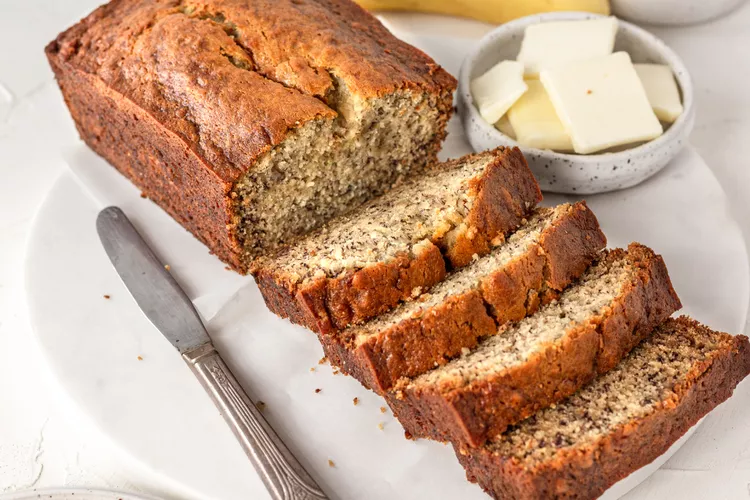
    Banana Bread and Quick Breads

    banana bread

    Quick breads are very forgiving with coconut sugar substitution — the existing moisture from bananas, zucchini, or other fruit compensates for coconut sugar’s slightly lower hygroscopicity, and the strong flavor of the main ingredient means the coconut sugar flavor integrates rather than dominates.

    • Substitution ratio: 1:1 for white or brown sugar.
    • Adjustment: Usually none needed — the moisture from bananas or other fruit is sufficient. If using a particularly dry quick bread recipe, add 1 tablespoon of extra liquid.
    • Flavor: The caramel notes of coconut sugar pair excellently with banana, chocolate, and spiced quick breads. It is a genuine improvement in these applications.

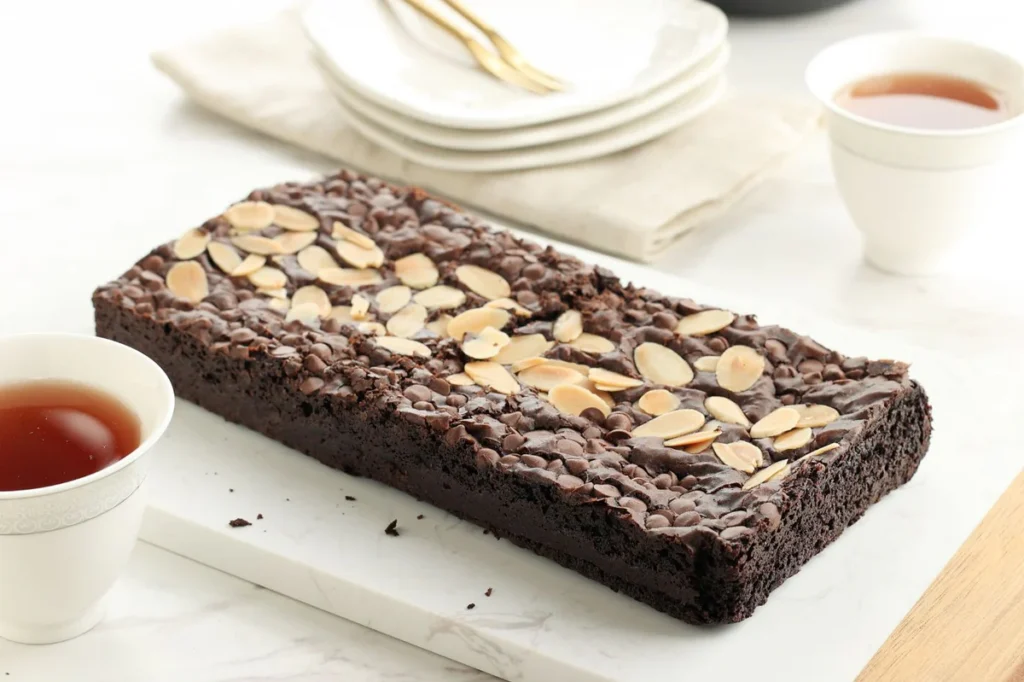
    Brownies

    brownies

    Brownies with coconut sugar are deeply flavorful — almost fudgy, with a rich caramel complexity that layered on top of chocolate creates exceptional results. One of the best applications for coconut sugar in baking.

    • Substitution ratio: 1:1 for white or brown sugar.
    • Color: Brownies will be very dark — this is expected and appealing.
    • Texture: Slightly denser than white sugar brownies. If you prefer a lighter texture, beat the eggs and coconut sugar together for 3-4 minutes until pale and thickened before adding other ingredients.

    Frosting and Icing

    frosting and icing

    This is the most challenging application for coconut sugar. Raw granulated coconut sugar does not work in butter-based frosting — the crystals cannot dissolve at room temperature and create a gritty texture. You must powder the coconut sugar first.

    • How to powder coconut sugar: Process in a high-speed blender or food processor for 45-60 seconds until it reaches powdered sugar consistency. Sieve before use.
    • Ratio: Use powdered coconut sugar 1:1 by weight for powdered/icing sugar in most frosting recipes.
    • Color: Frosting will be light tan to light brown rather than white. Not suitable for white or light-colored frosting applications.
    • Flavor: The caramel flavor of coconut sugar in frosting pairs beautifully with chocolate, spiced, and caramel-flavored cakes.

    Top Options for a Coconut Sugar Substitute in Baking

    If your recipe calls for coconut sugar and you don’t have it, here are the best alternatives ranked by similarity of behavior and flavor in baking:

    1. Brown Sugar (Best Direct Substitute) — 1:1 Ratio

    Brown sugar is the closest substitute for coconut sugar in baking — both are granulated sweeteners with caramel notes and similar hygroscopicity.

    The result will be slightly lighter in color and the flavor slightly less complex, but most people would not be able to identify the difference in a blind taste test.

    For a full comparison of the two, see our article on coconut sugar vs brown sugar health benefits and baking.

    • Best for: All baking applications — cookies, cakes, muffins, granola, brownies.
    • Flavor difference: Brown sugar has a mild molasses note; coconut sugar has deeper caramel-butterscotch notes. The difference is subtle.
    • Health difference: Brown sugar (GI ~64) vs coconut sugar (GI ~35) — coconut sugar has a significantly lower glycemic index.

    2. Raw Cane Sugar (Turbinado / Demerara) — 1:1 Ratio

    Raw cane sugar (turbinado, demerara, or raw sugar) is minimally refined and has a mild caramel flavor from residual molasses — making it closer to coconut sugar than white refined sugar.

    The coarser crystals also behave more similarly to coconut sugar in baking.

    • Best for: Cookies, granola, crumble toppings where visible crystal texture is acceptable.
    • Adjustment: None needed. Color will be similar to coconut sugar. Flavor slightly less complex.

    3. Muscovado Sugar — 1:1 Ratio

    Muscovado is an unrefined cane sugar with very high molasses content — it has a strong toffee-molasses flavor that is arguably closer to coconut sugar’s complexity than regular brown sugar.

    It is more difficult to find but worth keeping in mind for applications where deep flavor is important.

    • Best for: Brownies, gingerbread, dark fruitcakes, molasses-forward recipes.
    • Adjustment: Muscovado is stickier and clumpier than coconut sugar — sift before measuring.

    4. Maple Syrup — ¾ Cup per 1 Cup Coconut Sugar

    Maple syrup is a liquid sweetener substitute for coconut sugar — it brings its own distinctive flavor but works well in applications where a liquid sweetener is compatible.

    If you are interested in a liquid form of coconut sweetener that behaves similarly to maple syrup, see our article on coconut nectar syrup vs other sweeteners — coconut nectar is essentially the liquid form of coconut sugar with GI similar to coconut sugar.

    • Ratio: ¾ cup maple syrup for every 1 cup coconut sugar.
    • Liquid adjustment: Reduce other liquids in the recipe by 3 tablespoons per ¾ cup maple syrup used.
    • Leavening adjustment: Add ¼ teaspoon baking soda per cup of maple syrup to counteract its slight acidity.
    • Best for: Muffins, quick breads, granola, energy balls — applications where liquid sweetener works.

    5. Honey — ¾ Cup per 1 Cup Coconut Sugar

    Honey is a widely available liquid substitute for coconut sugar — it brings sweetness and moisture, though the distinctive honey flavor will be detectable in the finished product.

    Raw honey and set honey can both be used; liquid honey is easier to measure and incorporate.

    • Ratio: ¾ cup honey for every 1 cup coconut sugar.
    • Liquid adjustment: Reduce other liquids by 3 tablespoons per ¾ cup honey used.
    • Leavening adjustment: Add ¼ teaspoon baking soda per cup of honey.
    • Temperature: Reduce oven temperature by 15°F (8°C) — honey browns faster than granulated sugar.
    • Best for: Quick breads, muffins, granola, bars — applications that pair well with honey flavor.

    6. Date Sugar — 1:1 Ratio

    Date sugar (made from ground dried dates) is the most nutritionally similar alternative to coconut sugar — both are whole-food, minimally processed sweeteners with natural fiber content and complex flavor.

    The key difference: date sugar does not melt or dissolve completely in baking, producing a slightly coarser texture in some applications.

    • Ratio: 1:1 by weight or volume.
    • Adjustment: Add 1-2 tablespoons of extra liquid to compensate for date sugar’s greater absorbency. Sift or process finely before use.
    • Best for: Energy balls, bars, granola, banana bread — applications where some texture variation is acceptable.
    • Not recommended for: Frosting, clear glazes, or applications requiring smooth, fully dissolved sugar.

    Troubleshooting: Common Problems When Substituting Coconut Sugar in Baking

    ProblemLikely CauseSolution for Next Time
    Cookies / baked goods too dark or burnt edgesCoconut sugar caramelizes at lower temperature than white sugarReduce oven temp by 10°C (20°F). Check 2-3 minutes before recipe time. Use light-colored baking pan (dark pans accelerate browning further).
    Cookies came out flatDough too warm; butter too soft; not enough flourRefrigerate dough 30-60 minutes before baking. Weigh flour precisely — coconut sugar cookies are sensitive to flour quantity. Ensure butter is softened, not melted.
    Cake or muffins too dryCoconut sugar is less hygroscopic than brown sugarAdd 1-2 tbsp extra liquid per cup of coconut sugar used. Alternatively, add 1 tbsp of neutral oil to compensate.
    Frosting is grittyGranulated coconut sugar crystals don’t dissolve at room temperatureAlways powder coconut sugar in a blender before using in frosting or icing. Sieve after powdering.
    Baked goods taste too sweetCoconut sugar’s sweetness profile may peak differently than expectedReduce coconut sugar by 10-15% (use 0.85-0.9 cup per 1 cup called for). Coconut sugar’s caramel notes can make overall sweetness perception higher.
    Product not sweet enoughCoconut sugar is slightly less sweet than white sugar by volumeIncrease coconut sugar by 10% (use 1.1 cups per 1 cup white sugar). Or add a small amount of liquid honey for extra sweetness.
    Batter looks darker than expected before bakingThis is normal — coconut sugar’s color shows in the batterNot a problem. The finished product will also be darker than white-sugar versions — this is a feature, not a flaw.

    For Food Manufacturers: Substituting White Sugar with Coconut Sugar at Scale

    coconut sugar for food manufacturers

    For food manufacturers evaluating coconut sugar as a replacement for white or brown sugar in commercial baking and confectionery production, the substitution principles are the same as for home bakers — but the implications are different at scale.

    Our technical article on coconut sugar vs cane sugar for food manufacturing covers the full formulation considerations including Maillard reaction behavior, hygroscopicity, water activity effects, and shelf life implications.

    Our article on applications of coconut sugar in the food industry covers the specific commercial product categories where coconut sugar delivers the strongest technical and commercial results.

    Key considerations for food manufacturers switching to coconut sugar:

    • Oven temperature calibration: At commercial scale, the lower caramelization temperature of coconut sugar typically requires oven temperature reduction of 5-15°C depending on product type and existing recipe. Conduct temperature trials before production scaling.
    • Color standardization: Commercial production requires consistent product color per batch. Coconut sugar’s color can vary between production lots — work with your supplier to specify color (ICUMSA or similar) in your purchase order.
    • Label claim opportunities: Switching to coconut sugar enables ‘refined sugar-free’, ‘natural sweetener’, and ‘low GI ingredient’ marketing claims — verify regulatory compliance for each claim in your target market before launch.
    • Cost calculation: Coconut sugar costs 2-4x more per kg than white sugar. Evaluate whether the retail price premium or clean label positioning value justifies the ingredient cost increase for your specific product.
    Source certified coconut sugar directly from Indonesia
    Global Coco Sugar supplies BRCGS Food Safety Grade A certified organic and conventional coconut sugar from Indonesia — granulated and fine powder formats available for food manufacturers and brand owners. R&D samples with full COA available for baking trials.
    Request R&D Samples or a Bulk Quote >>>
    Find Out Where to Buy Coconut Sugar in Bulk >>>

    Can I substitute coconut sugar for white sugar in baking?

    Yes. Coconut sugar can replace white sugar at a 1:1 ratio in most baking recipes. Keep in mind that baked goods may turn darker and develop a richer caramel flavor. For best results, reduce the oven temperature slightly and check for doneness a few minutes earlier.

    What is the best substitute for coconut sugar in baking?

    Brown sugar is generally the best substitute because it offers a similar flavor, texture, and baking performance. Other alternatives include raw cane sugar, muscovado sugar, and maple syrup, depending on the recipe.

    How much coconut sugar equals 1 cup of white sugar?

    One cup of coconut sugar equals one cup of white sugar. The substitution ratio is 1:1, making it an easy swap in most baking recipes without changing the amount of sugar used.

    Does coconut sugar melt the same as white sugar?

    Not exactly. Coconut sugar tends to caramelize and brown faster than white sugar, which can affect baking times and color. This is why a slightly lower baking temperature is often recommended.

    Can I use coconut sugar in place of brown sugar in banana bread?

    Yes. Coconut sugar can replace brown sugar at a 1:1 ratio in banana bread. It pairs well with banana flavor and produces a slightly darker loaf with a deeper caramel taste.

    The Bottom Line: Coconut Sugar as Both Substitute and Upgrade

    The most important insight about coconut sugar in baking is that it is not just a substitute — it is often an upgrade.

    The deeper caramel flavor, beautiful golden-brown color, and clean-label credentials make coconut sugar a more interesting baking sweetener than either white or brown sugar for most applications.

    The adjustments required are minor: reduce oven temperature slightly, cream butter and sugar a bit longer, and accept a darker color as a feature rather than a problem.

    Once you have made those adjustments, coconut sugar produces results that stand on their own merit — not as a compromise substitute, but as the preferred sweetener for the flavor and appearance it delivers.

  • Is Coconut Sugar Good for Diabetics? The Honest Answer (GI 35, What Experts Say)

    Is Coconut Sugar Good for Diabetics? The Honest Answer (GI 35, What Experts Say)

    The Direct Answer
    Coconut sugar is better than white sugar or brown sugar for people with diabetes — but ‘better’ does not mean ‘safe in large quantities.’ Its glycemic index of approximately 35 (vs white sugar’s GI 65) means a slower blood glucose rise per serving. Its inulin fiber content further slows glucose absorption. However, coconut sugar is still 70-80% sucrose and will raise blood sugar. The American Diabetes Association recommends limiting all added sugars. If you choose to use coconut sugar, do so in small amounts (1-2 teaspoons), not as a daily staple, and always monitor your blood glucose response.

    For people managing diabetes, the question of sweeteners is never simple.

    Every food that contains carbohydrates affects blood glucose — the difference lies in how quickly, to what degree, and with what accompanying nutritional context.

    Coconut sugar has been widely promoted as a ‘diabetic-friendly’ alternative to white sugar.

    This article examines that claim honestly, from the perspective of both the science and the practical realities of diabetes management.

    We will be transparent about what coconut sugar is and what it is not — because as a supplier of certified organic coconut sugar from Indonesia, our credibility depends on accuracy, not marketing exaggeration.

    Understanding how coconut sugar is produced from coconut palm flower sap through minimal processing helps explain why its nutritional profile differs from refined sugar — and why those differences matter for people with diabetes.

    What Is Coconut Sugar?

    What Is Coconut Sugar

    Coconut sugar is produced from the sap of coconut palm flower buds (Cocos nucifera).

    The sap is collected twice daily, gently heated to evaporate moisture, and granulated — a process involving no refining, bleaching, or chemical additives.

    This minimal processing means coconut sugar retains naturally occurring compounds from the original sap that refined white sugar has completely lost.

    The nutritionally meaningful components retained in coconut sugar include:

    • Inulin fiber: A prebiotic dietary fiber (1-3% of carbohydrates) that slows glucose absorption in the small intestine — the primary reason for coconut sugar’s lower glycemic index.
    • Trace minerals: Potassium (~1,030mg/100g), iron (~2.5mg/100g), zinc (~0.56mg/100g), magnesium (~29mg/100g) — present in meaningful amounts compared to refined sugar, but not in therapeutic quantities.
    • Polyphenols and antioxidants: Small amounts of phytochemicals from the original plant sap — not clinically significant but absent from refined sugar.
    • Complex sucrose composition: Approximately 70-80% sucrose, with remaining fructose, glucose, and the inulin fiber — a more complex carbohydrate profile than refined sugar’s near-100% sucrose.

    Glycemic Index and Glycemic Load: The Two Numbers That Matter Most

    The glycemic index (GI) measures how quickly a food raises blood glucose on a scale of 0-100, relative to pure glucose.

    Coconut sugar’s GI of approximately 35 is significantly lower than white sugar (GI ~65), brown sugar (GI ~64), and honey (GI 58-85).

    For a complete scientific breakdown of why coconut sugar’s GI varies between 35-54 across different studies and what this means for food label claims, see our detailed article on the glycemic index of coconut sugar.

    SweetenerGlycemic Index (GI)GI CategoryNotes
    Coconut sugar~35LowDue to inulin content slowing glucose absorption
    Maple syrup~54Low-MediumPrimarily sucrose
    Honey58-85Medium-HighWide range — depends on floral source
    Brown sugar~64MediumRefined white sugar + molasses
    White sugar (sucrose)~65MediumStandard reference sweetener
    Stevia (pure extract)0NoneNon-nutritive — does not raise blood sugar
    Erythritol0-1NoneSugar alcohol — minimally absorbed
    Monk fruit extract0NoneNon-nutritive — does not raise blood sugar

    Glycemic Load: The More Relevant Number for Practical Use

    While GI tells you how fast a food raises blood sugar, glycemic load (GL) tells you how much it raises blood sugar based on actual serving size.

    This is more relevant for practical diabetes management:

    Serving SizeCoconut Sugar (g)Carbohydrates (g)Glycemic Load (GL)Classification
    1 teaspoon4g~3.8gGL ~1.3Very Low
    2 teaspoons8g~7.6gGL ~2.7Low
    1 tablespoon12g~11.4gGL ~4.0Low
    2 tablespoons24g~22.8gGL ~8.0Moderate
    What this glycemic load data means in practice
    A glycemic load of 1-2 teaspoons of coconut sugar in a cup of coffee or tea (GL ~1.3-2.7) is very low — unlikely to cause a significant blood sugar spike for most people with well-managed diabetes. The concern arises when coconut sugar is used in larger quantities — in baking, cooking, or as a regular daily addition to multiple meals. It is the total daily carbohydrate load that matters for diabetes management, not any individual food in isolation.

    Coconut Sugar vs Other Sweetener Options for People with Diabetes

    People with diabetes evaluating sweetener options typically consider several alternatives. Here is an honest comparison:

    SweetenerEffect on Blood SugarPros for DiabeticsCons for DiabeticsVerdict
    Coconut sugarRaises blood sugar — slower than white/brown sugarLower GI (35), inulin fiber, natural/unrefinedStill raises blood sugar; same calories as sugar; moderation requiredBetter than white/brown sugar; still requires moderation
    SteviaDoes not raise blood sugarZero calories, zero GI, FDA GRAS statusAftertaste some find unpleasant; some products contain fillersExcellent choice for diabetics — best zero-GI natural option
    ErythritolMinimal effect — mostly unabsorbed~0 GI, 0.24 kcal/g, doesn’t cause digestive issues at moderate dosesNot as sweet as sugar (70% sweetness) — need moreExcellent choice — well tolerated at normal cooking amounts
    Monk fruit extractDoes not raise blood sugarZero calories, zero GI, no aftertaste for mostExpensive; less widely availableExcellent choice — premium price but best sensory profile
    Brown sugarRaises blood sugar — similar speed to white sugarFamiliar tasteGI 64 — nearly same as white sugar; refined productNo advantage over white sugar for diabetics
    White sugarRaises blood sugar rapidlyLow cost, widely availableGI 65 — high glycemic response; no nutritional valueWorst option for diabetics among common sweeteners
    HoneyRaises blood sugar — speed varies by typeContains antioxidants; slightly lower GI than sugar (some varieties)GI 58-85; high in calories; still raises blood sugarMarginally better than white sugar; not ideal for diabetes

    For a more detailed comparison of coconut sugar specifically against brown sugar across nutritional profile, processing, and baking behavior, see our article on coconut sugar vs brown sugar health benefits.

    What Medical Organizations and Experts Say About Coconut Sugar for Diabetics

    is Coconut Sugar Good for Diabetics

    It is important to review what established medical and diabetes organizations actually say — as opposed to what health food marketing implies:

    • American Diabetes Association (ADA): Recommends limiting all added sugars, whether refined or natural. Does not specifically endorse coconut sugar as a diabetic-friendly sweetener. Recommends non-nutritive sweeteners (stevia, erythritol, monk fruit, sucralose) as the lowest-impact option for people managing blood glucose.
    • Diabetes UK: States that ‘natural’ sugars such as coconut sugar, honey, and maple syrup have no special benefit for people with diabetes — they all contain sugar that raises blood glucose, and all should be limited.
    • Philippine Coconut Authority (PCA): The original research body that published the GI 35 figure for coconut sugar, in the Philippine Journal of Crop Science. This is the most cited primary source for coconut sugar’s GI claims.
    • Registered dietitians: Generally acknowledge coconut sugar’s lower GI as a genuine advantage over white sugar, but consistently emphasize that it is not a ‘free’ food for people with diabetes and should be used in small quantities.
    The honest position: coconut sugar is a better sweetener, not a diabetes treatment
    As a coconut sugar producer, we want to be clear: coconut sugar is not a diabetes treatment, not a safe unlimited sweetener for diabetics, and not a substitute for medical advice. It is a minimally processed natural sweetener with a lower GI than refined sugar — which makes it a better choice when sweetening is genuinely necessary, but not a reason to consume more sweetener than you otherwise would. Anyone managing diabetes should work with their healthcare provider on overall dietary strategy, of which sweetener choice is a small component.

    Practical Guidelines: How to Use Coconut Sugar If You Have Diabetes

    If your healthcare provider has not restricted all added sugars, and you choose to use coconut sugar as part of a balanced diet, here are evidence-informed practical guidelines:

    GuidelineRecommendationRationale
    Daily limit1-2 teaspoons (4-8g) maximum if blood sugar is well-managedGlycemic load of 1-2 tsp is very low (GL 1.3-2.7); larger amounts increase risk
    MonitoringTest blood glucose 2 hours after consuming coconut sugarIndividual response varies — verify your own glycemic response before assuming low GI applies to you personally
    Meal timingAvoid adding to meals that are already high in carbohydratesCumulative carbohydrate load matters more than individual food GI in practice
    Preparation methodPrefer cooler-temperature preparations (coffee, tea, no-bake)High baking temperatures may degrade inulin — slightly raising effective GI of finished product
    Product selectionChoose minimally processed, traditional-method coconut sugarHigher inulin content (and thus lower effective GI) in less industrially processed product
    Label readingCheck for ‘organic’ and verify country of origin (Indonesia preferred)Indonesian coconut sugar from traditional Central Java producers has more consistent inulin content
    Not a substituteDo not replace prescribed medications or insulin with dietary changes aloneDietary modification is complementary to, not a replacement for, medical diabetes management

    For home bakers who want to enjoy coconut sugar in moderation — our coconut sugar cookie recipe demonstrates how to use coconut sugar effectively in baking with specific tips for managing texture and sweetness level.

    Using coconut sugar in occasional baking treats is a reasonable application for people who manage diabetes with dietary moderation rather than strict sugar elimination.

    For Food Manufacturers: Formulating Products for Diabetic-Conscious Consumers

    indonesia coconut sugar manufacturers

    The ‘diabetic-friendly’ and ‘low GI’ positioning of coconut sugar is commercially valuable for food brands in the health food, organic, and clean label segments.

    However, label claims must be accurate: a ‘low GI’ claim on a finished food product requires testing of the complete formulation (not just the ingredient), and regulatory compliance varies by market.

    Our article on applications of coconut sugar in the food industry covers formulation considerations, and our article on why buyers choose certified organic coconut sugar covers the certification framework relevant to health-positioned product lines.

    Key compliance notes for food manufacturers:

    • EU: ‘Low GI’ claims are regulated under Regulation (EC) No 1924/2006 — requires testing of finished product under ISO 26642:2010.
    • USA: No FDA-approved ‘low GI’ nutrient content claim — GI statements are used as voluntary marketing with supporting data.
    • ‘Refined sugar-free’ or ‘no refined sugar’: coconut sugar qualifies — it is unrefined. White sugar or brown sugar do not qualify.
    • ‘Natural sweetener’: coconut sugar qualifies. Brown sugar does not (it is refined white sugar with added molasses).

    What About Coconut Nectar? The Liquid Form for Diabetic-Conscious Consumers

    Coconut nectar syrup — the liquid form of coconut sweetener produced from the same coconut palm flower sap — shares a similar glycemic index (~35) and nutritional profile to coconut sugar.

    For diabetic-conscious consumers who prefer liquid sweeteners for beverages and sauces, coconut nectar offers the same low-GI advantage in a format that dissolves without heating.

    For a comparison of coconut nectar against honey, maple syrup, and agave from a glycemic perspective, see our article on coconut nectar syrup vs other natural sweeteners.

    Conclusion: A Better Choice, Not a Free Pass

    The honest answer to ‘is coconut sugar good for diabetics’ is: it is better than white and brown sugar — meaningfully so, based on its glycemic index of 35 and inulin fiber content — but it is not a diabetes-safe sweetener that can be consumed without limits or monitoring.

    For people who need to sweeten foods and want the lowest possible blood glucose impact, zero-calorie sweeteners (stevia, erythritol, monk fruit) are the medically preferred options.

    For people who prefer natural, minimally processed sweeteners and are managing diabetes with dietary moderation, coconut sugar in small quantities (1-2 teaspoons) is a reasonable choice — provided blood glucose is monitored and overall carbohydrate intake is managed.

    As coconut sugar producers, we believe the most valuable thing we can do for consumers with diabetes is give them accurate, honest information — not exaggerate our product’s benefits.

    Make your sweetener decision based on your specific health situation, in consultation with your healthcare provider.

    For food brands: certified organic coconut sugar for health-positioned products
    If you are a food manufacturer developing products for health-conscious or diabetic-aware consumers, Global Coco Sugar supplies BRCGS certified organic coconut sugar from Indonesia with full COA documentation. Where to buy coconut sugar in bulk from Indonesia covers pricing, MOQ, and sourcing details.
    Contact Our Export Team >>>
  • Coconut Sugar vs Brown Sugar: Health Benefits, GI, Baking & What the Science Actually Says

    Coconut Sugar vs Brown Sugar: Health Benefits, GI, Baking & What the Science Actually Says

    Coconut Sugar vs Brown Sugar
    the difference between coconut sugar and brown sugar
    Quick Answer
    When evaluating coconut sugar vs brown sugar, coconut sugar is healthier in three specific ways: lower glycemic index (GI 35 vs GI 64), minimal processing (it is a genuine single-ingredient natural sweetener), and slightly higher trace mineral content. Brown sugar is simply white refined sugar with molasses added back — it is not a natural sweetener. However, both are still sugars that should be consumed in moderation. Neither is a ‘health food.’ The practical difference matters more for specific contexts: baking, blood sugar management, clean label food production, and sustainability.

    Coconut sugar and brown sugar look similar, have comparable sweetness levels, and are often used interchangeably in recipes.

    But they are fundamentally different products with meaningfully different health profiles, production processes, and effects on the body.

    Understanding these differences goes beyond the simple ‘which is healthier’ question — it helps you make better decisions in baking, daily sweetener use, and food product formulation.

    This article covers the complete science-backed comparison — production method, nutritional data, glycemic index, health implications, baking behavior, sustainability, and an honest verdict.

    At Global Coco Sugar, we produce certified organic coconut sugar from Indonesia and believe in transparent, evidence-based communication about what our product actually is — and what it is not.

    Understanding how coconut sugar is produced in Indonesia from coconut palm flower sap to granulated crystals helps clarify exactly why it differs so fundamentally from refined brown sugar.

    What Is Coconut Sugar? What Is Brown Sugar? The Production Difference Matters

    Coconut Sugar: A Single-Ingredient Natural Sweetener

    coconut sugar

    Coconut sugar — also called coconut palm sugar or coconut blossom sugar — is produced by collecting the sap that flows from the flower buds of the coconut palm (Cocos nucifera).

    Farmers make careful incisions in the flower bud stalks twice daily, collecting the fresh sap in bamboo containers.

    The sap is then gently heated to evaporate excess moisture, and the concentrated liquid crystallizes into the small, golden-brown granules we recognize as coconut sugar.

    The entire process involves a single ingredient — coconut palm flower sap — and minimal processing: no refining, no bleaching, no chemical agents.

    The result retains the naturally occurring minerals, trace amino acids, and inulin fiber present in the original sap.

    This minimal processing is why coconut sugar can legitimately claim ‘natural’ and ‘unrefined’ status on food labels.

    Brown Sugar: White Refined Sugar with Molasses Added Back

    organic coconut sugar
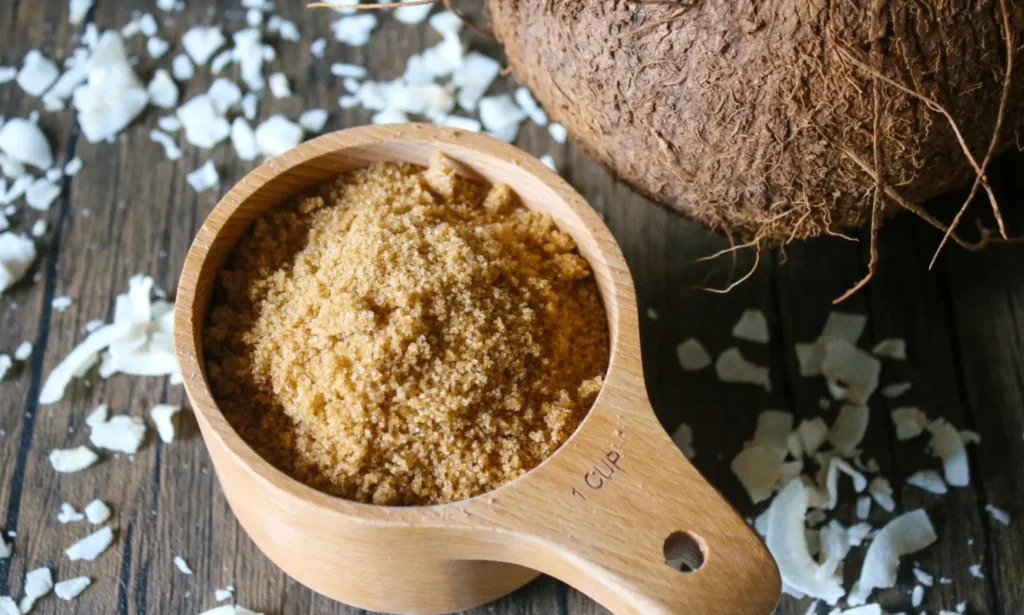
    Granulated brown sugar on coconut shell bowl

    This is the most important fact that most coconut sugar vs brown sugar articles fail to state clearly: brown sugar is not a natural sweetener.

    It is refined white sugar — which has been completely stripped of all naturally occurring compounds including minerals, fiber, and moisture — with molasses added back in a controlled proportion.

    Light brown sugar contains approximately 3.5% molasses. Dark brown sugar contains approximately 6.5% molasses.

    The molasses gives brown sugar its color, its moist texture, and a slightly richer flavor compared to white sugar — but it does not restore the nutritional complexity of the original sugarcane plant.

    Brown sugar is nutritionally almost identical to white sugar. The trace minerals present in brown sugar come from the molasses — and they are present in quantities too small to have meaningful nutritional impact.

    Why this production difference matters for health claims
    When a food label says ‘made with brown sugar,’ it means ‘made with refined white sugar plus added molasses.’ When a food label says ‘made with coconut sugar,’ it means ‘made with minimally processed coconut palm sap.’ These are not equivalently natural ingredients — and for consumers and food brands concerned with clean label formulation, this distinction is significant.

    Nutritional Comparison: Coconut Sugar vs Brown Sugar per 100g

    NutrientCoconut Sugar (per 100g)Brown Sugar (per 100g)Notes
    Calories~380 kcal~380 kcalNearly identical — both are calorie-dense sweeteners
    Total carbohydrates~95g~98gVery similar — both are primarily carbohydrate
    Sucrose~70-80%~97%Coconut sugar has more complex carbohydrate composition
    Fructose~3-9%~0.2%Coconut sugar has more free fructose from natural sap composition
    Glucose~3-9%~0.2%Similar small amounts of free glucose
    Inulin (fiber)1-3% of carbs0%Coconut sugar’s prebiotic fiber — contributes to lower GI
    Potassium~1,030 mg~133 mgCoconut sugar has ~8x more potassium
    Calcium~40 mg~85 mgBrown sugar slightly higher calcium from molasses
    Iron~2.5 mg~1.2 mgCoconut sugar ~2x higher iron
    Zinc~0.56 mg~0.03 mgCoconut sugar significantly higher zinc
    Magnesium~29 mg~9 mgCoconut sugar ~3x higher magnesium
    Glycemic Index (GI)35 (low GI)64 (medium GI)Most clinically significant difference
    Processing levelMinimal — single ingredientHighly refined + additive (molasses)Key clean label distinction
    Important context: trace minerals are present but not transformative
    Coconut sugar contains more trace minerals than brown sugar — and the difference is real. But it is important to be honest: the quantities are too small to be a meaningful nutritional source in a normal diet. You would need to consume many tablespoons of coconut sugar daily to get significant mineral intake — and at that level, the sugar itself becomes the health concern. The mineral advantage of coconut sugar over brown sugar is real, but it should not be the primary reason to choose it. The GI difference and processing difference are the more clinically meaningful distinctions.

    Glycemic Index: The Most Important Health Difference

    glycemic index coconut sugar brown sugar

    The glycemic index (GI) measures how quickly a carbohydrate-containing food raises blood glucose levels on a scale of 0-100.

    Coconut sugar has a GI of approximately 35 — firmly in the low GI range. Brown sugar has a GI of approximately 64 — in the medium GI range.

    This is the single most clinically meaningful health difference between the two sweeteners.

    For a deep dive into the science behind coconut sugar’s GI, why the value ranges between 35-54 across different studies, and what this means for food label claims, our detailed article on the glycemic index of coconut sugar covers everything you need to know.

    GI CategoryGI RangeCoconut SugarBrown SugarWhite Sugar
    Low GI0–55✅ GI ~35
    Medium GI56–69✅ GI ~64
    High GI70–100✅ GI ~65

    Why coconut sugar has a lower GI: the inulin explanation

    Coconut sugar’s lower GI is not mysterious — it is explained by its inulin content.

    Inulin is a prebiotic dietary fiber naturally present in coconut palm flower sap that survives the minimal processing of coconut sugar production.

    Inulin slows the digestion and absorption of sugars in the small intestine — meaning blood glucose rises more gradually and to a lower peak after consuming coconut sugar compared to brown or white sugar.

    Inulin content in coconut sugar typically ranges from 1-3% of total carbohydrates, depending on the specific production batch, origin, and processing temperature.

    Higher processing temperatures can degrade inulin — one reason why minimally processed, low-temperature coconut sugar from traditional Indonesian producers typically shows lower GI values than more industrially processed product.

    What lower GI means in practice

    • For people managing blood sugar: coconut sugar causes a slower, more gradual blood glucose rise — relevant for reducing post-meal blood sugar spikes.
    • For sustained energy: lower GI sweeteners are associated with more stable energy levels and reduced mid-afternoon energy crashes.
    • For people with diabetes: coconut sugar should still be consumed in moderation — it is not a ‘safe’ sweetener for people with diabetes, simply a less aggressive one. Always consult a healthcare professional for diabetes dietary management.
    • For general health: the practical difference in daily use (1-2 teaspoons in coffee, for example) is minor. The GI advantage is more meaningful when coconut sugar replaces brown sugar in significant quantities in food manufacturing.

    Health Benefits: Coconut Sugar vs Brown Sugar — An Honest Assessment

    Health Benefits of Coconut Sugar

    • Lower glycemic index (GI 35): The most evidence-backed health advantage. Slower blood sugar rise vs brown sugar (GI 64) and white sugar (GI 65). Supported by Philippine Coconut Authority research published in the Philippine Journal of Crop Science.
    • Prebiotic inulin content: Inulin acts as prebiotic fiber — feeding beneficial gut bacteria (Lactobacillus and Bifidobacterium species). At the concentrations present in coconut sugar, this is a minor but genuine benefit absent from brown sugar.
    • Trace minerals: Meaningfully higher levels of potassium, iron, zinc, and magnesium compared to brown sugar. Relevant as a contribution to total mineral intake in context of a varied diet.
    • Minimal processing / no additives: Single-ingredient product with no refining, bleaching, or chemical processing agents. For consumers concerned with food additives and processing, this is a genuine advantage.
    • Clean label compatibility: Can be declared as ‘coconut sugar’ on food labels — a single, recognizable ingredient. This is increasingly valuable for food brands positioning in natural and clean label segments.

    Health Benefits of Brown Sugar

    • Minimal molasses-derived minerals: Slightly higher calcium than coconut sugar due to molasses content — but at amounts that are nutritionally negligible in typical consumption.
    • Moisture-retaining properties in baking: Not a health benefit per se, but brown sugar’s hygroscopic properties (ability to attract and retain moisture) can produce baked goods with a softer texture — relevant for certain therapeutic or dietary-modified baking applications.
    • Traditional digestive use: Some traditional medicine systems use brown sugar (jaggery-adjacent products) in herbal preparations for mild digestive support. This is anecdotal and not supported by clinical evidence for commercially produced brown sugar.
    The honest verdict: coconut sugar wins on health, but ‘winning’ is relative
    Coconut sugar has meaningfully better health credentials than brown sugar: lower GI, more trace minerals, minimal processing, and prebiotic inulin content. These are real, not marketing claims. However, coconut sugar is still approximately 95% carbohydrate and 380 kcal per 100g — essentially the same as brown sugar. ‘Healthier’ does not mean ‘healthy in large quantities.’ The health advantages of coconut sugar are most meaningful when it replaces brown or white sugar in significant quantities — not when consuming identical small amounts.

    Baking with Coconut Sugar vs Brown Sugar: Substitution Guide

    coconut sugar and brown sugar

    For home bakers and food manufacturers, the practical baking comparison is as important as the nutritional one.

    Coconut sugar and brown sugar behave differently in baking — understanding why helps you substitute successfully.

    Baking FactorBrown SugarCoconut SugarPractical Implication
    GI / sweetness levelHigher GI — sharper sweetnessLower GI — gentler sweetnessCoconut sugar cookies and cakes taste slightly less sweet — adjust quantity if needed
    Moisture retentionHigh — molasses is hygroscopicLower — less hygroscopicCoconut sugar baked goods may be slightly drier — add 1-2 tsp extra liquid if texture seems dry
    Caramelization~160°C standardSlightly lower due to fructoseCoconut sugar edges brown faster — reduce oven temp by 5-10°C or watch carefully
    Maillard reactionModerateMore pronouncedDeeper, more complex flavor development in coconut sugar baked goods
    Color of finished productMedium golden-brownDarker golden-brown to dark brownProducts made with coconut sugar will be visibly darker — factor into product appearance
    Crystal sizeFine — dissolves quicklySlightly coarserCoconut sugar may require longer creaming time — 3-4 minutes vs 2 for brown sugar
    Flavor contributionMild toffee / molassesRich caramel / butterscotchCoconut sugar adds more flavor complexity — desirable in most applications

    Substitution ratio: how to replace brown sugar with coconut sugar

    Coconut sugar can replace brown sugar at a 1:1 ratio by volume or weight in most recipes. This works well for:

    • Cookies — the most successful application (see our coconut sugar cookie recipe for a tested formula with specific tips for the best chewy texture)
    • Cakes and muffins — slight color darkening is expected but acceptable
    • Granola and cereal bars — excellent match, caramel notes enhance
    • Coffee and tea — direct 1:1 substitution, flavor upgrade
    • Savory glazes and marinades — deeper caramel note is an advantage

    Recipes that need adjustment when substituting:

    • Light-colored cakes (vanilla, white cake) — the darker color from coconut sugar may not be visually acceptable
    • Recipes requiring very precise moisture balance — add 1 tsp extra liquid per cup of coconut sugar to compensate for lower hygroscopicity
    • Frostings and icings — coarser crystals may not dissolve fully in cold applications; use fine-grind coconut sugar or powder first

    For Food Manufacturers: What the Coconut Sugar vs Brown Sugar Difference Means for Your Products

    coconut sugar vs brown sugar

    For food manufacturers and R&D professionals, the coconut sugar vs brown sugar comparison has implications beyond consumer health — it affects label claims, product positioning, and formulation decisions.

    Our technical article on coconut sugar vs cane sugar for food manufacturing covers the full technical comparison including Maillard reaction behavior, hygroscopicity, and substitution ratios by product category.

    For a breakdown of the specific food applications where coconut sugar delivers the strongest commercial and technical results, see our article on applications of coconut sugar in the food industry.

    Commercial ConsiderationBrown SugarCoconut Sugar
    Label declaration‘Brown sugar’ or ‘cane sugar’ — consumers increasingly aware it is refined‘Coconut sugar’ — single recognizable ingredient, natural positioning
    ‘Natural’ claimCannot be claimed — it is refined white sugar with added molassesCan be legitimately claimed — minimally processed, no additives
    ‘Refined sugar-free’ claimDoes not qualify — brown sugar is refinedQualifies — coconut sugar is unrefined
    ‘Low GI’ product positioningDoes not support low GI claims (GI 64)Supports low GI ingredient positioning (GI 35) — verify at finished product level
    Clean label compatibilityIncreasingly scrutinized by clean label consumersClean label compatible — natural, single ingredient, recognizable
    Price premiumCommodity ingredient — low costPremium ingredient — 2-4x cost of brown sugar — must be captured in retail pricing
    Target product categoryConventional baked goods, confectionery, saucesPremium, health-positioned, organic, clean label, natural food segments

    Sustainability: Coconut Sugar vs Brown Sugar Environmental Footprint

    Sustainability is an increasingly important purchase criterion — particularly for EU and US food brands that must satisfy retailer sustainability requirements.

    Our article on why buyers choose certified organic coconut sugar covers the organic certification framework that validates sustainable coconut sugar production.

    Environmental FactorBrown Sugar (Sugarcane)Coconut Sugar
    Water usageVery high — sugarcane is one of the most water-intensive crops globallyLow — coconut palms require relatively little water, primarily rain-fed in Indonesia
    Land useMonoculture — large-scale sugarcane plantations displace biodiversityLow-intensity — coconut palms grow in biodiverse agroforestry systems
    Soil impactHeavy pesticide and fertilizer use; soil degradation common in intensive cultivationMinimal inputs in traditional Indonesian production — organic farming compatible
    Carbon footprintHigh — industrial refining requires significant energy inputLow — minimal processing, no industrial refining
    Farmer livelihoodLarge commercial operations; smallholder access limitedPrimarily smallholder farmer production in Indonesia — supports rural livelihoods
    Biodiversity impactNegative — monoculture displacement of native ecosystemsPositive — coconut palms can coexist with diverse crop and natural ecosystem

    The sustainability advantage of coconut sugar over brown sugar is genuine and significant — not just marketing language.

    Traditional Indonesian coconut sugar production by smallholder farmers in Central Java is a model of low-input, biodiverse, farmer-supportive agriculture that is the opposite of industrial sugarcane refining.

    What About Coconut Nectar? The Liquid Alternative to Both

    If you are evaluating natural sweetener alternatives and comparing coconut sugar to brown sugar, it is worth also considering coconut nectar syrup — the liquid form of coconut sweetener made from the same coconut palm flower sap.

    Coconut nectar has a similar GI to coconut sugar (approximately 35), the same clean-label and natural credentials, but is better suited to liquid applications like beverages, sauces, and dressings where a granulated sweetener would need to be dissolved.

    For a detailed comparison of coconut nectar against honey, maple syrup, and agave nectar — including GI, caloric content, and applications — see our article on coconut nectar syrup vs other natural sweeteners.

    For food manufacturers: source coconut sugar directly from certified Indonesian producers
    Global Coco Sugar is a BRCGS Food Safety Grade A certified manufacturer of organic and conventional coconut sugar from Indonesia. If you are a food brand evaluating coconut sugar as a brown sugar replacement in your formulation, we provide 2-5 kg samples with full COA from ISO 17025-accredited laboratory for R&D evaluation.
    Request a Sample for R&D Evaluation >>>
    View Our Coconut Sugar Product Range >>>

    The Verdict: When to Choose Coconut Sugar, When to Choose Brown Sugar

    Choose Coconut Sugar when…Choose Brown Sugar when…
    You want a genuinely natural, unrefined sweetener with clean label credentialsCost is the primary consideration — brown sugar is significantly cheaper per kg
    You are managing blood sugar and want a lower GI sweetenerYou need maximum moisture retention in baked goods (chewy cookies, dense brownies)
    You are formulating a ‘refined sugar-free’, ‘natural’, or ‘clean label’ food productPrecise light coloring is required — vanilla cakes, white frostings, pale confectionery
    You value the deeper caramel flavor in your baking or beverageThe molasses flavor specifically is desired in the recipe
    Sustainability and smallholder farmer support matter to your purchasingYou are using sugar in large quantities where the price premium is not commercially viable
    Source certified coconut sugar from the world’s leading producing country
    Global Coco Sugar supplies BRCGS certified organic coconut sugar from Central Java, Indonesia — available in granulated and fine powder formats for food manufacturers, health food brands, and bulk buyers. For wholesale pricing and sourcing information, see our guide on where to buy coconut sugar in bulk from Indonesia.
    Contact Our Export Team >>>
  • The Glycemic Index of Coconut Sugar: What Buyers and Food Manufacturers Need to Know (2026)

    The Glycemic Index of Coconut Sugar: What Buyers and Food Manufacturers Need to Know (2026)

    The glycemic index of coconut sugar is one of the most cited — and most misunderstood — facts about this sweetener. You will find claims ranging from GI 35 to GI 54 across different sources, with varying levels of scientific backing.

    For health-conscious consumers, the difference may seem minor.

    For food manufacturers making label claims, importers conducting due diligence, or buyers evaluating suppliers, the nuances matter considerably.

    This article covers everything you need to know about the glycemic index of coconut sugar — what GI is, what coconut sugar’s GI actually is and why it varies, how GI differs between organic and conventional product, and what the GI data means if you are a food manufacturer evaluating coconut sugar as an ingredient.

    For an overview of coconut sugar as a product — its origin, forms, and why it is increasingly preferred by global buyers — see our article on what is coconut sugar and why global buyers prefer it.

    For information about sourcing our bulk coconut sugar from Indonesia with verified specifications including GI data per batch, see our product range.

    What Is the Glycemic Index — A Brief Primer

    glycemic index

    The glycemic index is a numerical scale (0-100) that measures how quickly a carbohydrate-containing food raises blood glucose levels relative to pure glucose (GI = 100). Foods are classified as low GI (55 or below), medium GI (56-69), or high GI (70 and above).

    For a more detailed explanation of how GI is measured and why it matters for everyday nutrition decisions, see our dedicated article on what the glycemic index is and why it matters.

    GI CategoryGI RangeExamplesBlood Sugar Response
    Low GI55 or belowCoconut sugar (35-54), lentils (32), oats (55)Slow, gradual rise — sustained energy
    Medium GI56 – 69Brown rice (64), raisins (64), pita bread (68)Moderate rise — some fluctuation
    High GI70 and aboveWhite bread (75), white rice (73), glucose (100)Rapid spike — followed by drop

    What Is the Glycemic Index of Coconut Sugar?

    glycemic index of coconut sugar

    The most frequently cited GI value for coconut sugar is 35, based on a study conducted by the Philippine Coconut Authority (PCA) published in the Philippine Journal of Crop Science.

    This places coconut sugar firmly in the low-GI category — lower than white sugar (GI 60-65), brown sugar (GI ~64), honey (GI 58-85), and maple syrup (GI ~54).

    However, GI values for coconut sugar reported across different studies range from 35 to 54. This variability is not an error — it reflects genuine differences in the product being tested. Understanding why this variation exists is critical for making accurate claims.

    Why GI Values for Coconut Sugar Vary Between 35 and 54

    • Sucrose-to-fructose-to-glucose ratio: Coconut sugar is approximately 70-80% sucrose, with remaining fructose, glucose, and inulin. Variations in this ratio between batches and origins directly affect GI.
    • Inulin content: Inulin is a prebiotic dietary fiber that slows glucose absorption in the digestive tract — reducing GI. Inulin content in coconut sugar varies by growing region, season, and processing method, typically ranging from 1% to 3% of total carbohydrates.
    • Processing method and temperature: Higher processing temperatures and longer evaporation times can reduce inulin content, which raises the effective GI of the final product. Minimally processed, low-temperature coconut sugar retains more inulin.
    • Moisture content: Higher moisture content can affect the concentration of GI-active carbohydrates per gram. Standard specification (max 3% moisture) ensures consistency.
    • GI testing protocol: GI values are human-subject measurements with inherent variability. Different study populations, testing protocols, and reference standards can yield different results for the same product.
    For label claims regarding the glycemic index of coconut sugar: which value should you use?
    If you are making a ‘low GI’ label claim on a product containing coconut sugar, work with an accredited laboratory to test your finished product formulation — not the raw ingredient. The GI of a finished food product is affected by all other ingredients, processing, and the food matrix. A GI claim on a finished product should be based on testing of that specific formulation, not just the GI of the coconut sugar ingredient alone. At Global Coco Sugar, we provide Certificate of Analysis (COA) per batch that includes carbohydrate composition data as a foundation for your laboratory formulation testing.

    Coconut Sugar GI Compared to Common Sweeteners

    coconut sugar GI compared to common sweeteners

    Here is how coconut sugar positions against the most commonly used sweeteners in food manufacturing and consumer use:

    SweetenerGlycemic Index (approximate)GI CategoryNotes
    Coconut sugar35 – 54Low to MediumVaries by origin, processing, inulin content
    Coconut nectar syrup35LowLiquid form — similar GI profile to granulated
    Agave nectar15 – 30LowHigh fructose content — lower GI but metabolic concerns
    Honey58 – 85Medium to HighWide range depending on type and floral source
    Maple syrup~54Low to MediumPrimarily sucrose with some minerals
    White sugar (sucrose)60 – 65MediumPure sucrose — standard reference for comparison
    Brown sugar~64MediumWhite sugar + molasses — minimal nutritional difference
    Palm sugar35 – 41LowSimilar profile to coconut sugar — origin-dependent
    High fructose corn syrup58 – 73Medium to HighWidely used in processed food — rising consumer scrutiny
    Stevia (pure extract)0NoneNon-caloric — different functional profile

    For a detailed comparison of coconut nectar specifically — including GI, caloric profile, and mineral content relative to honey, maple syrup, and agave — see our article on coconut nectar syrup vs other sweeteners.

    Why GI Varies by Production Method — A Supplier Perspective

    This is an aspect of coconut sugar GI that very few articles address — and it is directly relevant to buyers who are sourcing for a specific GI claim.

    The GI of coconut sugar is not fixed by the plant source alone: it is significantly influenced by how the sugar is processed.

    Understanding how coconut sugar is produced in Indonesia — from sap tapping to evaporation to granulation — explains why production method matters for GI consistency.

    Production VariableEffect on GIPractical Implication for Buyers
    Low-temperature evaporation (traditional)Preserves inulin → lower GI (closer to 35)Seek suppliers using traditional open-pan or controlled low-heat processing
    High-temperature industrial processingDegrades inulin → higher GI (closer to 54)Ask for inulin content data in COA if GI is critical to your label claim
    Organic certified productionGenerally preserves more inulin — no chemical aidsOrganic certification correlates with more careful processing practices
    Fine powder vs granulatedPowder may have slightly higher GI — faster dissolutionIf GI is a key claim, specify granulated and request batch GI data
    Moisture content (max 3% specification)Consistent moisture = consistent carbohydrate concentration = consistent GIAlways request COA with moisture data — inconsistent moisture signals inconsistent quality

    Glycemic Index of Coconut Sugar: What Food Manufacturers Need to Know

    glycemic index of coconut sugar

    If you are a food manufacturer or R&D professional evaluating coconut sugar as an ingredient, the GI discussion has different implications than it does for individual consumers. Here is what specifically applies to your context:

    1. GI as a Sourcing Criterion

    If your product formulation requires coconut sugar with a specific GI profile — for example, to support a ‘low GI’ claim on your finished product — you need to specify this in your supplier requirements.

    Ask for: inulin content data in the COA (typically expressed as % of total carbohydrates), production method documentation, and ideally GI testing on a reference batch from the specific supplier’s production.

    2. GI Interaction with Other Ingredients

    When coconut sugar is used as an ingredient in a manufactured food product, the GI of the finished product is influenced by all other ingredients — particularly fat, protein, and fiber content, which slow glucose absorption.

    Our article on coconut sugar vs cane sugar for food manufacturing covers the full technical comparison including how coconut sugar behaves under heat (Maillard reaction), moisture dynamics, and substitution ratios by application type — which is directly relevant to formulation decisions that also affect the GI of your finished product.

    3. GI and Food Label Claims

    In the EU, ‘low glycemic’ claims on food products are regulated under Regulation (EC) No 1924/2006.

    A ‘low GI’ claim requires the food to have a GI of 55 or less and must be based on the GI of the finished product as tested under ISO 26642:2010.

    Simply using coconut sugar as an ingredient does not automatically qualify a product for a low GI claim. The claim must be substantiated by testing of the complete formulation by an accredited laboratory.

    In the USA, ‘low glycemic’ is not an FDA-approved nutrient content claim — it is used as a voluntary marketing statement and should be supported by testing data to avoid potential regulatory scrutiny.

    4. Applications Where Coconut Sugar’s Low GI Is Most Relevant

    Coconut sugar’s low GI positioning is most commercially powerful in product categories where ‘natural’, ‘clean label’, and ‘better-for-you’ positioning commands premium retail pricing.

    For a full breakdown of the food manufacturing applications where coconut sugar delivers the strongest commercial and technical results — and where cane sugar may still be the better choice — see our article on applications of coconut sugar in the food industry.

    Sourcing coconut sugar with consistent GI profile for your formulation?
    Global Coco Sugar provides Certificate of Analysis (COA) per batch from an ISO 17025-accredited laboratory, including carbohydrate composition data. We can discuss specific production method requirements — low-temperature processing, organic certification, inulin content targets — for buyers who need GI consistency for label claim support.
    Request a Sample with Full COA >>>
    View Our Coconut Sugar Product Range >>>

    The Health Context: What the glycemic index of coconut sugar actually means in practice

    GI coconut sugar

    For consumers evaluating coconut sugar as part of a health-conscious diet, it is important to understand what the GI number does — and does not — mean in practice.

    What the Low GI of Coconut Sugar Means

    • Coconut sugar causes a slower, more gradual rise in blood glucose compared to white sugar (GI 60-65) or honey (GI 58-85) when consumed in the same quantity.
    • The lower GI is primarily due to inulin content — a prebiotic fiber that slows glucose absorption in the small intestine.
    • For most people, choosing a lower-GI sweetener can contribute to more stable energy levels and reduced post-meal blood sugar peaks.

    What the Low GI of Coconut Sugar Does Not Mean

    Coconut sugar is still approximately 70-80% sucrose. When consumed, sucrose breaks down into glucose and fructose — both of which raise blood sugar levels. The low GI reflects the speed of this rise, not its absence.

    For people with diabetes or insulin resistance, coconut sugar should still be used in moderation and in consultation with a healthcare professional.

    For a more detailed discussion of coconut sugar in the context of diabetes management, see our article on whether coconut sugar is suitable for diabetics.

    • Coconut sugar is not calorie-free or low-calorie — it has approximately the same caloric density as white sugar (~380 kcal per 100g).
    • The trace minerals in coconut sugar (potassium, zinc, iron, calcium) are present in very small amounts — meaningful as part of a varied diet, not as a primary nutritional source.
    • ‘Low GI’ does not automatically mean ‘diabetic safe’ — always advise consultation with a healthcare professional for individuals managing blood glucose conditions.

    Conclusion: GI as One Factor in a Complete Coconut Sugar Evaluation

    The glycemic index of coconut sugar — at 35 to 54 depending on the source and testing protocol — places it comfortably in the low to low-medium GI range, making it a genuinely preferable choice compared to refined white sugar, honey, and most other common sweeteners from a blood glucose management perspective.

    For consumers, this means coconut sugar causes a slower, more gradual blood sugar rise — a meaningful benefit when choosing between sweetener options, though not a reason to consume it without moderation.

    For food manufacturers and buyers, GI is one data point in a larger evaluation that includes carbohydrate composition, inulin content, processing method, certification status, batch consistency, and label claim compliance.

    The most reliable approach is batch-specific COA data from an ISO 17025-accredited laboratory, combined with finished product GI testing if making a label claim.

    Source Coconut Sugar with Consistent GI Profile from a Certified Supplier
    Global Coco Sugar is a BRCGS Food Safety Grade A certified exporter of organic and conventional coconut sugar from Indonesia. We provide batch-specific COA from ISO 17025-accredited laboratories including carbohydrate composition data. Available in granulated and fine powder forms, 25kg sacks or custom packaging for food manufacturing and private label applications.
    Contact Our Export Team >>>
    View Our Coconut Sugar Specifications >>>
  • How to Import Coconut Sugar from Indonesia: A Complete Step-by-Step Guide (2026)

    How to Import Coconut Sugar from Indonesia: A Complete Step-by-Step Guide (2026)

    Indonesia is the world’s largest producer of coconut sugar, accounting for more than 50% of global export volume.

    For importers in Europe, the United States, Australia, the Middle East, and Japan, sourcing directly from Indonesia offers significant advantages: lower cost per metric ton, access to certified organic products, and direct traceability from farm to shipment.

    But for buyers who are new to sourcing from Southeast Asia, the process can seem complex. What documents do you need? Which HS code applies? What certifications should your supplier hold?

    If you are wondering how to import coconut sugar from Indonesia, this guide answers all of those questions in a single, practical reference. Whether you are importing for the first time or switching from a broker to a direct supplier, this guide covers the full process.

    Before diving in, if you are not yet familiar with the product range, take a moment to browse the coconut products we export, including granulated coconut sugar, coconut sugar powder, coconut nectar syrup, desiccated coconut, and virgin coconut oil.

    Why Import Coconut Sugar Directly from Indonesia?

    coconut sugar indonesia

    Indonesia’s dominance in coconut sugar production is not a coincidence.

    The country has ideal agroclimatic conditions, year-round tropical heat, high humidity, and a deeply established smallholder farming tradition.

    Understanding how coconut sugar is produced helps explain why Indonesian products consistently meet international food safety standards: production is artisanal yet scalable, and the country’s export infrastructure for certified organic ingredients is among the most developed in Asia.

    Why IndonesiaDetails
    Largest producer globally50%+ of world coconut sugar exports originate from Indonesia
    Widest certification coverageBRCGS, USDA Organic, EU Organic, FSSC 22000, Halal, Kosher available from certified exporters
    Competitive pricingLower cost base vs. Philippines and Sri Lanka for equivalent certified product
    Volume scalabilityFull container (FCL) orders of 14-20 MT routinely fulfilled; multi-container annual contracts common
    Direct traceabilityFarm-to-factory traceability increasingly available from ISO/BRCGS-certified suppliers
    Government supportIndonesian Ministry of Trade actively supports coconut export through trade missions and facility upgrades

    The 6-Step Import Process: From First Contact to Customs Clearance

    Here is a practical walkthrough of the full import process, covering every stage from initial product research to receiving your first shipment.

    Step 1: Understand the Product and Define Your Specifications

    Desiccated coconut flakes and whole coconuts

    Start by clearly defining what you are sourcing. Coconut sugar is not a single, uniform product. It comes in multiple grades and forms that have different technical properties and applications.

    If you are not yet fully familiar with the product, our article on what is coconut sugar and why global buyers prefer it provides a solid foundation.

    FormDescriptionTypical Application
    Granulated (standard)Crystalline, mesh 12-15 or 12-50, brown to amberBakery, granola, table sugar replacement
    Fine powderMilled granulated, 100-200 meshFood formulation, beverages, supplements
    Coconut nectar syrupLiquid form, Brix 70-75Sauces, beverages, sweetener syrup
    Organic certifiedUSDA / EU Organic — higher price, full certification chainNatural / health food brands
    ConventionalNon-organic — competitive pricing, volume ordersFood manufacturing, private label

    Key specifications to define before contacting suppliers: moisture content (max 3%), color grade, particle size (mesh), organic or conventional, packaging format (25kg paper sack, 20kg carton, or custom), and annual volume estimate. Having these ready will dramatically speed up the supplier quotation process.

    Step 2: Identify the Correct HS Code for Your Country

    Getting the HS code right is essential. It determines your import duty rate, whether import licenses are required, and which regulatory standards apply to your shipment.

    ClassificationDetails
    HS Code (International)1702.90 — Other sugars (coconut sugar is classified here as it is not sucrose-dominant cane or beet sugar)
    Full descriptionChapter 17: Sugars and sugar confectionery / Heading 1702: Other sugars in solid form
    NoteSome countries use sub-classifications at the 8 or 10-digit level. Verify with your customs broker for your specific import market.
    EU import dutyCheck the EU TARIC database — duty rates for 1702.90 vary by whether organic certification applies
    US import dutyVerify with US CBP Schedule B — organic-certified Indonesian coconut sugar may qualify for preferential treatment under GSP (verify current GSP status)
    Australia / NZHS 1702.90 applies — DFAT’s FTA Tariff Finder can confirm duty rates under ASEAN-Australia-NZ FTA

    Before submitting customs documentation, confirm the HS code with your freight forwarder or customs broker in the destination country — they will have the most current duty rates and import requirement list.

    When you are ready to evaluate product specifications, you can view product specifications on our product page to prepare your inquiry.

    Step 3: Prepare and Request the Required Import Documents

    This is where many first-time importers get delayed. Having a complete documentation checklist prepared in advance — and confirming that your supplier can provide each document before you commit — prevents clearance problems at the destination port.

    DocumentWho Issues ItPurposeNotes
    Commercial InvoiceExporter (supplier)Declares value, quantity, buyer/seller detailsMust match Bill of Lading exactly
    Packing ListExporterDetails weight, dimensions, number of packagesRequired by customs in all markets
    Bill of Lading (B/L)Shipping lineProof of shipment and contract of carriageOriginal B/L required to collect cargo at destination
    Certificate of Origin (CoO)Indonesian Chamber of Commerce (KADIN) or Ministry of TradeProves Indonesian origin for duty preference eligibilityForm D (for ASEAN FTA), Form A (for GSP), or general CoO
    Phytosanitary CertificateIndonesian Ministry of Agriculture (BARANTAN)Certifies product is free of pests and plant diseasesRequired by EU, USA, Australia, and most markets
    Certificate of Analysis (COA)Accredited lab (or supplier’s in-house lab, third-party verified)Confirms moisture, sucrose content, microbiological standardsEU buyers often require ISO 17025-accredited lab; request per-lot COA
    Health CertificateIndonesian Health Ministry or BPOMConfirms product is safe and compliant for human consumptionRequired by Middle East, some Asian markets; check destination requirements
    Organic Transaction Certificate (TC)Certifying body (e.g., Control Union, LSPP, IMO)Validates organic claim for each specific shipmentREQUIRED if making organic claims on label — must match lot number
    BRCGS / FSSC 22000 CertificateCertifying body (e.g., SGS, Bureau Veritas)Supplier’s food safety management system certificationRequired by EU retail chains (Tesco, Carrefour, Aldi); GFSI-recognized
    FDA Facility Registration NumberUS FDA (registered by exporter)Mandatory for all food exporters shipping to the United StatesVerify supplier’s registration is active — renewal required biennially

    Important: Prior Notice Requirement for USA

    All food shipments entering the United States must have Prior Notice submitted to FDA before arrival, minimum 2 hours before arrival by road, 4 hours by air, 8 hours by sea. This is the importer’s responsibility. Work with a licensed US Customs Broker to ensure this is filed on time for each shipment.

    Step 4: Verify Supplier Certifications and Food Safety Standards

    supplier certifications

    This step is where many importers, especially those working with brokers rather than direct suppliers, encounter problems.

    Not all coconut sugar exporters from Indonesia hold the same certifications, and a supplier’s claim of being ‘organic certified’ must be verified against an actual, current certification document.

    Always verify certifications and quality documentation directly with the supplier before placing any order.

    Minimum Certifications to Require from Any Coconut Sugar Supplier (EU/US market)

    • BRCGS Food Safety Grade A or AA: or FSSC 22000 / SQF. These are GFSI-recognized and required by most European retail chains and major US food companies.
    • HACCP certification: baseline food safety requirement; should be a given for any serious exporter.
    • USDA Organic + EU Organic certification (if ordering organic): verify both certificate number and expiry date. Request the current valid certificate, not just a photo.
    • Organic Transaction Certificate (TC) per lot: issued per shipment; verifies the specific batch you are receiving is certified organic.
    • Halal MUI and/or Kosher: required for Middle East markets and certain US/EU specialty retail segments.
    • ISO 22000: additional food safety management standard; valued by pharmaceutical-grade food buyers.

    For buyers targeting ESG-conscious retail channels, sustainability practices of the supplier are increasingly scrutinized.

    Our article on the sustainability of coconut sugar provides context on farming practices and carbon footprint considerations that European and North American buyers frequently request during vendor qualification.

    Step 5: Understand Destination Market Labeling Requirements

    Labeling requirements for imported coconut sugar vary significantly by market. Getting this wrong at the packaging stage means costly relabeling or rejection at customs.

    Below is a market-by-market summary of the most important labeling points.

    MarketKey Labeling Requirements
    European UnionLanguage: Must include labeling in official language(s) of destination EU member state. Organic: Must carry EU organic logo + certifying body + certificate number. Net weight in metric units. Country of origin: ‘Product of Indonesia’ required. Allergen declaration: N/A for plain coconut sugar, but verify if packed with shared equipment.
    United StatesFDA nutrition facts panel required (serving size, calories, total sugars, added sugars per FDA guidelines updated 2024). Country of origin statement. Organic: USDA organic seal if certified. Weight in dual units (oz and g). Ingredient list: ‘Organic coconut palm sugar’ or ‘Coconut sugar’. Importer name and address required on label.
    Australia / NZFSANZ Food Standards Code compliance. Nutrition information panel in FSANZ format (per 100g and per serve). Country of origin: Australian mandatory food origin labeling (MFOL) requires specific statements for imports. Organic: ACO or equivalent Australian organic certifier recognized.
    Middle East / Gulf (GCC)Halal certification from accredited body (ESMA recognized). Arabic language labeling required. Expiry date in Hijri or Gregorian calendar (both preferred). SFDA (Saudi) or MOIAT (UAE) registration may be required depending on product category.
    JapanJAS Organic certification required for organic claims (confirm supplier holds JAS). Japanese language labeling required if consumer-facing. Net weight in grams. Importer’s name and address required. Country of origin in Japanese required.

    For bulk B2B buyers (food manufacturers, private label brands) who will be repackaging or relabeling the product themselves, confirm with your supplier that they can ship with your custom packaging or in bulk packaging for your own filling line.

    Global Coco Sugar offers custom packaging and contract manufacturing for food supplements, including private-label coconut sugar products.

    Step 6: Select the Right Supplier and Structure Your First Order

    Choosing the right supplier is the single most important decision in the import process.

    For a detailed guide on evaluating and comparing Indonesian coconut sugar exporters, see our article on finding a bulk coconut sugar supplier in Indonesia, which covers red flags, green flags, and questions to ask every potential vendor.

    Supplier Evaluation Checklist: 10 Questions to Ask Before Placing Your First Order

    1. Can you provide a current BRCGS or FSSC 22000 certificate (with grade and expiry date)?
    2. Do you hold current USDA Organic and EU Organic certifications? Can you provide the certifying body name and certificate number?
    3. What is your minimum order quantity (MOQ) for first orders? What is the pricing structure for container quantities?
    4. Can you provide a Certificate of Analysis from an ISO 17025-accredited laboratory for the specific lot I will receive?
    5. What is your lead time from purchase order to container loading at the port?
    6. What Incoterms do you offer? (FOB Tanjung Priok / Semarang / Surabaya is most common, confirm port and Incoterm)
    7. Can you provide references from existing buyers in my target market (EU / USA / Australia)?
    8. Do you offer samples before commitment to a full container order?
    9. What is your process for handling quality disputes or out-of-spec shipments?
    10. Are you registered with the US FDA? What is your FDA facility registration number?

    At Global Coco Sugar, we supply organic and conventional coconut sugar, desiccated coconut, coconut nectar syrup, and virgin coconut oil to buyers in 30+ countries.

    We hold BRCGS Food Safety certification (Grade A), USDA Organic, EU Organic, HACCP, Halal MUI, Kosher, and JAS certification. Contact our export team to request a quotation, product specifications, or a sample shipment.

    Shipping Terms, Incoterms, and Logistics Overview

    shipping terms, incoterms, and logistics overview

    Once you have selected your supplier and confirmed your order, the next step is agreeing on shipping terms. Here is what to know:

    IncotermMeaningWho Handles Freight & InsuranceBest For
    FOB (Free on Board)Supplier delivers to named Indonesian port; buyer handles freight from thereBuyer (from Indonesian port)Experienced importers with own freight forwarder relationships
    CIF (Cost Insurance Freight)Supplier arranges and pays freight + insurance to destination port; buyer handles customs clearanceSupplier (to destination port)New importers; simplifies logistics but less cost control
    EXW (Ex Works)Buyer collects from supplier’s factoryBuyer (everything from factory gate)Rare for Indonesia — not recommended for new buyers
    DDP (Delivered Duty Paid)Supplier handles all logistics including destination customs — buyer receives at doorSupplier (full chain)Highest convenience; premium price; check if supplier offers this
    Container TypeApprox. Net Capacity (coconut sugar)Typical Use
    20ft FCL (Full Container Load)14–16 MT net (25kg sacks with pallets)Standard first orders; most common
    40ft FCL28–32 MT netHigh-volume repeat orders
    LCL (Less than Container Load)1–5 MT — consolidated with other shipmentsFirst samples or small trial orders — higher per-unit freight cost

    Most Indonesian coconut sugar is exported through three main ports: Tanjung Priok (Jakarta), Tanjung Emas (Semarang, Central Java — closest to coconut sugar production areas), and Tanjung Perak (Surabaya, East Java). Transit times to Europe are typically 25–35 days; to the US West Coast, 20–28 days; to the US East Coast, 30–40 days; to Australia, 10–16 days.

    5 Common Mistakes First-Time Importers Make and How to Avoid Them

    • Not verifying certifications before ordering. A supplier’s claim of ‘organic certified’ is meaningless without the actual current certificate. Always request the document with certifying body name, certificate number, and expiry date. Then verify it independently on the certifying body’s website.
    • Skipping the sample stage. Always request a 2–5 kg sample before committing to a container order. Test moisture content, color, flavor, and particle size against your specifications. Reputable suppliers will provide samples at no charge or at cost.
    • Underestimating documentation lead time. Some documents (phytosanitary certificates, organic TCs) must be issued close to the shipment date. Plan for 1–2 weeks of documentation preparation after the goods are ready. Build this into your delivery schedule.
    • Using the wrong Incoterm for your risk profile. New importers often underestimate the complexity of FOB. You become responsible for freight and insurance from the Indonesian port. If you are importing for the first time, CIF gives you more certainty on total landed cost.
    • Not accounting for import duties in your cost calculation. Calculate total landed cost before committing: FOB price + ocean freight + insurance + import duty (HS 1702.90 rates vary by market) + customs brokerage fee + inland freight to your warehouse. A 5–10% duty can significantly affect your margin calculation.
    Ready to Start Your First Import Order?

    Global Coco Sugar is a BRCGS-certified Indonesian exporter of organic and conventional coconut sugar. We handle full documentation support — COA, phytosanitary certificate, organic TC, and Certificate of Origin — for every shipment.

    Request a Bulk Quote or Free Sample Here >>>
    Browse Our Full Product Range >>>

    Frequently Asked Questions

    What is the HS code for coconut sugar?

    Coconut sugar is commonly classified under HS Code 1702.90 (Other sugars in solid form). The exact code may vary by destination country, so importers should verify the classification with local customs authorities or a customs broker.

    What is the minimum order quantity (MOQ) for direct import from Indonesia?

    The minimum order quantity typically starts at 1 metric ton (MT). However, full container load (FCL) orders usually provide the most competitive pricing and freight efficiency.

    Is USDA Organic certification available for coconut sugar from Indonesia?

    Yes. Many Indonesian coconut sugar exporters hold USDA Organic certification. Buyers should verify that the certification is valid, current, and covers the specific product being purchased.

    Do I need an import license to import coconut sugar into the EU or USA?

    In most cases, no special import license is required beyond standard food importer registration and customs documentation. Importers should always confirm current requirements with local authorities or a licensed customs broker.

    How do I evaluate whether a coconut sugar supplier from Indonesia is legitimate?

    Review the supplier’s certifications, export experience, and product documentation. It is also advisable to request samples, verify certifications independently, and conduct supplier due diligence before placing large orders.

    Can coconut sugar replace cane sugar in my food manufacturing process?

    In many applications, yes. Coconut sugar can often replace cane sugar with minor formulation adjustments to account for differences in sweetness, browning behavior, and moisture absorption.
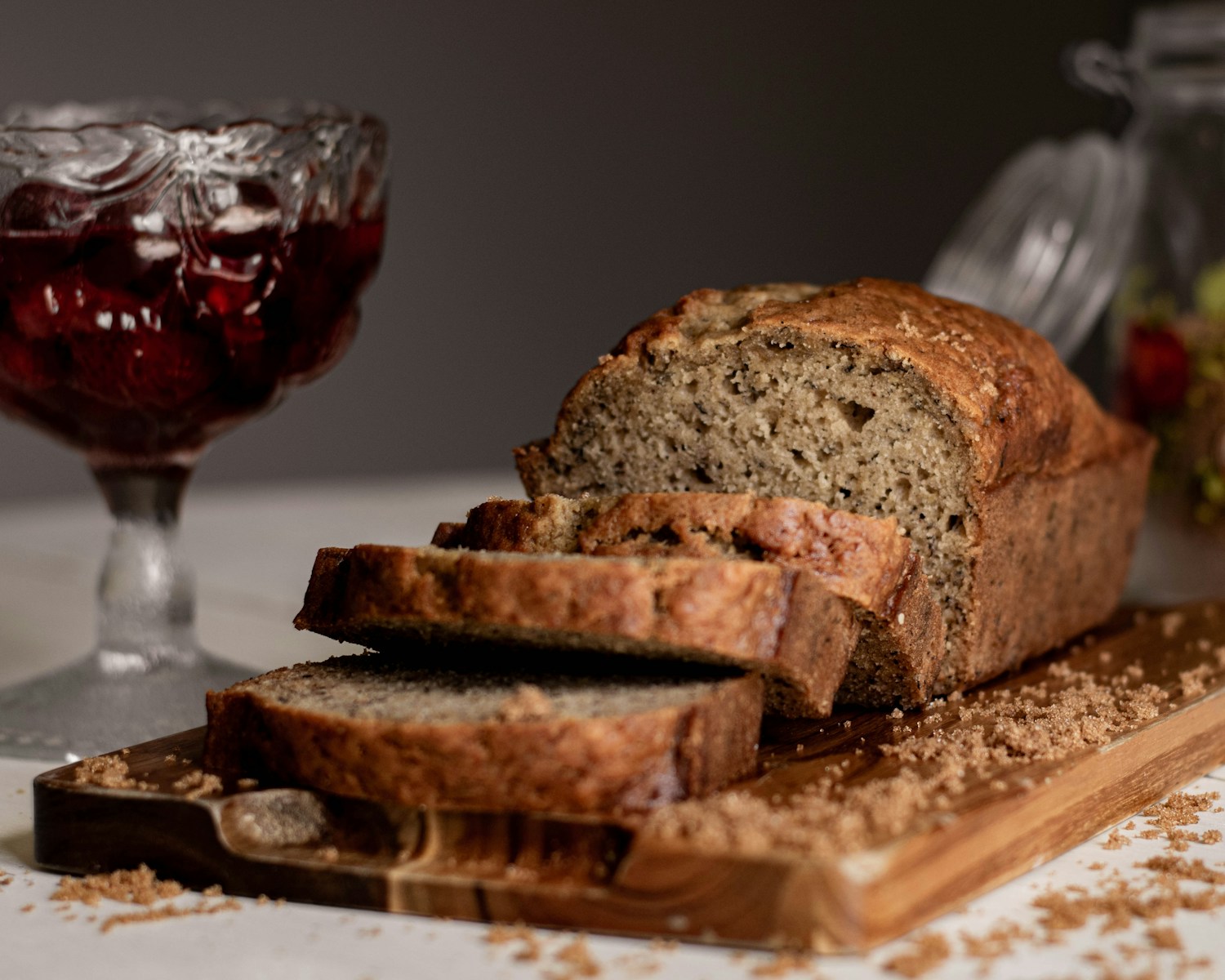
    What are the most important applications for imported coconut sugar?

    Coconut sugar is widely used in bakery products, beverages, confectionery, snack bars, sauces, dairy alternatives, and functional foods. Its natural positioning and caramel flavor make it popular across multiple food categories.

    Conclusion: How to Import Coconut Sugar from Indonesia Successfully

    Understanding how to import coconut sugar from Indonesia is a straightforward process when you know what to prepare. The key success factors are: working with a supplier who holds current, verifiable certifications; having your documentation checklist ready before shipment; using the correct HS code and Incoterms for your market; and building in sufficient lead time for documentation preparation.

    The global coconut sugar market is growing and importers who establish direct supplier relationships in Indonesia now are positioning themselves ahead of competitors still relying on brokers or aggregators. Direct sourcing means better price transparency, tighter quality control, and the ability to make organic or sustainability claims with full traceability.

    Start Importing Coconut Sugar from Global Coco Sugar

    global coco sugar exporting coconut sugar to russia as healthy sugar substitute

    We are a BRCGS Food Safety certified (Grade A), USDA Organic, EU Organic, Halal MUI, Kosher, and JAS certified exporter of Indonesian coconut products. We support buyers through the full process from sample request to documentation to shipment with a dedicated export team available for English-language inquiries.

    Contact Our Export Team >>>

    View Coconut Sugar Specifications & Product Range >>>

    Learn About Our Certifications & Company Profile >>>

  • Palm Sugar vs Coconut Sugar: Are They Really the Same?

    Palm Sugar vs Coconut Sugar: Are They Really the Same?

    Walk into any health food store and you’ll see bags labeled “coconut sugar,” “coconut palm sugar,” and “palm sugar” sitting right next to each other. They look nearly identical. The price is similar. So are they the same thing — or are you actually choosing between two different sweeteners?

    The short answer: coconut sugar and palm sugar are NOT the same, even though they’re closely related. “Coconut palm sugar” is just another name for coconut sugar — but plain “palm sugar” can come from a completely different tree. This distinction matters for flavor, nutrition, cooking results, and sustainability.

    In this guide, we break down every meaningful difference between the two — including glycemic index, taste, substitution rules, and which one belongs in your kitchen.
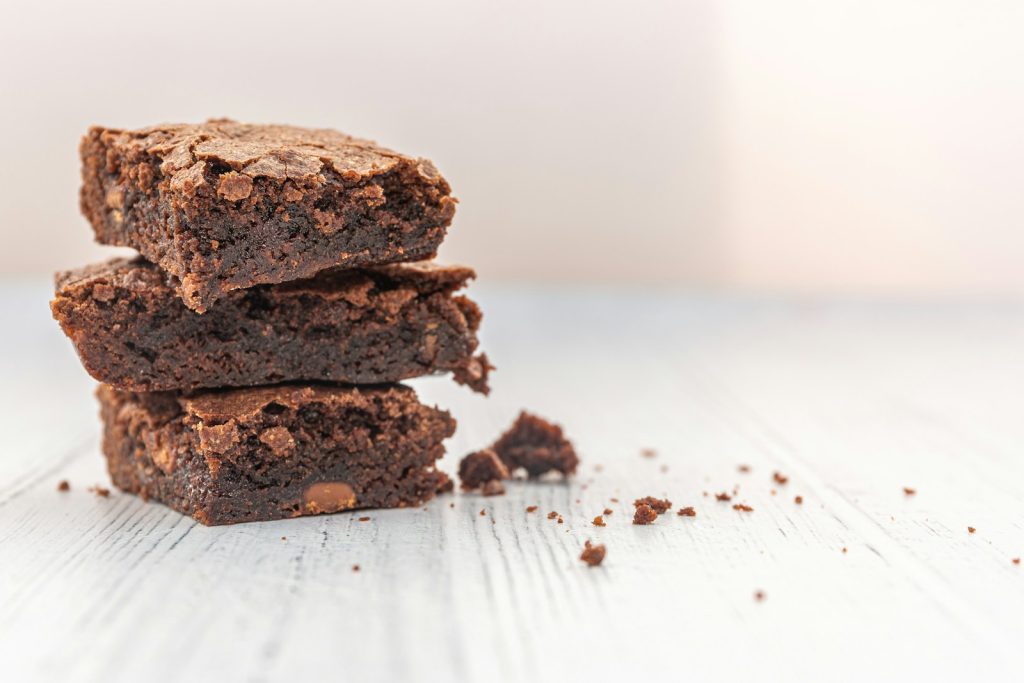
    FeatureCoconut SugarPalm Sugar
    Source treeCoconut palm only (Cocos nucifera)Multiple palms: arenga, date, nipa, palmyra
    Also calledCoconut palm sugar, coconut blossom sugarJaggery, gula merah, gula aren, arenga sugar
    FlavorMild caramel, butterscotchRicher, smokier, earthy undertones
    ColorLight to medium brownMedium to dark brown, sometimes near-black
    FormGranulated (like brown sugar)Blocks, discs, or paste; granulated versions exist
    Glycemic Index35–54 (lower)Varies by species; generally 35–55
    Inulin contentYes — slows glucose absorptionGenerally absent or trace amounts
    Best useBaking, coffee, Western recipesSoutheast Asian curries, sauces, desserts
    1:1 substitute?Yes, for white/brown sugarYes, with flavor adjustment

    What Is Coconut Sugar?

    Coconut sugar — also called coconut palm sugar or coconut blossom sugar — is made from the sap collected from the flower bud stems of the coconut palm tree (Cocos nucifera).
    Farmers make a cut on the flower’s spadix, collect the liquid sap into bamboo containers, then boil the sap down until it thickens and crystallizes into golden-brown granules.

    The result is a fine-to-coarse granulated sugar that looks and behaves much like brown sugar, but with a distinct mild caramel and butterscotch flavor.

    Because it undergoes minimal processing, coconut sugar retains small amounts of trace minerals including potassium, iron, zinc, and calcium, as well as a fiber called inulin.

    What Is Inulin, and Why Does It Matter?

    Inulin is a soluble fiber naturally present in coconut sugar. Unlike regular carbohydrates that are quickly absorbed, inulin slows down glucose absorption in the gut.

    This is one of the main reasons coconut sugar has a lower glycemic index compared to plain white sugar — not just because of the sugar type, but because of this fiber content.

    That said, the amount of inulin per teaspoon is small, so coconut sugar shouldn’t be treated as a health food. It’s still sugar — just a slightly more complex one.

    Read more coconut sugar glycemic index guide for the full breakdown of GI numbers and what they mean for daily consumption.


    What Is Palm Sugar?

    palm sugar tree

    Palm sugar” is a broader category of sweetener made from the sap of various palm tree species, not exclusively the coconut palm. Depending on the region and producer, it can come from:

    • Arenga palm (Arenga pinnata) — known as gula aren in Indonesia, produces a dark, intensely flavored sugar
    • Nipa palm (Nypa fruticans) — common in the Philippines and coastal Southeast Asia
    • Palmyra palm (Borassus flabellifer) — popular in South Asia and Thailand
    • Date palm (Phoenix dactylifera) — used in the Middle East and North Africa

    The production process is similar: tap the tree for sap, boil it down, and solidify it.

    However, the different tree species create significantly different flavor profiles. Palm sugar made from arenga has a richer, smokier, more complex taste compared to the mild caramel of coconut sugar.

    Traditionally, palm sugar is sold in solid rounds, blocks, discs, or cones — a form sometimes called jaggery. You may also see it labeled as gula merah (Indonesian) or nam taan peep (Thai). Granulated versions are now widely available.

    Is Coconut Palm Sugar the Same as Coconut Sugar?

    Yes — coconut palm sugar and coconut sugar are exactly the same product. The terms are used interchangeably in the market. Both refer to sugar made from the sap of the coconut palm (Cocos nucifera) flower.

    The confusion arises from labeling inconsistencies: some brands say “coconut sugar,” others say “coconut palm sugar,” and a few use “coconut blossom sugar.” Despite the different names on the package, if the source is the coconut palm, it’s the same sugar.

    However, if a product is simply labeled “palm sugar” without the word “coconut” — that’s a different product. It likely comes from arenga palm, date palm, or another species, and will have a different flavor, color, and texture.

    Quick rule: “Coconut sugar” = “Coconut palm sugar” (same thing). “Palm sugar” alone = different product, different source tree.


    Palm Sugar vs Coconut Sugar: 7 Key Differences

    Although they are often confused or even used interchangeably in recipes, coconut sugar and palm sugar have distinct characteristics.

    1. Source Tree

    The most fundamental difference is the tree source. Coconut sugar always and only comes from the coconut palm (Cocos nucifera). Palm sugar can come from arenga, date, nipa, or palmyra palms. This determines everything else: flavor, color, texture, and nutritional profile.

    2. Flavor Profile

    • Coconut sugar: mild sweetness with caramel and butterscotch notes. Subtle enough not to overpower baked goods or beverages.
    • Palm sugar (arenga): richer, smokier, earthier. A complex sweetness that adds depth to savory-sweet Southeast Asian dishes.
    • Palm sugar (palmyra): lighter flavor, slightly floral, less intense than arenga.

    In Thai cooking, hot-thai-kitchen.com notes that while the two sugars taste very similar when used in dishes, a direct side-by-side tasting reveals subtle differences. For most recipes, they are interchangeable — but in delicate preparations, coconut sugar’s milder profile wins.

    3. Color and Appearance

    Coconut sugar is light to medium brown, similar to raw cane sugar. Arenga palm sugar is much darker — ranging from deep brown to nearly black. This affects the final color of your dishes: using palm sugar in a light-colored cake batter will produce a noticeably darker result than coconut sugar.

    4. Physical Form

    Coconut sugar is almost always sold as free-flowing granules, similar to brown sugar. It dissolves readily in liquids and measures the same as white or brown sugar in recipes.

    Traditional palm sugar comes in solid blocks, discs, cones, or paste. You may need to grate, chop, or melt it before use. Granulated palm sugar is becoming more common, but it may dissolve slightly differently than coconut sugar due to different moisture content.

    5. Glycemic Index (GI)

    SweetenerGlycemic Index (GI)Notes
    Coconut sugar35–54Contains inulin which slows glucose absorption
    Palm sugar (arenga)35–45Varies by processing and species
    Brown sugar~64More refined, no inulin
    White sugar (sucrose)58–65Most refined, rapid glucose spike
    Honey45–64High in fructose
    Maple syrup54Similar to coconut sugar

    Both coconut sugar and palm sugar have a lower GI than refined white sugar, which is why they’re often marketed as healthier alternatives. The inulin content in coconut sugar may give it a slight edge, though the difference in real-world blood sugar impact is modest.

    Important: GI values can vary significantly depending on the specific product, processing method, and how it’s consumed. Always consult a healthcare provider if you’re managing blood sugar conditions.

    → See our full guide to coconut sugar glycemic index for how coconut sugar compares to 10+ common sweeteners.

    6. Inulin and Fiber Content

    Coconut sugar naturally contains inulin, a prebiotic soluble fiber that feeds beneficial gut bacteria and slows glucose absorption. This is one key reason its GI is lower and more consistent than many other sugars.

    Most palm sugars — especially those from arenga or palmyra — do not contain significant inulin. This makes coconut sugar the preferred option for people who are mindful of blood sugar management.

    7. Sustainability and Environmental Impact

    Coconut palms are highly productive trees. According to the Food and Agriculture Organization (FAO), coconut palm sugar crops produce 50–75% more sugar per acre than cane sugar, using significantly less water and nutrients.

    A single coconut tree produces sap continuously for decades while still yielding coconuts, making coconut sugar one of the most sustainable natural sweeteners available.

    Palm sugar sustainability varies widely by species. Arenga and nipa palms are generally sustainable and do not require deforestation. Date palms are also low-impact. The controversy around “palm” products usually relates to oil palm (Elaeis guineensis), which is unrelated to sugar production.

    Related Read: how coconut sugar is made and sourced at our farms

    At Global Coco Sugar, sustainability is embedded in our supply chain. Our coconut palms are integrated into local agroforestry systems that support biodiversity and provide a stable, long-term livelihood for Indonesian farmers without causing deforestation. This corporate responsibility aligns with the strict sustainability standards required by European and North American buyers.

    Can You Substitute Palm Sugar for Coconut Sugar (and Vice Versa)?

    In most recipes, yes — coconut sugar and palm sugar can substitute for each other 1:1 by volume. But there are important nuances:

    Use CaseRecommendationNotes
    Baking (cakes, cookies, muffins)Use coconut sugar for lighter results. Palm sugar (especially arenga) will make baked goods darker and add a stronger flavor. Ratio: 1:1, but expect a color difference.1:1
    Beverages (coffee, tea, smoothies)Coconut sugar dissolves faster and has a more neutral sweetness. Palm sugar blocks need to be dissolved first. Ratio: 1:1 once dissolved.1:1
    Southeast Asian cooking (curries, sauces)Palm sugar (arenga) is traditional and preferable for authentic flavor. Coconut sugar works as a substitute but the dish will taste slightly different. Ratio: 1:1.1:1
    Desserts (ice cream, pudding)Coconut sugar works seamlessly. Palm sugar adds complexity — use it if you want a deeper, more caramel-like result. Ratio: 1:1.1:1
    Raw/no-bake recipesBoth work well. Coconut sugar has a more consistent granule size, making it easier to measure. Ratio: 1:1.1:1

    One practical tip: if you’re substituting palm sugar (block form) for granulated coconut sugar, melt or dissolve the palm sugar first in a small amount of warm water, then measure by weight rather than volume for accurate results.

    → Looking for the right product? See our guide to the best coconut sugar brands and how to choose quality coconut sugar.

    Palm Sugar vs Coconut Sugar for Health: Which Is Better?

    Both palm sugar and coconut sugar are marketed as healthier alternatives to white sugar. Here’s what the evidence actually says:

    For People with Diabetes

    The lower glycemic index of both sugars means they may cause a slower rise in blood glucose compared to white sugar. The inulin in coconut sugar provides an additional buffer.

    However, both still contain roughly the same number of carbohydrates and calories as white sugar (about 15 calories and 4g carbs per teaspoon).

    The consensus among dietitians: coconut sugar and palm sugar are not “diabetic-friendly” sugars in the way that artificial sweeteners or stevia are.

    They are marginally better than white sugar, but should still be used in strict moderation. Always consult your healthcare provider before changing your diet if you have diabetes.

    Related Read: coconut sugar and blood sugar: a full guide

    Mineral Content

    Both sugars contain trace amounts of potassium, iron, zinc, calcium, and magnesium — minerals largely absent in refined white sugar. However, the amounts per serving are very small.

    You would need to consume a large, unhealthy quantity of sugar to obtain meaningful mineral benefits. Don’t choose coconut or palm sugar primarily as a mineral source.

    For Weight Management

    Neither coconut sugar nor palm sugar is a low-calorie sweetener. Both contain approximately 45–50 calories per tablespoon — almost identical to white sugar.

    If weight loss is the goal, reducing total sugar intake is more effective than switching sugar types. That said, the stronger flavor of palm sugar may mean you use less of it, which can help reduce total intake.

    Are you an F&B manufacturer, distributor, or cosmetics brand looking for a reliable wholesale partner?
    Global Coco Sugar
    is a leading certified organic coconut sugar manufacturer and exporter from Indonesia. We provide premium-grade coconut sugar tailored for industrial needs, backed by international certifications (USDA Organic, EU Organic, Halal, Kosher).
    Contact Our Export Team >>>
    View Our Certified Coconut Product Range >>>


    Culinary Uses: When to Use Each One

    Coconut Sugar in the Kitchen

    Coconut sugar’s mild flavor and granulated form make it the most versatile of the two. It substitutes 1:1 for white or brown sugar in virtually every recipe. Use it in:

    • Baking: cookies, muffins, banana bread, granola bars — adds a subtle caramel depth without changing the recipe
    • Beverages: coffee, matcha latte, chai tea — dissolves quickly, less overpowering than brown sugar
    • Sauces and marinades: teriyaki, BBQ sauce, salad dressings
    • Breakfast: oatmeal, smoothies, yogurt toppings
    • Chocolate making: pairs beautifully with dark chocolate (GI-conscious confectionery)

    See our product pageusing coconut sugar in everyday recipes

    Palm Sugar in the Kitchen

    Palm sugar — particularly arenga — is deeply embedded in Southeast Asian cooking. Its complex, smoky sweetness elevates dishes where a simple sweet note isn’t enough. Use it in:

    • Thai cooking: pad thai, green and red curries, nam prik dipping sauces
    • Indonesian dishes: rendang, kecap manis (sweet soy sauce), serundeng, onde-onde
    • Filipino desserts: kakanin (sticky rice cakes), sago at gulaman, bibingka
    • Vietnamese cuisine: caramelized pork (thit kho), iced coffee (ca phe sua da)
    • Indian and Sri Lankan cooking: payasam (rice pudding), tamarind chutneys

    For block-form palm sugar, the standard technique is to shave or grate the block or melt it in a small amount of warm water before adding to the dish. This ensures even distribution and prevents clumping.

    What Coconut Sugar and Palm Sugar Have in Common

    Despite their differences, these two natural sweeteners share several important characteristics:

    • Both are derived from palm trees through traditional sap-tapping methods
    • Both are minimally processed compared to refined white or brown sugar
    • Both have a lower glycemic index than sucrose or corn syrup
    • Both contain trace minerals absent in refined sugar
    • Both offer a rich caramel-adjacent flavor that enhances sweet and savory dishes
    • Both are widely used as natural, clean-label ingredients in the health food industry
    • Both can be sustainable when sourced from responsible producers

    Which Should You Choose? A Simple Decision Guide

    Use this quick guide to choose the right sweetener for your situation:

    SituationBest Choice
    You need a direct 1:1 sugar substitute for baking→ Coconut sugar
    You want a mild flavor that won’t change your recipe→ Coconut sugar
    You’re cooking Thai, Indonesian, or Filipino dishes→ Palm sugar (arenga preferred)
    You want the lowest GI option→ Coconut sugar (inulin content)
    You prefer a deeper, more complex sweetness→ Palm sugar
    You need granulated form for easy measuring→ Coconut sugar
    You’re buying for health food or organic product formulation→ Certified organic coconut sugar
    You’re managing blood sugar→ Both with caution; coconut sugar slightly preferable

    Conclusion

    Palm sugar and coconut sugar are related but distinct sweeteners. The key takeaway: “coconut palm sugar” = “coconut sugar” (same thing), but plain “palm sugar” is different — it comes from other palm species and has a richer, smokier flavor.

    Coconut sugar wins for versatility, consistency, and a slight edge in GI management (thanks to inulin). Palm sugar wins for authentic Southeast Asian flavors and complexity in savory-sweet cooking.

    For most everyday baking and cooking in a Western kitchen, coconut sugar is the more practical choice. For traditional Asian recipes, palm sugar is the way to go.

    Both are real improvements over refined white sugar — but both are still sugars. Use mindfully, and you’ll get the best of what they offer.

    Looking for certified organic coconut sugar in bulk for food manufacturing or retail? Contact our export team now to discuss your specifications!

  • 10 Best Coconut Sugar Desserts & Baking Guide

    10 Best Coconut Sugar Desserts & Baking Guide

    Coconut sugar has quickly become a favorite among health-conscious cooks and bakers. Made from the sap of coconut palm blossoms, this natural sweetener is less processed than white sugar and retains small amounts of minerals like potassium, zinc, and iron. It also has a lower glycemic index, which means it doesn’t spike blood sugar levels as dramatically as refined sugar. Beyond its health appeal, coconut sugar is loved for its rich, caramel-like flavor, which pairs beautifully with dessert of all kinds.

    If you’ve been curious about incorporating this natural sweetener into your cooking, the best place to start is with desserts. Below are some of the top coconut sugar dessert recipes you can try today—ranging from quick treats to indulgent baked goods.

    Professional Guide for Baking with Coconut Sugar

    Substituting refined white sugar with coconut sugar is generally a simple 1:1 ratio swap. However, because coconut sugar is a natural, unrefined crystal with distinct chemical properties, commercial bakers and pastry chefs should keep these three technical insights in mind:

    1. Moisture Retention: Coconut sugar is naturally hygroscopic (it absorbs and retains moisture). This keeps cookies chewy and cakes moist for a longer shelf life, which is highly beneficial for commercial bakery production.
    2. Melting Point & Burning: Coconut sugar has a slightly lower burning point than cane sugar. When baking delicate pastries or cookies, it is recommended to lower the oven temperature by about 10°C (or 15°F) to prevent premature browning.
    3. Color Profile: Because of its natural caramel shade, coconut sugar will turn batters and doughs into a rich golden-brown color. This is ideal for chocolate chip cookies, brownies, and spice cakes, but should be accounted for in pale or light-colored confections.

    1. Coconut Sugar Chocolate Chip Cookies

    Classic chocolate chip cookies get a healthy twist when made with coconut sugar. The sugar’s deep caramel flavor enhances the chocolate, resulting in a cookie that’s rich, chewy, and irresistible.

    How to make it:

    • Cream together butter (or coconut oil) and coconut sugar until fluffy.
    • Add eggs and vanilla extract.
    • Fold in flour, baking soda, and a pinch of salt.
    • Mix in dark chocolate chips.
    • Bake until golden around the edges but soft in the center. In the commercial snack sector, clean-label biscuit manufacturers utilize premium granular coconut sugar to fulfill the rising consumer demand for organic, low-glycemic cookies.

    These cookies pair wonderfully with a glass of almond milk or your favorite coffee.


    2. Banana Bread with Coconut Sugar

    Banana bread is a comfort classic, and substituting coconut sugar makes it even more flavorful. The sugar complements ripe bananas with notes of toffee and caramel, resulting in a loaf that’s moist and naturally sweet.

    Tips for perfection:

    • Use overripe bananas for extra sweetness.
    • Add walnuts or pecans for crunch.
    • For a tropical twist, fold in shredded coconut or pineapple chunks.

    This recipe works well for breakfast, as a snack, or even as a dessert topped with cream cheese frosting.


    3. Coconut Sugar Brownies

    Brownies made with coconut sugar are rich, fudgy, and decadent without being overly sweet. Coconut sugar enhances the cocoa flavor, creating a well-rounded taste that feels indulgent yet slightly more wholesome.

    Recipe idea:

    • Melt butter with cocoa powder and stir in coconut sugar.
    • Add eggs and vanilla.
    • Fold in flour and a pinch of salt.
    • Bake until the top forms a shiny crust but the center stays gooey.

    Optional add-ins: dark chocolate chunks, walnuts, or swirls of peanut butter. For large-scale bakeries, sourcing bulk coconut sugar ensures flavor consistency across high-volume production lines.


    4. Coconut Sugar Caramel Sauce

    One of the simplest but most versatile desserts you can make with coconut sugar is caramel sauce. It has a rich butterscotch flavor that pairs beautifully with ice cream, pancakes, fruit, or baked goods.

    How to make:

    • Combine coconut sugar, butter, and cream in a saucepan.
    • Simmer until thickened.
    • Add a pinch of sea salt for salted caramel.

    Drizzle this sauce over apple crisp, brownies, or even your morning latte for a sweet upgrade.


    5. Oatmeal Cookies with Coconut Sugar

    Chewy oatmeal cookies are a timeless treat, and coconut sugar makes them even better. It balances the hearty oats with warm sweetness and pairs perfectly with cinnamon and raisins.

    Variations to try:

    • Add dark chocolate chips instead of raisins.
    • Mix in dried cranberries for a tart bite.
    • Use almond flour for a gluten-free version.

    These cookies are great for snacking, lunchbox treats, or serving alongside tea.


    6. Coconut Sugar Apple Crisp

    Apple crisp is one of the easiest desserts to make, and it tastes incredible with coconut sugar in both the filling and topping. The sugar caramelizes as it bakes, giving the apples a warm, deep sweetness.

    Steps:

    • Toss sliced apples with lemon juice, cinnamon, and coconut sugar.
    • Prepare a topping with oats, flour, butter, and more coconut sugar.
    • Bake until golden and bubbling.

    Serve warm with a scoop of vanilla ice cream or a dollop of whipped cream.


    7. Coconut Sugar Chocolate Cake

    For special occasions or indulgent moments, try baking a chocolate cake with coconut sugar. It creates a moist, rich cake with just the right amount of sweetness.

    Pro tips:

    • Use buttermilk or coconut milk for extra moisture.
    • Add espresso powder to deepen the chocolate flavor.
    • Frost with chocolate ganache or cream cheese frosting sweetened with coconut sugar.

    This cake makes a stunning centerpiece for birthdays or celebrations.


    8. Coconut Sugar Panna Cotta

    If you’re looking for something elegant yet simple, panna cotta sweetened with coconut sugar is a must-try. The creamy custard base infused with coconut sugar has a subtle caramel flavor that feels luxurious.

    How to make:

    • Heat cream (or coconut milk for a dairy-free option) with coconut sugar until dissolved.
    • Add bloomed gelatin and stir until smooth.
    • Pour into ramekins and chill until set.

    Top with fresh berries or a drizzle of coconut sugar caramel sauce for a show-stopping dessert.


    9. No-Bake Energy Bites

    For a healthier “dessert” that doubles as a snack, no-bake energy bites with coconut sugar are perfect. They satisfy sweet cravings without refined sugar and provide sustained energy.

    Basic recipe:

    • Blend oats, nut butter, coconut sugar, chia seeds, and a splash of vanilla.
    • Roll into small balls.
    • Coat with shredded coconut or cocoa powder.

    These bites are portable, kid-friendly, and great for pre- or post-workout fuel.


    10. Coconut Sugar Ice Cream

    Homemade ice cream takes on a whole new depth when sweetened with coconut sugar. The caramel undertones create a flavor similar to dulce de leche or brown sugar ice cream.

    Flavor ideas:

    • Vanilla coconut sugar ice cream with caramel swirls.
    • Chocolate ice cream with toasted coconut flakes.
    • Banana-coconut sugar ice cream for a tropical treat.

    You don’t need an ice cream maker—many no-churn recipes work beautifully with coconut sugar.


    Why Coconut Sugar Works So Well in Desserts

    Coconut sugar doesn’t just replace refined sugar—it transforms desserts. Its caramel notes intensify the flavor of chocolate, coffee, cinnamon, and fruit-based recipes. It also retains moisture, keeping cakes, cookies, and breads soft for longer.

    Best of all, coconut sugar can be substituted 1:1 for white sugar in most recipes, making it an easy swap. While it still contains calories, its lower glycemic index and trace minerals make it a better choice for those who want a natural sweetener without sacrificing flavor.

    Bulk Coconut Sugar Supply for Commercial Bakeries & F&B Brands
    Creating healthy, organic, and clean-label desserts at an industrial scale requires a certified ingredient partner. Global Coco Sugar (GCS) is a leading Indonesian manufacturer specializing in high-capacity supply of premium organic coconut sugar tailored for global food manufacturing, industrial baking, and confectionery brands.
    – Our Standards: 100% Organic Certified (USDA, EU), Halal, and Kosher compliant.
    – Supply Capability: High-volume consistency with reliable global shipping logistics.
    – Customizations: Mesh size and moisture content parameters tailored to your factory’s technical specifications.

    📧 Inquire Today for Bulk Pricing & Free Commercial Samples

    Final Thoughts

    Desserts are about joy, indulgence, and comfort—and coconut sugar allows you to enjoy them with a healthier, more natural twist. From chewy cookies and fudgy brownies to silky panna cotta and homemade ice cream, coconut sugar can elevate almost any recipe. Its deep, caramel-like flavor makes it a versatile pantry staple for both everyday treats and special occasions.

    So next time you’re in the mood for something sweet, skip the refined sugar and give these coconut sugar dessert recipes a try. You’ll not only satisfy your sweet tooth but also discover a world of flavor that’s both indulgent and nourishing.


  • What is Coconut Sugar and Why Global Buyers Prefer It ?

    What is Coconut Sugar and Why Global Buyers Prefer It ?

    What is Coconut Sugar and Why Global Buyers Prefer It?

    Pile of granular coconut sugar with palm leaves

    What is Coconut Sugar and Why Global Buyers Prefer It? We’ve all seen it popping up more and more, right? Coconut sugar, also known as coco sugar or coconut palm sugar, is a sweetener that comes from the coconut palm tree. It’s made from the sap of the tree’s flower buds. Think of it like this: farmers carefully tap the buds, collect the sweet sap, and then gently heat it to let the water evaporate.

    What’s left is a granulated sugar that looks a bit like brown sugar but has its own unique, subtle caramel flavor. It’s not a new thing, though; people in many tropical places have been using it for ages. It’s pretty neat how it’s made with just a couple of simple steps, mostly just evaporation, without a bunch of chemicals or bleaching agents. This natural way of making it means it keeps some of the good stuff from the original sap.

    How Coconut Sugar Is Made?

    The process starts with the coconut palm tree itself. Farmers make a small cut on the unopened flower bud, and a clear, watery sap begins to flow out. This sap is collected, often in bamboo containers. The collected sap is then heated in large pans. As it heats, the water slowly evaporates.

    This reduction process causes the sap to thicken and turn into a syrup. If it’s heated further, it will eventually crystallize into the granulated sugar we often see. The color, which is usually a warm brown, comes from the natural caramelization that happens during the heating. It’s a pretty straightforward method, relying on heat to concentrate the natural sweetness of the sap.

    A Taste of the Tropics

    When we taste coconut sugar, it’s a bit different from the white sugar we might be used to. It has a mild sweetness, often described as being similar to brown sugar, but with a gentle hint of caramel.

    This flavor makes it a nice addition to coffee or tea, and it works well in baking too. Because it’s not heavily processed, the exact taste and color can vary a little depending on where the coconuts grew and when they were harvested. It’s a sweetener that brings a little something extra to your food and drinks, a subtle tropical note that many people enjoy.

    Why Global Buyers Prefer Coconut Sugar

    Pile of coconut sugar with husks and coconut

    So, why are so many people around the world choosing coconut sugar? We think it comes down to a few key things that make it stand out from other sweeteners. It’s not just about the taste, though that’s a big part of it. Many folks are looking for options that feel a bit more natural and less processed than what they might be used to.

    Nutritional Value Compared to Other Sugars

    When we look at coconut sugar, we see it’s made from coconut palm sap. The way it’s prepared involves heating the sap to get rid of the water, and that’s pretty much it. This simple process means it keeps some natural compounds that you don’t find in highly refined white sugar.

    While it’s true that all sugars, including coconut sugar, should be enjoyed in moderation, it does contain trace amounts of things like inulin, a type of fiber, along with some minerals such as iron, zinc, calcium, and potassium. It also has a small amount of amino acids.

    It’s important to remember that the amounts of these nutrients are quite small, and you’d have to eat a lot of coconut sugar to get a significant amount. However, for those trying to make small changes, these little differences can add up. We’ve seen that Indonesian coconut sugar is often favored for its quality and consistency, which is a big plus for bakers and cooks.

    The Glycemic Index Explained

    Another reason people are drawn to coconut sugar is its Glycemic Index (GI). The GI tells us how quickly a food raises our blood sugar levels after we eat it. Coconut sugar generally has a lower GI compared to regular white sugar. This means it tends to cause a slower, more gradual rise in blood sugar, rather than a sharp spike.

    For many, this can translate to more sustained energy levels throughout the day. While there can be some variation in GI readings depending on how the sugar is processed and what it’s tested with, the general trend shows it’s a gentler option. Think of it like this: white sugar is like a quick burst of energy that fades fast, while coconut sugar is more like a steady burn that lasts longer. This difference is a big deal for people who want to manage their energy and avoid those sugar crashes.

    Many people around the world choose coconut sugar because it’s a natural sweetener. It’s seen as a healthier option compared to regular sugar, and it has a unique, pleasant taste. Plus, it’s good for the environment! Curious to learn more about why coconut sugar is becoming so popular? Visit our website to discover all the benefits and explore our range of high-quality coconut sugar products.

    So, What’s the Takeaway?

    After looking into coconut sugar, we see it’s a sweetener made from coconut tree sap. It’s less processed than regular white sugar and has a nice caramel flavor, kind of like brown sugar. Some folks think it’s a healthier choice because it has a few more minerals and a lower glycemic index. While it does have some nutrients, it’s important to remember it’s still sugar. We should use it in moderation, just like any other sweetener. If you like the taste and it fits your needs, go for it, but don’t think of it as a magic health food. It’s best to enjoy it as part of a balanced diet.

Secret Link