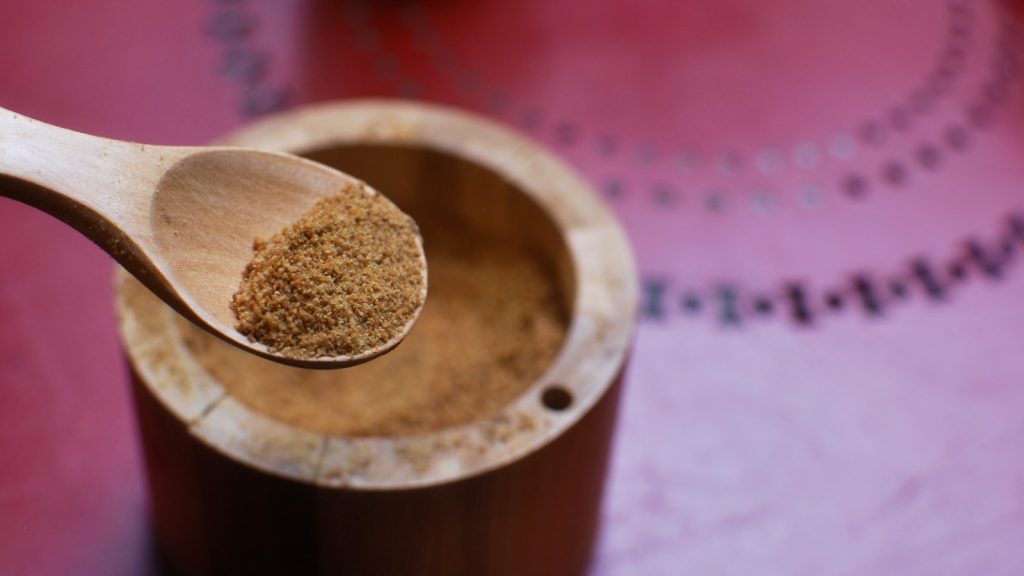
Tag: coconut sugar

  • Why Coconut Sugar Is a Better Choice for Natural Living

    Why Coconut Sugar Is a Better Choice for Natural Living

    In today’s world, the shift toward natural living is more than just a trend—it’s a lifestyle choice rooted in wellness, sustainability, and simplicity. As people become more conscious of what they put in their bodies and how their choices impact the environment, natural alternatives to heavily processed products are gaining popularity. One such alternative that has earned its place in the natural living movement is coconut sugar. Derived from the sap of the coconut palm tree, this natural sweetener offers a wide array of benefits over conventional refined sugars. But what makes coconut sugar a better choice? Let’s explore.

    What Is Coconut Sugar?

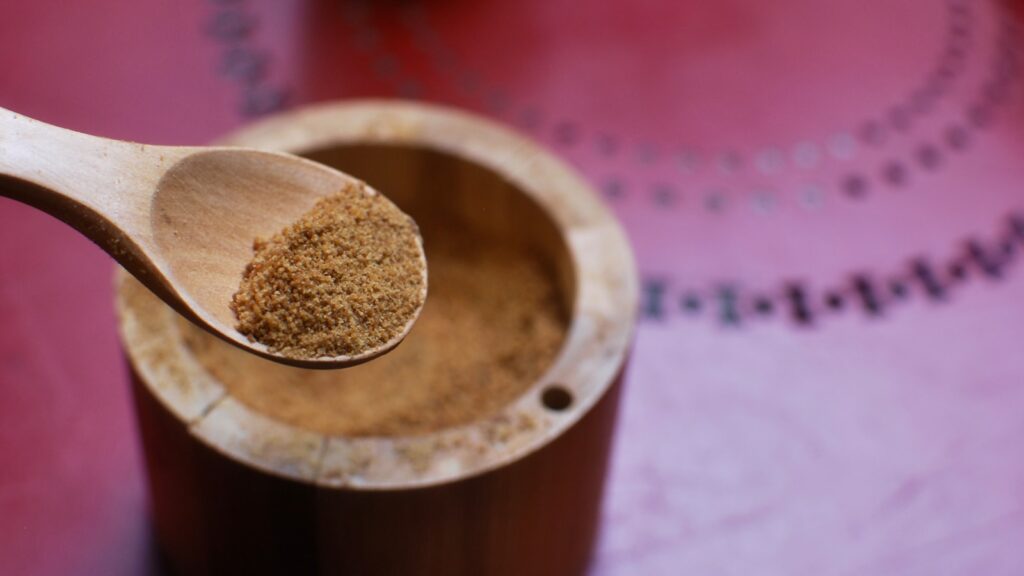
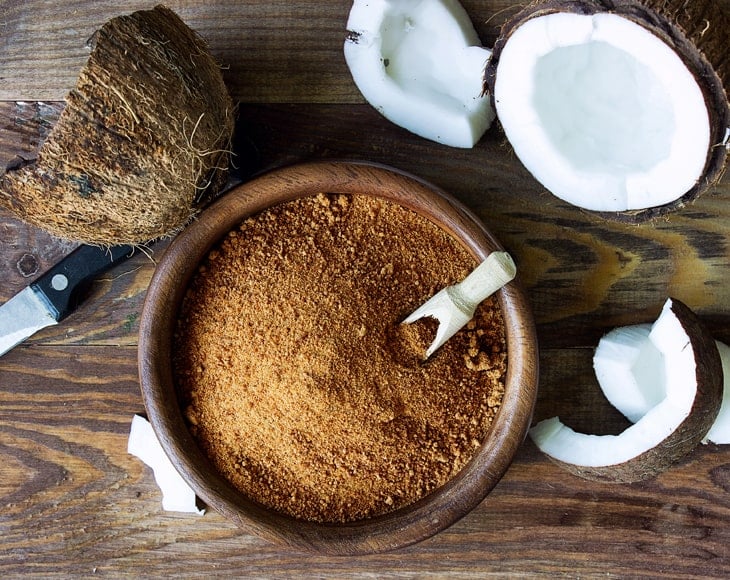
    Coconut sugar, also known as coconut palm sugar, is made from the sap of the flower buds of the coconut palm tree. The process is simple and minimally processed: the sap is collected, heated to evaporate the moisture, and reduced to granules or syrup form. It is often praised for being less refined and retaining some of the nutrients found in the original plant.

    Unlike white sugar, which undergoes heavy processing and chemical bleaching, coconut sugar is closer to its natural form. It has a rich, caramel-like flavor and a texture similar to brown sugar, making it a versatile substitute in both cooking and baking.

    1. Lower Glycemic Index
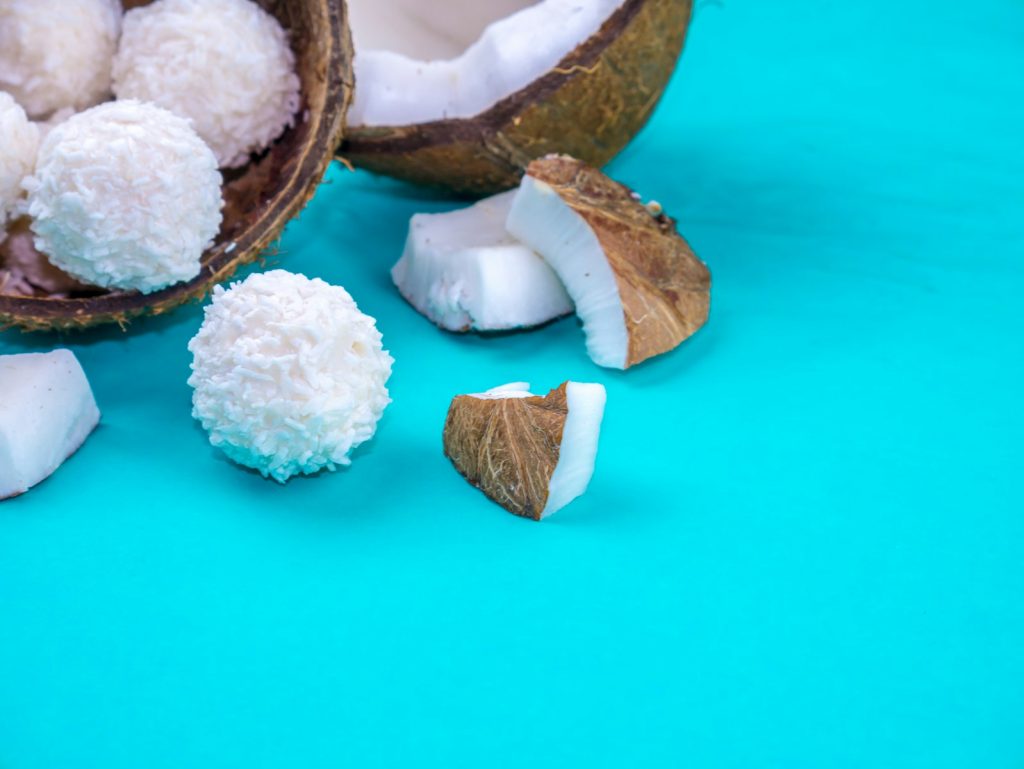
    One of the primary reasons health-conscious individuals choose coconut sugar is its lower glycemic index (GI). The glycemic index is a measure of how quickly a food raises blood sugar levels. Traditional white sugar has a GI of around 65, while coconut sugar typically ranks around 35.

    This lower GI means that coconut sugar causes a slower and more stable rise in blood glucose levels, which is beneficial for energy regulation and may reduce the risk of insulin resistance over time. For people managing diabetes or simply trying to avoid energy crashes and sugar spikes, this makes coconut sugar an appealing option.

    ⚠️ Note: While the GI of coconut sugar is lower, it still contains sugar and should be used in moderation.

    2. More Nutrients Than Refined Sugar

    Unlike refined white sugar, which is essentially empty calories with no nutritional value, coconut sugar contains trace amounts of vitamins and minerals, including:

    • Iron
    • Zinc
    • Calcium
    • Potassium
    • Antioxidants
    • Inulin (a type of dietary fiber)

    These nutrients come from the sap of the coconut palm and remain present because the sugar is minimally processed. While the amounts are small and not enough to rely on as a dietary source, the presence of these nutrients makes coconut sugar a more natural and wholesome sweetener.

    3. Supports Sustainable Agriculture

    Coconut sugar production is considered more sustainable than other types of sugar farming, especially cane sugar. Coconut palms are incredibly resource-efficient and can produce sap for over 20 years. They require less water and land than sugarcane and do not contribute to deforestation when managed responsibly.

    Moreover, coconut sugar production provides income to small farming communities in countries like the Philippines, Indonesia, and Thailand. It supports local economies and encourages environmentally friendly farming practices that align with the principles of natural living.

    4. Less Processed, More Natural

    One of the pillars of natural living is reducing consumption of heavily processed foods. Coconut sugar fits this criterion well because it goes through minimal processing and does not contain added chemicals, preservatives, or artificial ingredients.

    Refined white sugar, on the other hand, often undergoes bleaching and treatment with chemicals like sulfur dioxide and phosphoric acid. These processes strip the sugar of any natural nutrients and leave behind a highly refined product that contributes to numerous health issues.

    By choosing coconut sugar, you’re opting for a sweetener that is closer to its natural source—something that aligns with a clean, whole-food lifestyle.

    5. Better Flavor Profile for Natural Recipes

    Coconut sugar has a rich, caramel-like flavor that adds depth to recipes. It’s especially great in:

    • Baked goods (cookies, cakes, muffins)
    • Homemade granola
    • Coffee and tea
    • Smoothies
    • Marinades and sauces

    Because its flavor is more complex than white sugar, many natural cooks and bakers prefer it for adding both sweetness and richness to their dishes. Its taste also pairs well with other natural ingredients like cinnamon, vanilla, and coconut oil.

    6. Suitable for Vegan and Paleo Lifestyles

    Coconut sugar is naturally vegan and paleo-friendly, unlike some refined sugars that are processed using animal bone char (a concern particularly for strict vegans). It fits into many whole-food diets and is considered a “paleo-approved” sweetener in moderation, making it an easy substitute in recipes for those following specific lifestyle or dietary guidelines.

    7. No Artificial Additives or Preservatives

    In natural living, avoiding synthetic chemicals is often a key goal. Coconut sugar, in its pure form, does not contain artificial sweeteners, flavorings, colors, or preservatives. It’s a single-ingredient product, making it easy to understand what you’re consuming—no hidden surprises.

    This transparency and simplicity align perfectly with the natural living ethos, which prioritizes clean-label foods and wholesome ingredients.

    8. Better for the Planet

    Beyond personal health, natural living emphasizes making eco-friendly choices. Coconut sugar has a lower environmental impact than many conventional sweeteners. Unlike sugarcane farming, which can lead to deforestation and habitat loss, coconut palms grow in diverse ecosystems and can be intercropped with other plants, improving soil health and biodiversity.

    Choosing coconut sugar is not just a vote for better personal health—it’s also a step toward more responsible and sustainable food systems.


    Final Thoughts: Moderation Is Still Key

    While coconut sugar is undeniably a better alternative to refined sugar in terms of nutrients, sustainability, and processing, it is still a form of sugar. It contains fructose and glucose, and excessive consumption can contribute to health problems just like any other sweetener.

    However, when used in moderation and as part of a whole-food, balanced diet, coconut sugar is a superior choice for those embracing natural living. It provides a sweet taste without the synthetic baggage of conventional sugars and supports a lifestyle rooted in health, sustainability, and simplicity.

    So, next time you’re reaching for a sweetener, consider coconut sugar—not just for your health, but for the planet, too.

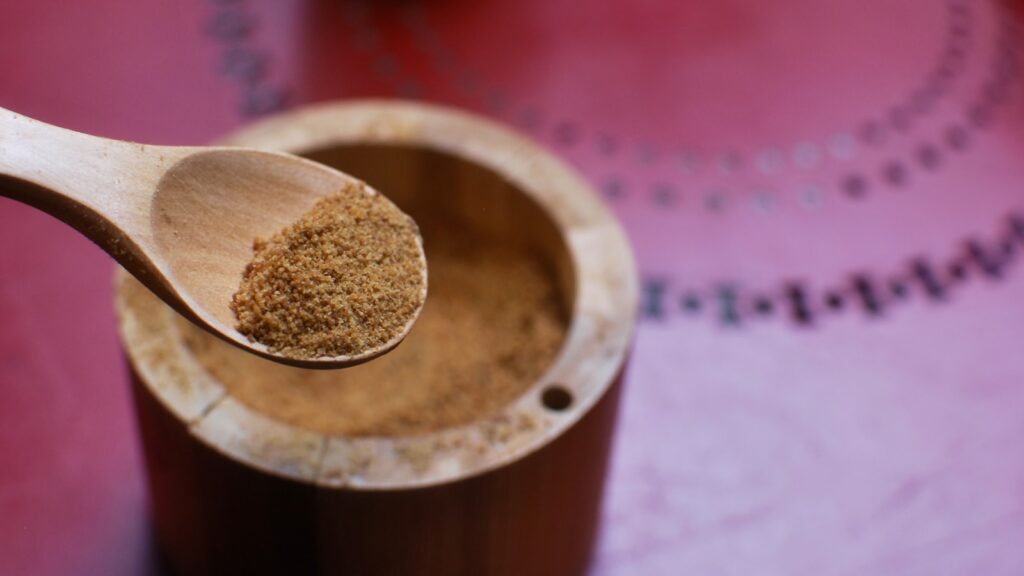
  • Coconut Sugar and the Paleo Diet: A Compatible Sweetener?

    Coconut Sugar and the Paleo Diet: A Compatible Sweetener?

    The Paleo diet—often referred to as the “caveman diet”—is built on the idea of eating in a way that mimics our hunter-gatherer ancestors. It emphasizes whole, unprocessed foods like meat, fish, vegetables, fruits, nuts, and seeds while avoiding grains, legumes, dairy, and refined sugar.

    But in today’s world, even the most committed Paleo followers often want a little sweetness in their lives. This has led to a search for natural sweeteners that fit Paleo principles, and coconut sugar has emerged as one of the most popular contenders.

    So, is coconut sugar truly compatible with the Paleo diet? Let’s take a deep dive into what it is, its nutritional profile, potential health benefits, and how it fits—or doesn’t fit—within Paleo guidelines.


    What Is Coconut Sugar?

    Coconut sugar is derived from the sap of the coconut palm tree (Cocos nucifera). The process is relatively simple:

    1. The flower buds of the coconut palm are cut to release sap.
    2. The sap is collected and gently heated until the water evaporates.
    3. What’s left is a granulated, golden-brown sweetener with a taste reminiscent of caramel.

    Unlike refined table sugar, coconut sugar is minimally processed and retains some of its natural minerals.


    Nutritional Profile

    The nutritional value of coconut sugar (per 100 g) typically includes:

    • Calories: ~380 kcal
    • Carbohydrates: ~92 g
    • Sugars: ~92 g (mainly sucrose, with some glucose and fructose)
    • Protein: ~1–2 g
    • Fat: ~0 g
    • Minerals: Small amounts of potassium, magnesium, zinc, and iron
    • Inulin fiber: A type of prebiotic fiber that can slow glucose absorption

    While coconut sugar is often marketed as a healthier alternative to refined sugar, it’s still primarily composed of sugar and provides similar calories per gram.


    Why Paleo Followers Consider Coconut Sugar

    The Paleo diet discourages refined sweeteners like white sugar, high-fructose corn syrup, and artificial sweeteners. However, some natural sweeteners are sometimes allowed in moderation, especially those that are less processed.

    Reasons Paleo adherents might use coconut sugar:

    1. Minimal Processing – The production process is simple and traditional, without chemical refining.
    2. Nutrient Content – It retains trace minerals that refined sugar lacks.
    3. Lower Glycemic Index (GI) – Coconut sugar has a GI of around 35, lower than table sugar’s 60–65, meaning it may cause a slower rise in blood glucose.
    4. Natural Origin – It’s derived directly from a plant source.

    Potential Health Benefits

    While it’s still a sweetener and should be consumed sparingly, coconut sugar offers some potential advantages over refined sugar:

    1. Contains Trace Nutrients

    Although not significant enough to be a major source of vitamins or minerals, coconut sugar provides small amounts of potassium, zinc, iron, and magnesium.

    2. Prebiotic Fiber Content

    The inulin fiber in coconut sugar may help promote gut health and slow sugar absorption, possibly reducing blood sugar spikes.

    3. Sustainable Production

    Coconut palm trees require less water and can produce sugar for decades, making it a relatively eco-friendly crop compared to sugarcane.


    The Paleo Debate: Is Coconut Sugar Really Paleo?

    Here’s where the controversy lies. The Paleo philosophy emphasizes avoiding foods that would not have been available to prehistoric humans. While coconut palms certainly existed, the technology to extract, heat, and granulate sap into sugar likely did not.

    Arguments Against Coconut Sugar in Paleo

    • It’s still sugar – Paleo aims to avoid added sugars because they can cause blood sugar spikes, promote fat storage, and lead to metabolic issues.
    • High in carbohydrates – For those on a lower-carb version of Paleo, coconut sugar can easily exceed daily carb allowances.
    • Not a whole food – Even though it’s minimally processed, it’s still a concentrated source of sugar, not the original sap or fruit.

    Arguments For Coconut Sugar in Paleo

    • More natural than refined sugar – No bleaching or chemical refining is involved.
    • Better GI profile – Causes a slower blood sugar response compared to refined sugar.
    • Occasional indulgence – Many Paleo followers adopt an “80/20 rule,” allowing for occasional treats made with more natural sweeteners.

    How to Use Coconut Sugar in a Paleo-Friendly Way

    If you decide to include coconut sugar in your Paleo diet, the key is moderation. Here are some practical tips:

    1. Reserve it for special occasions – Use in occasional baked goods or desserts rather than daily.
    2. Pair with whole foods – Combine with fiber-rich ingredients like almond flour or coconut flour to slow sugar absorption.
    3. Mind portion sizes – Even a teaspoon adds sugar and carbs to your diet.
    4. Experiment with recipes – Try replacing refined sugar in Paleo dessert recipes with coconut sugar at a 1:1 ratio.

    Paleo-Friendly Recipes Using Coconut Sugar

    Here are a couple of ideas:

    1. Paleo Chocolate Chip Cookies

    • Almond flour, coconut oil, egg, vanilla extract, coconut sugar, dark chocolate chips (85% cocoa or higher).
    • The coconut sugar gives a subtle caramel flavor while keeping the recipe grain-free.

    2. Spiced Paleo Banana Bread

    • Mashed ripe bananas, almond flour, coconut flour, eggs, cinnamon, nutmeg, and a small amount of coconut sugar.
    • Perfect for a weekend treat without relying on refined sweeteners.

    Alternatives to Coconut Sugar in Paleo

    If you prefer to avoid coconut sugar altogether, there are other sweeteners that some Paleo dieters use in moderation:

    • Raw honey – Still sugar, but contains enzymes and antioxidants.
    • Pure maple syrup – Offers minerals and a unique flavor.
    • Dates or date paste – Whole fruit form provides fiber along with sweetness.
    • Stevia or monk fruit extract – Naturally derived, zero-calorie sweeteners (though purists may avoid them).

    Bottom Line

    Coconut sugar is less processed and has a lower glycemic index than refined white sugar, making it a more natural option for those following the Paleo diet—if used occasionally and in small amounts. However, it is still a concentrated source of sugar and should not be treated as a “free pass” for unlimited consumption.

    From a strict Paleo perspective, it may not be fully compliant since it’s not a whole food and wouldn’t have been part of early human diets. Yet many modern Paleo practitioners include it as a compromise between health and enjoyment, especially for special treats.

    Ultimately, whether coconut sugar fits your Paleo plan depends on your personal approach—whether you’re aiming for a strict ancestral eating pattern or a flexible, sustainable lifestyle that includes occasional natural sweeteners.

  • Why Chefs Are Replacing Brown Sugar with Coconut Sugar

    Why Chefs Are Replacing Brown Sugar with Coconut Sugar

    In recent years, kitchens around the world — from high-end restaurants to artisanal bakeries — have seen a quiet shift in sweeteners. Coconut sugar, once a niche product in health food stores, is now becoming a favorite among professional chefs. While brown sugar has been a pantry staple for decades, more culinary experts are experimenting with coconut sugar for its flavor, versatility, and perceived health benefits. This trend is not just a passing fad — it reflects deeper changes in consumer tastes, dietary preferences, and sustainability priorities.


    1. The Flavor Advantage

    One of the primary reasons chefs are turning to coconut sugar is its complex flavor profile. Derived from the sap of coconut palm blossoms, coconut sugar offers a caramel-like sweetness with subtle notes of butterscotch and molasses. This depth of flavor allows it to enhance recipes without overpowering them.

    While brown sugar also has a molasses-like taste, it can sometimes be sharper and more dominant, especially in delicate recipes. Coconut sugar’s more rounded sweetness pairs beautifully with everything from baked goods to savory dishes. Chefs often note that it blends seamlessly into sauces, glazes, and marinades, adding a natural richness without the harsh edge that brown sugar can bring.


    2. Health-Conscious Dining Trends

    Modern diners are increasingly health-aware, and restaurants are adjusting accordingly. Coconut sugar appeals to this audience because it is often marketed as a more natural, less refined sweetener. It retains small amounts of nutrients from the coconut palm sap — such as iron, zinc, calcium, and potassium — and contains antioxidants.

    Additionally, coconut sugar has a lower glycemic index (GI) than refined white or brown sugar, meaning it may cause a slower rise in blood sugar levels. While it’s still sugar and should be consumed in moderation, this perceived advantage allows chefs to present it as a “better” choice for health-conscious customers without compromising flavor.


    3. The Push for Natural Ingredients

    The clean-label movement — the preference for foods with short, recognizable ingredient lists — has influenced everything from packaged snacks to fine dining. Brown sugar is essentially refined white sugar with added molasses, while coconut sugar is minimally processed. The production process involves collecting the sap from coconut blossoms, heating it to evaporate the water, and granulating it into crystals.

    Chefs value this simplicity because it allows them to tell a transparent sourcing story to their guests. For farm-to-table restaurants, this fits perfectly into a narrative of fresh, natural, and sustainably sourced ingredients.


    4. Sustainability and Ethical Sourcing

    Coconut sugar production is often touted as more sustainable than cane sugar cultivation. Coconut palms can grow in diverse climates and soil types, require less water, and produce sap for many years without needing replanting. Unlike sugarcane farming, which can be resource-intensive and linked to deforestation in some regions, coconut palms provide multiple products — coconuts, coconut water, coconut oil, and sugar — making them an efficient crop.

    For chefs committed to sustainable sourcing, this is a major selling point. Restaurants increasingly highlight ingredient origin and ethical sourcing on menus, and coconut sugar’s eco-friendly profile gives them a compelling talking point.


    5. Versatility in the Kitchen

    Brown sugar has long been loved for its ability to add moisture, depth, and caramel notes to recipes. However, coconut sugar can do all of that — and more.

    In baking: Coconut sugar can often be substituted 1:1 for brown sugar in cookies, cakes, and muffins. It produces baked goods with a gentle sweetness and rich color, and its lower moisture content makes it less prone to clumping.

    In savory dishes: Chefs use coconut sugar to balance acidity and spice in sauces, stir-fries, curries, and marinades. It’s particularly popular in Southeast Asian cuisine, where palm-based sweeteners have been traditional for centuries.

    In beverages: From coffee drinks to craft cocktails, coconut sugar dissolves easily and adds a nuanced flavor that pairs well with both hot and cold drinks.


    6. Catering to Dietary Lifestyles

    Coconut sugar’s popularity is also boosted by its compatibility with certain diets. While it’s not low-carb or sugar-free, it is considered acceptable in many paleo and plant-based eating plans. Vegan diners, in particular, appreciate that coconut sugar is naturally vegan — unlike some cane sugars, which are processed using bone char.

    For chefs who need to accommodate a range of dietary needs without stocking dozens of alternative sweeteners, coconut sugar offers a single solution that works for multiple customer groups.


    7. The Shift Toward Global Flavors

    As chefs explore global cuisines, they encounter coconut sugar in traditional recipes from Indonesia, Thailand, and the Philippines, where palm-based sweeteners have been used for centuries. Integrating coconut sugar into modern menus is a way to bring authenticity to these dishes while introducing diners to new flavor experiences.

    For example, in Indonesian cooking, gula jawa (coconut sugar) is essential for the balance of sweet, sour, and spicy in dishes like satay sauce and beef rendang. By adopting coconut sugar, chefs not only enhance authenticity but also tap into the growing popularity of Asian flavors in Western dining.


    8. Cost Considerations

    Historically, coconut sugar was more expensive than brown sugar, limiting its adoption in large-scale operations. However, increased global production and demand have brought prices down in recent years. While it’s still pricier, chefs are willing to absorb the cost for premium dishes where quality and storytelling justify the price.

    In some cases, restaurants use coconut sugar selectively — in signature desserts, craft cocktails, or high-margin menu items — where its unique qualities shine and the price difference has minimal impact on profitability.


    9. Challenges and Limitations

    While coconut sugar offers many benefits, it’s not without drawbacks:

    • Moisture content: It lacks the stickiness of brown sugar, so recipes that rely on that texture may need adjustment.
    • Color and flavor: Its darker hue can alter the appearance of light-colored baked goods, and its caramel notes may not suit every dish.
    • Shelf life: Like other natural sweeteners, it can harden over time if not stored properly.

    Chefs who switch from brown sugar must be prepared to tweak recipes to achieve the desired results.


    10. The Future of Coconut Sugar in Professional Kitchens

    As diners become more informed and selective, chefs are under pressure to offer not just great flavor but also ethical sourcing, clean ingredients, and innovative twists. Coconut sugar checks all of these boxes. Its rich, versatile flavor, natural production process, and sustainability credentials make it more than just a substitute for brown sugar — it’s a way for chefs to elevate their craft.

    In the coming years, we can expect to see coconut sugar appear more frequently in:

    • Artisan bakery products such as sourdough loaves, pastries, and gourmet cookies.
    • Plant-based desserts like dairy-free ice cream, vegan brownies, and coconut milk puddings.
    • Signature drinks including spiced lattes, health tonics, and rum-based cocktails.
    • Modern fusion cuisine blending global flavors with local ingredients.

    As supply chains improve and consumer awareness grows, coconut sugar’s role in professional kitchens is likely to expand well beyond niche health menus, firmly establishing it as a mainstream, chef-approved sweetener.


  • Can Coconut Sugar Help You Lose Weight? Exploring the Claims

    Can Coconut Sugar Help You Lose Weight? Exploring the Claims

    Coconut sugar has gained popularity as a “healthier” alternative to refined white sugar, often marketed for its lower glycemic index and natural origins. But beyond the hype, a key question remains: Can coconut sugar actually help you lose weight? This article explores the claims, examines the nutritional profile, and considers whether it truly plays a role in weight management.


    1. What is Coconut Sugar?

    Coconut sugar is made from the sap of coconut palm flower buds, which is boiled and granulated into a golden-brown sweetener. Unlike refined sugar, it undergoes minimal processing and retains trace amounts of minerals like potassium, magnesium, iron, and zinc, along with antioxidants.


    2. The Glycemic Index Factor

    One of the most cited benefits of coconut sugar is its lower glycemic index (GI)—around 35 compared to white sugar’s 60–65. The GI measures how quickly a food raises blood sugar levels. A lower GI means slower sugar absorption, leading to:

    • Reduced blood sugar spikes.
    • Less intense insulin release.
    • Fewer post-sugar crashes.

    In theory, stable blood sugar levels can help regulate appetite, which might indirectly support weight control. However, the difference is not dramatic enough to make coconut sugar a “weight-loss food.”


    3. Calorie Content: Not Much Different

    From a calorie standpoint, coconut sugar offers little advantage:

    • Coconut sugar: ~15 calories per teaspoon.
    • White sugar: ~16 calories per teaspoon.

    The calorie savings are negligible. If weight loss is your goal, total sugar consumption—regardless of type—matters more than the specific sweetener.


    4. Nutritional Profile: The “Natural” Advantage

    Coconut sugar contains small amounts of:

    • Minerals: Potassium, zinc, magnesium, iron.
    • Inulin: A type of dietary fiber that may slow glucose absorption.

    While these nutrients offer health benefits, they exist in trace amounts. You would have to consume impractically large amounts to gain substantial nutrition—which would also mean excess calories.


    5. Appetite Control and Cravings

    Because coconut sugar causes slower blood sugar rises, some people may experience fewer cravings compared to consuming refined sugar. Stable energy levels can make it easier to stick to a healthy eating plan, which indirectly aids weight management. However, moderation is key—excess coconut sugar can still lead to energy surges followed by crashes.


    6. Marketing vs. Reality

    Coconut sugar is often marketed as:

    • “Diabetic-friendly”
    • “Weight-loss-friendly”
    • “Healthy sugar”

    These labels can be misleading. While coconut sugar is less processed and lower GI than white sugar, it’s still added sugar—and overconsumption can lead to weight gain, blood sugar imbalances, and other health issues.


    7. Coconut Sugar in a Weight-Loss Diet

    If you’re trying to lose weight, here’s how coconut sugar can fit in:

    • Use it sparingly as a natural sweetener for coffee, tea, or baking.
    • Replace—not add to—your regular sugar intake.
    • Combine it with whole foods and high-fiber ingredients to slow sugar absorption.
    • Avoid assuming that “natural” means “unlimited use.”

    8. Portion Control Tips

    Even with coconut sugar, portion control is crucial:

    • Measure your sweetener instead of eyeballing.
    • Gradually reduce sweetener in recipes to retrain your taste buds.
    • Pair sweetened foods with protein or healthy fat to maintain satiety.

    9. When Coconut Sugar Might Be Helpful

    While it’s not a magic bullet for weight loss, coconut sugar can be helpful for:

    • Those seeking to transition away from refined sugar.
    • People managing mild blood sugar sensitivity.
    • Individuals following whole-food-based diets who still want occasional sweetness.

    10. When to Be Cautious

    Coconut sugar may not be ideal for:

    • People with diabetes who require tight blood sugar control.
    • Those on very low-carb or ketogenic diets.
    • Anyone prone to overusing “healthy” sweeteners.

    11. Healthier Sweetening Strategies

    If weight loss is your main focus, consider:

    • Natural low-calorie sweeteners like stevia or monk fruit.
    • Using fruit purees (banana, dates, applesauce) for sweetness in baking.
    • Reducing overall sugar reliance to reset your taste preferences.

    12. Final Verdict

    Coconut sugar offers modest health advantages over refined sugar, thanks to its lower GI and minimal processing. However, it is not inherently a weight-loss aid. Its calorie content is nearly identical to white sugar, and overuse will hinder weight loss just as much as other sweeteners. The key to using coconut sugar successfully is moderation—combined with a balanced diet and active lifestyle.


    Conclusion

    Coconut sugar is a more natural, less refined sweetener that may offer minor benefits for blood sugar control and nutrient intake. But when it comes to losing weight, it’s not a shortcut. If you enjoy its flavor, use it mindfully as part of an overall healthy eating pattern. Remember: sustainable weight loss comes from creating a calorie deficit through healthy food choices, portion control, and physical activity—not from switching sugar types.


  • How to Store Coconut Sugar for Long-Lasting Freshness

    How to Store Coconut Sugar for Long-Lasting Freshness

    Coconut sugar, derived from the sap of coconut palm flowers, is a natural sweetener cherished for its mild caramel flavor and lower glycemic index compared to refined sugar. As a minimally processed product, it retains nutrients such as potassium, iron, zinc, and antioxidants, making it a popular choice for health-conscious consumers. However, to enjoy its flavor, texture, and nutritional benefits over time, proper storage is essential. Without the right storage methods, coconut sugar can clump, lose flavor, or even spoil due to moisture and pests.

    This guide explores the best ways to store coconut sugar, factors affecting its shelf life, and practical tips to ensure long-lasting freshness.


    1. Understanding Coconut Sugar’s Shelf Life

    Coconut sugar typically has a shelf life of 1–2 years when stored properly. Because it’s hygroscopic (absorbs moisture from the air), it’s prone to hardening or forming lumps if exposed to humidity. While this doesn’t necessarily make it unsafe to consume, it can alter texture and make measuring more difficult.


    2. Factors That Affect Coconut Sugar Freshness

    Several elements can reduce coconut sugar’s quality over time:

    • Moisture: Encourages clumping and potential microbial growth.
    • Air Exposure: Can lead to oxidation, dulling its caramel-like flavor.
    • Heat: May alter its taste and color.
    • Light: Prolonged light exposure can affect its quality.
    • Pests: Like any natural sweetener, coconut sugar can attract ants or pantry insects if left unsealed.

    3. Best Storage Containers

    Choosing the right container is key to keeping coconut sugar fresh:

    • Airtight Glass Jars: Mason jars or clip-top jars are ideal as they prevent air and moisture entry.
    • Food-Grade Plastic Containers: Lightweight and durable for pantry storage.
    • Vacuum-Sealed Bags: Excellent for long-term storage and bulk purchases.
    • Resealable Mylar Bags with Oxygen Absorbers: Best for extended shelf life in humid climates.

    4. Ideal Storage Conditions

    Store coconut sugar in:

    • A Cool, Dry Place: Away from stoves, ovens, or direct sunlight.
    • Dark Pantry or Cupboard: To protect it from light degradation.
    • Temperature Range: Between 15–25°C (59–77°F) is ideal.

    5. Tips for Preventing Clumping

    Even with proper storage, some clumping is natural. To reduce it:

    • Add a small silica gel packet (food-safe) inside the container.
    • Place a dry rice bag wrapped in cheesecloth to absorb excess moisture.
    • Avoid using wet spoons when scooping sugar.

    6. How to Store in Humid Climates

    If you live in a humid region:

    • Store in smaller portions so you open only what you need.
    • Use airtight containers with double seals.
    • Consider refrigerating coconut sugar in airtight jars to slow moisture absorption—though allow it to return to room temperature before use to prevent condensation.

    7. Can You Freeze Coconut Sugar?

    Yes, coconut sugar can be frozen for extra-long storage, especially if bought in bulk. Steps:

    1. Portion the sugar into airtight freezer-safe bags.
    2. Remove as much air as possible before sealing.
    3. Store for up to 2–3 years.
    4. Thaw at room temperature before use, ensuring no condensation forms inside the bag.

    8. Reviving Hardened Coconut Sugar

    If your coconut sugar hardens:

    • Place it in an airtight container with a slice of apple or bread for a few hours to restore softness.
    • Gently break lumps with a spoon or pulse in a food processor.

    9. Signs Coconut Sugar Has Gone Bad

    While rare, coconut sugar can spoil if exposed to high moisture or pests. Watch for:

    • Mold growth or unusual odors.
    • Sticky texture indicating excessive moisture.
    • Presence of insects.

    If any of these occur, it’s best to discard it.


    10. Sustainability and Bulk Buying

    Coconut sugar is often produced in small farming communities, and buying in bulk supports farmers while reducing packaging waste. However, bulk buying requires careful long-term storage planning to maintain quality.


    11. Summary of Storage Best Practices

    • Use airtight, moisture-proof containers.
    • Store in a cool, dry, and dark location.
    • Keep away from strong odors (as sugar can absorb them).
    • Portion large amounts into smaller containers.
    • Monitor for clumping, pests, or spoilage.

    Conclusion

    Coconut sugar’s natural sweetness and health benefits make it a staple in many kitchens. With its tendency to absorb moisture, thoughtful storage is key to keeping it fresh for as long as possible. By using airtight containers, keeping it in a cool and dry space, and monitoring for changes in texture or smell, you can ensure your coconut sugar remains flavorful and safe to use—whether you’re sweetening your morning coffee, baking cookies, or making traditional desserts. Proper storage not only extends its shelf life but also helps you get the most out of every spoonful.

  • Top 5 Coconut Sugar Brands You Can Trust

    Top 5 Coconut Sugar Brands You Can Trust

    As more people turn away from refined sugar and artificial sweeteners, coconut sugar has emerged as a popular natural alternative. Made from the sap of coconut palm flower buds, this unrefined sweetener contains small amounts of minerals, antioxidants, and inulin—a fiber that may slow glucose absorption. With a rich, caramel-like taste, coconut sugar is perfect for baking, beverages, and everyday use.

    However, not all coconut sugars are created equal. To ensure you’re getting a product that’s organic, sustainably sourced, and free from additives, it’s important to choose a trustworthy brand. In this article, we review five top coconut sugar brands known for quality, transparency, and ethical sourcing.

    Note for B2B buyers: This article focuses on retail coconut sugar brands commonly found in consumer markets. If you are an importer, distributor, food manufacturer, or private label buyer looking for bulk coconut sugar supply from Indonesia, you may need to evaluate suppliers differently — including certification scope, COA availability, MOQ, packaging, export documents, and sample approval.

    For bulk sourcing, you can review our organic coconut sugar or contact our export team for specifications and quotation support.


    1. Big Tree Farms – Bali Coconut Sugar

    🏷️ Overview:

    Big Tree Farms is one of the pioneers in the coconut sugar industry and a top choice among health-conscious consumers.

    Why You Can Trust Them:

    • Certified Organic and Fair Trade
    • Sourced directly from Indonesian farmers
    • Low glycemic index (GI ~35)
    • Processed using traditional, sustainable methods

    🍬 Flavor and Texture:

    Big Tree Farms’ coconut sugar has a mild caramel flavor, with a fine texture that dissolves well in hot liquids and bakes evenly.

    🌿 Sustainability:

    They emphasize transparency and sustainability, operating one of the world’s largest transparent supply chains for coconut sugar. Their “Farm to Table” approach supports over 14,000 Indonesian farmers.

    🛒 Best For:

    Daily sweetening, baking, and ethical shoppers


    2. BetterBody Foods Organic Coconut Palm Sugar

    🏷️ Overview:

    BetterBody Foods is a well-established brand in the natural food space, and their coconut sugar is a favorite for its balance of quality and affordability.

    Why You Can Trust Them:

    • USDA Organic and non-GMO certified
    • Low GI
    • No additives or preservatives

    🍬 Flavor and Texture:

    It offers a rich, full-bodied sweetness with hints of toffee. The grains are slightly coarser, making it ideal for use in rubs, toppings, and baked goods with texture.

    🌿 Sustainability:

    Though not Fair Trade certified, BetterBody Foods sources responsibly from Southeast Asia and maintains rigorous quality control standards.

    🛒 Best For:

    Bakers and budget-conscious consumers who want organic without breaking the bank


    3. Terrasoul Superfoods Organic Coconut Sugar

    🏷️ Overview:

    Terrasoul Superfoods has built a strong reputation for delivering high-quality superfoods, and their coconut sugar lives up to the brand’s high standards.

    Why You Can Trust Them:

    • Certified Organic, Kosher, and non-GMO
    • Batch-tested for quality and purity
    • Transparent sourcing from small Southeast Asian farms

    🍬 Flavor and Texture:

    This coconut sugar has a subtle, complex flavor, not overly sweet, which makes it perfect for enhancing coffee, tea, or even savory sauces.

    🌿 Sustainability:

    Terrasoul supports smallholder farmers and promotes organic agriculture, using sustainable harvesting and minimal processing techniques.

    🛒 Best For:

    Clean eaters, superfood enthusiasts, and minimalists


    4. Wholesome Organic Coconut Palm Sugar

    🏷️ Overview:

    Wholesome is a well-known name in natural and organic sweeteners. Their coconut palm sugar is both Fair Trade and USDA Organic, which appeals to conscious consumers.

    Why You Can Trust Them:

    • Fair Trade Certified
    • USDA Organic
    • Gluten-free, vegan, and non-GMO

    🍬 Flavor and Texture:

    Wholesome’s coconut sugar has a consistent golden brown color, and its flavor is on the milder side, making it an easy substitute for white sugar in any recipe.

    🌿 Sustainability:

    Their commitment to fair labor and environmentally responsible farming practices makes Wholesome a go-to brand for ethical buyers.

    🛒 Best For:

    Fair Trade advocates and everyday sweetener substitution


    5. Nutiva Organic Coconut Sugar

    🏷️ Overview:

    Nutiva is a pioneer in organic superfoods, and their coconut sugar is part of a lineup of trusted, nutrient-dense products.

    Why You Can Trust Them:

    • Organic and non-GMO certified
    • Sustainably sourced from Indonesian farms
    • Comes in eco-friendly packaging

    🍬 Flavor and Texture:

    Nutiva’s coconut sugar is finely granulated and has a more roasted flavor profile—perfect for oatmeal, coffee, and desserts that benefit from a bold sweetness.

    🌿 Sustainability:

    Nutiva donates 1% of every sale to support sustainable agriculture, nutrition education, and community programs.

    🛒 Best For:

    Eco-conscious consumers and those looking for a richer caramel flavor


    What to Look for in a Good Coconut Sugar Brand

    When evaluating coconut sugar brands, consider the following criteria:

    Certifications

    Look for USDA Organic, Fair Trade, and non-GMO labels to ensure you’re getting a clean and ethically produced product.

    Origin

    Coconut sugar is traditionally produced in Indonesia, Philippines, and Thailand. Trustworthy brands often name the region and farm source on the label.

    Processing

    Unrefined coconut sugar should be minimally processed with no bleaching, additives, or anti-caking agents.

    Flavor Profile

    Depending on your preference, choose a brand with a flavor that complements your intended use—some are bolder and more molasses-like, while others are mild and more versatile.


    Health Benefits of Coconut Sugar (When Used in Moderation)

    While coconut sugar is not a “health food” in the traditional sense, it is a better-for-you alternative to refined sugar:

    • Low Glycemic Index (GI 35): Slower sugar absorption compared to white sugar
    • Contains Minerals: Small amounts of iron, zinc, calcium, potassium
    • Inulin Fiber: A prebiotic that can support gut health

    That said, coconut sugar still contains fructose and glucose, so moderation is key. Use it as a replacement—not a license to consume more sugar overall.


    Conclusion: Sweet Choices Rooted in Integrity

    In a market flooded with sweeteners, coconut sugar stands out as a natural, unrefined, and more sustainable choice. However, the quality of your coconut sugar depends heavily on the brand you choose. Brands like Big Tree Farms, BetterBody Foods, Terrasoul, Wholesome, and Nutiva consistently deliver products that are clean, ethical, and delicious.

    By choosing brands that prioritize fair trade, organic sourcing, and environmental responsibility, you’re not just sweetening your recipes—you’re supporting communities and sustainable farming around the world.

    For consumers, the brands above can be useful retail options when choosing coconut sugar for daily use. For businesses, the better next step is to evaluate the supplier behind the product, including certification, quality control, packaging, consistency, and export readiness.

    If your team is sourcing organic coconut sugar for bulk, private label, or food manufacturing applications, contact Global Coco Sugar to request product specifications, samples, and quotation support.


  • Coconut Nectar vs. Maple Syrup: A Nutritional Comparison

    Coconut Nectar vs. Maple Syrup: A Nutritional Comparison

    As more people seek natural alternatives to refined sugar, coconut nectar and maple syrup have emerged as two popular, plant-based sweeteners. Both are marketed as healthier options, packed with nutrients and lower on the glycemic index than white sugar. But how do they truly compare when it comes to nutrition, taste, health benefits, and everyday use?

    In this article, we’ll take a closer look at coconut nectar vs. maple syrup, exploring their sources, nutrient profiles, glycemic impact, culinary uses, and how each sweetener fits into a balanced diet.


    1. What is Coconut Nectar?

    Coconut nectar is a natural sweetener made from the sap of the coconut palm’s flower buds. The sap is collected, then gently heated to remove moisture, resulting in a thick, amber-colored syrup with a rich, slightly tangy sweetness.

    Importantly, coconut nectar is minimally processed and does not involve bleaching, chemical refining, or additives, making it a popular option for people following clean eating or plant-based diets.


    2. What is Maple Syrup?

    Maple syrup is produced from the sap of sugar maple trees, primarily found in North America. The sap is boiled down to concentrate its natural sugars and develop a deep, caramel-like flavor.

    Like coconut nectar, pure maple syrup is a natural product. However, it’s important to distinguish pure maple syrup from commercial pancake syrups, which often contain high-fructose corn syrup and artificial flavoring.


    3. Nutritional Profile: Side-by-Side Comparison

    Here’s a basic nutritional breakdown per 1 tablespoon (15 ml) of each sweetener:

    NutrientCoconut NectarMaple Syrup
    Calories~60~52
    Total Sugar~13g~12g
    Glycemic Index (GI)~35~54
    Carbohydrates~15g~13.5g
    CalciumSmall amounts~20 mg
    Potassium~130 mg~42 mg
    Iron~0.3 mg~0.2 mg
    ZincTrace~0.4 mg
    Magnesium~25 mg~4 mg

    Key Points:

    • Coconut nectar has a lower glycemic index (GI ~35), meaning it’s less likely to spike blood sugar levels compared to maple syrup.
    • Maple syrup has slightly fewer calories per tablespoon.
    • Coconut nectar is higher in potassium and magnesium, while maple syrup provides more zinc and calcium.

    4. Antioxidant and Mineral Content

    Both sweeteners contain small amounts of minerals and antioxidants, though neither should be considered a significant source of nutrients.

    • Maple syrup contains polyphenols, plant compounds with antioxidant properties. It also contains small amounts of manganese, riboflavin, and zinc, which are important for immune and metabolic function.
    • Coconut nectar, on the other hand, contains inulin, a type of prebiotic fiber that may benefit gut health and blood sugar control.

    While the nutritional differences exist, they are modest when considering the small serving sizes typically consumed.


    5. Glycemic Index: Blood Sugar Impact

    One of the major concerns with sweeteners is how they affect blood sugar. The glycemic index (GI) measures how quickly a food raises blood glucose levels.

    • Coconut nectar has a GI of 35, which is considered low. This is largely due to its inulin content, which slows sugar absorption.
    • Maple syrup’s GI is around 54, placing it in the moderate range.

    For individuals with diabetes or insulin resistance, coconut nectar may be the better choice due to its gentler impact on blood sugar.


    6. Taste and Culinary Uses

    Coconut Nectar:

    • Flavor: Mildly sweet, with a slightly caramel-like or tangy taste.
    • Texture: Thick, smooth syrup, slightly stickier than maple syrup.
    • Best Uses: Drizzled on oatmeal, used in baking, added to marinades, smoothies, or salad dressings.

    Maple Syrup:

    • Flavor: Deep, rich sweetness with distinct maple and toffee notes.
    • Texture: Smooth and pourable.
    • Best Uses: Classic pancake topping, used in desserts, glazes for meats or vegetables, or stirred into drinks like coffee or tea.

    Verdict: Both are versatile, but the distinct flavor of maple syrup is more recognizable and widely used in traditional North American cooking. Coconut nectar has a more neutral profile, making it adaptable in various global cuisines.


    7. Sustainability and Environmental Impact

    Coconut Nectar:

    • Coconut trees are high-yielding and sustainable, often growing in diverse, biodiverse tropical environments.
    • Harvesting the sap does not harm the tree, and the production is low-impact.

    Maple Syrup:

    • Maple syrup production is relatively sustainable, involving tapping trees without cutting them down.
    • However, it’s geographically limited to northern climates, making production more seasonal and energy-intensive due to boiling.

    Both options are eco-friendly, though coconut nectar may edge ahead in terms of year-round production and lower energy use.


    8. Price and Availability

    • Maple syrup is widely available in North America and Europe and is relatively affordable, especially in regions where it’s locally produced.
    • Coconut nectar tends to be more expensive and less accessible, especially in areas where coconut palms aren’t native.

    For budget-conscious shoppers, maple syrup may be the more economical option.


    9. Health Considerations

    Despite their natural origins, both sweeteners are still forms of sugar and should be consumed in moderation.

    • Coconut nectar may be better for diabetics due to its lower GI, though it still contains sugar and carbohydrates.
    • Maple syrup contains fewer calories per tablespoon, but slightly higher GI makes it less ideal for strict blood sugar control.
    • Neither sweetener is calorie-free, and overuse can contribute to weight gain, tooth decay, or blood sugar imbalances.

    10. Final Verdict: Which Is Better?

    Choose Coconut Nectar if You:

    • Need a low-GI sweetener for blood sugar control
    • Prefer a more neutral flavor in recipes
    • Want more potassium and magnesium in your diet
    • Follow a vegan, raw, or paleo lifestyle

    Choose Maple Syrup if You:

    • Prefer a strong, recognizable flavor
    • Need a slightly lower-calorie option
    • Want a sweetener with more zinc and calcium
    • Live in a region where it’s more accessible and affordable

    Conclusion: Both coconut nectar and maple syrup are healthier alternatives to refined sugar, offering trace nutrients and natural sweetness. The “better” choice ultimately depends on your dietary needs, flavor preferences, and budget. Used mindfully, either can fit into a balanced and health-conscious diet.

  • Perfect Pairings with Desiccated Coconut – Complementary Flavors That Bring Out The Best in Coconut

    Perfect Pairings with Desiccated Coconut – Complementary Flavors That Bring Out The Best in Coconut

    Desiccated coconut, with its naturally sweet, nutty, and slightly chewy profile, is a versatile ingredient found in cuisines around the world. From Southeast Asian curries to Western baked goods, its ability to blend with a wide array of flavors makes it a pantry staple for home cooks and professional chefs alike. While it can hold its own as a star ingredient, desiccated coconut truly shines when paired with complementary flavors that enhance its tropical character and depth.

    In this article, we explore the perfect pairings with desiccated coconut—those flavor companions that elevate its richness, balance its sweetness, and bring harmony to the dishes it’s used in.


    1. Chocolate – A Classic and Decadent Duo

    Few ingredients form a more iconic pairing than coconut and chocolate. The rich, bittersweet depth of chocolate balances the light sweetness and nuttiness of desiccated coconut. Whether it’s in coconut macaroons dipped in dark chocolate, chocolate coconut brownies, or truffles, this pairing offers a satisfying contrast in both flavor and texture.

    Why it works: Chocolate’s robust cocoa notes complement coconut’s mellow sweetness, while their textural contrast creates a luxurious mouthfeel.

    Recommended uses:

    • Chocolate coconut energy balls
    • German chocolate cake
    • Coconut-filled chocolate bars

    2. Citrus – Bright, Tangy, and Refreshing

    Citrus fruits like lime, lemon, and orange bring brightness and acidity to coconut-based dishes, cutting through its richness and enhancing its tropical appeal. This pairing is often seen in Southeast Asian cuisine, where coconut milk and lime juice often share the same dish.

    Why it works: The acidity of citrus helps balance coconut’s natural oils and sweetness, making the final flavor more dynamic and refreshing.

    Recommended uses:

    • Coconut-lime tarts
    • Lemon coconut loaf cake
    • Thai-inspired coconut-lime soup

    3. Spices – Adding Warmth and Complexity

    Desiccated coconut is a flavor sponge when paired with warm spices like cinnamon, cardamom, nutmeg, and ginger. These spices draw out the earthy undertones in coconut and create aromatic depth in both sweet and savory dishes.

    Why it works: The warmth of spices enhances coconut’s sweetness and rounds out its flavor profile with complexity and depth.

    Recommended uses:

    • Coconut and cardamom rice pudding
    • Spiced coconut granola
    • Ginger-coconut cookies

    4. Tropical Fruits – A Taste of the Islands

    Pairing desiccated coconut with tropical fruits like mango, pineapple, passionfruit, and banana creates a symphony of flavors that transport your taste buds to a tropical paradise. These fruits enhance coconut’s native flavor territory and add bursts of juicy sweetness and acidity.

    Why it works: Tropical fruits share a natural affinity with coconut, as they often grow in the same climates and are used together in regional dishes.

    Recommended uses:

    • Coconut-pineapple upside-down cake
    • Mango coconut chia pudding
    • Banana coconut smoothies

    5. Nuts – Crunchy Companions

    Nuts such as almonds, cashews, and macadamias pair beautifully with desiccated coconut, offering complementary textures and nutty flavors. The combination is rich, satisfying, and works well in both sweet and savory preparations.

    Why it works: Both coconut and nuts offer earthy, roasted flavors and can enhance each other’s crunch and richness.

    Recommended uses:

    • Coconut-almond granola bars
    • Cashew coconut curry
    • Macadamia-coconut cookies

    6. Caramel and Brown Sugar – Sweet, But Balanced

    Caramel’s buttery richness and brown sugar’s molasses notes pair harmoniously with the nutty sweetness of coconut. This trio creates an indulgent flavor experience that’s nostalgic and comforting.

    Why it works: Coconut’s texture adds interest to the smoothness of caramel, while brown sugar intensifies the overall depth of sweetness.

    Recommended uses:

    • Toasted coconut caramel sauce
    • Brown sugar coconut shortbread
    • Coconut caramel popcorn

    7. Dairy – Creamy and Complementary

    Milk, cream, and yogurt pair well with desiccated coconut to create creamy, luscious desserts and sauces. The pairing brings out coconut’s mild sweetness while enhancing the mouthfeel of the dish.

    Why it works: Dairy’s fat content carries coconut’s flavor further on the palate and softens its texture when hydrated or cooked.

    Recommended uses:

    • Coconut panna cotta
    • Coconut yogurt parfaits
    • Coconut cream pie

    8. Coffee and Espresso – Rich and Roasted Harmony

    Coconut and coffee make a bold, energizing duo. The roasted bitterness of coffee balances coconut’s sweetness, while coconut adds a tropical, creamy note to coffee drinks and desserts.

    Why it works: The contrast in flavors highlights each ingredient’s complexity, with coconut softening coffee’s bitterness and coffee grounding coconut’s brightness.

    Recommended uses:

    • Coconut mocha drinks
    • Espresso coconut ice cream
    • Coconut coffee brownies

    9. Herbs – Freshness and Fragrance

    Herbs like mint, basil, cilantro, and lemongrass may seem unlikely companions to coconut, but they offer a fragrant lift, especially in savory dishes or light desserts. These combinations are staples in Thai, Indian, and Caribbean cuisines.

    Why it works: Herbs introduce freshness and aromatic complexity, balancing coconut’s natural oiliness and adding brightness to the dish.

    Recommended uses:

    • Lemongrass coconut soup
    • Coconut-mint sorbet
    • Cilantro coconut chutney

    10. Vanilla – Subtle Sweetness and Depth

    Vanilla may be subtle, but when paired with coconut, it rounds out the flavor beautifully, adding a floral, creamy undertone that enhances coconut’s delicate nature.

    Why it works: Vanilla doesn’t overpower but amplifies coconut’s sweetness and aroma, making it a gentle yet powerful partner.

    Recommended uses:

    • Vanilla coconut custard
    • Coconut-vanilla muffins
    • Coconut rice with vanilla bean

    Tips for Cooking and Baking with Desiccated Coconut

    To get the most out of desiccated coconut and its pairings:

    • Toast it: Toasting enhances its nutty flavor and adds crunch.
    • Hydrate when needed: Soak in warm milk or water when a softer texture is desired.
    • Use unsweetened for balance: In savory dishes or where sweetness is already high, opt for unsweetened desiccated coconut to control the sugar level.
    • Combine with fats: Coconut’s flavor blooms in the presence of fats like butter, oil, or cream.

    Final Thoughts

    Desiccated coconut is far more than a decorative topping—it’s a transformative ingredient that adapts well to both sweet and savory preparations. When paired thoughtfully, it can become the highlight of your dish, bringing warmth, texture, and a tropical flair. Whether you’re crafting a vibrant curry, a delicate dessert, or a wholesome snack, the right flavor partners can elevate desiccated coconut from background note to flavor star.

    So next time you reach for a bag of desiccated coconut, consider what flavors you’ll pair it with—and let your palate take a journey to discover the perfect combination.

  • Natural Coconut Sugar Takes China by Storm – Why Is Everyone Rushing to Buy It?

    Natural Coconut Sugar Takes China by Storm – Why Is Everyone Rushing to Buy It?

    Coconut sugar has quickly gone from niche to mainstream in China’s fast-growing health food market. Once a tropical sweetener known only to nutritionists and organic food lovers, natural coconut sugar is now flooding supermarket shelves and topping online search trends. So what’s behind this sudden craze?

    1. Alternative to Refined Sugar

    Chinese consumers are becoming more informed about the risks of consuming too much refined sugar—obesity, diabetes, and heart disease. In contrast, coconut sugar has a lower glycemic index (GI), meaning it causes a slower rise in blood sugar levels. While it’s not calorie-free, it’s considered a smarter sweetener for those aiming to reduce blood sugar spikes.

    2. Popular Among Parents and Kids

    Parents are a big driver of the coconut sugar boom. Many are swapping out white sugar for coconut sugar in kids’ snacks, drinks, and baked goods. The belief is that even though it’s still sugar, it’s minimally processed and free of chemical additives, making it a better choice for growing children.

    3. Suitable for Modern Lifestyles

    In today’s busy urban life, health and convenience go hand in hand. Coconut sugar is easy to use—it can be substituted 1:1 for white sugar in recipes, making it a favorite among home bakers and smoothie drinkers. With more young people embracing home cooking and DIY health food, coconut sugar fits naturally into the trend.

    4. Strong Branding and Packaging Appeal

    Coconut sugar also wins on the visual front. Imported brands and premium domestic labels are packaging it in sleek jars and minimalist designs, attracting millennials and Gen Z consumers who care about lifestyle aesthetics. Many products are also marketed as organic, vegan, and sustainable, further boosting their appeal.

    5. Boosted by Celebrity Endorsements

    Influencers, chefs, and even a few celebrities have endorsed coconut sugar as a guilt-free indulgence. It’s commonly featured in detox programs, low-carb meal plans, and plant-based recipes. As a result, it’s not just a sweetener—it’s part of a wellness identity.

    Conclusion

    Natural coconut sugar’s rise in China shows no signs of slowing down. As health awareness grows and the demand for sustainable, natural alternatives continues to climb, coconut sugar has found a perfect cultural and consumer moment. While not a miracle product, its combination of health appeal, usability, and trendiness makes it clear why everyone seems to be rushing to buy it.


    🇨🇳 天然椰子糖火爆中国市场——到底是什么吸引了消费者?

    椰子糖,这种曾经在东南亚地区较为常见的甜味剂,如今在中国掀起了消费热潮。不只是因为“健康”标签,更因为它背后蕴含的生活方式转变。为什么椰子糖能迅速成为健康食品新宠?以下几个新趋势说明了问题:

    1. 中式养生理念契合

    中国消费者越来越注重“未病先防”,讲究食疗和自然调养。椰子糖温和不燥热,符合“清补”理念。同时,它被认为对脾胃刺激小,适合日常饮用和老少皆宜的甜品制作,如银耳羹、红豆汤等。

    2. “轻食主义”带动消费热情

    随着“轻食”“减糖”风潮兴起,都市白领群体对甜味剂的要求不再是“越甜越好”,而是**“健康、低负担”。椰子糖的天然来源**和少加工工艺,使其成为轻食餐厅和代餐品牌的热门选项。

    3. 与传统糖类竞争中脱颖而出

    传统红糖、冰糖等在中国一直占有重要地位,但椰子糖凭借其更国际化和现代化形象,成功吸引了年轻人目光。尤其是那些关注全球趋势、喜欢探索新食材的年轻女性群体,成为椰子糖的“铁杆粉丝”。

    4. 打入咖啡与茶饮圈层

    不少精品咖啡馆和手作茶饮品牌已开始用椰子糖取代传统糖浆,突出“自然甜味”和“醇厚口感”。特别是在减糖时代,消费者开始追求“甜而不腻”的风味,椰子糖正好迎合了这一口感变化。

    5. 来源“异国情调”赋能品牌溢价

    椰子糖的原产地多来自菲律宾、印尼、斯里兰卡等地,自带异域文化背景。这种“热带风情”配合品牌故事、环保理念,使椰子糖具备更高的文化附加值,也让消费者更愿意为其买单。

    结语

    椰子糖在中国走红,不仅是食品消费升级的缩影,也是人们生活理念改变的体现。从养生到环保,从轻食到国际风味,它满足了多个层次的消费期待。未来,椰子糖可能不仅仅是一种调味品,更是一种“健康生活态度”的象征

  • What Is Natural Coconut Sugar? Everything You Need to Know

    What Is Natural Coconut Sugar? Everything You Need to Know

    In recent years, natural sweeteners have surged in popularity as health-conscious consumers look for alternatives to refined white sugar. Among these options, natural coconut sugar stands out for its appealing taste, minimal processing, and potential nutritional benefits. But what exactly is coconut sugar? How is it made, and is it really healthier than regular sugar? This article dives deep into everything you need to know about natural coconut sugar—its origins, uses, nutritional profile, health implications, and more.


    What Is Natural Coconut Sugar?

    Coconut sugar, also known as coconut palm sugar, is a natural sweetener derived from the sap of the flower buds of the coconut palm tree (Cocos nucifera). It is not made from the coconut fruit or coconut meat, but rather from the tree’s nutrient-rich sap. Once collected, the sap is gently heated until the water evaporates, resulting in a granulated brown sugar that closely resembles raw cane sugar in texture and color.

    Coconut sugar is considered a minimally processed sweetener because it retains many of the minerals and phytonutrients found in the original sap. It is often labeled as “natural” because it undergoes little to no chemical refining, unlike white sugar.


    How Is Coconut Sugar Made?

    The production of coconut sugar is both traditional and sustainable. Here’s a step-by-step breakdown of how it’s made:

    1. Tapping the Sap: Farmers climb coconut palm trees and cut into the flower buds to release the sap.
    2. Collecting the Sap: The sap drips into containers over several hours.
    3. Heating the Sap: The fresh sap is then heated over a low flame to evaporate the water content.
    4. Crystallization: As the sap thickens, it begins to form sugar crystals.
    5. Drying and Packaging: The crystals are cooled, dried, and packaged for sale.

    This method has been used for centuries in Southeast Asia, where coconut palms grow abundantly and coconut sugar is a staple sweetener in traditional cooking.


    Nutritional Profile of Coconut Sugar

    Coconut sugar is often promoted as a more nutritious alternative to white sugar. While it’s still a form of sugar and should be consumed in moderation, it contains small amounts of beneficial nutrients:

    NutrientCoconut Sugar (per 100g)
    Calories~375 kcal
    Carbohydrates~92g
    Sugars~75g
    Iron~2.2mg
    Zinc~1.0mg
    Potassium~1030mg
    Magnesium~29mg

    These nutrients are retained because coconut sugar is not stripped of its natural components during processing. It also contains inulin, a type of dietary fiber that acts as a prebiotic and may support digestive health.

    Note: Although it has trace minerals, the quantities are small. You would need to consume a large amount of coconut sugar to meet your daily mineral needs—which is not advisable.


    Glycemic Index: Is It Better Than Regular Sugar?

    One of the key health claims surrounding coconut sugar is its lower glycemic index (GI). The glycemic index measures how quickly a food raises blood sugar levels. Coconut sugar has a reported GI of around 35–54, whereas white sugar scores about 60–65.

    This lower GI is mainly attributed to the inulin content, which slows glucose absorption. However, experts caution that the difference is not dramatic, and the overall sugar content is still high. For individuals with diabetes or insulin resistance, coconut sugar should still be consumed sparingly.


    Taste and Culinary Uses

    Coconut sugar has a rich, caramel-like flavor that many describe as similar to brown sugar or maple syrup. It has a subtle complexity that enhances both sweet and savory dishes.

    Common Culinary Uses:

    • Baking cookies, cakes, and muffins
    • Sweetening coffee and tea
    • Sprinkling over oatmeal or cereal
    • Adding depth to sauces, marinades, and curries

    Coconut sugar is highly versatile and can be used as a 1:1 substitute for white or brown sugar in most recipes, though it may slightly darken the color and change the flavor profile of lighter dishes.


    Is Coconut Sugar Healthier Than Regular Sugar?

    While coconut sugar does offer certain advantages over refined sugar—such as retaining minerals and having a lower GI—it is still sugar. It contains the same number of calories and carbohydrates and can contribute to blood sugar spikes if overconsumed.

    Potential Health Benefits:

    • Lower glycemic index may result in fewer blood sugar spikes.
    • More nutrients than refined sugar (though not enough to rely on for nutrition).
    • Natural origin with minimal processing and no chemical bleaching.

    Potential Drawbacks:

    • Still high in calories and fructose—about 70–80% of its sugar content is sucrose.
    • Can be expensive, often costing 2–3 times more than white sugar.
    • Not suitable for high-fructose sensitivity or strict sugar-free diets.

    Conclusion: Coconut sugar is marginally healthier than white sugar, but it’s not a superfood. It should be seen as a less refined alternative, not a health food.


    Environmental and Ethical Considerations

    Coconut sugar has gained popularity among environmentally-conscious consumers due to its sustainable farming methods. Coconut palms require relatively little water and produce sap for 20 years or more without being cut down.

    Additionally, the cultivation of coconut sugar:

    • Supports small-scale farmers in Southeast Asia.
    • Promotes biodiversity, as coconut palms are often grown in diverse ecosystems.
    • Helps prevent soil erosion and preserves local agriculture.

    When buying coconut sugar, look for organic and fair-trade certifications to ensure ethical sourcing and farming practices.


    How to Choose and Store Coconut Sugar

    Buying Tips:

    • Choose 100% pure coconut sugar with no added sweeteners or preservatives.
    • Look for brands that are certified organic and non-GMO.
    • Check for fair-trade labels to support ethical labor practices.

    Storage Tips:

    • Store in an airtight container in a cool, dry place.
    • Keep away from moisture to prevent clumping.
    • It can last up to 2 years if stored properly.

    Conclusion

    Natural coconut sugar is a flavorful and less processed alternative to refined sugar. While it does offer small amounts of nutrients and has a lower glycemic index, it remains a sugar and should be consumed in moderation. Its sustainability, mild caramel flavor, and minimal processing make it a popular choice for health-conscious cooks and bakers.

    Whether you’re looking to reduce your intake of refined sugar or experiment with new natural sweeteners, coconut sugar is a worthwhile addition to your pantry. Just remember: “natural” doesn’t mean unlimited. Balance and moderation are key to reaping any potential benefits without compromising your overall health.


Secret Link