Tag: coconut

  • Coconut Milk and the Keto Diet: What You Should Know

    Coconut Milk and the Keto Diet: What You Should Know

    The ketogenic (keto) diet has surged in popularity over the past decade, celebrated for its potential to help with weight loss, boost energy levels, and improve metabolic health. At its core, the keto diet is a low-carbohydrate, high-fat, and moderate-protein eating plan designed to shift the body into ketosis—a metabolic state where fat, rather than carbohydrates, becomes the body’s primary fuel source.

    One ingredient that has found a firm place in many keto kitchens is coconut milk. Creamy, rich, and naturally high in healthy fats, coconut milk aligns perfectly with the macronutrient balance of a keto lifestyle. But not all coconut milk is created equal, and understanding how to choose, use, and balance it in your diet is crucial for maximizing its benefits.

    In this guide, we’ll explore the relationship between coconut milk and the keto diet, its nutritional profile, health benefits, common pitfalls, and tips for incorporating it into your keto-friendly meals.


    What Is Coconut Milk?

    Coconut milk is made by blending the grated white flesh of mature coconuts with water, then straining it to produce a smooth, creamy liquid. It should not be confused with coconut water—the clear liquid inside green coconuts—which is naturally high in sugar and not ideal for strict keto diets.

    Coconut milk comes in several forms:

    1. Full-Fat Canned Coconut Milk – Thick, rich, and the most suitable for keto due to its high fat and low carb content.
    2. Light Coconut Milk – Contains more water and fewer fats; not ideal for those aiming for higher fat intake.
    3. Coconut Milk Beverage (Carton) – Often marketed as a dairy alternative; may contain added sugars and thickeners, so labels must be checked carefully.

    Nutritional Profile of Coconut Milk

    The nutritional values can vary slightly depending on the brand and processing method, but full-fat canned coconut milk typically provides (per 100 ml):

    • Calories: ~230 kcal
    • Fat: ~24 g (mostly saturated fat from medium-chain triglycerides, or MCTs)
    • Carbohydrates: 2–3 g net carbs
    • Protein: ~2 g

    The low carbohydrate content and high fat make it keto-friendly—especially since MCTs are quickly converted into ketones, helping the body stay in ketosis.


    Why Coconut Milk Fits the Keto Diet

    Coconut milk aligns well with keto goals for several reasons:

    1. High in Healthy Fats

    The ketogenic diet depends on fats as the main source of energy. Coconut milk contains a significant amount of MCTs, which are easily digested and provide a rapid energy boost without spiking blood sugar levels.

    2. Low in Carbohydrates

    With only 2–3 grams of net carbs per 100 ml, coconut milk is a safe option for those who need to keep daily carb intake under 20–50 grams.

    3. Lactose-Free Dairy Alternative

    For keto dieters who are lactose intolerant or avoiding dairy, coconut milk offers a creamy texture similar to heavy cream without the digestive discomfort.

    4. Versatile in Recipes

    Coconut milk can be used in both savory and sweet dishes, from curries and soups to smoothies and keto-friendly desserts.


    Health Benefits of Coconut Milk on Keto

    Beyond macronutrient compatibility, coconut milk offers several potential health benefits:

    1. Supports Ketone Production

    The MCTs in coconut milk are directly transported to the liver, where they are rapidly converted into ketones—fuel for the brain and body during ketosis.

    2. May Aid Weight Management

    MCTs have been shown to increase feelings of fullness, potentially helping reduce overall calorie intake.

    3. Anti-Inflammatory Properties

    Coconut contains lauric acid, which may help reduce inflammation and support immune health.

    4. Supports Brain Health

    Ketones are an alternative fuel for the brain, and some research suggests MCT-rich diets may enhance cognitive performance.


    Potential Downsides and Considerations

    While coconut milk can be an excellent addition to a keto diet, there are a few things to watch out for:

    1. Calorie Density

    Full-fat coconut milk is calorie-dense. While this is beneficial for meeting fat goals on keto, excessive consumption could lead to an unintended calorie surplus.

    2. Added Sugars in Some Products

    Coconut milk beverages (especially those sold in cartons) often contain added sugars, which can kick you out of ketosis. Always check labels for ingredients like “cane sugar,” “evaporated cane juice,” or “maltodextrin.”

    3. Potential for Digestive Upset

    Some people experience bloating or loose stools when first introducing large amounts of MCTs into their diet. It’s best to start with small servings.

    4. BPA in Cans

    Many canned coconut milks are packaged in BPA-lined cans, which some studies suggest may leach into food. Choosing BPA-free brands is a safer option.


    Tips for Choosing the Best Keto-Friendly Coconut Milk

    When shopping for coconut milk, here’s what to look for:

    1. Choose full-fat canned versions – Best for keto macronutrient ratios.
    2. Read the ingredient list – Look for “coconut” and “water” only; avoid added sugars and unnecessary thickeners like carrageenan.
    3. Opt for organic when possible – Reduces exposure to pesticides.
    4. Check for BPA-free packaging – Many premium brands now advertise this.

    How to Use Coconut Milk on Keto

    Coconut milk is incredibly versatile in the keto kitchen. Here are a few ideas:

    1. Keto Coffee Creamer

    Replace dairy cream with coconut milk for a lactose-free, high-fat coffee boost.

    2. Creamy Curries and Soups

    Use coconut milk to add body and richness to keto-friendly curries, Thai soups, and stews.

    3. Smoothies and Shakes

    Blend coconut milk with spinach, avocado, unsweetened cocoa powder, and a keto-friendly sweetener for a nutrient-rich shake.

    4. Keto Desserts

    From coconut panna cotta to low-carb coconut ice cream, coconut milk is a star ingredient in keto sweets.

    5. Baking Substitute

    Coconut milk can replace dairy milk in most baking recipes, adding richness without increasing carbs.


    Sample Keto Recipe: Coconut Milk Chia Pudding

    Ingredients:

    • 1 cup full-fat coconut milk
    • 3 tbsp chia seeds
    • 1–2 tsp erythritol or monk fruit sweetener
    • ½ tsp vanilla extract
    • Fresh berries (optional, for garnish)

    Instructions:

    1. In a bowl, combine coconut milk, chia seeds, sweetener, and vanilla extract.
    2. Stir well to prevent clumping, then refrigerate for at least 3 hours or overnight.
    3. Garnish with a few berries before serving.

    Macros per serving (without berries):

    • Fat: ~22 g
    • Net carbs: ~3 g
    • Protein: ~3 g

    Bottom Line

    Coconut milk is a keto-friendly powerhouse, offering healthy fats, minimal carbs, and a wealth of culinary possibilities. Its MCT content supports ketosis, while its creamy texture makes it a perfect dairy substitute. However, it’s important to choose unsweetened, full-fat varieties, watch portion sizes, and be mindful of added sugars in processed products.

    For keto dieters, coconut milk can be more than just an ingredient—it can be a delicious, nutrient-rich tool for sustaining ketosis and enjoying a diverse range of satisfying meals.


  • How to Make Desiccated Coconut at Home: Step-by-Step Guide

    How to Make Desiccated Coconut at Home: Step-by-Step Guide

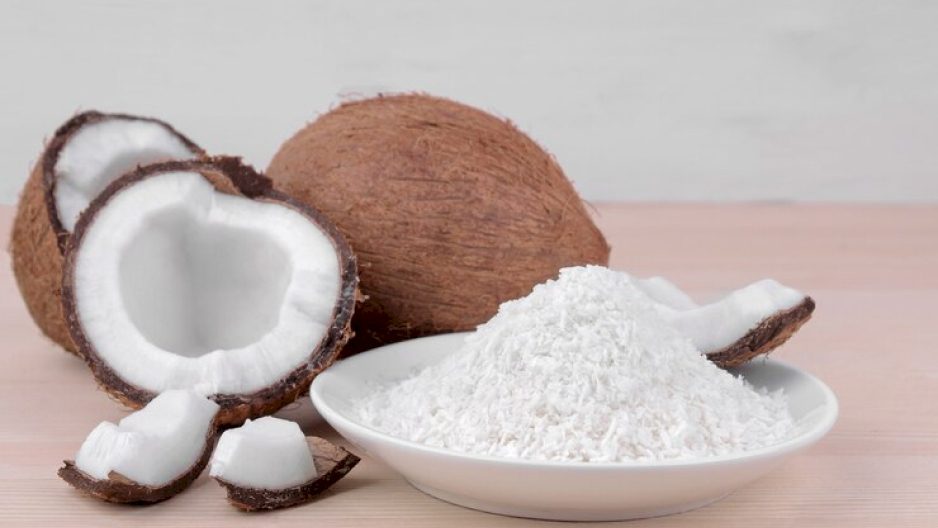
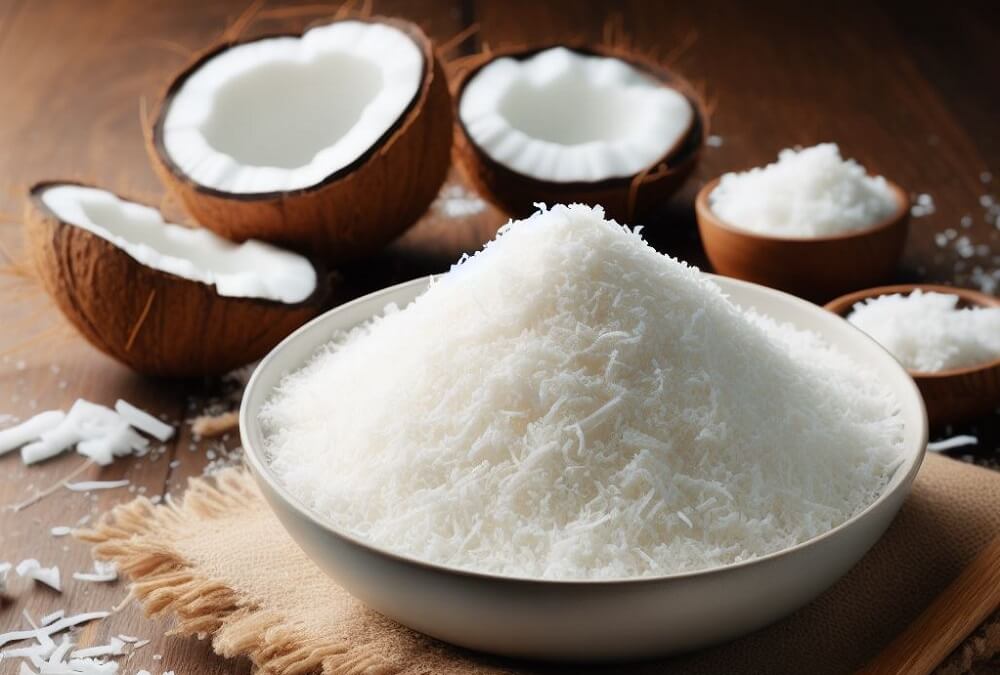
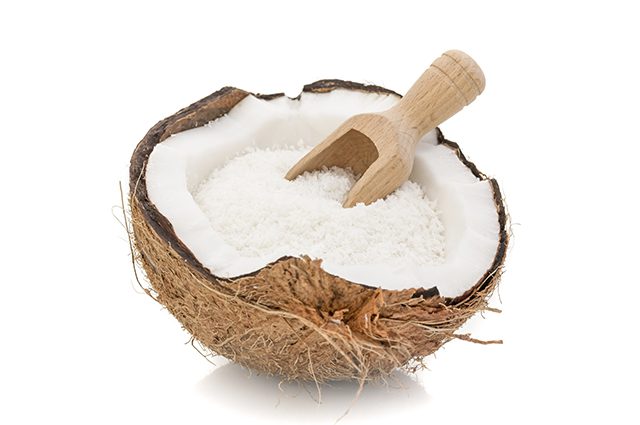
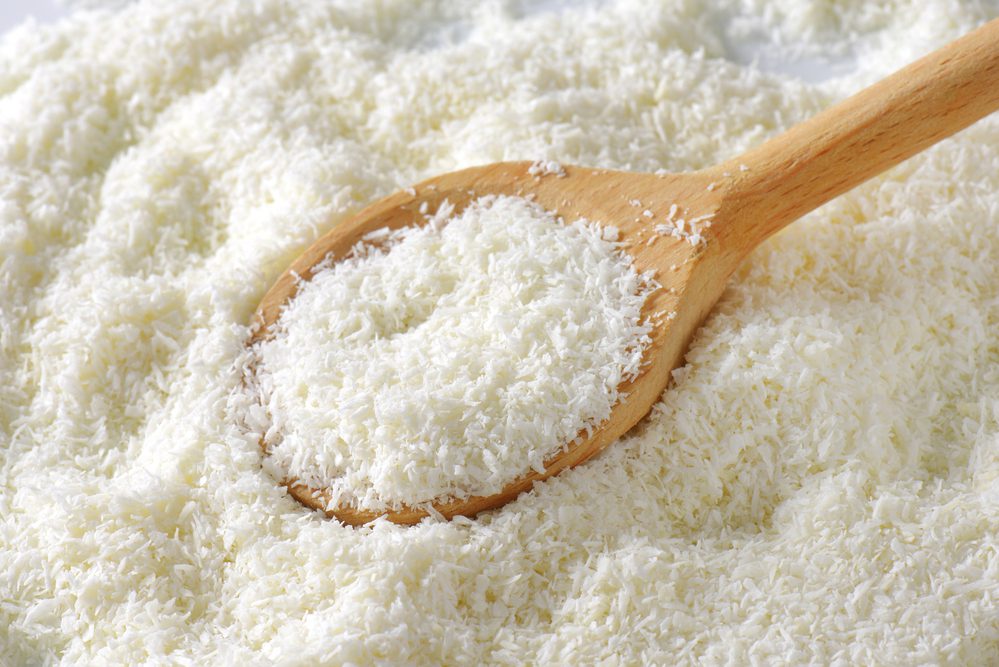
    Desiccated coconut—finely grated, dried, and unsweetened coconut flesh—is a versatile ingredient used in baking, confectionery, and savory dishes around the world. It adds a rich coconut flavor, pleasant texture, and nutritional benefits to everything from cakes and cookies to curries and granola.

    While it’s easy to find in stores, making desiccated coconut at home has several advantages: you can ensure it’s fresh, free from additives, and tailored to the texture you prefer. This guide walks you through the process step-by-step, including tips for the best results and creative ways to use your homemade batch.


    1. Why Make Desiccated Coconut at Home?

    Before jumping into the steps, here’s why making your own can be worth it:

    • Freshness: Store-bought versions may sit on shelves for months; homemade is more fragrant and flavorful.
    • No additives: You can avoid preservatives, sweeteners, or anti-caking agents.
    • Customization: Choose fine, medium, or coarse textures based on your recipes.
    • Sustainability: Reduce packaging waste by making it in bulk at home.

    2. Ingredients and Tools You’ll Need

    Ingredients

    • 1 or more mature coconuts (the brown, hard-shell variety)

    Tools

    • Hammer or mallet (to crack the shell)
    • Butter knife or sturdy spoon (to pry out the flesh)
    • Vegetable peeler (to remove the brown skin, optional)
    • Grater or food processor (for shredding)
    • Oven, dehydrator, or large pan (for drying)
    • Airtight container (for storage)

    3. Step-by-Step Process

    Step 1: Select and Prepare the Coconut

    Choose mature coconuts—they have firm, white meat ideal for desiccation. Shake the coconut; you should hear water sloshing inside, a sign of freshness.

    1. Locate the three “eyes” on the coconut and pierce one with a screwdriver or skewer.
    2. Drain the coconut water into a cup (you can drink it or use it in smoothies).

    Step 2: Crack Open the Shell

    1. Hold the coconut over a bowl and tap it firmly along its circumference with a hammer or mallet.
    2. Rotate as you tap until it splits in half.
    3. Use a butter knife or spoon to pry the white meat from the hard shell.

    Step 3: Peel the Brown Skin (Optional)

    Some recipes call for removing the thin brown layer on the coconut meat to get pure white desiccated coconut. Use a vegetable peeler for this step. However, leaving the skin on adds extra fiber and a slightly nutty flavor.


    Step 4: Grate the Coconut Meat

    • For fine desiccated coconut, use the smallest holes of a box grater or a food processor with a shredding blade.
    • For medium or coarse, use larger holes or a pulse setting in your processor.

    Step 5: Dry the Coconut

    Drying removes moisture to extend shelf life and create that crumbly texture. You can use three main methods:

    Oven Drying

    1. Preheat your oven to 60–80°C (140–175°F).
    2. Spread the grated coconut evenly on a baking sheet lined with parchment paper.
    3. Bake for 45–60 minutes, stirring every 10–15 minutes to ensure even drying.
    4. Remove when the coconut feels dry but not browned.

    Dehydrator

    1. Spread the grated coconut in a thin layer on dehydrator trays.
    2. Set to 55–60°C (130–140°F) and dry for 4–6 hours.

    Pan Drying (Quick Method)

    1. Place grated coconut in a large, dry frying pan over low heat.
    2. Stir constantly for 10–15 minutes until dry and crisp. Be careful not to toast it unless you want toasted coconut.

    Step 6: Cool and Store

    Allow the dried coconut to cool completely before transferring it to an airtight container. Store in a cool, dry place for up to 3 months, or in the freezer for up to 6 months.


    4. Tips for Perfect Desiccated Coconut

    • Don’t rush drying: High heat can brown the coconut and change the flavor.
    • Uniform shredding: Consistent size ensures even drying.
    • Check for moisture: Any dampness can cause mold during storage.
    • Batch size: Work in small batches to maintain quality.

    5. Uses for Homemade Desiccated Coconut

    Once you have your batch ready, the possibilities are endless:

    • Baking: Add to cakes, muffins, cookies, and bread for texture and flavor.
    • Confectionery: Roll chocolate truffles or energy balls in it.
    • Savory dishes: Mix into curries, stir-fries, or rice for a tropical twist.
    • Smoothies: Blend into drinks for creaminess.
    • Breakfast bowls: Sprinkle over oatmeal, granola, or yogurt.

    6. Nutritional Benefits

    Desiccated coconut is more than just a tasty ingredient—it’s nutrient-rich:

    • Healthy fats: Supports energy and satiety.
    • Fiber: Aids digestion.
    • Minerals: Contains manganese, copper, and selenium.

    While it’s calorie-dense, moderate consumption can be part of a balanced diet.


    7. Variations and Flavored Versions

    If you want to get creative, try:

    • Toasted desiccated coconut: Roast lightly in a pan or oven for a nutty flavor.
    • Sweetened version: Toss with a little sugar or honey before drying (for desserts).
    • Spiced coconut: Add cinnamon, vanilla, or cardamom for unique recipes.

    8. Troubleshooting Common Issues

    • Too brown: Oven temperature was too high or dried too long.
    • Clumpy texture: Not fully cooled before storage or residual moisture left.
    • Bland flavor: Coconut was old or not fresh before processing.

    9. Conclusion

    Making desiccated coconut at home is simple, rewarding, and ensures you get the freshest, most flavorful product possible. With just a coconut, some basic kitchen tools, and a little patience, you can prepare a versatile pantry ingredient that enhances both sweet and savory dishes. Once you taste your own homemade version, you may never go back to store-bought again.


  • Top 10 Health Benefits of Desiccated Coconut You Should Know

    Top 10 Health Benefits of Desiccated Coconut You Should Know

    Desiccated coconut—finely grated, dried, and unsweetened coconut meat—is a versatile ingredient used in baking, cooking, and snack recipes worldwide. Beyond its delicious taste and texture, desiccated coconut offers a variety of nutritional benefits. Packed with healthy fats, dietary fiber, and essential minerals, it can be a valuable addition to a balanced diet. Let’s explore the top 10 health benefits you should know.


    1. Rich Source of Healthy Fats

    Desiccated coconut is high in medium-chain triglycerides (MCTs)—a type of fat that is quickly absorbed and converted into energy. MCTs may enhance metabolism, promote satiety, and support brain health, making desiccated coconut an excellent energy booster.


    2. Supports Digestive Health

    With its high dietary fiber content (around 4–6g per serving), desiccated coconut helps regulate bowel movements, prevent constipation, and promote gut health. Fiber also supports a healthy microbiome by feeding beneficial gut bacteria.


    3. Boosts Energy Levels

    Thanks to its combination of healthy fats and small amounts of natural sugars, desiccated coconut provides a sustained energy release, making it a perfect snack for athletes, students, or anyone needing a mid-day pick-me-up.


    4. Promotes Heart Health

    MCTs in desiccated coconut may help improve good HDL cholesterol levels while maintaining balanced triglyceride levels. Additionally, the presence of minerals like potassium and magnesium supports heart function and blood pressure regulation.


    5. Supports Immune System Function

    Desiccated coconut contains lauric acid, a compound with antimicrobial, antiviral, and antifungal properties. Lauric acid can help the body fight infections, making desiccated coconut a natural immune booster.


    6. Enhances Skin and Hair Health

    The fats and antioxidants found in desiccated coconut help nourish the skin from within, keeping it soft and hydrated. These nutrients also strengthen hair follicles, reduce dryness, and promote shiny, healthy hair.


    7. Aids in Weight Management

    While high in calories, desiccated coconut can support weight management when consumed in moderation. Its MCT content may boost metabolism and reduce appetite, helping you feel fuller for longer.


    8. Provides Essential Minerals

    Desiccated coconut is a natural source of minerals such as manganese, copper, selenium, and iron. These nutrients are vital for bone health, red blood cell production, and antioxidant defense.


    9. Gluten-Free and Keto-Friendly

    Naturally gluten-free and low in net carbs, desiccated coconut is suitable for people with celiac disease, gluten sensitivity, or those following a keto or paleo diet.


    10. Versatile in Cooking and Baking

    Beyond its nutritional benefits, desiccated coconut is extremely versatile—it can be added to smoothies, energy bars, baked goods, curries, and desserts for a natural flavor boost.


    How to Add Desiccated Coconut to Your Diet

    • Smoothies: Blend with fruits and milk for a creamy texture.
    • Baked goods: Use in cookies, muffins, and cakes.
    • Toppings: Sprinkle on yogurt, oatmeal, or salads.
    • Energy snacks: Mix with nuts, seeds, and honey for healthy bites.

    Conclusion

    Desiccated coconut is more than just a tasty ingredient—it’s a nutrient-rich food that offers benefits for digestion, heart health, immunity, and overall well-being. By incorporating it into your diet in moderation, you can enjoy both its flavor and its impressive health perks.

  • Top 5 Coconut Sugar Brands You Can Trust

    Top 5 Coconut Sugar Brands You Can Trust

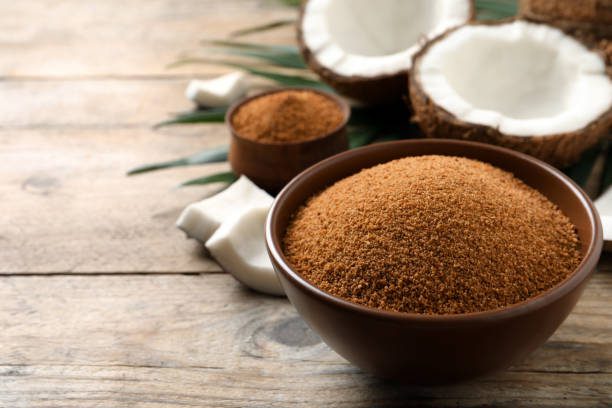
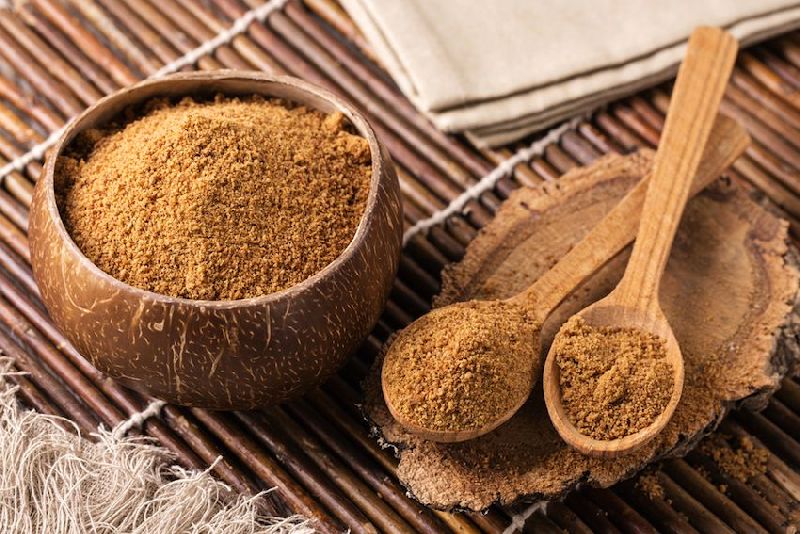
    As more people turn away from refined sugar and artificial sweeteners, coconut sugar has emerged as a popular natural alternative. Made from the sap of coconut palm flower buds, this unrefined sweetener contains small amounts of minerals, antioxidants, and inulin—a fiber that may slow glucose absorption. With a rich, caramel-like taste, coconut sugar is perfect for baking, beverages, and everyday use.

    However, not all coconut sugars are created equal. To ensure you’re getting a product that’s organic, sustainably sourced, and free from additives, it’s important to choose a trustworthy brand. In this article, we review five top coconut sugar brands known for quality, transparency, and ethical sourcing.


    1. Big Tree Farms – Bali Coconut Sugar

    🏷️ Overview:

    Big Tree Farms is one of the pioneers in the coconut sugar industry and a top choice among health-conscious consumers.

    Why You Can Trust Them:

    • Certified Organic and Fair Trade
    • Sourced directly from Indonesian farmers
    • Low glycemic index (GI ~35)
    • Processed using traditional, sustainable methods

    🍬 Flavor and Texture:

    Big Tree Farms’ coconut sugar has a mild caramel flavor, with a fine texture that dissolves well in hot liquids and bakes evenly.

    🌿 Sustainability:

    They emphasize transparency and sustainability, operating one of the world’s largest transparent supply chains for coconut sugar. Their “Farm to Table” approach supports over 14,000 Indonesian farmers.

    🛒 Best For:

    Daily sweetening, baking, and ethical shoppers


    2. BetterBody Foods Organic Coconut Palm Sugar

    🏷️ Overview:

    BetterBody Foods is a well-established brand in the natural food space, and their coconut sugar is a favorite for its balance of quality and affordability.

    Why You Can Trust Them:

    • USDA Organic and non-GMO certified
    • Low GI
    • No additives or preservatives

    🍬 Flavor and Texture:

    It offers a rich, full-bodied sweetness with hints of toffee. The grains are slightly coarser, making it ideal for use in rubs, toppings, and baked goods with texture.

    🌿 Sustainability:

    Though not Fair Trade certified, BetterBody Foods sources responsibly from Southeast Asia and maintains rigorous quality control standards.

    🛒 Best For:

    Bakers and budget-conscious consumers who want organic without breaking the bank


    3. Terrasoul Superfoods Organic Coconut Sugar

    🏷️ Overview:

    Terrasoul Superfoods has built a strong reputation for delivering high-quality superfoods, and their coconut sugar lives up to the brand’s high standards.

    Why You Can Trust Them:

    • Certified Organic, Kosher, and non-GMO
    • Batch-tested for quality and purity
    • Transparent sourcing from small Southeast Asian farms

    🍬 Flavor and Texture:

    This coconut sugar has a subtle, complex flavor, not overly sweet, which makes it perfect for enhancing coffee, tea, or even savory sauces.

    🌿 Sustainability:

    Terrasoul supports smallholder farmers and promotes organic agriculture, using sustainable harvesting and minimal processing techniques.

    🛒 Best For:

    Clean eaters, superfood enthusiasts, and minimalists


    4. Wholesome Organic Coconut Palm Sugar

    🏷️ Overview:

    Wholesome is a well-known name in natural and organic sweeteners. Their coconut palm sugar is both Fair Trade and USDA Organic, which appeals to conscious consumers.

    Why You Can Trust Them:

    • Fair Trade Certified
    • USDA Organic
    • Gluten-free, vegan, and non-GMO

    🍬 Flavor and Texture:

    Wholesome’s coconut sugar has a consistent golden brown color, and its flavor is on the milder side, making it an easy substitute for white sugar in any recipe.

    🌿 Sustainability:

    Their commitment to fair labor and environmentally responsible farming practices makes Wholesome a go-to brand for ethical buyers.

    🛒 Best For:

    Fair Trade advocates and everyday sweetener substitution


    5. Nutiva Organic Coconut Sugar

    🏷️ Overview:

    Nutiva is a pioneer in organic superfoods, and their coconut sugar is part of a lineup of trusted, nutrient-dense products.

    Why You Can Trust Them:

    • Organic and non-GMO certified
    • Sustainably sourced from Indonesian farms
    • Comes in eco-friendly packaging

    🍬 Flavor and Texture:

    Nutiva’s coconut sugar is finely granulated and has a more roasted flavor profile—perfect for oatmeal, coffee, and desserts that benefit from a bold sweetness.

    🌿 Sustainability:

    Nutiva donates 1% of every sale to support sustainable agriculture, nutrition education, and community programs.

    🛒 Best For:

    Eco-conscious consumers and those looking for a richer caramel flavor


    What to Look for in a Good Coconut Sugar Brand

    When evaluating coconut sugar brands, consider the following criteria:

    Certifications

    Look for USDA Organic, Fair Trade, and non-GMO labels to ensure you’re getting a clean and ethically produced product.

    Origin

    Coconut sugar is traditionally produced in Indonesia, Philippines, and Thailand. Trustworthy brands often name the region and farm source on the label.

    Processing

    Unrefined coconut sugar should be minimally processed with no bleaching, additives, or anti-caking agents.

    Flavor Profile

    Depending on your preference, choose a brand with a flavor that complements your intended use—some are bolder and more molasses-like, while others are mild and more versatile.


    Health Benefits of Coconut Sugar (When Used in Moderation)

    While coconut sugar is not a “health food” in the traditional sense, it is a better-for-you alternative to refined sugar:

    • Low Glycemic Index (GI 35): Slower sugar absorption compared to white sugar
    • Contains Minerals: Small amounts of iron, zinc, calcium, potassium
    • Inulin Fiber: A prebiotic that can support gut health

    That said, coconut sugar still contains fructose and glucose, so moderation is key. Use it as a replacement—not a license to consume more sugar overall.


    Conclusion: Sweet Choices Rooted in Integrity

    In a market flooded with sweeteners, coconut sugar stands out as a natural, unrefined, and more sustainable choice. However, the quality of your coconut sugar depends heavily on the brand you choose. Brands like Big Tree Farms, BetterBody Foods, Terrasoul, Wholesome, and Nutiva consistently deliver products that are clean, ethical, and delicious.

    By choosing brands that prioritize fair trade, organic sourcing, and environmental responsibility, you’re not just sweetening your recipes—you’re supporting communities and sustainable farming around the world.

    So go ahead—swap that white sugar for a spoonful of coconut goodness. Your taste buds and your conscience will thank you.


  • The Environmental Benefits of Choosing Coconut Sugar

    The Environmental Benefits of Choosing Coconut Sugar

    In recent years, the global shift toward sustainable living has led to an increased interest in eco-friendly food alternatives. One such alternative that’s gaining popularity is coconut sugar—a natural sweetener derived from the sap of coconut palm trees. While it offers a range of nutritional advantages, what truly sets coconut sugar apart is its environmental sustainability. In comparison to traditional sweeteners like cane sugar and corn syrup, coconut sugar production has a much lower environmental impact, making it a responsible choice for the eco-conscious consumer.

    What is Coconut Sugar?

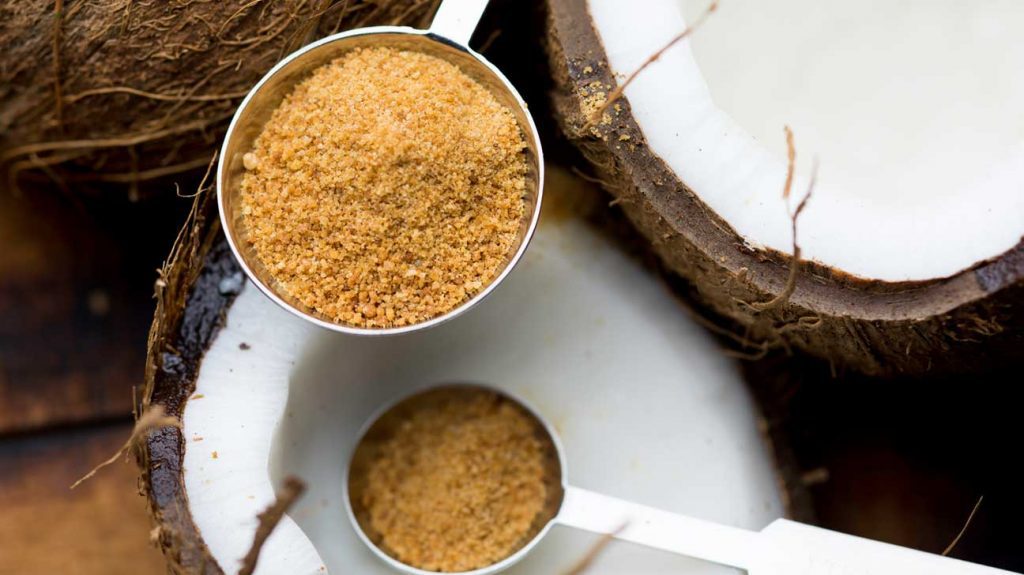
    Coconut sugar, also known as coconut palm sugar, is produced by tapping the flower buds of the coconut palm tree (Cocos nucifera). Farmers collect the sap, heat it to evaporate moisture, and eventually crystallize it into sugar granules. The process is simple, minimally processed, and free from artificial additives, making coconut sugar a natural and unrefined sweetener.

    Not only is coconut sugar known for its low glycemic index and rich nutrient profile (containing small amounts of iron, zinc, calcium, potassium, and antioxidants), but it’s also recognized for its environmental benefits, which are becoming increasingly important in a world facing climate change and biodiversity loss.

    1. Minimal Environmental Degradation

    One of the key environmental advantages of coconut sugar is that it’s derived from coconut palm trees, which are perennial crops. Unlike sugarcane, which requires regular replanting, coconut palms continue to produce sap year-round for up to 25–70 years, depending on the species and local farming practices.

    This longevity means less soil disruption, reduced erosion, and lower resource use over time. There’s no need to till the soil or use large quantities of fertilizers and herbicides regularly, as is common in conventional sugar farming.

    2. Low Water Consumption

    Coconut palms are highly water-efficient. According to the Food and Agriculture Organization (FAO), they require significantly less water compared to sugarcane. Producing just one kilogram of sugar from sugarcane can require up to 1,500–3,000 liters of water, while coconut palms thrive with natural rainfall in tropical regions and rarely require irrigation.

    This lower water demand helps conserve precious freshwater resources, particularly in regions that are increasingly suffering from droughts and water shortages. Choosing coconut sugar over traditional sweeteners is, therefore, a step toward responsible water usage in agriculture.

    3. Lower Carbon Footprint

    Sugarcane and beet sugar farming are responsible for considerable greenhouse gas emissions due to land clearing, use of synthetic fertilizers, and transportation. In contrast, coconut palms not only require fewer chemical inputs but also act as carbon sinks.

    Trees in general absorb carbon dioxide and release oxygen, helping to mitigate climate change. Coconut palms grow in tropical regions where deforestation is a concern. By maintaining coconut farms instead of clearing land for other agricultural or industrial uses, farmers help preserve carbon-absorbing tree cover.

    Moreover, since coconut sugar is often produced locally in small-scale farms with traditional methods, the production process tends to emit less CO₂ overall than the industrial-scale refinement processes used for white sugar.

    4. Biodiversity Preservation

    Another important ecological benefit of coconut sugar production is its role in supporting biodiversity. Coconut palm farms are often integrated into agroforestry systems, where multiple crops such as bananas, cacao, coffee, and root vegetables grow alongside coconut trees. These mixed-crop systems preserve a diverse ecosystem, unlike monoculture farming which reduces soil fertility and wildlife habitats.

    This diversity not only promotes natural pest control, reducing the need for harmful pesticides, but also supports pollinators like bees and butterflies, which are essential for global food production.

    By contrast, conventional sugar plantations—especially sugarcane—are usually monocultures. These plantations contribute to habitat destruction, especially in biodiverse areas such as Brazil, Southeast Asia, and the Caribbean.

    5. Soil Health and Regeneration

    Coconut palms have deep root systems that stabilize the soil and enhance its structure, preventing erosion and promoting water retention. This is a stark contrast to sugarcane farming, which can degrade soil rapidly due to frequent tilling and heavy chemical use.

    Additionally, coconut farming practices often include natural composting, where fallen leaves and organic matter are returned to the soil, enriching it over time. This approach enhances long-term soil fertility, promoting sustainability for future generations.

    6. Reduced Chemical Use

    Coconut sugar is often produced organically or with minimal use of pesticides and synthetic fertilizers. In part, this is due to the natural resilience of coconut palms, which are less susceptible to pests and diseases compared to other crops. As a result, coconut sugar production typically relies on eco-friendly farming practices.

    Lower chemical input means fewer toxins leach into nearby water systems, reducing the risk of polluted rivers, lakes, and oceans. This supports healthier aquatic ecosystems and decreases the environmental footprint of sweetener production.

    7. Support for Small-Scale and Sustainable Farming

    Coconut sugar production is largely a community-based industry. Smallholder farmers in countries like the Philippines, Indonesia, Sri Lanka, and India grow and harvest coconut palms using traditional, low-impact methods passed down through generations.

    By choosing coconut sugar, consumers contribute to the economic empowerment of these farming communities and encourage ethical, small-scale agriculture over industrial farming. Supporting these producers also helps keep traditional ecological knowledge alive, promoting farming systems that are in tune with nature.

    8. Minimal Processing and Packaging

    Unlike white sugar, which undergoes extensive refining, bleaching, and chemical processing, coconut sugar is minimally processed. The process involves simply boiling down the sap to concentrate it into granules or syrup. This not only preserves more nutrients but also reduces the energy and materials needed in manufacturing.

    Additionally, many coconut sugar producers use eco-conscious packaging, especially those committed to organic and fair-trade certifications. With less energy-intensive packaging and processing, coconut sugar presents a greener alternative from farm to table.

    Final Thoughts

    As the global population continues to grow, so does the pressure on our environment. Making conscious choices about what we consume can make a significant difference. Choosing coconut sugar over conventional sweeteners isn’t just a health-conscious decision—it’s an environmentally responsible one.

    With benefits like reduced water usage, lower carbon emissions, protection of biodiversity, and support for small-scale sustainable farming, coconut sugar represents a sweet solution to a sour environmental problem. While it may not replace all sweeteners overnight, its growing popularity signals a shift toward a more sustainable and ethical food system.

    In a world that increasingly values sustainability, coconut sugar proves that sometimes the smallest changes—like the sugar we stir into our morning coffee—can make a big difference.

  • How Coconut Milk Is Made: Traditional and Modern Methods

    How Coconut Milk Is Made: Traditional and Modern Methods

    Coconut milk is a creamy, white liquid extracted from the grated pulp of mature coconuts. Used widely in Southeast Asian, Caribbean, African, and South Indian cuisines, it adds a rich, aromatic flavor to dishes ranging from curries to desserts. Beyond its culinary appeal, coconut milk is also valued in vegan diets as a dairy substitute and used in cosmetics for its moisturizing properties.

    The process of making coconut milk has evolved significantly over time. While traditional methods emphasize simplicity and manual labor, modern production involves industrial processes for efficiency and consistency. This article explores how coconut milk is made—comparing traditional techniques with contemporary methods—and examines how each impacts quality, nutrition, and taste.


    Understanding Coconut Milk

    Before diving into the production process, it’s important to clarify what coconut milk is—not to be confused with coconut water or coconut cream.

    • Coconut water is the clear liquid found inside a young, green coconut.
    • Coconut milk is made by grating the meat of a mature coconut and mixing it with water, then straining the mixture to obtain a thick, opaque liquid.
    • Coconut cream is a thicker version of coconut milk with higher fat content, often rising to the top when coconut milk settles.

    Coconut milk contains approximately 17–24% fat, primarily in the form of medium-chain triglycerides (MCTs), which are easier to digest and may offer metabolic benefits.


    Traditional Method of Making Coconut Milk

    1. Selection of Mature Coconuts

    Traditional coconut milk is made using mature brown coconuts, as they contain a higher oil content and firmer meat than young coconuts. Farmers or household cooks select coconuts that are fully ripe and free from mold or cracks.

    2. Husking and Shelling

    The first step involves removing the thick outer husk, either with a machete or by using a pointed metal tool embedded in the ground. Once husked, the hard brown shell is cracked open using a hammer or blunt instrument, revealing the white coconut meat.

    3. Grating the Coconut Meat

    The inner meat is then manually grated using a traditional tool called a kudkuran in the Philippines or a similar scraper with sharp edges. This results in fine coconut shavings, ready for milk extraction.

    4. Mixing with Warm Water

    The grated coconut is placed into a bowl and mixed with warm (not boiling) water to help loosen the fat content and enhance extraction. The usual ratio is about 1:1 or 1:1.5 of coconut to water.

    5. Manual Extraction

    The mixture is then kneaded and squeezed by hand or wrapped in cheesecloth and pressed to extract the milk. This first extraction is known as “first press” or thick coconut milk, which is richer and creamier.

    After the first press, the grated coconut can be mixed with more water and squeezed again to produce thin coconut milk, suitable for soups or less-rich dishes.

    6. Filtration

    The coconut milk is filtered through a fine mesh or muslin cloth to remove any solid residues, resulting in a smooth liquid ready for cooking or consumption.

    Pros of Traditional Method:

    • Rich, natural flavor
    • No preservatives or additives
    • Culturally significant and sustainable on a small scale

    Cons:

    • Labor-intensive
    • Short shelf life
    • Inconsistent quality

    Modern Methods of Coconut Milk Production

    As global demand for coconut milk has increased, commercial producers have adopted industrial methods to streamline production while ensuring safety and consistency.

    1. Mechanical Deshelling and Paring

    In modern facilities, coconuts are deshelled using mechanical tools, followed by a paring process to remove the brown skin from the white kernel. This yields cleaner and brighter coconut meat.

    2. Washing and Sanitizing

    The pared coconut meat is thoroughly washed and sanitized to ensure it is free from contaminants and pathogens. This is a critical step in ensuring food safety in mass production.

    3. Mechanical Grating and Pressing

    Instead of manual grating, the meat is fed into high-speed mechanical graters. The grated coconut is then passed through hydraulic or screw-type extractors to separate the milk from the fiber.

    Industrial extractors can apply significant pressure, yielding higher amounts of coconut milk more efficiently than manual methods. Often, two or more pressings are done to obtain thick and thin milk separately.

    4. Homogenization

    To prevent the fat in coconut milk from separating during storage, the extracted liquid undergoes homogenization—a process that breaks down fat globules and distributes them evenly. This results in a stable, uniform product.

    5. Pasteurization or UHT Treatment

    To extend shelf life, coconut milk is heat-treated:

    • Pasteurization involves heating to about 72–85°C to kill bacteria while preserving taste.
    • Ultra-High Temperature (UHT) processing heats the milk to around 135–150°C for a few seconds, allowing for packaging in aseptic cartons with shelf lives of up to 12 months.

    6. Packaging

    After processing, the coconut milk is packaged into cans, cartons, or aseptic pouches under sterile conditions. Preservatives, stabilizers, or emulsifiers may be added to improve shelf stability and texture.

    7. Powdered Coconut Milk

    Some facilities also produce powdered coconut milk by spray-drying the liquid form. This is popular for its convenience and longer shelf life.

    Pros of Modern Method:

    • Consistent quality and safety
    • Longer shelf life
    • Scalable for mass markets

    Cons:

    • May contain additives or preservatives
    • Slightly altered flavor and texture
    • Higher environmental impact from processing and packaging

    Comparing Traditional and Modern Methods
    FeatureTraditionalModern
    FlavorRich, naturalNeutral or slightly processed
    Shelf Life1–2 daysUp to 12 months (UHT)
    LaborManual, intensiveAutomated
    AdditivesNoneOften present
    ScaleSmall-scaleIndustrial-scale
    CostLow (if local)Higher due to processing

    Nutritional and Culinary Considerations

    While both traditional and modern coconut milk provide similar basic nutrients—healthy fats, small amounts of protein, and vitamins—the fresh traditional version often retains more antioxidants and enzymes. However, for commercial and culinary use, modern coconut milk offers convenience and longer usability.

    In cooking, thick coconut milk is often used for stews, curries, and desserts, while thin coconut milk is suitable for soups and lighter sauces. Modern canned coconut milk often separates into cream and liquid, which can be recombined by shaking or stirring.


    Conclusion

    Coconut milk production has come a long way from simple, traditional methods to advanced industrial processes. Each approach has its own merits. Traditional methods honor cultural practices, deliver unparalleled flavor, and are ideal for home use. On the other hand, modern techniques meet the global demand with consistent quality and extended shelf life.

    As consumers become more aware of their food sources, there is a growing interest in sustainable and minimally processed coconut milk. Whether prepared by hand in tropical kitchens or manufactured in state-of-the-art facilities, coconut milk remains a beloved ingredient cherished for its richness, versatility, and cultural importance.

  • Coconut Milk vs. Coconut Cream: What’s the Difference?

    Coconut Milk vs. Coconut Cream: What’s the Difference?

    Coconuts have become a staple in kitchens around the world, beloved for their versatility and nutritional benefits. Among the most commonly used coconut products are coconut milk and coconut cream. At first glance, they may seem similar—both are rich, creamy, and derived from the white flesh of mature coconuts—but they serve different purposes in cooking and offer varying textures, flavors, and fat contents.

    So, what exactly sets coconut milk apart from coconut cream? In this comprehensive guide, we’ll break down the differences, similarities, uses, nutritional profiles, and how to choose the right one for your culinary needs.


    How Are They Made?

    Both coconut milk and coconut cream are extracted from the grated flesh of mature coconuts, but the ratios of coconut to water and the extraction methods create their key differences.

    Coconut Milk

    Coconut milk is made by blending grated coconut meat with water and then straining it to extract the liquid. The result is a creamy, smooth liquid that resembles dairy milk in texture. It can vary in thickness, depending on the brand or how it’s made.

    There are typically two types:

    • Thin coconut milk: Produced from a second pressing of the coconut meat with more water.
    • Thick coconut milk: Comes from the first pressing and contains more fat.

    Commercially, most canned coconut milk falls somewhere in between, often separating into a watery base and a thicker layer on top.

    Coconut Cream

    Coconut cream is richer and thicker than coconut milk. It’s made using the same basic process, but with less water and more coconut meat. This results in a product that has a higher fat content and a more solid consistency.

    Coconut cream is often found as the thick layer that rises to the top of an unshaken can of full-fat coconut milk. It’s scooped off and used on its own in recipes that require a denser, richer product.

    There’s also creamed coconut, which is a different product altogether—it’s solidified, dehydrated coconut meat and is usually sold in blocks.


    Key Differences at a Glance

    FeatureCoconut MilkCoconut Cream
    TexturePourable, similar to dairy milkThick and spoonable
    Fat Content9–15% fat20–25% fat
    ConsistencyLight and creamyDense and rich
    TasteMilder, less intense coconut flavorStronger coconut flavor
    UsesCurries, soups, smoothies, bakingDesserts, whipped toppings, sauces
    Calories (per 100g)~150 calories~330 calories

    Culinary Uses: When to Use Which

    Knowing when to use coconut milk versus coconut cream can greatly affect the outcome of a dish.

    🍛 Coconut Milk

    This is your go-to when you want a creamy, coconut flavor without overwhelming richness.

    Common uses:

    • Curries and soups: Thai green curry, laksa, or coconut chicken soup.
    • Smoothies and beverages: A dairy-free milk alternative in smoothies, golden milk, or iced coffee.
    • Baking: Used in muffins, cakes, or bread as a moisture booster.
    • Oatmeal and cereal: Adds flavor and creaminess to breakfast bowls.

    It’s versatile and easy to incorporate into both sweet and savory dishes.

    🍨 Coconut Cream

    Use coconut cream when you want decadence, richness, or a whipped texture.

    Common uses:

    • Whipped topping: Chill the cream, then whip it into a dairy-free topping for pies or cakes.
    • Ice cream: Acts as the fatty base for homemade vegan ice creams.
    • Desserts: Great in mousse, puddings, and ganache.
    • Thick sauces and condiments: Adds richness to savory sauces, dips, or creamy salad dressings.

    Because of its dense texture, a little goes a long way.


    Nutritional Comparison

    Both coconut milk and coconut cream are rich in medium-chain triglycerides (MCTs), a type of fat that the body metabolizes quickly for energy. However, they differ in calorie and fat content:

    Nutrient (per 100g)Coconut MilkCoconut Cream
    Calories~150 kcal~330 kcal
    Total Fat~15g~35g
    Saturated Fat~13g~30g
    Protein~1.5g~3g
    Carbohydrates~2g~4g
    Fiber~0.5g~1g

    Note: These values may vary by brand and whether additives (like guar gum or stabilizers) are present.


    How to Substitute One for the Other

    In a pinch, you can substitute coconut milk and coconut cream—but with some adjustments.

    👉 To make coconut cream from coconut milk:

    • Chill a can of full-fat coconut milk in the fridge overnight.
    • The thick layer that rises to the top is coconut cream. Scoop it out, leaving the liquid behind.

    👉 To make coconut milk from coconut cream:

    • Mix 1 part coconut cream with 1 part water.
    • Stir well until it reaches the consistency of regular coconut milk.

    While substitutions can work, they may slightly alter the texture and richness of the final dish.


    Canned vs. Carton Coconut Products

    It’s important to note that canned coconut milk/cream and carton coconut milk are different products.

    • Canned: Contains just coconut and water, sometimes stabilizers. It’s thicker, richer, and used for cooking.
    • Carton: Found in the refrigerated or shelf-stable beverage aisle. It’s usually diluted, sweetened, and fortified for drinking or use as a dairy milk alternative.

    Always check the label to ensure you’re getting the right product for your recipe.


    Storage Tips

    • Unopened cans: Store in a cool, dark place for up to 2 years.
    • Opened cans: Transfer to an airtight container and refrigerate. Use within 5–7 days.
    • Freezing: Both coconut milk and cream freeze well. Freeze in ice cube trays and store in a sealed bag for easy portioning.

    Final Thoughts: Which One Should You Choose?

    Choosing between coconut milk and coconut cream depends on your culinary needs and desired texture:

    • Use coconut milk when you want a creamy, balanced flavor that’s not too heavy—ideal for everyday cooking.
    • Choose coconut cream when you want richness and indulgence, especially in desserts or creamy sauces.

    Understanding the differences between these two products empowers you to use them creatively and confidently in the kitchen.


    Bonus Tip: DIY Coconut Milk and Cream

    Want to go the extra mile? You can make your own coconut milk and cream at home:

    ✅ DIY Coconut Milk:

    • Blend 1 cup shredded unsweetened coconut with 2 cups hot water.
    • Strain through a cheesecloth or nut milk bag.

    ✅ DIY Coconut Cream:

    • Let the homemade milk sit in the fridge. The cream will rise to the top and can be scooped off.

    Homemade versions are fresh, preservative-free, and cost-effective!

Secret Link