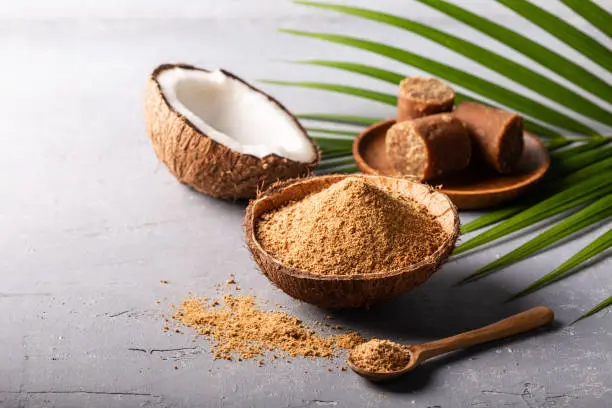
Coconut sugar can be a strong sweetener option for beverage manufacturers when its caramel-like flavor, brown color, and product positioning fit the finished drink.
However, choosing coconut sugar for a beverage involves more than replacing white sugar on a one-to-one basis.
Beverage R&D teams need to evaluate how the ingredient dissolves, how it changes color and flavor, whether sediment appears during storage, what particle size works best in the process, and how consistent the ingredient remains from batch to batch.
In practice, coconut sugar is often easier to integrate into coffee, cocoa, chai, plant-based beverages, and dry beverage mixes than into very clear or neutral-tasting drinks.
The correct decision depends on the formulation and process—not on whether coconut sugar is generally considered a “natural” sweetener.
For a broader overview of coconut sugar across multiple food categories, see our coconut sugar applications in the food industry.
Quick Answer: Is Coconut Sugar Suitable for Beverage Manufacturing?
Yes, but suitability depends on the beverage. Coconut sugar is especially practical where a caramel-like flavor and amber-brown color can become part of the product profile.
Manufacturers should be more cautious when the finished beverage needs to remain very clear, very pale, or completely neutral in flavor.
| Beverage Type | Typical Fit | Main Formulation Consideration |
| Coffee / coffee RTD | Strong | Caramel and roasted notes can fit naturally; verify cold-process dissolution for bottled products. |
| Chai / robust tea | Strong | Flavor usually integrates well with spiced or full-bodied tea systems. |
| Cocoa / chocolate beverages | Strong | Brown color is generally less visually disruptive; test total sweetness and mouthfeel. |
| Plant-based beverages | Good | Evaluate color, flavor, viscosity, and stability in the complete formula. |
| Instant drink powders | Good | Particle size, dry blending, dispersion, and segregation should be tested. |
| Protein / functional drinks | Depends | Test flavor interaction, color, sediment, and the full protein/mineral system. |
| Fermented beverages | Possible | Fermentation performance is formula-specific and should be validated in the actual process. |
| Clear / pale beverages | More challenging | Natural brown color and caramel notes may be too noticeable. |
| Very cold RTD with limited mixing | Requires testing | Dry sugar needs enough dissolution time, agitation, and suitable particle size. |
What Coconut Sugar Changes in a Beverage Formulation
Sweetness Is Only One Part of the Decision
Coconut sugar provides sweetness, but beverage formulators should not treat it as a completely neutral substitute for refined cane sugar.
The ingredient brings its own color, aroma, flavor, solids, and batch characteristics into the beverage.
For that reason, the most useful question is not “Can coconut sugar replace white sugar?” but “What happens to the finished beverage when this sweetener is introduced at the target use level?”
Caramel-Like Flavor
Coconut sugar is commonly associated with caramel, malty, roasted, and brown-sugar-like sensory notes.
A study published in LWT that characterized coconut blossom sugar samples found a strong caramel smell and taste to be particularly characteristic. Research on coconut sugar sensory properties supports this sensory positioning.
That flavor can be an advantage in coffee, cocoa, chai, and other full-bodied beverages.
It can be a disadvantage in products designed around a very clean, delicate, or neutral flavor.
Amber-to-Brown Color
Coconut sugar naturally contributes an amber-to-brown tone when dissolved. This is usually easier to accommodate in coffee, chocolate drinks, dark tea, and brown or opaque plant-based beverages.
For clear beverages, pale flavored waters, or products where color consistency is visually critical, the manufacturer should run a bench trial before deciding that coconut sugar is an appropriate sweetener.
Coconut Sugar Solubility: What Beverage Manufacturers Should Test
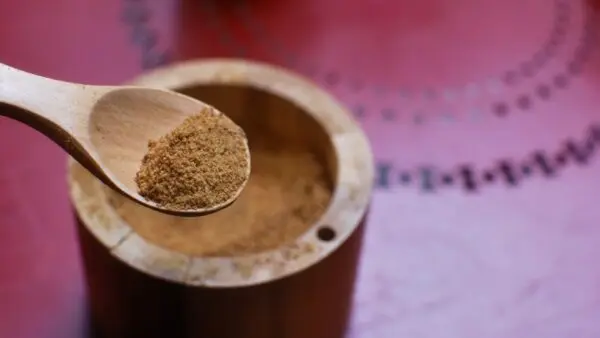
Solubility is one of the most important practical questions in beverage manufacturing.
Coconut sugar is a dry crystalline ingredient, so performance depends on the liquid system and process conditions rather than on the ingredient name alone.
Key variables include:
- liquid temperature
- coconut sugar particle size
- mixing speed and agitation
- sweetener concentration
- other dissolved solids in the formula
- protein, mineral, fat, acid, or stabilizer systems
- order of ingredient addition
- hold time before filling
Hot Beverage Systems
Warm processing conditions generally make dry sugar easier to dissolve because the ingredient can be incorporated while sufficient mixing energy is available.
Coffee concentrates, tea concentrates, cocoa bases, and beverage syrups can therefore be relatively straightforward starting points for formulation trials.
Cold and RTD Systems
Cold systems need more attention. A sugar that appears dissolved during mixing may still create sediment, undissolved particles, or visual instability after filling and storage.
For refrigerated or ambient RTD beverages, manufacturers should inspect the product after the full process—not just immediately after mixing.
Why Particle Size Matters
Finer particles can be easier to disperse and may dissolve more quickly under suitable processing conditions, while larger granules may need more time or mixing energy.
However, particle size should be selected based on the actual manufacturing process rather than treated as a universal quality ranking.
For a broader B2B explanation of moisture, mesh size, color, documentation, and other purchasing parameters, review our organic coconut sugar specification guide.
Granulated, Powdered, or Liquid Coconut Sweetener: Which Form Fits the Beverage?
Different coconut sweetener formats solve different production problems. Beverage manufacturers should choose the form that fits the process rather than assuming one format is always superior.
| Sweetener Form | Strongest Use Case | Main Trade-Off |
| Granulated coconut sugar | Coffee, tea, cocoa, plant-based beverages, and production systems with an effective dissolution step. | Requires adequate dissolution and mixing. |
| Powdered coconut sugar | Instant beverage mixes, dry premixes, and processes that benefit from smaller particles. | Finer powder can create different handling and dust-control requirements; confirm supplier specification. |
| Coconut nectar syrup | Liquid formulations where easier incorporation is more important than using a dry sugar. | Adds liquid solids and moisture, so the formula must be adjusted rather than treated as a direct dry-sugar replacement. |
If a liquid coconut sweetener is more suitable for your process, review our organic coconut nectar syrup for B2B sourcing.
Beverage Applications: Where Coconut Sugar Fits Best
Coffee and Coffee-Based RTD Drinks
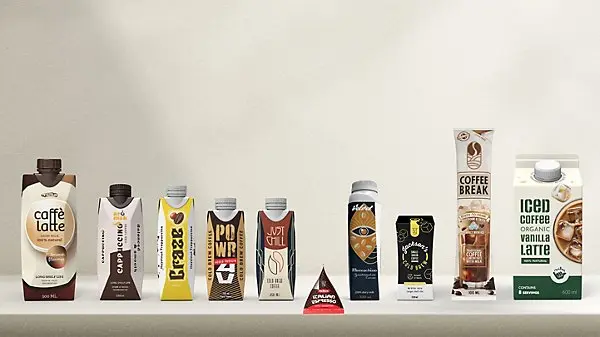
Coffee is one of the most natural flavor matches for coconut sugar because roasted coffee and caramel-like sweetness can complement each other.
In hot coffee systems, dissolution is usually easier to manage.
In bottled coffee, manufacturers should pay more attention to cold-phase mixing, sediment, final color, and sweetness consistency after storage.
Tea, Chai, and Herbal Beverages

Coconut sugar can work particularly well in chai, milk tea, robust black tea, and spiced herbal beverages.
For delicate teas or very pale infusions, the sweetener's color and flavor contribution should be tested carefully.
Cocoa and Chocolate Beverages

Cocoa and chocolate drinks are another strong fit because the beverage already has a dark color and a flavor profile that can accommodate caramel and roasted notes.
Formulators should still evaluate total solids, sweetness, mouthfeel, and the interaction with milk or plant-based bases.
Plant-Based Milks and Dairy Alternatives
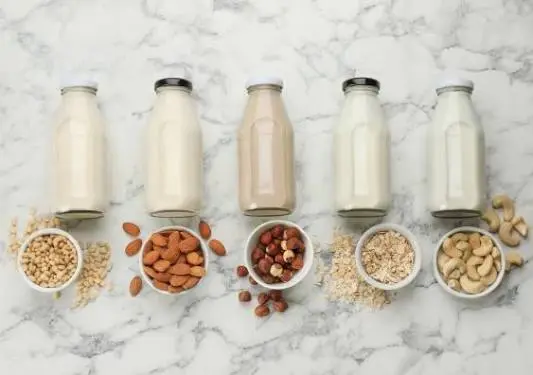
In plant-based beverages, sweetener selection can affect more than taste.
The complete matrix—including protein, fat, stabilizers, minerals, and processing conditions—determines the final viscosity and stability.
For this reason, coconut sugar should be tested inside the complete beverage formula rather than evaluated only in water.
Instant Beverage and Powder Premixes
For instant coffee, cocoa mixes, chai powders, and other dry premixes, manufacturers should evaluate particle-size compatibility between coconut sugar and the other dry ingredients.
Large differences in particle size or density can increase segregation during blending, transport, and filling.
Functional and Protein Beverages
Coconut sugar can be evaluated in protein, meal-replacement, and functional beverage systems, especially when a warmer caramel-like flavor helps mask strong protein, botanical, or mineral notes.
The result is formulation-specific, so bench testing and stability testing are more useful than generic substitution ratios.
Kombucha and Other Fermented Drinks
Coconut sugar may also be evaluated in fermented beverages. However, fermentation rate, residual sweetness, acidity, microbial behavior, and sensory outcome depend on the complete fermentation protocol.
Manufacturers should validate coconut sugar in their own culture and process rather than assume it behaves exactly like refined sucrose in every fermentation system.
How to Run a Coconut Sugar Beverage Trial Before Scale-Up
A controlled trial is more useful than relying on a generic replacement ratio.
The purpose is to identify how coconut sugar affects the actual beverage before a large ingredient order or commercial production run.
| Trial Step | What to Check |
| 1. Define the target beverage | Clarify target sweetness, color, flavor profile, serving format, process temperature, and shelf-life expectations. |
| 2. Choose the coconut sugar form | Decide whether granulated, powdered, or a liquid coconut sweetener best matches the process. |
| 3. Prepare a bench sample | Start with a controlled small-scale formulation using the intended base ingredients. |
| 4. Test dissolution and mixing | Observe how quickly the sweetener incorporates and whether visible crystals or sediment remain. |
| 5. Evaluate color and sensory impact | Compare sweetness, caramel notes, aroma, color, and aftertaste against the control formula. |
| 6. Measure the finished beverage | Check the measurements your product actually uses, such as Brix, pH, viscosity, or other internal quality targets. |
| 7. Run process and stability trials | Evaluate the formula after heat treatment, cooling, filling, storage, and the intended shelf-life checkpoints. |
| 8. Lock the supplier specification | Once the formula works, define the required form, particle size, moisture, color range, documentation, and other purchase specifications. |
Test the Finished Formula, Not Coconut Sugar in Water Alone
A dissolution test in plain water is useful as a screening step, but it does not represent every beverage.
Proteins, acids, minerals, stabilizers, flavors, fats, and other dissolved solids can change how an ingredient behaves.
For commercial approval, the most relevant test is the finished formulation using the real process.
Brix, Sweetness, and Batch Consistency
There is no single coconut sugar percentage or target Brix that works for every beverage category.
Coffee drinks, cocoa beverages, plant-based milks, concentrates, syrups, and fermented beverages all have different sweetness and solids targets.
The finished beverage specification should therefore define the target Brix or sweetness level. Coconut sugar is then evaluated as part of that complete solids system.
For consistent commercial production, beverage manufacturers should also monitor:
- moisture level of the incoming coconut sugar
- particle size or mesh range
- color range
- aroma and flavor profile
- batch-to-batch sensory consistency
- relevant microbiological parameters
- COA results and supplier documentation
Coconut sugar is a natural agricultural product, so some variation can occur.
The practical B2B objective is not perfect visual or chemical identity across every harvest, but a supplier specification and quality-control process that keeps variation within an agreed range.
When Coconut Sugar May Not Be the Best Beverage Sweetener
A useful formulation guide should also explain when coconut sugar is not the most practical choice. A different sweetener format may be better when:
- the beverage must remain crystal clear or very pale
- a completely neutral sweetness profile is essential
- the process provides very limited mixing or dissolution time
- natural caramel or brown-sugar notes conflict with the target flavor
- a liquid sweetener is operationally easier to dose and incorporate
- the formulation is highly sensitive to color variation between ingredient lots
In these cases, a manufacturer may decide to test coconut nectar syrup or another sweetener rather than force granulated coconut sugar into a process that does not suit it.
What Beverage Manufacturers Should Check Before Buying Coconut Sugar
Once the formulation trial is successful, procurement should translate the R&D result into a clear purchasing specification.
- Product form: granulated or powdered, depending on the manufacturing process.
- Particle size / mesh range appropriate to dissolution and handling requirements.
- Moisture specification and batch consistency.
- Acceptable color and sensory profile.
- Relevant microbiological specification.
- Current Certificate of Analysis (COA) for the supplied batch when required.
- Organic, food-safety, Halal, Kosher, or destination-market certifications where applicable.
- Bulk packaging format and storage requirements.
- Sample availability for pre-approval or requalification.
- Documentation readiness for import, QA, and vendor approval.
Do not assume that a specification published online is the final specification for every order.
Beverage manufacturers should request the current document and confirm the parameters that matter to their own process.
Source Coconut Sugar for Beverage Manufacturing
For beverage manufacturers, the most useful sourcing conversation starts with the application: beverage type, process temperature, preferred sugar form, color tolerance, target sensory profile, packaging, and documentation requirements.
Global Coco Sugar supplies organic coconut sugar from Indonesia for B2B buyers.
Review our organic coconut sugar product page and contact the export team to discuss current specifications, sample requirements, packaging options, certification documents, COA needs, and quotation details.
Conclusion
Coconut sugar can work well in beverage manufacturing, but the strongest applications are the ones where its caramel-like flavor, brown color, and dry-sugar format support the product concept rather than fight it.
For beverage R&D teams, the most important work happens before scale-up: select the right sugar form, test dissolution in the complete formula, evaluate color and sensory impact, monitor sediment and stability, and then translate the approved formula into a clear purchasing specification.
That process helps manufacturers decide where coconut sugar adds real formulation value—and where another sweetener format may be the better technical choice.
Frequently Asked Questions
Does coconut sugar dissolve in cold beverages?
It can dissolve in cold beverage systems, but the result depends on particle size, concentration, mixing, liquid temperature, and the complete formulation. Manufacturers should test the actual RTD process and check for sediment after storage.
Is coconut sugar suitable for RTD beverages?
Yes, it can be suitable for RTD coffee, tea, cocoa, plant-based drinks, and other beverages where its color and caramel-like flavor fit the product. Clear or very pale RTD beverages may require more careful evaluation.
Does coconut sugar change beverage color?
Yes. Coconut sugar naturally contributes an amber-to-brown tone in solution. The effect may be minor in dark beverages but much more visible in clear or pale products.
Is granulated or powdered coconut sugar better for beverages?
Neither form is universally better. Powdered coconut sugar may be easier to disperse in some systems, while granulated sugar can work well when the process includes sufficient dissolution and agitation. Choose the form based on the production process.
Can coconut sugar replace cane sugar 1:1 in beverages?
A one-to-one replacement may be possible in some formulas, but it should not be assumed. Coconut sugar changes flavor, color, and potentially the solids profile, so the finished beverage should be reformulated and tested.
Can coconut sugar be used in coffee and tea products?
Yes. Coffee, chai, black tea, milk tea, and other full-flavored beverages are often strong application candidates because the caramel-like profile of coconut sugar can complement roasted or spiced notes.
What specifications should beverage manufacturers request?
Common checks include product form, particle size, moisture, color, sensory profile, microbiological requirements, COA, packaging, certifications, and batch-consistency expectations.
Should beverage manufacturers test a sample before bulk ordering?
Yes. A sample trial allows R&D and QA teams to evaluate dissolution, color, flavor, sediment, processing behavior, and compatibility with the actual beverage before commercial approval.