Tag: coconut sugar better than other sweeteners

  • Coconut Sugar Cookie Recipe: Chewy Centers, Crispy Edges & Deep Caramel Flavor

    Coconut Sugar Cookie Recipe: Chewy Centers, Crispy Edges & Deep Caramel Flavor

    coconut sugar cookie recipe

    If you are looking for the perfect coconut sugar cookie recipe, you have found it. Swapping refined white sugar for coconut sugar creates something genuinely better.

    Coconut sugar cookies have crispy, golden edges, wonderfully chewy centers, and a deep caramel-like flavor that white sugar simply cannot replicate — all with no refined sugar whatsoever.

    This recipe has been tested to deliver the best texture result from coconut sugar’s unique properties — and we have included everything you need to know to make it work perfectly every time, including why coconut sugar behaves differently from white sugar, common mistakes to avoid, and how to customize it for your dietary needs.

    Recipe at a Glance
    Prep Time: 15 minutes  |  Chill Time: 30 minutes (recommended)  |  Bake Time: 10-12 minutes Yield: 18-20 cookies  |  Difficulty: Easy  |  Dietary: Refined sugar-free, can be made gluten-free or vegan

    What Is Coconut Sugar — and Why Use It in Cookies?
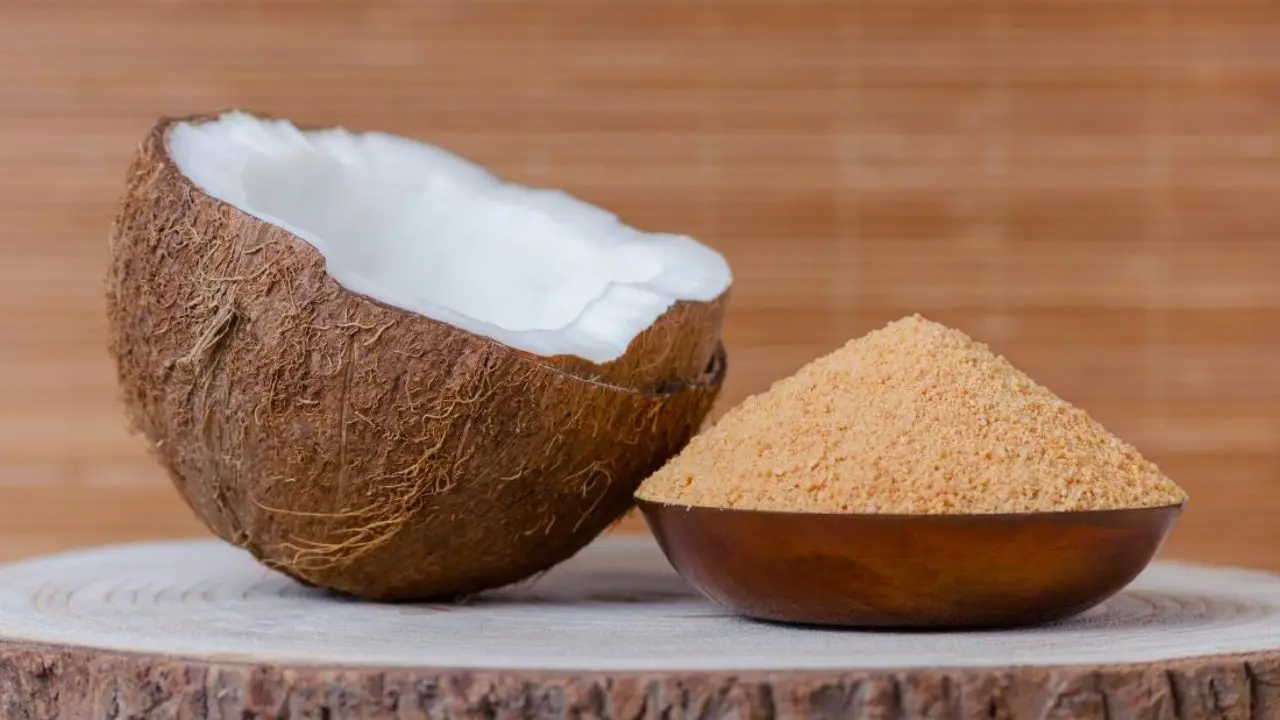
    coconut sugar

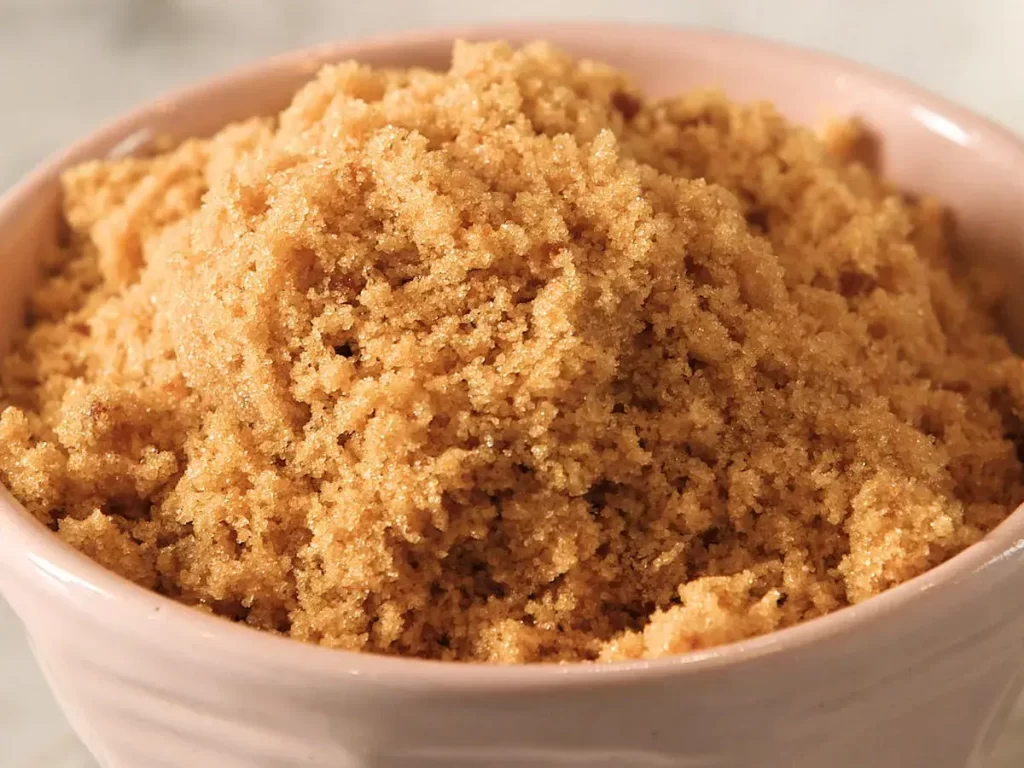
    Coconut sugar — also called coconut palm sugar or coconut blossom sugar — is a natural, minimally processed sweetener made from the sap of coconut palm flower buds.

    Unlike refined white sugar or brown sugar, coconut sugar undergoes very little processing: the sap is collected, gently heated to evaporate moisture, and granulated into the small, golden-brown crystals you see in the bag.

    Understanding how coconut sugar is produced in Indonesia helps explain why it retains trace minerals and a more complex flavor profile than refined sugar.

    For buyers who want to understand why buyers choose organic coconut sugar over conventional versions, the difference in farming and processing practices is significant.

    From a baking perspective, the most important thing to know is that coconut sugar is not a simple 1:1 flavor substitute for white sugar — it is an upgrade.

    Its glycemic index of approximately 35 (compared to white sugar’s GI of 60-65) reflects the presence of inulin fiber in the raw material, which also contributes to its distinctive caramel-butterscotch flavor that develops beautifully during baking.

    How Coconut Sugar Affects Cookie Texture: The Science Behind the Chew
    how coconut sugar affects

    This is the section most coconut sugar cookie recipes skip — and it is the reason many people end up with flat, crispy, or otherwise disappointing results when substituting coconut sugar for the first time.

    Coconut sugar behaves differently from white sugar in baking due to three key properties.

    For a deep technical comparison relevant to food manufacturing, our article on coconut sugar vs cane sugar for food manufacturing covers all the details. For home bakers, here is what matters most:

    PropertyWhite SugarCoconut SugarEffect on Cookies
    Moisture contentVery low — dry, fine crystalsSlightly higher — contains trace moistureCoconut sugar cookies spread slightly less and stay chewier
    Crystal sizeFine, uniform crystalsCoarser, irregular crystalsSlightly denser texture — more body per bite
    Caramelization temp~160°CSlightly lower due to fructose contentEdges brown faster — watch your oven at the end
    Maillard reactionModerateMore pronounced — complex compounds in raw sapDeeper flavor development — caramel, butterscotch notes
    HygroscopicityLow — doesn’t attract moistureHigher — attracts ambient moistureCookies stay chewier on day 2-3 vs white sugar cookies
    The most important practical implication: don’t overbake
    Because coconut sugar caramelizes at a slightly lower temperature than white sugar, the edges of your cookies will darken faster. The center may still look underdone when the edges are already golden — this is normal and correct. Pull the cookies from the oven when the edges are set and lightly golden, even if the center looks slightly soft. They will firm up to perfect chewiness as they cool on the baking sheet.

    Ingredients

    These ingredients are specifically chosen to work with coconut sugar’s properties — not just a generic cookie recipe with coconut sugar swapped in:

    IngredientAmountNotes
    Coconut sugar1 cup (200g)Use granulated coconut sugar — not liquid coconut nectar. Fine grind preferred for smoother texture.
    Unsalted butter½ cup (115g)Room temperature — softened, not melted. Melted butter = flat cookies.
    All-purpose flour1¾ cups (220g)Spoon and level — do not scoop directly from bag. Overpacking flour causes dry, crumbly cookies.
    Egg1 largeRoom temperature. Cold eggs don’t cream as well with butter and sugar.
    Egg yolk1 extra yolkThe secret weapon for extra chewiness — adds fat without extra liquid.
    Vanilla extract2 tspPure vanilla, not imitation. Coconut sugar’s caramel notes pair beautifully with vanilla.
    Baking soda1 tspBaking soda (not powder) promotes spread and helps develop the golden color.
    Cornstarch1 tspCreates tenderness and helps achieve the chewy center. Can substitute with arrowroot.
    Salt½ tspDo not skip — salt balances coconut sugar’s caramel sweetness and enhances all other flavors.

    Pro Tips Before You Start: 6 Secrets for Perfect Coconut Sugar Cookies

    coconut sugar cookie recipe

    These are the tips that separate a great coconut sugar cookie from a mediocre one — all tested specifically for coconut sugar’s unique properties:

    1. Cream the butter and coconut sugar thoroughly

    Because coconut sugar crystals are coarser than white sugar, they need more time to dissolve into the butter.

    Beat on medium-high speed for a full 3-4 minutes — until the mixture is noticeably lighter in color and fluffy. Under-creaming is the most common cause of dense, overly flat cookies.

    2. Refrigerate the dough — it makes a difference

    Chilling the dough for at least 30 minutes (ideally 60 minutes) before baking is strongly recommended with coconut sugar cookie dough.

    Cold dough spreads more slowly in the oven, giving the outside time to set while the center stays soft and chewy.

    You can refrigerate the dough for up to 72 hours — the flavor actually deepens as the dough rests.

    3. Use the ‘bang’ technique for crispy edges

    Immediately after removing cookies from the oven — while they are still on the hot baking sheet — lift the tray about 6 inches and let it drop onto the counter. Do this twice. This technique deflates the center slightly, creating the signature crispy edge / chewy center contrast. If you prefer uniformly soft cookies, skip this step.

    4. Don’t overbake — use the ‘underdone look’ as your cue

    Because coconut sugar browns faster than white sugar, cookies can look done before they actually are — or look perfect when they are actually a minute away from overbaking.

    The correct cue: pull from the oven when the edges are set and very lightly golden, and the center still looks slightly glossy or underdone.

    They will continue cooking on the hot pan for 2-3 minutes and will firm up as they cool.

    5. Room temperature ingredients are non-negotiable

    Both the butter and the egg should be at room temperature before you start. Cold butter will not cream properly with coconut sugar, leading to a greasy, dense dough.

    Cold eggs can cause the butter mixture to curdle. If you forgot to take them out: soften butter quickly by cutting into small cubes and resting for 15 minutes; warm eggs by placing in warm (not hot) water for 5 minutes.

    6. Weigh your flour

    Coconut sugar cookies are particularly sensitive to flour quantity because coconut sugar contributes less moisture than white sugar.

    Too much flour (which happens easily when measuring by volume) results in dry, crumbly cookies.

    Use a kitchen scale and weigh to 220g exactly. If you must use volume measurement, spoon the flour into the measuring cup and level off — never scoop directly from the bag.

    Step-by-Step Instructions

    Step 1: Prepare your equipment and ingredients

    1. Preheat your oven to 175°C (350°F). Line two baking sheets with parchment paper.
    2. Ensure butter and egg are at room temperature.
    3. Whisk together flour, baking soda, cornstarch, and salt in a medium bowl. Set aside.

    Step 2: Cream butter and coconut sugar

    • In a large bowl (or stand mixer with paddle attachment), beat softened butter and coconut sugar on medium-high speed for 3-4 minutes — until light, fluffy, and noticeably increased in volume.
    • The mixture should look slightly paler than the starting color of the coconut sugar. If it still looks dark and dense, keep beating.

    Step 3: Add wet ingredients

    • Add the whole egg, extra egg yolk, and vanilla extract. Beat on medium speed until fully combined, about 1 minute.
    • Scrape down the sides of the bowl to ensure even mixing.

    Step 4: Add dry ingredients

    • Add the flour mixture to the wet ingredients. Mix on low speed until just combined — do not overmix.
    • The dough will be thick and slightly sticky. This is correct.

    Step 5: Chill the dough (strongly recommended)

    1. Cover the bowl with plastic wrap and refrigerate for at least 30 minutes. 60 minutes or overnight is better.
    2. If you cannot wait, the cookies will still work — they will just spread more and have less pronounced chewy centers.

    Step 6: Portion and bake

    1. Scoop dough into balls approximately 1.5 tablespoons each (about 35g). Roll between your palms until smooth.
    2. Place on prepared baking sheets with 5cm (2 inches) between each cookie.
    3. Bake for 10-12 minutes. The edges should be set and lightly golden; the centers should still look slightly soft.
    4. Optional: immediately after removing from the oven, use a large round cookie cutter to ‘scoot’ each cookie into a perfect circle while still hot.

    Step 7: Cool and set

    1. Apply the ‘bang’ technique if desired (see Pro Tips above).
    2. Allow cookies to cool on the baking sheet for 5 minutes before transferring to a wire rack.
    3. Do not rush cooling — coconut sugar cookies firm up significantly as they cool. A cookie that seems too soft at 2 minutes will be perfectly chewy at 10 minutes.

    Substitution Guide: Adapting This Recipe for Different Needs

    Coconut sugar is the hero of this recipe, but there are situations where you might need to substitute.

    Our article on coconut nectar syrup vs other natural sweeteners provides helpful context on how different sweeteners compare in terms of flavor and baking properties.

    Substitution NeedRecommended SubstituteRatioExpected Result Change
    No coconut sugarLight brown sugar1:1Similar caramel notes but slightly sweeter, less complex flavor
    Gluten-free1:1 GF baking flour blend1:1 by weightTexture slightly different — add 1 tsp xanthan gum if not already in flour
    Vegan / no eggsFlax egg (1 tbsp ground flax + 3 tbsp water)1 flax egg per eggSlightly denser texture, less lift — still delicious
    No butterCoconut oil (solid, not melted)Same weightSlightly crispier, more pronounced coconut flavor
    No cornstarchArrowroot powder1:1Nearly identical result
    Reduce sweetnessUse ¾ cup coconut sugar instead of 1 cup75%Less sweet, more pronounced ‘cookie’ flavor over caramel
    Extra caramel flavorAdd 1 tbsp coconut nectar syrup to dough—Deeper caramel notes, slightly chewier final cookie

    3 Variations to Try After You Master the Base Recipe

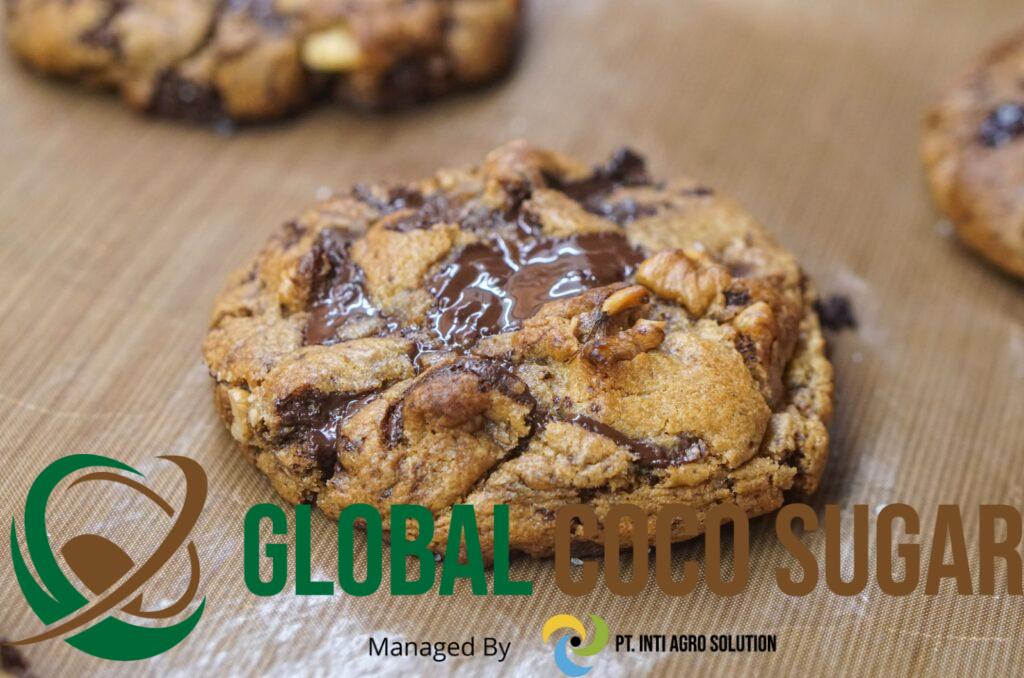
    Variation 1: Coconut Sugar Chocolate Chip Cookies

    The most popular variation — and for good reason. The caramel notes of coconut sugar pair exceptionally well with dark chocolate.

    Add 1 cup (175g) of dark chocolate chips (70% cacao or higher works best) to the dough after the dry ingredients are incorporated.

    The slight bitterness of dark chocolate balances coconut sugar’s sweetness perfectly. Bake as instructed.

    Variation 2: Gluten-Free Coconut Sugar Cookies

    Substitute the all-purpose flour with an equal weight (220g) of a 1:1 gluten-free baking flour blend that already contains xanthan gum. Everything else stays the same.

    The texture will be slightly more delicate — handle cookies with care when hot. Allow to cool completely on the baking sheet before moving.

    Variation 3: Coconut Sugar Oatmeal Cookies

    Replace ½ cup (65g) of the all-purpose flour with old-fashioned rolled oats (not instant). Add ½ teaspoon of cinnamon to the dry ingredients.

    The oats add a pleasant chew and nuttiness that complements coconut sugar’s caramel character beautifully. These cookies will be slightly thicker and stay chewy for longer.

    Storage, Make-Ahead Tips & Freezing

    One of the best things about coconut sugar cookies: they actually get better on day 2. The caramel flavor deepens overnight as the moisture redistributes through the cookie.

    Storage MethodDurationNotes
    Room temperature (airtight container)4-5 daysPlace a slice of bread in the container to maintain moisture and keep cookies chewy
    RefrigeratorUp to 1 weekBring to room temperature before eating, or warm briefly in oven at 150°C for 3-4 min
    Freezer (baked cookies)Up to 3 monthsFreeze in single layer first, then transfer to freezer bag. Thaw at room temperature.
    Freezer (unbaked dough balls)Up to 3 monthsFreeze portioned dough balls on a tray, then bag. Bake from frozen — add 2-3 minutes.
    Refrigerated dough (unbaked)Up to 3 daysDough actually improves with 24-48 hours of refrigeration — flavor deepens significantly
    For food manufacturers: source coconut sugar directly from Indonesia
    If you are a food manufacturer, bakery brand, or health food company looking to incorporate coconut sugar into your product line at commercial scale, Global Coco Sugar supplies BRCGS Grade A certified organic and conventional coconut sugar from Indonesia. Available in granulated and fine powder formats. Samples available for R&D evaluation.
    Contact Our Export Team >>>
    View Our Coconut Sugar Product Range >>>
  • Coconut Blossom Sugar: A 300-Year History and Why Indonesia Leads Global Production Today

    Coconut Blossom Sugar: A 300-Year History and Why Indonesia Leads Global Production Today

    coconut blossom sugar

    Some of the world’s most prized food ingredients have histories that span centuries before their modern commercial form was established. Coconut blossom sugar is one of them.

    Long before it appeared on health food store shelves in Berlin, New York, or Tokyo, coconut blossom sugar was being produced by smallholder farmers in the tropical islands of Southeast Asia using techniques passed down through generations — techniques that, in many cases, have changed very little in 300 years.

    This article traces the full history of coconut blossom sugar — from its origins in 8th-century Southeast Asia through its spread along ancient trade routes, its rediscovery by health-conscious Western consumers, and its emergence as a globally certified export commodity.

    Understanding this history also illuminates why how coconut sugar is produced in Indonesia remains a largely artisanal, labor-intensive process — and why that is a feature, not a limitation, for buyers who value traceability and authenticity.

    The Origins of Coconut Blossom Sugar: Southeast Asia, 8th Century

    blue, green, and yellow world map

    The roots of coconut blossom sugar production reach back more than a thousand years in Southeast Asia.

    The coconut palm — Cocos nucifera — has been cultivated throughout the tropical regions of Indonesia, the Philippines, Thailand, Sri Lanka, and India for thousands of years, valued not only for its fruit but for every part of the tree.

    The discovery that the sap flowing from the coconut palm’s flower buds could be collected, heated, and transformed into a dense, sweet substance was a foundational moment in the culinary history of the region.

    Historical texts from the 8th and 9th centuries reference coconut palm sugar as both a food ingredient and a medicinal substance — used in traditional Ayurvedic medicine in South Asia and in traditional Javanese and Balinese healing practices in what is now Indonesia.

    The production method — making careful incisions in the flower bud stalks of the coconut palm, collecting the sap in bamboo containers, and slowly heating it over open fires to evaporate the water — is one of the oldest documented food production techniques in the region.

    In Java and Bali, this practice was so integral to daily life that it became embedded in local ceremonies, community rituals, and the rhythms of agricultural society.

    What makes coconut blossom sugar historically distinct from other palm sugars
    It is important to distinguish coconut blossom sugar (from Cocos nucifera — the coconut palm) from other palm sugars produced in the same region — particularly Arenga sugar (from the Arenga pinnata palm) and date palm sugar. While all are produced by tapping and evaporating palm sap, coconut blossom sugar has a distinct flavor profile, nutritional composition, and production geography. The term ‘coconut palm sugar’ or ‘coconut blossom sugar’ specifically refers to sugar from the coconut palm — and this distinction matters for modern certification and labeling purposes.

    Cultural Significance: Coconut Sugar in the Heart of Indonesian Society

    unrefined coconut sugar, coconut blossom sugar

    In Indonesia — and particularly in Java and Bali, which remain the heartland of coconut sugar production today — coconut sugar has never been merely an ingredient. It has been woven into the social and spiritual fabric of communities for centuries.

    The process of producing coconut sugar in traditional Indonesian villages is communal by nature.

    A family that owns a grove of coconut palms will typically have one or more members who specialize in the daily ritual of tapping — climbing the palm twice daily, at dawn and in the afternoon, to collect the fresh sap before fermentation begins.

    The sap is collected in bamboo tubes or clay pots, brought down from the palms, and transferred immediately to the cooking area where it will be heated and reduced.

    This daily rhythm — climbing, collecting, cooking, shaping — has defined the working life of coconut sugar farmers in Central Java for generations.

    The names of specific palm sugar producing villages in Banyumas, Purwokerto, and Kebumen have been synonymous with quality coconut sugar for centuries.

    Buyers traveling to Indonesia to evaluate suppliers often find that the production methods they observe in 2026 are strikingly similar to those depicted in Dutch colonial-era illustrations from the 18th century.

    The Global Spread: From Trade Routes to European Discovery

    supplier coconut sugar kosher, supplier coconut sugar halal, supplier coconut sugar organic, unrefined coconut sugar

    Coconut sugar’s journey beyond Southeast Asia began through the ancient maritime trade networks that connected the Indonesian archipelago to India, Arabia, China, and eventually Europe.

    Indonesian sailors and traders carried coconut products — including dried coconut sugar in pressed cakes — along the spice trade routes that made the islands of Maluku and Java famous to the world.

    Arab traders who controlled much of the Indian Ocean trade between the 8th and 15th centuries were among the earliest to bring coconut products to the Middle East and North Africa, where they were valued as both luxury goods and medicinal substances.

    The distinctively rich, caramel-like flavor of coconut sugar made it prized as a confectionery ingredient in the courts of Persia and the Mughal Empire.

    The arrival of European colonial powers in Southeast Asia in the 16th century brought a new audience for coconut sugar.

    Dutch administrators and naturalists in the Dutch East Indies (present-day Indonesia) documented coconut sugar production extensively in the 17th and 18th centuries — recognizing its commercial potential for the European sugar market, which was then dominated entirely by cane sugar from the Caribbean and Brazil.

    Dutch East India Company (VOC) records from the 18th century reference coconut palm sugar as a local commodity of significant value, though cane sugar’s industrial scale made commercial coconut sugar export impractical at the time.

    The Modern Revival: From Traditional Staple to Global Health Ingredient

    The late 20th century brought a structural shift in consumer attitudes toward sweeteners in Western markets.

    The growing awareness of the health consequences of refined sugar — rapid blood glucose spikes, empty calories, industrial processing — created demand for alternatives that offered sweetness alongside some nutritional value and a more ‘natural’ production story. Coconut sugar fit this demand almost perfectly.

    Its low glycemic index of approximately 35 — significantly lower than white sugar’s GI of 60-65 — was one of the first characteristics that attracted the attention of health-focused nutritionists and food writers in the early 2000s.

    The global health food movement that gained momentum through the 2000s and 2010s created an export market for coconut sugar that had never previously existed at scale.

    Indonesian and Filipino producers who had been selling coconut sugar domestically — typically in pressed cake form for local culinary use — suddenly found themselves receiving inquiries from importers in Germany, the United States, Australia, and Japan looking for granulated coconut sugar in food-grade export packaging.

    This demand surge drove rapid development of the Indonesian coconut sugar export industry.

    Production facilities that had operated at village scale for centuries began investing in modernization: stainless steel processing equipment, food-grade packaging lines, laboratory testing infrastructure, and — critically — third-party food safety and organic certifications that international buyers required.

    The traditional craft of coconut sugar making was being formalized into a globally compliant export commodity.

    From Tradition to Global Export: How Indonesian Heritage Became a Certified Product

    The most significant transformation in the history of coconut blossom sugar happened in the decade between 2010 and 2020: the formalization of the traditional production knowledge into globally recognized certification frameworks.

    A sweetener that had been produced by the same methods for 300 years now needed to comply with the BRCGS Food Safety standard, USDA Organic regulations, and EU Organic certification requirements — all while maintaining the artisanal production practices that made it authentic.

    Understanding why buyers choose certified organic coconut sugar from Indonesia illuminates why this transition was commercially transformative.

    And understanding what it means for a supplier to be BRCGS certified explains why not all of Indonesia’s hundreds of coconut sugar producers have been able to make this transition.

    The producers who successfully navigated this transition — building food safety management systems, investing in third-party organic certification, establishing traceability from specific farmer cooperatives through to export documentation — became the certified suppliers that international buyers increasingly required.

    Global Coco Sugar is among this group: a company that combines the deep production knowledge of Indonesian coconut sugar heritage with the certification infrastructure that EU and US buyers require.

    Today, our coconut blossom sugar is produced in certified facilities in Central Java — the same region that has been the heartland of Indonesian coconut sugar production for centuries.

    The farmers who supply our raw coconut sap are working in a tradition that connects directly to the 8th-century origins of this ingredient.

    The BRCGS Grade A certificate and USDA Organic certification are the modern layer on top of that tradition — not a replacement for it.

    Coconut Blossom Sugar in the Modern Food Industry

    The historical journey of coconut blossom sugar has brought it to a position that its 8th-century producers could not have imagined: a globally traded, internationally certified food ingredient used in premium bakery products, health food brands, functional beverages, and clean-label confectionery across more than 60 countries.

    Our technical article on coconut sugar vs cane sugar for food manufacturing covers the specific characteristics that make coconut blossom sugar commercially distinct from its competitors — Maillard reaction behavior, hygroscopicity, substitution ratios, and label claim implications.

    For a breakdown of the specific food industry applications where coconut sugar delivers the strongest results, see our article on applications of coconut sugar in the food industry.

    EraKey DevelopmentMarket Impact
    8th–15th centuryTraditional production established in Java, Bali, Philippines. Used in local cuisine and medicine.Local/regional trade only
    16th–18th centuryDutch and Portuguese colonial documentation. Spread via Indian Ocean trade routes.Limited European awareness
    19th centuryIndustrial cane sugar dominates globally. Coconut sugar remains a local staple in Southeast Asia.No export market
    1980s–2000sHealth food movement begins. Low GI research published. First Western awareness of coconut sugar.Niche health food interest
    2010–2015Paleo diet trend, clean label movement. Coconut sugar enters mainstream health food retail in US and EU.First significant export volumes
    2015–2020BRCGS certification adopted by leading Indonesian producers. USDA/EU Organic certified supply established.Retail-ready certified supply
    2020–presentCoconut sugar becomes standard B2B ingredient. Major food manufacturers sourcing certified organic.Mainstream B2B ingredient market

    Why Indonesia Leads Global Coconut Blossom Sugar Production

    Indonesia’s dominance in global coconut blossom sugar production is not accidental — it is the product of geographic, agricultural, and cultural factors that took centuries to develop:

    • Ideal agroclimatic conditions. Central Java’s combination of tropical humidity, consistent rainfall, volcanic soil fertility, and elevation creates ideal conditions for coconut palms — and specifically for the high-yield, high-quality flower sap production that determines coconut sugar output per tree.
    • Depth of traditional knowledge. Nowhere else in the world has the craft of coconut sugar production been practiced at scale for as long and as continuously as in Java and Bali. This depth of artisanal knowledge — knowing which palms to tap, at what frequency, at what time of day, in what weather conditions — cannot be acquired quickly. It is inherited.
    • Largest certified supply base. More BRCGS-certified, USDA Organic-certified, and EU Organic-certified coconut sugar producers exist in Indonesia than in any other country. The Philippines, Sri Lanka, and Thailand produce coconut sugar, but none has the same depth of certified export infrastructure.
    • Production scale with artisanal quality. Indonesia can supply commercial-scale export volumes — multiple containers per month — while maintaining the artisanal production practices that give coconut blossom sugar its distinctive character. This combination of scale and authenticity is rare in the food ingredient world.
    Source coconut blossom sugar directly from its country of origin
    Global Coco Sugar sources coconut blossom sugar from certified smallholder farmer cooperatives in Central Java — the same region that has produced this ingredient for centuries. BRCGS Grade A certified. USDA Organic and EU Organic available. Full traceability from farm to export documentation.
    Request a Sample or Bulk Quote >>>
    View Our Coconut Blossom Sugar Range >>>

    Sourcing Coconut Blossom Sugar Today: What History Tells Buyers

    For buyers evaluating coconut blossom sugar as an ingredient or a trading commodity, the history of this product carries practical implications:

    • Traceability matters because the tradition matters. Coconut blossom sugar’s value proposition is built on its authentic origin story. Buyers who can trace their supply to specific farmer cooperatives in named Indonesian regions have a more defensible provenance story than buyers sourcing through anonymous intermediaries.
    • The best producers are also the most certified. In the coconut sugar industry, the suppliers who invested most heavily in traditional production quality were also the ones best positioned to pursue BRCGS and organic certification. Quality and certification are correlated — not in tension.
    • Indonesia’s 300-year advantage is real. New entrant countries to coconut sugar production — Vietnam, Cambodia — cannot replicate the depth of traditional knowledge, the established farmer cooperative networks, or the certified export infrastructure that Indonesian producers have built over centuries.

    For buyers ready to begin the sourcing process, our guide to finding a bulk coconut sugar supplier in Indonesia provides a complete evaluation framework.

    For current pricing reference, our article on coconut sugar export price from Indonesia per ton covers 2026 FOB price ranges by grade and certification tier.

    Conclusion: 300 Years of Tradition, Ready for Your Supply Chain

    The history of coconut blossom sugar is, in essence, the history of one of humanity’s oldest functional foods — a sweetener that was valued for its unique flavor, its nutritional properties, and its cultural significance centuries before Western science could explain the mechanisms behind any of those qualities.

    Today, that 300-year tradition is available to global buyers in its most commercially complete form: BRCGS-certified, USDA and EU Organic certified, fully traceable from Indonesian smallholder farms through to export documentation, at commercial volumes and with the consistency that modern food manufacturing requires.

    The story of coconut blossom sugar is also the story of Indonesia — a country whose agricultural heritage has quietly fed the world for centuries, and whose certified export industry is now capable of doing so transparently, compliantly, and at scale.

    Partner with a supplier who carries 300 years of tradition into every shipment
    Global Coco Sugar sources coconut blossom sugar from certified smallholder cooperatives in Central Java — connecting centuries of traditional production knowledge with BRCGS Grade A food safety certification, USDA and EU Organic compliance, and the full export documentation infrastructure that global buyers require.
    Contact Our Export Team >>>
    View Our Coconut Blossom Sugar Range >>>
    Our Certifications & Company Profile >>>
  • Global Coco Sugar Win Big at Halal Expo Indonesia 2023 !

    Global Coco Sugar Win Big at Halal Expo Indonesia 2023 !

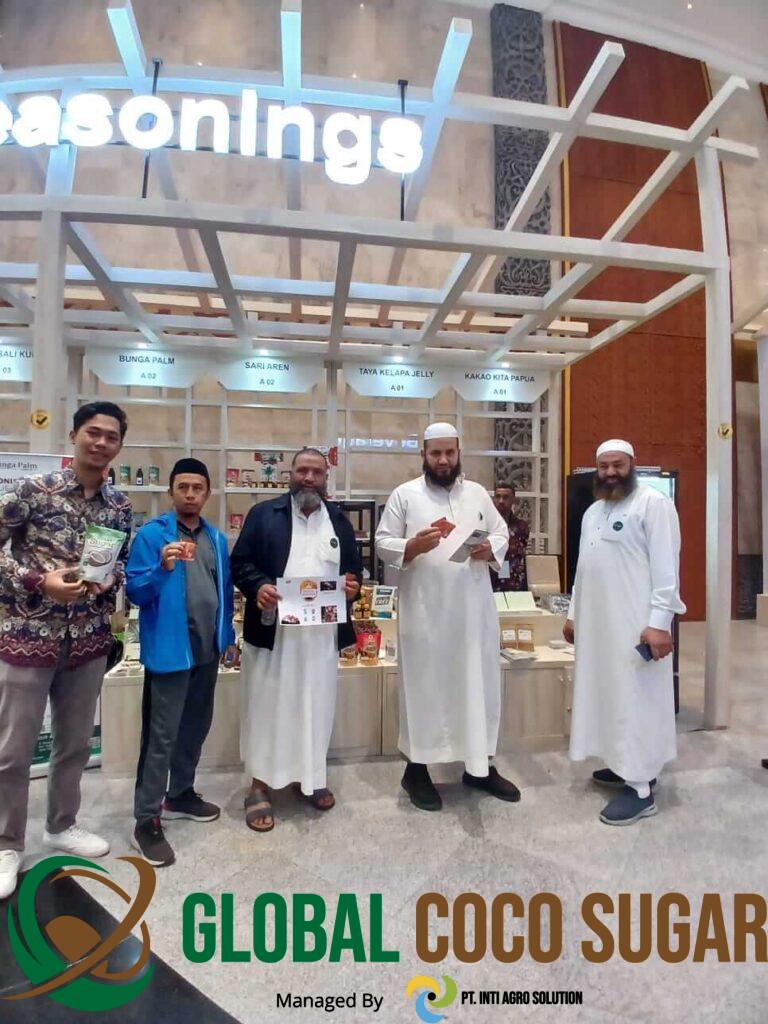
    Global Coco Sugar attended the Halal Expo Indonesia 2023 event, which is the largest B2B halal exhibition and conference in Indonesia with the support of Bank Indonesia as Indonesia’s central bank. Global Coco Sugar was able to take part in this event because we are one of the companies supported directly by Bank Indonesia

    Halal Expo Indonesia 2023

    global coco sugar attending halal expo indonesia 2023

    Quoted from the official Halal Expo Indonesia website, Halal Expo Indonesia 2023 or more commonly known as HEI 2023 is the largest B2B halal exhibition and conference event in Indonesia which is being held at JCC Senayan, Jakarta. This event focuses on companies whose products have been certified halal and comply with Islamic sharia standards, both food and non-food products. At this event there were also conferences or talk shows from various countries such as Malaysia, Saudi Arabia, Russia and Japan. This event was also attended by the Indonesian vice president Maruf Amin.


    In this halal expo activity, there were lots of business matching from participating countries such as Indonesia, Malaysia, India, Bangladesh, Saudi Arabia, Japan, Russia, Somalia etc. so this is very good for promoting halal products, both halal food and non-food, to a larger market.

    Global Coco Sugar Participation In HEI 2023

    Global Coco Sugar took part in the Halal Expo Indonesia 2023 (HEI 2023) event because we are one of the companies that is directly supported by Bank Indonesia, so we were facilitated by Bank Indonesia as Indonesia’s central bank to become one of the representative exhibitors at the Bank Indonesia booth. HEI 2023 itself is a very appropriate event for Global Coco Sugar, because all of our products have been certified halal, so this event is very appropriate for our marketing targets.


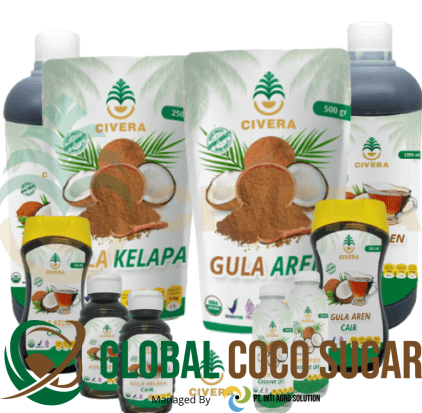
    At this event, Global Coco Sugar also introduced our new brand, namely Civera.id, which is a food product derived from coconut derivatives such as coconut sugar, desiccated coconut, coconut flakes, virgin coconut oil and other coconut derivative products.

    What Is Civera.id?

    healthy coconut snacks, civera.id, gula kelapa civera

    Civera.id is a brand that focuses on a healthier lifestyle by maximizing halal and organic products made from coconut. We developed this brand because we want to change the lifestyle of most people who still use white sugar as their sweetener, this can cause diabetes and other diseases if consumed regularly in excessive portions.
    Civera.id itself is currently still focusing on the local Indonesian market, we are currently available in popular online shops in Indonesia such as Tokopedia and Shopee. However, it is possible that in the future our brand civera.id will be exported to Malaysia, Singapore, Thailand and other countries that have a lifestyle similar to Indonesia.


    The response from the public in Indonesia to our new brand is very good, this is proven by the many people who provide positive comments after trying our products. However, there are still many who think that coconut sugar is the same as palm sugar, this is not wrong even though coconut trees and palm trees are still in the same family, namely nucifera but it still come from different trees. If you confused what is the difference among two products you could click here to see coconut sugar vs palm sugar.

    However, you need to know that coconut sugar has a lower glycemic index level, namely 35, plus coconut sugar also has a very thick caramel flavor and has a savory taste that palm sugar doesn’t have. So many people are amazed by the unique taste of coconut sugar.

    Coconut sugar itself can be used like sugar in general, but it should be noted that coconut sugar is healthier than ordinary white sugar because it has a fairly low glycemic index. So you don’t need to worry about using coconut sugar as a sweetener for food, drinks or cooking. Another unique thing is that coconut sugar can be used as raw material for scrub beauty products, because coconut sugar itself has a texture that is quite smooth on the skin and has beneficial properties for the body if used regularly.

  • Wholesome Oat Bars Recipe with Coconut Sugar

    Wholesome Oat Bars Recipe with Coconut Sugar

    Homemade Granola Bars / Oat Bar Recipe

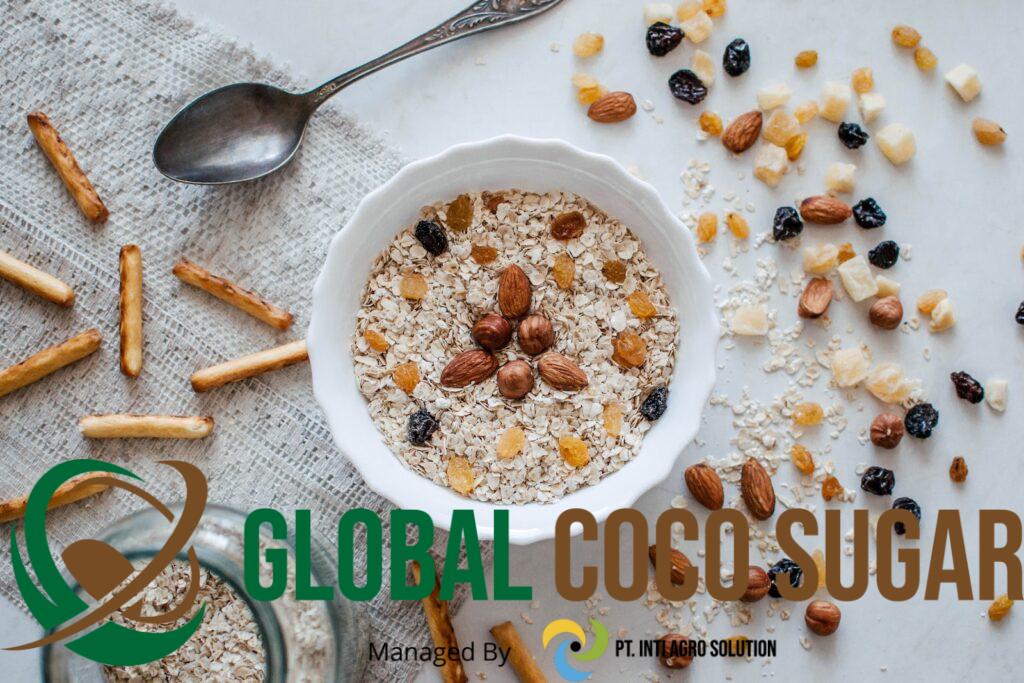
    a bar of granola sitting on top of a table

    Oat bars are a beloved and nutritious snack that provides a satisfying combination of fiber, complex carbohydrates, and essential nutrients. To elevate this classic snack, we’ll be using coconut sugar—a healthier alternative to refined sugar. Coconut sugar not only adds a mild caramel-like flavor but also has a lower glycemic index, making it a better choice for those looking to manage their blood sugar levels. In this detailed recipe, we’ll guide you through the process of making wholesome oat bars using coconut sugar. These bars are perfect for a quick breakfast, an afternoon pick-me-up, or a nutritious snack for kids and adults alike.

    Ingredients For Oatmeal Bars Recipe

    recipe for granola bar

    Before we start, let’s gather all the necessary ingredients for our coconut sugar oat bars:

    • 2 cups old-fashioned rolled oats
    • 1 cup oat flour (you can make this by blending oats until fine)
    • 1/2 cup coconut sugar
    • 1/2 teaspoon baking soda
    • 1/2 teaspoon ground cinnamon
    • 1/4 teaspoon salt
    • 1/2 cup unsalted butter, melted (or a suitable butter substitute)
    • 1/4 cup unsweetened applesauce
    • 1 large egg
    • 1 teaspoon pure vanilla extract
    • 1/2 cup raisins, dried cranberries, or your choice of dried fruit
    • 1/2 cup chopped nuts (such as almonds or walnuts)

    Step 1: About Coconut Flower Sugar

    coconut sugar supplier in indonesia, coconut flower sugar

    Coconut Flower sugar, also known as coconut sugar, or coconut blossom sugar is a natural sweetener derived from the sap of the coconut palm tree’s flower buds. It has become increasingly popular as a healthier alternative to refined sugar due to its lower glycemic index. This means it has a slower and more controlled effect on blood sugar levels, making it a more suitable choice for individuals looking to manage their blood sugar.

    Coconut sugar has a delightful caramel-like flavor and a similar sweetness level to regular sugar, allowing it to be easily incorporated into various recipes. Its rich flavor makes it an excellent choice for adding depth to our oat bars without causing rapid spikes in blood sugar.

    Step 2: Preparing The Homemade Granola Bars

    To create the oat base for our bars, start by preheating your oven to 350°F (175°C) and greasing a 9×9-inch (23×23 cm) square baking pan.

    In a mixing bowl, combine 2 cups of old-fashioned rolled oats, 1 cup of oat flour, 1/2 cup of coconut sugar, 1/2 teaspoon of baking soda, 1/2 teaspoon of ground cinnamon, and 1/4 teaspoon of salt. Oat flour is simply oats ground into a fine powder, which provides structure and texture to your bars.

    Stir the dry ingredients together until they are well combined, and the coconut sugar is evenly distributed. The aromatic cinnamon and mild sweetness of coconut sugar will infuse the base with a delightful flavor.

    Step 3: Adding Wet Ingredients Of Your Oatmeal Bars Recipe

    In a separate bowl, melt 1/2 cup of unsalted butter, which adds a rich, buttery flavor to your bars. If you prefer a dairy-free option, you can use a suitable butter substitute, such as coconut oil.

    Add 1/4 cup of unsweetened applesauce, 1 large egg, and 1 teaspoon of pure vanilla extract to the melted butter. The applesauce not only contributes moisture but also helps reduce the total fat content.

    Whisk these wet ingredients together until they are well combined, creating a smooth and cohesive mixture. The vanilla extract will provide a pleasant aroma, enhancing the overall flavor of your bars.

    Step 4: Combining Wet and Dry Ingredients Of Your Recipe For Granola Bars

    Now it’s time to combine the wet and dry ingredients to create the oat bar batter. Pour the wet mixture into the dry ingredient bowl and stir until all the ingredients are well incorporated. The combination of the sweet, nutty, and slightly spicy aroma of coconut sugar and cinnamon with the rich, buttery essence creates a tantalizing flavor profile.

    As the batter comes together, you’ll notice it becomes thick and sticky. This is the result of the oats and oat flour absorbing the liquid ingredients, ensuring your oat bars maintain a satisfying chewy texture.

    Step 5: Adding Mix-Ins Of Oat Bars Snacks

    To customize your oat bars, fold in 1/2 cup of your favorite mix-ins. Dried fruit such as raisins or dried cranberries can add a natural sweetness and chewiness to the bars. Chopped nuts, such as almonds or walnuts, introduce a delightful crunch and a dose of healthy fats.

    Gently fold these mix-ins into the batter until they are evenly distributed. The result is a well-balanced blend of flavors and textures in every bite.

    Step 6: Baking and Cooling Oat Bars

    Transfer the oat bar batter into the greased baking pan, using a spatula to evenly spread it out. Press the mixture down firmly to ensure the bars hold together after baking.

    Bake the oat bars in the preheated oven for 20-25 minutes or until the edges turn golden brown and a toothpick inserted in the center comes out clean. The aroma of baked oats and the caramel-like scent of coconut sugar will fill your kitchen as they bake.

    Once done, remove the pan from the oven and let the bars cool in the pan for about 10 minutes. Then, using a sharp knife, cut the bars into your desired portions while they’re still in the pan. This allows them to set better and ensures cleaner cuts.

    Step 7: Enjoying Your Homemade Granola Bars / Oat Bars

    oat bar recipe, recipe for granola bars, homemade granola bars

    After the oat bars have fully cooled in the pan, you can remove them and enjoy the delicious, wholesome snack you’ve created. These coconut sugar oat bars are a delightful combination of chewy, sweet, and nutty, and they make for a perfect snack on the go, a quick breakfast, or a guilt-free treat any time of the day. Share them with family and friends or keep them on hand for a nutritious and satisfying snack option.

    In conclusion, these homemade granola bars / oat bars sweetened with coconut sugar are a wholesome and delicious snack that is not only easy to make but also a great alternative to sugar-laden store-bought options. The combination of oats, coconut sugar, and a variety of mix-ins creates a delightful treat that’s perfect for individuals looking to enjoy a sweet snack without compromising on health. So, gather your ingredients, follow these steps, and savor the guilt-free delight of these coconut sugar oat bars. Your taste buds and your well-being will thank you!

  • 100% Success, Easy Caramel Popcorn Recipe

    100% Success, Easy Caramel Popcorn Recipe

    100% Success, Easy Caramel Popcorn Recipe

    easy caramel popcorn recipe

    Caramel popcorn is a timeless snack that’s beloved by people of all ages. But have you ever tried making it with coconut sugar? If not, you’re in for a delightful treat! In this detailed recipe, I’ll guide you through the process of creating irresistible coconut sugar caramel popcorn. Coconut sugar is a natural, unrefined sweetener that adds a unique flavor to this classic snack. This homemade treat is not only delicious but also healthier than traditional caramel popcorn, making it an ideal choice for those who want to indulge guilt-free.

    Prepare Ingredient For The Best Caramel Corn You’ve Ever Made!

    Before we get started, let’s gather all the ingredients you’ll need to make this delectable coconut sugar caramel popcorn:

    • 1/2 cup (1 stick) unsalted butter
    • 1 cup coconut sugar
    • 1/4 cup light corn syrup
    • 1/2 teaspoon salt
    • 1/4 teaspoon baking soda
    • 1/2 teaspoon vanilla extract
    • 12 cups popped popcorn (about 1/2 cup unpopped kernels)

    Step 1: Pop the Popcorn For Homemade Caramel Corn:

    a close up of popcorn

    The foundation of any great caramel popcorn is, of course, the popcorn itself. You can use an air popper or pop the corn on the stovetop. To do the latter, simply heat 1/4 cup of vegetable oil in a large, heavy-bottomed pot with a tight-fitting lid over medium-high heat. Add 3-4 popcorn kernels to the pot and cover it. When those test kernels pop, remove them and add the remaining 1/2 cup of unpopped popcorn kernels. Cover the pot and shake it occasionally until the popping slows to a few seconds between pops. Then, remove it from the heat.

    Step 2: Prepare the Caramel Sauce, Suitable For Vegan Caramel Popcorn!

    homemade caramel sauce using unrefined coconut sugar

    Now, let’s create the magic that makes caramel popcorn so irresistible. In a saucepan, melt 1/2 cup of unsalted butter over medium heat. Stir in 1 cup of coconut sugar, 1/4 cup of light corn syrup, and 1/2 teaspoon of salt. The coconut sugar will give your caramel a distinct, rich flavor.

    Stir the mixture continuously until it comes to a boil. Once it starts boiling, reduce the heat to low and let it simmer for 4-5 minutes. The caramel should have a deep amber color, and it will become fragrant as it cooks. Be careful not to let it burn.

    After simmering, remove the saucepan from the heat, and carefully stir in 1/4 teaspoon of baking soda. The baking soda will cause the caramel to bubble up, so be cautious.

    Finally, add 1/2 teaspoon of vanilla extract to the caramel and stir until it’s well incorporated. The vanilla adds a delightful aroma and a hint of extra flavor to the caramel.

    Why Using Unrefined Coconut Sugar?

    Is coconut sugar taste good or bad?, coconut flower sugar for thick hot chocolate, unrefined coconut sugar

    For you guys that wondering why we recommend using coconut sugar for the caramel sauce, it is because coconut sugar have a thick caramel taste and will enhance the taste of vegan caramel popcorn that you made. Besides the sweet taste, coconut sugar also has a savory taste, it will blend with the popcorn taste and the popcorn you make will taste delicious and make you unable to stop eating it. Coconut sugar have a lot of benefit, the main benefit is coconut sugar have a low glycemic index which is 35, so that it safer for diabetic people. Click here to see other benefits of coconut sugar

    Step 3: Coat The Popcorn With Homemade Caramel Sauce With Unrefined Coconut Sugar

    With your caramel sauce ready, it’s time to coat the popcorn. Place the popped popcorn in a large, oven-safe bowl. Make sure it’s big enough to comfortably mix the caramel and popcorn without spilling.

    Carefully pour the warm caramel sauce over the popcorn. Using a spatula or a wooden spoon, gently fold the caramel and popcorn together. Be patient and thorough, ensuring that all the popcorn is evenly coated with the luscious caramel sauce. The warm caramel will start to harden on the popcorn, creating that satisfying crunch.

    Step 4: Bake the Vegan Caramel Popcorn

    Preheat your oven to 250°F (120°C). Once the oven is ready, spread the caramel-coated popcorn evenly on a large, rimmed baking sheet lined with parchment paper. This will help prevent sticking and make cleanup a breeze.

    Bake the caramel popcorn in the preheated oven for about 45-60 minutes. This low and slow bake will help the caramel to set and the popcorn to become wonderfully crisp. Remember to stir the popcorn every 15 minutes to ensure even coating and prevent it from clumping together.

    Step 5: Cool and Break Apart The Vegan Caramel Popcorn

    After baking, remove the caramel popcorn from the oven and let it cool completely on the baking sheet. The cooling process allows the caramel to harden, creating that satisfying crunch we all love.

    Once the caramel has fully set, break the popcorn into bite-sized clusters. You can use your hands or a spatula to gently separate the pieces. The result should be a perfect balance of sweet and salty, with the rich, aromatic coconut sugar enhancing the caramel flavor.

    Step 6: Enjoy Easy Caramel Popcorn With Unrefined Coconut Sugar

    Now that your coconut sugar caramel popcorn is ready, it’s time to enjoy this delectable treat! Serve it in a bowl, share it with friends and family during movie nights, or package it as a thoughtful homemade gift. The unique flavor of coconut sugar adds depth to the classic caramel popcorn, making it a crowd-pleaser that’s sure to become a household favorite. Whether you’re a seasoned caramel popcorn enthusiast or a first-time popcorn maker, this recipe is sure to impress.

    In conclusion, making homemade coconut sugar caramel popcorn is a rewarding endeavor. The careful blending of coconut sugar, butter, and vanilla with freshly popped popcorn creates a snack that’s sweet, crunchy, and irresistible. It’s not only a delightful treat for yourself but also a fantastic gift idea for friends and loved ones. So, gather your ingredients, follow these steps, and indulge in the delicious world of homemade coconut sugar caramel popcorn. Your taste buds will thank you!

  • 5 Things You Didn’t Know Difference Palm and Coconut Sugar

    5 Things You Didn’t Know Difference Palm and Coconut Sugar

    The difference coconut and palm sugar products

    Many people are confused when they see these 2 products, namely coconut sugar and palm sugar. For some people, these two products are the same and only marketing techniques are the difference. But is this assumption true? Let’s take a closer difference palm and coconut sugar

    The Color Of Coconut Sugar Is Lighter?

    Coconut sugar has a distinctive color, the color of coconut sugar is yellowish brown, this is because the raw material for coconut sugar, namely coconut sap, is bright brown. However, it is possible if the coconut sap turns dark brown. This can happen in certain weather such as the rainy season. While on the other hand, palm sugar has a darker base color than coconut sugar. This is because the palm tree sap has a darker color. Just like coconut sugar, the color of palm sap can turn darker in certain weathers such as the rainy season.

    Is Coconut Sugar Tasted Good?

    Coconut sugar has a distinctive taste compared to other natural sweeteners. Is Coconut sugar tasted good? The answer is, Yes. It has a unique caramel flavor compared to the sweetener of cooked cane sugar. Coconut sugar also has a “soft” sweet taste making it suitable for use for “baking” activities.

    In line with Coconut Sugar, Palm Sugar also has a taste that is almost similar to coconut sugar products. However, there is a slightly different taste when compared to coconut sugar. The taste of palm sugar has a slightly “burnt” taste, which makes it more delicious on the tongue when you consume palm sugar.

    Texture Difference Palm And Coconut Sugar

    The texture of coconut sugar and palm sugar can be said to be very similar. Because these 2 products are both in powder form. But fortunately, the texture of the coconut sugar supplied by Global Coco Sugar can be adjusted as needed.

    How To Use Coconut Sugar And Palm Sugar

    The method of use for coconut sugar and palm sugar is the same as the use of cane sugar that we usually find. The ratio of coconut sugar or palm sugar to cane sugar is 1:1. Even so, coconut sugar and palm sugar have advantages over cane sugar, namely a low glycemic index.

    Source Materials

    The raw material for coconut sugar products is sap from coconut trees. Coconut tree sap is harvested and then cooked until it crystallizes. Coconut sap is the sap that will come out of a coconut tree, how to take it is by cutting a little on the coconut tree trunk, then later the coconut sap will drip from the coconut tree trunk.

    Furthermore, after the coconut sap has been cooked for sufficient time, the sap will change from a liquid form to a solid and crystallize form. After the sap is in powder form, it can be said that the sap has become a coconut sugar product. However, so that the coconut sugar can get a lower dryness level, the coconut sugar will be put in the oven to reduce the water content.

    Unlike coconut sugar, palm sugar is made from the sap of palm trees. As we previously informed, palm trees have a darker sap color than coconut sugar. After the sap from the palm tree has been collected, the sap will go through the same process as processing coconut sugar.

    Fun Fact Of Coconut Sugar and Palm Sugar

    The unique fact is that coconut trees and palm trees, although different types of trees, are still in the same family, namely palm trees. This is the reason why even though the two products have different names, the shape, taste, and quality can be said to be almost similar to each other.

    Besides that, another unique fact is that coconut trees that have been used as ingredients for making coconut sugar, in the end will not be able to bear coconut anymore. Therefore, it is necessary to consider making coconut tree sap as a raw material for making coconut sugar

    Conclusion

    The conclusion is that coconut sugar and palm sugar have many similarities both in taste, color, shape, and texture. However, despite the many similarities between these two products, coconut sugar and palm sugar have different raw materials. Coconut sugar is made from coconut tree sap, while palm sugar is made from palm tree sap. The two trees are 2 different tree species, but still in one family, namely palm tree. From all the facts of these two products (coconut sugar and palm sugar), so what do you think? Are these two products the same or different?

Secret Link