Tag: cooking

  • What Is Desiccated Coconut Used For? 12 Cooking Uses, How to Toast & Rehydrate — Complete Guide

    What Is Desiccated Coconut Used For? 12 Cooking Uses, How to Toast & Rehydrate — Complete Guide

    Desiccated coconut is one of the most versatile coconut-derived ingredients in a kitchen — it appears in dishes from Australian Lamingtons to Indian curries, Sri Lankan coconut sambol to American coconut cream pie.

    Yet many home cooks and food manufacturers have only scratched the surface of what this ingredient can do.

    This complete guide covers everything you need to know: what desiccated coconut is and how it differs from related coconut products, all 12 major cooking uses across sweet and savory applications, step-by-step instructions for toasting and rehydrating, a grade selection guide, and storage tips.

    You can browse our desiccated coconut products from Indonesia for current specifications and availability.

    For context on the fascinating history of this ingredient — from its origins in Victorian-era Ceylon to today’s global food industry — see our article on the history of desiccated coconut.

    What Is Desiccated Coconut? Definition, Grades and How It Differs from Similar Products
    what is desiccated coconut

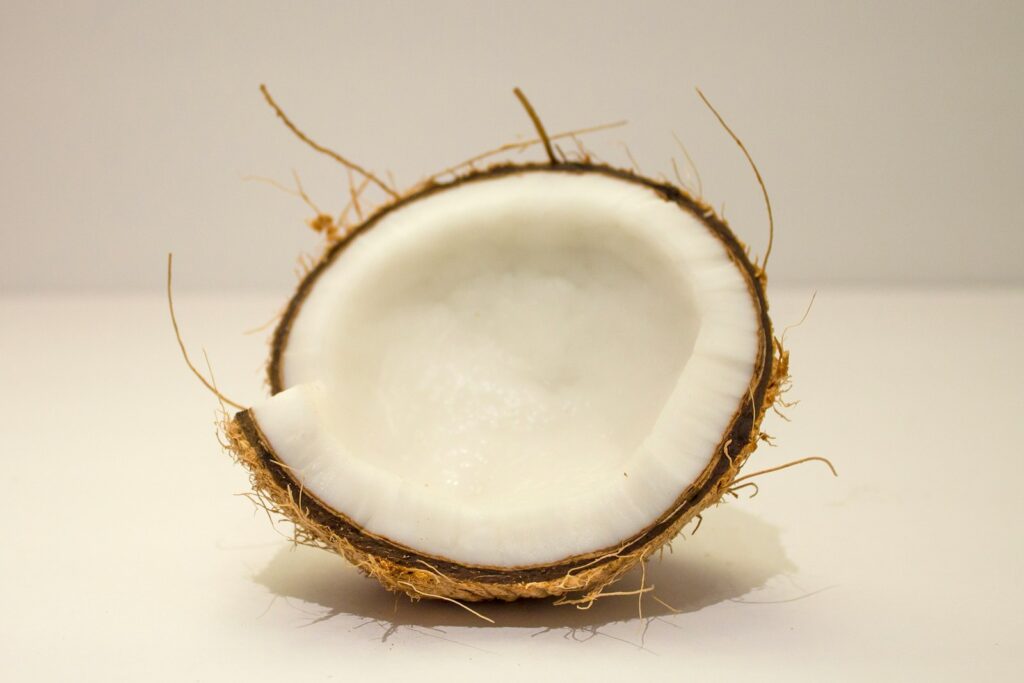
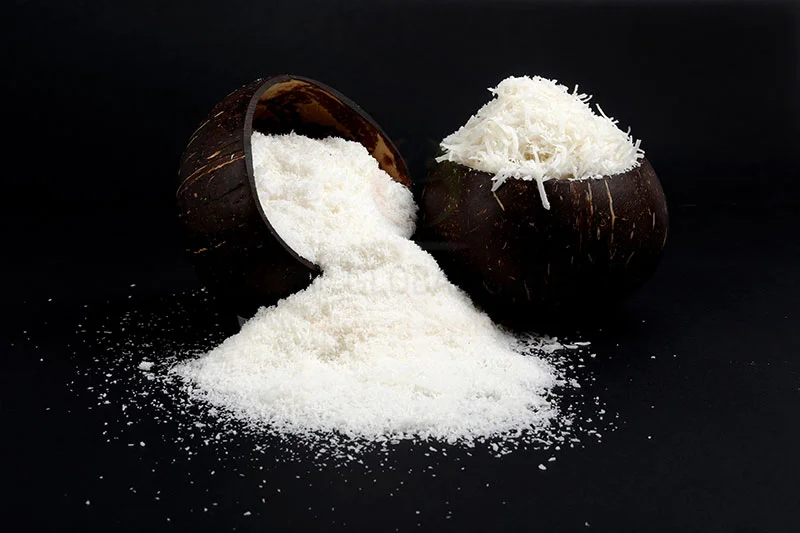
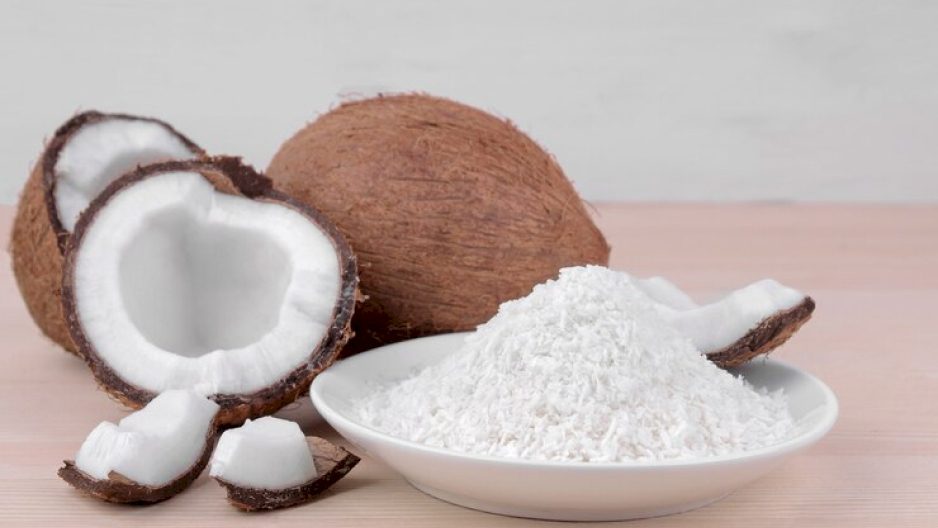
    Desiccated coconut is the dried, shredded or grated white meat of mature coconuts (Cocos nucifera), with most moisture removed — typically to below 3% moisture content.

    The drying process preserves the coconut meat’s flavor, natural fat content (approximately 60-68% on dry basis), and nutritional profile while extending shelf life to 12-18 months.

    ProductDescriptionMoistureBest Used For
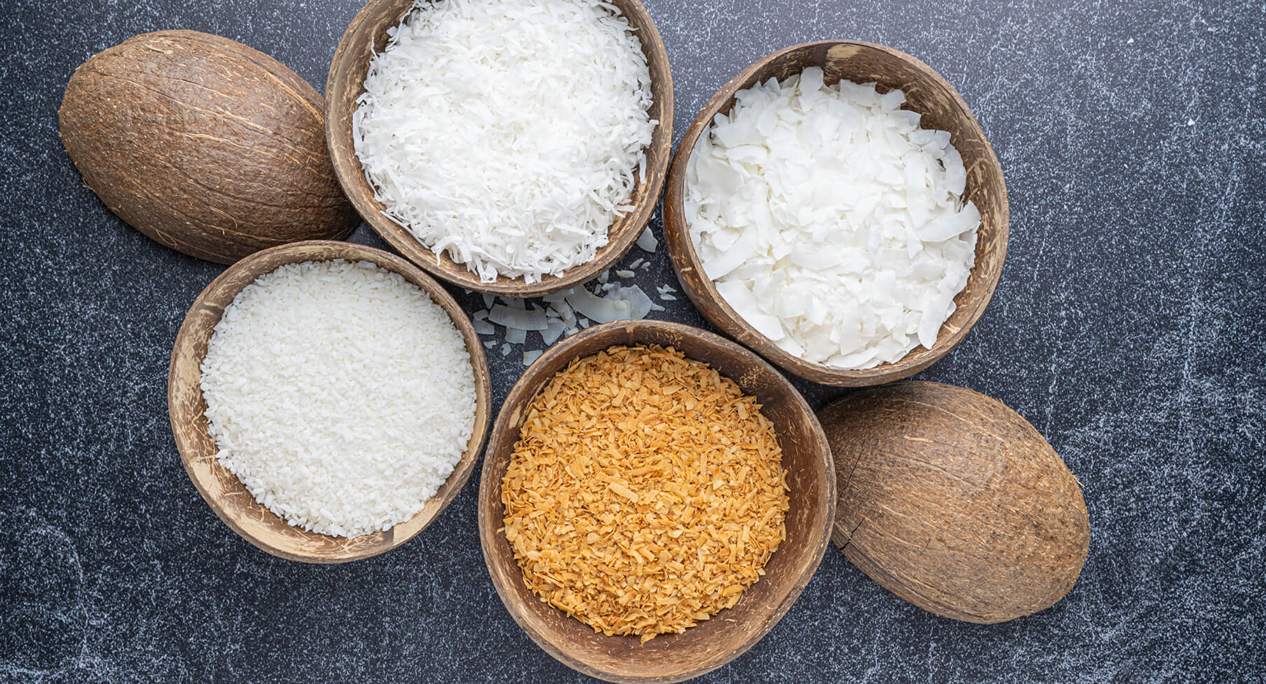
    Desiccated coconut — fineVery small particles, almost powder-like< 3%Baking (cakes, cookies), coatings, chocolate fillings
    Desiccated coconut — mediumStandard shredded texture — most common< 3%Granola, snack bars, general baking, curries
    Desiccated coconut — coarse / long threadLonger strips, more visible texture< 3%Premium granola, decorative toppings, artisan baking
    Coconut flakesWide flat pieces — larger and more visual< 3%Decorative toppings, trail mix, toasting
    Fresh grated coconutFreshly grated coconut meat — high moisture~50%Immediate use in Asian cuisines, coconut chutney
    Shredded coconut (sweetened)Desiccated coconut with added sugar and moisture10-15%American-style baking, coconut macaroons
    Coconut flourDefatted, finely ground coconut — high fiber< 12%Gluten-free baking alternative — different product
    Desiccated coconut vs shredded coconut vs grated coconut — are they the same?
    In bulk food trade and on product labels, ‘desiccated coconut’, ‘shredded coconut’ (unsweetened), and ‘grated coconut’ (dried) all refer to the same product — dried coconut meat. The difference is regional terminology: ‘desiccated coconut’ is standard in the UK, Australia, and international trade; ‘shredded coconut’ (unsweetened) is common in the US; ‘grated coconut’ is used in South and Southeast Asian contexts. For cooking purposes, they are interchangeable as long as they are unsweetened and similarly sized.

    How to Rehydrate Desiccated Coconut: Step-by-Step Guide
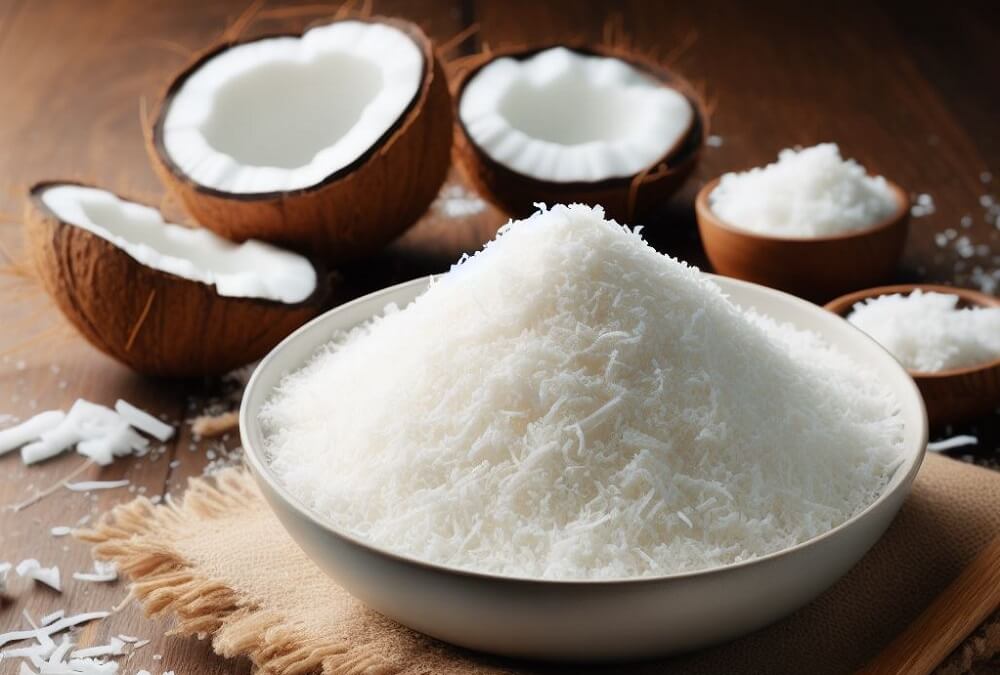
    How to Rehydrate Desiccated Coconut,
    desiccated coconut

    Rehydrating desiccated coconut restores some of its moisture, creating a texture closer to fresh grated coconut.

    This is useful for recipes where texture matters — curries, chutneys, coconut fillings, or any application where you want a softer, more yielding coconut texture rather than the firm, dry chew of desiccated coconut.

    Can you rehydrate desiccated coconut?

    Yes — desiccated coconut can be fully rehydrated. It will not return to fresh coconut consistency (some texture change is permanent with drying), but rehydrated desiccated coconut is a very good substitute for fresh grated coconut in most cooked applications.

    Method 1: Cold Water Soak (Best for Most Applications)

    1. Place the desiccated coconut in a bowl.
    2. Add just enough cold or room-temperature water to cover — use approximately 1 cup of water per 1 cup of desiccated coconut as a starting ratio.
    3. Let soak for 15-30 minutes, stirring occasionally.
    4. Drain excess water through a fine-mesh strainer, pressing gently to remove excess moisture.
    5. Use immediately. Do not store rehydrated coconut for more than 24 hours.

    Method 2: Hot Water Soak (Faster — Good for Cooking Applications)

    • Bring water to a boil, then let it cool slightly to approximately 80°C (not boiling).
    • Pour hot water over desiccated coconut — approximately 1:1 ratio.
    • Cover and let sit for 5-10 minutes.
    • Drain and press as above.
    • Best for curries, chutneys, and rice dishes where you will be cooking the coconut further.

    Method 3: Coconut Milk Soak (Most Flavorful — For Premium Applications)

    1. Substitute water with coconut milk or coconut cream.
    2. Soak for 30-60 minutes at room temperature.
    3. Do not drain — the remaining liquid can be incorporated into the recipe.
    4. Best for desserts, confectionery fillings, and applications where maximum coconut flavor is desired.
    ApplicationBest Rehydration MethodWater-to-Coconut RatioSoak Time
    Curries and Asian dishesHot water soak1:1 (water to coconut)5-10 minutes
    Coconut chutney or sambolCold water soak1:120-30 minutes
    Cake fillings and dessertsCoconut milk soak1:1 (coconut milk)30-60 minutes
    No-bake energy ballsCold water soak¾:1 (less water)15 minutes
    Fresh coconut substituteCold water soak1:130 minutes
    Tip: ratio matters more than time
    Using too much water makes rehydrated coconut soggy and dilutes flavor. Start with a 1:1 ratio and adjust. The coconut should absorb most of the water — if significant water remains after 30 minutes, you used too much. The goal is moist and tender, not waterlogged.

    How to Toast Desiccated Coconut: Stovetop and Oven Methods
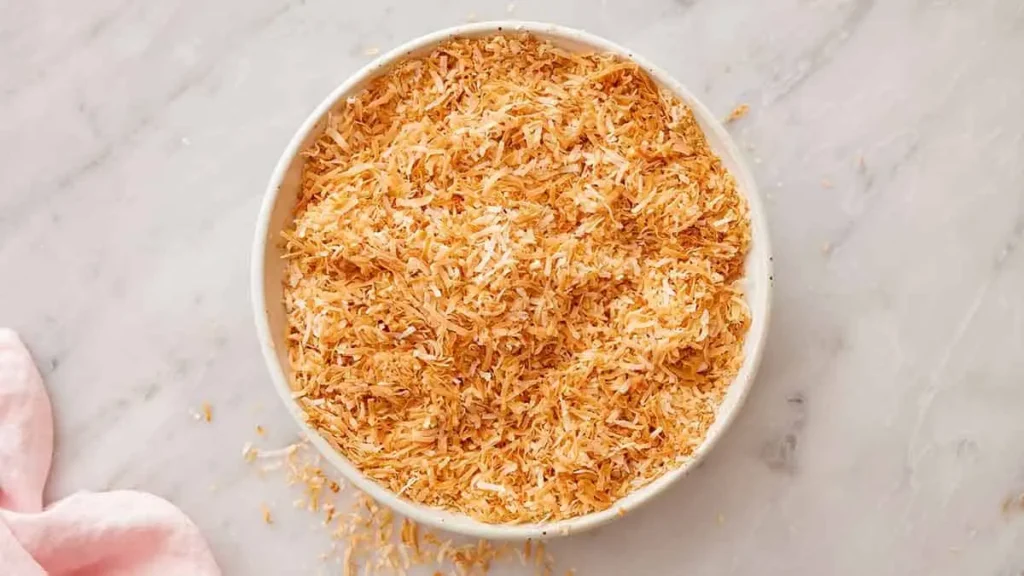
    how to toast desiccated coconut

    Toasting desiccated coconut transforms it — the heat drives out residual moisture, triggers the Maillard reaction in the coconut’s natural sugars, and produces a deeply nutty, caramelized flavor and golden color that raw desiccated coconut cannot match.

    Toasted desiccated coconut is worth the extra 5 minutes in almost any application.

    Stovetop Method (Faster — Better for Small Quantities)

    1. Place a dry skillet (no oil) over medium heat.
    2. Add desiccated coconut in a thin, even layer — do not crowd the pan.
    3. Stir or shake continuously — desiccated coconut burns quickly once it starts browning.
    4. Toast for 3-5 minutes until golden brown and aromatic.
    5. Immediately transfer to a cool plate — it continues cooking in the hot pan if left.

    Oven Method (Better for Large Quantities)

    • Preheat oven to 160°C (325°F).
    • Spread desiccated coconut in a thin, even layer on a parchment-lined baking sheet.
    • Bake for 5-8 minutes, stirring every 2 minutes.
    • Watch carefully — the edges brown faster than the center.
    • Remove when mostly golden — it will continue to toast slightly from residual heat.
    Warning SignWhat To Do
    Coconut smells burnt before it looks goldenYour heat is too high — reduce by 20% and start over with fresh coconut
    Uneven browning (edges dark, center pale)Stir more frequently; use a wider, shallower pan; reduce quantity per batch
    Coconut clumping togetherBreak apart before toasting; ensure pan is completely dry — moisture causes clumping
    Coconut not browning after 8 minutesIncrease heat slightly; ensure pan is properly preheated before adding coconut

    12 Uses for Desiccated Coconut in Cooking: Sweet and Savory

    This is the most comprehensive section — covering all major applications from baking to curries to beverages, organized by category for easy reference.

    Sweet Applications

    • Baked goods (cakes, cookies, muffins): Desiccated coconut adds moisture retention, texture, and natural coconut flavor to batters and doughs. Fine or medium grade blends invisibly into the batter; coarse or flakes create visible texture. Use 50-100g per standard cake recipe. Our coconut sugar cookie recipe pairs coconut sugar with desiccated coconut for maximum coconut flavor.
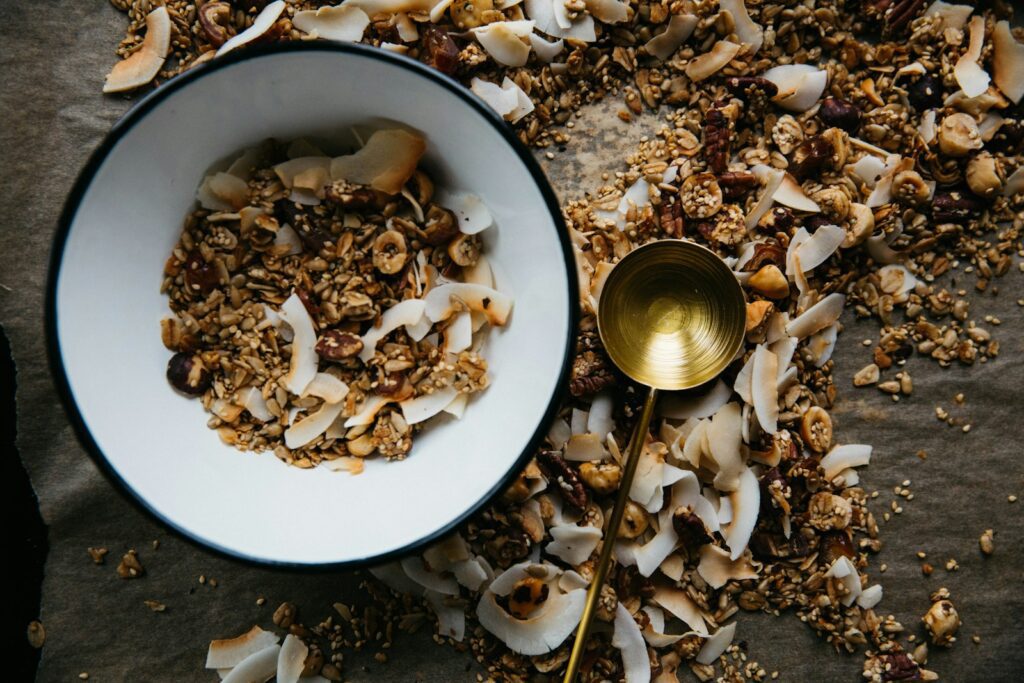
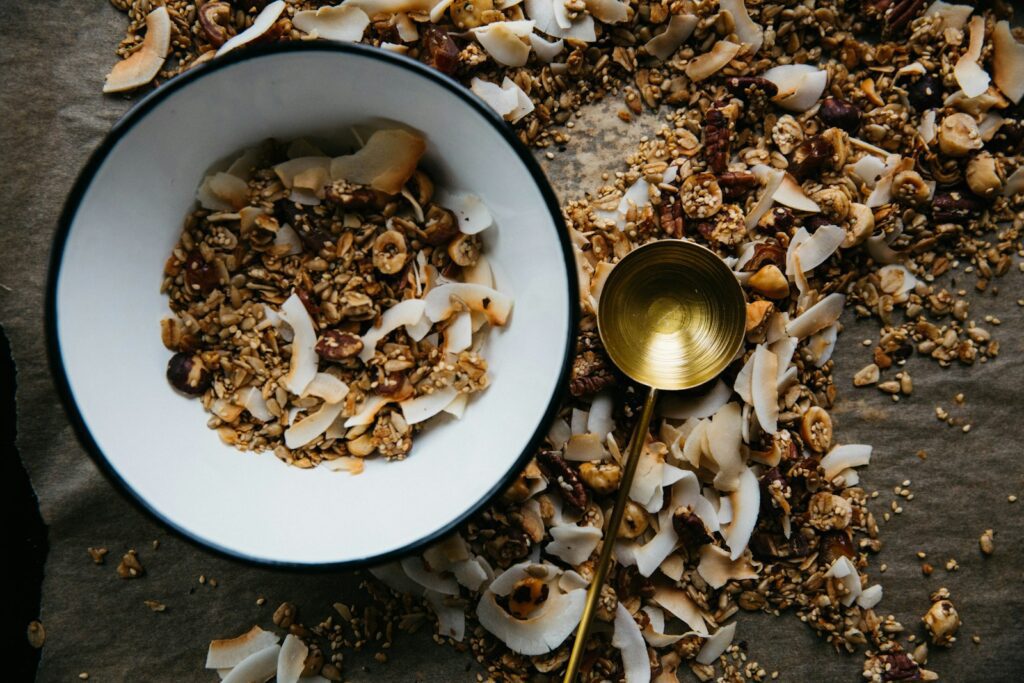
    • Granola and muesli: Medium or long thread grade mixed with oats, nuts, and dried fruit. Toasted desiccated coconut is particularly valuable here — the caramelized flavor elevates the entire blend. Use 20-30% coconut by weight of the dry mix.
    • Coconut macaroons: The primary ingredient — desiccated coconut is mixed with egg whites and sugar, then baked. Fine or medium grade creates the classic dense, chewy texture.
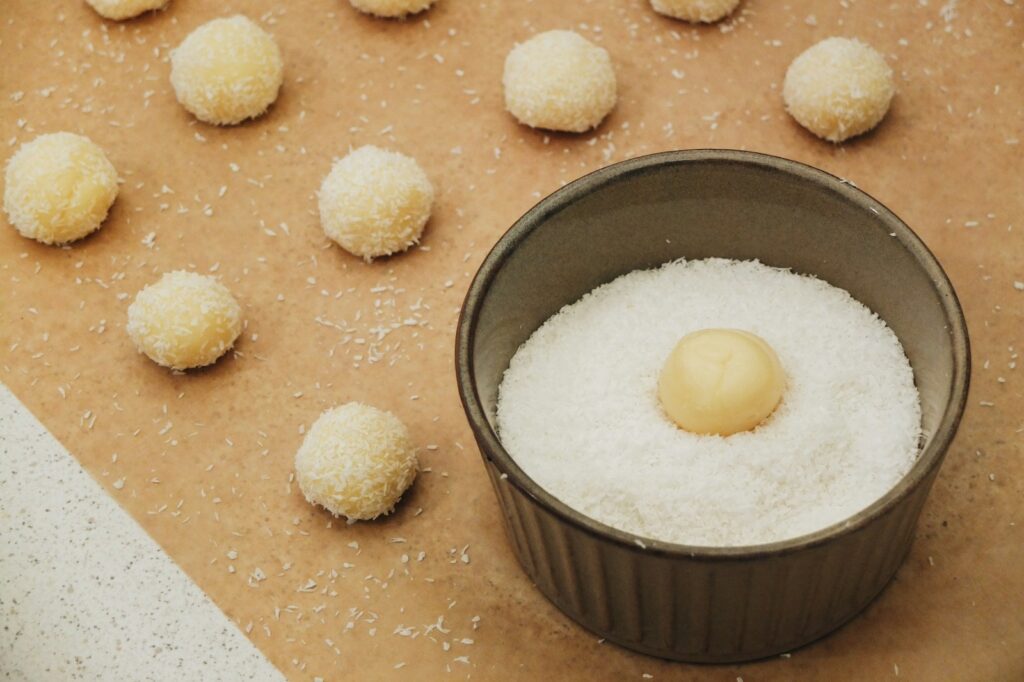
    • Chocolate confectionery (truffles, bonbons, bounty-style bars): Fine desiccated coconut mixed with condensed milk or coconut cream creates the filling. The coconut acts as both flavor and structure.
    • No-bake energy balls and protein balls: Desiccated coconut serves as a binder and flavor carrier when combined with dates, nut butter, or oats. Lightly rehydrated coconut creates a softer texture; dry coconut creates a firmer ball.
    • Dessert toppings and coatings: Toasted desiccated coconut or coconut flakes make an excellent topping for cakes, ice cream, panna cotta, and parfaits. The toasted version adds both visual appeal and textural contrast.

    Savory Applications

    • Curries (Thai, Indian, Sri Lankan, Indonesian): Desiccated coconut — typically rehydrated — is a foundational ingredient in curry pastes and sauces across South and Southeast Asian cuisines. It adds body, natural sweetness, and coconut flavor without the liquid of coconut milk. Toast first for deeper flavor, then rehydrate for texture.
    • Coconut chutney and sambol: South Indian coconut chutney and Sri Lankan pol sambol both use grated/desiccated coconut as their base. Rehydrate the desiccated coconut fully before processing with spices, chillies, and aromatics.
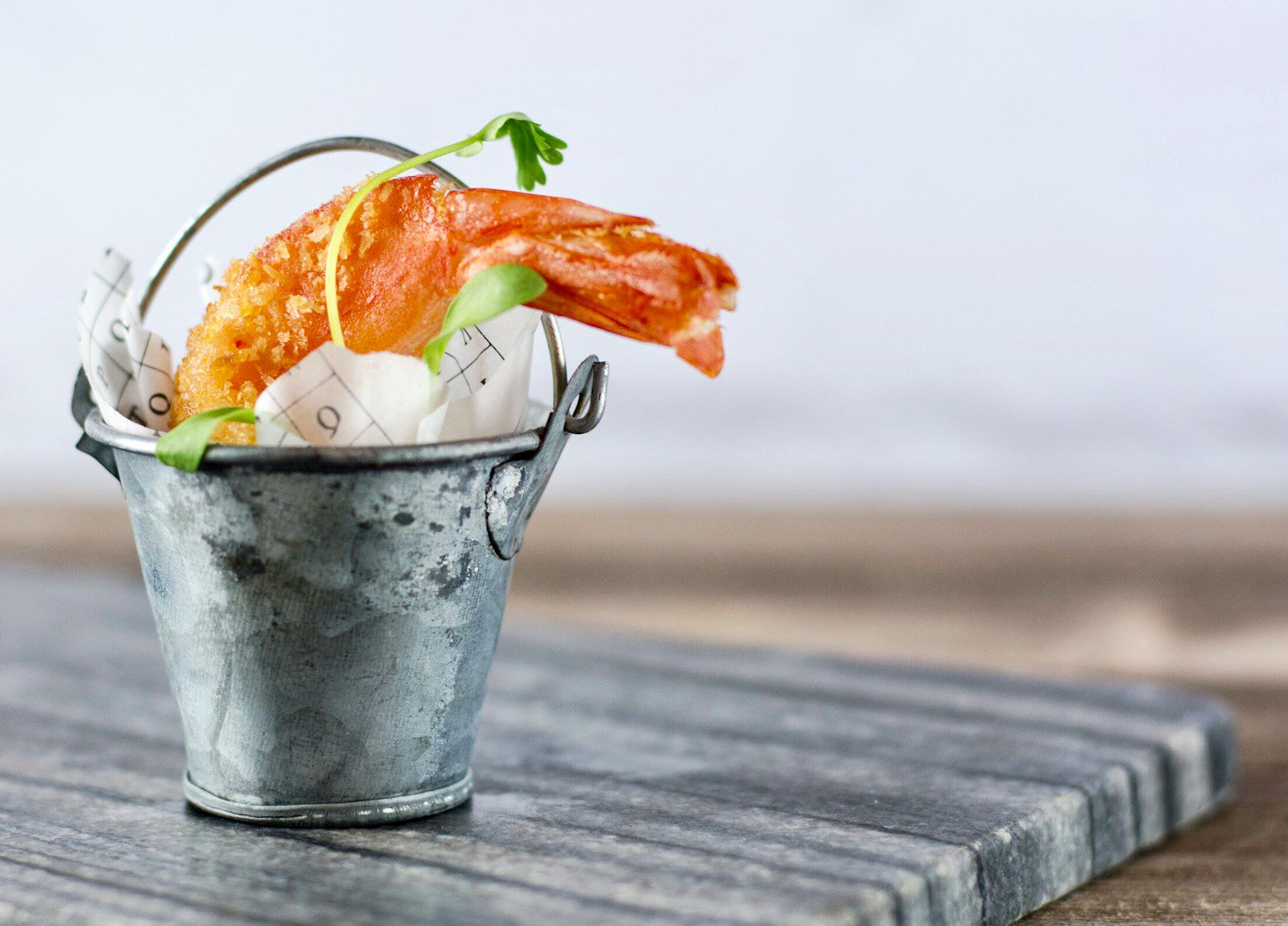
    • Crusting and coating for proteins: Coarse desiccated coconut or coconut flakes make an excellent coating for chicken, fish, or shrimp — mixed with breadcrumbs or used alone. The natural fat content helps achieve a golden crust in the oven or pan.
    • Rice dishes (coconut rice, nasi lemak): Toasted desiccated coconut mixed into cooked rice adds textural interest and flavor. In Indonesian and Malaysian cooking, coconut is integral to several rice preparations.
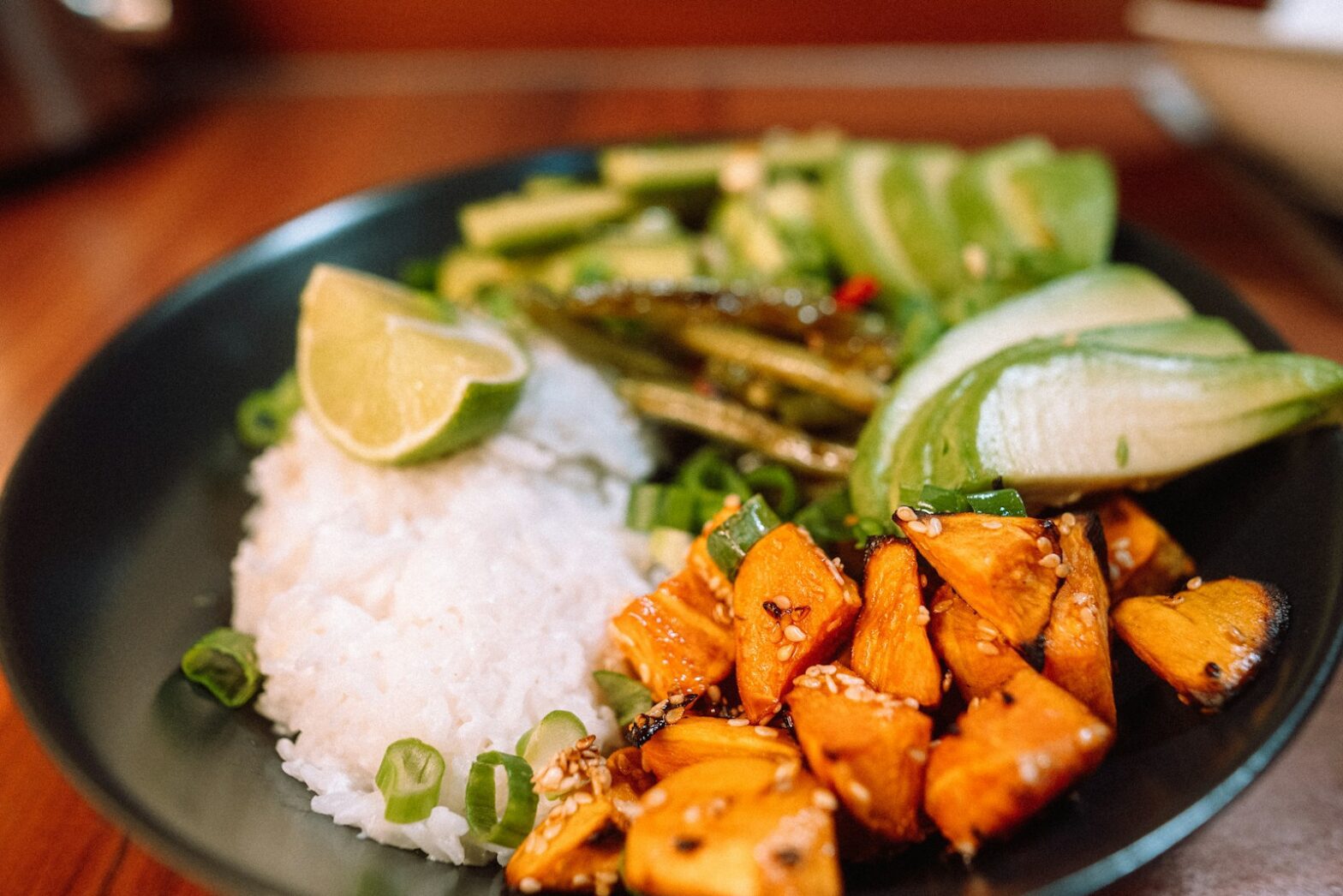
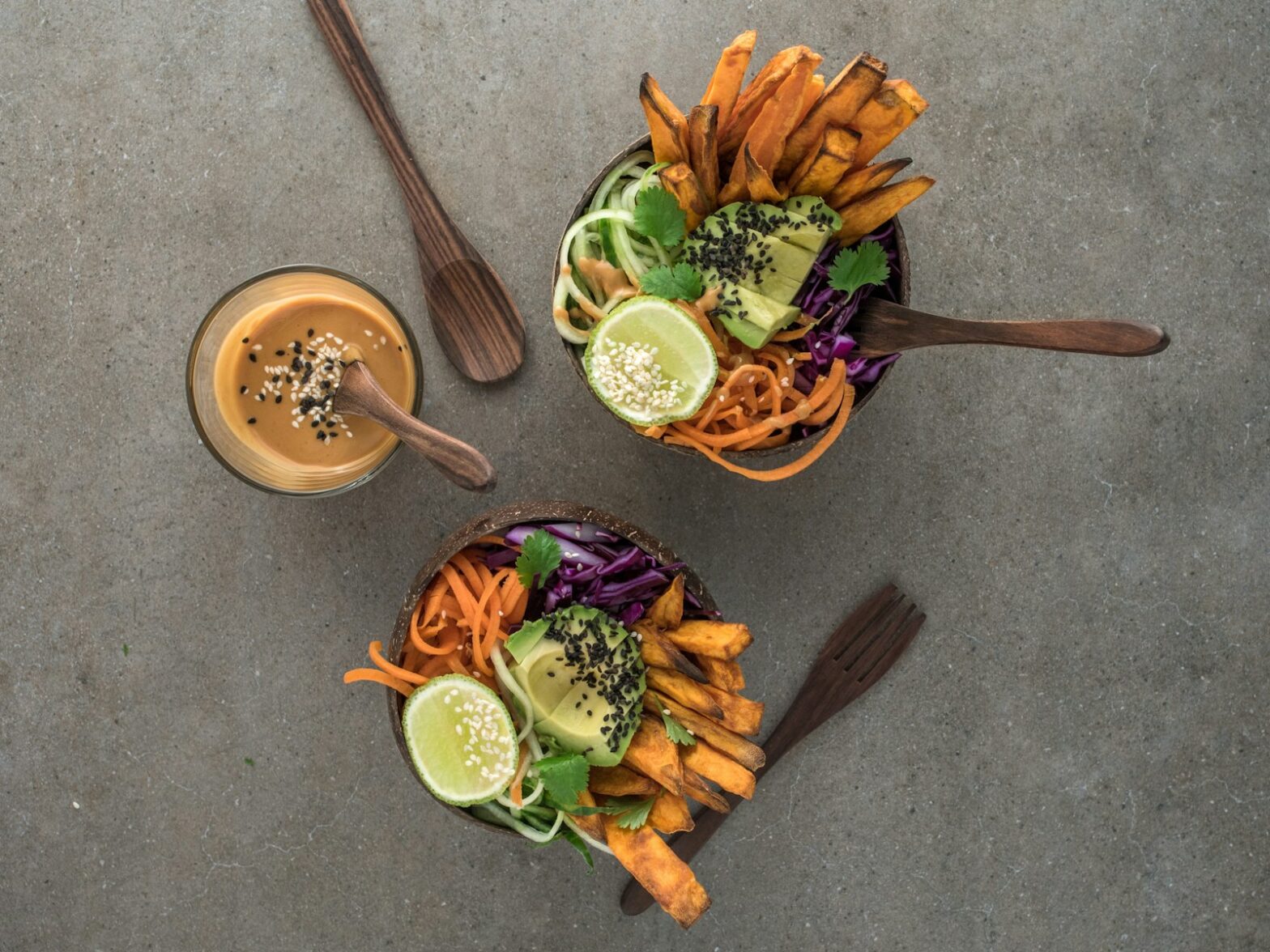
    • Salad toppings and grain bowl additions: Toasted coconut flakes or coarse desiccated coconut add crunch and flavor to salads, Buddha bowls, and grain dishes — a natural complement to tropical fruit, avocado, and lime-based dressings.
    • Soups and stews: Finely desiccated coconut can be ground or blended into soups for body and coconut flavor — a lighter alternative to coconut cream for calorie-conscious applications.
    Application CategoryBest GradeRaw or Toasted?Rehydrate First?
    Cakes and muffinsFine or MediumRawNo
    Cookies and biscuitsFine or MediumEitherNo
    Granola and snack barsMedium or CoarseToastedNo
    MacaroonsFine or MediumRawNo
    Confectionery fillingFineRawSometimes (for softer texture)
    Decorative toppingsFlakes or CoarseToastedNo
    Curries and Asian saucesMediumToasted firstYes — after toasting
    Coconut chutney/sambolMedium or FineRawYes — fully
    Protein coatingsCoarse or FlakesRawNo
    Coconut riceFine or MediumToastedNo
    Salad toppingsFlakes or CoarseToastedNo
    Soups for bodyFineRawYes — partially

    Substitutions and Conversions

    When a recipe calls for fresh grated coconut or shredded coconut but you only have desiccated coconut — or vice versa — here are the practical conversion guidelines:

    Recipe Calls ForUse Desiccated Coconut AtAdjustment Needed
    1 cup fresh grated coconut1 cup desiccated coconut (rehydrated)Rehydrate with ~½ cup water before using
    1 cup sweetened shredded coconut1 cup desiccated coconut (unsweetened) + 1-2 tbsp sugarAdjust sweetness; texture will be slightly drier
    1 cup coconut flakes1 cup coarse desiccated coconutMinimal adjustment needed — slightly finer texture
    2 tbsp fresh coconut (garnish)2 tbsp toasted desiccated coconutBetter visual result; toasted version preferred for garnish
    Coconut flour (in baking)NOT interchangeableCoconut flour and desiccated coconut have very different fiber, fat, and absorbency profiles

    Storage Tips: How to Keep Desiccated Coconut Fresh

    • Unopened package: Store in a cool, dry place away from direct sunlight. Shelf life: 12-18 months from production date. Check the ‘best before’ date on the package.
    • Opened package: Transfer to an airtight container immediately. Store in a cool, dry cupboard (not near the stove) or in the refrigerator. Use within 6 months of opening.
    • Freezer storage: Desiccated coconut freezes exceptionally well — freeze in airtight zip-lock bags for up to 12 months. No need to thaw before use in baking; it can be added directly to batters from frozen.
    • Toasted desiccated coconut: Store in an airtight container at room temperature for up to 2 weeks. The flavor will gradually diminish — toast fresh for best results.
    • Rehydrated desiccated coconut: Use immediately or within 24 hours. Store covered in the refrigerator. Do not freeze rehydrated coconut — ice crystals damage the texture.
    • Signs of spoilage: Discard if you notice a rancid smell (similar to old cooking oil), visible mold, or clumping due to moisture absorption. Properly stored desiccated coconut should smell fresh, nutty, and mildly sweet.

    For Food Manufacturers: Desiccated Coconut as a Food Ingredient
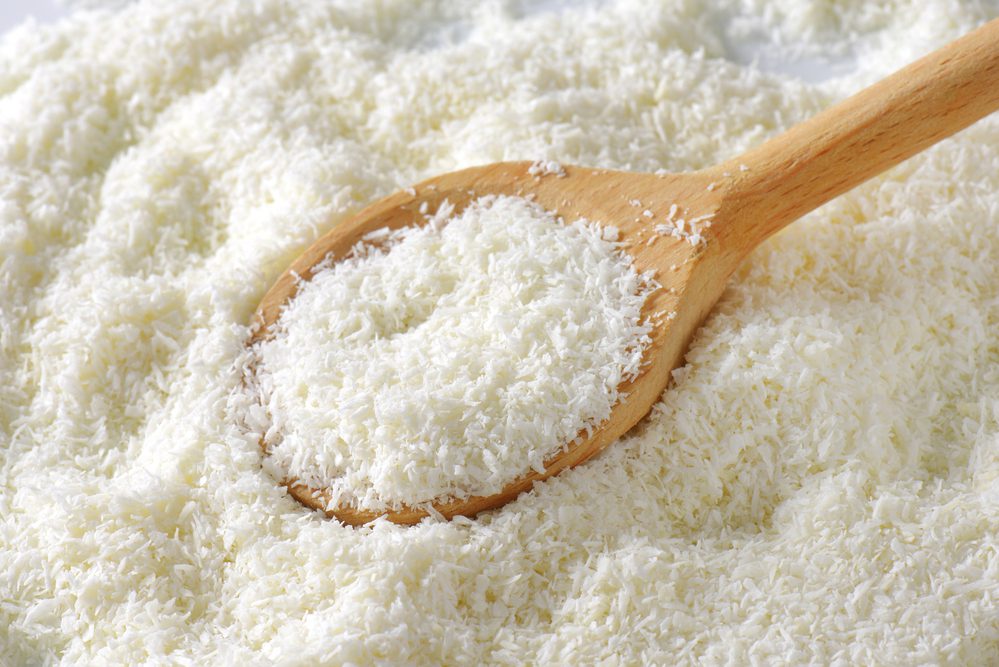
    desiccated coconut for food manufacturers

    For food manufacturers and product developers, desiccated coconut is one of the most versatile natural ingredients available — contributing texture, flavor, fat, and visual appeal simultaneously with clean-label credentials.

    Our article on applications of coconut products in the food industry covers the full range of industrial applications.

    For pricing, grade specifications, MOQ, and sourcing information for bulk desiccated coconut from Indonesia, our complete buyer’s guide on bulk desiccated coconut from Indonesia: grades, price & where to buy provides everything you need.

    At commercial scale, the two most important sourcing criteria for desiccated coconut are food safety certification and organic availability.

    Indonesia’s certified suppliers — including those holding BRCGS Food Safety Grade A certification — represent the highest standard for food manufacturing supply chains.

    For brands requiring organic desiccated coconut with EU Organic or USDA Organic certification, our guide on exporting organic coconut products from Indonesia covers the full documentation chain.

    Source certified desiccated coconut directly from Indonesia
    Global Coco Sugar supplies BRCGS Food Safety Grade A certified desiccated coconut from Indonesia — fine, medium, coarse, long thread, and flakes — in conventional and organic grades. For food manufacturers, importers, and brand owners sourcing at commercial scale.
    Contact Our Export Team >>>
    View Our Desiccated Coconut Range & Prices >>>
  • 5 Mistakes to Avoid When Cooking with Coconut Milk

    5 Mistakes to Avoid When Cooking with Coconut Milk

    Coconut milk has become a kitchen favorite for both home cooks and professional chefs. Its creamy texture, rich flavor, and versatility make it a go-to ingredient for curries, soups, desserts, and even beverages. However, while coconut milk can elevate a dish, it’s also an ingredient that requires careful handling. Many people unknowingly make mistakes when cooking with coconut milk, resulting in curdled sauces, bland flavors, or wasted product.

    If you love cooking with coconut milk or are just getting started, it’s important to understand how to treat it properly. Below are the five most common mistakes to avoid when cooking with coconut milk—along with practical tips to make sure every dish turns out creamy, flavorful, and delicious.


    Mistake 1: Choosing the Wrong Type of Coconut Milk

    One of the biggest mistakes people make is not realizing that not all coconut milk is the same. There are different types available—full-fat, light, canned, carton, and even powdered—and each serves a specific purpose.

    • Full-Fat Coconut Milk (Canned): Thick, creamy, and ideal for curries, desserts, and sauces where richness is desired.
    • Light Coconut Milk: Has reduced fat, making it thinner and less flavorful. It can be used in soups or drinks but may not provide the same creaminess.
    • Carton Coconut Milk: Usually marketed as a dairy alternative for coffee or cereal. It’s often diluted and not suitable for cooking complex dishes.
    • Coconut Cream: Thicker than full-fat coconut milk, best used for desserts, whipped toppings, or very rich curries.
    • Powdered Coconut Milk: A convenient alternative for travel or baking, but may not match the depth of flavor in fresh or canned versions.

    The fix: Always read labels carefully. For cooking, especially in curries or stews, choose unsweetened, full-fat canned coconut milk. If you’re making a lighter dish, dilute full-fat milk with water rather than buying pre-diluted versions, as this gives you more control over texture.


    Mistake 2: Adding Coconut Milk Too Early or Too Late

    Timing matters when using coconut milk in cooking. Many beginners add it at the wrong stage of cooking, which can either dull its flavor or ruin its texture.

    • Adding it too early (especially at high heat) can cause the milk to separate or curdle, leaving behind a grainy texture instead of a silky sauce.
    • Adding it too late might prevent it from blending properly with the other flavors, resulting in a dish that tastes disjointed.

    The fix: Add coconut milk towards the middle to later stages of cooking. For curries and soups, stir it in after your spices, aromatics, and base ingredients are cooked. Allow it to simmer gently so that the flavors meld together. For desserts, incorporate it carefully into batters or mixtures, avoiding rapid boiling.


    Mistake 3: Cooking Coconut Milk on High Heat

    Another common error is cooking coconut milk over very high heat. Since it contains natural fats and proteins, coconut milk is prone to separating when exposed to intense heat. The result? A broken sauce with an oily layer floating on top.

    • High heat damages the delicate balance of fat and water in coconut milk.
    • Boiling coconut milk rapidly not only causes separation but can also dull its fresh, nutty flavor.

    The fix: Cook coconut milk over low to medium heat. Gentle simmering preserves its creamy consistency while still allowing it to infuse with spices and ingredients. If you need to thicken a dish, reduce it slowly rather than cranking up the heat. For desserts like custards or puddings, a double boiler can help maintain even temperatures.


    Mistake 4: Ignoring the Importance of Stirring and Separation

    Coconut milk naturally separates in the can, with thick cream rising to the top and watery liquid settling at the bottom. Some cooks pour it straight into the dish without mixing, which can throw off consistency.

    • Using only the top layer (coconut cream) may make a dish too thick and fatty.
    • Using only the bottom layer can result in a thin, bland dish.

    The fix: Before opening the can, shake it well to combine the layers. Once opened, stir it thoroughly. If your recipe calls for creamier texture (like in Thai curries), scoop out some of the top cream layer first to sauté with spices, then add the liquid part later. This technique enhances flavor and gives a silky consistency.


    Mistake 5: Not Considering the Flavor Balance

    Coconut milk has a distinct, sweet, and nutty flavor. While delicious, it can overpower a dish if not balanced correctly. Many home cooks add too much, expecting it to act like dairy cream, only to end up with overly sweet or cloying results.

    • Using too much coconut milk in savory dishes can drown out spices and herbs.
    • In desserts, relying solely on coconut milk may create an overwhelmingly coconut-forward flavor.

    The fix: Use coconut milk in moderation and balance it with other ingredients. In savory dishes, pair it with tangy elements (like lime, tamarind, or tomatoes), salty notes (like soy sauce or fish sauce), and bold spices (like turmeric, cumin, or chili). In desserts, balance coconut milk with vanilla, chocolate, or fresh fruit to prevent monotony.


    Bonus Tip: Storing Coconut Milk Properly

    Beyond cooking mistakes, many people store coconut milk incorrectly, leading to spoilage.

    • Unopened cans can last for months in the pantry.
    • Opened cans should be transferred to an airtight container (not left in the can) and refrigerated, where they last for 4–7 days.
    • Freezing is an option, but thawed coconut milk may separate, so whisk well before using.

    Proper storage ensures you don’t waste this valuable ingredient.


    Conclusion

    Cooking with coconut milk can transform an ordinary dish into something rich, flavorful, and satisfying. However, to unlock its full potential, it’s important to avoid common pitfalls. By choosing the right type of coconut milk, adding it at the right stage, cooking it gently, stirring it properly, and balancing flavors, you’ll be able to make the most of this versatile ingredient.

    From creamy curries to decadent desserts, coconut milk deserves a place in every kitchen—but only if it’s treated with care. With these tips, you can avoid the five common mistakes and ensure that your dishes always turn out smooth, delicious, and perfectly balanced.


  • Creative Ways to Use Desiccated Coconut in Everyday Cooking

    Creative Ways to Use Desiccated Coconut in Everyday Cooking

    Coconut has long been celebrated as one of the most versatile ingredients in global cuisine. From tropical desserts to savory stews, every part of the coconut can be used in cooking. Among its many forms, desiccated coconut—which is simply finely grated, dried coconut meat—stands out as a pantry staple that combines long shelf life with flavor and texture. Often overlooked in favor of fresh or canned coconut products, desiccated coconut can be a game-changer in everyday cooking, bringing nutty sweetness, chewy texture, and a dose of nutrition to countless dishes.

    This article explores creative and practical ways to use desiccated coconut in everyday cooking, spanning breakfast, savory dishes, baked goods, snacks, and beverages.


    Why Desiccated Coconut?

    Before diving into its culinary uses, it’s worth noting why desiccated coconut deserves more attention:

    1. Long Shelf Life: Unlike fresh coconut, which spoils quickly, desiccated coconut can be stored for months in an airtight container.
    2. Convenience: Ready to use without cracking, grating, or squeezing a fresh coconut.
    3. Nutritional Value: Rich in healthy fats, fiber, iron, and manganese, desiccated coconut adds both texture and nutrients to meals.
    4. Versatility: Works in both sweet and savory applications across diverse cuisines.

    Because of these qualities, desiccated coconut is not just a baking ingredient but a versatile addition to daily cooking.


    Breakfast Boosters

    Breakfast is often called the most important meal of the day, and desiccated coconut can elevate it with ease.

    • Smoothie Bowls and Oatmeal: A sprinkle of desiccated coconut adds crunch and tropical flavor. Pair it with mango, pineapple, or banana for a refreshing breakfast.
    • Granola: Mix desiccated coconut into homemade granola for extra aroma and chewy texture. It toasts beautifully, enhancing the nutty flavor.
    • Pancakes and Waffles: Incorporate desiccated coconut into batter or use it as a topping with honey or maple syrup. Coconut pancakes with lime zest create a tropical morning treat.
    • Energy Bars: Combine desiccated coconut with oats, nut butter, and dried fruits to make no-bake breakfast bars.

    These simple uses make breakfast both nutritious and flavorful, while avoiding the monotony of plain cereals or bread.


    Savory Dishes

    Desiccated coconut is often associated with sweets, but it plays an equally important role in savory dishes.

    • Curries and Stews: In Indian and Southeast Asian cooking, desiccated coconut is used to thicken sauces and add depth. When lightly roasted and ground with spices, it imparts a rich, nutty flavor.
    • Coating for Proteins: Use desiccated coconut mixed with breadcrumbs to coat chicken, fish, or tofu before frying or baking. The result is a crispy, golden crust with a tropical twist.
    • Rice Dishes: Stir a handful into steamed rice along with curry leaves and spices for a fragrant coconut rice, common in South Indian cuisine.
    • Vegetable Stir-Fries: Add to sautéed greens, beans, or carrots for an earthy crunch. Many Sri Lankan recipes use coconut as a key flavor enhancer in vegetable dishes.

    By incorporating desiccated coconut into savory meals, you can create a bridge between familiar comfort foods and exotic flavors.


    Baking Beyond Basics

    One of the most common uses of desiccated coconut is in baking, but it can be applied far beyond standard coconut macaroons.

    • Cakes and Muffins: Fold desiccated coconut into the batter for added texture. A coconut and carrot cake is a healthier spin on the classic carrot cake.
    • Cookies: From coconut chocolate chip to chewy coconut oatmeal cookies, this ingredient enhances both flavor and texture.
    • Pie Crusts: Blend with crushed biscuits and butter for a tropical pie crust base. Perfect for key lime pie or coconut cream pie.
    • Bread: Enrich bread dough with desiccated coconut for a slightly sweet, nutty loaf. It pairs well with curries and soups.

    Its natural sweetness and chewiness make it an excellent addition to almost any baked good.


    Snacks and Nibbles

    Desiccated coconut shines in quick snacks that can be prepared at home with minimal effort.

    • Energy Balls: Blend desiccated coconut with dates, almonds, and cocoa powder to create bite-sized, nutrient-dense snacks.
    • Trail Mix: Toss with nuts, dried fruit, and seeds for a portable and energizing snack.
    • Coconut Chips: Toast desiccated coconut with a touch of salt and chili powder for a crunchy, savory snack.
    • Stuffed Dates: Roll dates stuffed with nut butter in desiccated coconut for a sweet, bite-sized treat.

    These easy snacks are healthier alternatives to processed packaged foods while satisfying sweet and savory cravings.


    Beverages and Smoothies

    Desiccated coconut can also be used to enrich beverages, whether hot, cold, or blended.

    • Smoothies: Add directly to fruit smoothies for texture and flavor. It pairs well with tropical fruits and almond milk.
    • Coconut Milk Substitute: Blend desiccated coconut with warm water and strain to make quick coconut milk for curries, soups, or hot chocolate.
    • Coconut Lattes: Stir into coffee with a touch of cinnamon for a nutty coconut latte.
    • Cocktails: Use as a garnish for piña coladas, mojitos, or rum-based cocktails for an authentic tropical presentation.

    For anyone seeking plant-based options, homemade coconut milk from desiccated coconut is an affordable and sustainable alternative to store-bought cartons.


    Healthy Twists

    Aside from taste, desiccated coconut offers health benefits that align with modern dietary preferences.

    • Keto and Low-Carb Diets: Its high fat and fiber content make it suitable for keto-friendly recipes like fat bombs and coconut bread.
    • Vegan Desserts: Works as a binding agent in no-bake vegan desserts.
    • Gluten-Free Recipes: Naturally gluten-free, it can replace flour in some baking applications.

    This adaptability ensures it fits into various dietary lifestyles while maintaining delicious flavor.


    Cultural Inspirations

    Looking around the world, desiccated coconut plays a role in many beloved dishes:

    • Indian Cuisine: Coconut ladoos (sweet balls made with condensed milk and desiccated coconut).
    • Middle Eastern Cuisine: Coconut basbousa, a semolina cake soaked in syrup.
    • Caribbean Cuisine: Coconut drops—chewy candies made with sugar and ginger.
    • Southeast Asian Cuisine: Coconut pancakes and desserts like kueh, a bite-sized snack made with rice flour and coconut.

    These cultural uses show the ingredient’s timeless appeal and its ability to cross culinary boundaries.


    Tips for Cooking with Desiccated Coconut

    To maximize flavor and texture, here are some tips:

    1. Toast Before Use: Toasting enhances its nuttiness and prevents sogginess in baked goods.
    2. Hydrate When Needed: Soak in warm milk or water if a softer texture is desired, such as for cakes or puddings.
    3. Use Moderately: Its flavor is strong—balance it with other ingredients to avoid overpowering dishes.
    4. Store Properly: Keep in an airtight container in a cool, dry place to avoid rancidity.

    These small techniques help transform desiccated coconut from a simple pantry item into a star ingredient.


    Conclusion

    Desiccated coconut is more than just a baking ingredient—it’s a versatile, nutrient-rich, and flavorful addition to everyday cooking. From breakfast bowls to savory curries, quick snacks to gourmet desserts, it brings texture, taste, and cultural depth to the table. Its long shelf life and ease of use make it a practical staple for home cooks and professional chefs alike.

    By experimenting with desiccated coconut in both traditional and modern recipes, you can unlock a world of creative culinary possibilities. Whether you’re looking to add a tropical flair to your morning oatmeal, craft a crispy coconut-coated chicken, or stir up a batch of chewy cookies, desiccated coconut proves itself time and again as an ingredient worth celebrating in daily cooking.


  • Cooking with Coconut Sugar: 7 Delicious Recipes to Try

    Cooking with Coconut Sugar: 7 Delicious Recipes to Try

    Coconut sugar has become a popular natural sweetener among home cooking and health-conscious food lovers. Made from the sap of coconut palm blossoms, it has a caramel-like flavor and a lower glycemic index than refined white sugar. Beyond its nutritional benefits, coconut sugar is versatile—it blends seamlessly into both sweet and savory dishes. In this article, we’ll explore seven delicious recipes that showcase coconut sugar’s rich taste and adaptability in your kitchen.


    1. Coconut Sugar Banana Bread

    A wholesome twist on the classic, this banana bread is naturally sweetened for a warm, caramel aroma.
    Ingredients:

    • 3 ripe bananas (mashed)
    • ½ cup coconut sugar
    • 1 egg
    • ¼ cup coconut oil (melted)
    • 1 tsp baking soda
    • 1 ½ cups all-purpose or whole wheat flour
    • Pinch of salt

    Instructions:

    1. Preheat oven to 175°C (350°F).
    2. Combine mashed bananas, coconut sugar, egg, and coconut oil.
    3. Fold in flour, baking soda, and salt.
    4. Pour into a greased loaf pan and bake for 45–50 minutes.

    Result: Moist, sweet, and with a hint of caramel flavor.


    2. Coconut Sugar Caramel Sauce

    This sauce is perfect over pancakes, ice cream, or fruit.
    Ingredients:

    • 1 cup coconut sugar
    • ½ cup coconut cream
    • 2 tbsp coconut oil
    • Pinch of sea salt

    Instructions:

    1. In a saucepan, melt coconut sugar with coconut oil over medium heat.
    2. Stir in coconut cream and cook until thickened (5–7 minutes).
    3. Add sea salt and stir well.

    Result: A rich, dairy-free caramel that’s naturally sweet.


    3. Sweet & Spicy Coconut Sugar Glazed Salmon

    An easy dinner with a gourmet touch.
    Ingredients:

    • 4 salmon fillets
    • 3 tbsp coconut sugar
    • 2 tbsp soy sauce
    • 1 tbsp lime juice
    • 1 tsp grated ginger

    Instructions:

    1. Mix coconut sugar, soy sauce, lime juice, and ginger.
    2. Brush glaze over salmon fillets.
    3. Bake at 200°C (400°F) for 12–15 minutes until cooked through.

    Result: A savory-sweet glaze that complements the richness of salmon.


    4. Coconut Sugar Chocolate Chip Cookies

    A healthier version of a beloved treat.
    Ingredients:

    • ½ cup coconut oil (softened)
    • ¾ cup coconut sugar
    • 1 egg
    • 1 tsp vanilla extract
    • 1 ½ cups flour
    • 1 tsp baking soda
    • ½ cup chocolate chips

    Instructions:

    1. Beat coconut oil, coconut sugar, egg, and vanilla until smooth.
    2. Stir in flour and baking soda, then fold in chocolate chips.
    3. Drop spoonfuls onto a baking sheet and bake at 175°C (350°F) for 10–12 minutes.

    Result: Chewy cookies with a subtle caramel taste.


    5. Thai Coconut Sugar Iced Coffee

    A café-style drink you can make at home.
    Ingredients:

    • 1 cup brewed strong coffee
    • 2 tbsp coconut sugar
    • ½ cup coconut milk
    • Ice cubes

    Instructions:

    1. Stir coconut sugar into hot coffee until dissolved.
    2. Pour over ice and top with coconut milk.

    Result: Smooth, creamy, and naturally sweetened.


    6. Coconut Sugar Roasted Sweet Potatoes

    A healthy side dish with a touch of sweetness.
    Ingredients:

    • 3 medium sweet potatoes (cubed)
    • 2 tbsp coconut sugar
    • 2 tbsp olive oil
    • 1 tsp cinnamon

    Instructions:

    1. Toss sweet potato cubes with coconut sugar, oil, and cinnamon.
    2. Roast at 200°C (400°F) for 25–30 minutes until tender.

    Result: A caramelized, slightly crispy coating with warm spices.


    7. Coconut Sugar Energy Bites

    A no-bake snack for quick energy.
    Ingredients:

    • 1 cup rolled oats
    • ½ cup almond butter
    • 3 tbsp coconut sugar
    • 2 tbsp chia seeds
    • 2 tbsp cocoa powder

    Instructions:

    1. Mix all ingredients until combined.
    2. Roll into small balls and chill for 30 minutes.

    Result: Nutty, chocolaty bites perfect for on-the-go snacking.


    Why Choose Coconut Sugar for Cooking?

    Aside from its rich flavor, coconut sugar is less processed than refined sugar, retaining trace minerals like iron, zinc, and potassium. Its lower glycemic index makes it a popular choice for those looking to moderate blood sugar spikes. Its caramel notes pair well with both desserts and savory glazes, making it one of the most versatile natural sweeteners in the kitchen.


    Final Thoughts
    Cooking with coconut sugar allows you to enjoy sweetness in a more wholesome way. From baked goods to glazes and drinks, its deep flavor elevates everyday dishes into something special. Whether you’re looking to make a comforting banana bread or a refreshing iced coffee, coconut sugar offers a deliciously natural twist on traditional recipes.


  • Why Virgin Coconut Oil Is the Best Oil for Cooking at High Temperatures

    Why Virgin Coconut Oil Is the Best Oil for Cooking at High Temperatures

    Cooking oils are a staple in kitchens around the world, but not all oils are created equal—especially when it comes to high-temperature cooking. Whether you’re stir-frying, sautéing, roasting, or deep-frying, the oil you choose can greatly impact not just the flavor of your food, but also its nutritional value and safety.

    Among the many oils available, virgin coconut oil has earned a reputation for being one of the best options for high-heat cooking. But why is that the case? In this article, we explore the scientific, nutritional, and culinary reasons that make virgin coconut oil a top choice for high-temperature cooking.


    Understanding the Smoke Point: The Key to Cooking Oil Safety

    Before diving into the benefits of virgin coconut oil, it’s important to understand the concept of the smoke point. The smoke point is the temperature at which an oil starts to break down and produce smoke. At this stage, the oil begins to degrade, releasing harmful free radicals and toxic compounds like acrolein, which can negatively affect health and taste.

    Smoke Point of Virgin Coconut Oil:

    • Virgin coconut oil has a smoke point of approximately 350°F (177°C).
    • While this may seem lower than some refined oils, it is remarkably stable because of its unique fat composition (more on that below).

    What sets virgin coconut oil apart is not just its smoke point, but its oxidative stability—its resistance to breaking down under heat. Many oils with higher smoke points still oxidize faster than coconut oil due to their unsaturated fat content.


    The Unique Fatty Acid Profile of Virgin Coconut Oil

    Virgin coconut oil is over 90% saturated fat, a fact that has sparked both controversy and admiration. However, not all saturated fats are the same. The primary component of coconut oil is medium-chain triglycerides (MCTs), especially lauric acid, which gives it several advantages:

    1. High Saturated Fat = High Stability

    • Saturated fats are chemically more stable than unsaturated fats.
    • They have no double bonds, meaning they’re less prone to oxidation and rancidity.
    • This makes coconut oil particularly resilient under high heat, unlike oils rich in polyunsaturated fats (like soybean or sunflower oil).

    2. Rich in Lauric Acid

    • Lauric acid (about 50% of coconut oil) is a medium-chain fatty acid with antimicrobial properties.
    • It supports immune function and has been linked to improved cholesterol ratios in some studies.

    3. Fast Energy Source

    • MCTs are quickly absorbed and used by the liver for immediate energy, rather than being stored as fat.
    • This makes coconut oil a preferred cooking oil among athletes, keto dieters, and health-conscious individuals.

    Virgin vs. Refined Coconut Oil: What’s the Difference?

    When choosing coconut oil for cooking, the distinction between virgin and refined coconut oil matters.

    TypeVirgin Coconut OilRefined Coconut Oil
    SourceCold-pressed from fresh coconut meatProcessed from dried coconut (copra)
    FlavorRich, coconutty aromaNeutral
    Smoke Point~350°F (177°C)~400–450°F (204–232°C)
    ProcessingMinimal, unrefinedBleached and deodorized
    Nutritional QualityHigher in antioxidants and phytonutrientsLower nutritional value

    While refined coconut oil has a slightly higher smoke point, virgin coconut oil is more nutrient-dense and retains more natural antioxidants. Its high oxidative stability allows it to perform just as well—if not better—than refined oils at most household cooking temperatures.


    Benefits of Cooking with Virgin Coconut Oil at High Temperatures

    1. Doesn’t Break Down Easily

    The saturated fat content in virgin coconut oil makes it far more resistant to heat-induced degradation than oils high in polyunsaturated fats (like canola, corn, or grapeseed oils).

    2. Maintains Nutritional Integrity

    Even when heated, virgin coconut oil retains its antioxidant compounds better than many other oils. These compounds help fight free radicals and may support heart and brain health.

    3. Adds Flavor and Aroma

    Virgin coconut oil has a subtle coconut flavor that enhances many dishes—especially curries, stir-fries, and baked goods. Unlike neutral oils, it contributes to the culinary experience.

    4. Longer Shelf Life

    Because of its saturated fat profile, coconut oil resists rancidity and oxidation—even when stored at room temperature. This makes it a great pantry staple for long-term use.

    5. Supports Dietary Goals

    Virgin coconut oil is:

    • Keto and paleo-friendly
    • Naturally gluten-free
    • Compatible with vegan and plant-based diets

    Its MCT content makes it a popular choice in bulletproof coffee and other functional foods.


    Cooking Applications: How to Use Virgin Coconut Oil

    Virgin coconut oil is versatile and can be used in a variety of high-heat cooking methods:

    Sautéing and Stir-Frying

    Perfect for vegetables, chicken, tofu, or shrimp. It adds a light tropical note and doesn’t break down easily under heat.

    Baking

    Substitute coconut oil for butter or vegetable oil in recipes for cookies, muffins, and cakes. It gives a moist texture and subtle sweetness.

    Roasting

    Toss root vegetables like sweet potatoes or carrots in melted coconut oil before roasting for a caramelized finish.

    Pan-Frying

    Use for eggs, pancakes, or shallow-frying meats. It creates a crisp outer layer without burning.

    Popcorn

    Try popping corn kernels in coconut oil for a healthy, flavorful snack.


    Common Myths About Coconut Oil and Saturated Fat

    Myth 1: Saturated Fat is Always Unhealthy

    Modern research shows that not all saturated fats are harmful. Lauric acid, the main fat in coconut oil, may increase HDL (good cholesterol) and improve total cholesterol ratio.

    Myth 2: Coconut Oil Clogs Arteries

    There is no conclusive evidence linking moderate coconut oil consumption to increased cardiovascular risk, especially when part of a balanced diet. In fact, many traditional cultures with high coconut consumption have low rates of heart disease.

    Myth 3: You Can’t Cook with Virgin Coconut Oil

    This myth likely stems from confusion around smoke points. While virgin coconut oil’s smoke point is lower than refined versions, its high stability makes it excellent for most everyday cooking needs.


    Conclusion

    Virgin coconut oil stands out as one of the best oils for high-temperature cooking. Its saturated fat profile, rich antioxidant content, and unique flavor make it ideal for everything from sautéing and roasting to baking and frying. While it should be consumed in moderation—like any fat—it offers numerous health benefits and culinary advantages.

    If you’re looking for an oil that can withstand the heat without compromising nutrition or taste, virgin coconut oil is a smart, natural choice. Keep a jar in your pantry and enjoy the healthful, flavorful versatility it brings to your kitchen.

  • Cooking with Coconut Milk: 7 Easy Recipes to Try Today

    Cooking with Coconut Milk: 7 Easy Recipes to Try Today

    Coconut milk is a versatile, creamy, plant-based ingredient made by blending the flesh of mature coconuts with water. It has long been a staple in many Asian, Caribbean, and African cuisines, adding a rich, mildly sweet flavor and velvety texture to both savory and sweet dishes. Whether you’re lactose-intolerant, plant-based, or just love its tropical essence, cooking with coconut milk opens up a world of delicious possibilities.

    In this article, we’ll explore seven easy and flavorful recipes you can try today—ranging from comforting curries to refreshing desserts. Whether you’re a beginner or a seasoned home cook, these dishes will inspire you to make coconut milk a pantry essential.


    1. Thai Coconut Chicken Curry

    Ingredients:

    • 1 tbsp oil (coconut or vegetable)
    • 1 lb (450 g) chicken breast or thighs, cubed
    • 1 small onion, diced
    • 2 cloves garlic, minced
    • 1 tbsp red curry paste
    • 1 can (13.5 oz) full-fat coconut milk
    • 1 cup sliced bell peppers
    • 1 tbsp fish sauce or soy sauce
    • 1 tsp brown sugar (optional)
    • Fresh basil or cilantro for garnish

    Instructions:

    1. Heat oil in a large skillet over medium heat. Add the onion and sauté until translucent.
    2. Add garlic and curry paste, stirring until fragrant (about 1 minute).
    3. Add the chicken and cook until no longer pink.
    4. Pour in the coconut milk, fish sauce, and brown sugar. Stir well.
    5. Add bell peppers and simmer for 10–15 minutes, until chicken is fully cooked.
    6. Garnish with fresh herbs and serve with jasmine rice.

    Why It Works:

    The creamy coconut milk balances the heat of the curry paste, creating a harmonious, rich sauce that clings beautifully to tender chicken.


    2. Creamy Coconut Lentil Soup

    Ingredients:

    • 1 tbsp olive oil
    • 1 onion, chopped
    • 2 carrots, diced
    • 2 cloves garlic, minced
    • 1 tsp ground cumin
    • 1 tsp turmeric
    • 1 cup red lentils, rinsed
    • 1 can coconut milk
    • 3 cups vegetable broth
    • Salt and pepper to taste
    • Lime wedges and fresh cilantro (optional)

    Instructions:

    1. In a pot, heat olive oil. Add onion and carrots and cook until softened.
    2. Stir in garlic, cumin, and turmeric.
    3. Add lentils, coconut milk, and broth. Bring to a boil.
    4. Reduce heat and simmer for 20–25 minutes until lentils are tender.
    5. Blend partially with an immersion blender for a creamy texture.
    6. Season to taste and serve with lime and cilantro.

    Why It Works:

    Coconut milk adds a luxurious creaminess that complements the earthy lentils and spices, turning this soup into a hearty, comforting meal.


    3. Coconut Milk Oatmeal

    Ingredients:

    • 1 cup rolled oats
    • 1 cup water
    • 1 cup coconut milk
    • 1 tbsp maple syrup or honey
    • 1/2 tsp cinnamon
    • Toppings: banana slices, berries, coconut flakes, nuts

    Instructions:

    1. Combine oats, water, and coconut milk in a saucepan.
    2. Bring to a gentle boil, then reduce heat and simmer for 5–7 minutes, stirring occasionally.
    3. Stir in sweetener and cinnamon.
    4. Serve with your favorite toppings.

    Why It Works:

    Coconut milk gives oatmeal a rich, creamy base that elevates breakfast from ordinary to indulgent—especially when paired with tropical fruits.


    4. Coconut Chickpea Stew

    Ingredients:

    • 1 tbsp coconut oil
    • 1 onion, diced
    • 2 cloves garlic, minced
    • 1 tsp grated ginger
    • 1 tbsp curry powder
    • 2 cans chickpeas, drained
    • 1 can diced tomatoes
    • 1 can coconut milk
    • 2 cups spinach or kale
    • Salt and pepper

    Instructions:

    1. Heat coconut oil in a large pot. Add onion and sauté until soft.
    2. Add garlic, ginger, and curry powder. Stir until fragrant.
    3. Add chickpeas, tomatoes, and coconut milk. Simmer for 15 minutes.
    4. Stir in greens until wilted.
    5. Adjust seasoning and serve with rice or naan.

    Why It Works:

    This vegan-friendly stew is protein-packed and deeply flavorful. The coconut milk provides richness that balances the acidity of the tomatoes and the bold spices.


    5. Coconut Rice

    Ingredients:

    • 1 cup jasmine rice
    • 1 cup water
    • 1 cup coconut milk
    • 1/2 tsp salt
    • Optional: 1 tsp sugar or pandan leaf

    Instructions:

    1. Rinse rice thoroughly.
    2. Combine rice, water, coconut milk, and salt in a pot.
    3. Bring to a boil, then reduce to a simmer. Cover and cook for 15–20 minutes.
    4. Fluff with a fork and serve.

    Why It Works:

    Coconut milk transforms ordinary rice into a flavorful side dish, perfect alongside curries, grilled meats, or tropical mains.


    6. Coconut Mango Chia Pudding

    Ingredients:

    • 1/4 cup chia seeds
    • 1 cup coconut milk
    • 1 tbsp maple syrup or agave
    • 1/2 tsp vanilla extract
    • 1/2 cup mango puree or fresh mango chunks

    Instructions:

    1. In a bowl or jar, mix chia seeds, coconut milk, sweetener, and vanilla.
    2. Stir well and refrigerate for at least 4 hours or overnight.
    3. Stir again before serving and top with mango.

    Why It Works:

    Coconut milk’s creaminess makes chia pudding feel like a tropical dessert, while mango adds bright, fruity flavor and natural sweetness.


    7. Coconut Chicken Marinade

    Ingredients:

    • 1 can coconut milk
    • Juice of 1 lime
    • 2 cloves garlic, minced
    • 1 tbsp soy sauce or tamari
    • 1 tsp honey or sugar
    • 1 tsp chili flakes or hot sauce (optional)
    • 1.5 lbs chicken (thighs or breasts)

    Instructions:

    1. Whisk all ingredients (except chicken) in a bowl.
    2. Place chicken in a resealable bag or dish and pour marinade over it.
    3. Marinate in the fridge for at least 2 hours, ideally overnight.
    4. Grill, bake, or pan-fry until cooked through.

    Why It Works:

    Coconut milk helps tenderize the chicken while adding depth of flavor. The lime and soy bring brightness and umami, making it ideal for grilling or roasting.


    Final Tips for Cooking with Coconut Milk

    • Shake the can: Coconut milk often separates. Shake it well before opening, or stir thoroughly.
    • Choose the right type: Full-fat coconut milk is richer and better for cooking; lite coconut milk is diluted and best used when a lighter texture is needed.
    • Storage: Once opened, refrigerate and use within 5–7 days, or freeze leftovers in ice cube trays for easy use in sauces and soups.
    • Don’t confuse with coconut cream: Coconut cream is thicker and richer, used mostly in desserts or whipped toppings.

    Conclusion

    Coconut milk is more than just a trend—it’s a culinary powerhouse that can enhance everything from breakfast bowls to hearty dinners and luscious desserts. Its creamy texture and subtle flavor make it a perfect dairy alternative and a must-have for global recipes. These seven easy recipes are just the beginning—once you start cooking with coconut milk, you’ll find countless ways to incorporate it into your everyday meals.

    So go ahead—open a can and discover the magic of cooking with coconut milk today!

  • Cooking with Virgin Coconut Oil: Tips and Recipes for Every Meal

    Cooking with Virgin Coconut Oil: Tips and Recipes for Every Meal

    In recent years, virgin coconut oil has gained popularity as a healthful and versatile ingredient in kitchens around the world. Cold-pressed from fresh coconut meat, virgin coconut oil retains its natural aroma, flavor, and nutritional profile. With a high smoke point and a unique composition of medium-chain fatty acids (MCFAs), it’s not only a great cooking oil but also a functional food that may offer various health benefits.

    Whether you’re frying, baking, sautéing, or blending smoothies, virgin coconut oil can elevate your culinary creations. In this article, we’ll explore its benefits, cooking tips, and a selection of delicious recipes for every meal of the day.


    Why Choose Virgin Coconut Oil?

    1. Nutritional Benefits

    Virgin coconut oil is composed mainly of medium-chain triglycerides (MCTs) such as lauric acid, which is known for its antimicrobial and anti-inflammatory properties. Unlike long-chain fats, MCTs are metabolized quickly by the liver and can provide an immediate source of energy.

    2. Stability at High Temperatures

    With a smoke point of about 350°F (177°C), virgin coconut oil is suitable for most medium-heat cooking methods. Unlike some vegetable oils, it does not oxidize easily, making it a stable and safer choice for sautéing and baking.

    3. Flavor Enhancer

    Its naturally sweet, nutty flavor pairs beautifully with a range of cuisines—from tropical dishes to baked goods—adding depth and richness to food.


    Cooking Tips for Using Virgin Coconut Oil

    1. Use It in Place of Butter or Other Oils
      Virgin coconut oil can be substituted for butter or other cooking oils in a 1:1 ratio. It’s perfect for dairy-free or vegan diets.
    2. Keep Temperature in Mind
      For high-heat methods like deep frying, refined coconut oil may be better, but for roasting, pan-frying, and baking, virgin coconut oil works well.
    3. Solid or Liquid?
      Virgin coconut oil solidifies below 76°F (24°C) and melts quickly above that. For baking, gently melt it before measuring for accurate results.
    4. Store Properly
      Keep the oil in a cool, dry place in a sealed container. It has a long shelf life (up to two years) due to its natural antioxidants.

    Breakfast Recipes with Virgin Coconut Oil

    1. Coconut Banana Pancakes

    Ingredients:

    • 1 cup rolled oats
    • 2 ripe bananas
    • 2 eggs
    • 1 tsp baking powder
    • 2 tbsp virgin coconut oil (plus extra for cooking)
    • Pinch of salt

    Instructions:

    1. Blend all ingredients in a blender until smooth.
    2. Heat a non-stick skillet with a little coconut oil over medium heat.
    3. Pour in batter to form small pancakes. Cook 2–3 minutes on each side.
    4. Serve with fresh fruit and a drizzle of honey.

    Tip: Coconut oil gives these pancakes a subtle tropical twist and keeps them moist.

    2. Coconut Coffee or “Bulletproof” Coffee

    Replace your usual morning creamer with 1 tablespoon of virgin coconut oil blended into your coffee for a creamy, energy-boosting drink.


    Lunch Recipes with Virgin Coconut Oil

    3. Tropical Coconut Chicken Stir-Fry

    Ingredients:

    • 2 chicken breasts, thinly sliced
    • 2 tbsp virgin coconut oil
    • 1 red bell pepper, sliced
    • 1 cup snap peas
    • 1/2 onion, sliced
    • 2 tbsp coconut aminos or soy sauce
    • 1 tsp grated ginger
    • 1 clove garlic, minced

    Instructions:

    1. Heat coconut oil in a wok or large skillet over medium heat.
    2. Add chicken and cook until golden brown.
    3. Add vegetables, garlic, and ginger. Stir-fry for 3–4 minutes.
    4. Add coconut aminos and toss everything together.

    Tip: The coconut oil enhances the tropical flavor of the dish and gives a slight crispiness to the chicken.

    4. Coconut Quinoa Salad

    Ingredients:

    • 1 cup cooked quinoa
    • 1/2 cup grated carrot
    • 1/2 cup chopped cucumber
    • 1 tbsp virgin coconut oil
    • Juice of 1 lime
    • 1 tbsp chopped fresh cilantro
    • Salt and pepper to taste

    Instructions:

    1. Combine all ingredients in a bowl.
    2. Toss to mix and chill before serving.

    Tip: Use coconut oil as a healthy fat for cold salads—its flavor balances beautifully with lime and fresh herbs.


    Dinner Recipes with Virgin Coconut Oil

    5. Coconut Curry Lentils

    Ingredients:

    • 1 cup red lentils
    • 1 tbsp virgin coconut oil
    • 1 small onion, chopped
    • 1 garlic clove, minced
    • 1 tsp turmeric
    • 1 tsp cumin
    • 1/2 tsp chili flakes (optional)
    • 2 cups water or vegetable broth
    • 1/2 cup coconut milk
    • Salt to taste

    Instructions:

    1. Sauté onion and garlic in coconut oil until translucent.
    2. Add spices and stir for 1 minute.
    3. Add lentils and water; simmer for 15–20 minutes until tender.
    4. Stir in coconut milk and season to taste.

    Tip: This warming, plant-based meal is rich in fiber and perfect for busy weeknights.

    6. Roasted Veggies with Coconut Oil

    Ingredients:

    • 2 cups assorted vegetables (sweet potatoes, carrots, broccoli, etc.)
    • 2 tbsp virgin coconut oil, melted
    • Salt, pepper, paprika

    Instructions:

    1. Toss vegetables in melted coconut oil and seasonings.
    2. Spread on a baking sheet and roast at 400°F (200°C) for 25–30 minutes.

    Tip: Coconut oil adds a subtle sweetness and helps veggies caramelize beautifully.


    Dessert Recipes with Virgin Coconut Oil

    7. No-Bake Coconut Chocolate Bites

    Ingredients:

    • 1 cup rolled oats
    • 1/2 cup shredded coconut
    • 1/3 cup virgin coconut oil
    • 1/4 cup honey or maple syrup
    • 2 tbsp cocoa powder
    • Pinch of salt

    Instructions:

    1. Mix all ingredients in a bowl until combined.
    2. Roll into small balls and refrigerate for at least 30 minutes.

    Tip: These are perfect for a quick, energy-packed treat.

    8. Coconut Oil Chocolate Bark

    Ingredients:

    • 1/2 cup virgin coconut oil
    • 1/2 cup cocoa powder
    • 1/4 cup maple syrup or honey
    • Toppings: nuts, dried fruit, sea salt

    Instructions:

    1. Melt coconut oil and mix with cocoa and sweetener.
    2. Pour onto parchment paper and sprinkle toppings.
    3. Freeze until solid, then break into pieces.

    Final Thoughts

    Cooking with virgin coconut oil is more than just a health trend—it’s a flavorful, functional addition to your kitchen that fits into a variety of diets and recipes. Whether you’re making breakfast, lunch, dinner, or dessert, coconut oil provides a rich flavor profile and nutritional boost.

    Its natural sweetness, anti-inflammatory properties, and versatility make it a pantry staple for those who enjoy cooking wholesome meals. Just remember to use it appropriately based on cooking temperature and recipe style.

  • Creative Ways to Use Dried Coconut Flakes in Your Cooking

    Creative Ways to Use Dried Coconut Flakes in Your Cooking

    Dried coconut flakes, also known as desiccated coconut, are a versatile pantry staple that can elevate both sweet and savory dishes with their rich, nutty flavor and satisfying texture. Whether you’re looking to add a tropical twist to your meals or seeking a healthy snack option, dried coconut flakes offer endless possibilities.


    🥥 What Are Dried Coconut Flakes?

    Dried coconut flakes are made by shredding or flaking the white meat of mature coconuts and then drying it to remove moisture. This process results in a shelf-stable product that retains the coconut’s natural oils and flavor. They come in various forms, including sweetened and unsweetened, and can be found in different textures, from finely shredded to large flakes. (Epicurious)


    🍰 Sweet Applications

    1. Baked Goods

    Incorporate dried coconut flakes into your favorite baked goods to add moisture and a subtle sweetness. They’re perfect for muffins, cakes, cookies, and pies. For an extra touch, toast the flakes lightly before adding them to your batter to enhance their flavor. (Slurrp)

    2. Smoothie Bowls and Yogurt Parfaits

    Sprinkle dried coconut flakes over smoothie bowls or layer them in yogurt parfaits for added texture and flavor. They pair wonderfully with tropical fruits like mango, pineapple, and banana.

    3. Energy Bars and Granola

    Combine dried coconut flakes with oats, nuts, seeds, and a natural sweetener like honey or maple syrup to create homemade energy bars or granola. The coconut adds a chewy texture and a boost of healthy fats. (econutrena.com)

    4. Coconut Macaroons

    Mix dried coconut flakes with sweetened condensed milk and egg whites to form coconut macaroons. Bake until golden brown for a delicious treat that’s both chewy and crispy. (Slurrp)

    5. Coconut Ice Cream

    Incorporate dried coconut flakes into homemade ice cream for added texture and flavor. They pair especially well with vanilla or chocolate bases.


    🍛 Savory Applications

    1. Coatings and Breadcrumbs

    Use dried coconut flakes as a breading for shrimp, chicken, or fish. Combine them with breadcrumbs and spices to create a flavorful coating that crisps up beautifully when baked or fried. (BargainBoxed.com)

    2. Curries and Stir-Fries

    Add toasted coconut flakes to curries and stir-fries for a delightful crunch and a hint of sweetness. They complement dishes with coconut milk or tropical fruits like pineapple. (Slurrp)

    3. Salads and Side Dishes

    Sprinkle toasted coconut flakes over salads or side dishes to add texture and a tropical flair. They pair well with slaws, rice dishes, and salads featuring fruits like mango or papaya. (BargainBoxed.com)

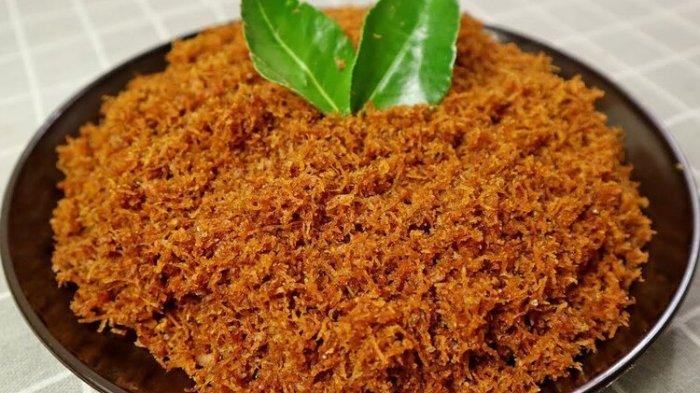
    4. Serundeng

    In Indonesian cuisine, serundeng is a spiced, sautéed coconut dish that’s often served with rice cakes or meats. It’s made by frying dried coconut flakes with spices and seasonings until crispy. (Wikipedia)

    5. Fusion Dishes

    Incorporate dried coconut flakes into fusion dishes that blend Indonesian flavors with international cuisines. For example, adding them to Thai green curry or Vietnamese pho can introduce a unique texture and flavor profile. (oilcocos.com)


    🍹 Beverages

    1. Coconut Milk

    Blend dried coconut flakes with water to create homemade coconut milk. Strain the mixture to remove solids, and use the resulting liquid in smoothies, curries, or desserts. (export-lanka.com)

    2. Coconut-Infused Water

    Soak dried coconut flakes in water overnight to infuse the liquid with coconut flavor. Use this infused water as a base for beverages or to add a subtle coconut taste to recipes.


    🍽️ Garnishes and Toppings

    Dried coconut flakes make excellent garnishes for various dishes. Sprinkle them over soups, salads, or desserts to add visual appeal and a burst of flavor. To enhance their flavor, toast the flakes lightly before using them as a topping.


    🥥 Tips for Using Dried Coconut Flakes

    • Storage: Keep dried coconut flakes in an airtight container in a cool, dry place to maintain their freshness. Refrigeration can extend their shelf life.
    • Toasting: Lightly toast dried coconut flakes in a dry skillet over medium heat to enhance their flavor before adding them to recipes.
    • Sweetened vs. Unsweetened: Choose sweetened dried coconut flakes for desserts and unsweetened flakes for savory dishes to control the sweetness level.

    Dried coconut flakes are a versatile ingredient that can enhance a wide range of dishes, from baked goods to savory meals. Their natural sweetness and texture make them a valuable addition to your culinary repertoire. Experiment with these ideas to discover new and exciting ways to incorporate dried coconut flakes into your cooking.


Secret Link