Tag: healthy sugar alternative

  • Coconut Nectar Syrup vs Other Sweeteners: 6 Key Comparisons

    Coconut Nectar Syrup vs Other Sweeteners: 6 Key Comparisons

    Coconut Nectar Syrup

    Coconut nectar syrup is often compared with honey, maple syrup, agave nectar, molasses, brown rice syrup, and coconut sugar because buyers want to understand differences in taste, sweetness, glycemic index, texture, formulation use, and sourcing requirements.

    For food manufacturers, beverage brands, bakery producers, sauce makers, snack companies, and private label buyers, the best sweetener is not always the one with the strongest health claim.

    The better choice depends on product application, flavor profile, sugar content, labeling requirements, packaging, MOQ, and supplier documentation.

    This guide compares coconut nectar syrup vs other sweeteners so buyers can choose the right option for recipes, commercial formulations, and bulk sourcing.

    Quick Answer: How Does Coconut Nectar Syrup Compare to Other Sweeteners?

    Coconut nectar syrup is a coconut-based liquid sweetener with a caramel-like flavor and a pourable texture.

    Compared with honey, maple syrup, agave, molasses, brown rice syrup, and coconut sugar, it can offer a distinctive flavor profile and useful formulation flexibility for sauces, beverages, bakery, snacks, toppings, and private label products.

    However, coconut nectar syrup is still a sweetener.

    Buyers should avoid relying only on general health claims and should review nutrition facts, sugar content, glycemic index data, product specifications, and target-market labeling rules before using it in commercial products.

    What Is Coconut Nectar Syrup?
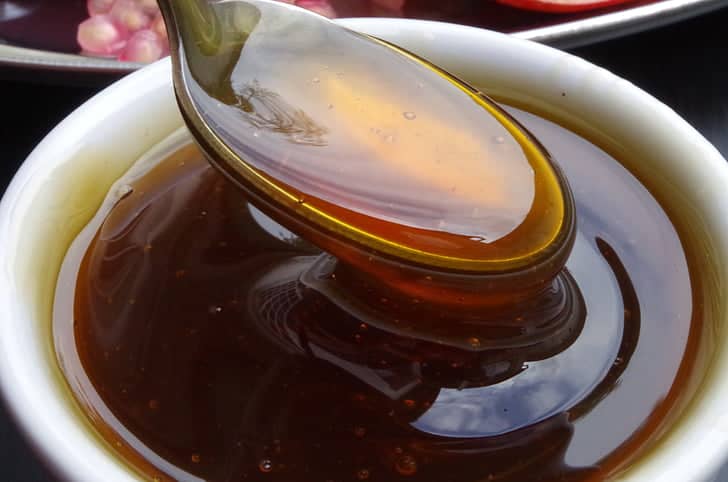
    What Is Coconut Nectar Syrup

    Coconut nectar syrup is a liquid sweetener made from coconut blossom sap.

    The sap is collected from coconut flowers and processed into a syrup with a naturally caramel-like flavor, brown color, and pourable consistency.

    In commercial food applications, coconut nectar syrup may be used in beverages, sauces, dressings, bakery fillings, granola, snack bars, toppings, marinades, and private label products.

    It is different from coconut sugar because coconut nectar syrup is liquid, while coconut sugar is granulated.

    For buyers looking for a commercial coconut-based liquid sweetener, Global Coco Sugar supplies organic coconut nectar syrup for selected food, beverage, bakery, and private label applications.

    Coconut Nectar Syrup vs Other Sweeteners: Quick Comparison Table

    The table below gives a practical comparison of coconut nectar syrup and six common sweeteners.

    Exact nutrition values, sugar content, and glycemic data can vary by product, source, processing method, and supplier specification.

    SweetenerFlavor ProfileTextureCommon UsesBuyer Notes
    Coconut nectar syrupCaramel-like, mild coconut noteLiquid syrupBeverages, sauces, bakery, snacks, toppingsCheck Brix, color, viscosity, flavor, packaging, COA
    HoneyFloral, sweetThick liquidTea, bakery, sauces, dressingsNot vegan; flavor varies by floral source
    Maple syrupWoody, caramel, maple flavorLiquid syrupBreakfast, bakery, saucesPremium flavor, but cost and supply may vary
    Agave nectarNeutral to mildThin syrupBeverages, vegan products, saucesCheck fructose level and formulation needs
    Brown rice syrupMild, maltyThick syrupBars, cereals, snacksUseful for binding; check sweetness and viscosity
    MolassesStrong, bitter-sweetThick syrupBakery, sauces, marinadesStrong color and flavor impact
    Coconut sugarCaramel-likeGranulatedBakery, dry mixes, seasoningNot a syrup; useful for dry applications

    6 Key Comparisons Between Coconut Nectar Syrup and Other Sweeteners

    1. Coconut Nectar Syrup vs Honey

    Honey is a thick liquid sweetener with flavor that can vary depending on floral source. Coconut nectar syrup has a more caramel-like flavor and comes from coconut blossom sap.

    Both can be used in sauces, beverages, toppings, marinades, and bakery applications, but they do not taste the same.

    For brands developing plant-based or vegan-positioned products, honey may not fit the ingredient claim because it comes from bees.

    Coconut nectar syrup can be considered as a plant-derived liquid sweetener, but buyers should still verify ingredient declaration, labeling rules, and target-market requirements. For a deeper comparison, read our guide to coconut nectar vs honey.

    2. Coconut Nectar Syrup vs Maple Syrup

    Maple syrup has a distinctive maple flavor that works well in breakfast products, bakery, glazes, sauces, and premium food concepts.

    Coconut nectar syrup offers a different caramel-like profile and can be used when brands want a coconut-based sweetener story or a less common syrup option.

    For commercial buyers, the decision should not be based on flavor alone.

    Important checks include cost per serving, supply consistency, packaging format, product specification, color, viscosity, and how the syrup performs in the final formulation.

    3. Coconut Nectar Syrup vs Agave Nectar

    Agave nectar is often used as a mild-tasting liquid sweetener in beverages, sauces, and vegan food products.

    Coconut nectar syrup usually has a darker color and a more caramel-like flavor, which can affect the sensory profile of the finished product.

    Coconut nectar syrup may work as an alternative to agave in some applications, but formulation testing is important.

    Sweetness intensity, viscosity, color, ingredient declaration, and flavor impact may change.

    Buyers comparing replacement options can also read our guide to using coconut nectar substitute for agave or honey.

    4. Coconut Nectar Syrup vs Brown Rice Syrup

    Brown rice syrup is usually thicker and milder, with a malty flavor. It is often used in cereal bars, granola products, snack bars, and other applications where binding and texture matter.

    Coconut nectar syrup can also be used in snacks and bars, but it may bring a stronger color and caramel-like flavor.

    For manufacturers, the key comparison is not only sweetness.

    Brix, viscosity, water activity, texture, binding performance, shelf life, and cost need to be tested before replacing brown rice syrup with coconut nectar syrup.

    5. Coconut Nectar Syrup vs Molasses

    Molasses has a dark color, strong flavor, and bitter-sweet profile. It is common in gingerbread, sauces, marinades, baked goods, and products that need a deep color and strong taste.

    Coconut nectar syrup is usually milder than molasses and may be easier to use in products where buyers want sweetness without an overly heavy flavor.

    If a formulation currently uses molasses, replacing it with coconut nectar syrup may reduce bitterness and change the color of the finished product. Small-batch testing is recommended before any commercial switch.

    6. Coconut Nectar Syrup vs Coconut Sugar

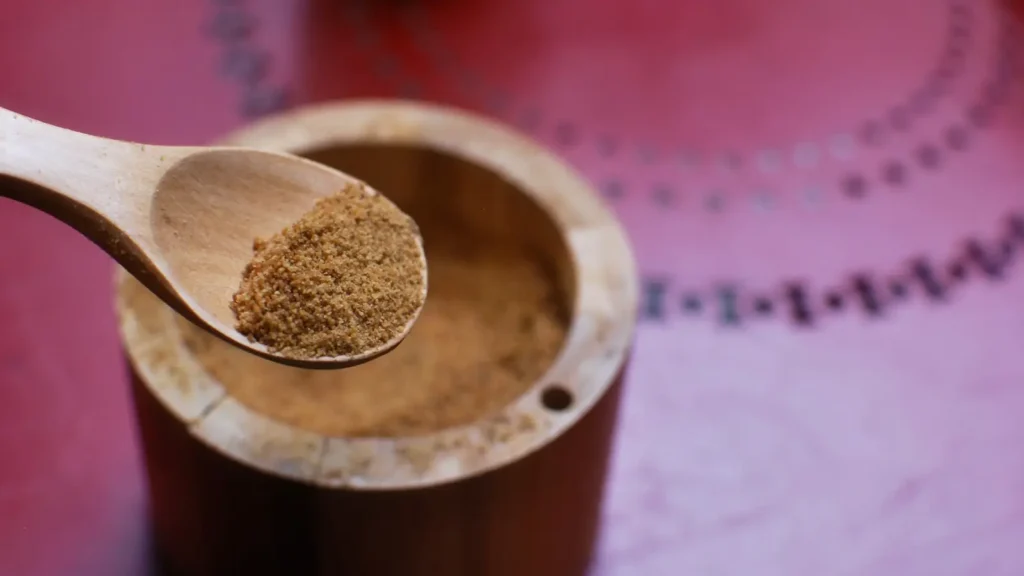
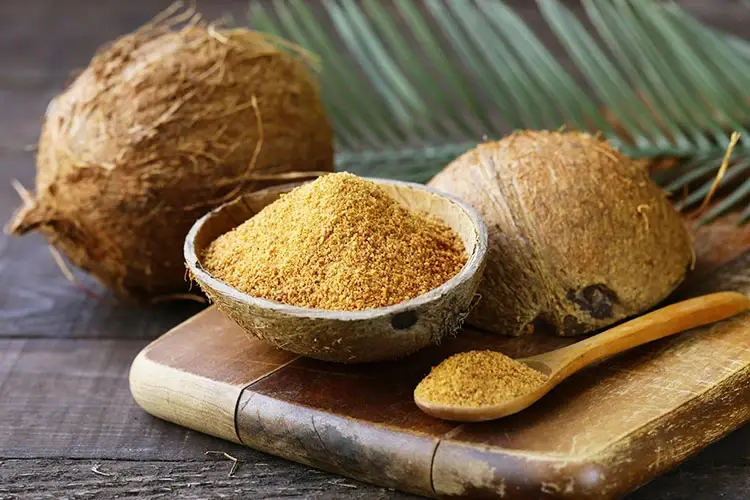
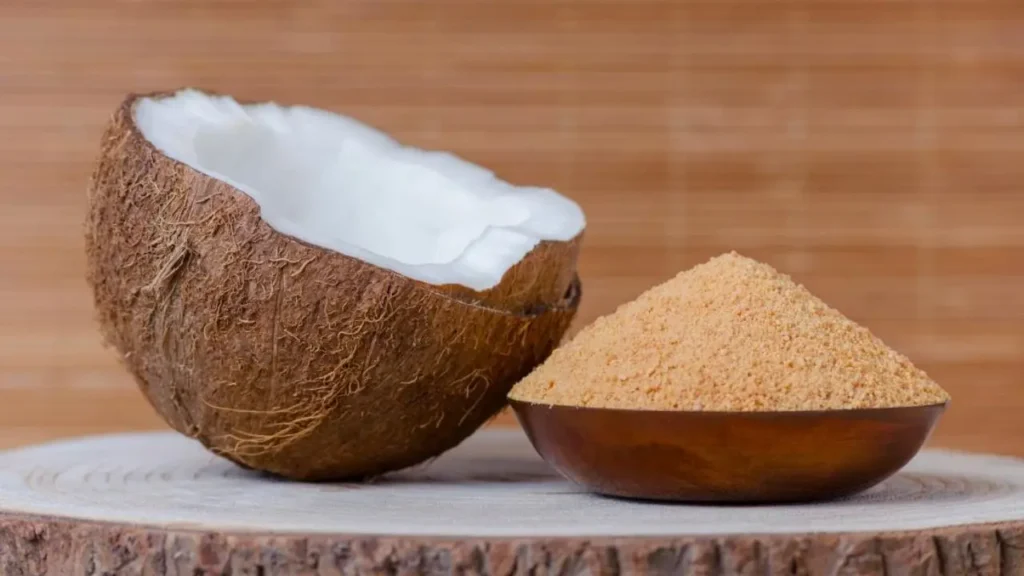
    Coconut nectar syrup and organic coconut sugar can both come from coconut blossom sap, but they are used differently. Coconut nectar syrup is liquid, while coconut sugar is granulated.

    Coconut nectar syrup is better for liquid applications such as beverages, sauces, syrups, toppings, glazes, and marinades.

    Coconut sugar is usually better for dry mixes, bakery, seasoning, confectionery, and bulk ingredient use where a granulated sweetener is needed.

    For B2B buyers, the choice depends on product format, process flow, equipment, packaging, moisture control, and final texture. Some brands may use both coconut nectar syrup and coconut sugar in different product lines.

    Is Coconut Nectar Syrup a Good Substitute for Other Sweeteners?

    Is Coconut Nectar Syrup a Good Substitute for Other Sweeteners?

    Coconut nectar syrup can be used as a substitute for some liquid sweeteners, but the result depends on the recipe.

    It may replace honey, maple syrup, or agave in sauces, beverages, toppings, marinades, and some bakery applications, but sweetness level, viscosity, color, and flavor may change.

    For home recipes, the substitution may be simple. For commercial formulations, food manufacturers should test coconut nectar syrup in small batches before replacing an existing sweetener.

    Important checks include sweetness intensity, Brix, viscosity, water activity, color, flavor impact, ingredient declaration, cost per serving, and shelf-life performance.

    If the original recipe depends on a specific sweetener for binding, browning, moisture, or flavor, the replacement should be validated through product testing rather than assumed from sweetness alone.

    Glycemic Index and Sugar Content: What Buyers Should Know

    Glycemic index can be useful when comparing carbohydrate-containing foods, but it should not be used as the only factor in product positioning.

    The Glycemic Index Foundation explains GI as a ranking based on how carbohydrate foods affect blood glucose compared with a reference food.

    Coconut nectar syrup is often marketed as a lower-glycemic sweetener, but buyers should verify the exact data from supplier specifications, lab analysis, and regulatory guidance.

    Values may vary by product source, production method, formulation, serving size, and testing conditions.

    For packaged food products, buyers should also consider total sugars, added sugars, serving size, ingredient declaration, and target-market labeling rules.

    The FDA explains that sugars from syrups and honey are considered added sugars on the Nutrition Facts label when added to foods.

    Because coconut nectar syrup is still a sweetener, brands should avoid unsupported medical claims such as “diabetic-friendly” or “suitable for diabetics” unless those claims have been reviewed against reliable evidence and local regulations.

    Best Uses for Coconut Nectar Syrup in Food and Beverage Products

    Coconut nectar syrup can be useful for brands that need a liquid sweetener with a caramel-like flavor and coconut-based ingredient story.

    It can work in several food and beverage applications, depending on formulation needs.

    • Beverages, including ready-to-drink products, coffee drinks, tea drinks, smoothies, and functional beverages
    • Sauces and dressings where pourability, sweetness, and mild caramel notes are useful
    • Bakery fillings, glazes, toppings, and dessert sauces
    • Snack bars, granola, clusters, and cereal products where syrup texture supports binding
    • Private label sweetener products that need alternative sweetener positioning
    • Marinades, savory sauces, and seasoning blends where sweetness and color matter

    For each use case, buyers should test flavor impact, color, viscosity, sweetness, process compatibility, and shelf-life performance before scaling production.

    What B2B Buyers Should Check Before Sourcing Coconut Nectar Syrup

    For food manufacturers, beverage brands, bakery producers, sauce makers, snack companies, and private label buyers, coconut nectar syrup should be evaluated as both a sweetener and a functional ingredient.

    Before sourcing in bulk, buyers should check Brix level, viscosity, color, flavor profile, ingredient declaration, sugar content, packaging type, shelf life, storage requirements, MOQ, certification scope, COA availability, sample approval, and export documentation.

    If your team is evaluating organic coconut nectar syrup for commercial production, request product specifications and samples before confirming the right formulation.

    Buyers who also need granulated coconut-based sweeteners can review our organic coconut sugar for dry applications.

    Need coconut nectar syrup or coconut-based sweeteners for beverage, bakery, sauce, snack, or private label applications?

    Contact our export team to request specifications, samples, packaging details, MOQ, and quotation.

    Final Thoughts

    Coconut nectar syrup can be a useful alternative to honey, maple syrup, agave, molasses, brown rice syrup, and coconut sugar depending on the final product.

    Its caramel-like flavor, liquid format, and coconut-based origin make it suitable for selected beverage, bakery, sauce, snack, and private label applications.

    For B2B buyers, the best decision should be based on application, taste, sweetness, viscosity, sugar content, packaging, documentation, and sample testing.

    Instead of relying on broad health claims, food brands should verify product specifications and confirm that coconut nectar syrup fits their formulation, label, and target market.

    FAQ About Coconut Nectar Syrup vs Other Sweeteners

    What is coconut nectar syrup?

    Coconut nectar syrup is a liquid sweetener made from coconut blossom sap. It is commonly used in beverages, sauces, bakery products, toppings, snacks, and private label food formulations.

    Is coconut nectar syrup the same as coconut sugar?

    No. Coconut nectar syrup is liquid, while coconut sugar is granulated. Both can come from coconut blossom sap, but they are used differently in recipes and commercial formulations.

    What can I use as a substitute for coconut nectar syrup?

    Honey, maple syrup, agave nectar, brown rice syrup, and molasses may work as substitutes depending on the recipe. However, sweetness, texture, color, and flavor may change, so commercial users should test before scaling production.

    Is coconut nectar syrup low glycemic?

    Coconut nectar syrup is often marketed as a lower-glycemic sweetener, but buyers should verify the data from product specifications, lab analysis, and regulatory guidance. It is still a sweetener and should not be positioned as a medical or diabetic solution without proper review.

    Is coconut nectar syrup healthier than honey or maple syrup?

    It depends on the product, serving size, formulation, and nutrition data. For commercial products, it is safer to compare taste, sugar content, ingredient declaration, application, and sourcing requirements rather than making broad health claims.

    Is coconut nectar syrup good for food manufacturing?

    Yes, coconut nectar syrup can be useful for beverages, sauces, bakery, snacks, toppings, and private label products. Buyers should confirm Brix, viscosity, flavor, packaging, shelf life, and documentation before bulk sourcing.

  • Is Coconut Sugar Keto or Paleo Friendly?

    Is Coconut Sugar Keto or Paleo Friendly?

    Is Coconut Sugar Keto or Paleo Friendly

    Coconut sugar is often discussed as a natural sweetener for diet-friendly products, but it does not fit every diet in the same way.

    It is generally more compatible with Paleo-style and plant-based diets than with strict ketogenic diets.

    For keto, the main issue is carbohydrate content. For Paleo, the discussion is more about ingredient origin, processing level, and how much sugar is used.

    For food brands and B2B buyers, the safest approach is to review the final product formula, serving size, nutrition facts, certification requirements, and label claims before positioning coconut sugar as keto, Paleo, low-carb, or vegan-friendly.

    Quick Answer: Is Coconut Sugar Keto or Paleo Friendly?

    Coconut sugar is generally not keto-friendly for strict ketogenic diets because it still contains carbohydrates and sugar.

    In very small amounts, it may be used only if the total product formulation and net carbs per serving still fit the intended low-carb or keto target.

    A very-low-carbohydrate ketogenic diet is often discussed around 20-50 grams of carbohydrates per day, which is why sugar-based sweeteners should be handled carefully in keto products.

    Coconut sugar is more commonly considered Paleo-friendly because it comes from coconut palm sap and is less refined than white sugar.

    However, Paleo-friendly does not mean unlimited. Coconut sugar is still sugar, so serving size, frequency of use, and the final product formula still matter.

    Coconut Sugar Diet Compatibility at a Glance

    Use this table as a practical starting point. The final answer may depend on the diet standard, serving size, recipe, product formulation, and local labeling rules.

    Diet / ClaimIs Coconut Sugar Suitable?Notes
    KetoUsually noStill contains carbohydrates and sugar, so it is not suitable for strict keto.
    Low-carbLimitedMay fit only in very small amounts depending on total daily carbohydrates and serving size.
    PaleoGenerally yes, in moderationLess refined and coconut-based, but still sugar.
    VeganGenerally yesPlant-based and not honey-derived.
    Sugar-freeNoCoconut sugar is still sugar.
    Diabetic-friendlyDo not claim without verified supportBlood sugar or glycemic claims need verified product data and compliance review.
    Clean-label productsPossibleDepends on ingredient list, serving size, certification, and product positioning.

    Is Coconut Sugar Keto-Friendly?

    Is Coconut Sugar Vegan and Keto-Friendly

    No, coconut sugar is generally not considered keto-friendly for strict ketogenic diets. Even though it is less refined than white sugar, coconut sugar is still a carbohydrate-based sweetener and can count toward daily carb intake.

    This matters because strict keto diets usually rely on very low carbohydrate intake to support ketosis.

    For individual consumers, coconut sugar should not be treated as a regular keto sweetener.

    For food brands, a tiny amount may only be considered if the final product’s total net carbs per serving still match the intended claim and market rules.

    For a more detailed keto-focused explanation, read our guide on is coconut sugar keto-friendly.

    Is Coconut Sugar Paleo-Friendly?

    Is Coconut Sugar Paleo-Friendly?

    Coconut sugar is generally more compatible with Paleo-style diets than with keto diets.

    It comes from coconut palm sap and is less refined than white sugar, which makes it attractive for some Paleo recipes and clean-label products.

    However, Paleo-friendly does not mean unlimited. Coconut sugar is still sugar, so consumers and product developers should consider serving size, frequency of use, and final nutrition profile.

    Some Paleo certification standards list coconut sugar, coconut sap, and coconut nectar among accepted sweetener options, but brands still need to review the full certification standard before making certified Paleo claims.

    Is Coconut Sugar Low-Carb?

    Coconut sugar is not a zero-carb or sugar-free sweetener. It may be used in small amounts by people following moderate low-carb diets, but it is usually not the first choice for strict low-carb or ketogenic diets.

    For commercial products, the key question is not whether coconut sugar sounds natural.

    The key question is whether the final serving size, total carbohydrates, and nutrition facts support the intended claim.

    Is Coconut Sugar Vegan-Friendly?

    Coconut sugar is generally vegan-friendly because it is made from coconut palm sap and does not come from bees or dairy.

    This can make it a possible alternative to honey in plant-based products.

    The Vegan Society explains that a vegan diet avoids animal foods including dairy, eggs, and honey.

    Still, food brands should verify ingredient declaration, processing aids, supplier documentation, and market-specific requirements if they want to use vegan claims on packaging.

    For a more specific discussion, read our guide on whether coconut sugar is vegan and keto-friendly.

    Can Food Brands Use Coconut Sugar in Keto, Paleo, or Low-Carb Products?

    Is Coconut Sugar Keto or Paleo Friendly

    Food brands can use coconut sugar in some diet-positioned products, but the claim must match the final formulation.

    Coconut sugar may support Paleo-style, vegan-friendly, natural sweetener, or clean-label positioning.

    However, it should not automatically be used for keto, sugar-free, diabetic-friendly, or low-carb claims.

    For keto or low-carb products, total carbohydrates and serving size matter more than the ingredient name.

    For Paleo products, brands should check whether the final product meets the intended certification or retailer requirements.

    For vegan products, brands should verify ingredient declaration and supplier documentation.

    For nutrition labeling context, the FDA explains how added sugars appear on the Nutrition Facts label, including guidance related to single-ingredient sugars and syrups.

    What B2B Buyers Should Verify Before Sourcing Coconut Sugar

    For food manufacturers, snack brands, bakery producers, beverage brands, private label buyers, and procurement teams, coconut sugar sourcing should be based on more than diet trends.

    Buyers should verify product specifications, moisture, mesh size, color, product form, packaging, shelf life, certification scope, COA availability, MOQ, and export documentation.

    If your team is evaluating organic coconut sugar from Indonesia, review the organic coconut sugar specifications and request a coconut sugar COA before confirming a bulk order.

    Need organic coconut sugar for clean-label, Paleo-style, bakery, snack, or beverage applications?

    Contact our export team to request specifications, samples, packaging details, or a quotation.

    Conclusion: Is Coconut Sugar Keto or Paleo Friendly?

    Coconut sugar is not a standard keto-friendly sweetener because it contains carbohydrates and sugar.

    It may only fit low-carb or keto-positioned products in very small amounts when the final serving size and nutrition facts support the claim.

    For Paleo-style and vegan-friendly products, coconut sugar can be a more suitable option because it is coconut-based, plant-derived, and less refined than white sugar.

    Even so, it should still be used in moderation and supported by proper product documentation.

    For B2B buyers, the safest approach is to evaluate coconut sugar based on specification, certification scope, COA, packaging, MOQ, export readiness, and claim compliance before placing a bulk order or using diet-related positioning on packaging.

    FAQ About Coconut Sugar, Keto, and Paleo Diets

    Is coconut sugar keto?

    No. Coconut sugar is generally not keto-friendly because it contains carbohydrates and sugar. It is not the same as zero-carb sweeteners such as stevia, monk fruit, or erythritol.

    Is coconut sugar Paleo?

    Coconut sugar is generally considered more Paleo-compatible than refined white sugar because it comes from coconut palm sap and is less refined. However, it is still sugar and should be used in moderation.

    Is coconut sugar low-carb?

    Coconut sugar is not a zero-carb sweetener. It may fit only in small amounts for moderate low-carb diets, depending on total daily carbohydrate intake and serving size.

    Can coconut sugar be used in keto products?

    Only with caution. A very small amount may be used for flavor in a product formulation, but the final net carbs per serving must support the intended keto or low-carb claim.

    Is coconut sugar sugar-free?

    No. Coconut sugar is not sugar-free. It is still a sweetener that contributes sugar and carbohydrates.

    Is coconut sugar vegan?

    Coconut sugar is generally vegan-friendly because it is made from coconut palm sap and does not come from bees or dairy. However, product claims should still be supported by supplier documentation.

  • What Is Coconut Sap? Everything You Need to Know

    What Is Coconut Sap? Everything You Need to Know

    What Is Coconut Sap

    Coconut sap is one of nature’s most versatile raw ingredients — a sweet, milky liquid tapped directly from the flower buds of the coconut palm tree.

    From this single source, producers can make coconut sugar, coconut nectar syrup, coconut vinegar, and coconut aminos — four completely different products, each with distinct uses and flavor profiles.

    Despite its growing presence in health food stores and kitchens worldwide, coconut sap remains poorly understood. Many people confuse it with coconut water, which is a completely different product.

    This guide explains what coconut sap actually is, how it’s harvested, what makes it nutritious, and the full range of products made from it.

    What Is Coconut Sap?

    What Is Coconut Sap

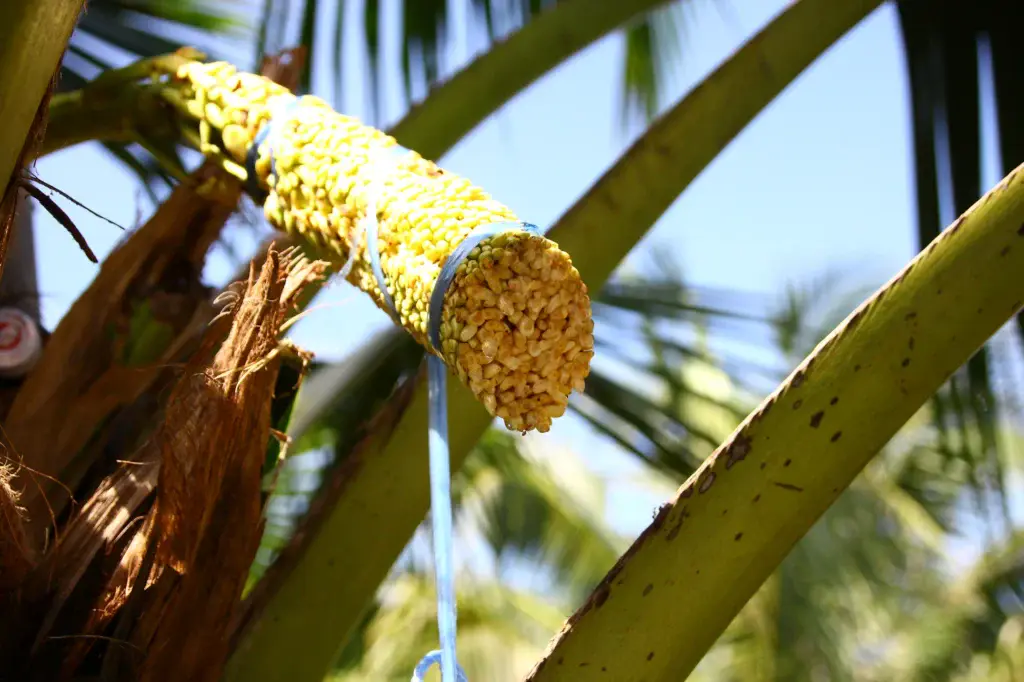
    Coconut sap is the sweet, clear-to-milky liquid that flows from the cut flower bud stems (inflorescences) of the coconut palm tree (Cocos nucifera).

    It is not the same as coconut water, which is the liquid found inside the coconut fruit. Coconut sap comes from the tree’s flowers — collected before they develop into coconuts.

    Fresh coconut sap has a light, naturally sweet taste with subtle floral notes.

    It contains approximately 15–20% sugar by weight in its fresh state, along with a range of naturally occurring minerals, amino acids, and prebiotic fiber.

    In Indonesia, it is traditionally known as nira; in the Philippines as tuba or kaong; in Sri Lanka and India as toddy; and in some markets simply as coconut tree sap or coconut flower sap.

    Coconut Sap vs Coconut Water: What’s the Difference?

     Coconut SapCoconut Water
    SourceFlower bud stems (inflorescence) of the coconut palmLiquid inside the coconut fruit
    AppearanceMilky white to clear, opaqueClear, transparent
    TasteSweeter, richer, floral notesLight, mildly sweet, refreshing
    Sugar content15–20% (higher)4–5% (lower)
    How collectedTapping the flower stem — active processOpening the young coconut fruit
    Used to makeSugar, nectar, vinegar, aminosBeverages, sports drinks, smoothie base
    Ferments?Quickly — within hours if not processedMore stable, slower fermentation

    Where Does Coconut Sap Come From?

    Where Does Coconut Sap Come From?

    Coconut sap is harvested exclusively from the coconut palm tree (Cocos nucifera), which thrives in tropical coastal climates between the Tropics of Cancer and Capricorn.

    Indonesia, the Philippines, India, Sri Lanka, and Thailand are the world’s largest producers of coconut sap and its derivative products.

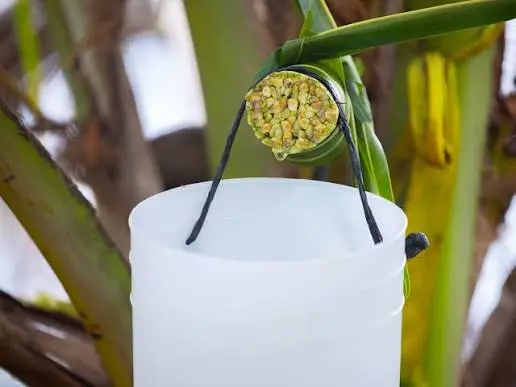
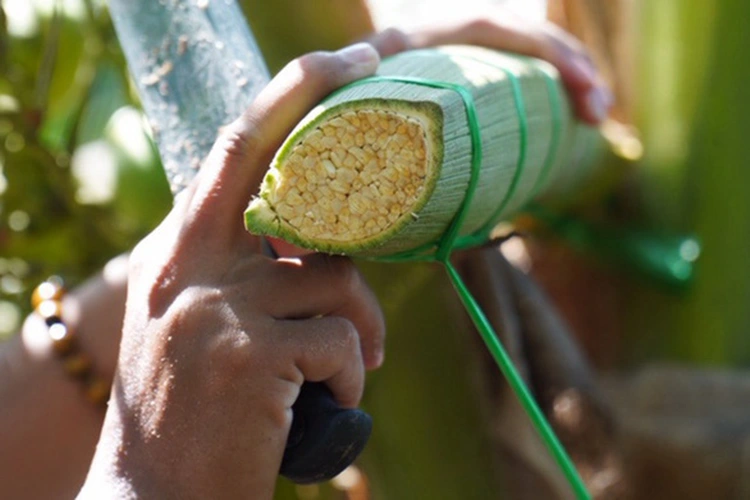
    The sap does not come from the coconut fruit itself — it originates from the unopened flower bud clusters that appear between the trunk and the base of the palm’s leaves.

    These clusters, called inflorescences or spadix, look similar to bamboo stalks before they open into flowers.

    When cut, they release a steady flow of sweet sap that can be collected for up to two weeks per bud before the flow naturally slows.

    → For the full step-by-step production process: how coconut sugar is made from coconut sap

    How Coconut Sap Is Harvested: The Tapping Process

    How Coconut Sap Is Harvested

    Collecting coconut sap is a skilled, labor-intensive process that has been practiced for centuries across Southeast Asia and South Asia.

    The process is called tapping, and the skilled workers who do it are called tappers.

    Step-by-Step: How Tappers Collect Coconut Sap

    • Select the right tree: Tappers choose younger, vigorous palms with fully developed inflorescences. Unhealthy or immature trees produce less sap.
    • Make the initial cut: Using a sharp knife or cleaver, the tapper makes a diagonal or V-shaped cut into the unopened inflorescence stem. This cut allows sap to drip out steadily.
    • Attach a collection container: A small container — traditionally a halved bamboo tube, today often a food-grade plastic or stainless steel vessel — is fastened under the cut to catch the dripping sap.
    • Collect sap twice daily: Tappers climb the same trees twice per day (morning and evening) to empty collected sap into larger containers. Leaving sap too long causes it to ferment naturally.
    • Re-cut the stem daily: A thin slice is shaved off the cut surface each day to expose fresh tissue and keep sap flowing. Shallower initial cuts gradually deepen over successive days.
    • Rest the tree: After 10–14 days, sap production naturally declines. The inflorescence is left to recover before the next tapping cycle begins.

    A healthy, actively tapped coconut palm can produce up to 4 liters of sap per day during its peak period. Importantly, tapping stops the inflorescence from developing into coconuts — the tree’s energy goes into sap production instead of fruit.

    However, it does not harm the tree, which continues to flower and can be tapped again after resting.

    What Products Are Made from Coconut Sap?

    Coconut sap is the raw material for a surprisingly wide range of products, depending on how it is processed after harvest:

    1. Coconut Nectar Syrup

    Coconut Nectar Syrup

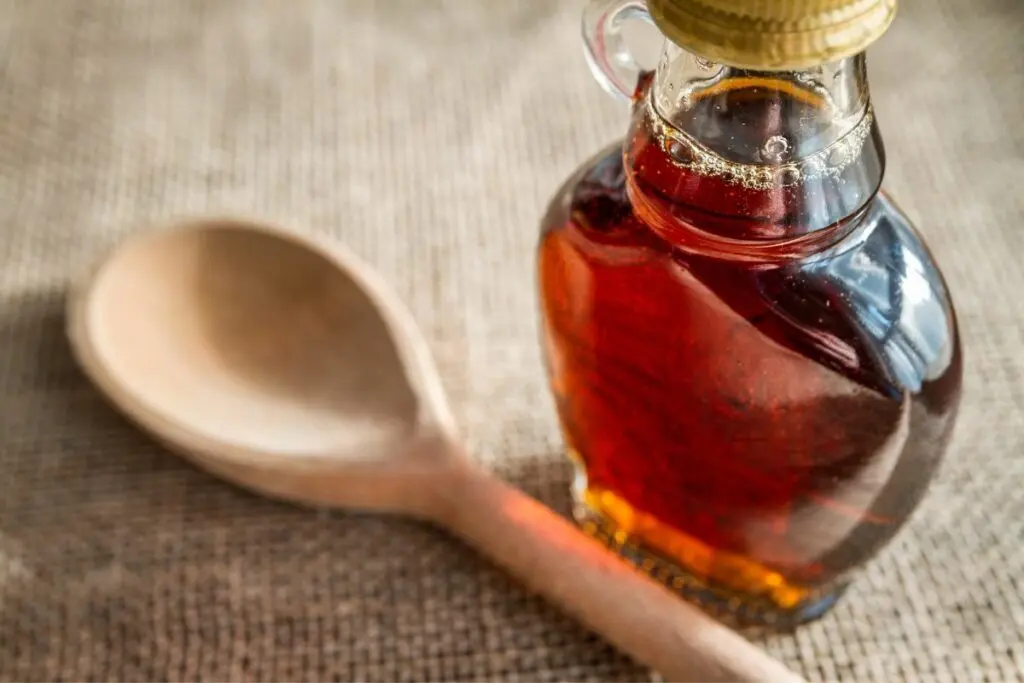
    Fresh coconut sap is filtered, then gently boiled to evaporate water content until a thick, amber syrup forms — this is coconut nectar.

    It retains more of the sap’s natural minerals and enzymes than coconut sugar because it undergoes less heat processing.

    The result is a pourable sweetener with a mild caramel flavor, sometimes called coconut honey due to its similar viscosity.

    → See: our coconut nectar syrup — specifications and bulk ordering

    2. Coconut Sugar

    coconut sugar

    If the boiling process continues beyond the nectar stage, the sap reduces further until the sugars crystallize.

    Once dried and sifted, the result is coconut sugar — granulated, light brown, and suitable as a 1:1 substitute for white or brown sugar.

    Coconut sugar has a glycemic index of 35–54, significantly lower than white sugar’s 58–65, partly due to the inulin fiber retained from the original sap.

    See: coconut sugar glycemic index — full guide

    → See: how coconut sugar is made step by step

    3. Coconut Vinegar

    coconut vinegar

    When fresh coconut sap is allowed to ferment naturally — first into a mildly alcoholic liquid (toddy), then acidified by acetic acid bacteria — it becomes coconut vinegar.

    This process can take weeks to months. Coconut vinegar has a milder, less sharp flavor than distilled white vinegar, with a slightly sweet finish. It is used in cooking, as a salad dressing base, and in health tonics.

    4. Coconut Aminos

    Coconut aminos are made by fermenting aged coconut sap with salt, producing a dark, savory condiment that resembles soy sauce in appearance and function.

    Unlike soy sauce, coconut aminos are gluten-free, soy-free, and lower in sodium — making them popular in paleo, keto, and allergen-sensitive diets.

    They work as a direct soy sauce substitute in stir-fries, marinades, and dipping sauces.

    ProductProcessFlavorBest Use
    Coconut nectarGentle boiling to syrupMild caramel, floralSweetener for drinks, baking, drizzling
    Coconut sugarExtended boiling to crystallizationDeeper caramel, butterscotchDirect sugar replacement in any recipe
    Coconut vinegarNatural fermentation (weeks)Mild, slightly sweet acidSalad dressings, cooking, tonics
    Coconut aminosAged fermentation + salt (months)Savory, umami, slightly sweetSoy sauce substitute in cooking

    Is Coconut Sap Good for You? Nutritional Benefits

    Fresh coconut sap is nutritionally rich compared to refined sugar and most other sweeteners. Here’s what makes it stand out:

    • Inulin (prebiotic fiber): Coconut sap naturally contains inulin, a soluble fiber that feeds beneficial gut bacteria and slows glucose absorption — the main reason coconut sap products like coconut sugar have a lower glycemic index than refined sugar.
    • Essential minerals: Provides potassium, iron, zinc, calcium, and magnesium — minerals largely absent in refined white sugar, which retains nothing from the sugarcane plant after processing.
    • Amino acids: Contains 17 amino acids in trace amounts, making it one of the few plant sweeteners with measurable protein-building compounds.
    • Low processing: Unlike white sugar, coconut sap is not bleached, refined, or chemically treated. What you consume is very close to the original plant material.
    • Naturally vegan: Like all plant-derived foods, coconut sap and its products are fully plant-based — unlike honey, which comes from bees.

    Note: Despite its nutritional advantages over refined sugar, coconut sap and its products are still high in natural sugars and should be consumed in moderation as part of a balanced diet.

    → See: complete health benefits of desiccated coconut and coconut products

    How to Use Coconut Sap Products in Everyday Cooking

    Coconut Sap ProductUse in CookingSubstitution Ratio
    Coconut nectarSweeten drinks, drizzle on yogurt/oatmeal, baking, marinades1:1 for honey or maple syrup
    Coconut sugarBaking, coffee, oatmeal, sauces, curries1:1 for white or brown sugar
    Coconut vinegarSalad dressings, pickling, deglazing, health drinks1:1 for apple cider vinegar
    Coconut aminosStir-fries, dipping sauces, marinades, fried rice1:1 for soy sauce (slightly sweeter/less salty)

    → See: coconut sugar vs white sugar — full comparison

    The Bottom Line

    Coconut sap is far more than just the starting point for coconut sugar. From a single flow of sweet liquid tapped from a coconut palm flower, producers can create four distinct products — nectar, sugar, vinegar, and aminos — each serving a completely different role in the kitchen.

    What makes coconut sap exceptional is what it retains through minimal processing: inulin fiber, essential minerals, and natural sweetness without the industrial refining that strips conventional sugar bare.

    For consumers and food manufacturers alike, it represents one of the most resource-efficient and nutritionally complete sweetener sources available.

    → See: our full range of coconut sap products — sugar, nectar, and more

    Frequently Asked Questions

    What is coconut sap?

    Coconut sap is a sweet, milky liquid collected from the flower bud stems (inflorescences) of the coconut palm tree. It is not the same as coconut water, which comes from inside the coconut fruit. Coconut sap is the raw material used to produce coconut sugar, coconut nectar, coconut vinegar, and coconut aminos.

    Is coconut sap the same as coconut water?

    No. Coconut sap comes from the flower bud stems of the coconut palm tree and contains 15–20% sugar. Coconut water is the clear liquid inside the coconut fruit, containing only 4–5% sugar. They have very different flavors, nutritional profiles, and uses.

    What is coconut sap called in different countries?

    Coconut sap is known by many local names: nira in Indonesia, tuba or kaong in the Philippines, toddy in Sri Lanka and India, and namwan maphrao in Thailand. In international markets it is sometimes called coconut tree sap or coconut flower sap.

    Is coconut sap good for you?

    Coconut sap is nutritious compared to refined sugar — it contains inulin fiber, essential minerals (potassium, iron, zinc, calcium, magnesium), and 17 amino acids. Its products like coconut sugar have a lower glycemic index (GI 35–54) than white sugar (GI 58–65). However, it is still high in natural sugars and should be consumed in moderation.

    How is coconut sap turned into coconut nectar?

    Fresh coconut sap is filtered to remove impurities, then gently boiled to evaporate water until a thick amber syrup forms. This syrup is coconut nectar. If boiling continues until the sugars crystallize and the product is dried, the result is granulated coconut sugar instead.

    What products are made from coconut sap?

    Four main products are made from coconut sap: coconut nectar (gently boiled to a syrup), coconut sugar (boiled until crystallized), coconut vinegar (naturally fermented over weeks), and coconut aminos (aged fermentation with salt, producing a savory soy sauce alternative).

    Can coconut sap ferment?

    Yes — fresh coconut sap begins fermenting naturally within hours of collection due to wild yeasts present in the air. This is why tappers collect sap twice daily and process it quickly. Controlled fermentation is intentionally used to produce coconut vinegar and coconut aminos; uncontrolled fermentation produces a mildly alcoholic drink called tuba (Philippines) or toddy (Sri Lanka/India).

Secret Link