What is Coconut Sugar and Why Global Buyers Prefer It?
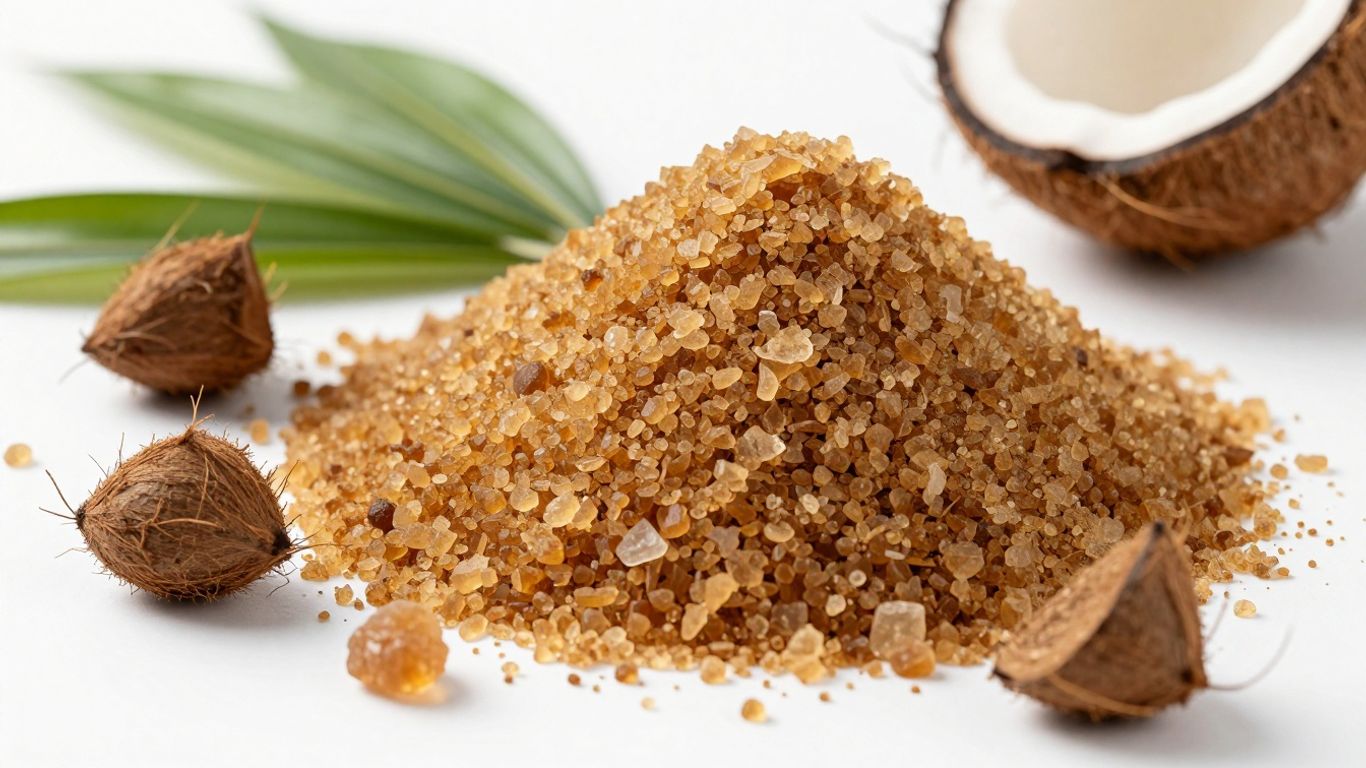
What is Coconut Sugar and Why Global Buyers Prefer It? We’ve all seen it popping up more and more, right? Coconut sugar, also known as coco sugar or coconut palm sugar, is a sweetener that comes from the coconut palm tree. It’s made from the sap of the tree’s flower buds. Think of it like this: farmers carefully tap the buds, collect the sweet sap, and then gently heat it to let the water evaporate.
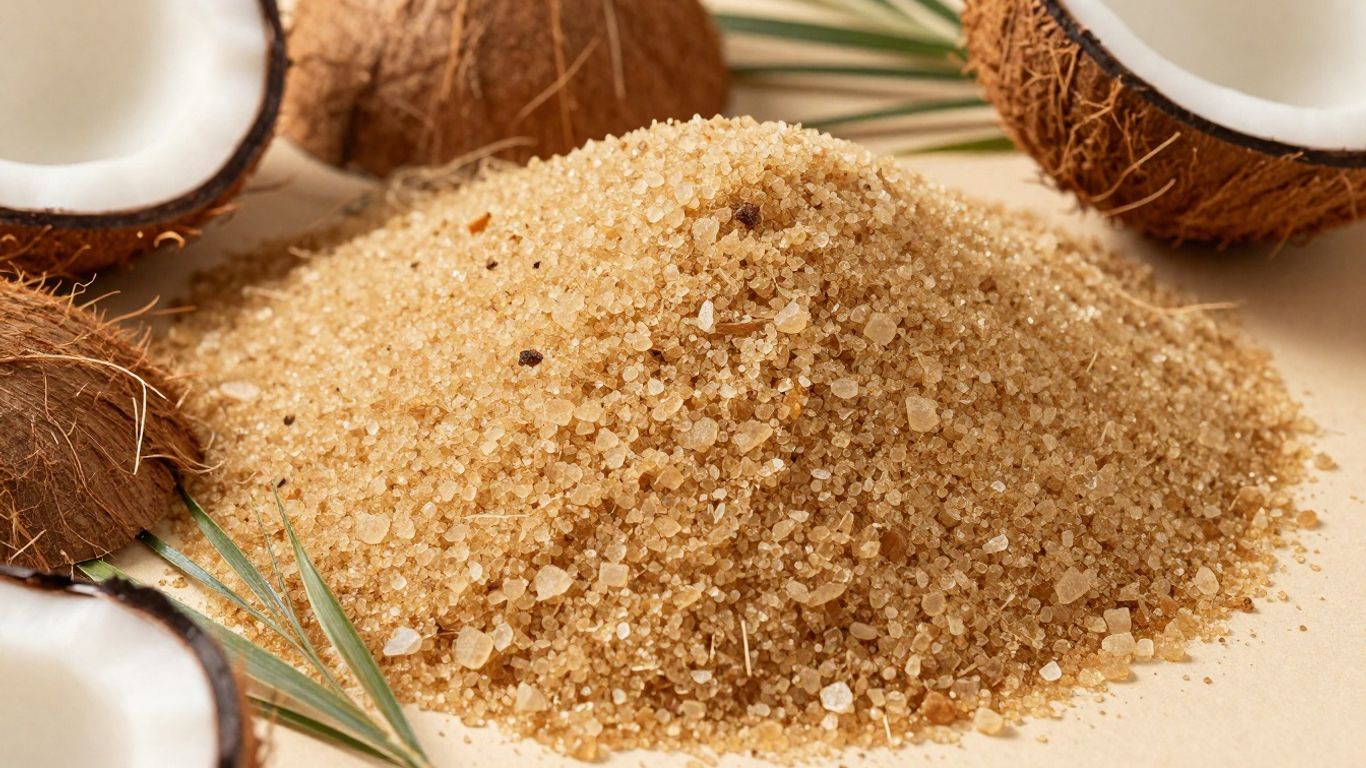
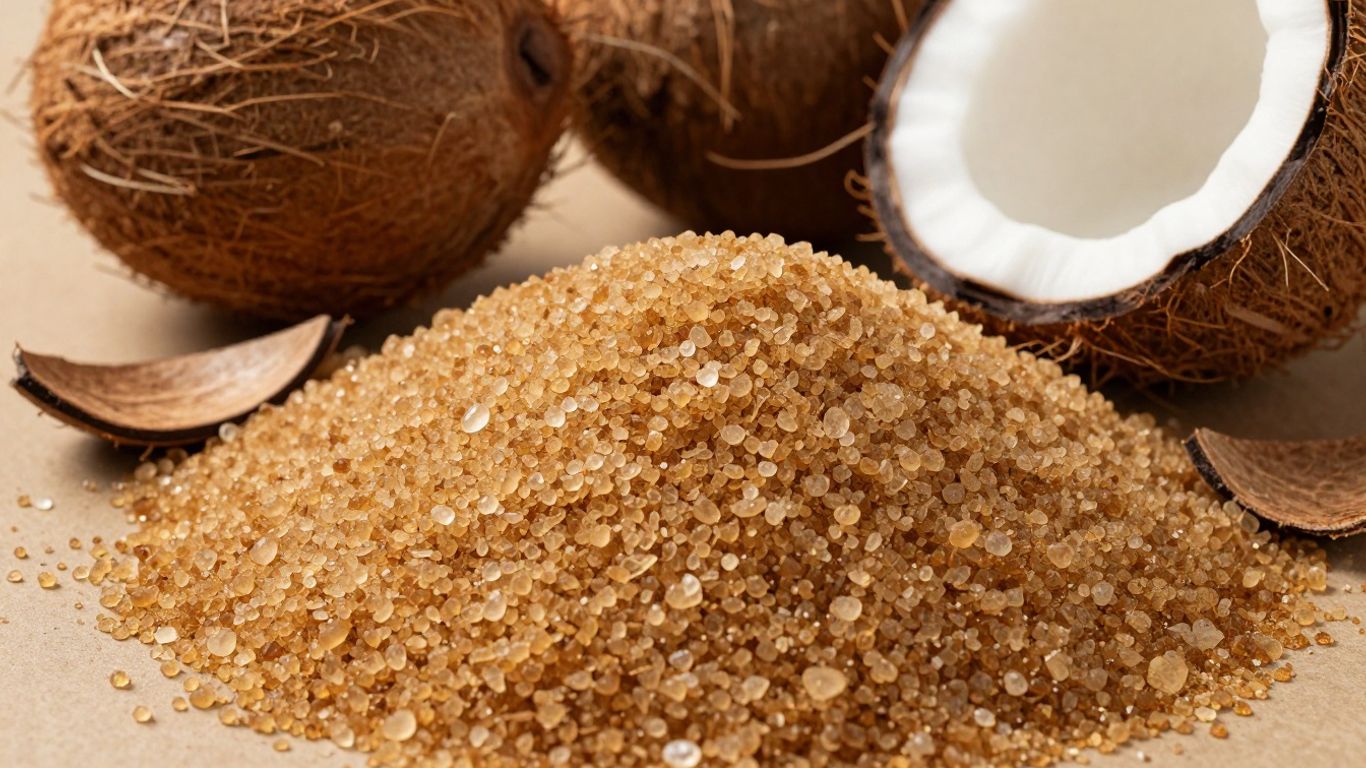
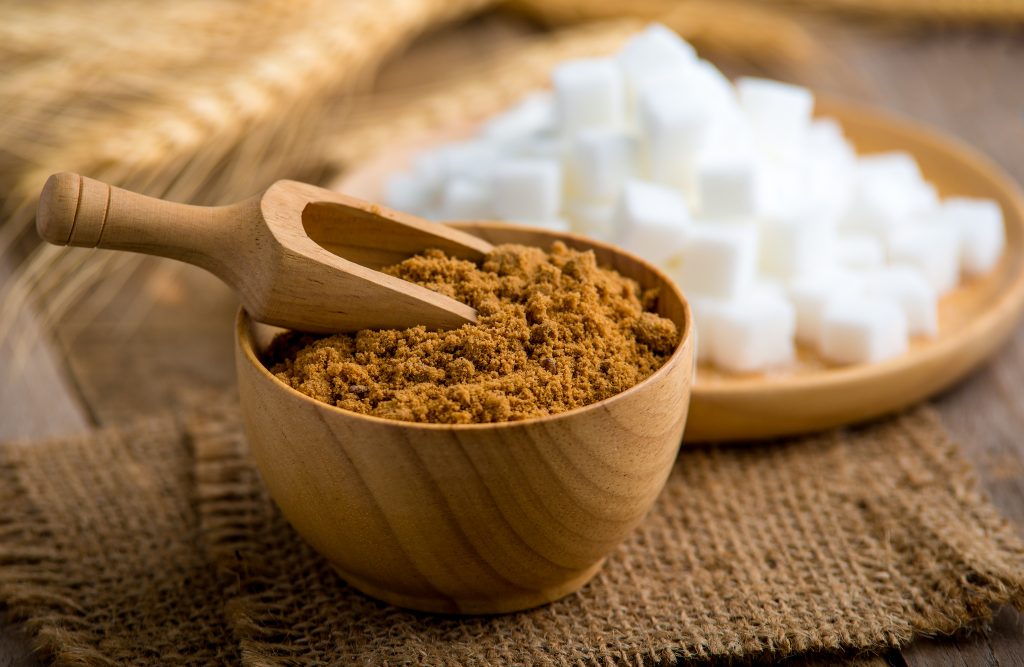
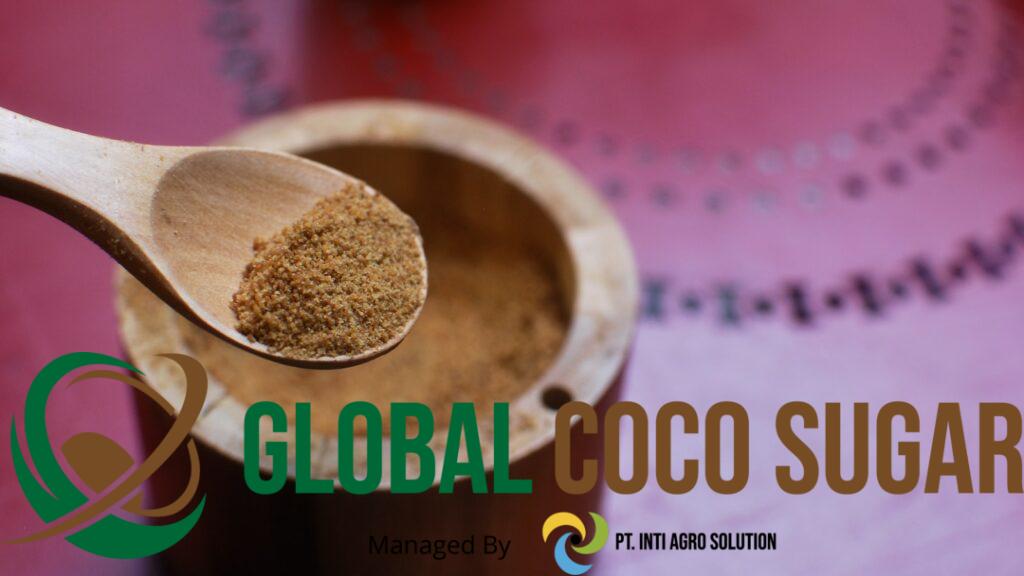
What’s left is a granulated sugar that looks a bit like brown sugar but has its own unique, subtle caramel flavor. It’s not a new thing, though; people in many tropical places have been using it for ages. It’s pretty neat how it’s made with just a couple of simple steps, mostly just evaporation, without a bunch of chemicals or bleaching agents. This natural way of making it means it keeps some of the good stuff from the original sap.
How Coconut Sugar Is Made?
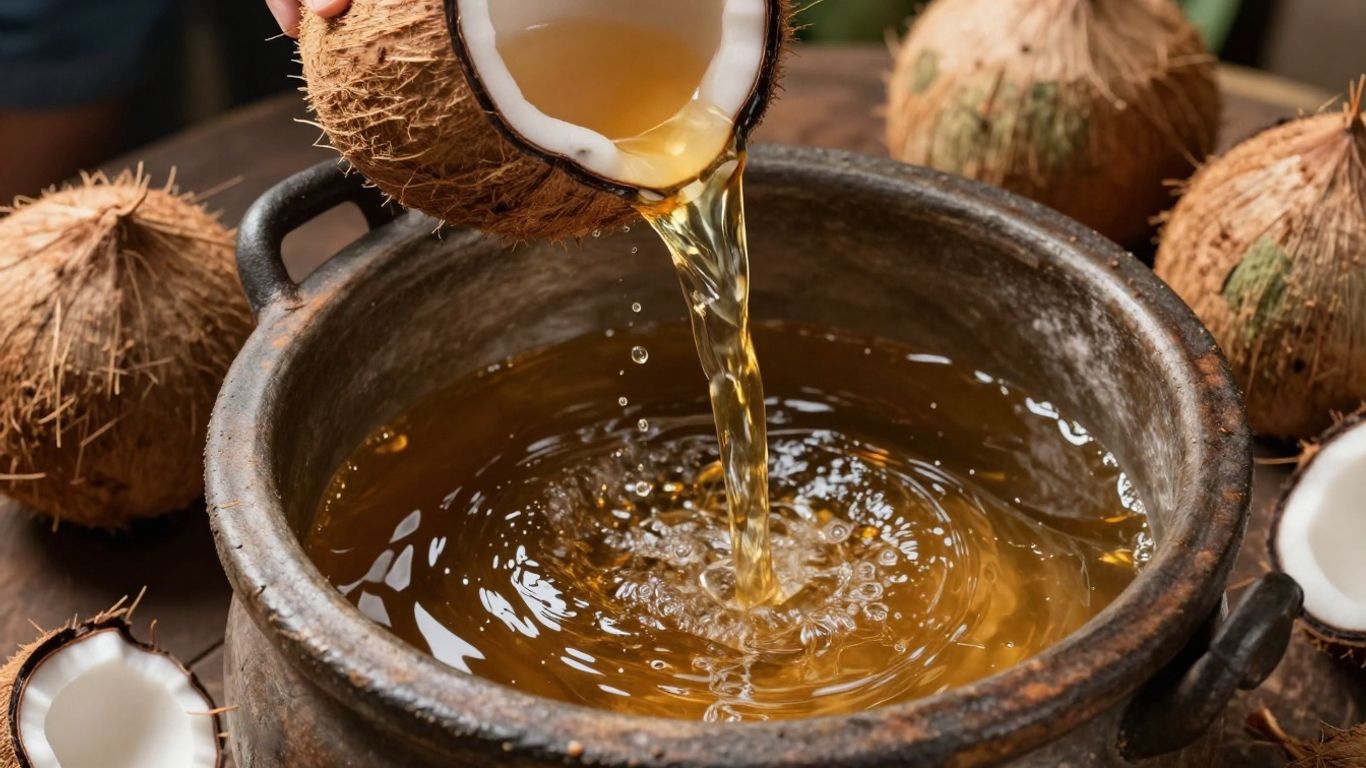
The process starts with the coconut palm tree itself. Farmers make a small cut on the unopened flower bud, and a clear, watery sap begins to flow out. This sap is collected, often in bamboo containers. The collected sap is then heated in large pans. As it heats, the water slowly evaporates.
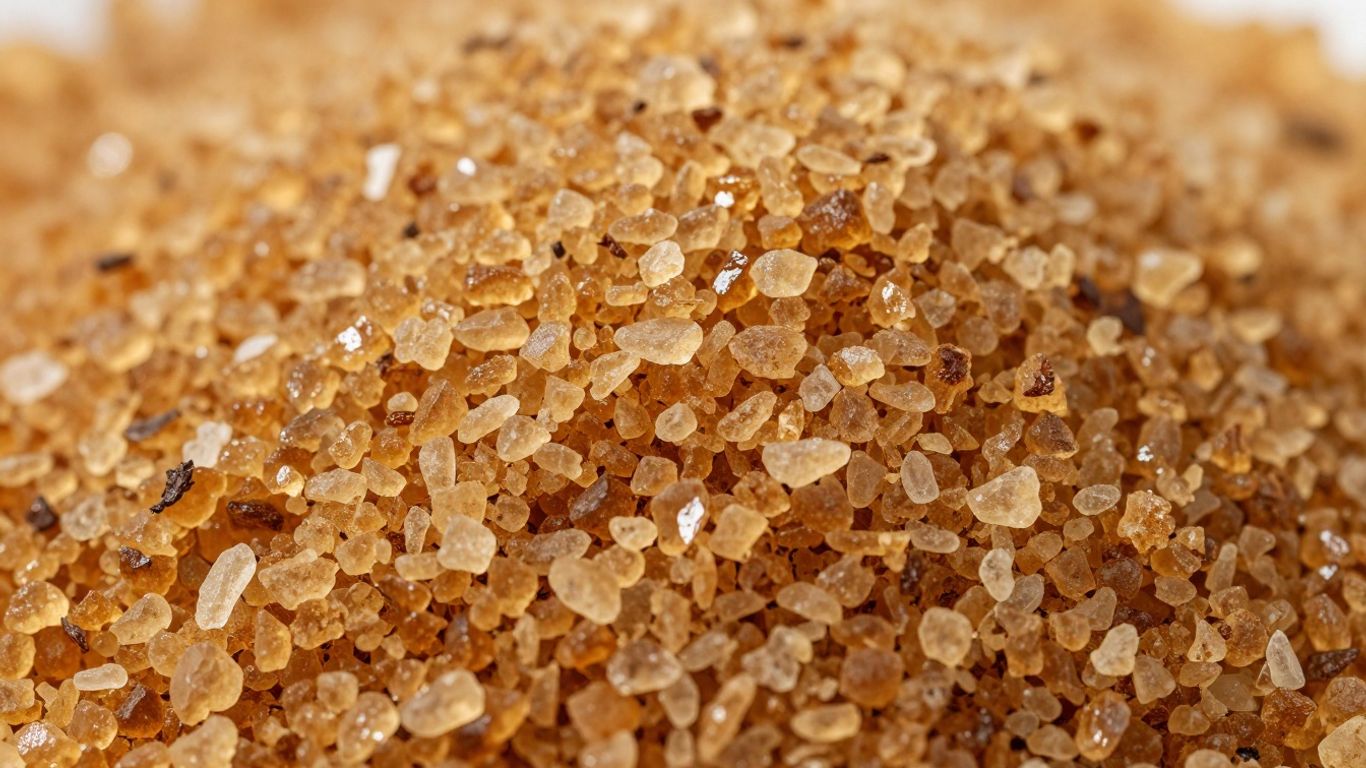
This reduction process causes the sap to thicken and turn into a syrup. If it’s heated further, it will eventually crystallize into the granulated sugar we often see. The color, which is usually a warm brown, comes from the natural caramelization that happens during the heating. It’s a pretty straightforward method, relying on heat to concentrate the natural sweetness of the sap.
A Taste of the Tropics
When we taste coconut sugar, it’s a bit different from the white sugar we might be used to. It has a mild sweetness, often described as being similar to brown sugar, but with a gentle hint of caramel.
This flavor makes it a nice addition to coffee or tea, and it works well in baking too. Because it’s not heavily processed, the exact taste and color can vary a little depending on where the coconuts grew and when they were harvested. It’s a sweetener that brings a little something extra to your food and drinks, a subtle tropical note that many people enjoy.
Why Global Buyers Prefer Coconut Sugar
So, why are so many people around the world choosing coconut sugar? We think it comes down to a few key things that make it stand out from other sweeteners. It’s not just about the taste, though that’s a big part of it. Many folks are looking for options that feel a bit more natural and less processed than what they might be used to.
Nutritional Value Compared to Other Sugars
When we look at coconut sugar, we see it’s made from coconut palm sap. The way it’s prepared involves heating the sap to get rid of the water, and that’s pretty much it. This simple process means it keeps some natural compounds that you don’t find in highly refined white sugar.
While it’s true that all sugars, including coconut sugar, should be enjoyed in moderation, it does contain trace amounts of things like inulin, a type of fiber, along with some minerals such as iron, zinc, calcium, and potassium. It also has a small amount of amino acids.
It’s important to remember that the amounts of these nutrients are quite small, and you’d have to eat a lot of coconut sugar to get a significant amount. However, for those trying to make small changes, these little differences can add up. We’ve seen that Indonesian coconut sugar is often favored for its quality and consistency, which is a big plus for bakers and cooks.
The Glycemic Index Explained
Another reason people are drawn to coconut sugar is its Glycemic Index (GI). The GI tells us how quickly a food raises our blood sugar levels after we eat it. Coconut sugar generally has a lower GI compared to regular white sugar. This means it tends to cause a slower, more gradual rise in blood sugar, rather than a sharp spike.
For many, this can translate to more sustained energy levels throughout the day. While there can be some variation in GI readings depending on how the sugar is processed and what it’s tested with, the general trend shows it’s a gentler option. Think of it like this: white sugar is like a quick burst of energy that fades fast, while coconut sugar is more like a steady burn that lasts longer. This difference is a big deal for people who want to manage their energy and avoid those sugar crashes.
Many people around the world choose coconut sugar because it’s a natural sweetener. It’s seen as a healthier option compared to regular sugar, and it has a unique, pleasant taste. Plus, it’s good for the environment! Curious to learn more about why coconut sugar is becoming so popular? Visit our website to discover all the benefits and explore our range of high-quality coconut sugar products.
So, What’s the Takeaway?
After looking into coconut sugar, we see it’s a sweetener made from coconut tree sap. It’s less processed than regular white sugar and has a nice caramel flavor, kind of like brown sugar. Some folks think it’s a healthier choice because it has a few more minerals and a lower glycemic index. While it does have some nutrients, it’s important to remember it’s still sugar. We should use it in moderation, just like any other sweetener. If you like the taste and it fits your needs, go for it, but don’t think of it as a magic health food. It’s best to enjoy it as part of a balanced diet.
We often see coconut sugar in stores, but have you ever wondered how it actually gets made, especially in a place like Indonesia where it’s a big deal? It’s a pretty neat process that starts way up high in the coconut trees.
How Coconut Sugar is Produced in Indonesia : Collecting Sap From The Coconut Palm
How Coconut Sugar is Produced in Indonesia? It all begins with the flower buds of the coconut palm. Farmers, who are really skilled at climbing these tall trees, carefully make a small cut into the unopened flower bud. From this cut, a sweet, clear liquid starts to flow out. This liquid is called sap.
They collect this sap in containers, usually bamboo or plastic ones, that they hang there. This has to be done carefully and often twice a day. The sap is mostly water with natural sugars, and it’s important to collect it quickly, usually within 12 hours, so it doesn’t start to ferment. A single tree can give a decent amount of sap each day, maybe a liter or two.
How Coconut Sugar is Produced in Indonesia : Transforming Sap Into Sweet Crystals
Once the sap is collected, it’s not sugar yet. We need to get rid of the water. The farmers take the sap and pour it into big pans, often heated over a wood fire. This is where the magic happens. They heat the sap, and as the water evaporates, the liquid gets thicker and thicker. It turns into a syrup, kind of like what you’d see with maple syrup, but with a different flavor. Constant stirring is key here to stop it from burning and to make sure it all cooks evenly.
As it cooks down, it starts to change color, getting darker and developing that caramel-like taste we know. When it reaches the right thickness, they take it off the heat. Sometimes it’s poured into molds to cool and harden into blocks, or it’s stirred more as it cools to break into small grains, which is the granulated coconut sugar we usually buy. It’s a simple process, really, just heating and stirring, but it takes a lot of care to get it just right.
The Journey From Flower Bud To Sweetener
How Coconut Sugar is Produced in Indonesia : Tapping The Trees For Sap
How Coconut Sugar is Produced in Indonesia, It all begins with the coconut palm, a tree that gives us so much. We carefully tap into the flower buds, also known as the inflorescence, of the coconut palm. This isn’t a quick job; it requires a gentle touch and a lot of patience. Farmers have been doing this for ages, using traditional methods passed down through families.
The sap that drips out is a clear, slightly sweet liquid. We collect this sap in small containers, making sure not to harm the tree so it can keep producing. This sap is the very first step in making our delicious coconut sugar. It’s a natural process that respects the tree and the environment. The collected sap needs to be processed quickly, usually within a day, to keep it fresh and prevent it from fermenting. This fresh sap is the foundation for the unique flavor of coconut sugar.
How Coconut Sugar is Produced in Indonesia : Boiling And Evaporating The Sap
Once we have collected the sap, the next step is to transform it into something sweet. We take the sap to a processing area where it’s heated. This is done in large pans, either over controlled fires for a more traditional approach or using modern equipment. The main goal here is to let the water evaporate. As the water boils away, the sap gets thicker and thicker, turning into a rich, caramel-like syrup.
We have to watch the temperature closely during this stage. If it gets too hot, the sugar can burn, and that would ruin the taste. We want to keep that lovely, subtle caramel flavor that makes coconut sugar special.
This careful boiling process concentrates the natural sugars present in the sap. The result is a thick, amber-colored syrup that’s ready for the final stage. It’s quite a sight to see the clear sap turn into this deep, sweet liquid. This transformation is a key part of how coconut sugar is made, retaining many of the natural elements from the original sap coconut palm’s sap.
Ensuring Quality In Coconut Sugar
Traditional Methods Meet Modern Standards
When we look at how coconut sugar is made, we see a blend of old ways and new ideas. For a long time, people have collected sap from coconut palms and boiled it down. This traditional method gives coconut sugar its unique taste and color. But to make sure it’s good for everyone, everywhere, we also use modern checks. This means looking closely at things like how fine the sugar crystals are and how much moisture is in them.
We want to make sure that every bag of coconut sugar we produce is just right, no matter where it’s going. It’s about keeping that natural goodness while meeting today’s needs. We work with farmers who know the old ways but also use updated tools to help with things like filtering the sap. This helps us get a cleaner product right from the start. It’s a careful balance, really.
The Importance Of Careful Processing
Making sure our coconut sugar is top-notch involves paying attention to every little step. The way the sap is boiled, for instance, really changes the final product. If it gets too hot for too long, the sugar can get darker and taste more like caramel. If we keep the heat just right, we get a lighter color and a milder flavor. We also check the moisture content, because too much can make the sugar clump up. Keeping the moisture low helps it stay free-flowing and last longer.
We aim for a consistent grain size too, so it works well in baking or whatever you’re using it for. Some producers might use things like lime to help with processing, but we stick to just heat and stirring for a clean, natural product. This careful handling means you get a pure, reliable sweetener every time. It’s important for us that the sugar we provide meets strict standards, like those found in SNI 01-2978-1992 quality standards, which helps us confirm the sugar content is just right.
Making sure our coconut sugar is top-notch is super important. We carefully check every step, from how it’s grown to how it’s packed, to guarantee you get the best quality. This commitment means you can trust the pure, natural goodness in every spoonful. Want to know more about our quality checks? Visit our website today!
Wrapping It Up : How Coconut Sugar is Produced in Indonesia
So, that’s pretty much the lowdown on how we get that sweet coconut sugar. It’s a pretty neat process, really, starting from the sap of a coconut tree and ending up as that lovely granular stuff we use.
We’ve seen how it’s done traditionally and how things have changed a bit with modern methods, but the core idea stays the same. It’s cool to know that this sugar is not just tasty but also comes from a pretty sustainable source, supporting farmers along the way. We hope this gives you a good idea of what goes into making it.
In the ever-evolving world of beauty and wellness, natural ingredients continue to take center stage. Among these, coconut sugar has emerged as a surprising contender, offering not just a healthier alternative to refined sugar in our diets coconut sugar for skin also a treasure trove of beauty benefits. This unrefined sweetener, derived from the sap of coconut palm blossoms, is making waves in the beauty industry due to its rich antioxidant content and numerous advantages for skin and hair care. Let’s delve into the world of coconut sugar and discover how this natural wonder can revolutionize your beauty routine.
Understanding Coconut Sugar
Before we explore its beauty benefits, it’s essential to understand what coconut sugar is and how it differs from other sweeteners. Coconut sugar, also known as coconut palm sugar, is produced by heating the sap collected from coconut palm flower buds until the water evaporates. The result is a granulated sugar with a rich, caramel-like flavor and a lower glycemic index compared to regular table sugar.
What sets coconut sugar apart is its nutrient profile. Unlike refined sugar, which is stripped of most nutrients during processing, coconut sugar for skin is very goods since it retains many of the vitamins and minerals present in coconut palm sap. This includes iron, zinc, calcium, and potassium, as well as short-chain fatty acids, polyphenols, and antioxidants.
Coconut Sugar For Skin Is Goods Since It Contains Rich Antioxidant
The true beauty of coconut sugar lies in its impressive antioxidant content. Antioxidants are compounds that help protect our body’s cells from damage caused by free radicals – unstable molecules that can lead to oxidative stress, premature aging, and various health issues.
The antioxidant capacity of coconut sugar is significantly higher than that of white sugar and even some other natural sweeteners. This makes it not just a healthier choice for your diet but also a potent ingredient in your beauty regimen.
Benefits Coconut Sugar As Bio Cosmetics Products
Anti-Aging Properties: The antioxidants in coconut sugar help neutralize free radicals that contribute to premature aging. By incorporating coconut sugar into your skincare routine, you can help reduce the appearance of fine lines and wrinkles, promoting a more youthful complexion.
Natural Exfoliation: The grainy texture of coconut sugar makes it an excellent natural exfoliant. When used in scrubs, it gently removes dead skin cells, unclogs pores, and promotes cell turnover, revealing softer, smoother skin underneath.
Hydration Boost: Coconut sugar contains glycolic acid, a type of alpha-hydroxy acid (AHA) that helps the skin retain moisture. This can lead to improved hydration and a plumper, more supple appearance.
Even Skin Tone: The vitamins and minerals in coconut sugar, particularly vitamin C, can help even out skin tone and reduce the appearance of dark spots and hyperpigmentation over time.
Acne Prevention: The antibacterial properties of coconut sugar may help combat acne-causing bacteria. Additionally, its gentle exfoliation can help prevent clogged pores, a common cause of breakouts.
Benefits Using Coconut Sugar As Homemade Hair Serum
The benefits of coconut sugar extend beyond skincare to hair care as well:
Scalp Health: The exfoliating properties of coconut sugar can help remove build-up on the scalp, promoting a healthier environment for hair growth. Its antibacterial qualities may also help combat dandruff and other scalp issues.
Hair Strengthening: The minerals present in coconut sugar, such as iron and potassium, can help strengthen hair strands from the root, potentially reducing breakage and promoting healthier, more resilient hair.
Enhanced Shine: When used as a hair mask or rinse, coconut sugar can help smooth the hair cuticle, resulting in increased shine and luster.
Volume Boost: The natural sugars in coconut sugar can provide a temporary volume boost to limp hair, making it an excellent addition to homemade hair styling products.
DIY Bio Cosmetics Recipe with Coconut Sugar
Harnessing the beauty benefits of coconut sugar is easy with these simple DIY recipes:
Easy Coconut Sugar Body Scrub
Mix 1/2 cup coconut sugar with 1/4 cup coconut oil and 5 drops of your favorite essential oil.
Gently massage onto damp skin in circular motions, then rinse off for smooth, glowing skin.
Simple Coconut Sugar Face Mask
Combine 2 tablespoons coconut sugar with 1 tablespoon honey and 1 teaspoon lemon juice.
Apply to clean skin, leave on for 10-15 minutes, then rinse off to reveal brighter, more radiant skin.
Mix 2 tablespoons coconut sugar with 2 tablespoons coconut milk and 1 tablespoon olive oil.
Apply to damp hair, focusing on the scalp and ends. Leave on for 20 minutes before shampooing as usual for softer, shinier hair.
Incorporating Coconut Sugar As Your Bio Cosmetics
While DIY treatments are an excellent way to harness the benefits of coconut sugar, many beauty brands are now incorporating this natural ingredient into their products. Look for coconut sugar in:
Exfoliating scrubs and masks
Moisturizing body lotions
Shampoos and conditioners
Anti-aging serums and creams
When choosing products, opt for those that list coconut sugar or coconut palm sugar high on the ingredient list to ensure you’re getting a significant amount of this beneficial ingredient.
Is Coconut Sugar For Skin Really Good?
Coconut sugar for skin care products is rising in the beauty world is a testament to the power of natural ingredients. Its rich antioxidant content, combined with its exfoliating and nourishing properties, makes it a versatile addition to any beauty regimen. Whether you’re looking to combat signs of aging, achieve a glowing complexion, or revitalize your hair, coconut sugar offers a natural solution that’s as kind to your body as it is to the environment.
As with any new skincare or hair care ingredient, it’s always wise to perform a patch test before full application, especially if you have sensitive skin. With its myriad of benefits and versatile applications, coconut sugar is poised to become a staple in natural beauty routines, offering a sweet solution to many common skin and hair concerns.
Embrace the power of this natural beauty elixir and let coconut sugar work its magic, revealing your most radiant and healthy self from the inside out.
Global Coco Sugar succeeded in exporting healthy sugar substitute namely coconut sugar to Russia in a 1x20ft container. This shipment is the beginning of a series of coconut sugar shipments to Russia. Exports to Russia are the first exports for Global Coco Sugar to penetrate the Russian market.
Mr. Arsyi Kurniawan as Chief Executive Operation of Global Coco Sugar also commented regarding the initial export to Russia, Russia is a fairly large market besides the United States and Europe for coconut derivative products. This is due to changes in lifestyle in Russia which currently prioritizes a healthy lifestyle.
He also added that in Russia, diet trends such as the paleo diet and the diet of reducing sugar and replacing it with healthy sugar are starting to become popular. This is an opportunity for coconut sugar products which are much healthier than regular sugar because they have a lower glycemic index.
Mr. Rifqi Hermawan also as chief logistics officer also commented that because this was the first large shipment to Russia, this was quite a challenge because of global issues and several sentiments towards Russia, so several things such as technical delivery were quite a challenge. However Mr. Rifqi Hermawan also added that everything could be overcome with good teamwork and in the end the delivery went smoothly and for the next delivery he was sure there would be no recurrence of technical difficulties with deliveries to Russia.
The Trend of Coconut Sugar In Russia as Healthy Sugar Substitute
Coconut sugar has been gaining popularity as a natural sweetener alternative in many parts of the world due to its perceived health benefits and unique flavor. In recent years, the trend of coconut sugar consumption has been on the rise in Russia as well.
Coconut Sugar Health Benefits
Russian consumers are becoming increasingly health-conscious and are actively seeking out healthier alternatives to refined sugar. One of popular coconut sugar health benefits is touted as being lower on the glycemic index and containing various nutrients, has garnered attention from health-conscious individuals and those with dietary restrictions such as vegans.
Coconut Sugar Healthy Sugar Substitute That Have Versatile Function
The culinary scene in Russia has been expanding, with a growing interest in international cuisines and ingredients. Coconut sugar’s distinct flavor profile has made it a sought-after ingredient in the creation of exotic dishes and desserts, appealing to adventurous food enthusiasts and chefs looking to experiment with new flavors.
Coconut sugar itself has a unique thick caramel taste that can be suitable for anything including food, drink, cake, etc. This is a distinct advantage for the F&B industry in Russia. Because coconut sugar is a versatile product and can be used in all food and beverage products. Apart from that, coconut sugar also provides added value that other natural sweeteners don’t have, namely a low glycemic index.
So by measuring coconut sugar 1:1 with sugar in general, the glycemic index of coconut sugar is much lower and much healthier
The availability of coconut sugar in Russian markets has also played a significant role in its increased consumption. As more health food stores and online retailers offer coconut sugar, consumers have easier access to this product, and marketing efforts promoting its health benefits have further fueled its popularity.
Coconut Palm Sugar Paleo Diet And Another Traditional Russian Diet
The traditional Russian diet has been characterized by the consumption of hearty and rich dishes, often featuring ingredients such as meats, potatoes, bread, and dairy products. However, there has been a shift in recent years towards a more balanced and health-conscious approach to eating. Using coconut palm sugar paleo and keto diet also permissible, so that is why coconut sugar are very popular almost everywhere in this world
There is an increasing emphasis on incorporating nutrient-rich foods such as fruits, vegetables, whole grains, and lean proteins into daily meals. This shift is largely influenced by a growing awareness of the benefits of a diet high in vitamins, minerals, and other essential nutrients.
Rise of Health Food Stores & Influence of Global Health Trends
The availability of health food stores and organic markets has also contributed to the adoption of a healthy diet lifestyle in Russia and healthy sugar substitute diet. These establishments offer a wide range of organic, natural, and minimally processed food options, catering to the demand for healthier choices among consumers.
Global health trends and the popularity of wellness movements have also made an impact on the dietary habits of many Russians. The increased access to information about healthy eating habits and the benefits of certain diets has led to a greater awareness and interest in maintaining a balanced and nutritious diet.
In March 2024, Global Coco Sugar have the opportunity to carry out several business matches supported by the Ministry of Trade of the Republic of Indonesia and Inaexport. We had the opportunity to do two business matches with several companies from Libya and Qatar. This business matching aims to promote and discuss with buyers from these two countries their needs for the coconut derivative products that we have. Among them are organic coconut sugar, desiccated coconut, coconut nectar, coconut milk, and coconut oil.
Global Coco Sugar Attend To Business Matching Libya
In the business matching carried out together with Libyan representatives, Global Coco Sugar was represented by Mr. Muhammad Arsyi Kurniawan as CEO of Global Coco Sugar. He commented that the business matching activity which was organized and supported by the Ministry of Trade of the Republic of Indonesia and Inaexport was very helpful for industry players and exporters such as Global Coco Sugar.
Mr. Muhammad Arsyi Kurniawan also thanked the ranks of the Ministry of Trade of the Republic of Indonesia and InaExport for facilitating business matching activities well. He also added that the African market is something new for Global Coco Sugar, but the Global Coco Sugar team is optimistic that it can penetrate the African market because it already has experience exporting to various countries such as the United States, Czech Republic, United Arab Emirates, Malaysia, the Netherlands, and several other countries.
Global Coco Sugar Attend To Business Matching Qatar
On another day, Global Coco Sugar also carried out business matching with a company from Qatar. In this business matching session, Global Coco Sugar was represented by 3 people, Mr. Muhammad Arsyi Kurniawan as CEO of Global Coco Sugar, Mr. Farel Alfarizy as product manager, and Ms. Annisya Febriyani as business development. Apart from that, there are several global Coco Sugar partners who are participating in business matching this time, namely Djava Charcoal, represented by Muhammad Dyva Rayhan, and Universal Coffee, represented by Elba Yoga Saputra.
Business matching this time resulted in a potential export value reaching USD 156,490. Mr. Arsyi Kurniawan commented that business matching activities with Qatar have great potential, especially as coconut products in the Middle Eastern market are a favorite.
Apart from that, Mr. Elba Yoga Saputra as the representative of Universal Coffee commented that he was grateful to the ranks of Inaexport and the Ministry of Trade of the Republic of Indonesia so that this business matching activity with the Qatari company could be carried out very well. He also explained that the Middle East is not a new market for Universal Coffee, because several times he has also exported to the Middle East and the United States.
Market Potential For Coconut Products In Libya And Africa Market
According to OEC World, Libya often imports coconut derivative products in the form of coconut oil, in 2021 Libya imported coconut oil products worth $1.01 billion and in 2022 worth $1.47 billion. Libya often chooses Indonesia as their product source for coconut derivative products, but Libya often imports from neighboring countries such as Malaysia and Thailand.
Market Potential For Coconut Products In Qatar And The Middle East
According to him, the market potential for coconut derivative products in the Middle East by the end of 2028 will reach US$ 1,549.5 million, this is a very large value, 40% of which will be dominated by demand for coconut oil. From 2021, market growth for coconut derivative products in the Middle East will reach 8% every year, this proves that coconut products in the Middle East are very attractive if you want to expand coconut derivative products.
Reliable Partner
Global Coco Sugar are reliable partner for you to source coconut products from Indonesia. Our specialty products are Organic Coconut Sugar, Coconut Nectar, We are experienced to export coconut products to various countries, besides we also very open for you to do private label with any kind of design and packaging.
With its deep caramel flavor and nourishing nutrients, coconut sugar has become a popular alternative healthy sweetener. But like other natural pantry items, coconut sugar has a relatively finite shelf life. Proper storage is key to extending its freshness and preventing spoilage or clumping issues.
Read on to learn all about coconut sugar’s expected shelf life along with tips for maximizing storage and maintaining quality as long as possible.
How Long Shelf Life After Coconut Sugar Production Date?
Coconut sugar contains inulin fiber, antioxidants, vitamins, and minerals that can degrade over time with exposure to air, light, and moisture. With optimal storage, coconut sugar generally lasts:
18-24 months after coconut sugar production date, If unopened.
6-12 months once opened if stored in an airtight container in a cool, dry place.
For comparison, refined white sugar has an indefinite shelf life before and after opening thanks to its processed nature. With coconut sugar, maintaining quality relies on good storage practices after opening a package.
Facts About Coconut Sugar : Signs that Coconut Sugar is Going Bad
Watch for the following signs that opened coconut sugar is losing freshness:
Fading of the light brown color
Loss of the characteristic caramel coconut sugar aroma
Hard clumps forming in the powder
Visible moisture buildup clumping the sugar
Mold presence – discard immediately if this occurs
Coconut sugar does not have to be discarded immediately after 12 months. If it is free of mold and excessive moisture with minimal clumping, it remains usable for baking. However, the flavor and nutritional quality will start declining and becoming not really healthy sweetener since the quality is declining.
What Condition That Affected Quality And Shelf life Coconut Sugar During Storage
Here are some key conditions and factors that can affect the quality and shelf life of coconut sugar during storage:
Exposure to oxygen – Being exposed to air causes coconut sugar to harden and degrade over time. Storing in an airtight container is ideal.
Moisture – Absorbing moisture from the environment causes clumping as the sugar particles stick together. Keeping coconut sugar in a cool, dry area prevents moisture buildup.
Heat – Storing in hot conditions accelerates evaporation of volatile compounds that give coconut sugar its flavor and aroma resulting in fading.
Light – Ultraviolet light exposure degrades nutrients like amino acids and antioxidants that give coconut sugar nutritional value and affect taste. Store in opaque or dark containers.
Containers – Storing in permeable plastic bags or containers allows air contact. Use rigid, airtight glass, stainless steel or ceramic containers.
Temperature fluctuations – Frequent shifts between cold and hot environments can introduce condensation. Keep coconut sugar storage stable.
Pests – Insects or rodents can introduce contaminants when accessing storage containers. Use well-sealed containers away from pests.
Monitoring these environmental factors and storage conditions helps maintain the flavor, aroma, texture and nutritional content of coconut sugar over time. Proper storage is the key to longevity.
Maximizing The Coconut Sugar Healthy Sweetener Shelf Life Through Proper Storage
Follow these coconut sugar storage tips to extend freshness:
Transfer to an airtight container like a mason jar shortly after opening the original package. Make sure to press out all air before sealing.
Choose opaque, non-reactive glass, stainless steel or ceramic containers, not plastic.
Keep containers in a cool, dry place away from light, heat and moisture. The refrigerator is ideal for prolonged storage.
Ensure containers are kept well-sealed, pressing out air each time if removed.
Keep away from humidity, steam and temperature fluctuations which encourage moisture.
Avoid transfer back and forth between refrigerator and room temperature to limit moisture condensing.
If clumping occurs, break up chunks as much as possible and use immediately.
Consider freezing a portion for extended freshness past 12 months.
With proper storage practices, the shelf life of coconut sugar can exceed general guidelines. But remember to always rely on your senses of smell, sight and touch to assess freshness after long storage. Then enjoy coconut sugar’s sweet flavor and nutrients before it spoils.
This moist, decadent carrot cake recipe gets its perfectly balanced sweetness from nutrient-rich coconut sugar. Packed with freshly grated carrots, coconut flakes, and topped with a luscious coconut cream cheese frosting, this beautiful layered cake will be the dazzling centerpiece of any celebration.
The best part is that it’s secretly healthy! By using wholesome ingredients like coconut oil, coconut milk, and coconut flour, you can feel good about enjoying this cake on special occasions. Follow this recipe to bake up carrot cake perfection with the delightful flavor of coconuts.
Instructions Carrot Cake Baking With Coconut Sugar
Preheat oven to 350°F. Grease two 9-inch round cake pans and line with parchment circles cut to fit bottoms; grease parchment as well.
Make the cake layers: Whisk together almond flour, coconut flour, baking powder, and baking soda in medium bowl until thoroughly combined; set aside.
Using a stand or hand mixer, beat together coconut oil and coconut sugar on medium speed until fluffy and light in color, about 2-3 minutes. Add eggs one at a time, beating well after each addition. Beat in vanilla.
Stir in dry ingredients just until combined. Gently fold in carrots, coconut flakes, and nuts with a rubber spatula, being careful not to overmix.
Divide batter evenly between cake pans and smooth the tops with an offset spatula. Bake until tops are golden brown and a toothpick inserted comes out clean, 28 to 32 minutes.
Allow cakes to cool completely in the pans set on a wire rack, about 1 hour. Run a knife along the edges and invert onto the racks to cool completely, about 1 hour more.
Make the frosting: Using a hand mixer or stand mixer fitted with the whisk attachment, beat the cream cheese and butter together on medium speed until completely smooth and creamy, about 3 minutes. Add 3 1⁄2 cups powdered sugar, vanilla extract and coconut milk. Beat on low for 30 seconds, then switch to high speed beating for 2 full minutes until frosting is smooth and creamy. Add more powdered sugar to thicken, if desired.
Assemble cake: Place 1 cake layer onto your cake stand or serving plate. Spread frosting evenly to edge. Top with second layer and press gently down. Crumb coat the cake and chill for 30 minutes before adding second layer of frosting.
Frost the top and sides with a thin crumb coating layer. Return to the fridge for 30 minutes.
Frost entire cake with the remaining frosting. Cover top and sides evenly. Decorate frosted cake with sweetened coconut flakes pressed gently into sides of cake and pile some on top.
Slice and serve coconut carrot cake! Store any leftovers tightly covered for 3-4 days in the refrigerator.
Perfect Carrot Cake Recipe Using Coconut Sugar
Use fresh, finely shredded or grated carrots rather than pre-shredded carrots for best texture and flavor.
If frosting seems too thick, beat in more coconut milk 1 Tablespoon at a time until reaching desired consistency.
Toast the coconut flakes or walnuts before adding for deeper flavor (optional).
Substitute Greek yogurt or additional coconut milk for frosting instead of cream cheese to make dairy-free.
Garnish with chopped toasted walnuts, shredded coconut, edible flowers, or lime zest.
Serve frosted slices with fresh strawberries or pineapple slices for extra color and tropical flavor.
This beautiful three-layer coconut carrot cake crowned with fluffy coconut cream cheese frosting makes for an unforgettable dessert or special occasion treat. Moist, tender and exploding with flavor thanks to fresh carrots, coconut sugar’s molasses notes, and plenty of flaked coconut, it’s sure to be a new family favorite. Enjoy!
Chocolate cakes are the perfect weekend morning treat. Their tender, sweet crumb is delicious on its own but even better enjoyed alongside a cup of coffee or tea. This coconut sugar coffee cake puts a tropical twist on the classic recipe. The addition of coconut sugar lends the cake a subtle caramelized flavor that pairs wonderfully with the cinnamon streusel topping. Easy to make and full of texture and flavor contrasts, this coconut sugar coffee cake is sure to become a new favorite.
Ingredients For The Cake :
2 and 1/4 cups (270g) all-purpose flour
2 teaspoons baking powder
1/2 teaspoon salt
1/2 cup (1 stick) unsalted butter, softened to room temperature
6 tablespoons (85g) unsalted butter, melted and slightly cooled
Equipment:
9×9 inch baking pan
Electric mixer
Wire rack
Chocolate Cake Baking With Coconut Sugar
Prep Time : 20 Minutes
Bake Time: 30-35 minutes
Cool Time: At least 1 Hour
How To Make Chocolate Cake Using Caramelized Coconut Sugar:
Preheat your oven to 350°F (177°C). Grease a 9×9 inch baking pan and set aside.
In a medium bowl, whisk together the flour, baking powder and salt. Set aside.
Using an electric mixer, beat the butter on medium speed for 1 minute until completely smooth and creamy. Add the coconut sugar and beat for 2 full minutes. Scrape down the sides and up the bottom of the bowl with a rubber spatula as needed. Add the eggs one at a time, beating after each addition. After you add the last egg, beat for 1 more minute. The batter may look slightly curdled. Add the vanilla and mix to combine.
With the mixer on low speed, add half of the dry ingredients and mix just until incorporated. Then half of the milk, mixing just until incorporated. Scrape down the sides and up the bottom of the bowl as needed. Repeat with the remaining dry ingredients and milk. Do not overmix.
Pour the batter evenly into the prepared baking pan. Spread into an even layer.
To Make The Streusel Topping:
In a medium bowl, stir together the flour, coconut sugar, cinnamon and salt with a fork. Pour in the melted butter and stir with the fork or your fingers until large crumbles form.
Evenly sprinkle the streusel topping over the coffee cake batter.
To Bake And Finish The Cake:
Bake for 30-35 minutes, until a toothpick inserted in the center comes out clean.
Allow the coffee cake to cool completely in the pan set on a wire rack. This will take at least 1 hour. The streusel will crisp up as it cools.
Slice and serve slightly warm or at room temperature. Leftovers can be stored covered at room temperature for up to 5 days.
Tips for Making the Perfect Caramelized Coconut Sugar Chocolate Cake
Be sure your ingredients are at room temperature. This will ensure the cake bakes up light and tender.
Don’t overmix the batter once the wet and dry ingredients come together. Just a few turns is all it needs. Overmixing will result in a dense, tough cake crumb.
Resist the urge to cut the warm cake! Letting it cool completely allows the texture to set up perfectly for neat, even slices that hold together well with the delicate streusel topping.
Store leftovers well covered at room temperature. The cake will stay moist this way for several days.
Customize the streusel topping by using nuts like pecans or walnuts in place of half the flour.
Swap out the coconut sugar for light or dark brown sugar for a more traditional coffee cake flavor.
The caramelized coconut sugar paired with the cinnamon sugar streusel topping makes this coffee cake irresistible. The interior of the cake bakes up remarkably moist and tender thanks to the use of milk and room temperature ingredients. Be sure not to over-mix the batter once the dry ingredients are added to maintain the delicate texture. Letting the finished cake rest for at least an hour before serving allows the flavors to meld and the streusel to crisp up perfectly. Leftover slices can be wrapped individually and freeze well for up to 3 months. Whether enjoyed on a lazy Sunday morning or brought along to a weekend brunch, this tropical twist on coffee cake is sure to become a fast favorite.
Introduction Of Using Derivative Product Of Coconut In Diet
In the world of nutrition, coconut derivative products have emerged as nutritional powerhouses, offering a unique blend of flavor, versatility, and health benefits. From coconut oil to coconut flour, coconut sugar, coconut milk and coconut water, these derivatives have found their way into kitchens, transforming the way we approach diet and well-being. Maybe you there will be a question from you “Can I Using Derivative coconut In Diet?” This comprehensive guide explores the myriad coconut derivative products available and unveils how integrating them into your diet can contribute to a nutrient-rich and deliciously satisfying culinary experience.
The Bounty of Organic Diets Using Coconut Derivative Products
Organic Virgin Coconut Oil as Versatile Culinary Marvel
Organic virgin coconut oil is a type of oil extracted from fresh coconut meat, and it is considered one of the healthier options among cooking oils. It contains a high percentage of saturated fats, primarily medium-chain triglycerides (MCTs), which have been associated with several potential health benefits. Here are some considerations for using virgin coconut oil in your diet:
MCTs and Energy: The MCTs in organic virgin coconut oil are quickly metabolized by the body and can be used as a rapid source of energy. This property makes them less likely to be stored as fat compared to long-chain fatty acids found in some other oils.
Cooking at High Temperatures: Organic virgin coconut oil has a high smoke point, making it suitable for cooking at high temperatures. It’s a good option for sautéing, stir-frying, and baking.
Flavor Enhancement: Organic virgin coconut oil adds a distinct flavor to dishes, imparting a mild coconut taste. This can be appealing in both savory and sweet recipes.
Antioxidant Properties: Organic virgin coconut oil contains antioxidants that may help neutralize free radicals in the body. These antioxidants can contribute to overall health and may have anti-inflammatory properties.
Heart Health: While organic virgin coconut oil is high in saturated fats, some studies suggest that the specific type of saturated fats in coconut oil may have a neutral or potentially positive effect on heart health. However, more research is needed to fully understand the impact on cardiovascular health.
Weight Management: Some studies have suggested that the MCTs in organic virgin coconut oil may promote feelings of fullness, potentially reducing overall calorie intake and aiding in weight management.
Skin and Hair Benefits: In addition to being used in cooking, organic virgin coconut oil is often used topically for its moisturizing properties. It can also be beneficial for hair health.
Individual Tolerance: Like any dietary fat, individual tolerance varies. Some people may find that they tolerate and enjoy the taste of coconut oil, while others may not prefer it.
Despite the potential benefits, it’s important to use virgin coconut oil in moderation, as it is calorie-dense. The American Heart Association recommends limiting saturated fat intake to help manage cardiovascular health. If you have specific health concerns or conditions, it’s advisable to consult with a healthcare professional or a registered dietitian for personalized advice based on your individual needs.
Remember that a balanced and varied diet, along with other healthy lifestyle choices, is crucial for overall well-being. It’s also important to consider the overall quality of your diet, incorporating a variety of nutrient-dense foods from different food groups.
Coconut Flour as Gluten-Free Goodness
Coconut flour offers several benefits that can make it a valuable addition to a diet, especially for those with specific dietary preferences or restrictions. Here are some of the benefits of using coconut flour in a diet:
Gluten-Free: Coconut flour is naturally gluten-free, making it a suitable option for individuals with gluten sensitivities or celiac disease.
High in Fiber: Coconut flour is rich in dietary fiber, which is beneficial for digestion. Adequate fiber intake can contribute to a feeling of fullness, potentially assisting with weight management by reducing overall calorie consumption.
Low in Carbohydrates: Compared to traditional wheat flour, coconut flour is lower in carbohydrates. This can be particularly appealing for individuals following low-carbohydrate or ketogenic diets.
Nutrient-Rich: Coconut flour contains essential nutrients such as protein, healthy fats, and minerals like manganese. While it shouldn’t be the sole source of these nutrients in a diet, it can contribute to overall nutrient intake.
Blood Sugar Regulation: The high fiber content in coconut flour may help regulate blood sugar levels by slowing the absorption of glucose. This can be beneficial for individuals with diabetes or those aiming to maintain stable blood sugar levels.
Supports Digestive Health: The fiber in coconut flour supports digestive health by promoting regular bowel movements and preventing constipation.
Satiety and Weight Management: The combination of fiber and healthy fats in coconut flour can help promote a sense of fullness, potentially reducing overall calorie intake and supporting weight management efforts.
Versatile in Cooking: Coconut flour is versatile and can be used in various recipes, from baked goods to savory dishes. Its slightly sweet and nutty flavor can add a unique taste to foods.
Despite these benefits, it’s essential to use coconut flour in moderation, as it is calorie-dense. Additionally, if you have allergies or sensitivities, it’s advisable to consult with a healthcare professional before making significant changes to your diet. Remember that a balanced and varied diet, along with regular physical activity, is key to overall health and well-being.
Coconut Water as Nature’s Hydration Elixir
Coconut water is a refreshing beverage that can be a healthy addition to your diet, providing various benefits. Here are some ways in which coconut water can be beneficial as part of a balanced diet:
Hydration: Coconut water is an excellent natural hydrator. It contains electrolytes such as potassium, sodium, and magnesium, making it a good choice for replenishing fluids after exercise or in hot weather. Proper hydration is essential for overall health and can support various bodily functions.
Low in Calories: Coconut water is relatively low in calories compared to many commercial sports drinks. It can be a good alternative for those looking to hydrate without consuming excessive calories or added sugars.
Rich in Electrolytes: Electrolytes are essential minerals that help maintain fluid balance, regulate muscle contractions, and support nerve function. Coconut water naturally contains electrolytes, making it a valuable choice for replenishing these minerals after physical activity.
Natural Source of Potassium: Coconut water is particularly high in potassium, an essential mineral that plays a crucial role in heart health, muscle function, and maintaining proper fluid balance in the body.
May Support Weight Loss: While coconut water itself doesn’t directly lead to weight loss, choosing it as a beverage option in place of sugary drinks or high-calorie beverages can contribute to a lower overall calorie intake, supporting weight management goals.
May Help Lower Blood Pressure: The potassium content in coconut water may contribute to lowering blood pressure, which is important for cardiovascular health.
Digestive Health: Coconut water contains fiber, which can aid in digestion and promote a healthy gut. It may also be beneficial for those with mild constipation.
Natural and Refreshing Flavor: Coconut water has a naturally sweet and refreshing taste, making it an enjoyable alternative to sugary beverages.
It’s important to note that while coconut water can be a healthy choice, it should be consumed in moderation as part of a well-rounded diet. Additionally, be cautious with flavored or sweetened varieties of coconut water, as they may contain added sugars that can contribute to excess calorie intake.
As with any dietary changes, it’s a good idea to consult with a healthcare professional, especially if you have any underlying health conditions or concerns.
Organic Diets Using Coconut Sugar as Low Glycemic Sweetener
Coconut sugar is a natural sweetener derived from the sap of coconut palm trees. It has gained popularity as an alternative to refined sugars due to its perceived health benefits. While coconut sugar does contain some nutrients not found in regular sugar, it’s important to use it in moderation and be aware of its overall impact on your diet. Here are some aspects to consider when using coconut sugar in your diet:
Nutrient Content: Coconut sugar contains small amounts of certain nutrients, including iron, zinc, calcium, and potassium, as well as antioxidants. However, the amounts are relatively low, and relying on coconut sugar as a significant source of these nutrients is not advisable.
Lower Glycemic Index: Coconut sugar has a lower glycemic index (GI) compared to regular table sugar. This means it may have a smaller impact on blood sugar levels. However, it’s essential to remember that the glycemic index is just one factor, and the overall impact on blood sugar also depends on factors like portion size and what other foods are consumed.
Moderation is Key: While coconut sugar is often considered a more natural and less processed sweetener, it still contributes calories and sugars to your diet. Like any sweetener, it should be used in moderation to avoid excessive calorie intake and potential negative health effects.
Caloric Content: Coconut sugar is calorically dense, similar to regular sugar. It’s important to be mindful of your overall calorie intake when incorporating it into your diet, especially if you are trying to manage your weight.
Flavor Profile: Coconut sugar has a caramel-like flavor that can add a unique taste to foods and beverages. It’s often used as a substitute for brown sugar in recipes.
Alternative for Refined Sugars: If you’re looking to reduce your intake of refined sugars, coconut sugar can be a better option due to its lower processing and slightly better nutrient profile. However, it’s still a sweetener and should be consumed mindfully.
Consideration for Diabetics: While coconut sugar has a lower glycemic index than regular sugar, individuals with diabetes should still monitor their blood sugar levels and consult with a healthcare professional before including it in their diet.
Whole Foods Are Priority: It’s important to prioritize whole, nutrient-dense foods in your diet over sweeteners, including coconut sugar. A balanced and varied diet that includes fruits, vegetables, whole grains, and lean proteins is key to overall health.
Ultimately, whether coconut sugar is a suitable addition to your diet depends on your health goals, dietary preferences, and individual needs. If you have specific health concerns or conditions, it’s advisable to consult with a healthcare professional or a registered dietitian for personalized guidance.
Coconut Milk Good For Diet, Guilt-free Vegan Alternative Milk
Coconut milk is a popular dairy-free alternative that can be incorporated into a diet for various reasons. It’s made from the grated flesh of mature coconuts and has a rich, creamy texture with a distinctive coconut flavor. Is coconut milk good for diet? Here are some considerations for using coconut milk in your organic diets:
Dairy-Free Alternative: Coconut milk is an excellent choice for individuals who are lactose intolerant or allergic to dairy. It’s a plant-based option that can be used in place of cow’s milk in many recipes.
Healthy Fats: Coconut milk is rich in healthy fats, including medium-chain triglycerides (MCTs). These fats can be metabolized more quickly than long-chain fats, providing a source of readily available energy.
Weight Management: While coconut milk is calorie-dense due to its fat content, the MCTs it contains may contribute to a feeling of fullness, potentially aiding in weight management by reducing overall calorie intake. With this benefits, it can be consider that coconut milk good for diet
Vitamins and Minerals: Coconut milk contains various vitamins and minerals, including vitamin C, E, B vitamins, iron, and magnesium. While the amounts may not be extremely high, they can contribute to overall nutrient intake.
Bone Health: Coconut milk is often fortified with calcium and vitamin D, which are essential for bone health. However, it’s important to check labels, as not all coconut milk products are fortified.
Anti-Inflammatory Properties: Some components in coconut milk, such as lauric acid, have been studied for their potential anti-inflammatory and immune-boosting properties.
Versatile in Cooking: Coconut milk can be used in both sweet and savory dishes. It’s commonly used in curries, soups, smoothies, desserts, and as a dairy substitute in various recipes.
Consideration for Calories: While the healthy fats in coconut milk can be beneficial, they also contribute to its calorie content. If you’re watching your calorie intake, it’s essential to use coconut milk in moderation.
Avoid Added Sugars: Some commercially available coconut milk products may contain added sugars. Be sure to check the ingredient list and choose unsweetened varieties if you want to minimize added sugars in your diet.
Individual Tolerance: Like any food, individual tolerance varies. Some people may have allergies or sensitivities to coconut, so it’s important to be aware of your own body’s response.
In summary, coconut milk can be a valuable addition to a diet, especially as a dairy alternative. It provides healthy fats, vitamins, and minerals. However, as with any food, it’s essential to consume it in moderation as part of a balanced and varied diet. Always check product labels for added sugars or other additives, and consider consulting with a healthcare professional or a registered dietitian for personalized advice based on your specific health goals and needs.
Integrating Derivative Coconut In Diet into Everyday Meals
Cooking and Baking with Organic Virgin Coconut Oil
Organic Virgin Coconut oil can be a versatile and flavorful addition to both cooking and baking. Here are some tips for using coconut oil in various culinary applications:
Cooking with Organic Virgin Coconut Oil
Sautéing and Stir-Frying: Coconut oil has a high smoke point, making it suitable for high-heat cooking methods like sautéing and stir-frying. Its mild coconut flavor can add a delicious touch to savory dishes.
Roasting Vegetables: Drizzle melted coconut oil over vegetables before roasting to enhance flavor and promote even browning.
Popcorn: Use melted coconut oil as a tasty and aromatic topping for popcorn. Drizzle it over the popped corn and season with salt or other desired spices.
Grilling: Brushing coconut oil on vegetables, meats, or seafood before grilling can impart a delightful flavor and prevent sticking.
Egg Replacement: Coconut oil can be used as a dairy-free alternative to butter or other oils in recipes. It works well in recipes that call for melting a fat, such as in pancakes or waffles.
Smoothies: Add a tablespoon of melted coconut oil to your smoothies for a creamy texture and a boost of healthy fats.
Baking with Extra Organic Virgin Coconut Oil
Substitute for Butter or Shortening: Coconut oil can often be used as a substitute for butter or shortening in baking recipes. Use a 1:1 ratio, but keep in mind that coconut oil is solid at room temperature, so you may need to melt it for certain recipes.
Cookies and Bars: Incorporate coconut oil into cookie and bar recipes for a rich, slightly nutty flavor. It can add moisture to baked goods.
Muffins and Quick Breads: Use melted coconut oil in muffin or quick bread recipes. Its subtle coconut flavor can complement various flavor profiles.
Granola and Granola Bars: Coconut oil can serve as a binder in granola or granola bar recipes. It helps ingredients stick together while providing a pleasant taste.
No-Bake Treats: Coconut oil’s ability to solidify at cooler temperatures makes it an excellent choice for no-bake recipes like energy bites or raw desserts.
Pie Crusts: Some pie crust recipes can be adapted to include coconut oil for a unique flavor. Ensure that the coconut oil is solid when incorporating it into the crust.
Frostings and Glazes: Coconut oil can be part of dairy-free frostings or glazes. Combine it with powdered sugar and other flavorings for a smooth finish.
Gluten-Free Cooking with Coconut Flour
Cooking and baking with coconut flour can be a bit different from using traditional wheat flour due to its unique properties. Coconut flour is gluten-free, high in fiber, and has a natural sweetness. Here are some tips for incorporating coconut flour into your cooking and baking:
Cooking with Coconut Flour For Your Organic Diets
Breading and Coating: Use coconut flour as a gluten-free alternative for breading meats or vegetables before baking or frying. It adds a light, crisp texture.
Thickening Agent: Coconut flour can be used as a thickening agent in soups, stews, and sauces. It absorbs liquid quickly, so be mindful of the quantities you use.
Pan-Frying: Dust fish or chicken with coconut flour before pan-frying for a gluten-free and slightly sweet crust.
Baking with Coconut Flour For Your Organic Diets
Combine with Other Flours: Coconut flour is highly absorbent, so it’s often used in combination with other flours (like almond flour or gluten-free all-purpose flour) to achieve the right texture in baked goods.
Adjust Liquid Content: Coconut flour requires more liquid than traditional wheat flour because it is so absorbent. When adapting recipes, increase the liquid content, such as eggs or milk, to achieve the desired consistency.
Use Eggs Liberally: Eggs act as a binder in recipes using coconut flour. Be prepared to use more eggs than in traditional recipes to help provide structure and moisture.
Add Moisture: Coconut flour can result in drier baked goods, so recipes may require additional sources of moisture, such as yogurt, applesauce, or extra liquid.
Sweetener Consideration: Coconut flour has a natural sweetness, so you may need less added sugar in your recipes. Experiment to find the right balance for your taste preferences.
Let Batter Rest: Allow coconut flour batter to rest for a few minutes before baking to let it absorb liquid fully. This can improve the texture of the final product.
Small Batches: Coconut flour recipes often work best in smaller batches. Don’t be afraid to halve or quarter recipes until you find the right ratios.
Baking and Cooking with Coconut Water
While coconut water is typically consumed as a beverage, it can also be used in cooking and baking to impart a subtle coconut flavor and add moisture to dishes. Here are some ways you can incorporate coconut water into your culinary creations:
Cooking with Coconut Water For Your Organic Diets
Cooking Grains: Replace some or all of the water used to cook rice, quinoa, or other grains with coconut water. This can infuse a delicate coconut flavor into the grains.
Poaching or Steaming: Use coconut water as a poaching or steaming liquid for seafood, such as fish or shrimp. It can add a touch of sweetness to the dish.
Soup Base: Substitute part of the broth or water in soup recipes with coconut water for a mild coconut undertone.
Braising: Use coconut water as a braising liquid for meats or vegetables. This can add flavor and keep the dish moist during the cooking process.
Baking with Coconut Water For Your Organic Diets
Baking Liquid: Replace some or all of the liquid in baking recipes (such as muffins, quick breads, or cakes) with coconut water. This can add a subtle coconut essence to the baked goods.
Smoothies and Shakes: Use coconut water as a base for smoothies and shakes to enhance the tropical flavor. It pairs well with fruits like pineapple, mango, and banana.
Icing and Glazes: Combine coconut water with powdered sugar to create a coconut-flavored icing or glaze for cakes, cookies, or pastries.
Desserts: Use coconut water in the preparation of desserts like gelatin or pudding for added flavor and a lighter consistency.
While coconut water may not be as commonly used in cooking and baking as coconut milk or oil, it can be a unique and refreshing addition to certain recipes. As with any ingredient, it’s always a good idea to taste as you go and adjust quantities based on your preferences.
Conclusion Using Derivative Coconut In Diet
This comprehensive guide celebrates the nutritional wonders of coconut derivative products, providing readers with insights into their health benefits and practical ways to incorporate them into a wholesome and satisfying diet. From the kitchen to the table, coconut derivatives offer a delightful fusion of flavor and nutrition, inviting individuals to embrace their culinary potential.
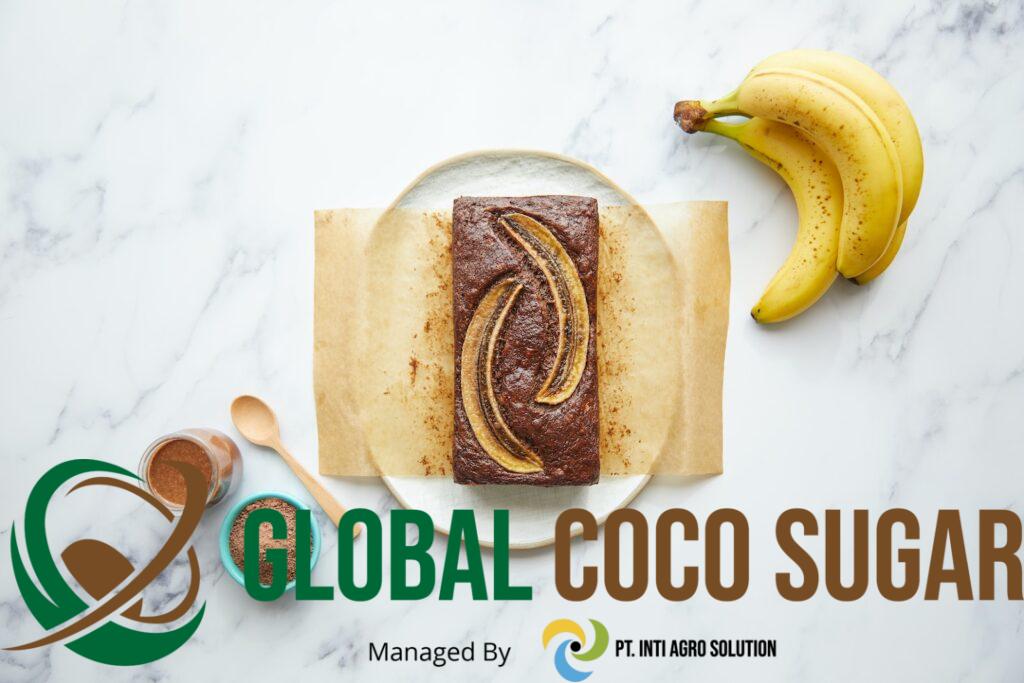
Banana bread is a beloved classic, and there are countless variations out there. However, if you’re looking to make a delicious and healthier version of this beloved treat, then you’re in the right place. In this article, we’ll guide you through a mouthwatering banana bread recipe using coconut sugar. This recipe not only satisfies your sweet tooth but also offers numerous health benefits, making it a perfect choice for those seeking a guilt-free indulgence. Let’s dive into the world of banana bread with a twist!
Ingredients To Make Banana Bread Coconut Sugar :
3 ripe bananas
2/3 cup of unrefined coconut sugar
1/4 cup of unsalted butter, melted
1 teaspoon of pure vanilla extract
1 1/2 cups of all-purpose flour
1 teaspoon of baking soda
A pinch of salt
1/2 cup of plain Greek yogurt
2 large eggs
1/2 cup of chopped walnuts (optional)
1/4 cup of shredded coconut (optional)
How To Bake Banana Bread Recipe Using Coconut Sugar :
Prepare the Oven: Preheat your oven to 350°F (175°C). Grease and flour a 9×5-inch (23×13 cm) loaf pan, ensuring the bread won’t stick.
Mash the Bananas: In a large mixing bowl, peel and mash the ripe bananas until smooth. You can use a fork or a potato masher for this step. The riper the bananas, the sweeter your bread will be.
Mix the Wet Ingredients: Add the melted butter to the mashed bananas and stir until well combined. Then, incorporate the coconut sugar and mix until the mixture is creamy and the sugar dissolves.
Add Vanilla and Eggs: Stir in the pure vanilla extract and the two large eggs, one at a time, mixing well after each addition. The eggs should be fully incorporated into the batter.
Incorporate Dry Ingredients: In a separate bowl, combine the all-purpose flour, baking soda, and a pinch of salt. Gradually add this dry mixture to the wet ingredients in the large mixing bowl, stirring until just combined. Be careful not to overmix, as it can result in a dense banana bread.
Greek Yogurt Addition: Gently fold in the plain Greek yogurt, which adds moisture and richness to the batter. This step also enhances the subtle coconut flavor imparted by the coconut sugar.
Optional Ingredients: If you’d like to add an extra layer of flavor and texture to your banana bread, consider mixing in chopped walnuts and shredded coconut. These additions provide a delightful crunch and a touch of tropical sweetness to each bite.
Baking: Pour the prepared batter into the greased loaf pan. Smooth the top with a spatula for even baking. If you prefer, sprinkle a few extra coconut shreds and walnut pieces on top for a visually appealing finish.
Bake to Perfection: Place the loaf pan in the preheated oven and bake for approximately 60-70 minutes, or until a toothpick inserted into the center comes out clean. Baking times may vary, so keep a close eye on your banana bread during the final minutes.
Cool and Serve: Once your banana bread is done, remove it from the oven and let it cool in the pan for about 10 minutes. Afterward, transfer it to a wire rack to cool completely. This step is essential to ensure that your bread maintains its moisture.
Natural Sweetness: Coconut sugar is derived from the sap of coconut palm trees, making it a natural sweetener. It has a rich, caramel-like flavor that can enhance the taste of baked goods, adding depth and complexity to your recipes.
Lower Glycemic Index: Coconut sugar has a lower glycemic index (GI) compared to regular sugar, which means it has a milder impact on blood sugar levels. This is especially beneficial for those looking to manage their blood sugar and reduce the risk of sugar spikes and crashes.
Healthier Nutrients: Coconut sugar contains small amounts of vitamins, minerals, and antioxidants that are absent in white sugar. It provides small quantities of potassium, iron, zinc, and some B vitamins. While these amounts are not substantial, every bit of added nutrition can contribute to a healthier diet.
Minimally Processed: Unlike highly refined white sugar, coconut sugar is minimally processed, retaining more of its natural nutrients. It is typically made by collecting the sap, dehydrating it, and grinding it into granules, with no chemicals or synthetic additives involved.
Sustainable and Environmentally Friendly: The production of coconut sugar is often considered more eco-friendly than other sugar production methods. Coconut palm trees are sustainable and require minimal resources, making them a viable and renewable source for sugar.
Distinct Flavor Profile: Coconut sugar’s unique flavor, akin to brown sugar or caramel, can elevate the taste of your baked goods. It adds a subtle tropical twist to recipes, enhancing both the aroma and flavor.
Easy Substitution: Coconut sugar can be easily substituted for regular sugar in most recipes, typically at a 1:1 ratio. This makes it a convenient choice for those looking to reduce their intake of refined sugars.
Versatile Use: Coconut sugar works well in various baked goods, from cakes and cookies to muffins and bread. Its pleasant flavor can complement a wide range of ingredients, making it a versatile option for baking.
In summary, coconut sugar is a healthier and more natural sweetener that can enhance the flavor of your baked goods. Its lower glycemic index, minimal processing, and unique taste make it an excellent choice for those looking to enjoy delicious treats while maintaining a more balanced and health-conscious diet. However, it’s essential to use it in moderation, as it is still a source of calories and should be part of a balanced diet.
Conclusion Why Banana Bread And Unrefined Coconut SugarAre Matching Set
In conclusion, this banana bread recipe with coconut sugar offers a delightful twist on a classic favorite. The natural sweetness of coconut sugar not only adds a unique flavor profile but also contributes to a healthier, more nutritious treat. With the added benefit of Greek yogurt for moisture and optional crunchy textures from walnuts and coconut, this banana bread is a versatile treat for any occasion.
Whether enjoyed as a quick breakfast, a delightful afternoon snack, or a comforting dessert, this banana bread will surely become a household favorite. Its simplicity and wholesome ingredients make it an excellent choice for those looking to indulge without the guilt. So, gather your ingredients, preheat your oven, and embark on a delicious journey into the world of banana bread with coconut sugar.
Another Recipe Using Coconut Sugar
If you are interested to use coconut sugar in another baking recipe or cake do not worry, we got you! We are giving some other option baking with coconut sugar recipe
Coconut Sugar Chocolate Cake: A rich and moist chocolate cake sweetened with coconut sugar for a deep, caramel-like flavor.
Coconut Sugar Carrot Cake: A classic carrot cake sweetened with coconut sugar, featuring a cream cheese frosting.
Coconut Sugar Vanilla Cake: A simple yet delicious vanilla cake made with unrefined coconut sugar and topped with your favorite frosting.
Coconut Sugar Banana Cake: A moist banana cake with a tropical twist, sweetened with unrefined coconut sugar and topped with a coconut cream frosting.
Coconut Sugar Lemon Cake: A zesty lemon cake sweetened with coconut sugar, perfect for a refreshing dessert.
Coconut Sugar Almond Cake: A nutty and slightly caramel-flavored almond cake made with coconut sugar.
Coconut Sugar Spice Cake: A warmly spiced cake sweetened with coconut sugar, often featuring cinnamon, nutmeg, and cloves.
Coconut Sugar Pineapple Upside-Down Cake: A tropical twist on a classic, with pineapple slices and cherries caramelized with coconut sugar.
Coconut Sugar Red Velvet Cake: A velvety and slightly cocoa-flavored cake with a distinct red hue, sweetened with coconut sugar.
Coconut Sugar Coffee Cake: A delightful coffee cake featuring a crumbly topping and a rich coffee flavor, sweetened with coconut sugar.
Feel free to look up specific recipes for these cake variations online or in cookbooks. You can easily adapt traditional cake recipes by substituting granulated sugar with coconut sugar to enjoy its unique taste and potential health benefits.