Tag: natural coconut sugar

  • Is Coconut Sugar Good for Diabetics? The Honest Answer (GI 35, What Experts Say)

    Is Coconut Sugar Good for Diabetics? The Honest Answer (GI 35, What Experts Say)

    The Direct Answer
    Coconut sugar is better than white sugar or brown sugar for people with diabetes — but ‘better’ does not mean ‘safe in large quantities.’ Its glycemic index of approximately 35 (vs white sugar’s GI 65) means a slower blood glucose rise per serving. Its inulin fiber content further slows glucose absorption. However, coconut sugar is still 70-80% sucrose and will raise blood sugar. The American Diabetes Association recommends limiting all added sugars. If you choose to use coconut sugar, do so in small amounts (1-2 teaspoons), not as a daily staple, and always monitor your blood glucose response.

    For people managing diabetes, the question of sweeteners is never simple.

    Every food that contains carbohydrates affects blood glucose — the difference lies in how quickly, to what degree, and with what accompanying nutritional context.

    Coconut sugar has been widely promoted as a ‘diabetic-friendly’ alternative to white sugar.

    This article examines that claim honestly, from the perspective of both the science and the practical realities of diabetes management.

    We will be transparent about what coconut sugar is and what it is not — because as a supplier of certified organic coconut sugar from Indonesia, our credibility depends on accuracy, not marketing exaggeration.

    Understanding how coconut sugar is produced from coconut palm flower sap through minimal processing helps explain why its nutritional profile differs from refined sugar — and why those differences matter for people with diabetes.

    What Is Coconut Sugar?

    What Is Coconut Sugar

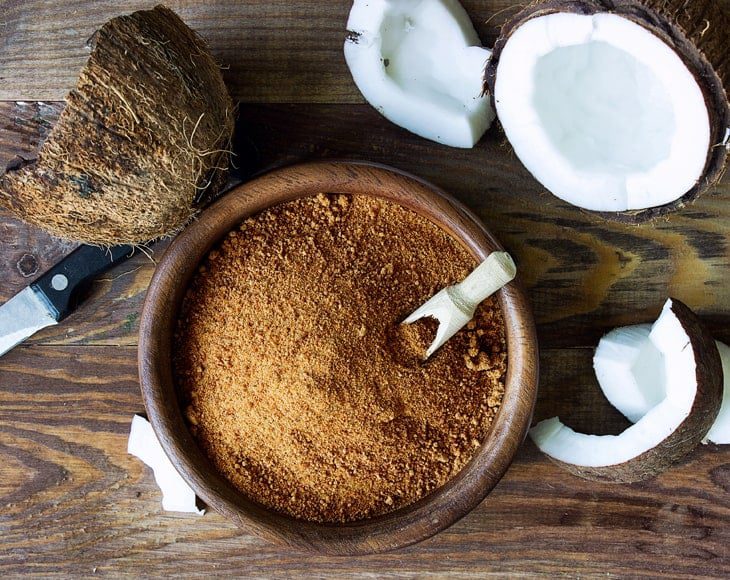
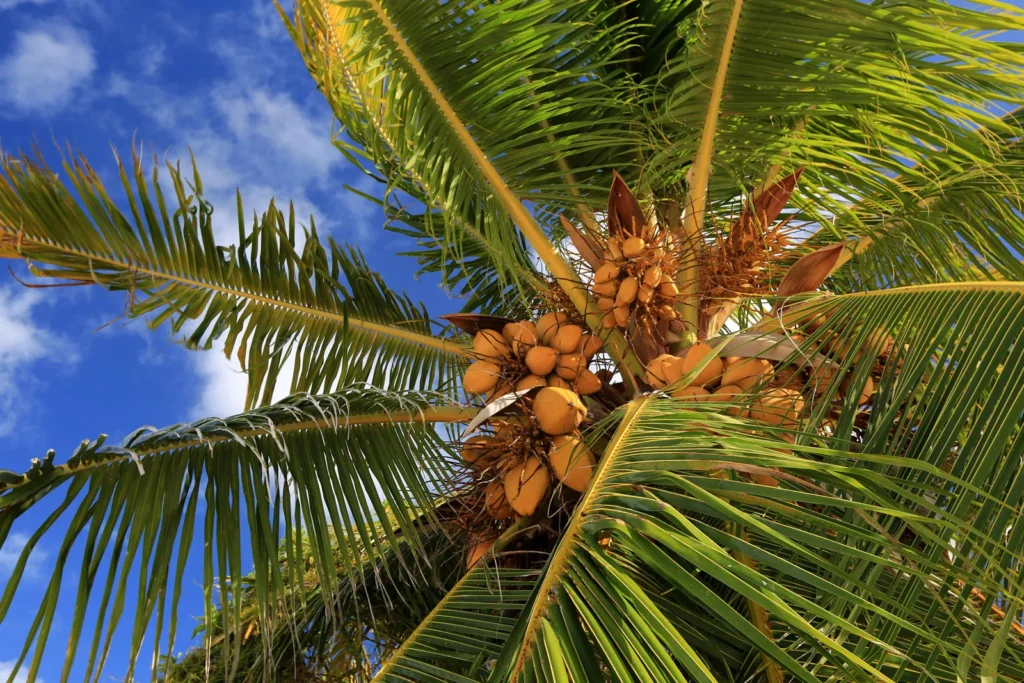
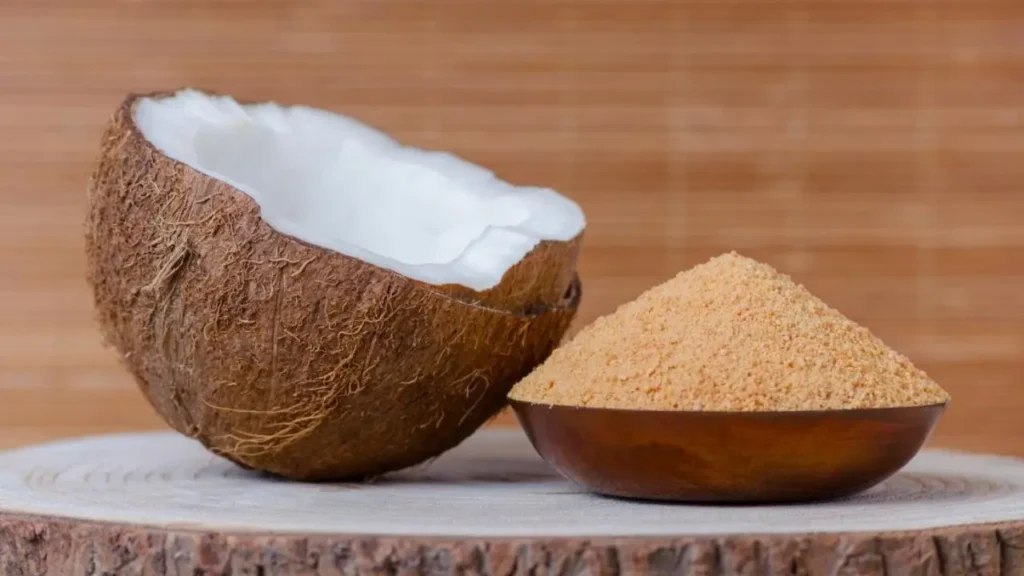
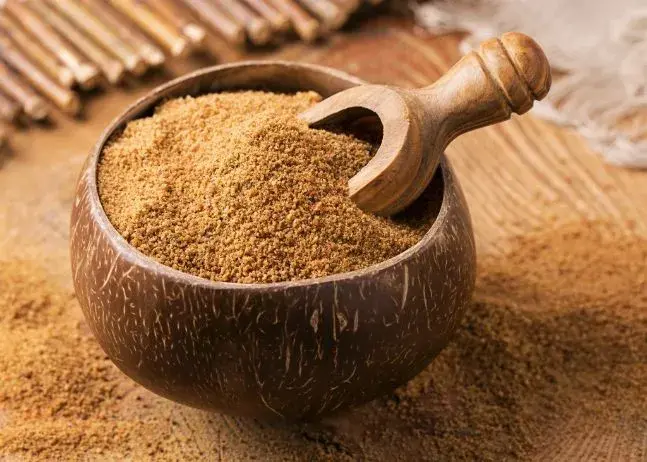
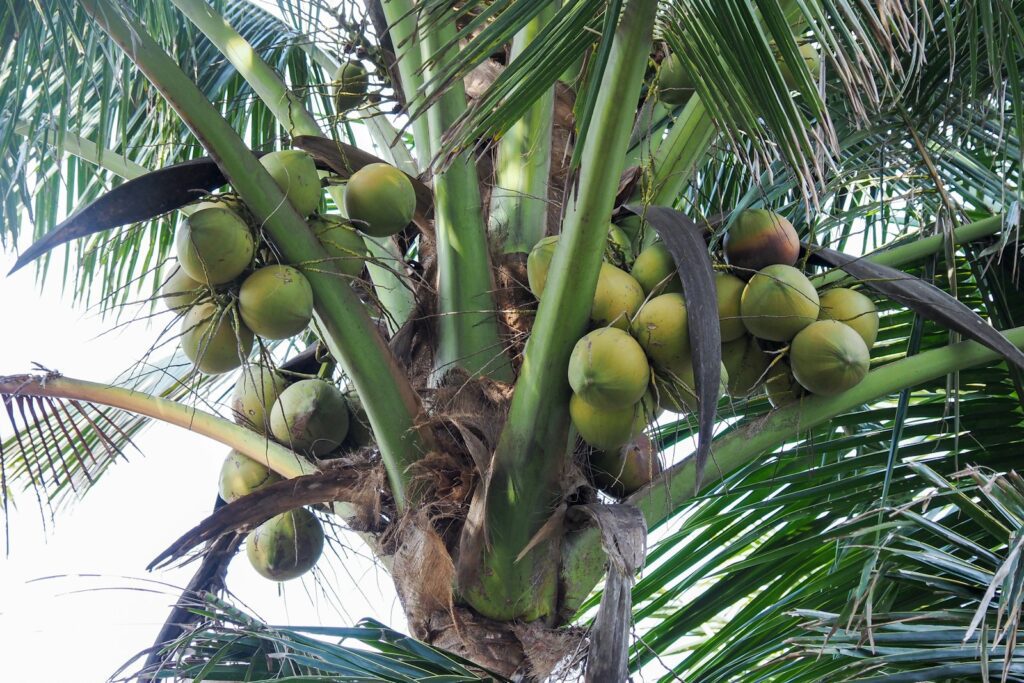
    Coconut sugar is produced from the sap of coconut palm flower buds (Cocos nucifera).

    The sap is collected twice daily, gently heated to evaporate moisture, and granulated — a process involving no refining, bleaching, or chemical additives.

    This minimal processing means coconut sugar retains naturally occurring compounds from the original sap that refined white sugar has completely lost.

    The nutritionally meaningful components retained in coconut sugar include:

    • Inulin fiber: A prebiotic dietary fiber (1-3% of carbohydrates) that slows glucose absorption in the small intestine — the primary reason for coconut sugar’s lower glycemic index.
    • Trace minerals: Potassium (~1,030mg/100g), iron (~2.5mg/100g), zinc (~0.56mg/100g), magnesium (~29mg/100g) — present in meaningful amounts compared to refined sugar, but not in therapeutic quantities.
    • Polyphenols and antioxidants: Small amounts of phytochemicals from the original plant sap — not clinically significant but absent from refined sugar.
    • Complex sucrose composition: Approximately 70-80% sucrose, with remaining fructose, glucose, and the inulin fiber — a more complex carbohydrate profile than refined sugar’s near-100% sucrose.

    Glycemic Index and Glycemic Load: The Two Numbers That Matter Most

    The glycemic index (GI) measures how quickly a food raises blood glucose on a scale of 0-100, relative to pure glucose.

    Coconut sugar’s GI of approximately 35 is significantly lower than white sugar (GI ~65), brown sugar (GI ~64), and honey (GI 58-85).

    For a complete scientific breakdown of why coconut sugar’s GI varies between 35-54 across different studies and what this means for food label claims, see our detailed article on the glycemic index of coconut sugar.

    SweetenerGlycemic Index (GI)GI CategoryNotes
    Coconut sugar~35LowDue to inulin content slowing glucose absorption
    Maple syrup~54Low-MediumPrimarily sucrose
    Honey58-85Medium-HighWide range — depends on floral source
    Brown sugar~64MediumRefined white sugar + molasses
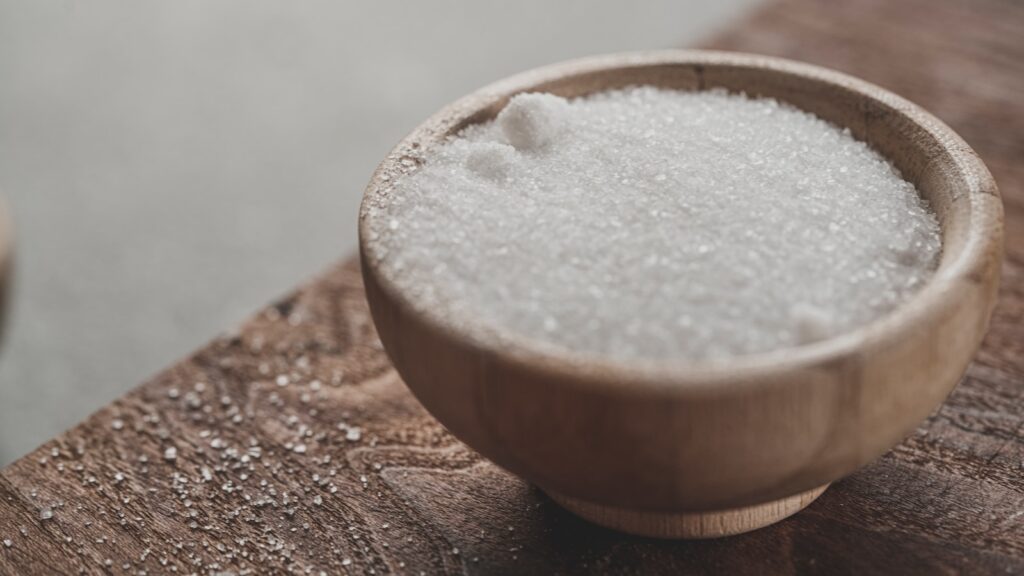
    White sugar (sucrose)~65MediumStandard reference sweetener
    Stevia (pure extract)0NoneNon-nutritive — does not raise blood sugar
    Erythritol0-1NoneSugar alcohol — minimally absorbed
    Monk fruit extract0NoneNon-nutritive — does not raise blood sugar

    Glycemic Load: The More Relevant Number for Practical Use

    While GI tells you how fast a food raises blood sugar, glycemic load (GL) tells you how much it raises blood sugar based on actual serving size.

    This is more relevant for practical diabetes management:

    Serving SizeCoconut Sugar (g)Carbohydrates (g)Glycemic Load (GL)Classification
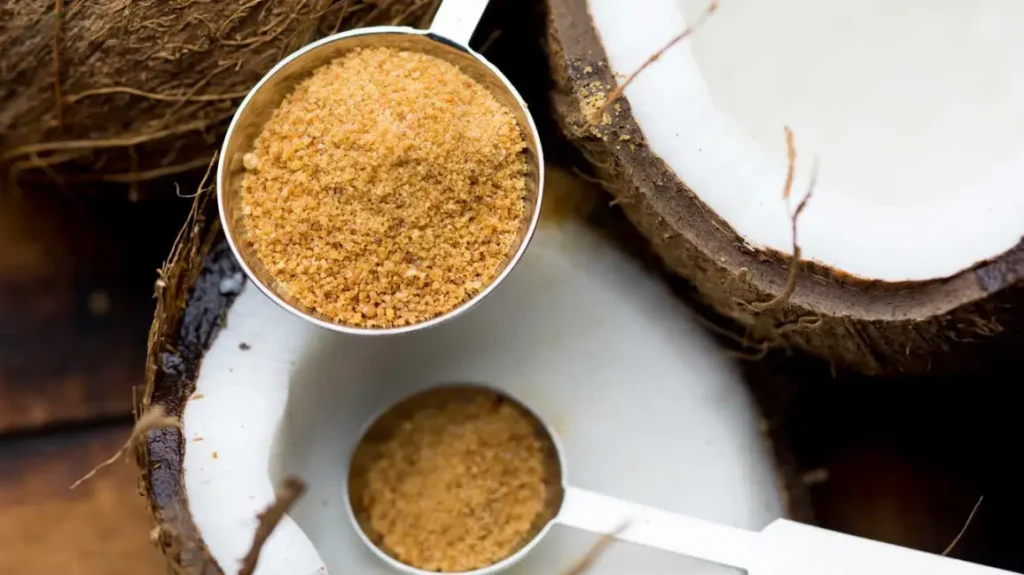
    1 teaspoon4g~3.8gGL ~1.3Very Low
    2 teaspoons8g~7.6gGL ~2.7Low
    1 tablespoon12g~11.4gGL ~4.0Low
    2 tablespoons24g~22.8gGL ~8.0Moderate
    What this glycemic load data means in practice
    A glycemic load of 1-2 teaspoons of coconut sugar in a cup of coffee or tea (GL ~1.3-2.7) is very low — unlikely to cause a significant blood sugar spike for most people with well-managed diabetes. The concern arises when coconut sugar is used in larger quantities — in baking, cooking, or as a regular daily addition to multiple meals. It is the total daily carbohydrate load that matters for diabetes management, not any individual food in isolation.

    Coconut Sugar vs Other Sweetener Options for People with Diabetes

    People with diabetes evaluating sweetener options typically consider several alternatives. Here is an honest comparison:

    SweetenerEffect on Blood SugarPros for DiabeticsCons for DiabeticsVerdict
    Coconut sugarRaises blood sugar — slower than white/brown sugarLower GI (35), inulin fiber, natural/unrefinedStill raises blood sugar; same calories as sugar; moderation requiredBetter than white/brown sugar; still requires moderation
    SteviaDoes not raise blood sugarZero calories, zero GI, FDA GRAS statusAftertaste some find unpleasant; some products contain fillersExcellent choice for diabetics — best zero-GI natural option
    ErythritolMinimal effect — mostly unabsorbed~0 GI, 0.24 kcal/g, doesn’t cause digestive issues at moderate dosesNot as sweet as sugar (70% sweetness) — need moreExcellent choice — well tolerated at normal cooking amounts
    Monk fruit extractDoes not raise blood sugarZero calories, zero GI, no aftertaste for mostExpensive; less widely availableExcellent choice — premium price but best sensory profile
    Brown sugarRaises blood sugar — similar speed to white sugarFamiliar tasteGI 64 — nearly same as white sugar; refined productNo advantage over white sugar for diabetics
    White sugarRaises blood sugar rapidlyLow cost, widely availableGI 65 — high glycemic response; no nutritional valueWorst option for diabetics among common sweeteners
    HoneyRaises blood sugar — speed varies by typeContains antioxidants; slightly lower GI than sugar (some varieties)GI 58-85; high in calories; still raises blood sugarMarginally better than white sugar; not ideal for diabetes

    For a more detailed comparison of coconut sugar specifically against brown sugar across nutritional profile, processing, and baking behavior, see our article on coconut sugar vs brown sugar health benefits.

    What Medical Organizations and Experts Say About Coconut Sugar for Diabetics

    is Coconut Sugar Good for Diabetics

    It is important to review what established medical and diabetes organizations actually say — as opposed to what health food marketing implies:

    • American Diabetes Association (ADA): Recommends limiting all added sugars, whether refined or natural. Does not specifically endorse coconut sugar as a diabetic-friendly sweetener. Recommends non-nutritive sweeteners (stevia, erythritol, monk fruit, sucralose) as the lowest-impact option for people managing blood glucose.
    • Diabetes UK: States that ‘natural’ sugars such as coconut sugar, honey, and maple syrup have no special benefit for people with diabetes — they all contain sugar that raises blood glucose, and all should be limited.
    • Philippine Coconut Authority (PCA): The original research body that published the GI 35 figure for coconut sugar, in the Philippine Journal of Crop Science. This is the most cited primary source for coconut sugar’s GI claims.
    • Registered dietitians: Generally acknowledge coconut sugar’s lower GI as a genuine advantage over white sugar, but consistently emphasize that it is not a ‘free’ food for people with diabetes and should be used in small quantities.
    The honest position: coconut sugar is a better sweetener, not a diabetes treatment
    As a coconut sugar producer, we want to be clear: coconut sugar is not a diabetes treatment, not a safe unlimited sweetener for diabetics, and not a substitute for medical advice. It is a minimally processed natural sweetener with a lower GI than refined sugar — which makes it a better choice when sweetening is genuinely necessary, but not a reason to consume more sweetener than you otherwise would. Anyone managing diabetes should work with their healthcare provider on overall dietary strategy, of which sweetener choice is a small component.

    Practical Guidelines: How to Use Coconut Sugar If You Have Diabetes

    If your healthcare provider has not restricted all added sugars, and you choose to use coconut sugar as part of a balanced diet, here are evidence-informed practical guidelines:

    GuidelineRecommendationRationale
    Daily limit1-2 teaspoons (4-8g) maximum if blood sugar is well-managedGlycemic load of 1-2 tsp is very low (GL 1.3-2.7); larger amounts increase risk
    MonitoringTest blood glucose 2 hours after consuming coconut sugarIndividual response varies — verify your own glycemic response before assuming low GI applies to you personally
    Meal timingAvoid adding to meals that are already high in carbohydratesCumulative carbohydrate load matters more than individual food GI in practice
    Preparation methodPrefer cooler-temperature preparations (coffee, tea, no-bake)High baking temperatures may degrade inulin — slightly raising effective GI of finished product
    Product selectionChoose minimally processed, traditional-method coconut sugarHigher inulin content (and thus lower effective GI) in less industrially processed product
    Label readingCheck for ‘organic’ and verify country of origin (Indonesia preferred)Indonesian coconut sugar from traditional Central Java producers has more consistent inulin content
    Not a substituteDo not replace prescribed medications or insulin with dietary changes aloneDietary modification is complementary to, not a replacement for, medical diabetes management

    For home bakers who want to enjoy coconut sugar in moderation — our coconut sugar cookie recipe demonstrates how to use coconut sugar effectively in baking with specific tips for managing texture and sweetness level.

    Using coconut sugar in occasional baking treats is a reasonable application for people who manage diabetes with dietary moderation rather than strict sugar elimination.

    For Food Manufacturers: Formulating Products for Diabetic-Conscious Consumers

    indonesia coconut sugar manufacturers

    The ‘diabetic-friendly’ and ‘low GI’ positioning of coconut sugar is commercially valuable for food brands in the health food, organic, and clean label segments.

    However, label claims must be accurate: a ‘low GI’ claim on a finished food product requires testing of the complete formulation (not just the ingredient), and regulatory compliance varies by market.

    Our article on applications of coconut sugar in the food industry covers formulation considerations, and our article on why buyers choose certified organic coconut sugar covers the certification framework relevant to health-positioned product lines.

    Key compliance notes for food manufacturers:

    • EU: ‘Low GI’ claims are regulated under Regulation (EC) No 1924/2006 — requires testing of finished product under ISO 26642:2010.
    • USA: No FDA-approved ‘low GI’ nutrient content claim — GI statements are used as voluntary marketing with supporting data.
    • ‘Refined sugar-free’ or ‘no refined sugar’: coconut sugar qualifies — it is unrefined. White sugar or brown sugar do not qualify.
    • ‘Natural sweetener’: coconut sugar qualifies. Brown sugar does not (it is refined white sugar with added molasses).

    What About Coconut Nectar? The Liquid Form for Diabetic-Conscious Consumers

    Coconut nectar syrup — the liquid form of coconut sweetener produced from the same coconut palm flower sap — shares a similar glycemic index (~35) and nutritional profile to coconut sugar.

    For diabetic-conscious consumers who prefer liquid sweeteners for beverages and sauces, coconut nectar offers the same low-GI advantage in a format that dissolves without heating.

    For a comparison of coconut nectar against honey, maple syrup, and agave from a glycemic perspective, see our article on coconut nectar syrup vs other natural sweeteners.

    Conclusion: A Better Choice, Not a Free Pass

    The honest answer to ‘is coconut sugar good for diabetics’ is: it is better than white and brown sugar — meaningfully so, based on its glycemic index of 35 and inulin fiber content — but it is not a diabetes-safe sweetener that can be consumed without limits or monitoring.

    For people who need to sweeten foods and want the lowest possible blood glucose impact, zero-calorie sweeteners (stevia, erythritol, monk fruit) are the medically preferred options.

    For people who prefer natural, minimally processed sweeteners and are managing diabetes with dietary moderation, coconut sugar in small quantities (1-2 teaspoons) is a reasonable choice — provided blood glucose is monitored and overall carbohydrate intake is managed.

    As coconut sugar producers, we believe the most valuable thing we can do for consumers with diabetes is give them accurate, honest information — not exaggerate our product’s benefits.

    Make your sweetener decision based on your specific health situation, in consultation with your healthcare provider.

    For food brands: certified organic coconut sugar for health-positioned products
    If you are a food manufacturer developing products for health-conscious or diabetic-aware consumers, Global Coco Sugar supplies BRCGS certified organic coconut sugar from Indonesia with full COA documentation. Where to buy coconut sugar in bulk from Indonesia covers pricing, MOQ, and sourcing details.
    Contact Our Export Team >>>
  • coconut sugar production process

    coconut sugar production process

    How Coconut Sugar Is Produced in Indonesia

    Coconut sugar production in Indonesia

    We often see coconut sugar in stores, but have you ever wondered how it actually gets made, especially in a place like Indonesia where it’s a big deal? It’s a pretty neat process that starts way up high in the coconut trees.

    How Coconut Sugar is Produced in Indonesia : Collecting Sap From The Coconut Palm

    How Coconut Sugar is Produced in Indonesia? It all begins with the flower buds of the coconut palm. Farmers, who are really skilled at climbing these tall trees, carefully make a small cut into the unopened flower bud. From this cut, a sweet, clear liquid starts to flow out. This liquid is called sap.

    They collect this sap in containers, usually bamboo or plastic ones, that they hang there. This has to be done carefully and often twice a day. The sap is mostly water with natural sugars, and it’s important to collect it quickly, usually within 12 hours, so it doesn’t start to ferment. A single tree can give a decent amount of sap each day, maybe a liter or two.

    How Coconut Sugar is Produced in Indonesia : Transforming Sap Into Sweet Crystals

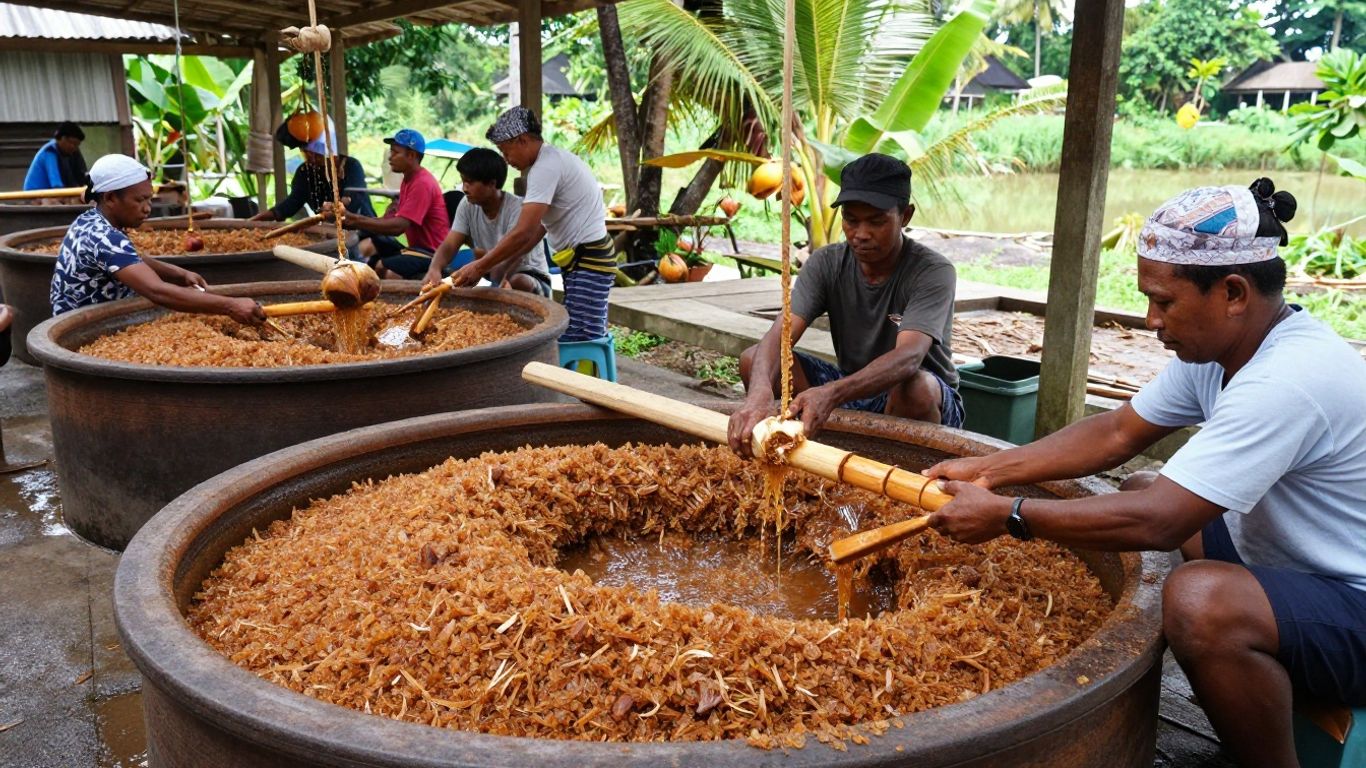
    Once the sap is collected, it’s not sugar yet. We need to get rid of the water. The farmers take the sap and pour it into big pans, often heated over a wood fire. This is where the magic happens. They heat the sap, and as the water evaporates, the liquid gets thicker and thicker. It turns into a syrup, kind of like what you’d see with maple syrup, but with a different flavor. Constant stirring is key here to stop it from burning and to make sure it all cooks evenly.

    As it cooks down, it starts to change color, getting darker and developing that caramel-like taste we know. When it reaches the right thickness, they take it off the heat. Sometimes it’s poured into molds to cool and harden into blocks, or it’s stirred more as it cools to break into small grains, which is the granulated coconut sugar we usually buy. It’s a simple process, really, just heating and stirring, but it takes a lot of care to get it just right.

    The Journey From Flower Bud To Sweetener

    Coconut sugar production from flower bud to sweetener.

    How Coconut Sugar is Produced in Indonesia : Tapping The Trees For Sap

    How Coconut Sugar is Produced in Indonesia, It all begins with the coconut palm, a tree that gives us so much. We carefully tap into the flower buds, also known as the inflorescence, of the coconut palm. This isn’t a quick job; it requires a gentle touch and a lot of patience. Farmers have been doing this for ages, using traditional methods passed down through families.

    The sap that drips out is a clear, slightly sweet liquid. We collect this sap in small containers, making sure not to harm the tree so it can keep producing. This sap is the very first step in making our delicious coconut sugar. It’s a natural process that respects the tree and the environment. The collected sap needs to be processed quickly, usually within a day, to keep it fresh and prevent it from fermenting. This fresh sap is the foundation for the unique flavor of coconut sugar.

    How Coconut Sugar is Produced in Indonesia : Boiling And Evaporating The Sap

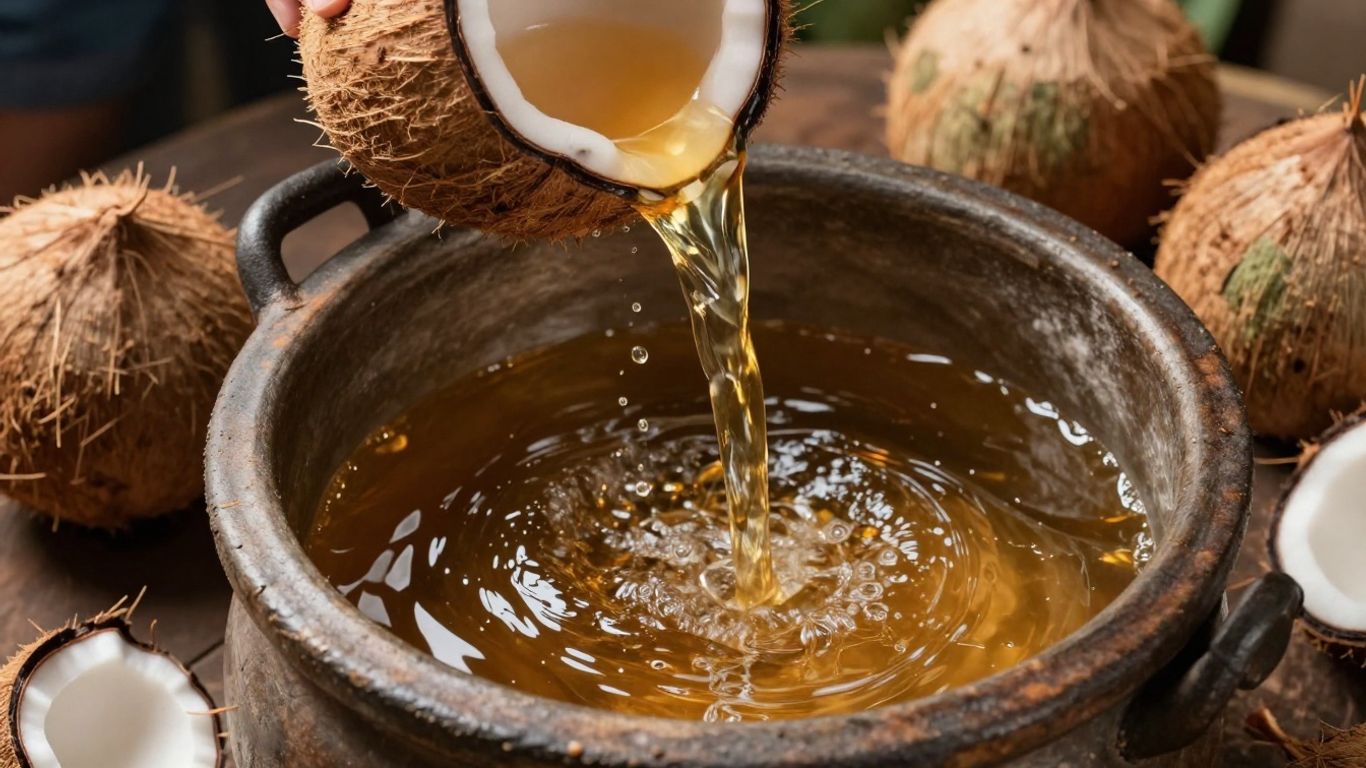
    Once we have collected the sap, the next step is to transform it into something sweet. We take the sap to a processing area where it’s heated. This is done in large pans, either over controlled fires for a more traditional approach or using modern equipment. The main goal here is to let the water evaporate. As the water boils away, the sap gets thicker and thicker, turning into a rich, caramel-like syrup.

    We have to watch the temperature closely during this stage. If it gets too hot, the sugar can burn, and that would ruin the taste. We want to keep that lovely, subtle caramel flavor that makes coconut sugar special.

    This careful boiling process concentrates the natural sugars present in the sap. The result is a thick, amber-colored syrup that’s ready for the final stage. It’s quite a sight to see the clear sap turn into this deep, sweet liquid. This transformation is a key part of how coconut sugar is made, retaining many of the natural elements from the original sap coconut palm’s sap.

    Ensuring Quality In Coconut Sugar

    Coconut sap being processed for sugar production.

    Traditional Methods Meet Modern Standards

    When we look at how coconut sugar is made, we see a blend of old ways and new ideas. For a long time, people have collected sap from coconut palms and boiled it down. This traditional method gives coconut sugar its unique taste and color. But to make sure it’s good for everyone, everywhere, we also use modern checks. This means looking closely at things like how fine the sugar crystals are and how much moisture is in them.

    We want to make sure that every bag of coconut sugar we produce is just right, no matter where it’s going. It’s about keeping that natural goodness while meeting today’s needs. We work with farmers who know the old ways but also use updated tools to help with things like filtering the sap. This helps us get a cleaner product right from the start. It’s a careful balance, really.

    The Importance Of Careful Processing

    Making sure our coconut sugar is top-notch involves paying attention to every little step. The way the sap is boiled, for instance, really changes the final product. If it gets too hot for too long, the sugar can get darker and taste more like caramel. If we keep the heat just right, we get a lighter color and a milder flavor. We also check the moisture content, because too much can make the sugar clump up. Keeping the moisture low helps it stay free-flowing and last longer.

    We aim for a consistent grain size too, so it works well in baking or whatever you’re using it for. Some producers might use things like lime to help with processing, but we stick to just heat and stirring for a clean, natural product. This careful handling means you get a pure, reliable sweetener every time. It’s important for us that the sugar we provide meets strict standards, like those found in SNI 01-2978-1992 quality standards, which helps us confirm the sugar content is just right.

    Making sure our coconut sugar is top-notch is super important. We carefully check every step, from how it’s grown to how it’s packed, to guarantee you get the best quality. This commitment means you can trust the pure, natural goodness in every spoonful. Want to know more about our quality checks? Visit our website today!

    Wrapping It Up : How Coconut Sugar is Produced in Indonesia

    So, that’s pretty much the lowdown on how we get that sweet coconut sugar. It’s a pretty neat process, really, starting from the sap of a coconut tree and ending up as that lovely granular stuff we use.

    We’ve seen how it’s done traditionally and how things have changed a bit with modern methods, but the core idea stays the same. It’s cool to know that this sugar is not just tasty but also comes from a pretty sustainable source, supporting farmers along the way. We hope this gives you a good idea of what goes into making it.

  • The Sustainability of Coconut Sugar Production

    The Sustainability of Coconut Sugar Production

    As the world seeks healthier, more sustainable alternatives to highly processed sweeteners, coconut sugar has emerged as a frontrunner. Made from the sap of coconut palm blossoms, coconut sugar is minimally processed, rich in trace nutrients, and carries a lower glycemic index than refined white sugar. But beyond its nutritional appeal, coconut sugar production offers an often-overlooked benefit: it’s one of the most sustainable sweeteners available today.

    In this article, we explore the environmental, social, and economic sustainability of coconut sugar—from how it’s harvested, to its impact on farming communities and the planet.


    What Is Coconut Sugar?

    Coconut sugar is derived from the sap of coconut palm flower buds. Farmers climb the trees, slice the flower stems, and collect the sap into bamboo or clay containers. The sap is then gently boiled and evaporated until it crystallizes into granules.

    Unlike cane sugar, which undergoes industrial processing and refinement, coconut sugar retains natural nutrients such as iron, potassium, zinc, calcium, and inulin, a prebiotic fiber. But its production process also requires minimal intervention, making it uniquely eco-friendly.


    1. Environmentally Friendly Farming

    🌴 No Need for Deforestation

    Coconut sugar is harvested from existing coconut palm trees, which are not cut down or destroyed in the process. Unlike other agricultural commodities—like soy, palm oil, or even cane sugar—that can drive deforestation, coconut sugar production thrives on sustainably managed coconut farms.

    The same trees can produce both coconuts and sap, offering dual yields and encouraging farmers to keep trees standing longer. This promotes long-term land use stability and protects vital ecosystems, especially in tropical countries like Indonesia, the Philippines, and Sri Lanka.


    🌱 Low Water and Land Use

    Compared to sugarcane and sugar beet crops, which require significant irrigation and land area, coconut palms are highly efficient. They require less water, and because coconut sugar doesn’t demand the destruction of the coconut, the land remains fertile and productive for years.

    According to the Food and Agriculture Organization (FAO), coconut palm trees produce more sugar per acre than sugarcane while using less water and fewer resources.


    🐝 Biodiversity Preservation

    Coconut sugar production does not involve the use of pesticides or synthetic fertilizers. The coconut palm’s natural resilience allows it to coexist with other flora and fauna, supporting local biodiversity. In fact, many coconut plantations act as agroforestry systems, combining coconuts with bananas, cacao, coffee, and other crops.

    This polyculture approach enriches the soil, reduces pests naturally, and creates a more resilient and regenerative farming system.


    2. Empowering Local Communities

    Coconut sugar production is not only environmentally sustainable—it’s also economically empowering, particularly for rural communities.

    👩‍🌾 Smallholder Farming Model

    Most coconut sugar is produced by smallholder farmers who tap the sap using traditional methods passed down through generations. In countries like Indonesia, more than 80% of coconut sugar comes from family farms.

    These small-scale operations require low capital investment and no expensive machinery, making coconut sugar an accessible livelihood for many rural households.


    🧺 Job Creation and Skill Preservation

    The harvesting and boiling process requires manual skill, creating jobs at every stage—from sap collection to sugar crystallization and packaging. For many communities, especially women and elders, this work is both a source of income and a means of preserving traditional knowledge.

    By supporting coconut sugar, consumers help sustain cultural practices and rural economies that might otherwise be displaced by industrial farming.


    🤝 Fair Trade and Cooperative Models

    Several coconut sugar brands partner with farmer cooperatives and operate under Fair Trade certifications, ensuring ethical labor practices, fair wages, and reinvestment in community development.

    Fair Trade premiums often go toward education, healthcare, and infrastructure improvements in farming villages, further reinforcing the long-term sustainability of the industry.


    3. Minimal Processing, Minimal Impact

    Coconut sugar’s production process is refreshingly simple:

    1. Sap collection using bamboo or natural containers
    2. Slow boiling over wood or biomass fires
    3. Drying and crystallization without chemicals
    4. Packaging using recyclable or compostable materials (in many ethical brands)

    This process:

    • Emits low carbon emissions
    • Requires no chemical refining
    • Uses local materials and fuels

    Compared to the energy- and water-intensive processes used to produce white sugar, coconut sugar leaves a much smaller carbon and environmental footprint.


    4. Health-Conscious, Planet-Friendly Sweetener
    Coconut sugar aligns with the growing demand for natural, low-impact foods. It appeals to health-conscious consumers who want sweeteners that are:

    • Less processed
    • Nutrient-rich
    • Plant-based and vegan
    • Free of additives and bleaching agents

    At the same time, it checks the boxes for environmental and ethical standards—making it one of the few sweeteners that satisfy both wellness and sustainability goals.


    5. Challenges and Room for Growth

    While coconut sugar offers many advantages, it’s important to recognize potential challenges in scaling up sustainably:

    📉 Limited Supply

    Coconut sugar is still a niche product, and global production is limited compared to cane or beet sugar. As demand grows, there’s pressure to increase yields, which could risk overharvesting sap and reducing coconut fruit production if not managed responsibly.


    🔄 Balancing Coconut Fruit vs. Sap Production

    A single tree cannot produce both high volumes of coconuts and sugar sap simultaneously. Farmers must choose how to manage their crops, and poorly planned incentives may encourage sap tapping at the expense of coconut fruit harvesting.
    Sustainable balance is key—one that supports both local food systems and sugar demand.


    ⚠️ Certification and Transparency

    Not all coconut sugar brands are equal. Consumers should look for USDA Organic, Fair Trade, and non-GMO labels and support companies that provide transparent sourcing information.

    More investment is needed in traceable supply chains, farmer education, and fair-trade partnerships to maintain long-term sustainability as the industry grows.


    Conclusion: A Sweet Solution for a Sustainable Future

    Coconut sugar represents more than just a healthier sweetener—it’s a model for how food can be produced responsibly, support communities, and protect the planet. Its low-impact farming, minimal processing, and fair-trade potential make it one of the most sustainable sugars on the market today.

    For consumers seeking alternatives to processed sugars and unsustainable sweeteners, coconut sugar offers a guilt-free way to enjoy sweetness—while contributing to a healthier world.

    When sourced from ethical brands and harvested by empowered farmers, coconut sugar truly lives up to its promise:
    a sweetener rooted in tradition, community, and sustainability.

  • Natural Coconut Sugar Exports to China: Opportunities and Trends

    Natural Coconut Sugar Exports to China: Opportunities and Trends

    In recent years, China has seen a growing demand for healthier, natural, and low-glycemic sweeteners. As consumers become more health-conscious, natural coconut sugar has emerged as a promising alternative to refined sugar in China’s food and beverage market.

    Coconut sugar is derived from the sap of the coconut palm flower. It is minimally processed, retains essential minerals such as potassium, zinc, and iron, and has a lower glycemic index than white sugar. Its caramel-like flavor and natural origin make it a favored ingredient in organic and functional food products.

    Market Opportunity in China

    China’s middle class is expanding rapidly, and so is the demand for premium and health-oriented food products. With increasing rates of diabetes and obesity, Chinese consumers are turning toward sugar alternatives. Coconut sugar, already gaining popularity in North America and Europe, is now finding space in China’s niche health food sector.

    Several trends support the growth of coconut sugar exports to China:

    • Health and wellness boom: More consumers seek low-GI and nutrient-rich sweeteners.
    • Clean label trend: Shoppers prefer products with natural, easy-to-understand ingredients.
    • Vegan and plant-based diets: Coconut sugar is plant-based and fits well in vegan recipes.
    • E-commerce growth: Cross-border platforms like Tmall Global and JD Worldwide provide direct access to health-conscious buyers.

    Exporting to China: Considerations

    Countries like Indonesia, the Philippines, and Sri Lanka—major producers of coconut sugar—are well-positioned to supply the Chinese market. However, exporters must consider several factors:

    • Certification: Organic and food safety certifications are essential to gain consumer trust and meet regulatory standards.
    • Labeling: Products must comply with China’s food labeling laws, including Chinese-language packaging and clear nutritional information.
    • Market education: Since coconut sugar is still a new product for many Chinese consumers, branding and education are key to success.

    Challenges

    Despite its potential, coconut sugar remains a premium product in China. Its higher cost compared to regular sugar can limit mass-market appeal. Furthermore, local awareness remains low, and educating consumers takes time and investment.

    The Future Outlook of Natural Coconut Sugar

    As China continues to emphasize healthier living and natural ingredients, coconut sugar is poised for steady growth. Exporters who focus on product quality, clear health messaging, and strong local partnerships can tap into one of the largest and most dynamic consumer markets in the world.


    天然椰子糖出口中国:机遇与趋势

    (中文 – 500字)

    近年来,随着中国消费者健康意识的增强,对天然、低升糖指数的甜味剂需求日益增长。天然椰子糖作为白糖的健康替代品,正逐渐进入中国食品与饮料市场的视野。

    椰子糖是从椰子树花的汁液中提取的天然甜味剂。其加工过程较少,保留了钾、锌、铁等矿物质,并且其升糖指数低于传统白糖,具有焦糖风味,是天然、有机和功能性食品中的理想选择。

    中国市场的机遇

    随着中产阶级的壮大,中国消费者对高品质、健康食品的需求不断上升。糖尿病和肥胖等健康问题日益严重,越来越多的消费者开始寻找更健康的替代糖产品。在欧美市场已广受欢迎的椰子糖,正逐步打开中国市场。

    以下趋势有助于椰子糖在中国的发展:

    • 健康养生热潮:消费者偏好低GI、富含营养的天然甜味剂。
    • “清洁标签”消费趋势:成分简单、无添加的产品更受欢迎。
    • 植物性饮食兴起:椰子糖适合素食、纯素饮食者使用。
    • 跨境电商兴起:天猫国际、京东国际等平台为进口健康产品提供销售渠道。

    出口注意事项

    印度尼西亚、菲律宾、斯里兰卡等椰子糖主产国,在出口中国方面具备地理与资源优势。但出口商应注意以下几点:

    • 认证要求:有机认证、食品安全认证有助于建立消费者信任。
    • 标签合规:必须使用中文标注配料、营养成分、原产地等信息。
    • 市场教育:由于椰子糖在中国仍属新兴产品,需要通过品牌宣传和健康教育提高认知度。

    面临的挑战

    尽管前景广阔,椰子糖仍属高端产品,其价格高于普通白糖,可能限制在大众市场的普及。此外,消费者认知尚低,市场培育仍需时间和投入。

    未来展望

    随着中国健康饮食理念的普及和天然食品的兴起,椰子糖有望在中高端消费市场中获得稳定增长。重视产品质量、加强品牌建设、寻找本地合作伙伴的出口商,将有望在这个庞大而充满活力的市场中占据一席之地。

  • China Embraces Natural Coconut Sugar in the Shift Toward Clean Eating

    China Embraces Natural Coconut Sugar in the Shift Toward Clean Eating

    In recent years, China has witnessed a significant transformation in consumer behavior, with an increasing emphasis on health-conscious choices and clean eating. Among the various natural alternatives gaining popularity, natural coconut sugar has emerged as a preferred sweetener, aligning with the nation’s growing awareness of nutrition and sustainability

    Health Benefits and Nutritional Value of Natural Coconut Sugar

    Natural coconut sugar, derived from the sap of coconut palm trees, is minimally processed, retaining essential nutrients such as iron, zinc, calcium, potassium, and antioxidants. Unlike refined sugars, it has a lower glycemic index, making it a favorable option for individuals aiming to manage blood sugar levels and reduce the risk of diabetes.

    Rising Demand and Market Growth

    The demand for natural coconut sugar in China has been steadily increasing. According to market research, the coconut-based beverage market in China surged from 10.3 billion yuan in 2017 to 14.4 billion yuan in 2021, with projections estimating it to reach 22.4 billion yuan by 2026. This growth is attributed to the rising health awareness among consumers and the popularity of natural, additive-free products.
    Integration into Food and Beverage Products

    Leading beverage companies in China have recognized the potential of coconut-based ingredients. For instance, FreeNow, a Hangzhou-based coconut beverage provider, introduced coconut milk into coffee and tea products, experiencing a 100% sales growth in both 2021 and 2022. Similarly, Luckin Coffee’s raw coconut latte gained immense popularity, selling over 100 million cups within a year of its launch. These products not only cater to the demand for healthier options but also appeal to consumers seeking innovative and flavorful beverages.

    Sustainability and Ethical Sourcing

    Natural coconut sugar aligns with the global trend toward sustainable and ethical sourcing. The production of coconut sugar has a lower environmental impact compared to traditional sugar production, as coconut trees require fewer resources and have a smaller carbon footprint. This aspect resonates with environmentally conscious consumers in China, further driving the demand for coconut sugar.

    Challenges and Future Outlook of Natural Coconut Sugar

    Despite its benefits, the adoption of natural coconut sugar faces challenges such as higher production costs and limited domestic supply. However, with increasing imports from Southeast Asia and advancements in processing technologies, these challenges are being addressed. The future of natural coconut sugar in China looks promising, with expectations of continued growth driven by consumer demand for healthier and sustainable alternatives.

    In conclusion, the shift toward clean eating in China has paved the way for natural coconut sugar to gain prominence as a healthier, sustainable, and flavorful sweetener. As consumers continue to prioritize health and environmental considerations, natural coconut sugar is poised to become a staple in the Chinese market.


    中国在向健康饮食转变中拥抱天然椰子糖

    近年来,中国消费者的行为发生了显著变化,越来越注重健康意识和清洁饮食。在各种天然替代品中,天然椰子糖作为一种优选甜味剂,符合国家对营养和可持续性日益增长的关注。

    健康益处和营养价值

    天然椰子糖由椰子树的树液提取,经过最小加工,保留了铁、锌、钙、钾和抗氧化剂等必需营养素。与精炼糖相比,其血糖生成指数较低,成为那些旨在管理血糖水平和降低糖尿病风险的个人的理想选择。

    需求增长和市场发展

    中国对天然椰子糖的需求稳步增长。根据市场研究,中国椰子基饮料市场从2017年的103亿元人民币增长到2021年的144亿元人民币,预计到2026年将达到224亿元人民币。这一增长归因于消费者健康意识的提高和对天然、无添加产品的喜爱。

    融入食品和饮料产品

    中国领先的饮料公司已认识到椰子基成分的潜力。例如,总部位于杭州的椰子饮料供应商FreeNow将椰奶引入咖啡和茶产品,在2021年和2022年实现了100%的销售增长。同样,瑞幸咖啡的生椰拿铁在推出一年内售出了超过1亿杯。这些产品不仅满足了对更健康选择的需求,还吸引了寻求创新和美味饮品的消费者。

    可持续性和道德采购

    天然椰子糖符合全球可持续和道德采购的趋势。与传统糖生产相比,椰子糖的生产对环境的影响较小,因为椰子树需要的资源较少,碳足迹也较小。这一方面与中国环保意识强烈的消费者产生共鸣,进一步推动了对椰子糖的需求。

    挑战和未来展望

    尽管有诸多益处,天然椰子糖的采用面临着生产成本较高和国内供应有限等挑战。然而,随着来自东南亚的进口增加和加工技术的进步,这些挑战正在得到解决。天然椰子糖在中国的未来前景广阔,预计将继续增长,受到消费者对更健康和可持续替代品的需求推动。

    总之,中国向健康饮食转变为天然椰子糖作为一种更健康、可持续和美味的甜味剂的崛起铺平了道路。随着消费者继续优先考虑健康和环境因素,天然椰子糖有望成为中国市场的主流产品。

  • Natural Coconut Sugar Takes China by Storm – Why Is Everyone Rushing to Buy It?

    Natural Coconut Sugar Takes China by Storm – Why Is Everyone Rushing to Buy It?

    Coconut sugar has quickly gone from niche to mainstream in China’s fast-growing health food market. Once a tropical sweetener known only to nutritionists and organic food lovers, natural coconut sugar is now flooding supermarket shelves and topping online search trends. So what’s behind this sudden craze?

    1. Alternative to Refined Sugar

    Chinese consumers are becoming more informed about the risks of consuming too much refined sugar—obesity, diabetes, and heart disease. In contrast, coconut sugar has a lower glycemic index (GI), meaning it causes a slower rise in blood sugar levels. While it’s not calorie-free, it’s considered a smarter sweetener for those aiming to reduce blood sugar spikes.

    2. Popular Among Parents and Kids

    Parents are a big driver of the coconut sugar boom. Many are swapping out white sugar for coconut sugar in kids’ snacks, drinks, and baked goods. The belief is that even though it’s still sugar, it’s minimally processed and free of chemical additives, making it a better choice for growing children.

    3. Suitable for Modern Lifestyles

    In today’s busy urban life, health and convenience go hand in hand. Coconut sugar is easy to use—it can be substituted 1:1 for white sugar in recipes, making it a favorite among home bakers and smoothie drinkers. With more young people embracing home cooking and DIY health food, coconut sugar fits naturally into the trend.

    4. Strong Branding and Packaging Appeal

    Coconut sugar also wins on the visual front. Imported brands and premium domestic labels are packaging it in sleek jars and minimalist designs, attracting millennials and Gen Z consumers who care about lifestyle aesthetics. Many products are also marketed as organic, vegan, and sustainable, further boosting their appeal.

    5. Boosted by Celebrity Endorsements

    Influencers, chefs, and even a few celebrities have endorsed coconut sugar as a guilt-free indulgence. It’s commonly featured in detox programs, low-carb meal plans, and plant-based recipes. As a result, it’s not just a sweetener—it’s part of a wellness identity.

    Conclusion

    Natural coconut sugar’s rise in China shows no signs of slowing down. As health awareness grows and the demand for sustainable, natural alternatives continues to climb, coconut sugar has found a perfect cultural and consumer moment. While not a miracle product, its combination of health appeal, usability, and trendiness makes it clear why everyone seems to be rushing to buy it.


    🇨🇳 天然椰子糖火爆中国市场——到底是什么吸引了消费者?

    椰子糖,这种曾经在东南亚地区较为常见的甜味剂,如今在中国掀起了消费热潮。不只是因为“健康”标签,更因为它背后蕴含的生活方式转变。为什么椰子糖能迅速成为健康食品新宠?以下几个新趋势说明了问题:

    1. 中式养生理念契合

    中国消费者越来越注重“未病先防”,讲究食疗和自然调养。椰子糖温和不燥热,符合“清补”理念。同时,它被认为对脾胃刺激小,适合日常饮用和老少皆宜的甜品制作,如银耳羹、红豆汤等。

    2. “轻食主义”带动消费热情

    随着“轻食”“减糖”风潮兴起,都市白领群体对甜味剂的要求不再是“越甜越好”,而是**“健康、低负担”。椰子糖的天然来源**和少加工工艺,使其成为轻食餐厅和代餐品牌的热门选项。

    3. 与传统糖类竞争中脱颖而出

    传统红糖、冰糖等在中国一直占有重要地位,但椰子糖凭借其更国际化和现代化形象,成功吸引了年轻人目光。尤其是那些关注全球趋势、喜欢探索新食材的年轻女性群体,成为椰子糖的“铁杆粉丝”。

    4. 打入咖啡与茶饮圈层

    不少精品咖啡馆和手作茶饮品牌已开始用椰子糖取代传统糖浆,突出“自然甜味”和“醇厚口感”。特别是在减糖时代,消费者开始追求“甜而不腻”的风味,椰子糖正好迎合了这一口感变化。

    5. 来源“异国情调”赋能品牌溢价

    椰子糖的原产地多来自菲律宾、印尼、斯里兰卡等地,自带异域文化背景。这种“热带风情”配合品牌故事、环保理念,使椰子糖具备更高的文化附加值,也让消费者更愿意为其买单。

    结语

    椰子糖在中国走红,不仅是食品消费升级的缩影,也是人们生活理念改变的体现。从养生到环保,从轻食到国际风味,它满足了多个层次的消费期待。未来,椰子糖可能不仅仅是一种调味品,更是一种“健康生活态度”的象征

  • From Tropics to Tundra: Introducing Natural Coconut Sugar to Russian Kitchens

    From Tropics to Tundra: Introducing Natural Coconut Sugar to Russian Kitchens

    As interest in natural and wholesome foods grows globally, Russian consumers are increasingly exploring healthier alternatives to traditional ingredients. One such product making its way from Southeast Asian tropics into Russian kitchens is natural coconut sugar—a minimally processed, nutrient-rich sweetener derived from the sap of coconut palm blossoms.

    Unlike white sugar, which is heavily refined and stripped of its natural minerals, coconut sugar is considered a healthier alternative. It retains small amounts of potassium, magnesium, iron, and zinc, along with antioxidants and inulin, a type of dietary fiber that may help regulate blood sugar. Most notably, it has a low glycemic index (around 35), making it a popular choice for those managing their blood sugar or seeking sustained energy.

    Flavor is another reason coconut sugar is winning hearts. Its taste resembles light caramel with subtle hints of vanilla and nuttiness, offering a rich and complex sweetness. This makes it highly versatile—not just for baking, but also in sauces, teas, breakfast cereals, and even savory dishes. You can use it as a one-to-one replacement for white or brown sugar, making it easy to incorporate into existing recipes.

    Coconut sugar pairs surprisingly well with traditional Russian dishes. For example, you can sweeten your morning kasha (porridge), enrich homemade jams or berry pies (pirog), or create deeply flavorful marinades for meats like shashlik. The caramel tones of coconut sugar can elevate winter beverages like sbiten or herbal teas, adding depth without overpowering the natural flavors.

    This tropical sweetener is also appealing for those following vegetarian, vegan, gluten-free, or natural diets. It fits perfectly into the modern Russian consumer’s desire for clean-label, plant-based foods. Additionally, because it is less processed than cane sugar, it is often preferred in raw food recipes and holistic nutrition plans.

    Environmentally, coconut sugar is considered a sustainable sweetener. Coconut palms require less water and fewer resources than sugarcane, and they can produce sap for up to 20 years. This makes coconut sugar a more eco-friendly choice, aligning with global and local trends toward environmentally conscious consumption.

    As the product becomes more widely available in Russia—through health food shops, organic markets, and online retailers—it is poised to become a kitchen staple not just in Moscow or Saint Petersburg, but across the country. Whether you’re baking, cooking, or simply looking for a healthier way to sweeten your tea, coconut sugar offers a flavorful and nutritious upgrade.

    In bridging tropical origins with northern tastes, coconut sugar is more than just a trend—it’s a delicious symbol of how global flavors can enrich and transform local culinary traditions.


    Из тропиков в тундру: Натуральный кокосовый сахар на русской кухн

    В последние годы в России растет интерес к здоровому питанию и натуральным продуктам. Среди новых и необычных ингредиентов, получивших признание, особенно выделяется кокосовый сахар — натуральный подсластитель, пришедший к нам из тропических регионов Юго-Восточной Азии.

    Кокосовый сахар изготавливается из сока (нектара) цветущих кокосовых пальм. В отличие от белого сахара, он практически не подвергается переработке, благодаря чему сохраняет полезные микроэлементы, такие как калий, магний, железо и цинк. Кроме того, он содержит инулин — натуральное пищевое волокно, способствующее нормализации уровня сахара в крови. Одно из главных достоинств кокосового сахара — его низкий гликемический индекс (около 35), что делает его более безопасным для людей с диабетом и теми, кто следит за уровнем сахара в организме.

    Кокосовый сахар также выделяется своим вкусом. Его вкус можно описать как мягкий карамельный с нотками ванили и ореха. Это делает его универсальным ингредиентом: он подходит не только для выпечки, но и для каш, соусов, напитков и даже мясных блюд. Использовать его можно в тех же пропорциях, что и обычный сахар.

    На удивление, этот тропический продукт хорошо сочетается с традиционной русской кухней. Например, он отлично подходит для подслащивания утренней овсяной каши, приготовления домашних варений, ягодных пирогов или маринадов для шашлыка. Его насыщенный вкус прекрасно дополняет зимние напитки, такие как сбитень или травяные чаи.

    Кокосовый сахар особенно популярен среди вегетарианцев, веганов, сторонников безглютеновой диеты и всех, кто стремится к натуральному питанию. Он соответствует современному тренду на продукты с чистым составом и растительным происхождением. Благодаря минимальной обработке, его также используют в сыроедении и натуральных диетах.

    С экологической точки зрения кокосовый сахар — устойчивый выбор. Кокосовые пальмы требуют меньше воды, чем сахарный тростник, и могут давать урожай до 20 лет. Это делает его не только полезным, но и экологически ответственным вариантом для сладкой жизни.

    Сегодня кокосовый сахар уже можно найти в магазинах здорового питания, фермерских рынках и интернет-магазинах по всей России. Его популярность продолжает расти, ведь он предлагает уникальное сочетание пользы, вкуса и универсальности. Тропический продукт прекрасно приживается даже в суровых российских условиях, обогащая местную кухню новыми оттенками вкуса.

  • Natural Coconut Sugar vs. White Sugar: A Healthier Alternative?

    Natural Coconut Sugar vs. White Sugar: A Healthier Alternative?

    In today’s health-conscious world, many people are reevaluating the ingredients they consume daily—especially sugar. White sugar, also known as table sugar or refined sugar, has long been a staple in households around the globe. However, its link to a range of health issues, including obesity, diabetes, and heart disease, has prompted a search for more natural and nutritious alternatives.

    One such substitute gaining popularity is natural coconut sugar, a sweetener derived from the sap of coconut palm trees. Marketed as a more wholesome and eco-friendly option, coconut sugar is often touted as a better choice than white sugar. But is it really healthier? And should you consider making the switch?

    This article explores the differences between coconut sugar and white sugar, examining their nutrition, health effects, environmental impact, and culinary uses to help you decide which is the better choice for you.


    What Is Natural Coconut Sugar?

    Coconut sugar is made from the sap of the flower buds of the coconut palm tree. The sap is collected, heated, and dehydrated into granules or crystals. It’s also sometimes referred to as “coconut palm sugar” but should not be confused with palm sugar made from other palm species.

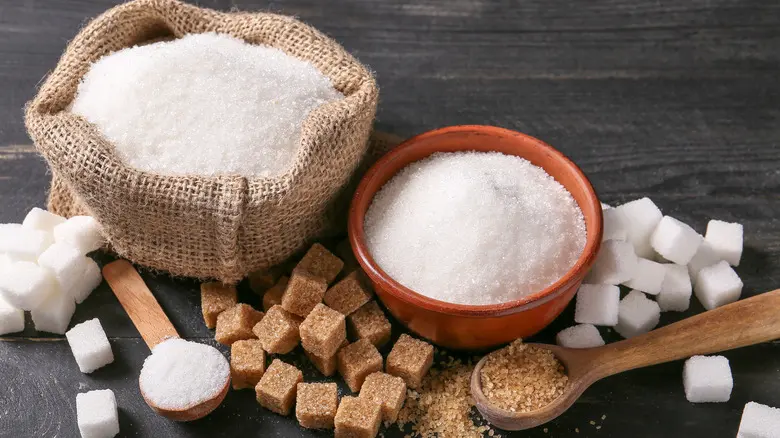
    Coconut sugar has a brownish color, a slightly caramel-like flavor, and a coarser texture than white sugar. Because it undergoes minimal processing and no bleaching or chemical refining, many consider it a more natural sweetener.


    What Is White Sugar?

    White sugar is typically extracted from sugarcane or sugar beets. It goes through an extensive refining process that includes:

    • Crushing and juicing the plant material
    • Boiling and crystallizing the juice
    • Filtering and bleaching to remove molasses and color
    • Centrifuging to create the fine, white crystals found in most homes

    This highly processed product consists of almost 100% sucrose, offering no vitamins, minerals, or other nutrients—just pure sweetness.


    Nutritional Comparison: Coconut Sugar vs. White Sugar

    When comparing the two, it’s important to remember that both are still forms of sugar. However, there are subtle differences in nutritional content.

    NutrientCoconut Sugar (per 100g)White Sugar (per 100g)
    Calories~375~387
    Carbohydrates92g100g
    Sugars75g–80g100g
    Fiber~2g0g
    Potassium~1,000mg2mg
    Iron~2mg0.1mg
    Magnesium~30mg1mg
    Inulin (a fiber)PresentAbsent

    Key Nutritional Differences:

    • Coconut sugar retains trace amounts of nutrients, including iron, zinc, calcium, potassium, and antioxidants.
    • It contains inulin, a prebiotic fiber that may help slow glucose absorption, potentially lowering the glycemic impact.
    • White sugar is essentially empty calories, offering no nutritional value beyond energy.

    Still, these nutrients in coconut sugar exist in small amounts. You’d have to consume large (and unhealthy) quantities to make a significant nutritional impact.


    Glycemic Index: A Closer Look

    One of the main health claims about coconut sugar is its lower glycemic index (GI). The GI measures how quickly a food raises blood sugar levels.

    • Coconut sugar GI: ~35–54 (depending on the source and purity)
    • White sugar GI: ~65

    Foods with a lower GI cause slower, steadier rises in blood sugar and insulin levels. This can be beneficial for people with diabetes, insulin resistance, or those trying to avoid sugar crashes.

    However, despite a slightly lower GI, coconut sugar still raises blood sugar and should be used in moderation.


    Health Effects and Considerations

    Let’s break down how each sugar affects the body:

    White Sugar:

    • Can contribute to weight gain and increased belly fat
    • Linked to insulin resistance and type 2 diabetes
    • Promotes inflammation, which may worsen chronic diseases
    • May increase triglycerides and risk of heart disease
    • Offers no nutrients or health benefits

    Coconut Sugar:

    • Contains small amounts of vitamins and minerals
    • May cause a slightly lower blood sugar spike
    • Offers a small amount of fiber (inulin) for gut health
    • Still high in calories and fructose, which can contribute to metabolic issues when overconsumed

    In essence, coconut sugar is less refined and slightly more nutritious than white sugar, but it’s not a “healthy food” in large quantities. It’s best thought of as a “less bad” sugar, not a superfood.


    Environmental and Sustainability Factors

    Another point in favor of coconut sugar is its lower environmental impact.

    • Coconut palms produce more sugar per acre than sugar cane.
    • They require less water and fewer resources to grow.
    • They also produce coconuts, meaning they’re multi-use trees that support eco-friendly agriculture.

    Conversely, sugarcane cultivation can be environmentally damaging due to:

    • High water consumption
    • Deforestation and habitat destruction
    • Pesticide and fertilizer pollution

    So from a sustainability standpoint, coconut sugar wins.


    Culinary Uses and Taste Differences

    Coconut sugar can replace white sugar 1:1 in most recipes, but there are some differences to consider:

    Flavor:

    • Coconut sugar has a rich, caramel or toffee-like flavor
    • White sugar has a neutral sweetness

    Texture:

    • Coconut sugar is coarser and may not dissolve as easily
    • White sugar offers a finer texture ideal for some baking applications

    Best Uses for Coconut Sugar:

    • Baked goods like cookies, muffins, and cakes
    • Granola or energy bars
    • Coffee, tea, or smoothies
    • Sauces and marinades

    Just note that its color and flavor may alter the final appearance and taste of certain dishes.


    The Verdict: Is Coconut Sugar a Healthier Alternative?

    Coconut sugar is slightly healthier than white sugar due to:

    • Lower glycemic index
    • Presence of trace nutrients and fiber
    • Minimal processing
    • Better sustainability

    However, it is still sugar, and consuming it in large amounts can contribute to the same health issues as white sugar. If you’re trying to reduce sugar intake altogether, the best approach is to limit all forms of added sugar—including “natural” ones.


    Healthier Sugar Alternatives to Consider

    If you’re exploring natural sweeteners, here are a few more options:

    • Stevia: Zero-calorie plant-based sweetener
    • Monk fruit: Natural, calorie-free, and very sweet
    • Raw honey: Contains antioxidants and antimicrobial properties
    • Maple syrup: Rich in minerals and antioxidants, but still sugar-heavy
    • Date sugar or syrup: Made from whole dried dates; fiber-rich

    Each has its pros and cons, but moderation is key.


    Final Thoughts

    Coconut sugar is a less refined, more nutritious, and more sustainable alternative to white sugar, making it a good option for those seeking a natural sweetener. That said, it should not be mistaken for a health food. Like any sugar, it’s best used sparingly and as part of a balanced diet.

    If you’re trying to improve your overall health, focus on reducing all forms of added sugars, increasing whole foods, and making mindful choices about what you eat. Swapping white sugar for coconut sugar can be a small but meaningful step in the right direction.

  • What Is Natural Coconut Sugar? Everything You Need to Know

    What Is Natural Coconut Sugar? Everything You Need to Know

    In recent years, natural sweeteners have surged in popularity as health-conscious consumers look for alternatives to refined white sugar. Among these options, natural coconut sugar stands out for its appealing taste, minimal processing, and potential nutritional benefits. But what exactly is coconut sugar? How is it made, and is it really healthier than regular sugar? This article dives deep into everything you need to know about natural coconut sugar—its origins, uses, nutritional profile, health implications, and more.


    What Is Natural Coconut Sugar?

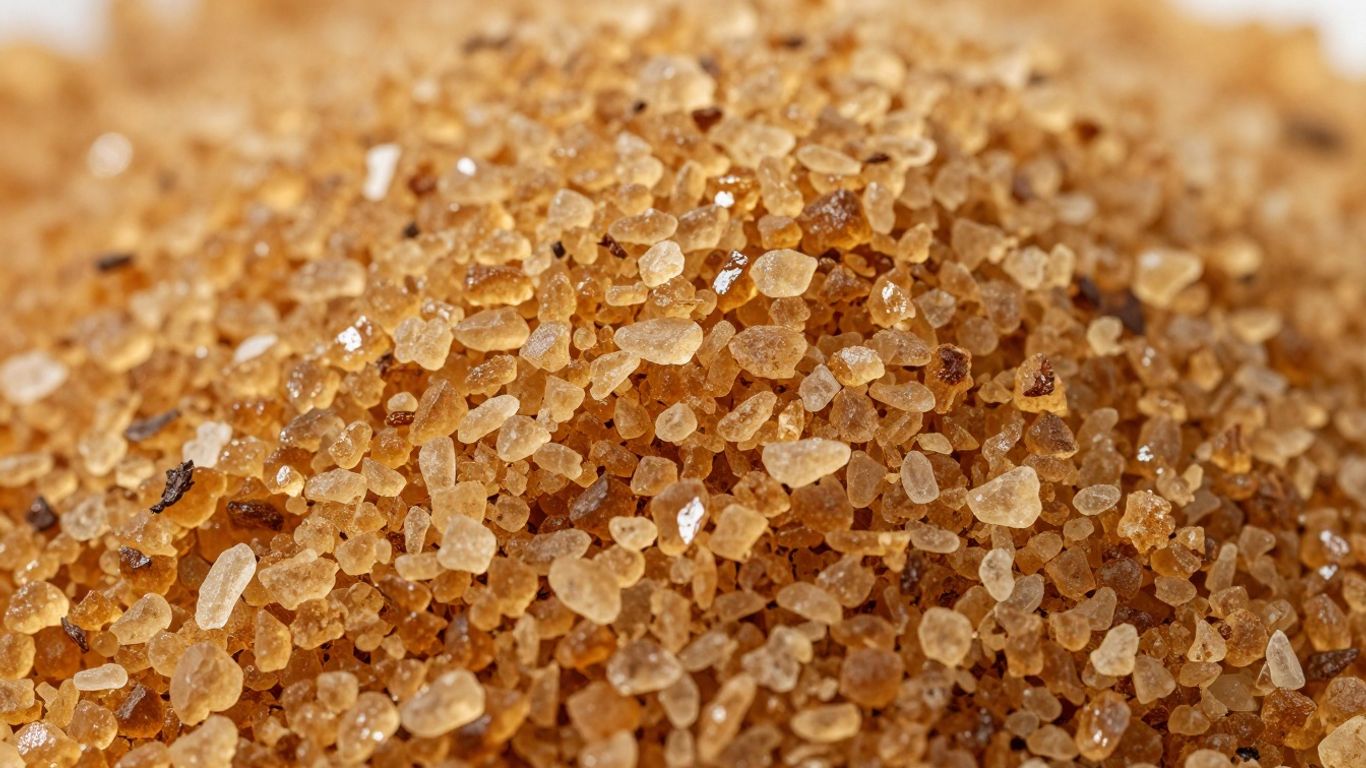
    Coconut sugar, also known as coconut palm sugar, is a natural sweetener derived from the sap of the flower buds of the coconut palm tree (Cocos nucifera). It is not made from the coconut fruit or coconut meat, but rather from the tree’s nutrient-rich sap. Once collected, the sap is gently heated until the water evaporates, resulting in a granulated brown sugar that closely resembles raw cane sugar in texture and color.

    Coconut sugar is considered a minimally processed sweetener because it retains many of the minerals and phytonutrients found in the original sap. It is often labeled as “natural” because it undergoes little to no chemical refining, unlike white sugar.


    How Is Coconut Sugar Made?

    The production of coconut sugar is both traditional and sustainable. Here’s a step-by-step breakdown of how it’s made:

    1. Tapping the Sap: Farmers climb coconut palm trees and cut into the flower buds to release the sap.
    2. Collecting the Sap: The sap drips into containers over several hours.
    3. Heating the Sap: The fresh sap is then heated over a low flame to evaporate the water content.
    4. Crystallization: As the sap thickens, it begins to form sugar crystals.
    5. Drying and Packaging: The crystals are cooled, dried, and packaged for sale.

    This method has been used for centuries in Southeast Asia, where coconut palms grow abundantly and coconut sugar is a staple sweetener in traditional cooking.


    Nutritional Profile of Coconut Sugar

    Coconut sugar is often promoted as a more nutritious alternative to white sugar. While it’s still a form of sugar and should be consumed in moderation, it contains small amounts of beneficial nutrients:

    NutrientCoconut Sugar (per 100g)
    Calories~375 kcal
    Carbohydrates~92g
    Sugars~75g
    Iron~2.2mg
    Zinc~1.0mg
    Potassium~1030mg
    Magnesium~29mg

    These nutrients are retained because coconut sugar is not stripped of its natural components during processing. It also contains inulin, a type of dietary fiber that acts as a prebiotic and may support digestive health.

    Note: Although it has trace minerals, the quantities are small. You would need to consume a large amount of coconut sugar to meet your daily mineral needs—which is not advisable.


    Glycemic Index: Is It Better Than Regular Sugar?

    One of the key health claims surrounding coconut sugar is its lower glycemic index (GI). The glycemic index measures how quickly a food raises blood sugar levels. Coconut sugar has a reported GI of around 35–54, whereas white sugar scores about 60–65.

    This lower GI is mainly attributed to the inulin content, which slows glucose absorption. However, experts caution that the difference is not dramatic, and the overall sugar content is still high. For individuals with diabetes or insulin resistance, coconut sugar should still be consumed sparingly.


    Taste and Culinary Uses

    Coconut sugar has a rich, caramel-like flavor that many describe as similar to brown sugar or maple syrup. It has a subtle complexity that enhances both sweet and savory dishes.

    Common Culinary Uses:

    • Baking cookies, cakes, and muffins
    • Sweetening coffee and tea
    • Sprinkling over oatmeal or cereal
    • Adding depth to sauces, marinades, and curries

    Coconut sugar is highly versatile and can be used as a 1:1 substitute for white or brown sugar in most recipes, though it may slightly darken the color and change the flavor profile of lighter dishes.


    Is Coconut Sugar Healthier Than Regular Sugar?

    While coconut sugar does offer certain advantages over refined sugar—such as retaining minerals and having a lower GI—it is still sugar. It contains the same number of calories and carbohydrates and can contribute to blood sugar spikes if overconsumed.

    Potential Health Benefits:

    • Lower glycemic index may result in fewer blood sugar spikes.
    • More nutrients than refined sugar (though not enough to rely on for nutrition).
    • Natural origin with minimal processing and no chemical bleaching.

    Potential Drawbacks:

    • Still high in calories and fructose—about 70–80% of its sugar content is sucrose.
    • Can be expensive, often costing 2–3 times more than white sugar.
    • Not suitable for high-fructose sensitivity or strict sugar-free diets.

    Conclusion: Coconut sugar is marginally healthier than white sugar, but it’s not a superfood. It should be seen as a less refined alternative, not a health food.


    Environmental and Ethical Considerations

    Coconut sugar has gained popularity among environmentally-conscious consumers due to its sustainable farming methods. Coconut palms require relatively little water and produce sap for 20 years or more without being cut down.

    Additionally, the cultivation of coconut sugar:

    • Supports small-scale farmers in Southeast Asia.
    • Promotes biodiversity, as coconut palms are often grown in diverse ecosystems.
    • Helps prevent soil erosion and preserves local agriculture.

    When buying coconut sugar, look for organic and fair-trade certifications to ensure ethical sourcing and farming practices.


    How to Choose and Store Coconut Sugar

    Buying Tips:

    • Choose 100% pure coconut sugar with no added sweeteners or preservatives.
    • Look for brands that are certified organic and non-GMO.
    • Check for fair-trade labels to support ethical labor practices.

    Storage Tips:

    • Store in an airtight container in a cool, dry place.
    • Keep away from moisture to prevent clumping.
    • It can last up to 2 years if stored properly.

    Conclusion

    Natural coconut sugar is a flavorful and less processed alternative to refined sugar. While it does offer small amounts of nutrients and has a lower glycemic index, it remains a sugar and should be consumed in moderation. Its sustainability, mild caramel flavor, and minimal processing make it a popular choice for health-conscious cooks and bakers.

    Whether you’re looking to reduce your intake of refined sugar or experiment with new natural sweeteners, coconut sugar is a worthwhile addition to your pantry. Just remember: “natural” doesn’t mean unlimited. Balance and moderation are key to reaping any potential benefits without compromising your overall health.


Secret Link